Top 17 Natural Monuments around Balge
Best natural monuments around Balge showcase a diverse natural landscape in the Nienburg district. This region features significant riverine areas, protected marshlands, and ancient forests. Visitors can explore various natural formations, from glacial erratics to renatured river sections. The area provides opportunities to observe local flora and fauna within its designated natural monuments.
Best natural monuments around Balge
- The most popular natural monuments is Drakenburg Marsh Nature Reserve, a natural monument that features a marsh landscape characterized by regular…
Last updated: April 26, 2026
Drakenburg Marsh Nature Reserve
Highlight • Natural Monument
Translated by Google •
Tip by

Große Aue in Liebenau
Highlight • River
Translated by Google •
Tip by

Sign up now to discover places like this
Get recommendations on the best single tracks, peaks, & plenty of other exciting outdoor places.
Sign up for free
Corydalis bloom in the Alhuser Ahe
Highlight • Forest
Translated by Google •
Tip by

Nienburg's Glacial Erratics
Highlight • Natural Monument
Translated by Google •
Tip by

Die Rolle
Highlight • Lake
Info from the web:
Location and brief description:
The approx. 28 hectare natural bathing lake "Die Rolle" is located in a fauna-flora habitat (FFH) area 289 …
Translated by Google •
Tip by

Sign up for free to discover even more natural monuments around Balge.
Sign up for free
Already have an account?
Start today with a free account
Your next adventure awaits.
Login or Signup
Other adventures around Balge

Tips from the Community

It's wonderful when the larkspurs make a guest appearance on the Waldbühne stage, delighting the audience with their splendid blossoms. The performances are free, absolutely worth seeing, and—as every year—scheduled to run until the end of April.
0
0

Great bike tour
4
1

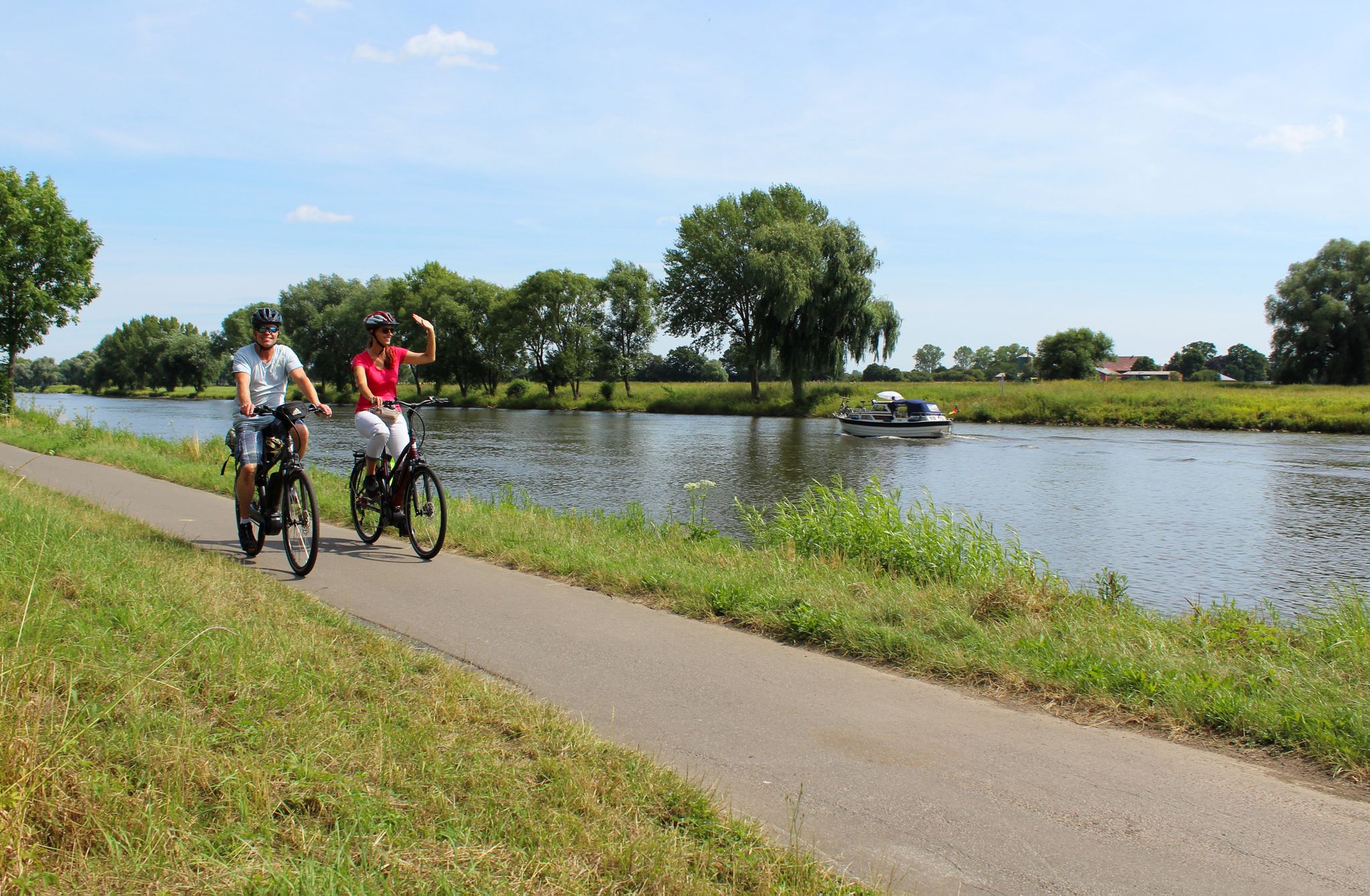
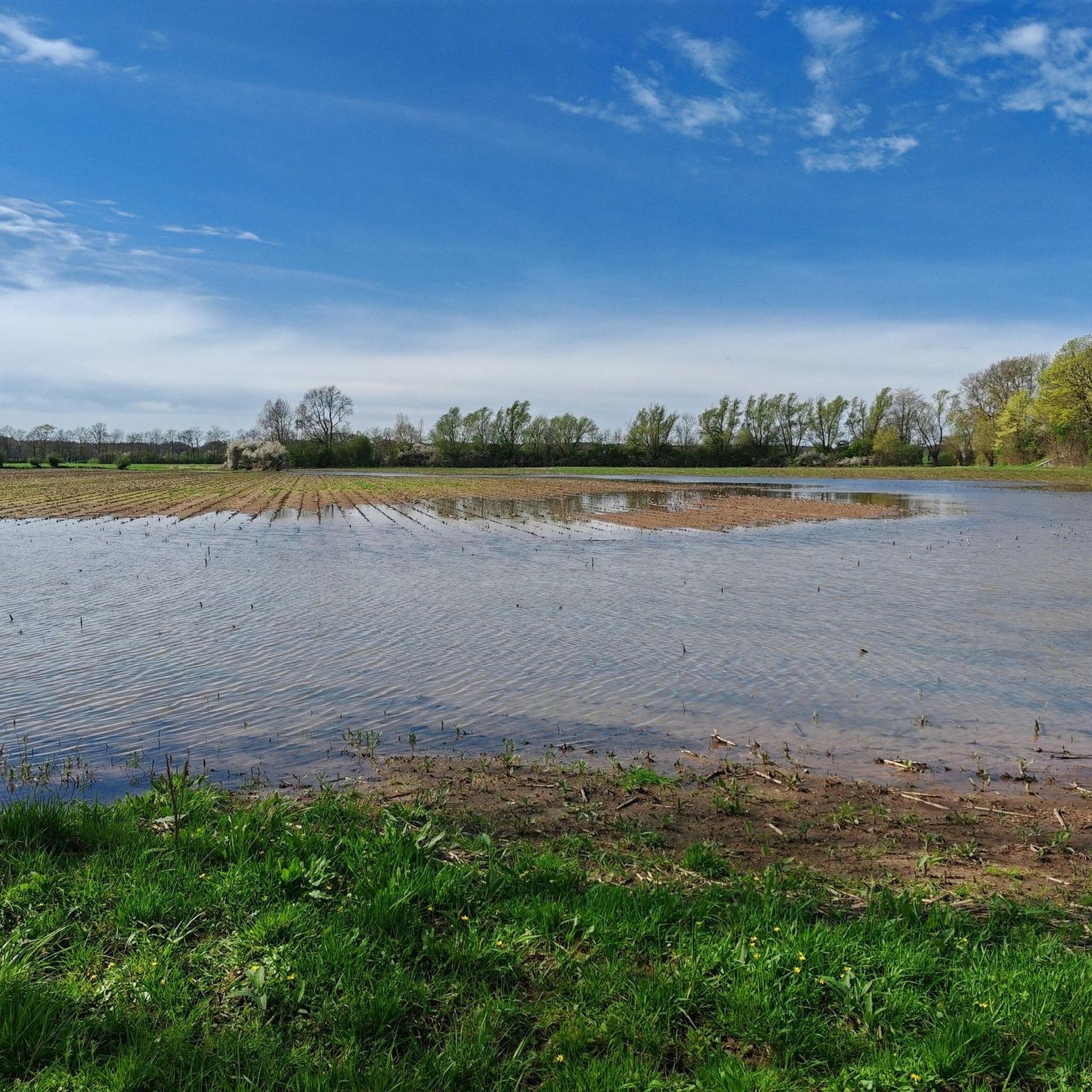
Beautiful cycle path through the nature reserve on the Weser. The marsh landscape is characterized by regular flooding and is a habitat for many different animal species.
7
0

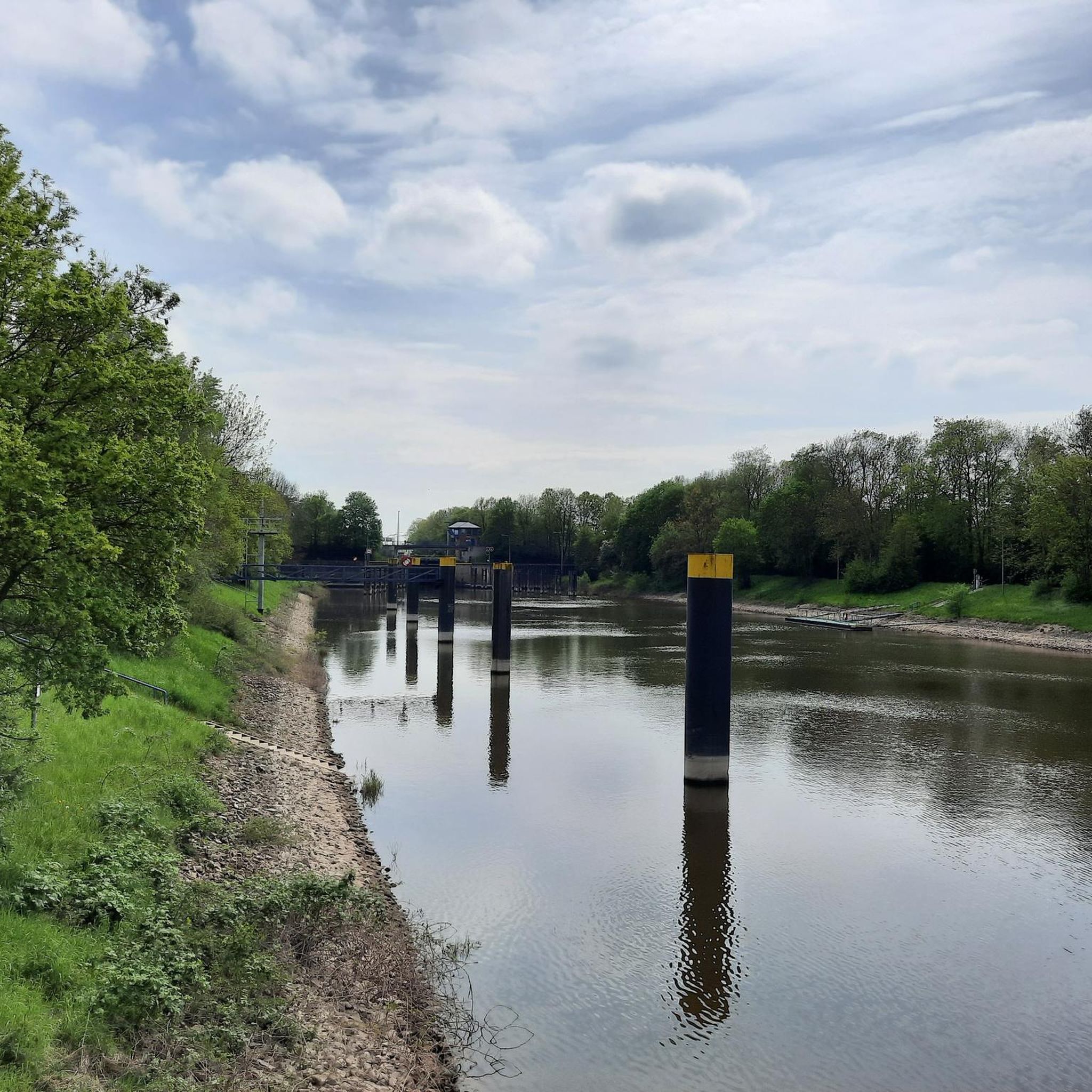
The place on the “Große Aue” has been the location of the mill since 1298. At this time the mill served purely as a grain mill for grinding grain. In 1859 a sawmill was added to the grain mill, and the floodplain now powered four mill wheels. A comprehensive renovation took place in 1913, during which the water wheels were replaced by a turbine. After mill operations stopped in the 1970s, the turbine continues to run and generate electricity today.
3
0

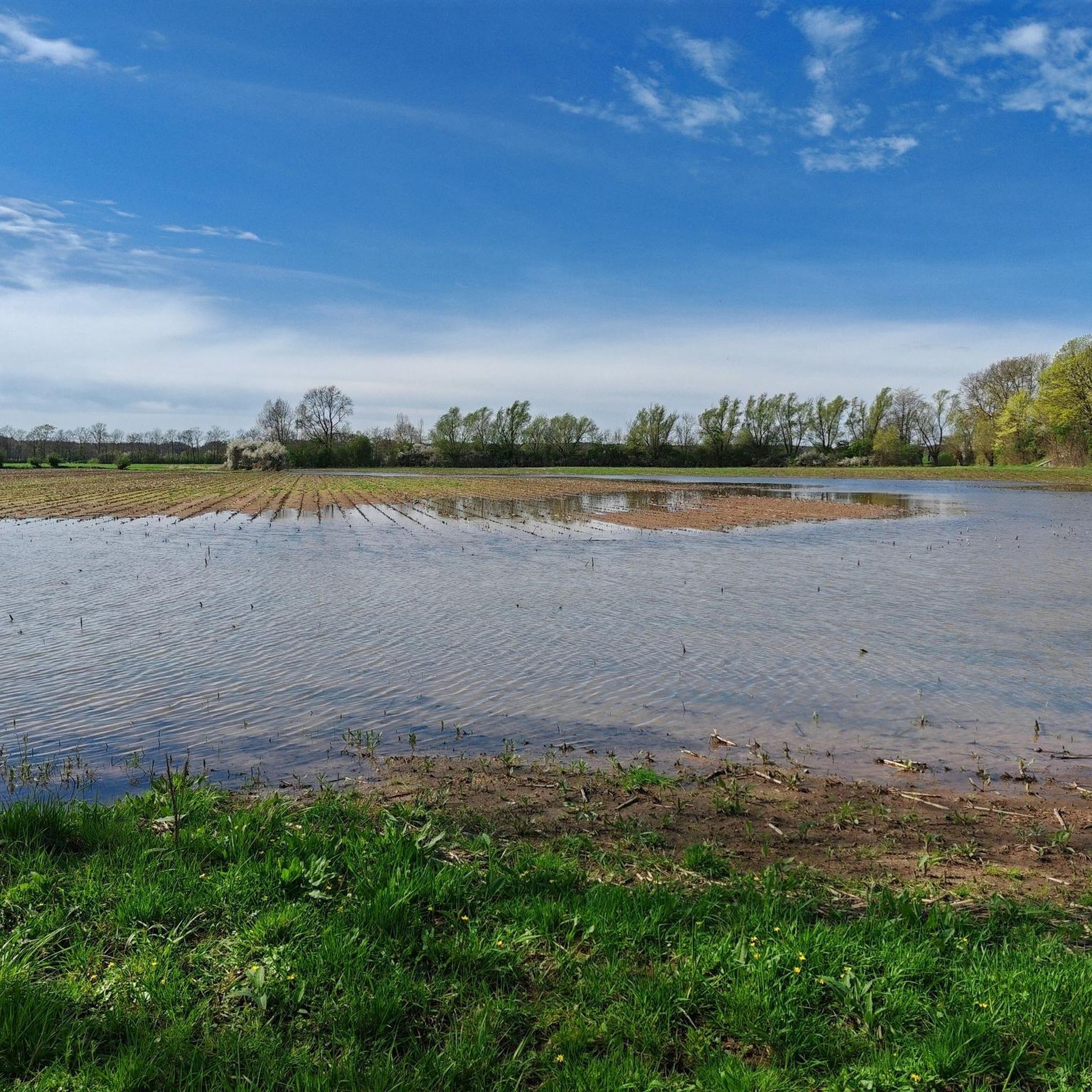
The "Drakenburger Marsch" still shows clear traces of the river bend marsh, a form of land use that was once typical for the entire Wesermarsch. In addition to its cultural and historical significance, this type of landscape, which has become rare, offers a habitat and retreat for vulnerable and endangered animal and plant species and communities due to its structural diversity. The species-rich, well-preserved hedges and their herbaceous fringe are of very high ecological importance as a habitat for numerous, sometimes rare, vertebrates, birds and small mammals. The grassland, which is partly characterized by flood troughs and is regularly flooded, represents an important refuge for organisms bound to temporary bodies of water and offers resting and feeding opportunities, especially for Nordic birds migrating after floods. The remaining wet grassland is also important as a food habitat for the white stork. https://www.lk-nienburg.de/portal/seiten/naturschutzgebiet-drakenburger-marsch-901001074-21500.html
10
0

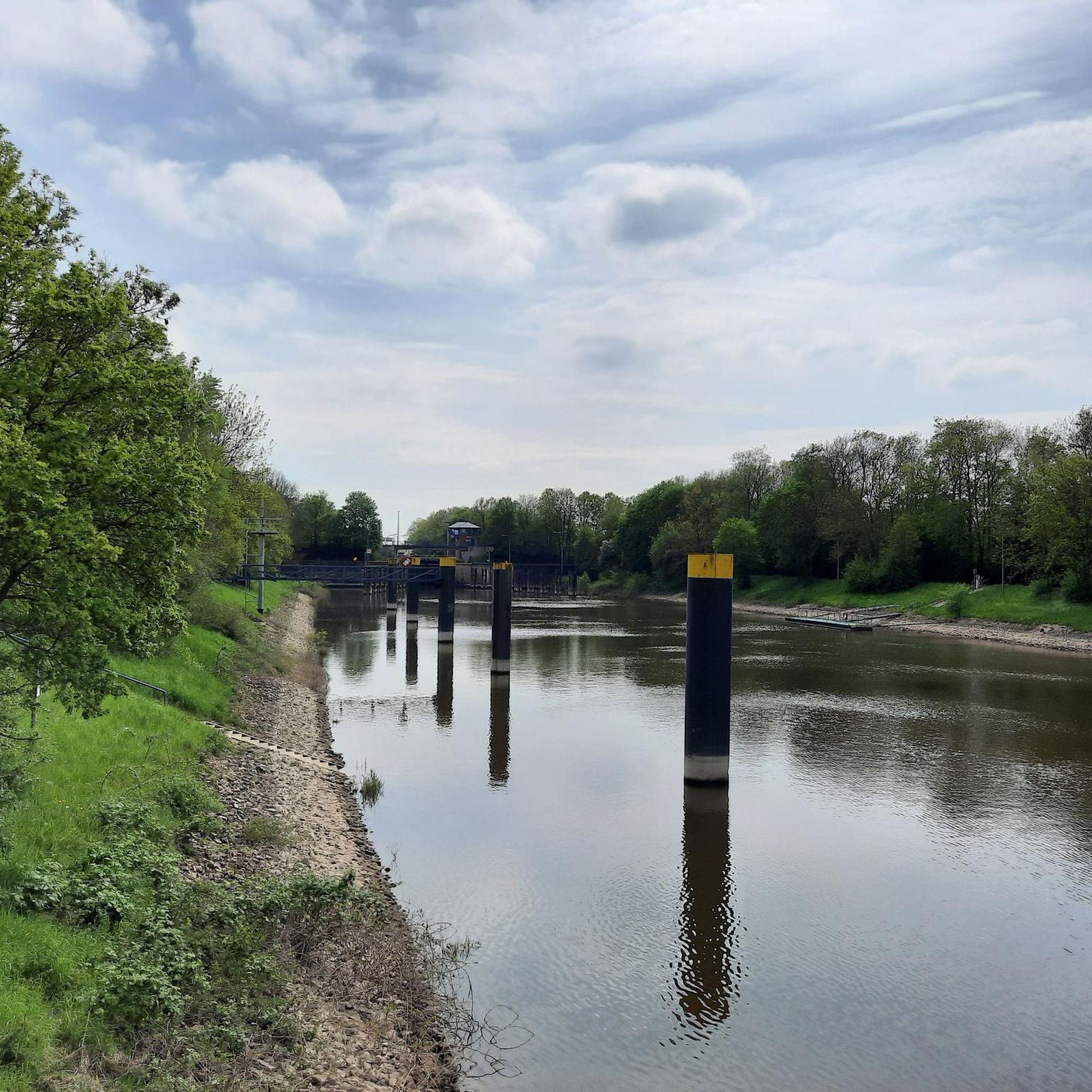
In the years after the Second World War, everything was done to turn the Große Aue into a canal-like river and thus to achieve a flood-free river course. In the 1980s, initiatives in the Minden-Lübbecke area led to the decision to renaturate the river landscape. The landscape, which has become species-poor as a result of the expansion, should recover. Alluvial forests, hedges and the typical plants and animals should be given a habitat again. When the ground-breaking ceremony for renaturation took place in 1989, this project was unique in North Rhine-Westphalia. The monotonous river bed and its up to 300 m wide side spaces were redesigned to form a near-natural meadow landscape. Approximately 200 hectares of flood plains have been reclaimed. The technically upgraded barrel was largely preserved. At the same time, a new body of water was created that flows into the old course at several points. From today's perspective, a species-rich animal and plant world was created without flood disasters being expected. Source: Wikipedia
4
0
They come from the Weser and have a mysterious origin. The Water and Shipping Office is constantly removing heavy stones weighing more than three tons from the river bed with their floating grab, but it doesn't take long for some to "grow" back. The hydraulic engineers are faced with a puzzle. More boulders (natural monuments) are located a little further north on the Weser Cycle Path at the tip of the Weser Peninsula and just before Nienburg Harbour. Many farmers also experience this as a problem on their fields. Every year they "harvest" stones from their fields, which seem to grow back like potatoes. With regard to this phenomenon, the State Office for Mining, Energy and Geology in Hanover refers to the occurrence of cryoturbation, a general term for all movements caused by the effects of frost in the ground. Source: https://www.mittelweser-tourismus.de/poi/nienburgs-findlinge-1/
3
0

The Drakenburger Marsch is a nature reserve in the Lower Saxony municipalities of Drakenburg in the joint municipality of Heemsen and the city of Nienburg/Weser in the Nienburg/Weser district. https://de.wikipedia.org/wiki/Drakenburger_Marsch
6
0
Frequently Asked Questions
What types of natural monuments can I explore around Balge?
The Balge area offers a diverse range of natural monuments, including significant riverine areas, protected marshlands, and ancient forests. You can discover unique formations like glacial erratics, renatured river sections, and alluvial forests. Highlights include the Drakenburg Marsh Nature Reserve and the Corydalis bloom in the Alhuser Ahe.
Are there family-friendly natural monuments in the Balge area?
Yes, several natural monuments around Balge are suitable for families. The Drakenburg Marsh Nature Reserve features a cycle path, and the Corydalis bloom in the Alhuser Ahe is a beautiful forest for a family stroll. Große Aue in Liebenau and Die Rolle lake are also noted as family-friendly.
When is the best time of year to visit the natural monuments around Balge?
The best time to visit depends on what you want to see. For the spectacular Corydalis bloom in the Alhuser Ahe, late March to early April is ideal. Generally, spring and autumn offer pleasant weather for exploring the marshlands and forests, while summer is great for activities around Die Rolle lake.
What kind of outdoor activities can I do near these natural monuments?
The area around Balge is excellent for various outdoor activities. You can enjoy gravel biking on routes like the 'Lemker Marsh – Binner Gorge loop' or explore MTB trails such as the 'Wooden Bridge in Lemker Marsch – Weser Weir Drakenburg loop'. Road cycling is also popular, with routes like 'Weser Ferry Schweringen – Drakenburg Weir loop'. For more details, check out the Gravel biking around Balge, MTB Trails around Balge, and Road Cycling Routes around Balge guides.
Are there opportunities for wildlife spotting in the natural monuments?
Yes, the natural monuments around Balge provide habitats for diverse wildlife. The Drakenburg Marsh Nature Reserve, with its regular flooding, is a significant habitat for many animal species, including Nordic birds, especially after floods. The species-rich hedges also support numerous vertebrates, birds, and small mammals.
What makes the Drakenburg Marsh Nature Reserve a notable natural monument?
The Drakenburg Marsh Nature Reserve is characterized by its marsh landscape and regular flooding, making it a vital habitat for many different animal species. It also features a beautiful cycle path through the reserve along the Weser River and showcases clear traces of the historic river bend marsh, a rare land-use form.
Where can I see unique seasonal blooms around Balge?
For a truly unique seasonal experience, visit the Corydalis bloom in the Alhuser Ahe. This alluvial forest is famous for its blooming lark spur, which creates a stunning contrast with the tall, old oak and field maple trees. The best time to witness this natural spectacle is typically in late March or early April.
What geological features can be found among Balge's natural monuments?
The area features interesting geological elements, most notably Nienburg's Glacial Erratics. These large boulders, some weighing up to 10 tons, were transported from southern Sweden during the Saale Ice Age, approximately 200,000 years ago. They can be found along the banks of the Weser River.
What is special about the Große Aue in Liebenau?
The Große Aue in Liebenau is notable for its successful renaturation efforts. Once a canal-like river, it has been transformed into a near-natural meadow landscape with fish ladders and a waterfall. This project aimed to restore the river's ecosystem, creating a species-rich environment with alluvial forests and diverse plant and animal life.
Are there any natural monuments around Balge that are suitable for visitors with limited mobility or strollers?
While specific accessibility details for all monuments are not provided, areas with cycle paths, such as parts of the Drakenburg Marsh Nature Reserve, might offer smoother terrain. For the Corydalis bloom in the Alhuser Ahe, visitors have noted that it's a pleasant walk, but specific stroller or wheelchair suitability is not guaranteed. It's advisable to check local conditions before visiting.
Can I bring my dog to the natural monuments around Balge?
Many natural areas in Germany are dog-friendly, but regulations can vary by specific nature reserve or monument. It's generally recommended to keep dogs on a leash to protect wildlife and other visitors. Always look for local signage at the entrance to each natural monument for specific rules regarding pets.
What do visitors enjoy most about the natural monuments around Balge?
Visitors frequently appreciate the untouched natural beauty and the diversity of landscapes. The unique seasonal blooms, like the lark spur in the Alhuser Ahe, are a major draw. The renaturation efforts at Große Aue in Liebenau and the tranquil setting of Die Rolle lake are also highly valued. The komoot community has shared over 240 upvotes and 6 photos, highlighting the area's appeal.
Most popular attractions around Balge

Get inspired with the komoot mobile app


Explore more
Extend your search for the best caves by checking out these guides of the top ones around Balge:
