Top 12 Natural Monuments around Schweringen
Best natural monuments around Schweringen are found within a landscape committed to natural preservation and biodiversity. The municipality actively protects its environment through designated biotopes and landscape protection areas. These areas contribute to ecosystem stability and host rare plant and animal species. Visitors can explore a variety of natural settings, from marshlands to ancient forests, offering opportunities for outdoor activities like hiking and cycling.
Best natural monuments around Schweringen
- The most popular natural monuments is Drakenburg Marsh Nature Reserve,…
Last updated: April 26, 2026
Drakenburg Marsh Nature Reserve
Highlight • Natural Monument
Translated by Google •
Tip by

Corydalis bloom in the Alhuser Ahe
Highlight • Forest
Translated by Google •
Tip by

Sign up now to discover places like this
Get recommendations on the best single tracks, peaks, & plenty of other exciting outdoor places.
Sign up for free
Burial Mounds in Diensthoper Forest
Highlight • Historical Site
Translated by Google •
Tip by

Wildflowers in Alhuser Ahe Nature Reserve
Highlight • Natural Monument
Translated by Google •
Tip by

Stork Nest on the Old Brick Chimney
Highlight • Structure
Translated by Google •
Tip by

Sign up for free to discover even more natural monuments around Schweringen.
Sign up for free
Already have an account?
Start today with a free account
Your next adventure awaits.
Login or Signup
Tips from the Community

It's great how the nest stands out on the old chimney. Idyllic!
3
0

It's wonderful when the larkspurs make a guest appearance on the Waldbühne stage, delighting the audience with their splendid blossoms. The performances are free, absolutely worth seeing, and—as every year—scheduled to run until the end of April.
0
0

Great bike tour
4
1

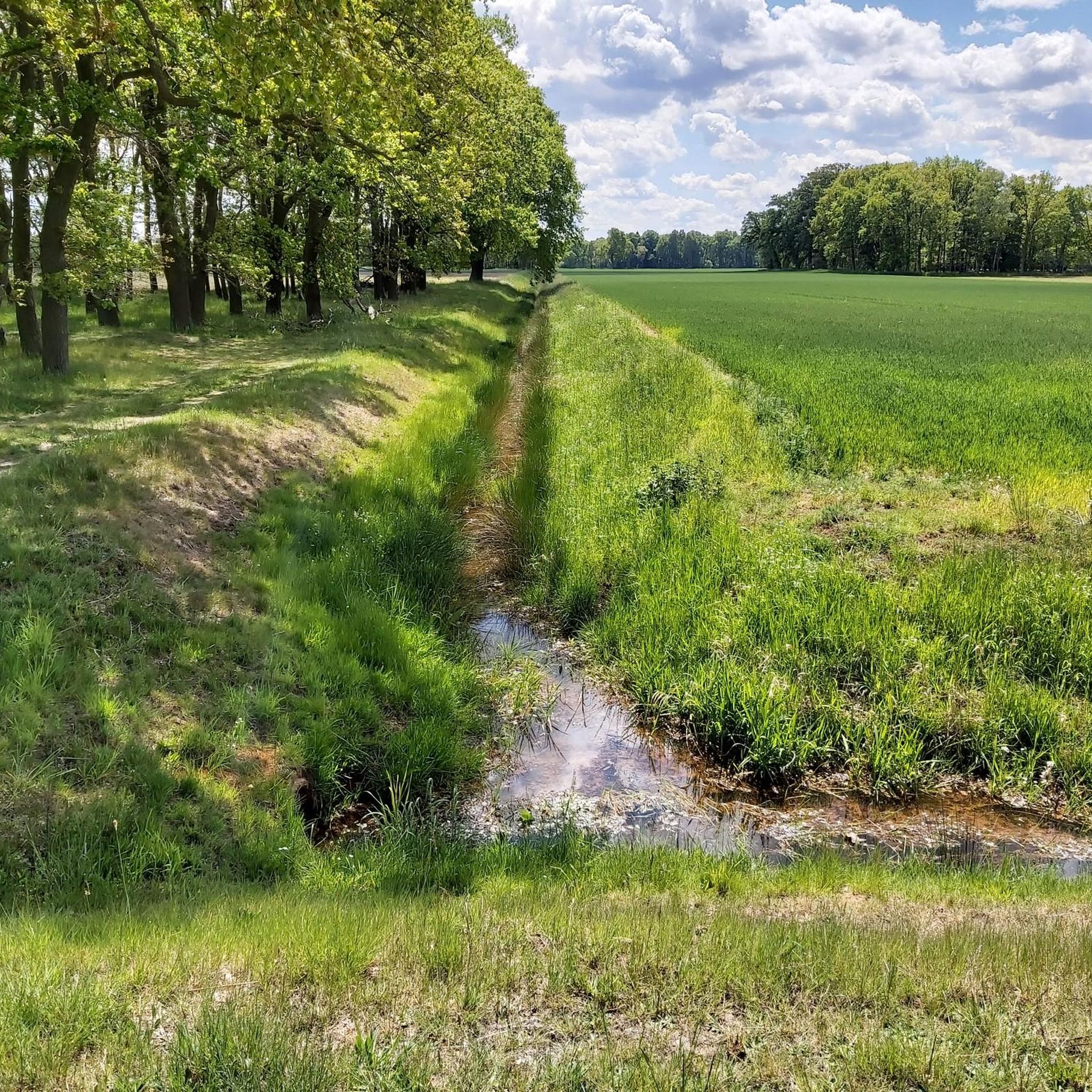
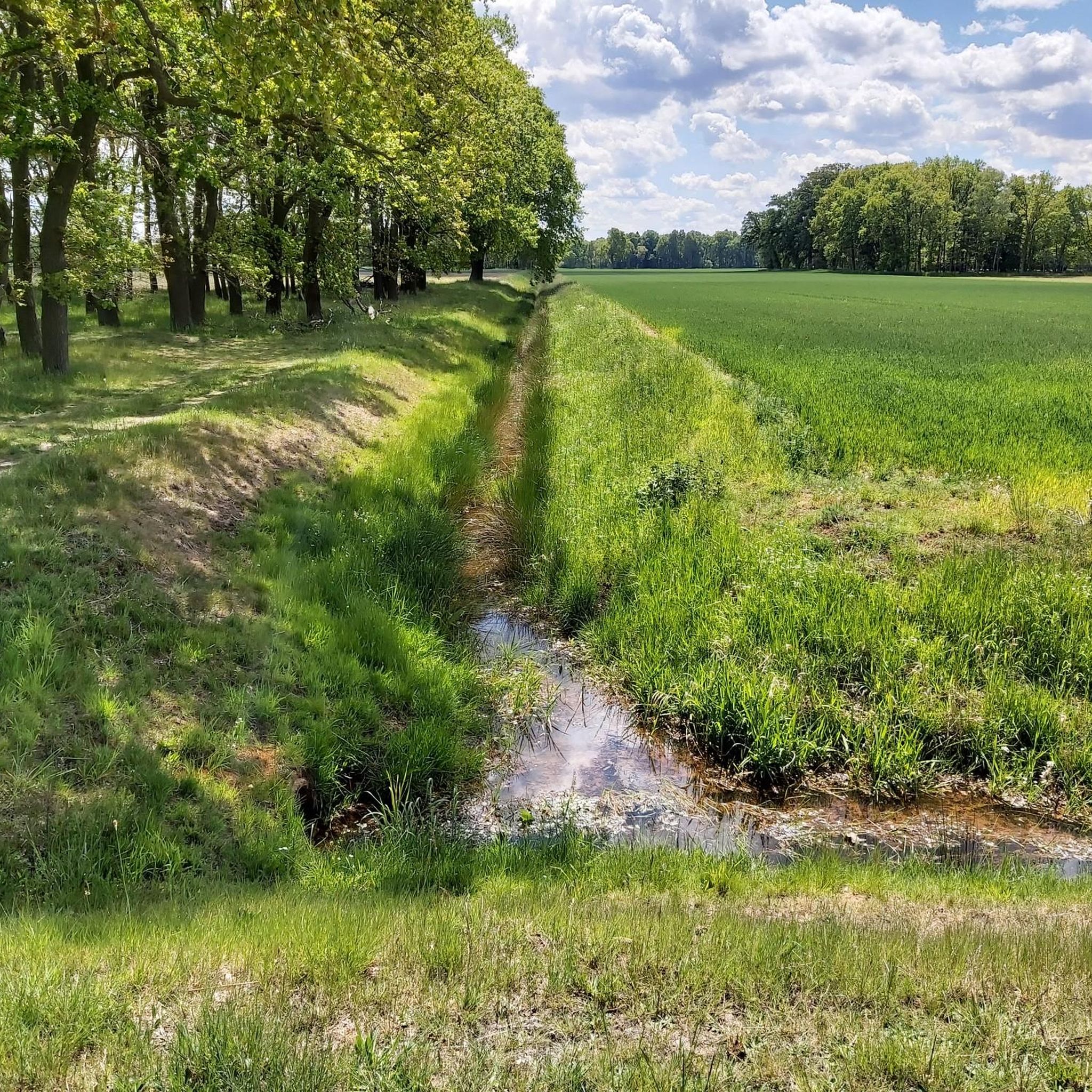
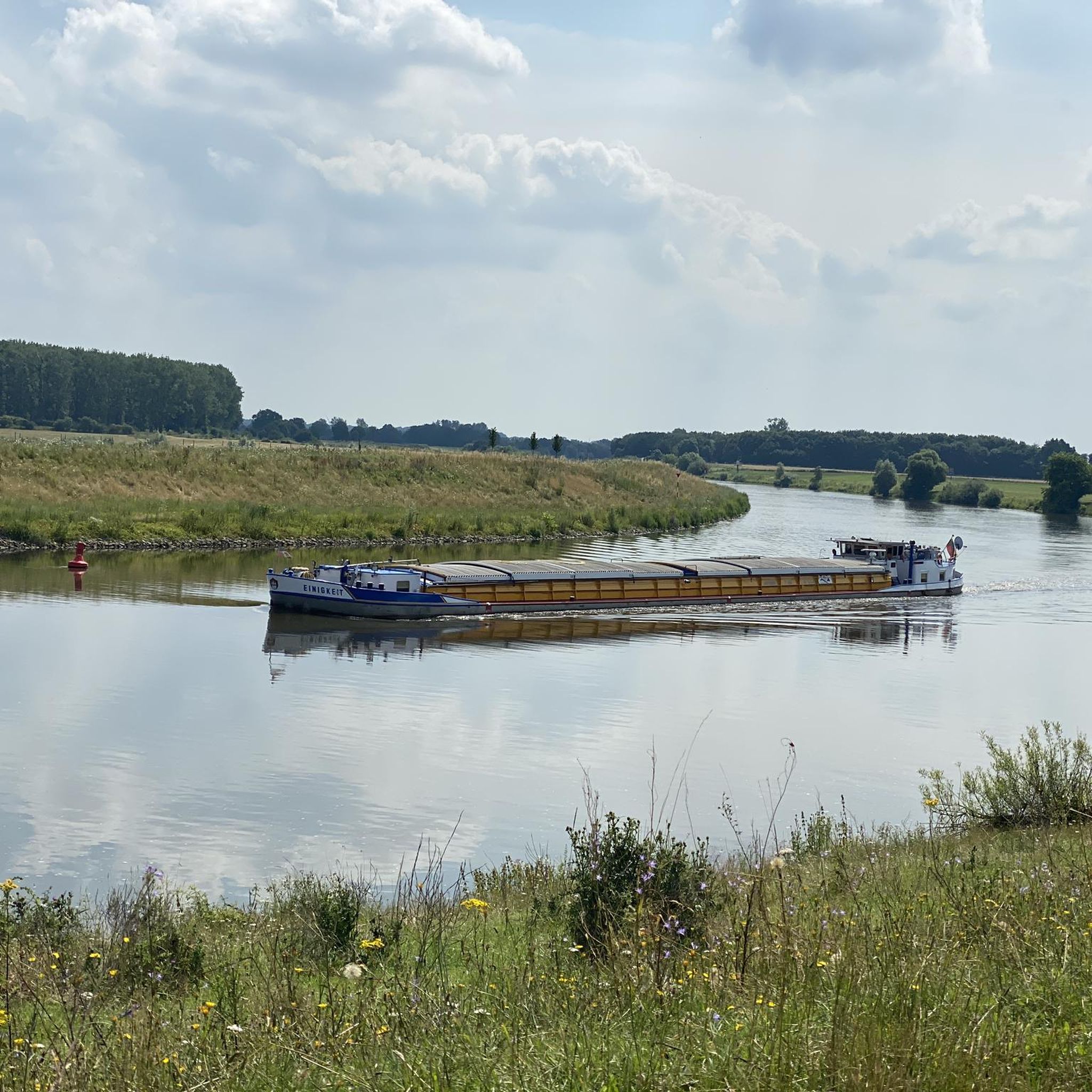
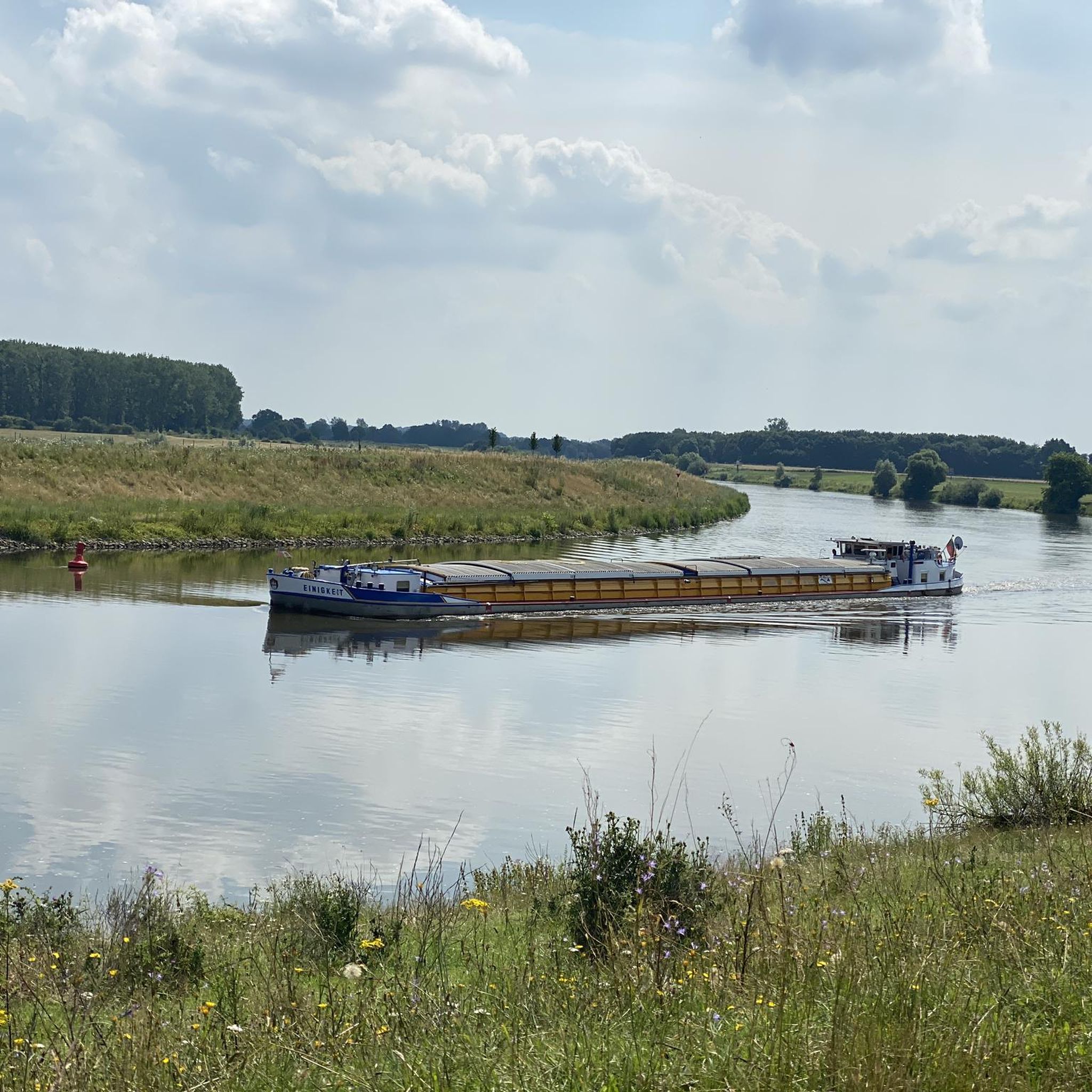
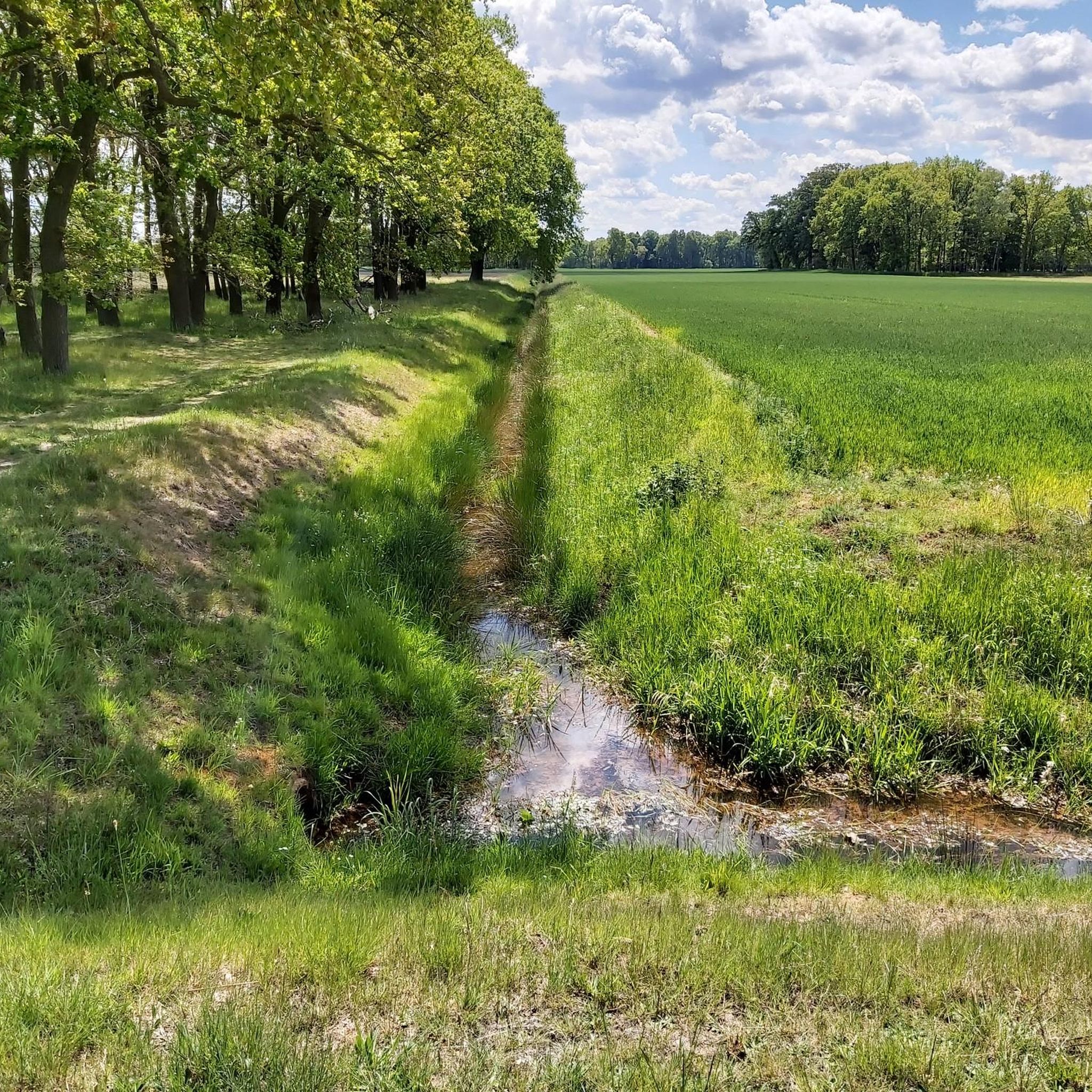
Beautiful cycle path through the nature reserve on the Weser. The marsh landscape is characterized by regular flooding and is a habitat for many different animal species.
7
0

Service Shop: Wonderful model of a Bronze Age barrow.
0
0

Here the prehistoric times meet the dark times of National Socialism! Just a few meters from the burial mounds are the ruins of the “Eiba” ammunition factory. Very exciting place…
0
0

An old brick chimney with a stork's nest on top. This is what it often looked like in the villages in the past.
5
0
The "Drakenburger Marsch" still shows clear traces of the river bend marsh, a form of land use that was once typical for the entire Wesermarsch. In addition to its cultural and historical significance, this type of landscape, which has become rare, offers a habitat and retreat for vulnerable and endangered animal and plant species and communities due to its structural diversity. The species-rich, well-preserved hedges and their herbaceous fringe are of very high ecological importance as a habitat for numerous, sometimes rare, vertebrates, birds and small mammals. The grassland, which is partly characterized by flood troughs and is regularly flooded, represents an important refuge for organisms bound to temporary bodies of water and offers resting and feeding opportunities, especially for Nordic birds migrating after floods. The remaining wet grassland is also important as a food habitat for the white stork. https://www.lk-nienburg.de/portal/seiten/naturschutzgebiet-drakenburger-marsch-901001074-21500.html
10
0
Frequently Asked Questions
What unique natural phenomena can I observe around Schweringen?
One of the most captivating natural phenomena is the Corydalis bloom in the Alhuser Ahe. In late March and early April, the forest floor transforms into a vibrant carpet of white and purple flowers. Similarly, the Riparian forest near Hingste also features a stunning display of hollow larkspur during the same period, and you might spot gray herons there.
Are there any natural monuments with historical significance near Schweringen?
Yes, the Burial Mounds in Diensthoper Forest offer a glimpse into the region's archaeological past. This forested area contains a large number of ancient burial mounds, providing insights into early settlements and cultures.
What kind of wildlife can I expect to see in the natural areas around Schweringen?
The Drakenburg Marsh Nature Reserve is a prime location for wildlife spotting. This marsh landscape, characterized by regular flooding, provides a habitat for many different animal species, including vulnerable and endangered plant and animal communities. It's also an important refuge and feeding ground for Nordic birds, especially after floods.
What is the best time of year to visit the natural monuments around Schweringen?
For the spectacular flower blooms, late March to early April is ideal, particularly for the Corydalis bloom in the Alhuser Ahe and the Riparian forest near Hingste. Generally, spring and early summer offer pleasant weather for exploring the protected landscapes and enjoying outdoor activities.
Are there family-friendly natural monuments or activities in the Schweringen area?
Many of the natural monuments are suitable for families. The Drakenburg Marsh Nature Reserve features a beautiful cycle path along the Weser, perfect for family bike rides. The Corydalis bloom in the Alhuser Ahe and the Burial Mounds in Diensthoper Forest are also considered family-friendly for walks and exploration.
What outdoor activities can I do near these natural monuments?
The region around Schweringen is excellent for various outdoor activities. You can find numerous road cycling routes, gravel biking trails, and mountain biking trails. For detailed routes and guides, explore the Road Cycling Routes around Schweringen, Gravel biking around Schweringen, and MTB Trails around Schweringen.
Are there cycling paths that pass through or near the natural monuments?
Yes, the Drakenburg Marsh Nature Reserve is known for its beautiful cycle path along the Weser, offering scenic views of the marsh landscape. This is a great way to experience the natural beauty of the area by bike.
What do visitors enjoy most about the natural monuments around Schweringen?
Visitors particularly appreciate the serene beauty of the protected landscapes and the unique natural phenomena. The annual flower blooms, like the hollow larkspur in Alhuser Ahe, are a major draw. The opportunity to combine nature exploration with historical insights, such as at the Burial Mounds, is also highly valued.
Are there any specific natural reserves or protected areas in Schweringen?
While there aren't many individually named natural monuments, Schweringen is committed to preserving its natural landscape. The municipality has an 'Umweltkataster Schweringen' (Environmental Cadastre Schweringen) that identifies legally protected biotopes and landscape protection areas. These areas, like the Drakenburg Marsh Nature Reserve, are crucial for maintaining biodiversity and ecosystem stability.
Can I find easy walking trails suitable for all fitness levels near the natural monuments?
Many of the natural areas, including the forests and marshlands, offer relatively easy walking paths. The overall protected landscape of Schweringen is conducive to gentle strolls, allowing visitors to enjoy nature without strenuous climbs. The paths through areas like the Alhuser Ahe are generally manageable for a leisurely walk.
Are dogs allowed on trails near the natural monuments?
Generally, dogs are welcome on trails in natural areas, but it's always advisable to keep them on a leash, especially in nature reserves and protected biotopes, to protect local wildlife and plants. Specific rules may vary, so look for local signage.
Where can I find information about parking facilities near these natural monuments?
Parking availability can vary by location. For specific natural monuments like the Corydalis bloom in the Alhuser Ahe, there are often designated parking spots nearby, though they can get busy on weekends during peak bloom. It's recommended to check local information or maps for specific parking areas before your visit.
Most popular routes around Schweringen
Most popular attractions around Schweringen

Get inspired with the komoot mobile app


Explore more
Extend your search for the best caves by checking out these guides of the top ones around Schweringen:
