Top 20 Natural Monuments around Marklohe
Best natural monuments around Marklohe are found in a municipality within the district of Nienburg/Weser in Lower Saxony. The region is characterized by its natural landscape, including the Weser River and various protected natural features. It offers opportunities for exploring local flora and fauna through designated trails and significant natural landmarks.
Best natural monuments around Marklohe
- The most popular natural monuments is Drakenburg Marsh Nature Reserve, a natural monument that features a cycle path through a marsh landscape. This…
Last updated: September 28, 2026
Drakenburg Marsh Nature Reserve
Highlight • Natural Monument
Translated by Google •
Tip by

Große Aue in Liebenau
Highlight • River
Translated by Google •
Tip by

Sign up now to discover places like this
Get recommendations on the best single tracks, peaks, & plenty of other exciting outdoor places.
Giebichenstein Boulder
Highlight • Natural Monument
Translated by Google •
Tip by

Stöckser Lake
Highlight • Lake
Translated by Google •
Tip by

Nienburg's Glacial Erratics
Highlight • Natural Monument
Translated by Google •
Tip by

Sign up for free to discover even more natural monuments around Marklohe.
Already have an account?
Start today with a free account
Your next adventure awaits.

Tips from the Community

The Giebichenstein in Stöckse is considered the largest erratic boulder in Lower Saxony and is definitely worth a break. Those eager to climb can also manage to ascend it. Not far from it, there is a playground on the outskirts of Stöckse, and you can also reach the Stöckser See via footpaths.
0
0

The glacial erratics from Småland in Nienburg/Weser are impressive relics of a natural history dating back tens of thousands of years. These large, often smoothly polished boulders originally came from the southern Swedish region of Småland and were transported to northern Germany by mighty glaciers during the last Ice Age. As the ice sheet slowly moved south, it tore rocks from the Scandinavian bedrock and carried them over long distances. When the ice melted, these so-called erratics were left behind in the landscape – far from their place of origin. Such glacial erratics, which can be geologically clearly attributed to Sweden, can also be found in Nienburg. Their composition, such as granite or gneiss, as well as characteristic structures, allow conclusions to be drawn about their Småland origin. They thus vividly illustrate the immense forces of the Ice Age and demonstrate how profoundly glaciers shaped the landscape we see today. The glacial erratics are silent witnesses to history, forging a connection between the Nienburg region and Scandinavia. Beyond their geological significance, these erratics also play a cultural and design role. In Nienburg, they are deliberately used as striking elements in the cityscape and green spaces, serving simultaneously as a starting point for environmental education and the preservation of historical memory.
1
0

Great bike tour
4
1

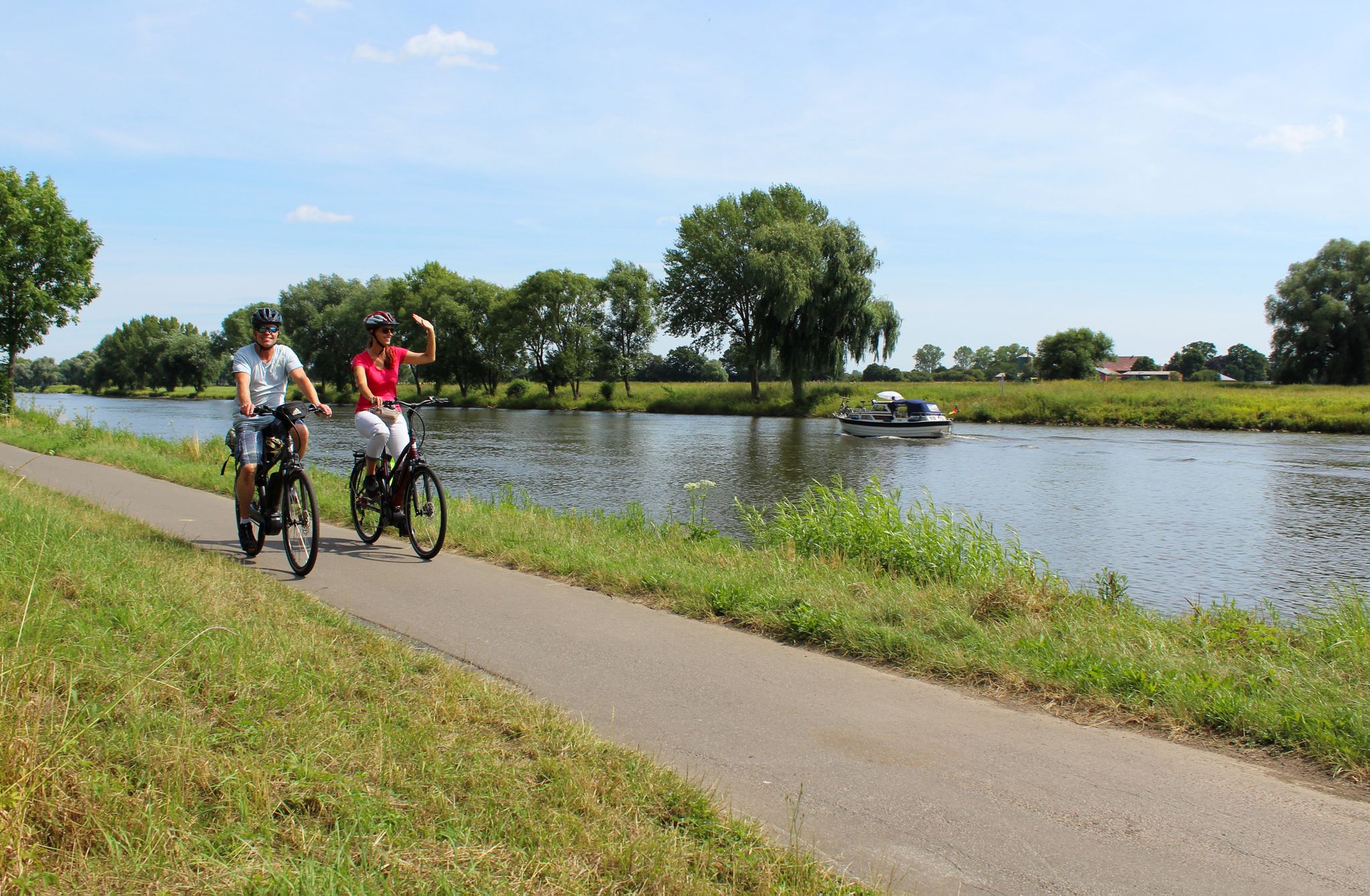
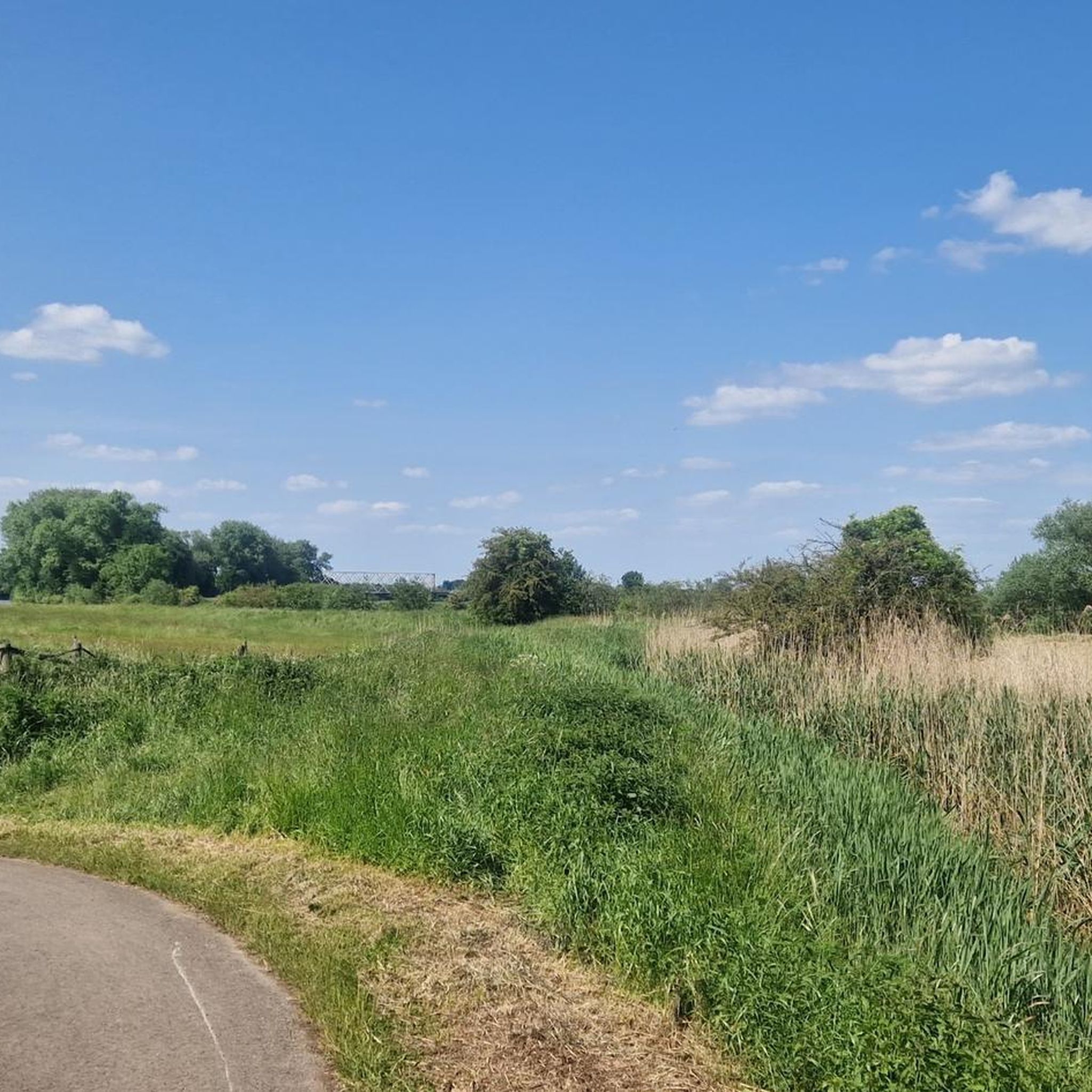
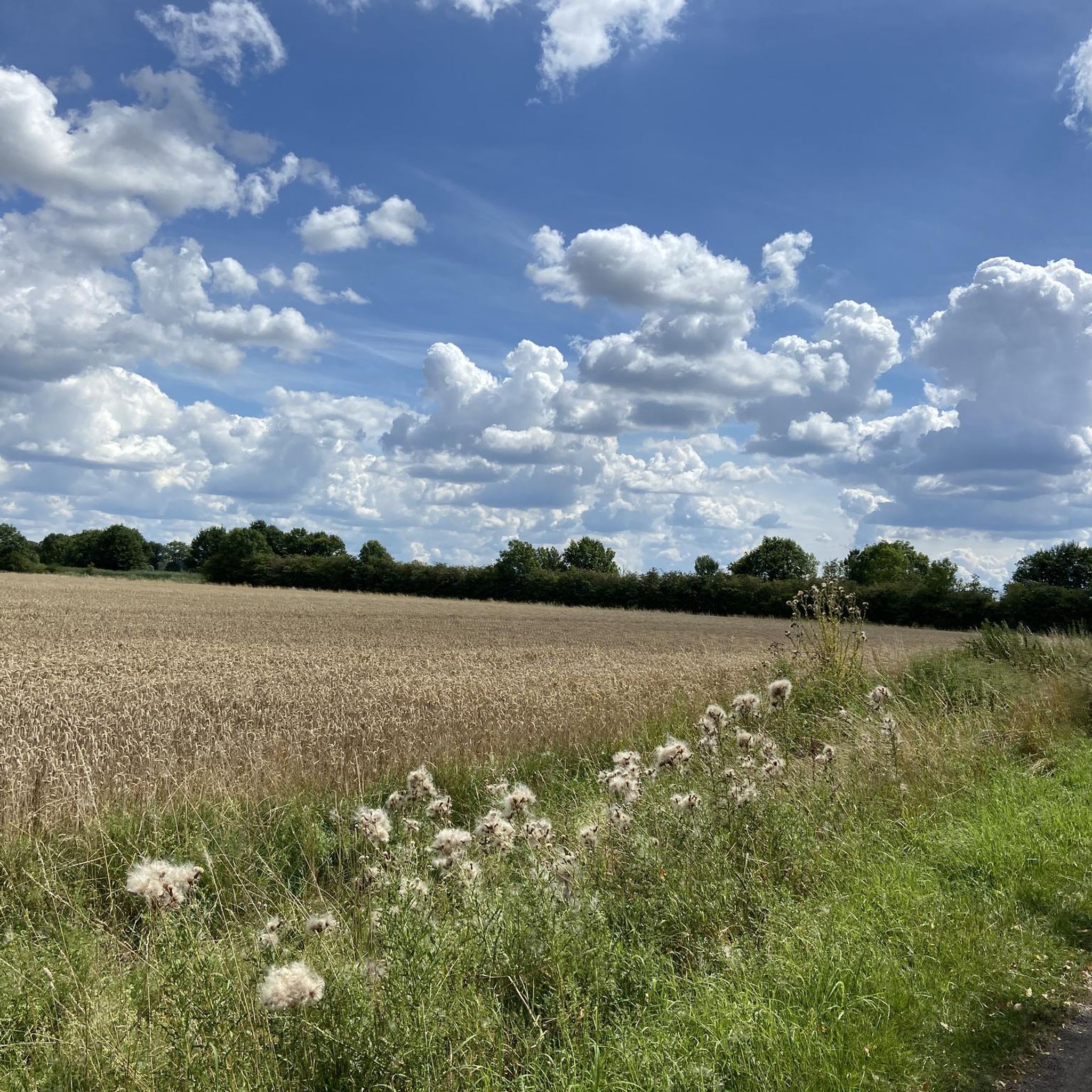
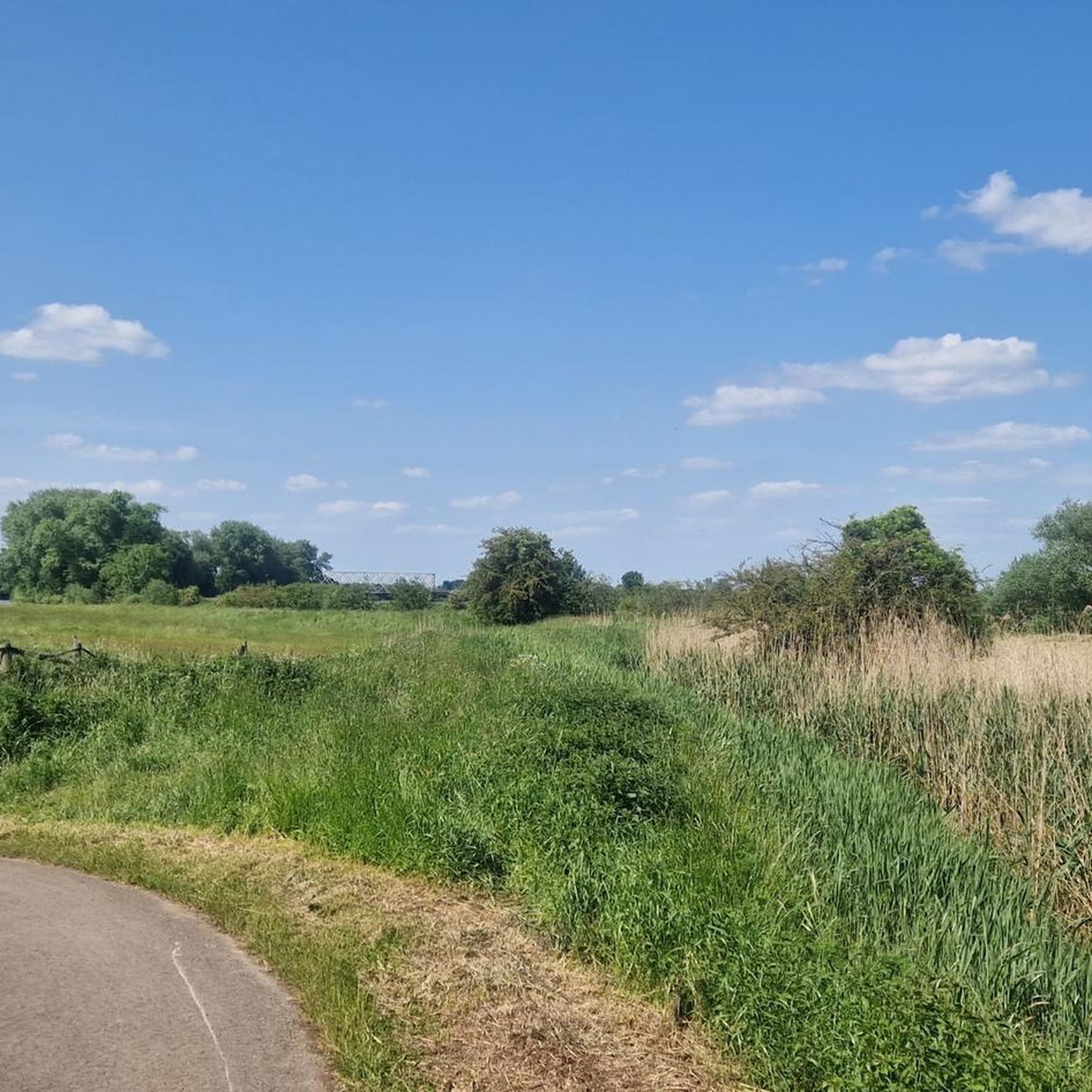
Beautiful cycle path through the nature reserve on the Weser. The marsh landscape is characterized by regular flooding and is a habitat for many different animal species.
7
0

Nice place for a stopover 👍
2
0

Very nicely located. On weekends in summer, model boats are often out on the nearby Stöckser Lake.
1
0

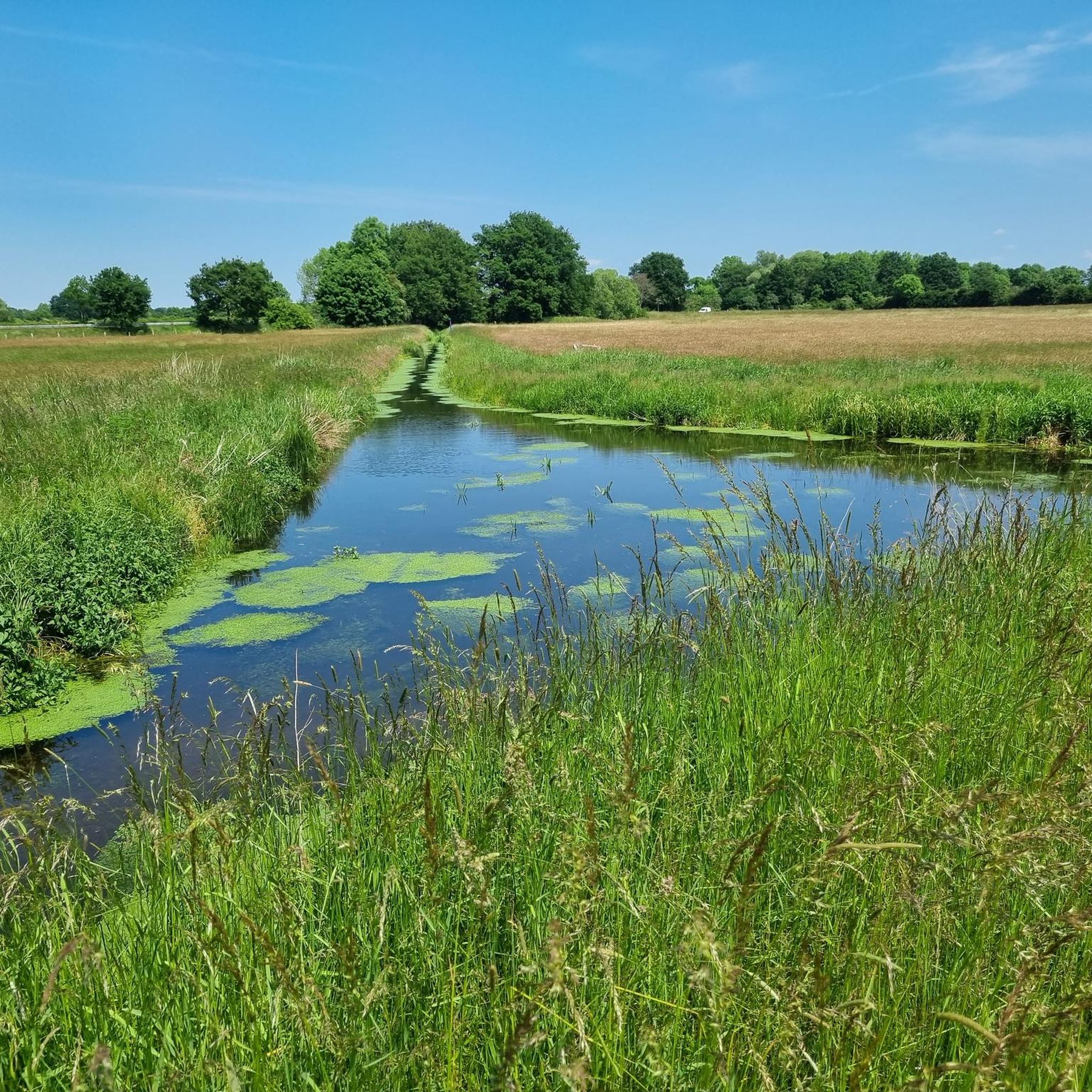
The place on the “Große Aue” has been the location of the mill since 1298. At this time the mill served purely as a grain mill for grinding grain. In 1859 a sawmill was added to the grain mill, and the floodplain now powered four mill wheels. A comprehensive renovation took place in 1913, during which the water wheels were replaced by a turbine. After mill operations stopped in the 1970s, the turbine continues to run and generate electricity today.
3
0

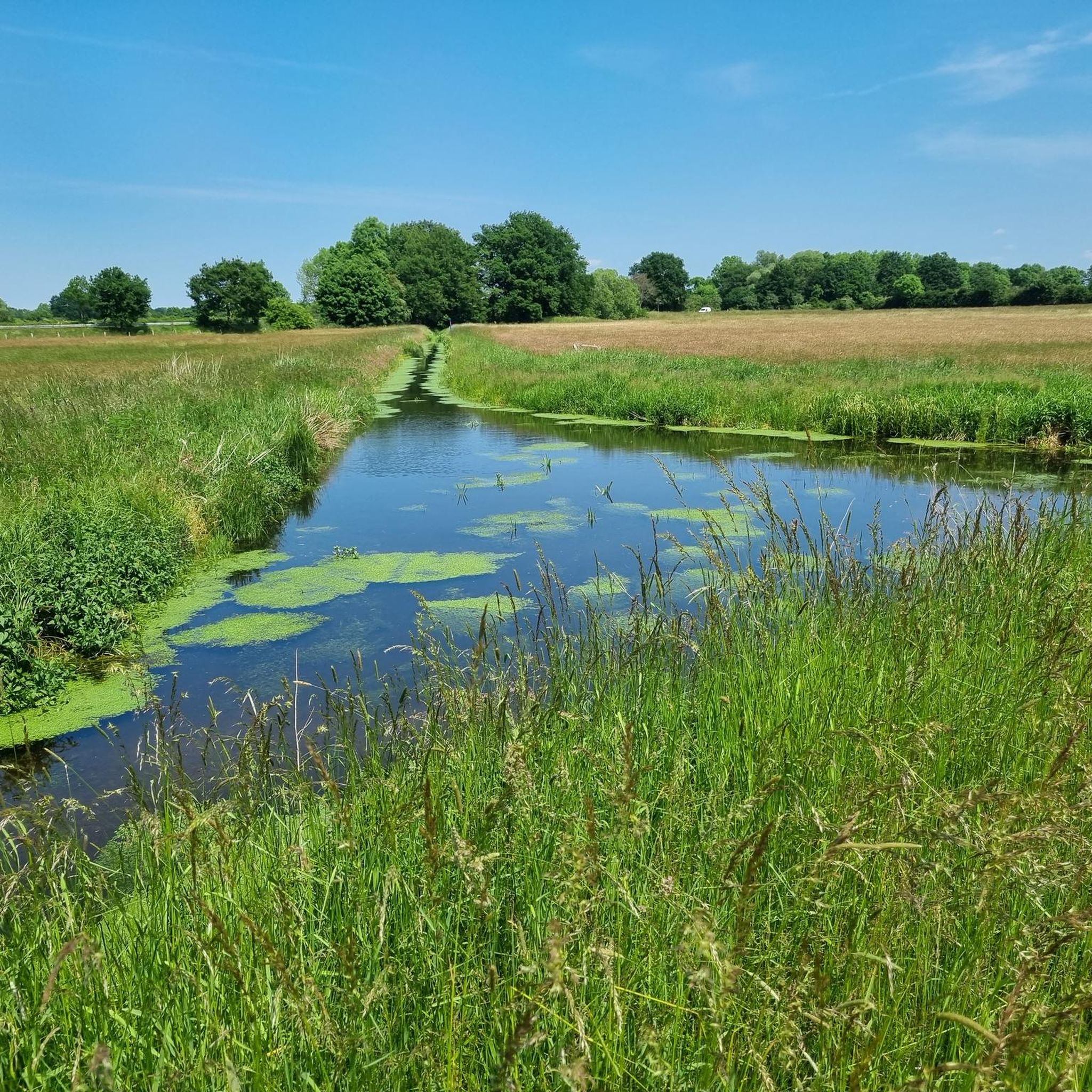
The "Drakenburger Marsch" still shows clear traces of the river bend marsh, a form of land use that was once typical for the entire Wesermarsch. In addition to its cultural and historical significance, this type of landscape, which has become rare, offers a habitat and retreat for vulnerable and endangered animal and plant species and communities due to its structural diversity. The species-rich, well-preserved hedges and their herbaceous fringe are of very high ecological importance as a habitat for numerous, sometimes rare, vertebrates, birds and small mammals. The grassland, which is partly characterized by flood troughs and is regularly flooded, represents an important refuge for organisms bound to temporary bodies of water and offers resting and feeding opportunities, especially for Nordic birds migrating after floods. The remaining wet grassland is also important as a food habitat for the white stork. https://www.lk-nienburg.de/portal/seiten/naturschutzgebiet-drakenburger-marsch-901001074-21500.html
10
0
Frequently Asked Questions
What unique natural monuments can I find in Marklohe?
Marklohe is home to several distinctive natural monuments. You can visit the impressive Mammutbaum in Marklohe, a Giant Sequoia approximately 120 years old, standing 33 meters tall. There's also a significant Ulme in Holte (Elm) and an ancient Eiche in Marklohe (Oak), both protected for their rarity and aesthetic value.
Are there any family-friendly natural attractions in the Marklohe area?
Yes, several natural attractions around Marklohe are suitable for families. The Drakenburg Marsh Nature Reserve offers a beautiful cycle path through a marsh landscape, which is great for observing wildlife. The Große Aue in Liebenau, a renatured river with fish ladders and a waterfall, provides an engaging natural setting. Additionally, the Giebichenstein Boulder is a notable geological feature that can be a fun stop for children.
What kind of outdoor activities can I do near the natural monuments in Marklohe?
The Marklohe region offers diverse outdoor activities. You can enjoy cycling along the Weser River, with routes like the "Weser Ferry Schweringen – Drakenburg Weir loop" available. There are also running trails, such as the "View of Lake Rolle loop," and gravel biking options like the "Lemker Marsh – Binner Gorge loop." For more details on routes, you can explore the Road Cycling Routes around Marklohe, Running Trails around Marklohe, and Gravel biking around Marklohe guides.
Is there a nature trail in Marklohe for learning about local flora and fauna?
Yes, the Naturlehrpfad Marklohe (Nature Trail Marklohe) is an excellent option. It features over 20 large information panels detailing native tree species, fungi, birds, and forest animals. The trail also includes quiz and riddle boards for all ages and a barefoot path, making it an immersive and educational experience.
What are some significant geological features in the Marklohe area?
The Giebichenstein Boulder is a prominent geological feature, being one of the largest glacial erratics in northern Germany, weighing 330 tons. Additionally, you can find Nienburg's Glacial Erratics along the banks of the Weser, which are large stones transported by glaciers during the Saale Ice Age.
Can I visit a nature reserve near Marklohe?
Absolutely. The Drakenburg Marsh Nature Reserve is a notable protected area characterized by its marsh landscape and regular flooding, providing a vital habitat for various animal species, especially migratory birds. It's an excellent spot for nature observation.
What is the best time of year to visit the natural monuments in Marklohe?
The natural monuments in Marklohe offer different appeals throughout the year. The Mammutbaum in Marklohe is particularly striking in the winter months when surrounding deciduous trees have shed their leaves, highlighting its lush green needles and cinnamon-brown bark. Spring and summer are ideal for enjoying the full greenery and outdoor activities along the Weser River and the Naturlehrpfad Marklohe.
Are there any viewpoints or scenic spots to enjoy the natural landscape?
Yes, the Marklohe region offers several scenic spots. The Die Rolle lake provides a great view, especially if you venture off the paved path. The Weser River itself offers picturesque walks along its banks, and the Giebichenstein Boulder is also considered a viewpoint and a good spot for a break.
What do visitors particularly enjoy about the natural monuments around Marklohe?
Visitors appreciate the diverse natural beauty and tranquility. Many enjoy the beautiful cycle paths through areas like the Drakenburg Marsh Nature Reserve. The renatured Große Aue in Liebenau is noted for its very beautiful side with fish ladders and a waterfall. The Giebichenstein Boulder is often highlighted as a nice resting place.
Is there a large lake or nature park near Marklohe that I can visit?
While not directly in Marklohe, the extensive Steinhuder Meer Nature Park is in the immediate vicinity. It's centered around the largest inland lake in northwest Germany and offers a diverse landscape of wetlands, moorlands, and forests, popular for hiking, cycling, and water sports. You can find more information about it on Wikipedia.
Are the natural monuments around Marklohe accessible for dogs?
Many natural areas and trails around Marklohe, including those near the natural monuments, are generally dog-friendly. For example, walks along the Weser River and the Naturlehrpfad Marklohe are suitable for dogs on a leash. Always ensure to follow local regulations regarding leashing and waste disposal to protect the natural environment and other visitors.
Most popular routes around Marklohe
Most popular attractions around Marklohe

Get inspired with the komoot mobile app


Explore more
Extend your search for the best caves by checking out these guides of the top ones around Marklohe:
