Top 20 Natural Monuments around Sörgenloch
Best natural monuments around Sörgenloch are found within a landscape shaped by vineyards, orchards, and the Selz river in Rheinhessen, Germany. The area features significant natural attractions and protected areas. Visitors can explore diverse ecosystems, from renaturalized river valleys to expansive nature reserves. The region offers opportunities to experience both ecological value and historical significance.
Best natural monuments around Sörgenloch
- The most popular natural monuments is Gartenwiese Nature Reserve on the Selz, a natural monument directly on the tranquil…
Last updated: October 25, 2026
Oppenheim Krötenbrunnen
Highlight • Monument
The Oppenheim Toad …
Translated by Google •
Tip by

Zornheim Ruhkreuz
Highlight • Viewpoint
Translated by Google •
Tip by

Sign up now to discover places like this
Get recommendations on the best single tracks, peaks, & plenty of other exciting outdoor places.
Gartenwiese Nature Reserve on the Selz
Highlight (Segment) • Natural Monument
Translated by Google •
Tip by

Hill of Friendship – Wiesen am Layenhof Nature Reserve – Ober-Olm Forest
Highlight • Viewpoint
Translated by Google •
Tip by

Saubach Valley
Highlight (Segment) • River
Translated by Google •
Tip by
Sign up for free to discover even more natural monuments around Sörgenloch.
Already have an account?
Start today with a free account
Your next adventure awaits.
Tips from the Community

Former military site
1
0
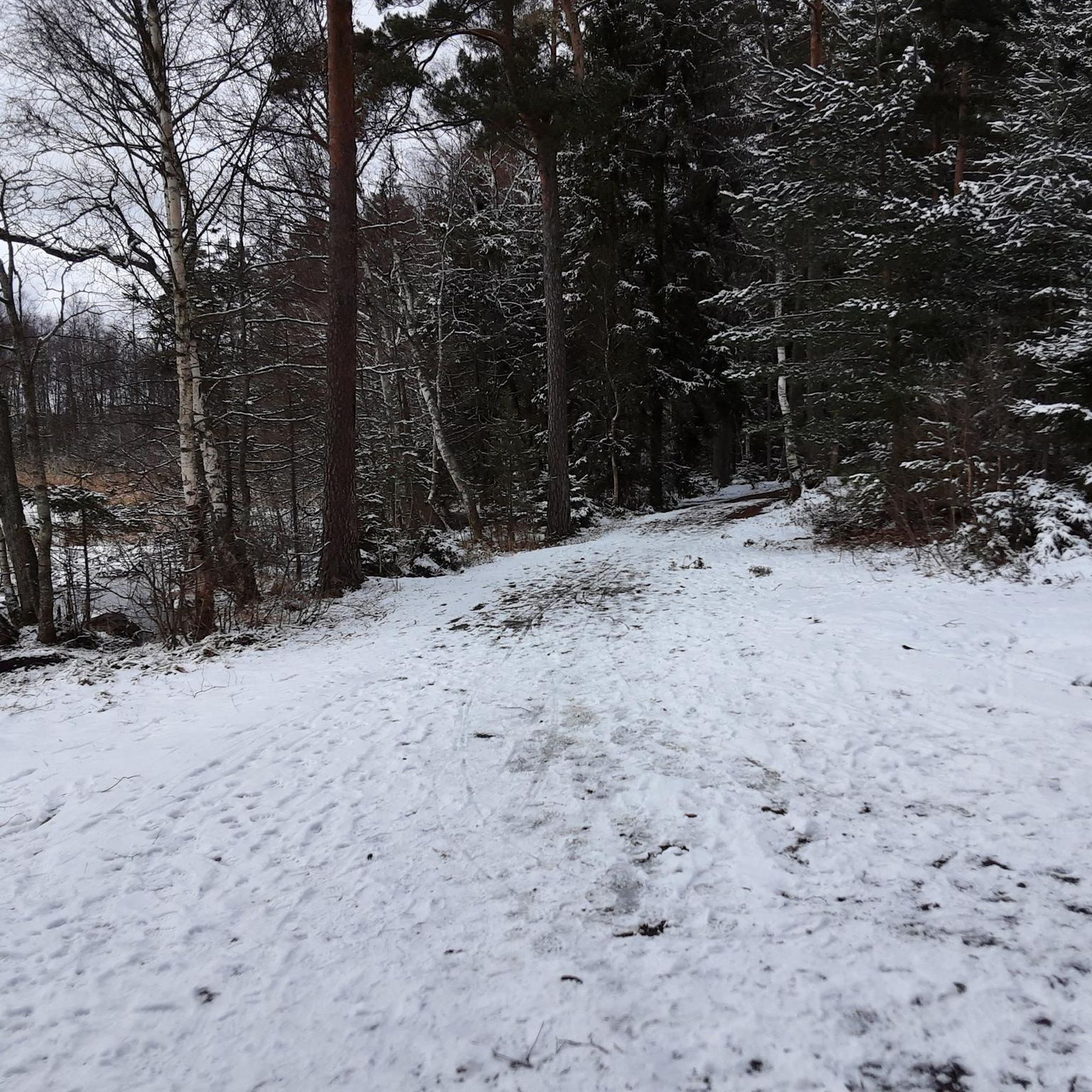
Former military site, now nature reserve
1
0

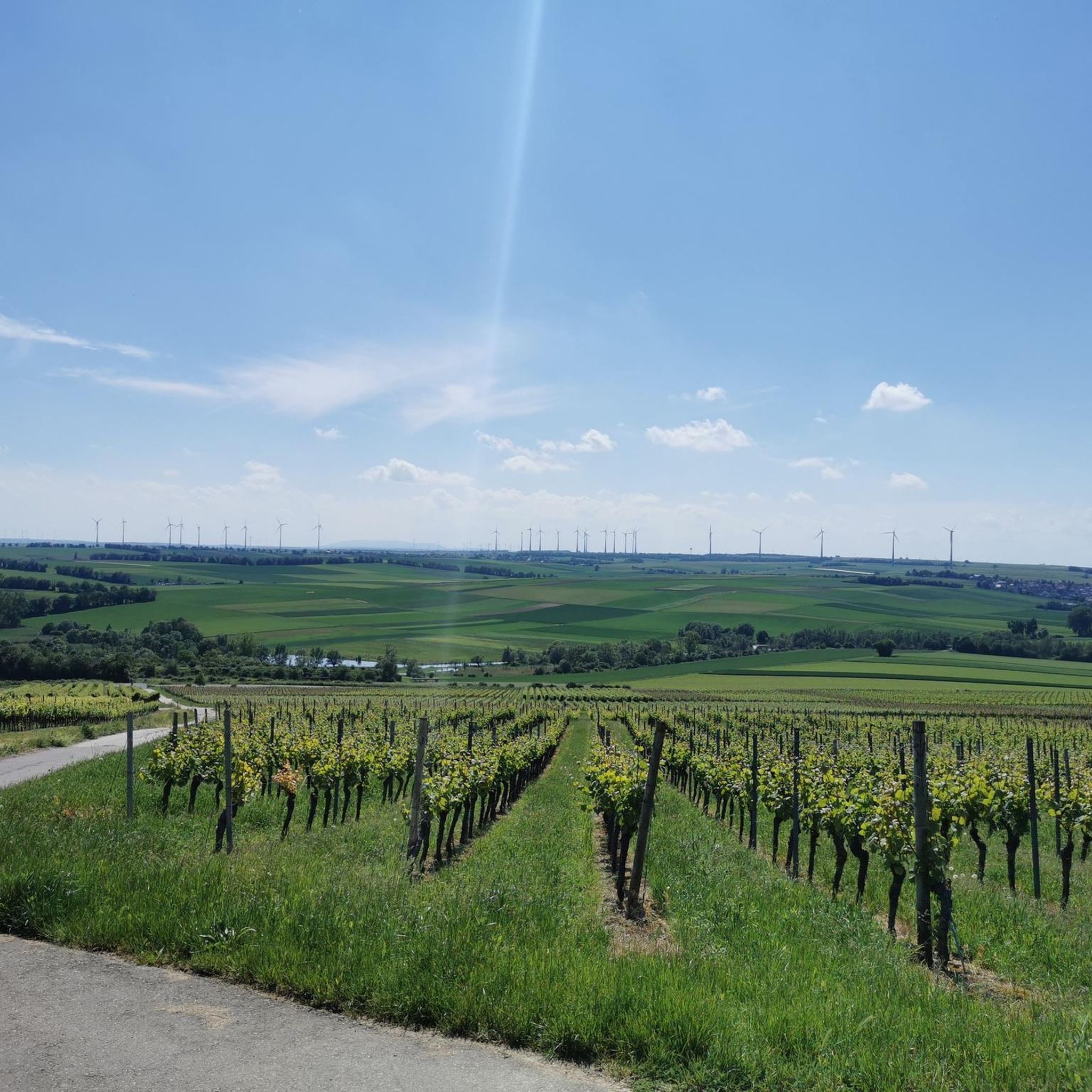
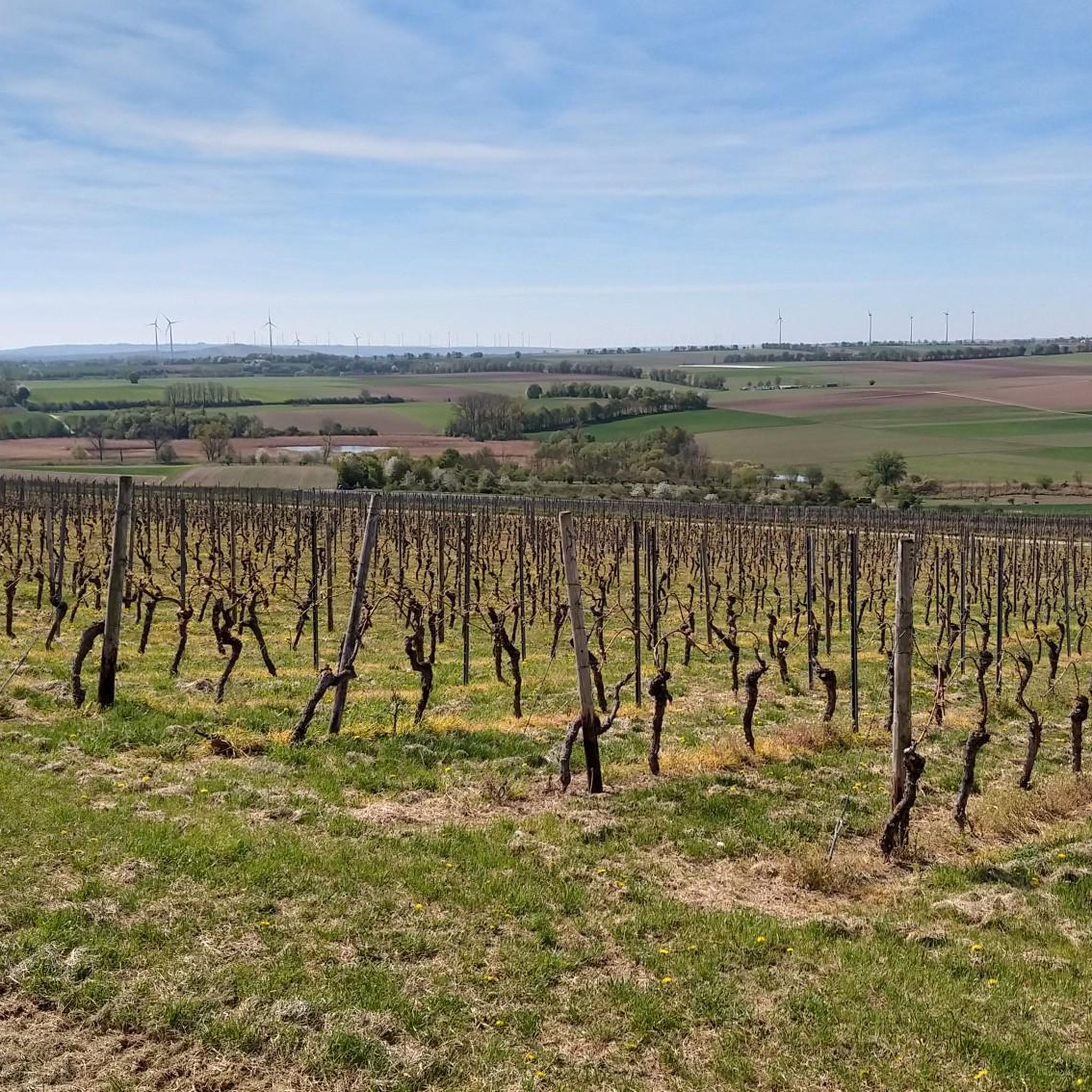
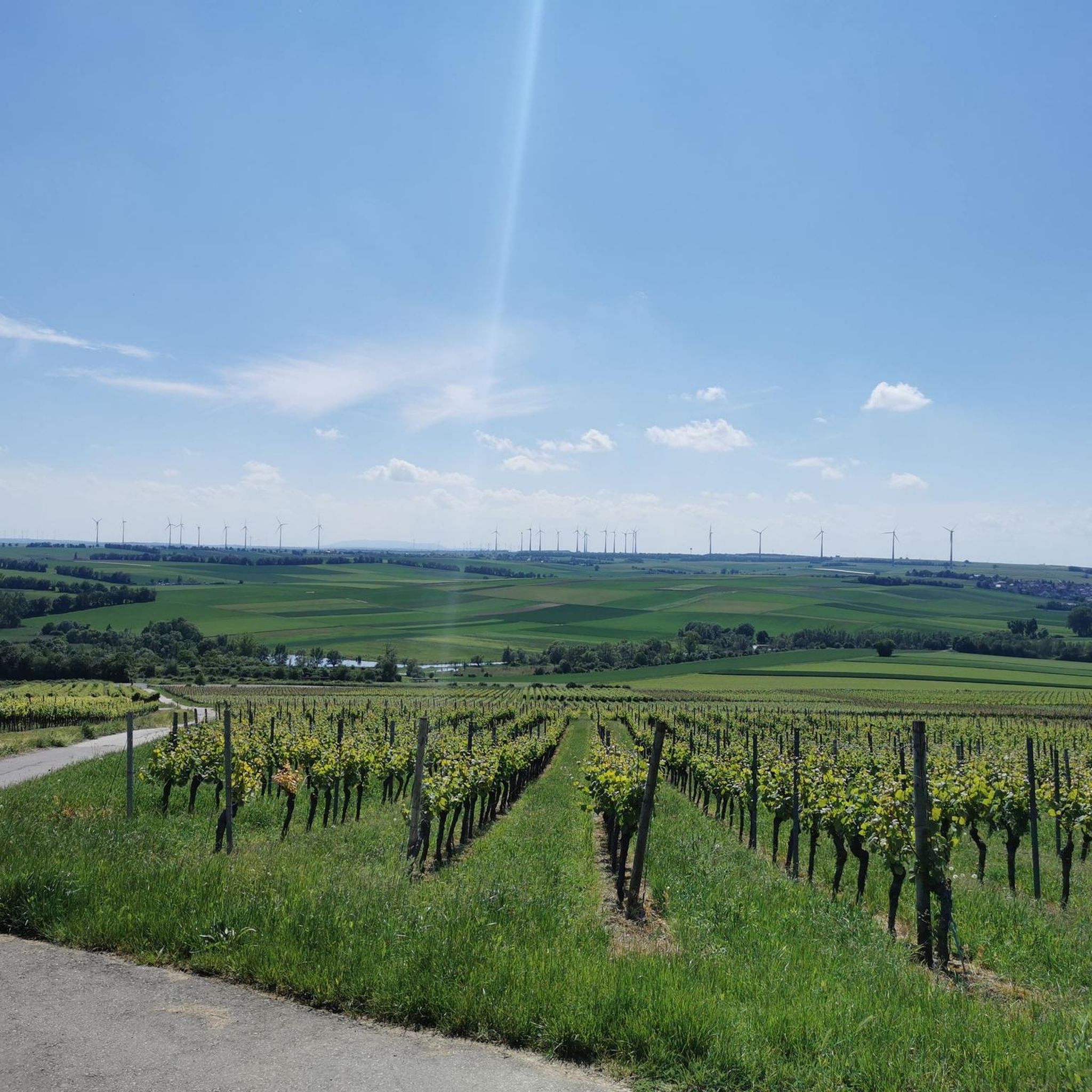
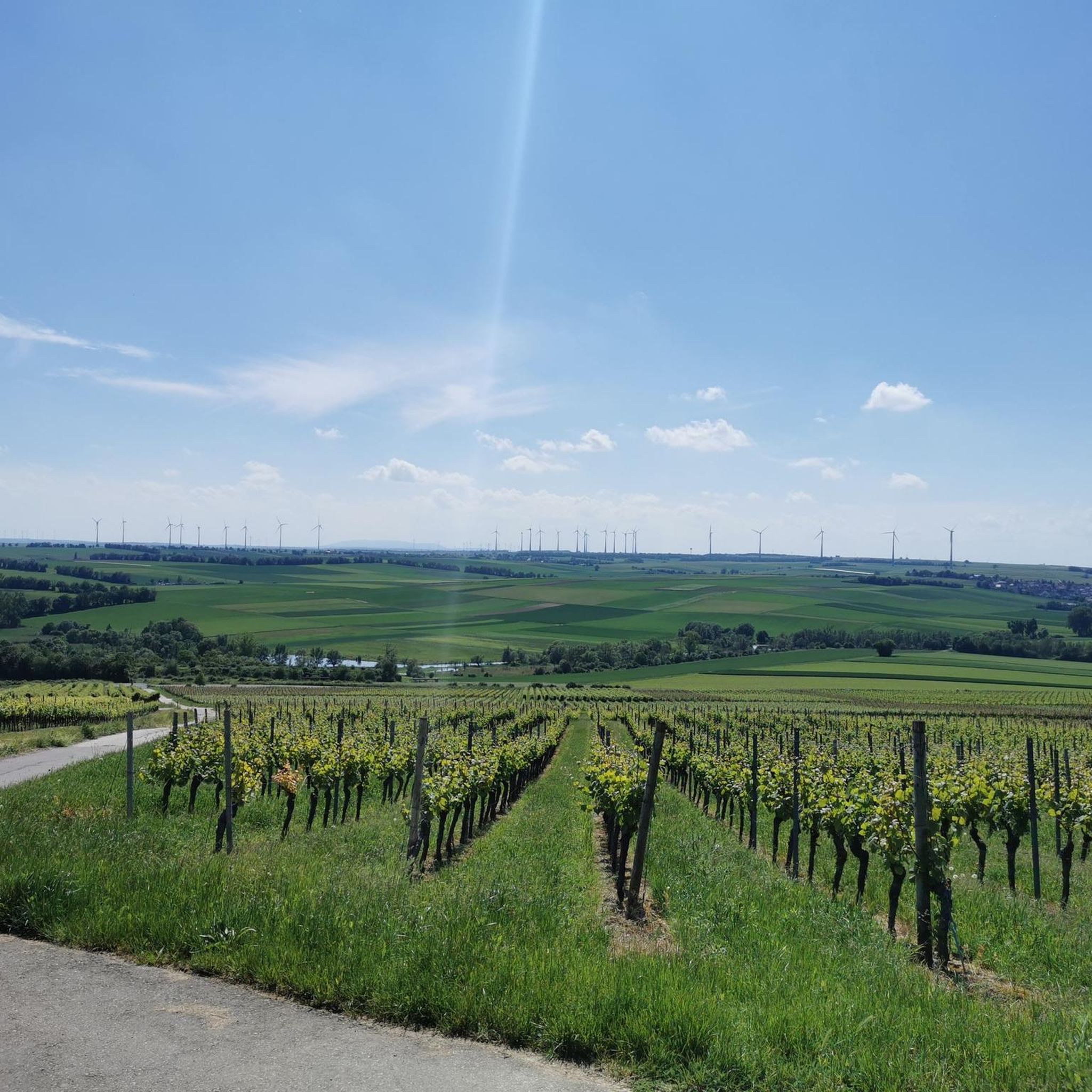
Zornheim is the perfect detour if you want to escape the hustle and bustle of Mainz. Right at the beginning of the Hiwweltour Zornheimer Berg, the Ruhkreuz awaits with a real surprise. The Frankfurt skyline is very visible on a clear day and shows how close Rheinhessen is to the Rhein-Main area. If you prefer not to see any skyscrapers, just turn around and look at the renatured Selz and the endless Reebenmeer. It is not for nothing that the Ruhkreuz near Zornheim was voted the "Most Beautiful Wine View 2020" this year. Definitely plan a trip to the place. The Lindenplatz with the Three Graces fountain and the church is one of the most beautiful squares in Rheinhessen.
1
0
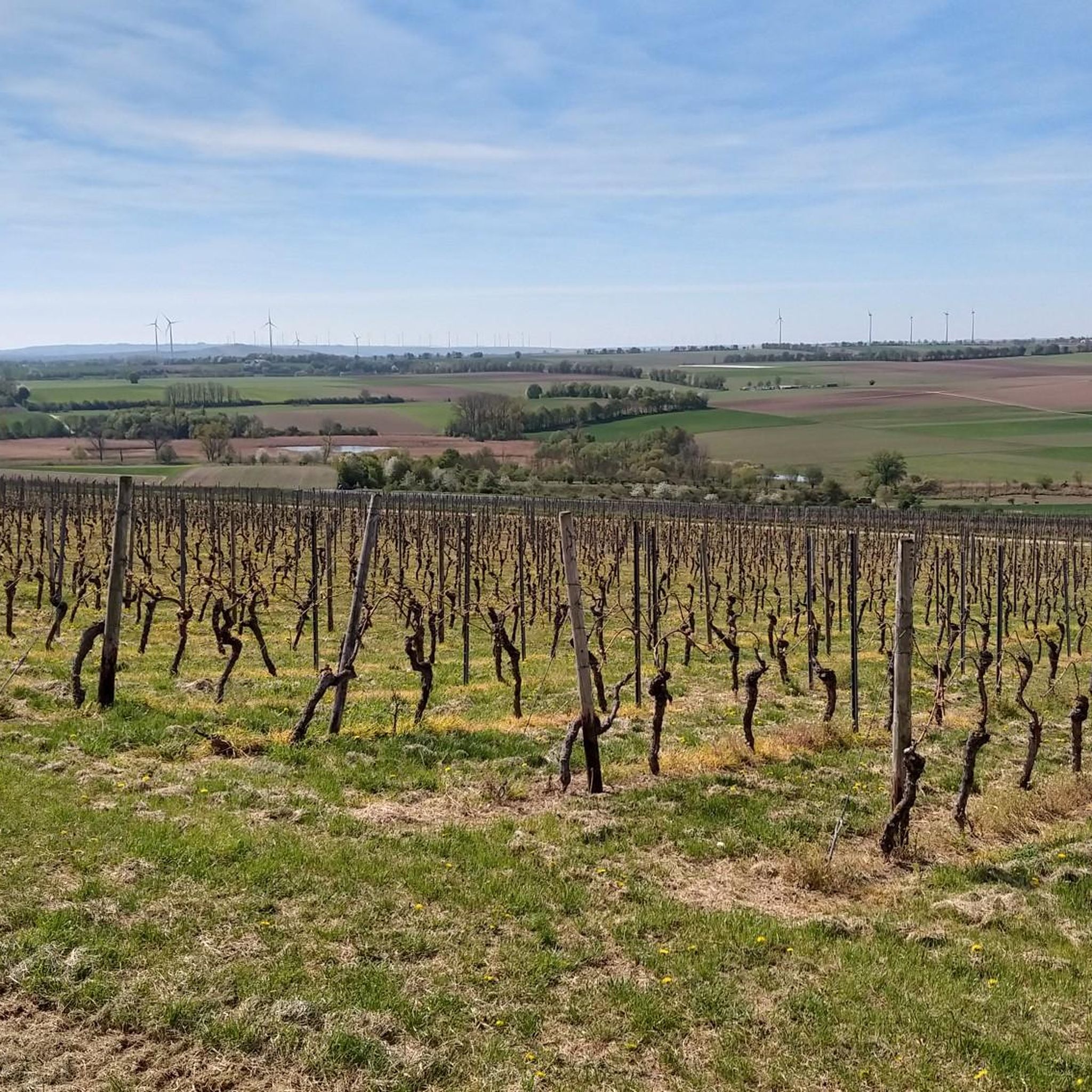
Beautiful view from the Toad Fountain over the vines to Oppenheim.
4
0

From the Ruhkreuz you can gaze far into the distance. You can see the Feldberg in the Taunus, the Frankfurt skyline, the Odenwald, the Donnersberg and the Hunsrück. The Rheinhessen flag also flies at this central vantage point.
2
1
From the Ruhkreuz you can gaze far into the distance. You can see the Feldberg in the Taunus, the Frankfurt skyline, the Odenwald, the Donnersberg and the Hunsrück. The Rheinhessen flag also flies at this central vantage point. The Ruhkreuz was inaugurated on July 7th, 1918. The Catholic parish in Zornheim had it built. Some parishioners financed the project and the evangelical sculptor Stieb from Nieder-Olm made it. At the Ruhkreuz station was inserted in petition processions. A wayside cross must have stood on the site of the cross erected in 1918. The field name "Am Kreuz" for the vineyards to the south of the site is documented as early as the 18th century The vineyard location "An der Ruh" was decisive for the naming of the cross. This widespread field name describes a place on a path where loads could be set down on a stone for a short rest. Two stone blocks support a stone crossbeam, which is approximately at the level of the load carried on the back. Women from Hahnheim probably put their baskets here for a short rest when they went to the market in Mainz via Zornheim with their goods. There were such benches in many Rhenish-Hessian communities, often with a seat. Supposedly Napoleon donated these benches out of joy at the birth of his son; consequently one also speaks of "Napoleon's benches". The Ruhkreuz in Zornheim is an ideal starting point for hikes or to take a break and let your gaze wander. Source: zornheim.de/freizeit-kultur/sightseeing/ruhkreuz
3
0

The Saubach here comes from Jugenheim and flows to Stadecken.
0
0
The Gartenwiese Nature Reserve is located in the Mainz-Bingen district of Rhineland-Palatinate. The approximately 40-hectare area, which was declared a nature reserve in 1990, extends northwest of the municipality of Schwabenheim an der Selz along the Selz River. State Road 428 runs not far to the east. Source: Wikipedia
2
0
Frequently Asked Questions
What are the most popular natural monuments around Sörgenloch?
Visitors frequently enjoy the Gartenwiese Nature Reserve on the Selz, a tranquil area with small wooded sections and meadows. Another favorite is the Hill of Friendship – Wiesen am Layenhof Nature Reserve – Ober-Olm Forest, which offers an overview of a former military area now transformed into a nature reserve with boardwalks.
Are there any natural monuments with historical significance in the Sörgenloch area?
Yes, the Jewish Cemetery in Sörgenloch is designated as a protected natural monument, highlighting both its ecological and historical importance. Additionally, the Oppenheim Krötenbrunnen, while a man-made monument, is an old water system leading into the mountain, and its surrounding vineyard has historical recognition.
What kind of natural landscapes can I expect to see around Sörgenloch?
The Sörgenloch area is characterized by diverse natural landscapes. You'll find the renaturalized Selz Valley with its wetlands and river, extensive vineyards and orchards offering panoramic views, and significant nature reserves like the Hahnheimer Bruch, known for its wetland ecosystems and wildlife.
Are there family-friendly natural monuments or trails suitable for children?
Many natural areas around Sörgenloch are family-friendly. The Gartenwiese Nature Reserve on the Selz and the Hill of Friendship – Wiesen am Layenhof Nature Reserve – Ober-Olm Forest are both suitable for families. The renaturalized Saubach Valley, with its ponds and meadows, also invites leisurely walks for all ages.
What outdoor activities can I do near these natural monuments?
The region offers excellent opportunities for outdoor activities. You can explore numerous running trails, such as the 'Zornheim Ruhkreuz loop from Zornheim' or 'Pond Near Nieder-Olm – Rest Area by the Pond loop from Sörgenloch'. For cycling, the Selztal bike route follows the river, and there are various routes like 'Hahnheimer Bruch – Pond Near Nieder-Olm loop from Nieder Olm'. Find more options on the Running Trails around Sörgenloch and Cycling around Sörgenloch guides.
Are there good viewpoints to appreciate the landscape?
Absolutely. The Zornheim Ruhkreuz offers expansive views of the Taunus, Frankfurt skyline, Odenwald, Donnersberg, and Hunsrück. The Hill of Friendship also provides a great overview of the nature reserve area. Hiking through the vineyards around Sörgenloch, particularly the 'Moosberg' area, also provides panoramic vistas.
What is the Hahnheimer Bruch Nature Reserve and what can I see there?
The Hahnheimer Bruch is a significant nature reserve located between Hahnheim and Sörgenloch, spanning about 50 hectares. It's particularly valuable for its wetland ecosystems and serves as a habitat for various wildlife, including Scottish Longhorns, wild geese, herons, and many birds of prey. It's an excellent spot for nature observation and walks.
What is the best time of year to visit the natural monuments around Sörgenloch?
Spring and autumn are particularly beautiful. In spring, the orchards are in bloom and the vineyards begin to green, while autumn offers vibrant colors across the vineyards and comfortable temperatures for hiking and cycling. The renaturalized Selz Valley and nature reserves are enjoyable year-round, though some wildlife might be more active in warmer months.
Are there specific hiking trails or circular walks recommended for exploring the natural monuments?
The Selztal bike route, which is also suitable for walking, follows the renaturalized Selz river and passes through wetlands and nature conservation areas. Many local paths wind through the vineyards and orchards, often connecting to historical vineyard crosses. The Saubach Valley is part of a Hiwweltour, offering a gentle nature experience with beautiful views.
What do visitors enjoy most about the natural monuments in this region?
Visitors appreciate the blend of ecological value and historical significance. The tranquility of places like the Gartenwiese Nature Reserve on the Selz, the panoramic views from spots like the Zornheim Ruhkreuz, and the unique experience of exploring renaturalized river valleys and nature reserves are frequently highlighted. The well-maintained trails and opportunities for wildlife spotting also receive positive feedback.
Can I reach these natural monuments using public transport?
While Sörgenloch itself has some public transport connections, reaching specific, more remote natural monuments might require a combination of public transport and walking. It's advisable to check local bus schedules to nearby villages and plan your route accordingly, especially for areas like the Hahnheimer Bruch Nature Reserve.
Most popular routes around Sörgenloch
Most popular attractions around Sörgenloch

Get inspired with the komoot mobile app


Explore more
Extend your search for the best caves by checking out these guides of the top ones around Sörgenloch:
