Top 20 Natural Monuments around Essenheim
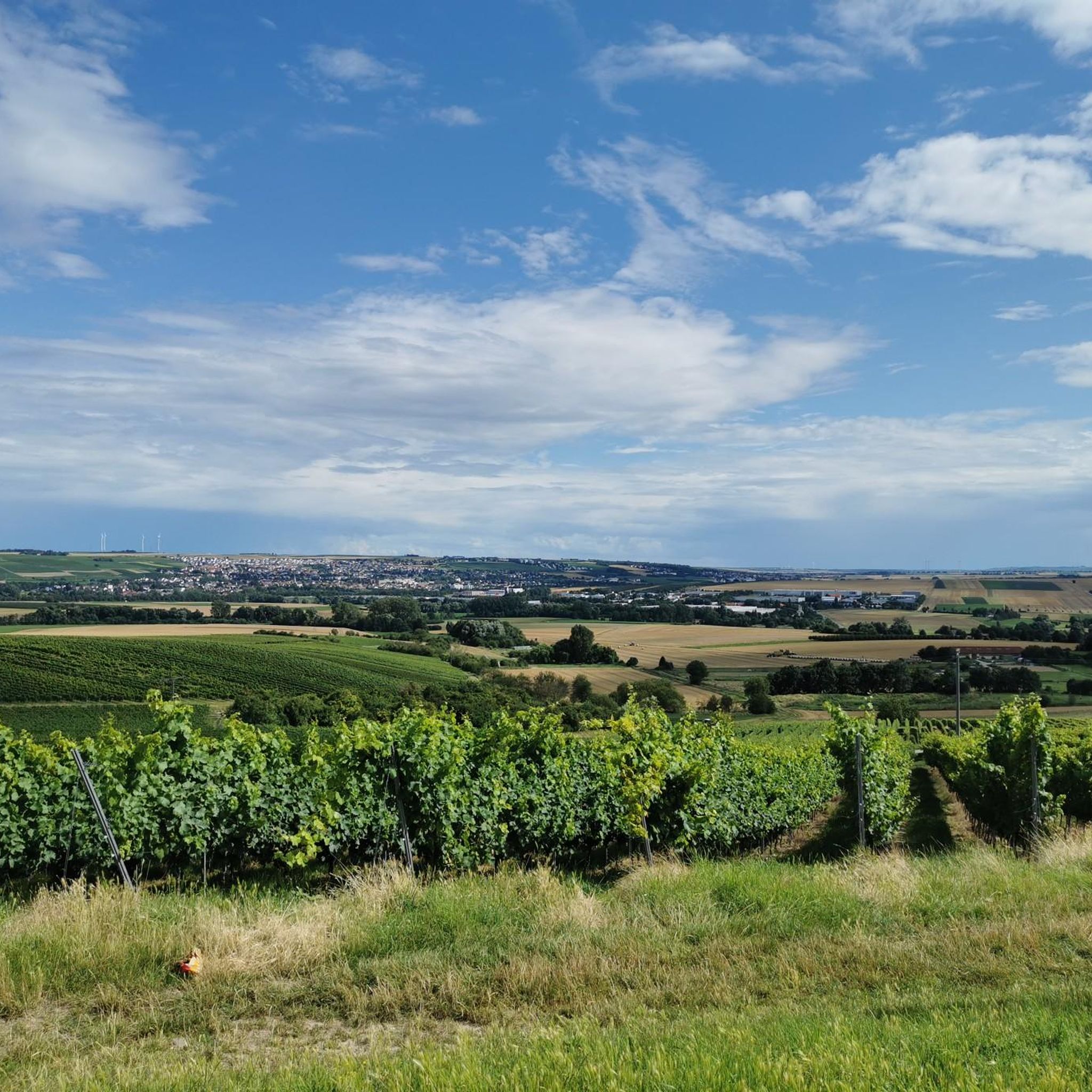
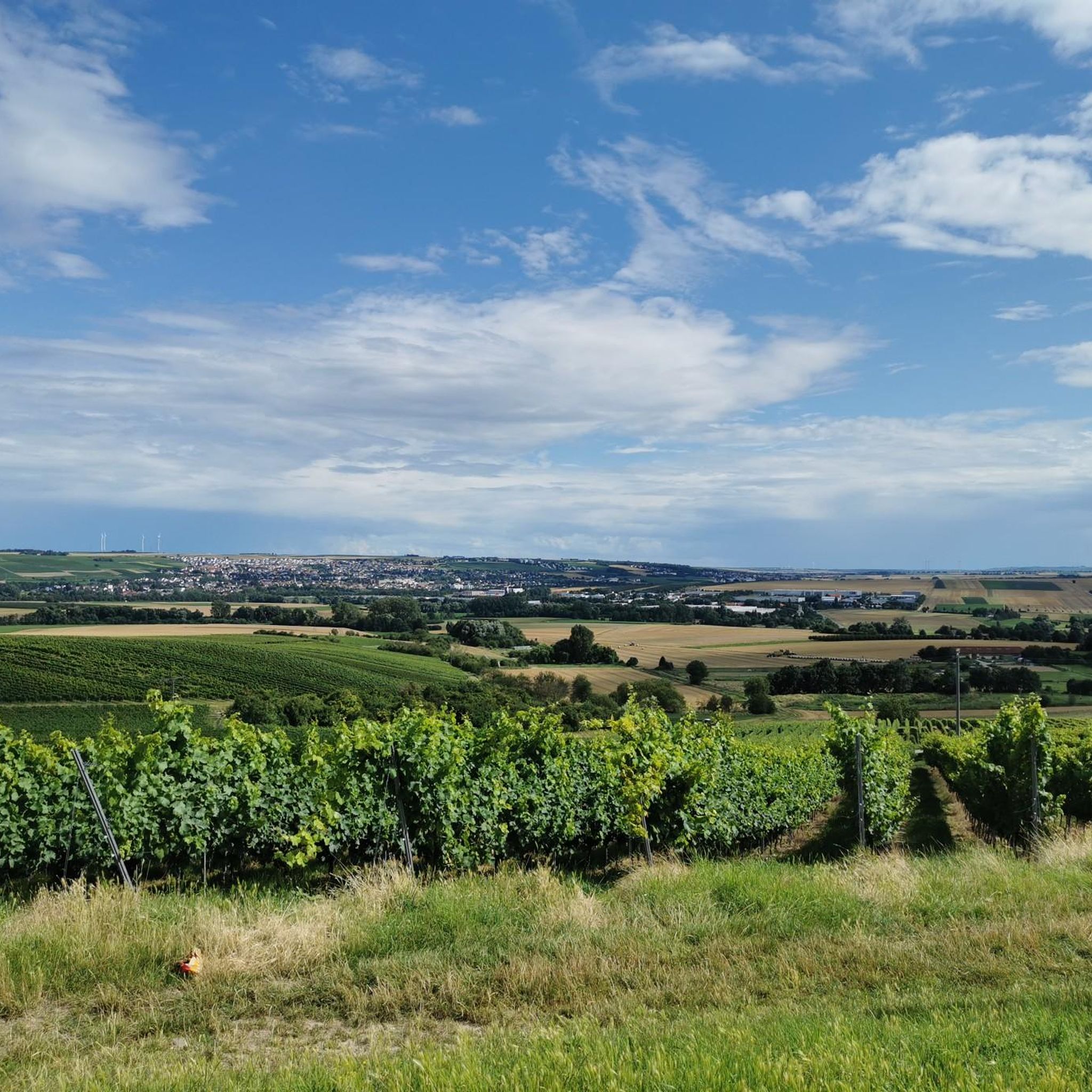
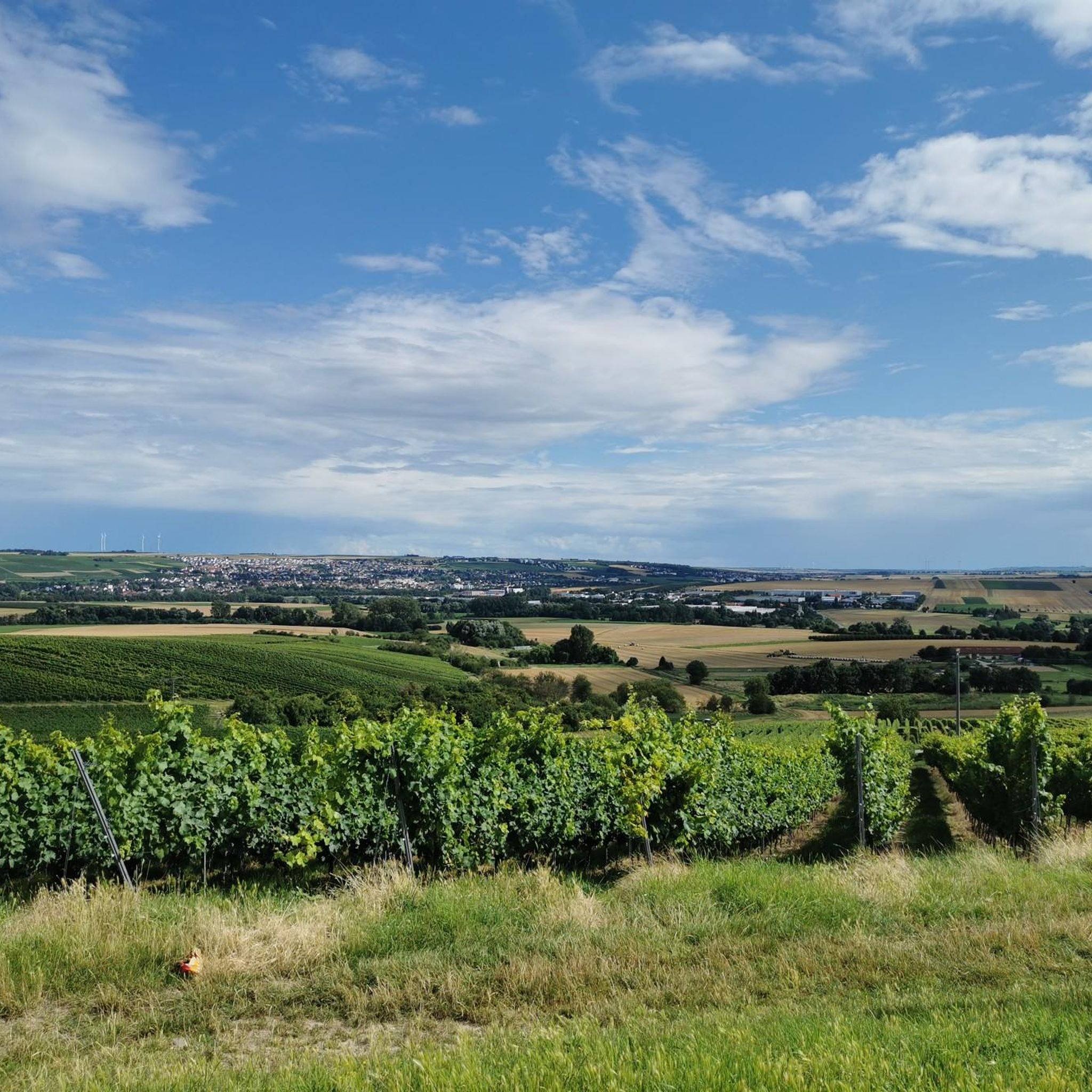
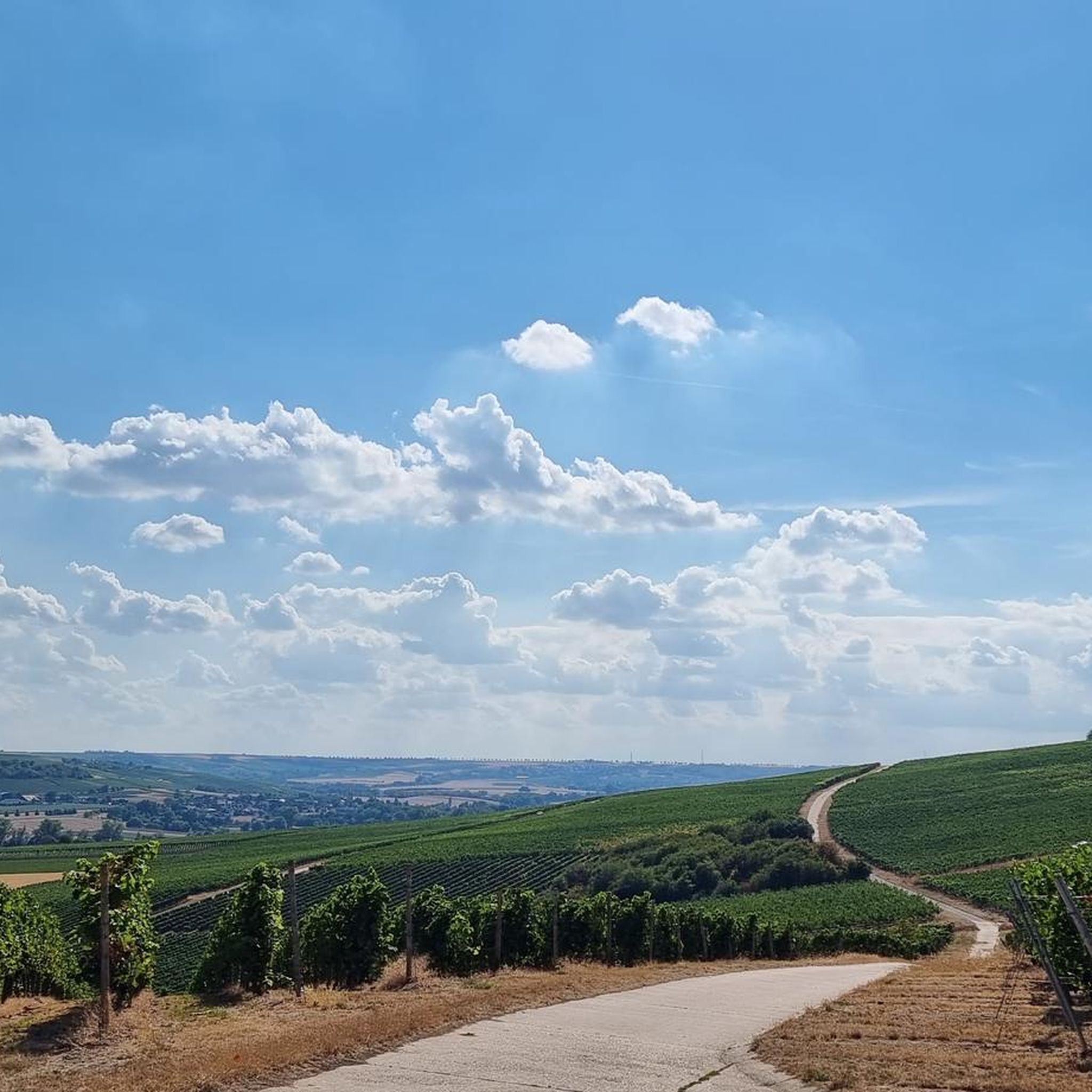
Best natural monuments around Essenheim are characterized by the scenic Rheinhessen region, featuring extensive vineyards and the Selztal valley. This area offers diverse natural beauty, including wetlands, forests, and green meadows. It serves as a starting point for various hiking opportunities, allowing visitors to explore its varied landscapes. The region's landscape is shaped by viticulture and fruit-growing, providing picturesque views and recreational opportunities.
Best natural monuments around Essenheim
- The most popular natural monuments is Eltville Electoral Castle and Rose Garden…
Last updated: June 24, 2026
Eltville Castle (Eltville Fortress)
Highlight • Castle
Translated by Google •
Tip by

Mainzer Sand Part II Nature Reserve
Highlight • Natural Monument
Translated by Google •
Tip by

Sign up now to discover places like this
Get recommendations on the best single tracks, peaks, & plenty of other exciting outdoor places.
Sign up for free
Stork Reserve and Rhine Meadows Dike
Highlight (Segment) • Natural Monument
Translated by Google •
Tip by

Eltville Electoral Castle and Rose Garden
Highlight • Castle
The historic building is surrounded by romantic rose gardens with a magnificent view of the Rhine.
Translated by Google •
Tip by

Seven ponds of the Lenneberg Forest
Highlight • Lake
Translated by Google •
Tip by

Sign up for free to discover even more natural monuments around Essenheim.
Sign up for free
Already have an account?
Start today with a free account
Your next adventure awaits.
Login or Signup
Tips from the Community

Information about its creation and the nature there: https://de.wikipedia.org/wiki/Gro%C3%9Fer_Sand There are also information trails. Info here: https://www.mainz.de/angebote-entdecken/gruenes-mainz/naherholung/mainzer-sand
1
0

Here there is a beautiful avenue of plane trees along the path
7
0

You almost get the impression of being in a dune landscape near the sea. And this isn't surprising, because in prehistoric times, this area was indeed covered by the sea. With a bit of luck, you might even find marine fossils here. 🍀🍀🍀
0
1

Through open terrain dotted with gnarled oaks and pines, we reach the Seven Ponds, which are arranged in a cascade. Benches invite you to linger here.
1
0

The "Mainzer Sand II" nature reserve was established in March 1997. Brief description: Calcareous sand area with open calcareous sand plains, dunes, pioneer sand vegetation, sandy heaths, fallow land, orchards, isolated trees, and old and dead wood; The Mainzer Sand landscape originated approximately 10,000 years ago and is therefore relatively young. Dunes formed from the windblown sand blown from the gravelly riverbed of the Rhine. The establishment of trees and shrubs stabilized these dunes, essentially completing their formation. The resulting landscape is very rare, as it consists of inland dunes.
1
0

A truly interesting nature reserve where the geological history is visible.
0
1
Maximum recommendation during flowering time: rare varieties and wonderfully scented roses grow here.
9
0
The rose garden is not only recommended for rose experts, as the roses there are simply beautiful to look at and some of them smell wonderful.
9
0
Frequently Asked Questions
What natural features characterize the Essenheim region?
The Essenheim region, nestled in Rheinhessen, is defined by its extensive vineyards, the scenic Selztal valley with its wetlands, and diverse landscapes including forests and green meadows. These features collectively offer a rich natural experience.
Are there specific natural monuments to visit near Essenheim?
While Essenheim is known more for its collective natural beauty, there are notable sites. You can explore the unique sandy terrain of Mainzer Sand Part II Nature Reserve or visit the Stork Reserve and Rhine Meadows Dike, which is excellent for bird watching.
What historical sites are considered natural monuments in the area?
The Eltville Electoral Castle and Rose Garden and the Electoral Castle of Eltville are listed as natural monuments. These historical castles feature romantic rose gardens, official gardens, and offer insights into the region's past, including a Gutenberg exhibition.
What outdoor activities can I do near these natural monuments?
The region around Essenheim is ideal for various outdoor activities. You can find numerous routes for road cycling, running, and gravel biking, often passing through vineyards and natural reserves.
Are there family-friendly natural monuments or trails around Essenheim?
Yes, several spots are suitable for families. The Eltville Electoral Castle and Rose Garden and the Stork Reserve and Rhine Meadows Dike are both family-friendly. Many of the hiking and cycling trails through the vineyards and Selztal are also considered easy to moderate, making them accessible for families.
What is the best time of year to visit Essenheim's natural areas?
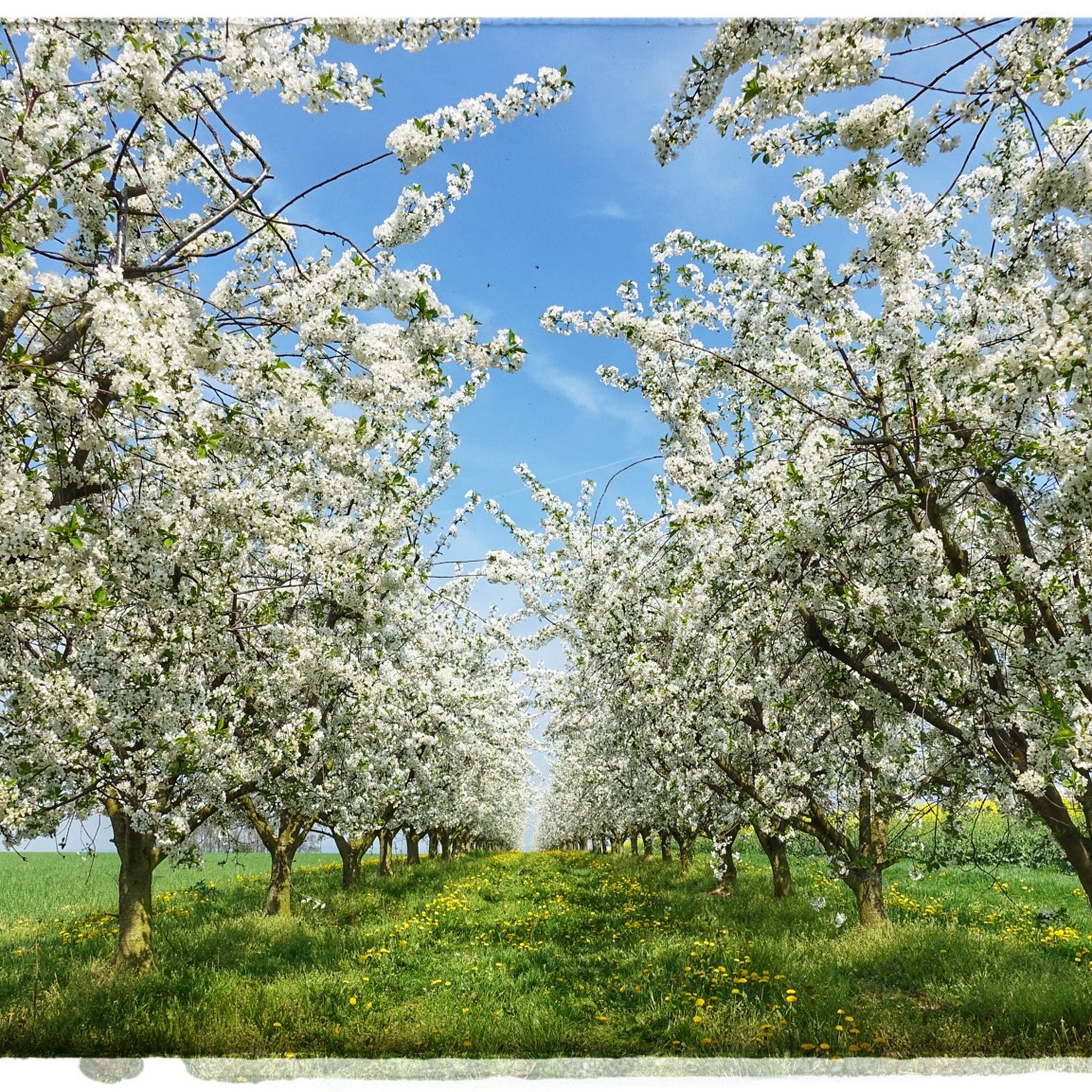
The Rheinhessen region is particularly picturesque during the growing season and harvest, typically from spring to autumn, when the vineyards are lush and vibrant. Spring offers blooming roses and fresh greenery, while autumn brings colorful foliage and wine festivals.
Can I observe wildlife in the natural areas around Essenheim?
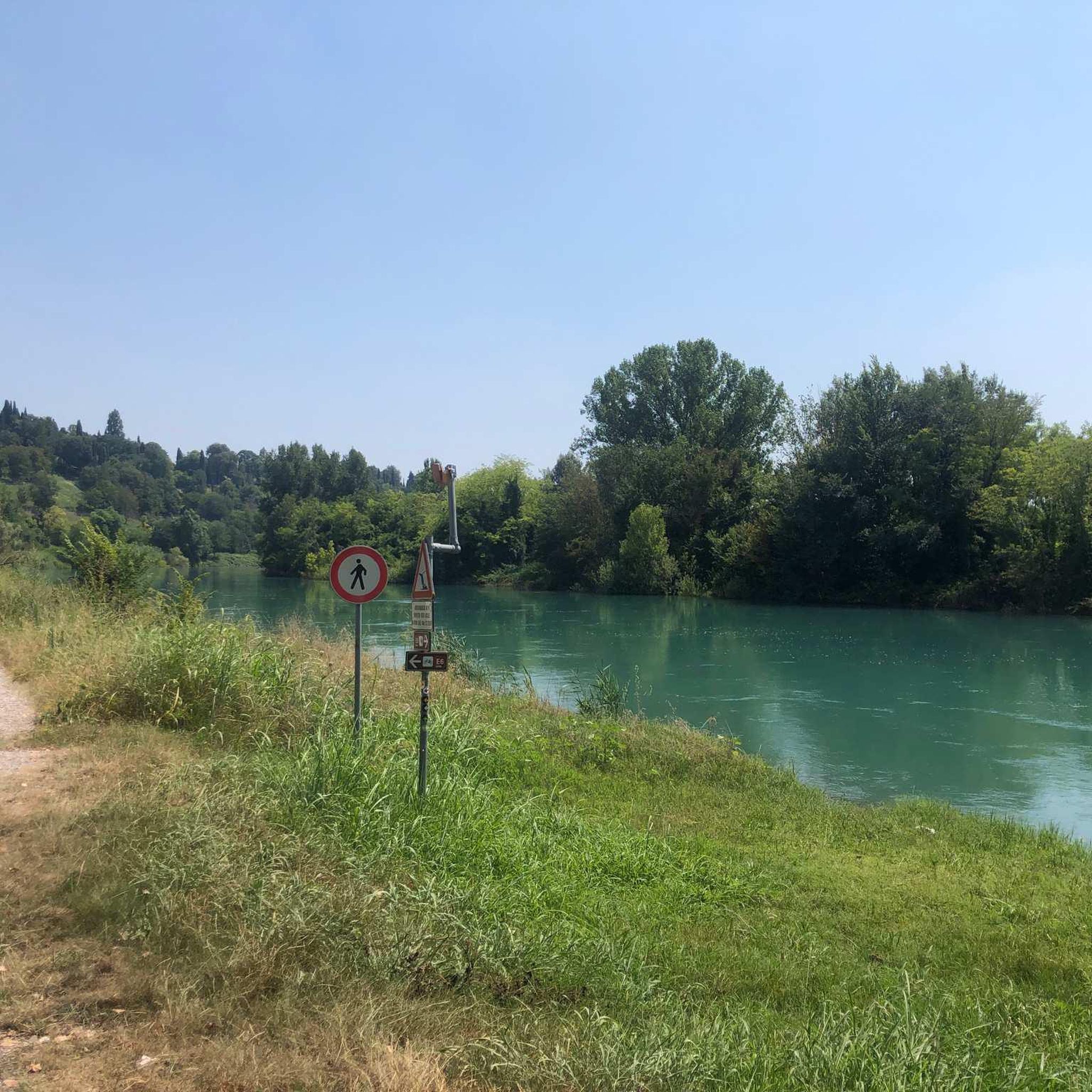
Yes, the Selztal wetlands and surrounding forests provide habitats for diverse flora and fauna. The Stork Reserve and Rhine Meadows Dike is specifically noted as a great section for bird watchers and nature lovers.
What do visitors enjoy most about the natural monuments and areas near Essenheim?
Visitors frequently appreciate the diverse landscapes, from the unique sandy terrain of Mainzer Sand to the picturesque vineyards and the tranquil Selztal. The opportunity for leisurely walks, challenging hikes, and the historical charm of places like the Eltville castles are also highly valued.
Are there any viewpoints offering panoramic views of the region?
Yes, the rolling hills of the vineyards around Essenheim offer numerous panoramic views of the surrounding countryside. The Eltville Electoral Castle and Rose Garden also provides magnificent views of the Rhine.
Are there options for dog-friendly hikes near Essenheim's natural monuments?
Many trails through the vineyards and natural areas around Essenheim are suitable for walks with dogs. However, it's important to note that in protected areas like the Mainzer Sand Part II Nature Reserve, dogs must be kept on a leash and stay on designated paths to protect the sensitive ecosystem.
Where can I find parking when visiting natural areas around Essenheim?
Parking is generally available near popular hiking trailheads and attractions. For instance, trails through the vineyards often have designated parking areas. For specific locations like the Hiebergturm or vineyard circular paths, local signage will guide you to appropriate parking.
How accessible are the natural monuments and areas by public transport?
Essenheim itself has public transport connections. While some natural areas and monuments might require a short walk or bike ride from the nearest stop, many are reasonably accessible. For example, Eltville, home to the castles, is well-connected.
Most popular routes around Essenheim
Most popular attractions around Essenheim

Get inspired with the komoot mobile app


Explore more
Extend your search for the best caves by checking out these guides of the top ones around Essenheim:
