Top 20 Natural Monuments around Selzen
Best natural monuments around Selzen include a blend of geological features and historical landmarks set within the picturesque Rheinhessen wine region. This area is characterized by gently rolling hills, extensive vineyards, and the Selz River. The Selzen Menhir, a substantial Neolithic standing stone, is a notable point of interest that combines natural formation with ancient human history. The region's natural beauty is primarily found in its cultivated vineyard landscapes and riverine environments.
Best natural monuments around Selzen
- The most popular…
Last updated: June 24, 2026
Landskron Castle Ruins
Highlight • Castle
Translated by Google •
Tip by

Oppenheim Krötenbrunnen
Highlight • Monument
The Oppenheim Toad …
Translated by Google •
Tip by

Sign up now to discover places like this
Get recommendations on the best single tracks, peaks, & plenty of other exciting outdoor places.
Sign up for free
Zornheim Ruhkreuz
Highlight • Viewpoint
Translated by Google •
Tip by

Hill of Friendship – Wiesen am Layenhof Nature Reserve – Ober-Olm Forest
Highlight • Viewpoint
Translated by Google •
Tip by

St. Viktor Fountain (Vögelsbrunnen)
Highlight • Natural Monument
Translated by Google •
Tip by

Sign up for free to discover even more natural monuments around Selzen.
Sign up for free
Already have an account?
Start today with a free account
Your next adventure awaits.
Login or Signup

Tips from the Community

The small spring is one of the highlights of the Vögelsgärten circular trail around Guntersblum. Over a distance of 10 kilometers, you can experience all the landscape features of the Rhine terrace.
0
0

Former military site
1
0
Former military site, now nature reserve
1
0

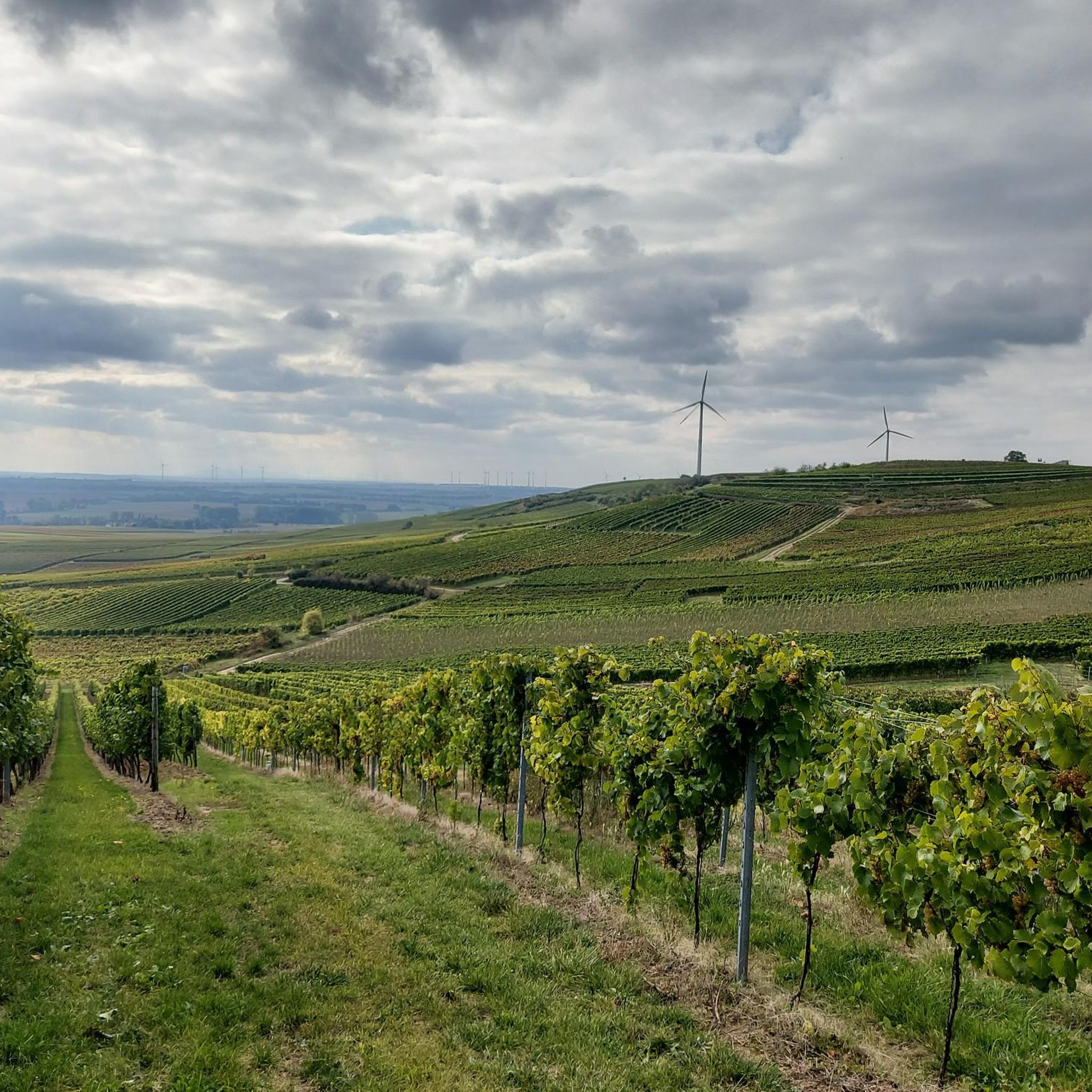
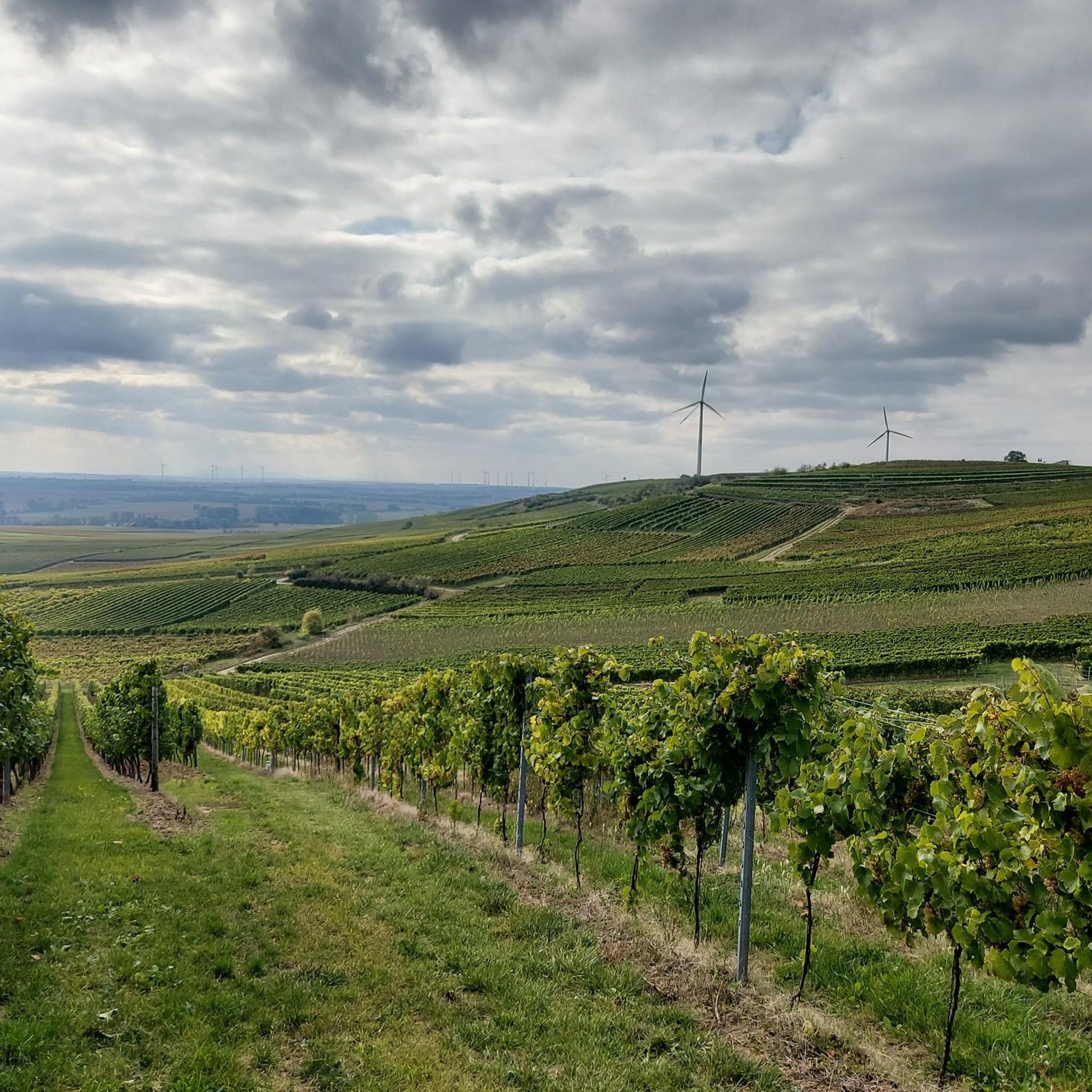
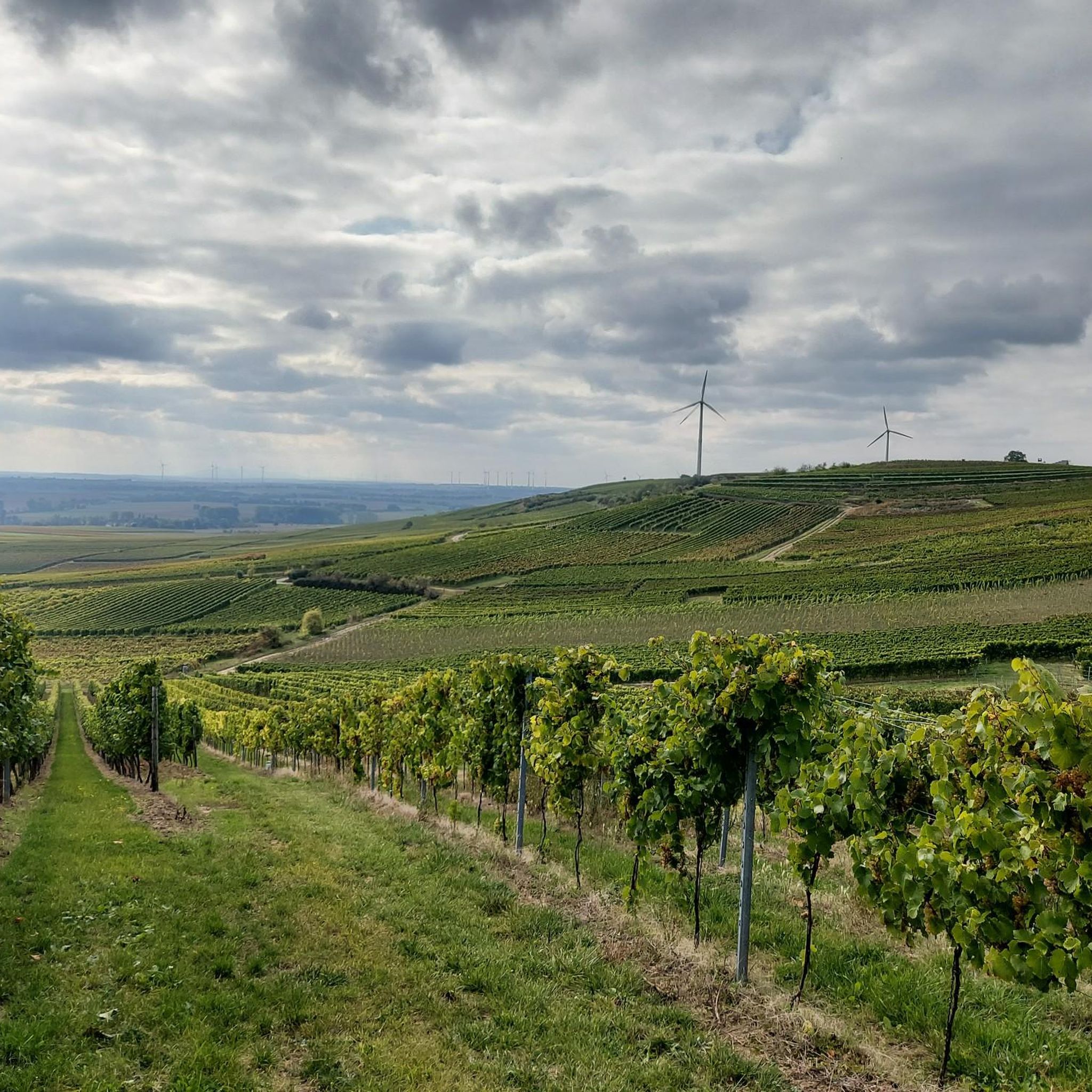
Zornheim is the perfect detour if you want to escape the hustle and bustle of Mainz. Right at the beginning of the Hiwweltour Zornheimer Berg, the Ruhkreuz awaits with a real surprise. The Frankfurt skyline is very visible on a clear day and shows how close Rheinhessen is to the Rhein-Main area. If you prefer not to see any skyscrapers, just turn around and look at the renatured Selz and the endless Reebenmeer. It is not for nothing that the Ruhkreuz near Zornheim was voted the "Most Beautiful Wine View 2020" this year. Definitely plan a trip to the place. The Lindenplatz with the Three Graces fountain and the church is one of the most beautiful squares in Rheinhessen.
1
0
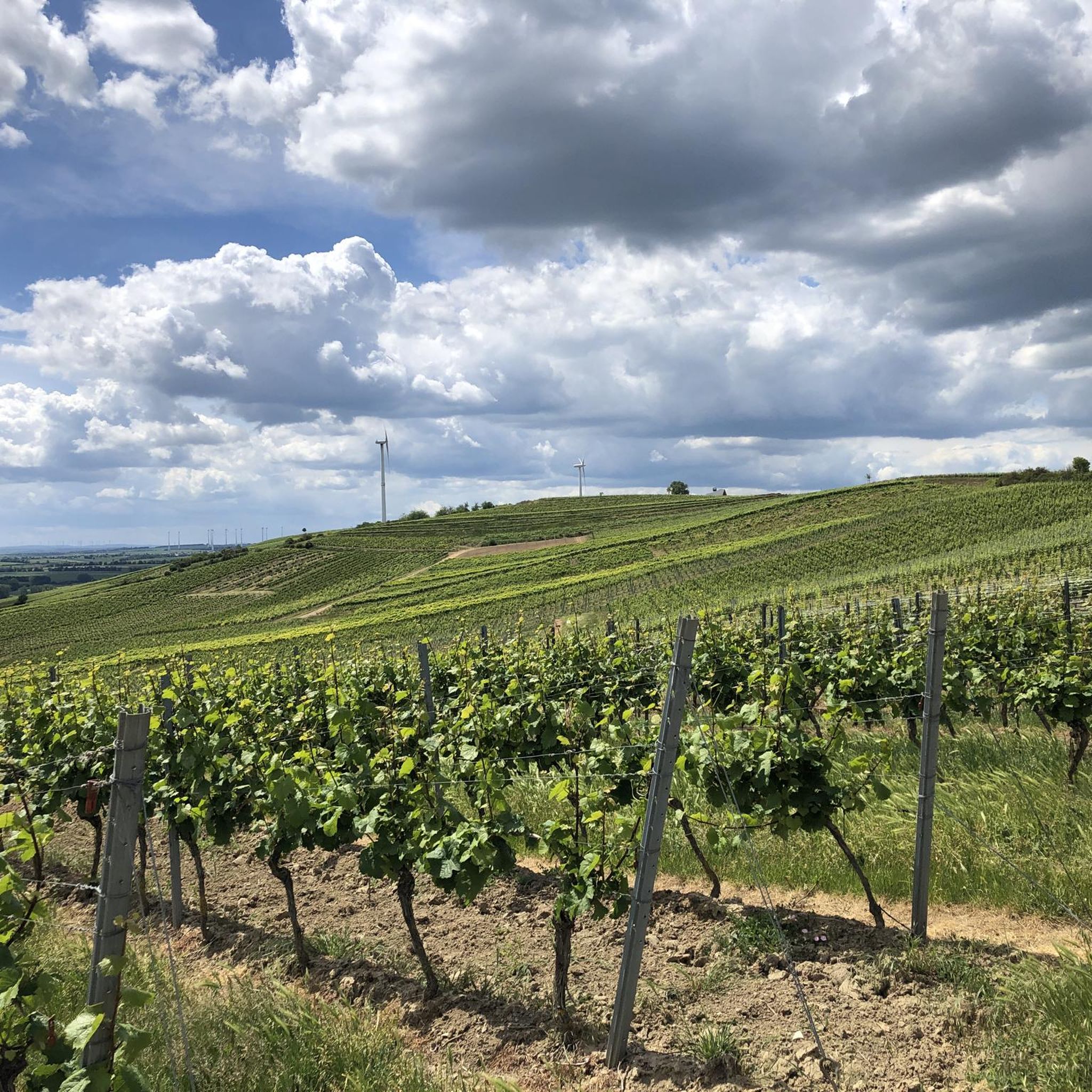
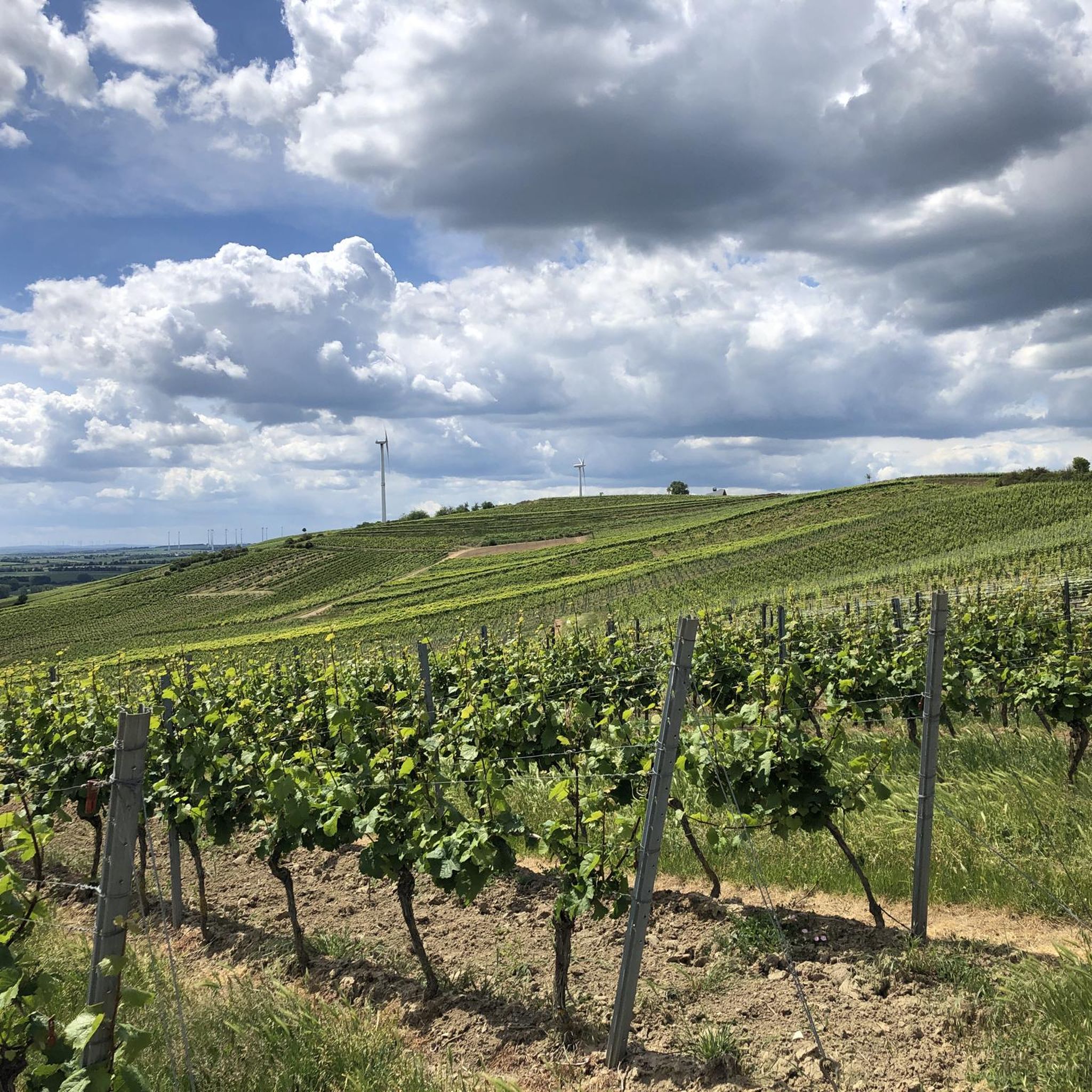
Beautiful view from the Toad Fountain over the vines to Oppenheim.
4
0

From the Ruhkreuz you can gaze far into the distance. You can see the Feldberg in the Taunus, the Frankfurt skyline, the Odenwald, the Donnersberg and the Hunsrück. The Rheinhessen flag also flies at this central vantage point.
2
1
From the Ruhkreuz you can gaze far into the distance. You can see the Feldberg in the Taunus, the Frankfurt skyline, the Odenwald, the Donnersberg and the Hunsrück. The Rheinhessen flag also flies at this central vantage point. The Ruhkreuz was inaugurated on July 7th, 1918. The Catholic parish in Zornheim had it built. Some parishioners financed the project and the evangelical sculptor Stieb from Nieder-Olm made it. At the Ruhkreuz station was inserted in petition processions. A wayside cross must have stood on the site of the cross erected in 1918. The field name "Am Kreuz" for the vineyards to the south of the site is documented as early as the 18th century The vineyard location "An der Ruh" was decisive for the naming of the cross. This widespread field name describes a place on a path where loads could be set down on a stone for a short rest. Two stone blocks support a stone crossbeam, which is approximately at the level of the load carried on the back. Women from Hahnheim probably put their baskets here for a short rest when they went to the market in Mainz via Zornheim with their goods. There were such benches in many Rhenish-Hessian communities, often with a seat. Supposedly Napoleon donated these benches out of joy at the birth of his son; consequently one also speaks of "Napoleon's benches". The Ruhkreuz in Zornheim is an ideal starting point for hikes or to take a break and let your gaze wander. Source: zornheim.de/freizeit-kultur/sightseeing/ruhkreuz
3
0

The wine-growing community of Zornheim is located in the Nierstein area of the Rheinhessen wine-growing region. "Good Domtal" is the Zornheimer Großlage, which includes the vineyards Mönchbäumchen, Pilgerweg, Dachgewann, Guldenmorgen and Vogelsang, where the vineyards of our winery are also located. http://weingut-schmitz.de/weingut/
3
0
Frequently Asked Questions
What unique natural and historical features can I explore around Selzen?
Selzen is known for its blend of natural landscapes and ancient history. A prominent feature is the Selzen Menhir, a substantial Neolithic standing stone that combines natural geological formation with ancient human interaction. The broader region offers picturesque vineyard landscapes and the charm of the Selz River.
Are there any historical sites among the natural monuments near Selzen?
Yes, several sites offer a rich historical context. The Landskron Castle Ruins, for instance, are remnants of a 16th-century castle offering wide views. Another historical site is the Oppenheim Krötenbrunnen, an old water system with a tunnel leading into the mountain, originally designed to supply the city of Oppenheim.
What kind of views can I expect from the natural monuments in the area?
The region offers several excellent viewpoints. From the Landskron Castle Ruins, you can enjoy a wide view over the Rhine plain, extending to Frankfurt and the Odenwald on clear days. The Hill of Friendship – Wiesen am Layenhof Nature Reserve – Ober-Olm Forest also provides a good overview of the nature reserve area.
Are there family-friendly natural monuments or activities around Selzen?
Many of the natural monuments and surrounding areas are suitable for families. Highlights like the Landskron Castle Ruins, Oppenheim Krötenbrunnen, and the Hill of Friendship are categorized as family-friendly. The extensive network of hiking and cycling paths through the vineyards also offers enjoyable outdoor activities for all ages.
What outdoor activities can I do near these natural monuments?
The area around Selzen is ideal for various outdoor activities. You can find numerous hiking trails, such as the 'Selzen Menhir – Zornheimer Ruhkreuz Viewpoint loop' or the 'Selzen Menhir – Ponderosa Vineyard Hut loop'. For more options, explore hiking routes around Selzen. Road cycling and mountain biking are also popular, with many routes winding through the scenic vineyard landscapes.
Where can I find a peaceful spot to relax and enjoy the scenery?
The Zornheim Ruhkreuz is an excellent choice. Voted the most beautiful wine view in Germany in 2020 Rheinhessen, it offers fantastic panoramic views and is an ideal starting point for hikes or a place to simply take a break and let your gaze wander. The St. Viktor Fountain also offers a shady bench under a tree, perfect for a quiet rest.
What is the significance of the Selzen Menhir?
The Selzen Menhir, also known as 'Hinkelstein,' is a significant Neolithic standing stone. Discovered in 1968, this 3.60-meter-tall megalith is believed to be a naturally formed stone pillar that was later moved to its current location. It represents a fascinating blend of natural geology and ancient human history, with seven historical boundary stones grouped around it, adding to its intrigue.
Are there any natural monuments related to water sources or springs?
Yes, the St. Viktor Fountain (Vögelsbrunnen) in Guntersblum is a historical water source. It's one of several important fountains in the area, known for its unique carved stone and dedication from 1815. It's a tranquil spot often included in vineyard walks.
What do visitors particularly enjoy about the natural monuments around Selzen?
Visitors appreciate the stunning views, especially from sites like the Landskron Castle Ruins, which offer panoramic vistas over the Rhine plain. The historical context of places like the Oppenheim Krötenbrunnen and the peaceful, scenic resting spots like the Zornheim Ruhkreuz are also highly valued by the komoot community.
What is the best time to visit the natural monuments in Selzen?
The Rheinhessen region, with its vineyard landscapes, is particularly beautiful during spring and summer when the vines are in bloom, and in autumn during the harvest season. These periods offer idyllic settings for hiking and cycling, allowing you to fully appreciate the blend of nature and culture.
Can I combine a visit to the natural monuments with a wine tasting experience?
Absolutely. The natural monuments are set within the Rheinhessen wine-growing region, known as the 'land of a thousand hills.' Many hiking and cycling routes, such as those passing the Selzen Menhir, traverse vineyards, making it easy to combine your outdoor exploration with visits to local wineries and tasting rooms.
Most popular attractions around Selzen

Get inspired with the komoot mobile app


Explore more
Extend your search for the best caves by checking out these guides of the top ones around Selzen:
