Top 20 Natural Monuments around Pfeffelbach
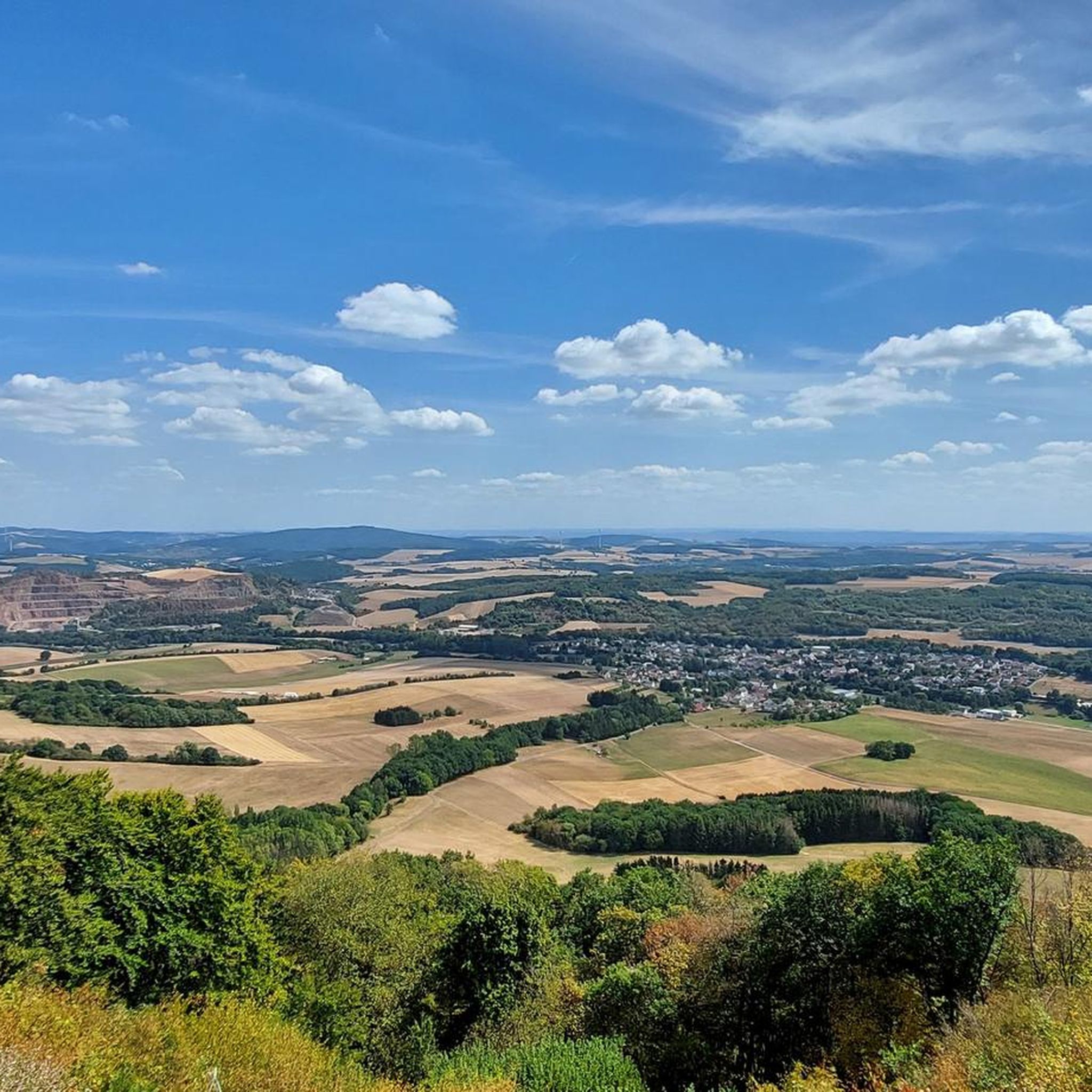
Best natural monuments around Pfeffelbach offer a diverse landscape for exploration. The region is characterized by its geological features, including hard-stone quarries and significant natural elevations. Visitors can experience the area's natural appeal through various trails and sites of historical and geological interest. The landscape provides opportunities to observe unique mineral formations and ancient natural landmarks.
Best natural monuments around Pfeffelbach
- The most popular natural monuments is Tiefenbach Trail, a trail that is around 15 km long and leads…
Last updated: June 24, 2026
Tiefenbach Trail
Highlight • Trail
The Tiefenbach path is around 15 km long and leads around the Bosenberg in St Wendel. It is characterized by many small valleys that are crossed by rustic …
Translated by Google •
Tip by

Urweiler Quarry
Highlight • Natural Monument
This part of the Bosenberg is called Bruchwald because there were several hard stone quarries here. The quarry, through which the Tiefenbachpfad leads, belonged to today's forest …
Translated by Google •
Tip by
Sign up now to discover places like this
Get recommendations on the best single tracks, peaks, & plenty of other exciting outdoor places.
Sign up for free
Miners' Spring
Highlight • Natural Monument
The first evidence of coal mining in this area comes from 1780. The coal was close to the surface and could be extracted in open-cast mining. From 1820, …
Translated by Google •
Tip by
Erdesbach Weir on the Glan
Highlight • River
Translated by Google •
Tip by

Leitersweiler Beeches
Highlight • Forest
The striking group of trees was first mentioned in 1618 at the beginning of the Thirty Years War. The beeches, some of which are more than 450 …
Translated by Google •
Tip by
Sign up for free to discover even more natural monuments around Pfeffelbach.
Sign up for free
Already have an account?
Start today with a free account
Your next adventure awaits.
Login or Signup
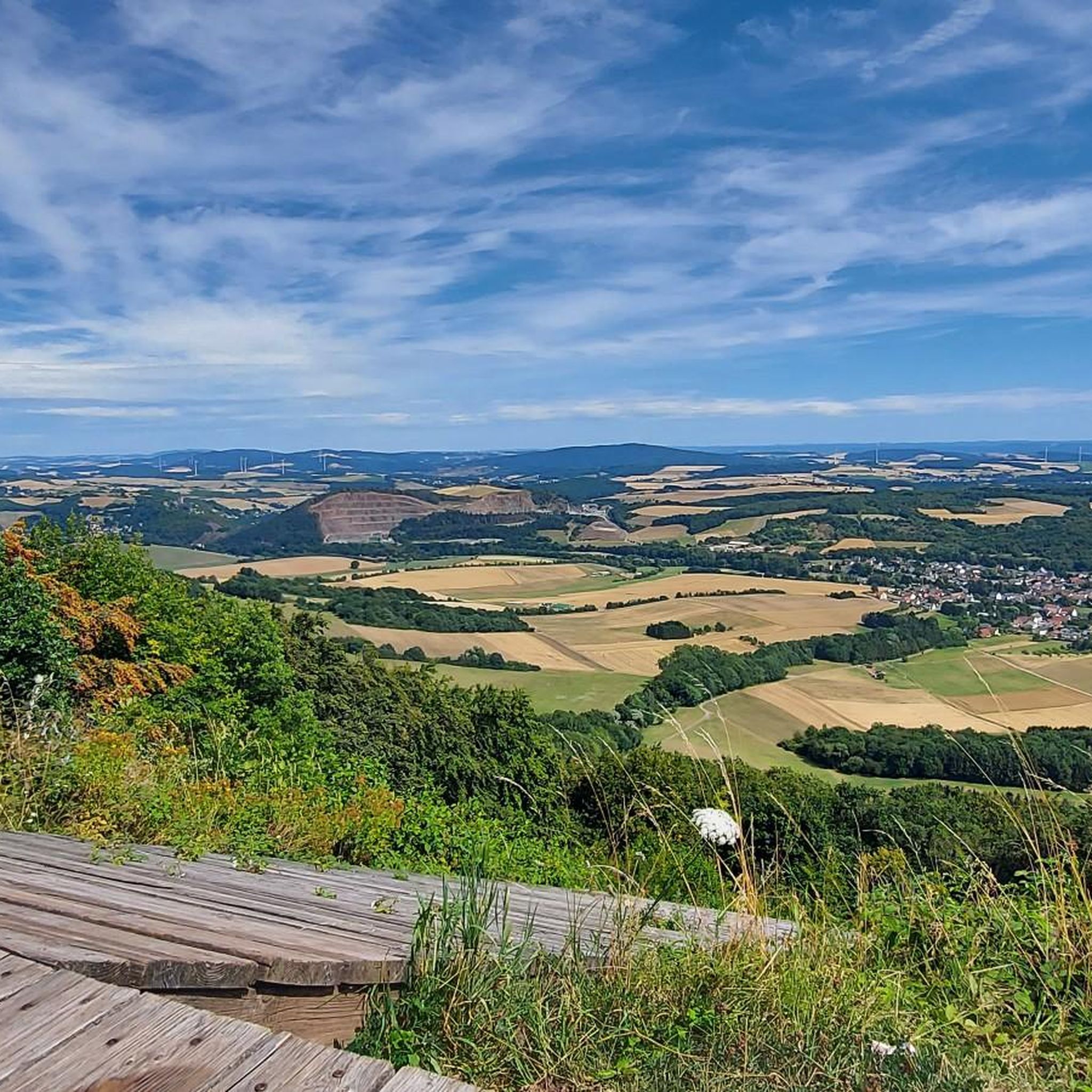
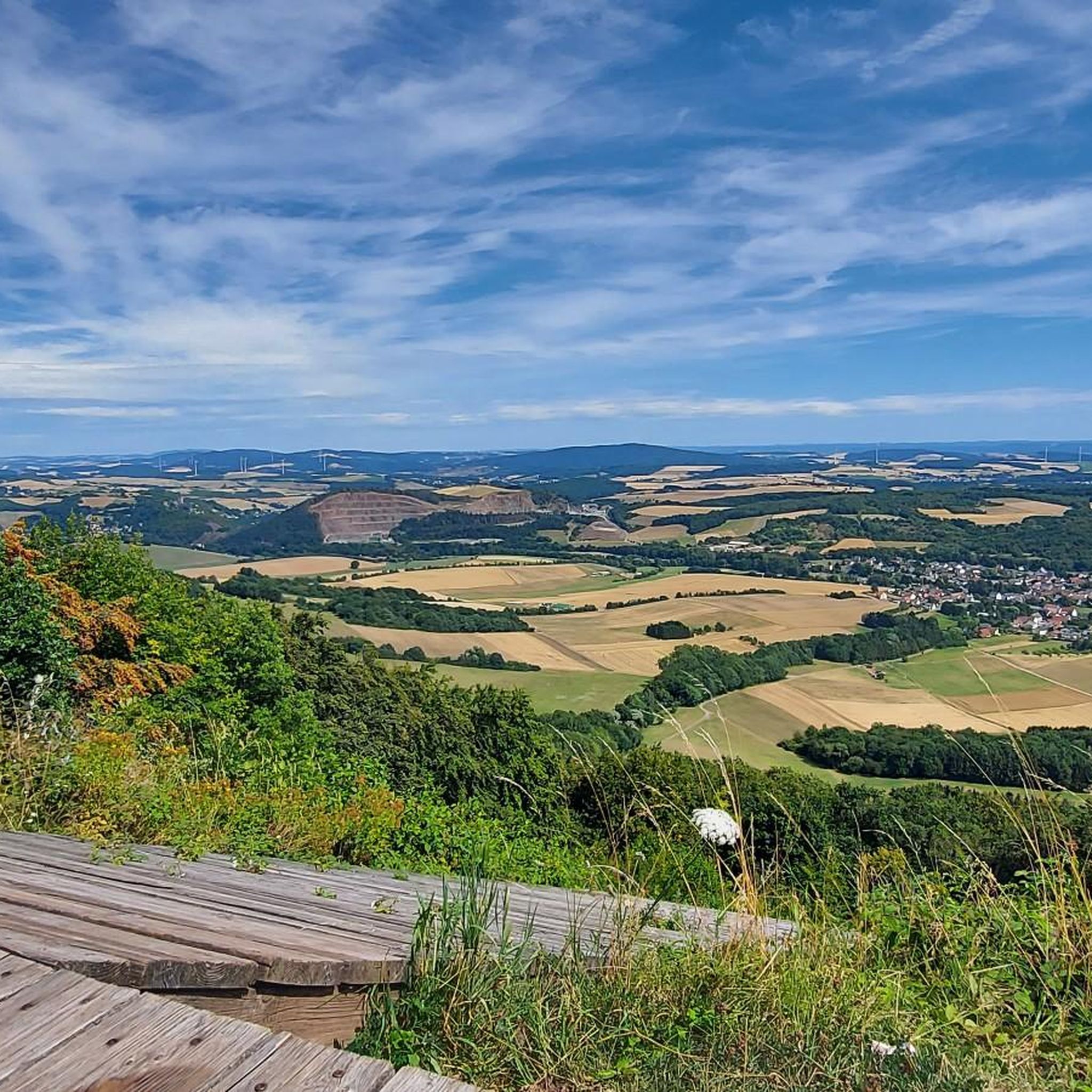
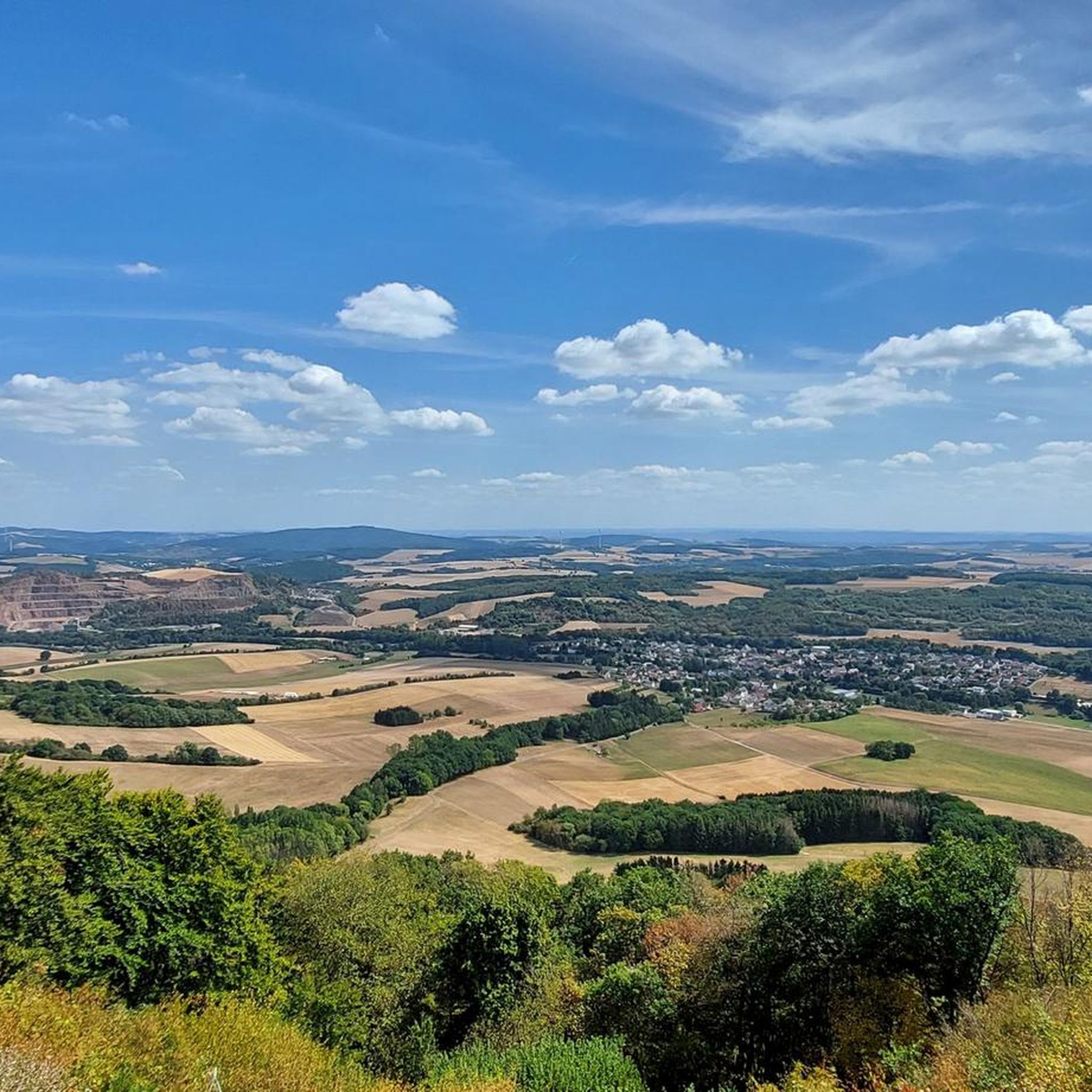
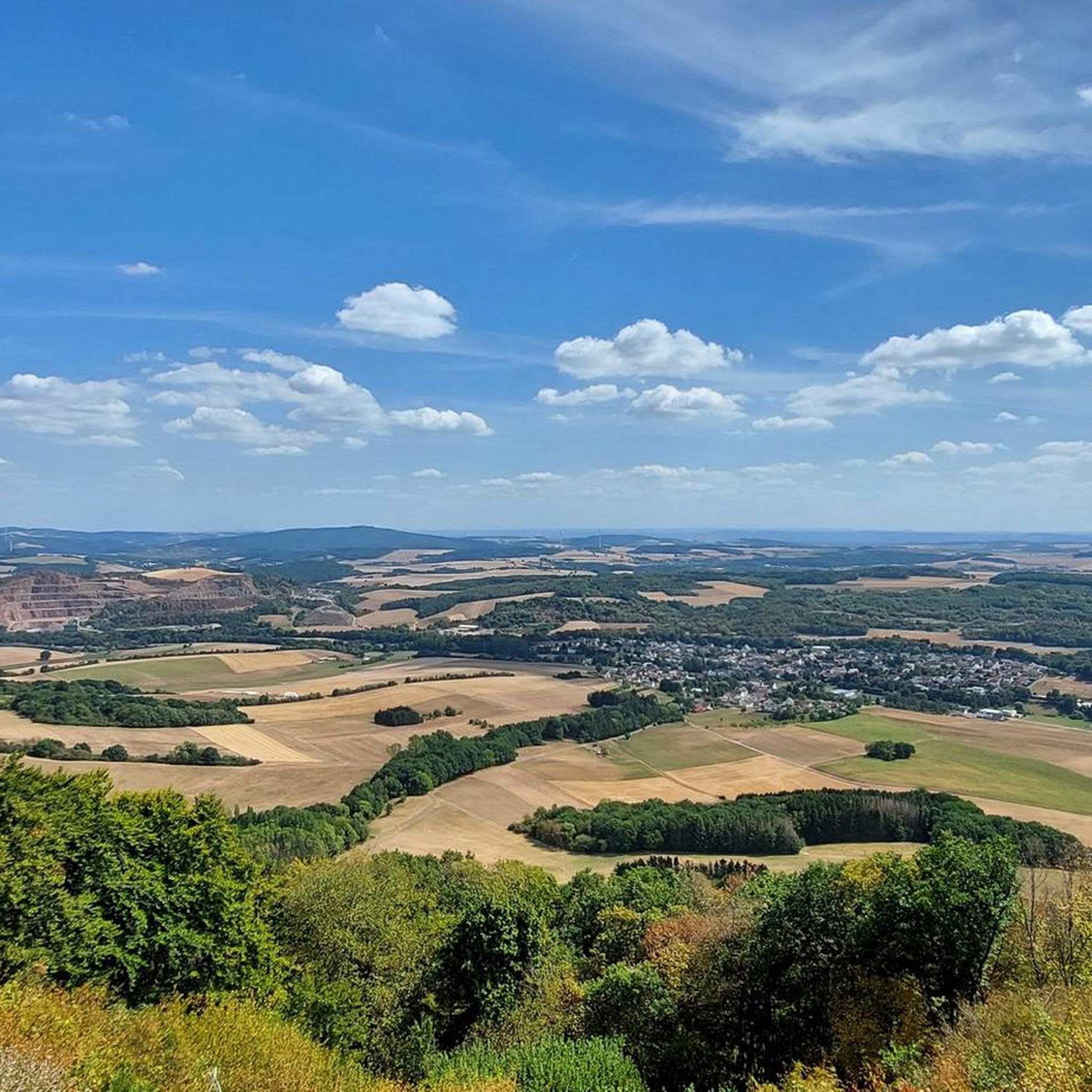

Tips from the Community

Some of the Leitersweiler beeches are over 300 years old, but unfortunately their lifespan is also limited and some of these impressive trees have fallen in recent years.
1
0

You can sit by the water and relax. Perfect way to cool down in summer 😉
0
0


A great area in terms of landscape. Nice bike paths
1
0
You really have to hike.
3
0

The Glan calms down and renatured!
2
0

𝐍𝐚𝐭𝐮𝐫𝐬𝐜𝐡𝐮𝐭𝐳𝐠𝐞𝐛𝐢𝐞𝐭 𝐋𝐞𝐢𝐭𝐞𝐫𝐬𝐰𝐞𝐢𝐥𝐞𝐫 𝐁𝐮𝐜𝐡𝐞𝐧 / 𝐓𝐢𝐞𝐟𝐞𝐧𝐛𝐚𝐜𝐡𝐭𝐚𝐥 / 𝐎𝐬𝐭𝐞𝐫𝐰𝐢𝐞𝐬𝐞𝐧 The gnarled shapes of the old "Leitersweiler beeches" open up this nature reserve in the north on a side knoll of the Bosenberg. From the source in the forest at over 400 m, this 110 hectare nature reserve then accompanies the Tiefenbach, which runs through the forest in its natural bed, to its confluence with the Oster. This nature reserve belongs to the European nature reserve system NATURA 2000 and offers e.g. habitats for the birds in need of protection: red kite, kingfisher and black woodpecker. In the valley of the Oster, there is still something very special to see: a "human-made biotope design" planned at the beginning of the 80s, which can be considered one of the first realized facilities of this objective. The wet meadows there were in the 30s by straightening the former Meandering Easter emerged and should be drained in the 70s as part of a land consolidation. However, the resistance of the then strengthening nature conservation movement arose successfully. The meadows were not simply left to nature, but by the nature conservation authority to a pond landscape with islands, shallow water After 25 years it can be said that a considerable pioneering work on the subject of "habitat design" has been achieved, which also gained experience for other measures of water renaturation or biotope design. Source: Text information board
7
0
Frequently Asked Questions
What are the most notable natural features to explore around Pfeffelbach?
The region around Pfeffelbach is rich in geological interest and scenic beauty. You can explore the Urweiler Quarry, which exposes natural geological formations from its past as a hard stone quarry. The area is also known for its hard-stone quarries where minerals like moss agate, agate, jasper, and chalcedony can be found. Additionally, the Leitersweiler Beeches, ancient trees some 250 to 300 years old, are a special natural monument along the Tiefenbach path.
Are there any historical natural monuments in the Pfeffelbach area?
Yes, the Miners' Spring is a natural monument with significant historical context. It was historically used by miners, with evidence of coal mining in the area dating back to 1780. The spring is located along the Tiefenbach path, which was once the 'miners' path'.
What kind of hiking trails can I find near Pfeffelbach's natural monuments?
The Tiefenbach Trail is a popular option, a 15 km path around the Bosenberg featuring rustic footbridges and leading past the Leitersweiler Beeches and the Miners' Spring. This medium-difficulty trail offers wonderful views from the Fledermauskopf. For more options, you can explore various hiking routes in the region, including those found in the Cycling around Pfeffelbach guide, which also features paths suitable for walking.
Are there family-friendly natural monuments or activities around Pfeffelbach?
The Erdesbach Weir on the Glan is considered family-friendly and offers a pleasant viewpoint by the river. While the Tiefenbach Trail is medium difficulty, sections of it, especially around the Leitersweiler Beeches, can be enjoyed by families looking for a walk in nature. Always check the specific trail conditions for suitability with younger children.
What geological features are prominent in the natural monuments near Pfeffelbach?
The region is characterized by its hard-stone quarries, such as the Urweiler Quarry, which expose significant geological formations. These sites reveal the area's history of mineral extraction and offer a glimpse into the earth's layers. The 'Preußische Berge' in Pfeffelbach are also known for occurrences of moss agate, agate, and jasper.
What do visitors particularly enjoy about the natural monuments around Pfeffelbach?
Visitors appreciate the diverse landscape, from the ancient Leitersweiler Beeches to the geological insights offered by the Urweiler Quarry. The Tiefenbach Trail is highly regarded for its scenic beauty, rustic footbridges, and historical points like the Miners' Spring. Many enjoy the clear water of the spring and the wonderful views from the Fledermauskopf.
Are there any viewpoints offering panoramic scenery among the natural monuments?
Yes, the Tiefenbach Trail includes the Fledermauskopf viewpoint, which offers wonderful views of the Sankt Wendel region, including the 568 m high Schaumberg and the eastern Saarland. The Leitersweiler Beeches also serve as a popular viewpoint.
What is the highest natural elevation in the Pfeffelbach area?
The Herzerberg mountain, located within Pfeffelbach's municipal limits, is the highest peak in the district, rising to 585 meters above sea level. It features a lookout platform offering expansive views that can reach Kaiserslautern on clear days.
Can I find any unique minerals or stones in the natural areas around Pfeffelbach?
Yes, the region's hard-stone quarries, such as the abandoned Hellerberg quarry in Pfeffelbach, are known for occurrences of moss agate, agate, jasper, and chalcedony. Exploring these areas can offer opportunities to find unique mineral specimens and learn about the geological history.
What other outdoor activities are available near the natural monuments in Pfeffelbach?
Beyond hiking, the area offers various cycling opportunities. You can find routes for touring bicycles in the Cycling around Pfeffelbach guide, road cycling routes in the Road Cycling Routes around Pfeffelbach guide, and mountain biking trails in the MTB Trails around Pfeffelbach guide. These guides feature routes that traverse the scenic natural landscape.
What is the best time of year to visit the natural monuments around Pfeffelbach?
For hiking trails like the Tiefenbach Trail, it is recommended to visit during dry periods, as some passages may become impassable after longer rainy spells. Generally, spring, summer, and early autumn offer pleasant conditions for exploring the natural landscapes and trails.
Are there any specific natural monuments that are particularly ancient or old?
The Leitersweiler Beeches are a prime example, with some of these giant trees being 250 to 300 years old, and the group first mentioned in 1618. They have been under nature protection since 1913, making them a truly ancient natural landmark in the region.
Most popular routes around Pfeffelbach
Most popular attractions around Pfeffelbach

Get inspired with the komoot mobile app


Explore more
Extend your search for the best caves by checking out these guides of the top ones around Pfeffelbach:
