Top 19 Natural Monuments around Hausweiler
Natural monuments around Hausweiler, located in the Kusel district of Rhineland-Palatinate, Germany, offer diverse natural landscapes. The region features rolling hills, dense forests, and stream landscapes, characteristic of the Palatinate Forest. This area provides opportunities for outdoor activities and exploration of geological features. Hausweiler is situated in a peaceful setting for experiencing nature.
Best natural monuments around Hausweiler
- The most popular natural monuments is View from Mittagsfels, a viewpoint that offers wide views of the Steinalbtal and Glantal. This…
Last updated: July 8, 2026
Königsberg Summit
Highlight • Summit
Translated by Google •
Tip by

Blaue Halde Spring and Pond
Highlight • Natural
Translated by Google •
Tip by

Sign up now to discover places like this
Get recommendations on the best single tracks, peaks, & plenty of other exciting outdoor places.
Sign up for free
Wartekopf Nature Reserve
Highlight (Segment) • Natural Monument
Translated by Google •
Tip by

View from Mittagsfels
Highlight • Viewpoint
In spring the pasque flowers bloom here (do not pick them - are …
Translated by Google •
Tip by
Scenic rest area overlooking Niederalben (Mittagsfels Nature Reserve)
Highlight • Viewpoint
Wonderful view from the Mittagsfels.
Don't go astray!
Translated by Google •
Tip by
Sign up for free to discover even more natural monuments around Hausweiler.
Sign up for free
Already have an account?
Start today with a free account
Your next adventure awaits.
Login or Signup
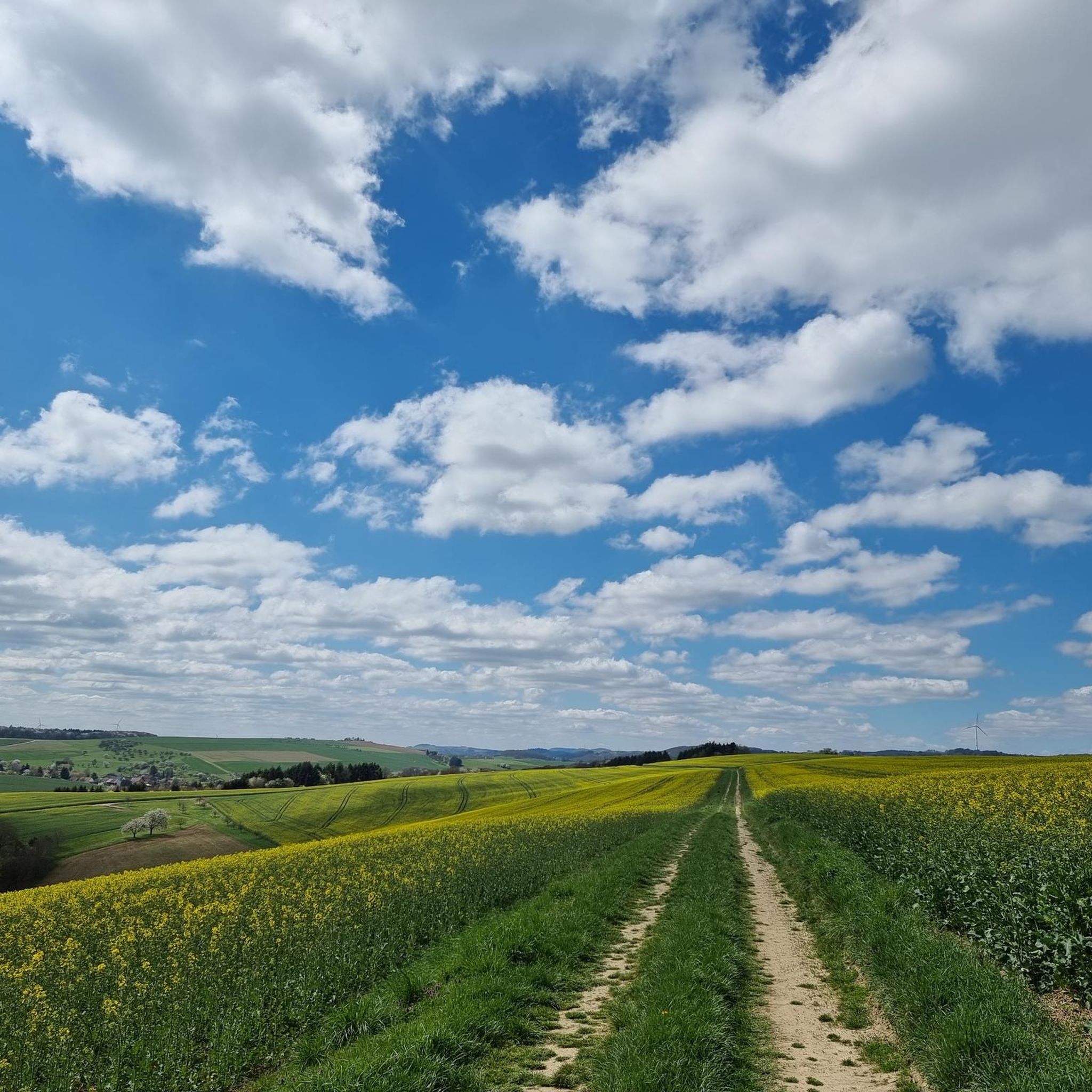
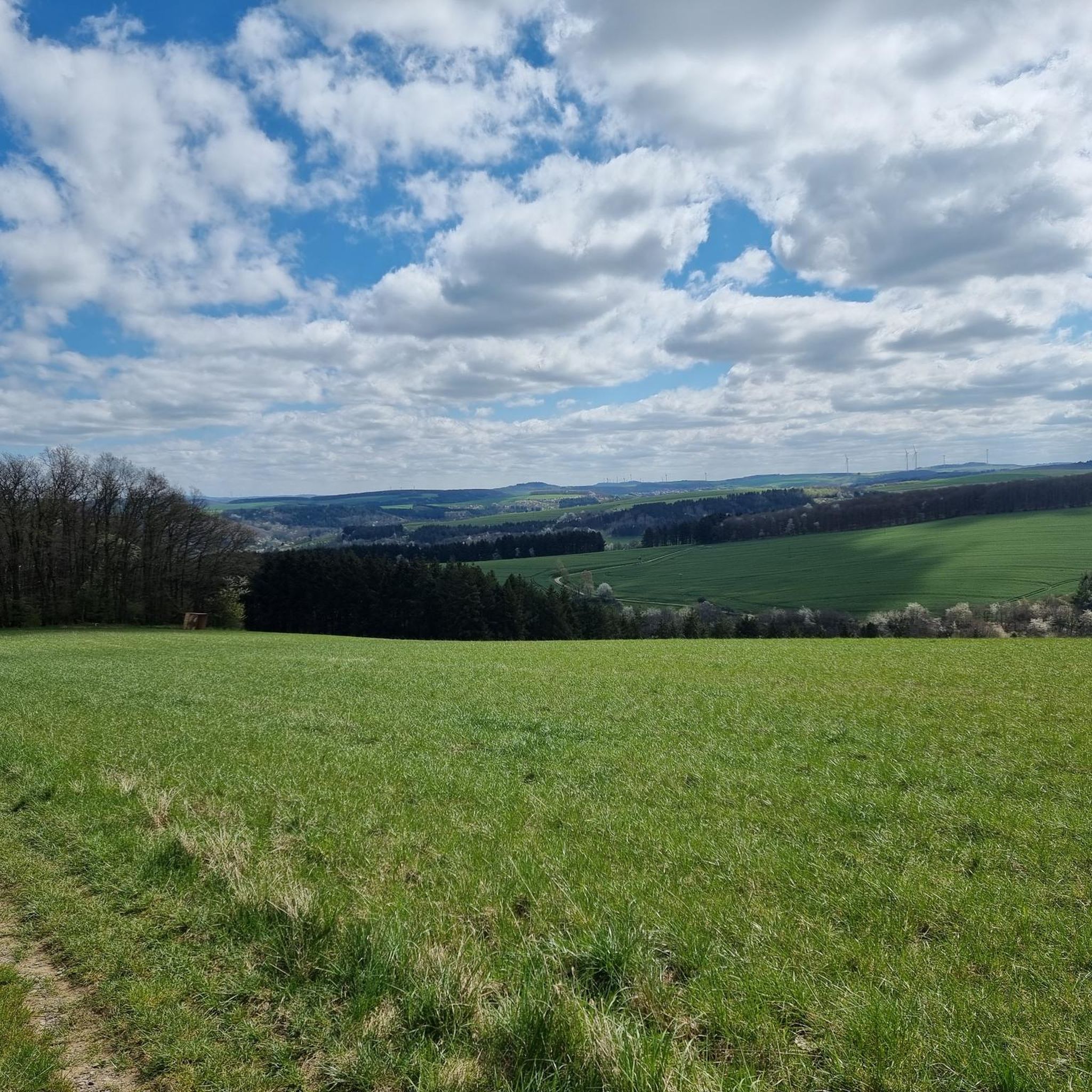
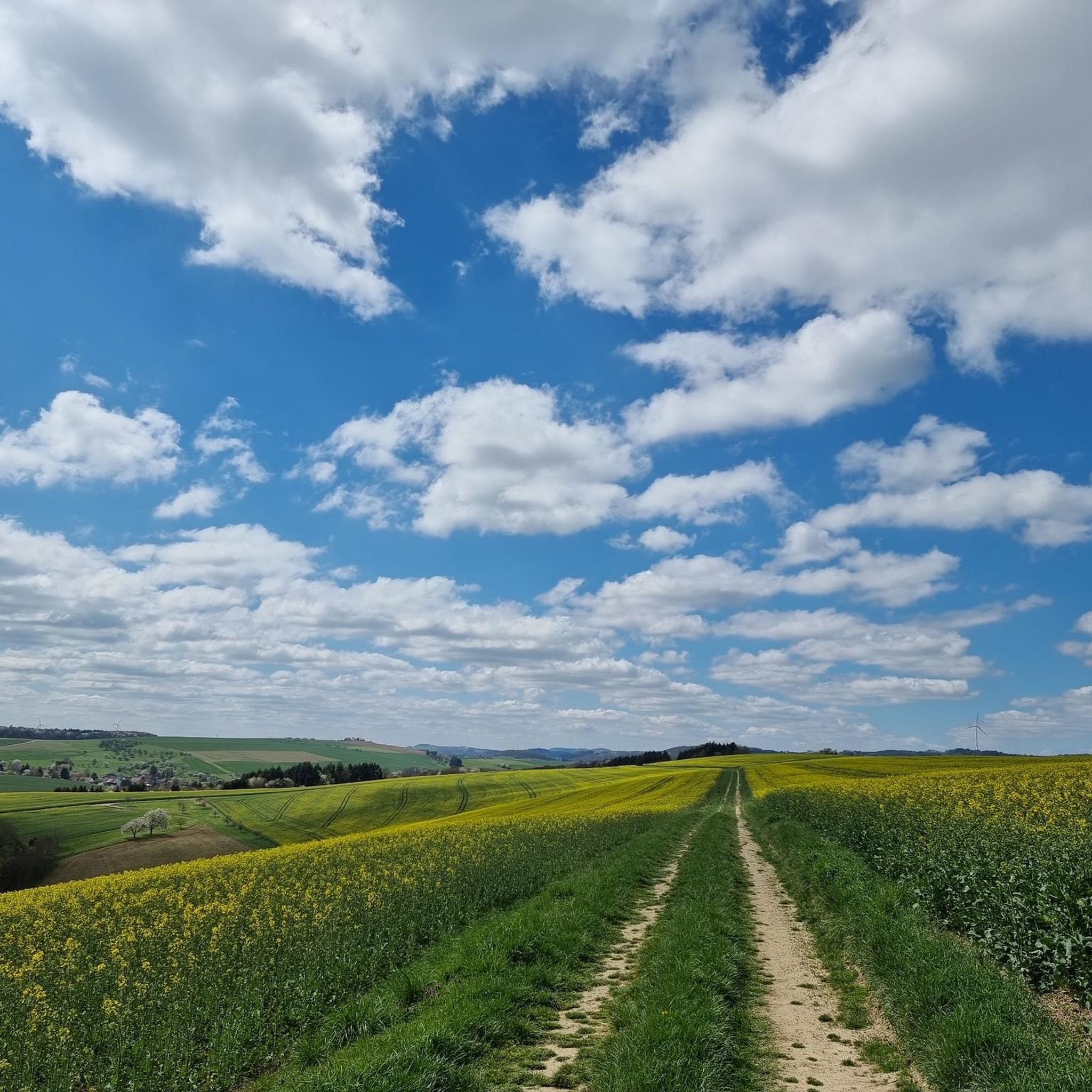
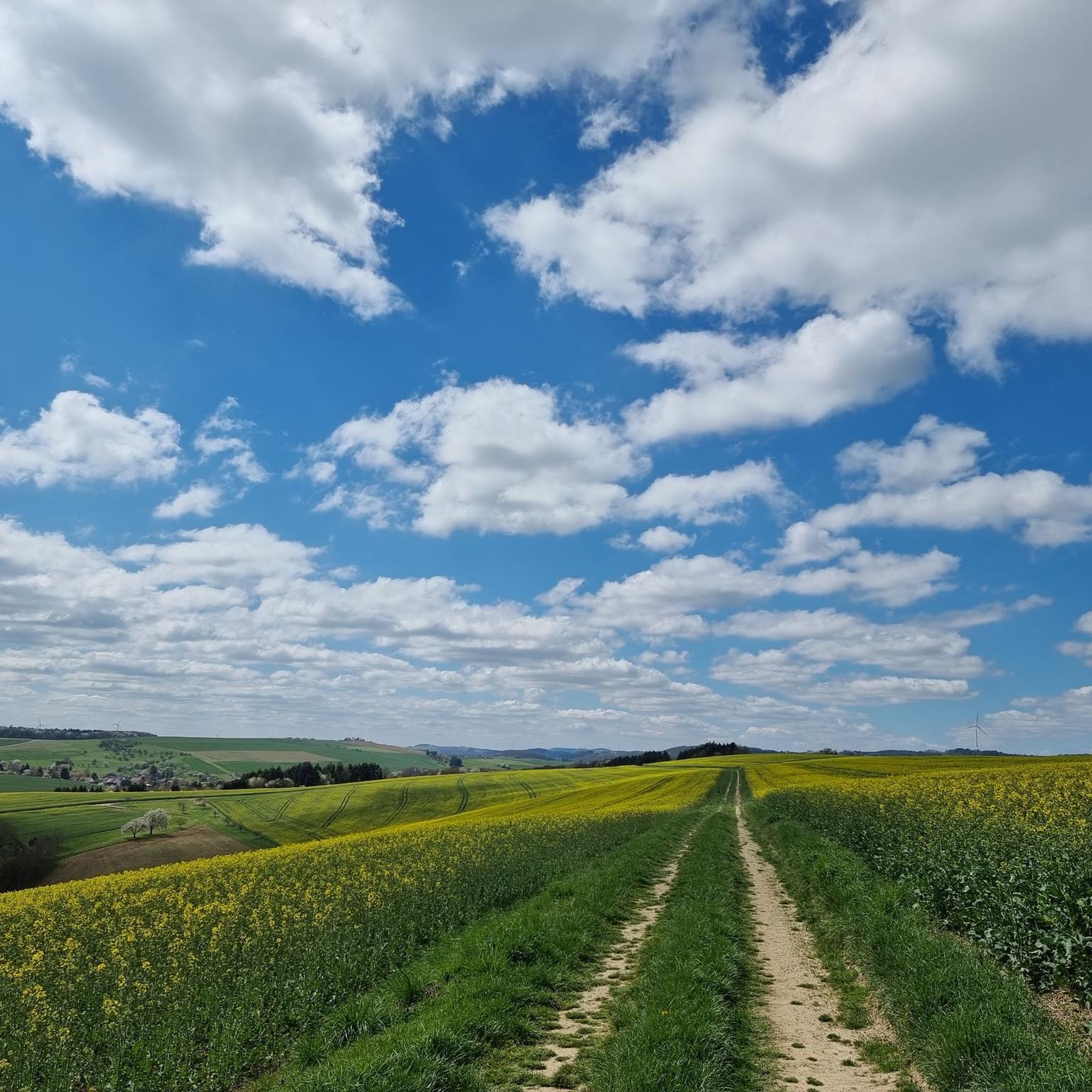
Tips from the Community

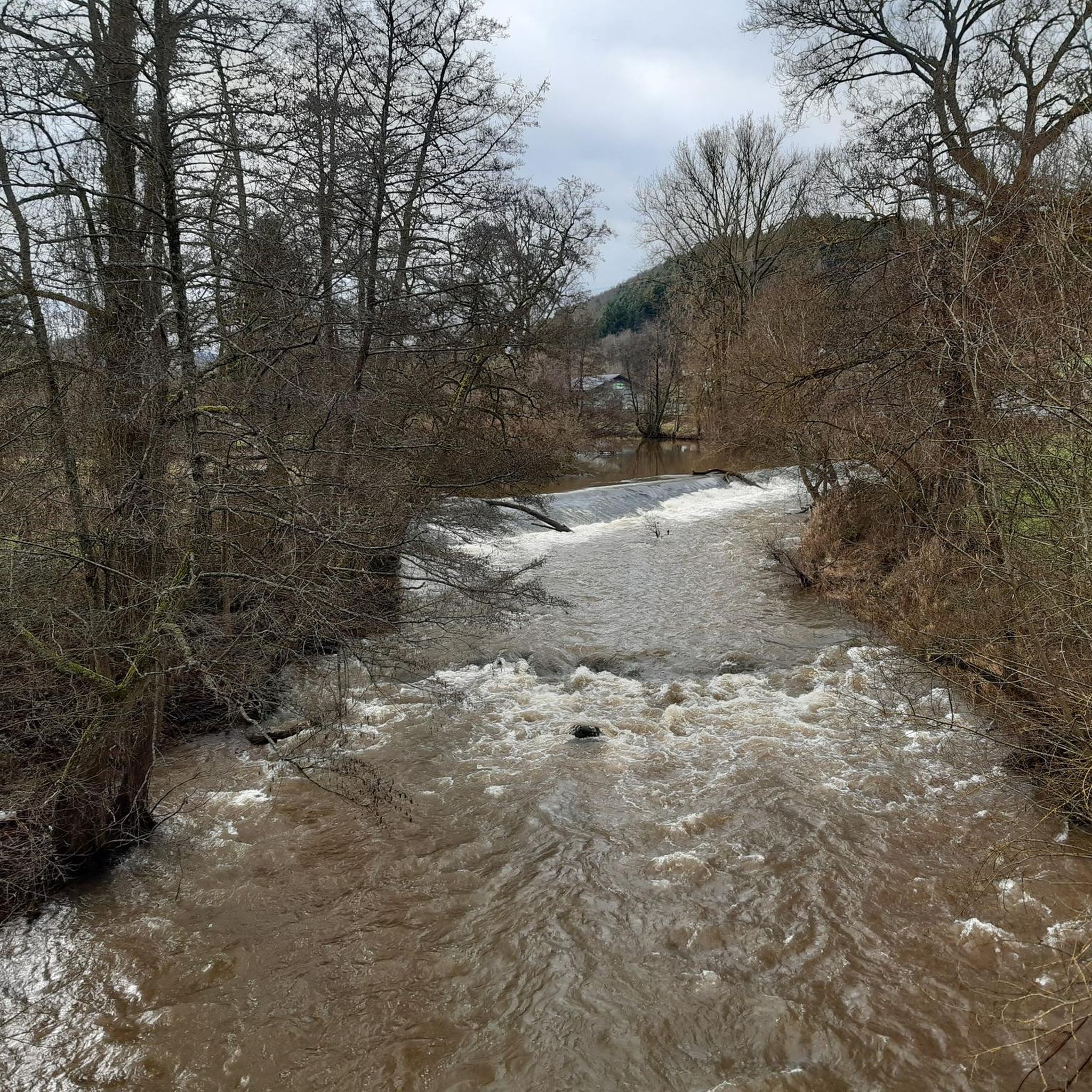
Unfortunately, during our visit there was little water and it was dirty
0
0

From the Mittagsfels, a wide, uninterrupted view opens up over the Steinalb Valley, the surrounding forests, and hills – a real insider tip for panorama enthusiasts off the beaten track. Tip: Be sure to have your camera ready! Especially in the morning, visibility is clear here – perfect for a peaceful nature experience with a view.
0
1
💧 Spring and Pond at the Blaue Halde (Blue Halde) Tucked away in the quiet forest area near the Blaue Halde (Blue Halde) lies this idyllic spot with a clear spring and a small pond. Surrounded by lush greenery and mature trees, the scenery seems almost enchanted – a place to pause and take a deep breath. 💡 Tip: Ideal as a quiet stopover for nature lovers who are off the beaten track. Especially beautiful in the early morning or late afternoon when the light filters through the treetops.
0
0
🌿 Wartekopf Nature Reserve A refuge for flora and fauna: The area around the Wartekopf near Ulmet is under special protection. Dry grasslands, rare plants, and quiet paths characterize the landscape. 📝 Tip: Please stay on the paths – nature takes priority here.
0
1
A simple wooden bench – yet a magical place. Those who sit here gaze out over the Glan Valley and feel time briefly stand still. 💡 Tip: Especially in the winter light or evening haze, a quiet beauty unfolds here that lingers long after.
0
1
The rocky outcrop seems to have fallen out of time. Moss covers the ground, the Glan Valley lies shrouded in mist below – above, only wind and vastness. 💡 Tip: If you linger here in silence, you'll experience how powerful nature can be without words. Please pay attention to the path – it's a steep descent, with no safety barriers!
0
1
This quiet corner is a natural treasure. Rare plants such as the strictly protected pasque flower, golden-haired aster, and heath speedwell grow on the volcanic subsoil. The white woodpecker also flutters through the clear air here. 💡 Tip: Read the information panels on site – they explain this special place. And: Please do not pick or step on anything – nature is allowed to be nature here.
0
1
This quiet corner is a natural treasure. Rare plants like pasqueflower and golden-haired aster grow on the volcanic subsoil, and with luck, you'll see the white woodpecker dancing through the air. 💡 Tip: Read the information board while you're there—it turns a beautiful place into a special one.
0
1
Frequently Asked Questions
What kind of natural features can I expect to see around Hausweiler?
The region around Hausweiler, situated in the Palatinate Forest, offers diverse natural landscapes. You can find rolling hills, dense forests, and stream landscapes. Specific natural monuments include viewpoints like View from Mittagsfels, summits such as Königsberg Summit, and unique natural areas like the Blaue Halde Spring and Pond.
Are there any specific natural reserves or protected areas near Hausweiler?
Yes, the Wartekopf Nature Reserve is a significant protected area. It's a 122-hectare biotope complex featuring warm oak dry forests, rocks, dry grasslands, and near-natural brooks. It's home to numerous warm and dry-loving animal and plant species, including the whitebeam, cowslip, and brown fire butterfly.
What historical context is associated with the natural monuments around Hausweiler?
The Blaue Halde Spring and Pond, while a tranquil natural spot today, has a rich mining history. The 'Blaue Halde' itself is a mine waste dump from the former 'Alte Mahlscheid' mine, dating back to 1478. Its name, 'Blue Heap,' comes from the blue lead-copper mineral linarite historically found there, showcasing an interplay of natural geology and human activity.
When is the best time of year to visit the natural monuments around Hausweiler?
The region is beautiful year-round. Spring is particularly special at the View from Mittagsfels, where protected pasque flowers bloom. The Blaue Halde Spring and Pond is described as especially beautiful in the early morning or late afternoon when light filters through the treetops. Generally, spring and autumn offer pleasant temperatures for hiking and exploring the diverse landscapes.
Are there family-friendly natural monuments or activities in the area?
Many natural areas around Hausweiler are suitable for families. The Blaue Halde Spring and Pond is categorized as family-friendly, offering a tranquil stopover in the forest. The broader Palatinate Forest region provides extensive hiking trails, many of which are suitable for families looking to experience nature together.
What outdoor activities can I do near these natural monuments?
The area around Hausweiler is excellent for various outdoor activities. You can find numerous routes for hiking, running, and mountain biking. For example, there are many hiking trails around Hausweiler, including easy loops like the 'Rote Bank loop from Grumbach'. Mountain biking enthusiasts can explore routes such as the 'Blaue Halde Spring and Pond – Königsberg Summit loop from Offenbach-Hundheim' found in the MTB Trails around Hausweiler guide.
Are there challenging hikes to natural monuments for experienced adventurers?
Yes, some natural monuments offer more challenging experiences. The Wolfsteiner Echo, for instance, is located high above Wolfstein and requires a small, steep hiking trail to reach. The approximately three-kilometer route to the echo site is considered challenging due to its gradient, making it suitable for those seeking a more strenuous climb.
Can I bring my dog to the natural monuments around Hausweiler?
The natural landscapes and trails around Hausweiler are generally dog-friendly, offering plenty of space for walks. When visiting nature reserves like the Wartekopf Nature Reserve or the Mittagsfels, it's always best to keep dogs on a leash to protect local wildlife and vegetation, especially in areas with rare plant species.
What makes the <a href="https://www.komoot.com/highlight/169634" target="_blank" rel="noopener">View from Mittagsfels</a> a popular natural monument?
The Mittagsfels is highly regarded for its fascinating views of the Steinalbtal and Glantal. It's also a nature reserve known for its rare vegetation, including protected pasque flowers that bloom in spring. The rock's orientation creates a particularly warm and dry microclimate, and it historically served as a lookout point, offering wide vistas in wonderful silence.
Is there a place to rest or register my visit at any of the summits?
Yes, at the Königsberg Summit, you'll find a place to rest and a small summit cross. Visitors can also register their visit in a hut book located at the top, making it a memorable stop for hikers reaching the summit.
Are there any unique natural phenomena or hidden gems to discover?
Beyond the well-known spots, the region holds unique natural phenomena. The Wolfsteiner Echo is a fascinating site where you can experience a distinct echo. Located high above the town of Wolfstein, it's a rewarding discovery for those willing to take on the challenging hike to find its exact position.
What kind of wildlife can be observed in the natural monuments?
The Wartekopf Nature Reserve is particularly rich in wildlife, hosting numerous warm and dry-loving animal species. These include the brown fire butterfly and various species of woodpecker. The Mittagsfels nature reserve is also known for its lizards and other rare vegetation, making it a great spot for nature observation.
Most popular attractions around Hausweiler

Get inspired with the komoot mobile app


Explore more
Extend your search for the best caves by checking out these guides of the top ones around Hausweiler:
