Top 20 Natural Monuments around Esselborn
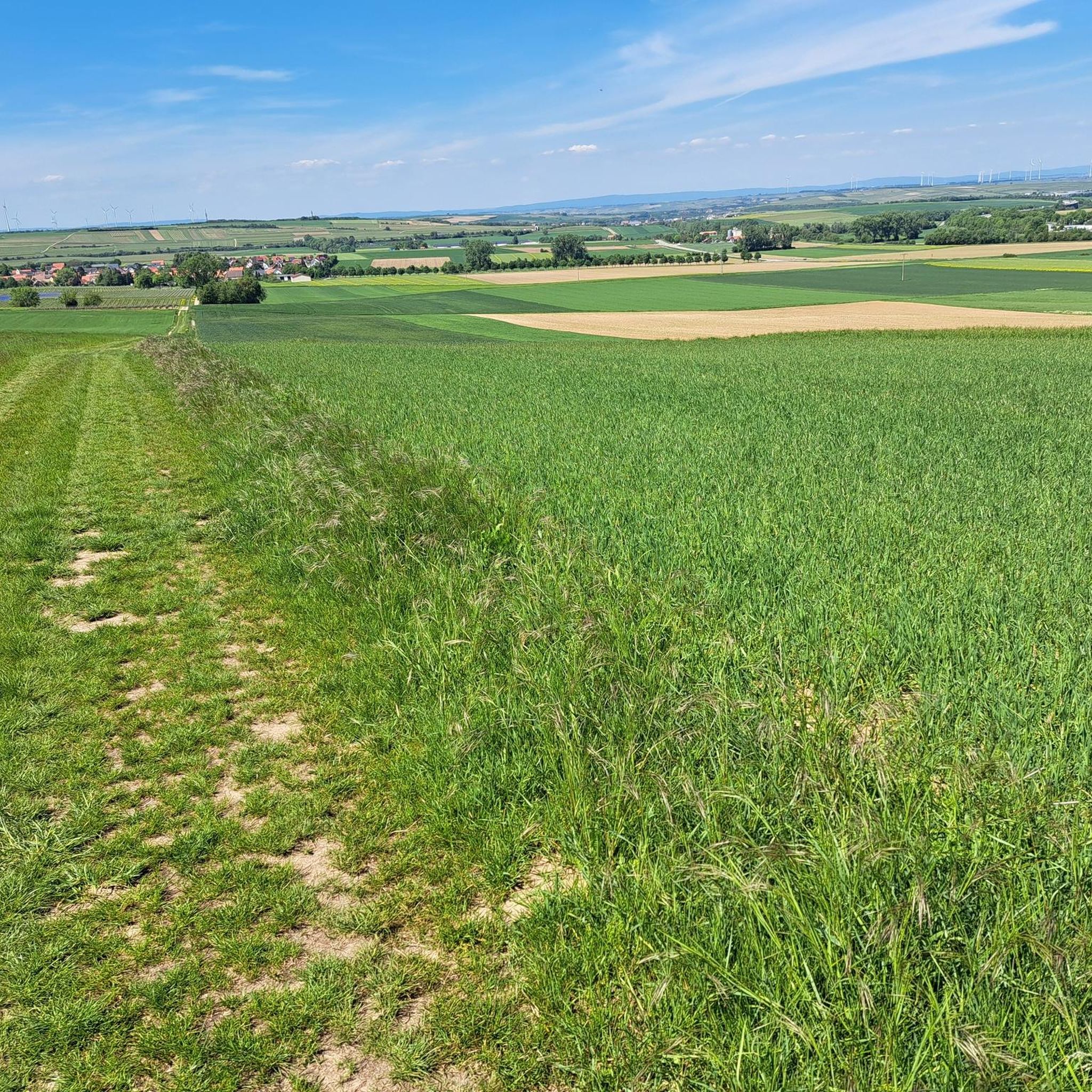
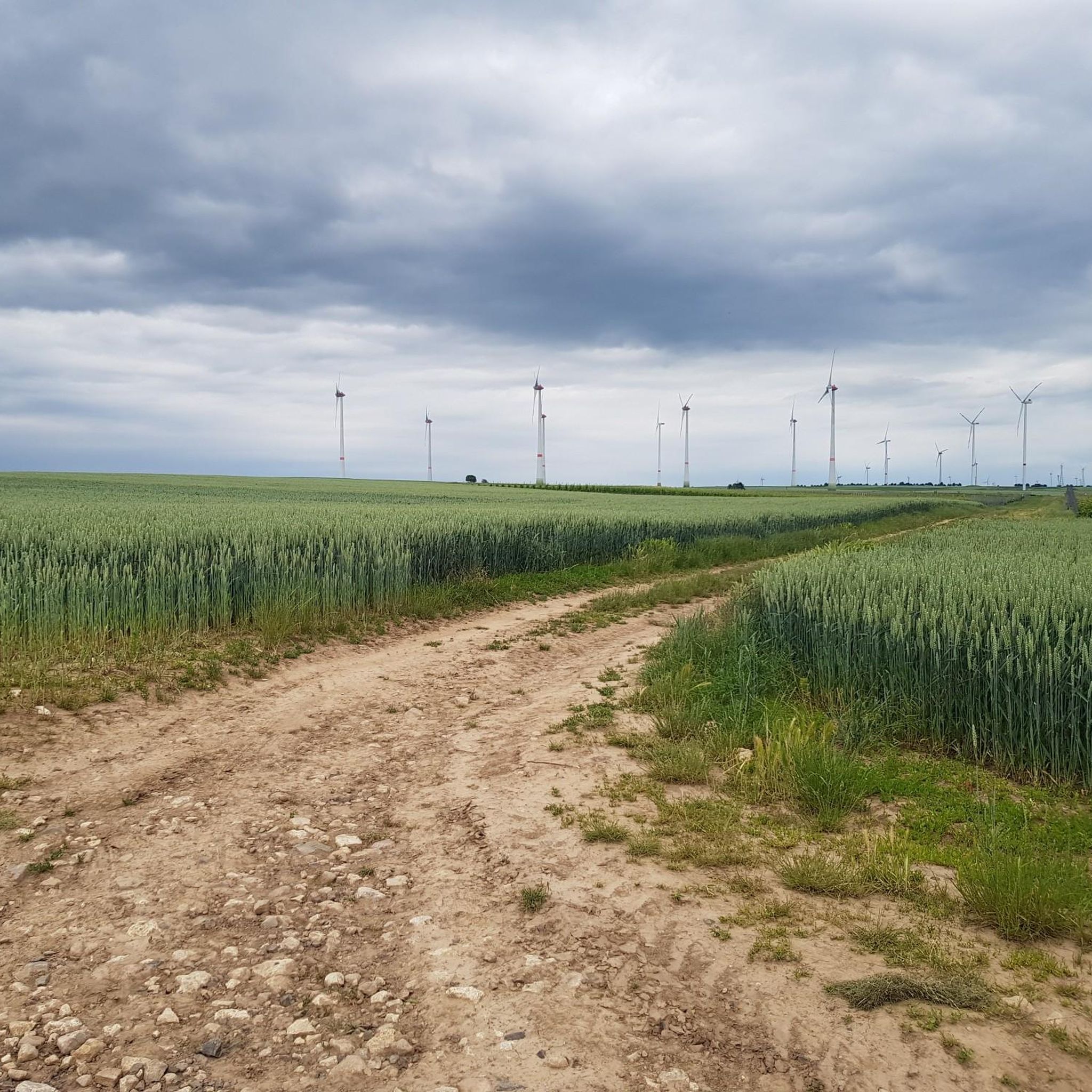
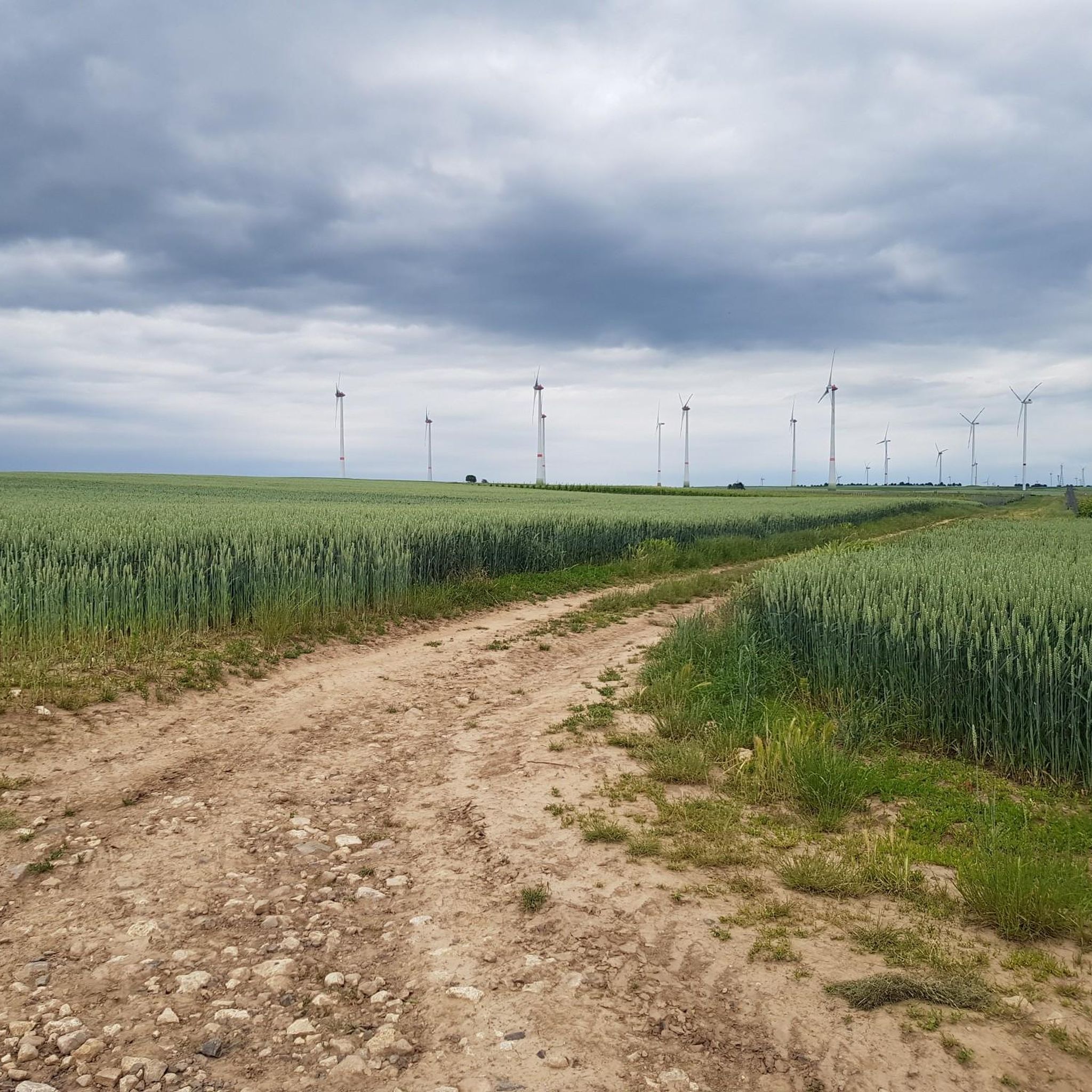
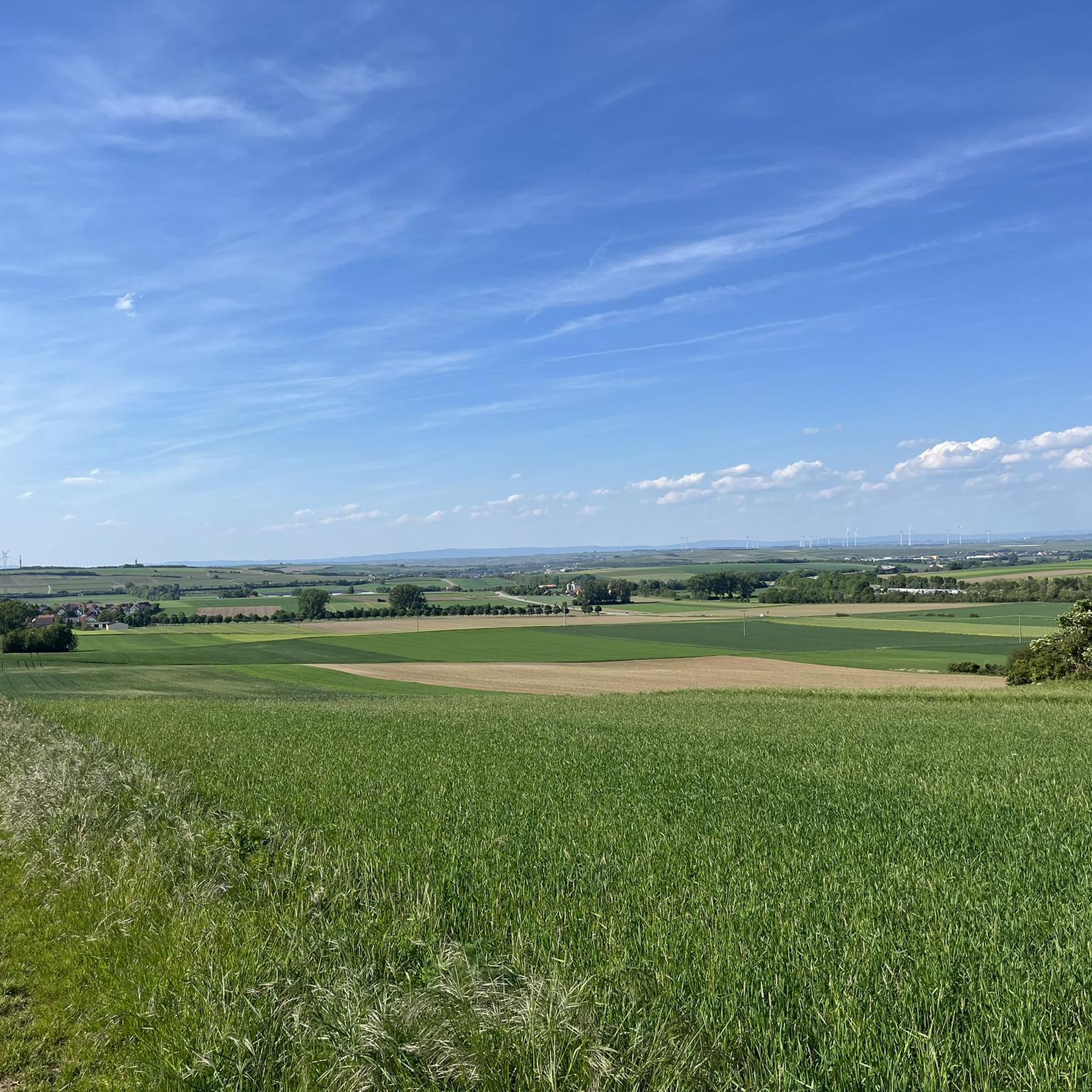
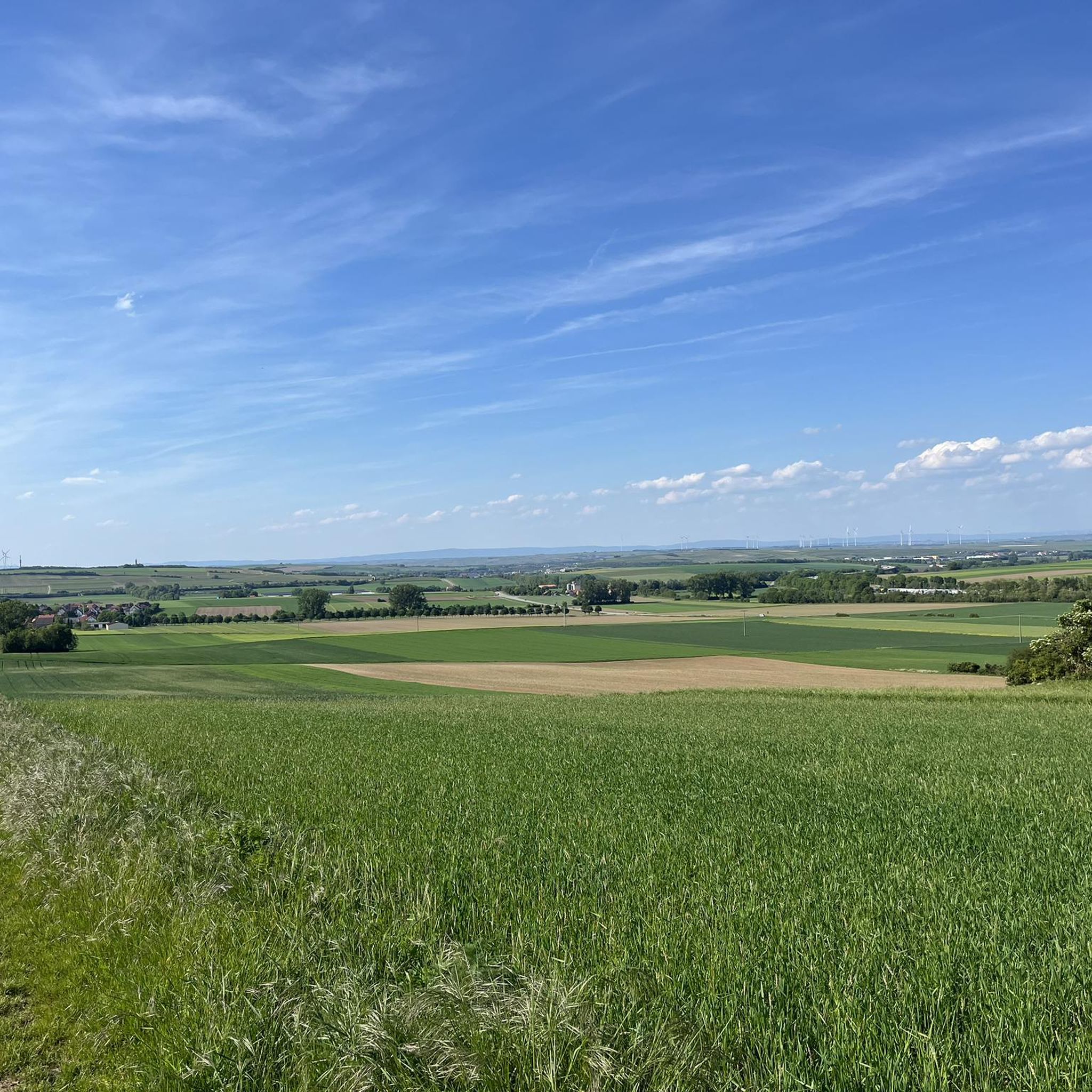
Best natural monuments around Esselborn are found within the Rheinhessen region, characterized by its rolling hills and extensive vineyards. This landscape, often referred to as the "land of a thousand hills," offers diverse natural beauty shaped by ancient geological processes. The area provides a varied experience of hills, plateaus, and river valleys, with numerous viewpoints offering vistas over the region.
Best natural monuments around Esselborn
- The most popular natural monuments is Goldberg Fountain Flörsheim-Dalsheim, a man-made monument and natural…
Last updated: June 24, 2026
Hauck's Quarries
Highlight • Structure
Translated by Google •
Tip by

Restored Selz River Near Schafhausen
Highlight • River
Translated by Google •
Tip by

Sign up now to discover places like this
Get recommendations on the best single tracks, peaks, & plenty of other exciting outdoor places.
Sign up for free
Aulheimer Tal Quarry
Highlight • Natural
Translated by Google •
Tip by
Andesite Outcrops in Aulheimer Tälchen
Highlight • Natural Monument
Translated by Google •
Tip by

Goldberg Fountain Flörsheim-Dalsheim
Highlight • Monument
Translated by Google •
Tip by

Sign up for free to discover even more natural monuments around Esselborn.
Sign up for free
Already have an account?
Start today with a free account
Your next adventure awaits.
Login or Signup

Tips from the Community

beautiful natural landscape ;-)
0
0

The renaturalized Selz River near Schafhausen is a prime example of successful nature conservation in Rheinhessen. This section of the Selz River south of Alzey-Schafhausen has undergone extensive ecological enhancement in recent years – and you'll notice this immediately when you walk along it.
1
0

The Aulheim Valley lies within the Flonheim district in Rheinhessen. Geologically, Rheinhessen largely corresponds to the Mainz Basin, the northeastern edge of the Upper Rhine Graben. When the Upper Rhine Graben collapsed millions of years ago during the folding of the Alps, a connection was created via the Rhone Valley to a subtropical sea in the south and via the Hessian Depression to what is now the North Sea. This led to two flooding phases in the Oligocene and Miocene. The Vorholz Peninsula was only briefly flooded. The floor of the Mainz Basin consists of rock formations from the Rotliegend or Permian periods (296–251 million years ago). There was volcanic activity here from fissure volcanoes that covered the surface with layers of lava. In the Aulheim Valley, the lava was fast-flowing, low-silica lava, which cooled quickly and solidified into porous sediment with numerous gas inclusions. This made andesite unsuitable as a building material. Water and minerals penetrated the inclusions, and after the water evaporated, agates and geodes slowly formed. On the path through the Aulheim Valley from the Geistermühle to the Aulheimer Mühle, you can still see the retaining walls of the slope on the side facing Flonheim. Boundary stones can still be found here, marking the old district boundary.
0
0
The Aulheim Valley lies within the Flonheim district in Rheinhessen. Geologically, Rheinhessen largely corresponds to the Mainz Basin, the northeastern edge of the Upper Rhine Graben. When the Upper Rhine Graben collapsed millions of years ago during the folding of the Alps, a connection was created via the Rhone Valley to a subtropical sea in the south and via the Hessian Depression to what is now the North Sea. This led to two flooding phases in the Oligocene and Miocene. The Vorholz Peninsula was only briefly flooded. The floor of the Mainz Basin consists of rock formations from the Rotliegend or Permian periods (296–251 million years ago). There was volcanic activity here from fissure volcanoes that covered the surface with layers of lava. In the Aulheim Valley, the lava was fast-flowing, low-silica lava, which cooled quickly and solidified into porous sediment with numerous gas inclusions. This made andesite unsuitable as a building material. Water and minerals penetrated the inclusions, and after the water evaporated, agates and geodes slowly formed. On the path through the Aulheim Valley from the Geistermühle to the Aulheimer Mühle, you can still see the retaining walls of the slope on the side facing Flonheim. Boundary stones can still be found here, marking the old district boundary.
0
0

There used to be a coast here but that was a few days ago! 😉
1
0

Really wonderful renaturation. There are lots of places to sit and watch waterfowl.
1
0
Nature is taking back bit by bit!
1
0

Frequently Asked Questions
What unique geological features can I explore near Esselborn?
The Rheinhessen region, where Esselborn is located, has a fascinating geological history. You can visit the Hauck's Quarries, an impressive site where Flonheim sandstone, used even for parts of Cologne Cathedral, was quarried since Roman times. Another notable spot is the Aulheimer Tal Quarry, which offers insights into the region's ancient past with its andesite formations.
Are there any natural monuments around Esselborn that showcase successful environmental efforts?
Yes, the Restored Selz River Near Schafhausen is a prime example. This area highlights successful renaturation efforts, creating a valuable recreational space. The presence of a beaver dam has significantly contributed to an ideal habitat and higher water levels, demonstrating nature's resilience.
What are the best ways to experience the rolling hills and vineyards of Rheinhessen near Esselborn?
The defining characteristic of Rheinhessen is its gently undulating landscape covered in vineyards, often called the 'land of a thousand hills' (Hiwwel). You can explore these by hiking or cycling on trails like the RheinTerrassenWeg, which offers impressive views of the Rhine, or the certified Hiwweltouren, which showcase diverse natural landscapes including heathlands and forests. These trails provide panoramic views and opportunities to experience the region's renowned wine culture.
Are there family-friendly natural monuments or activities near Esselborn?
Many of the natural areas and trails in Rheinhessen are suitable for families. The Goldberg Fountain Flörsheim-Dalsheim, surrounded by almond trees, is a pleasant spot for a family visit. Additionally, the renatured sections of the Restored Selz River Near Schafhausen offer recreational spaces ideal for leisurely walks and nature observation.
What kind of historical insights can I gain from visiting natural monuments in this region?
The natural monuments around Esselborn often intertwine with the region's history. For instance, Hauck's Quarries are an impressive testimony to the region's past, where Flonheim sandstone was quarried since Roman times and used for significant buildings. The Aulheimer Tal Quarry also provides historical context with its information boards about the Flonheim circular route and the area's geological past.
What outdoor activities are available near the natural monuments around Esselborn?
The region offers a variety of outdoor activities. You can find numerous MTB trails, cycling routes, and running trails. For example, you can cycle along the Selz River or explore the vineyards on a touring bike. Many routes pass by or near the natural monuments, allowing you to combine sightseeing with active exploration.
Are there specific hiking trails that highlight the natural beauty near Esselborn?
Yes, the Rheinhessen region is known for its diverse hiking opportunities. The Hiwweltouren, such as the Hiwweltour Heideblick, lead through unique landscapes like Rheinhessen's only heathland, featuring million-year-old volcanic rock. The Hiwweltour Aulheimer Tal offers a varied path through forests, vineyards, and meadows, often leading to stunning viewpoints and unique structures like the Flonheim Trullo.
What is the best time of year to visit the natural monuments around Esselborn?
The Rheinhessen region is beautiful year-round, but the visual appeal of the endless vineyards changes with the seasons. Spring brings almond blossoms and fresh greenery, while summer offers lush landscapes. Autumn is particularly scenic with the grape harvest and vibrant fall colors. Each season provides a unique experience for exploring the natural monuments and vineyards.
What do visitors particularly enjoy about the natural monuments and areas around Esselborn?
Visitors appreciate the diverse natural features, from ancient quarries to renatured rivers and geological formations. The region's unique blend of natural beauty, historical significance, and opportunities for outdoor activities is highly valued. Many enjoy the immersive experiences offered by trails like the Hiwweltouren, which lead to stunning viewpoints and provide insights into the local ecosystem and geology.
Can I find unique natural formations like outcrops or specific rock types near Esselborn?
Absolutely. The Andesite Outcrops in Aulheimer Tälchen are a notable natural monument, showcasing unique rock formations. This area, along with the quarries, provides a glimpse into the region's geological past and the types of stone that have shaped its landscape and history.
Are there any natural monuments that are also significant cultural or man-made sites?
Yes, some sites blend natural and man-made elements. The Goldberg Fountain Flörsheim-Dalsheim is a man-made monument situated in a natural setting, surrounded by almond trees, and is also known for its 'Goldberg' wine location. Similarly, Hauck's Quarries, while a natural formation, are also a historical site demonstrating human interaction with the landscape over centuries.
Most popular routes around Esselborn
Most popular attractions around Esselborn

Get inspired with the komoot mobile app


Explore more
Extend your search for the best caves by checking out these guides of the top ones around Esselborn:
