Top 20 Natural Monuments around Althornbach
Natural monuments around Althornbach offer diverse natural attractions within the broader Rhineland-Palatinate region. The area features a landscape rich in geological formations, historical sites integrated with nature, and designated natural reserves. While Althornbach itself is a municipality, its surroundings provide access to various natural wonders, including ancient rock formations, river landscapes, and unique botanical gardens. This region is suitable for those seeking to explore natural beauty and geological history.
Best natural monuments around Althornbach
- The most popular natural monuments is…
Last updated: May 12, 2026
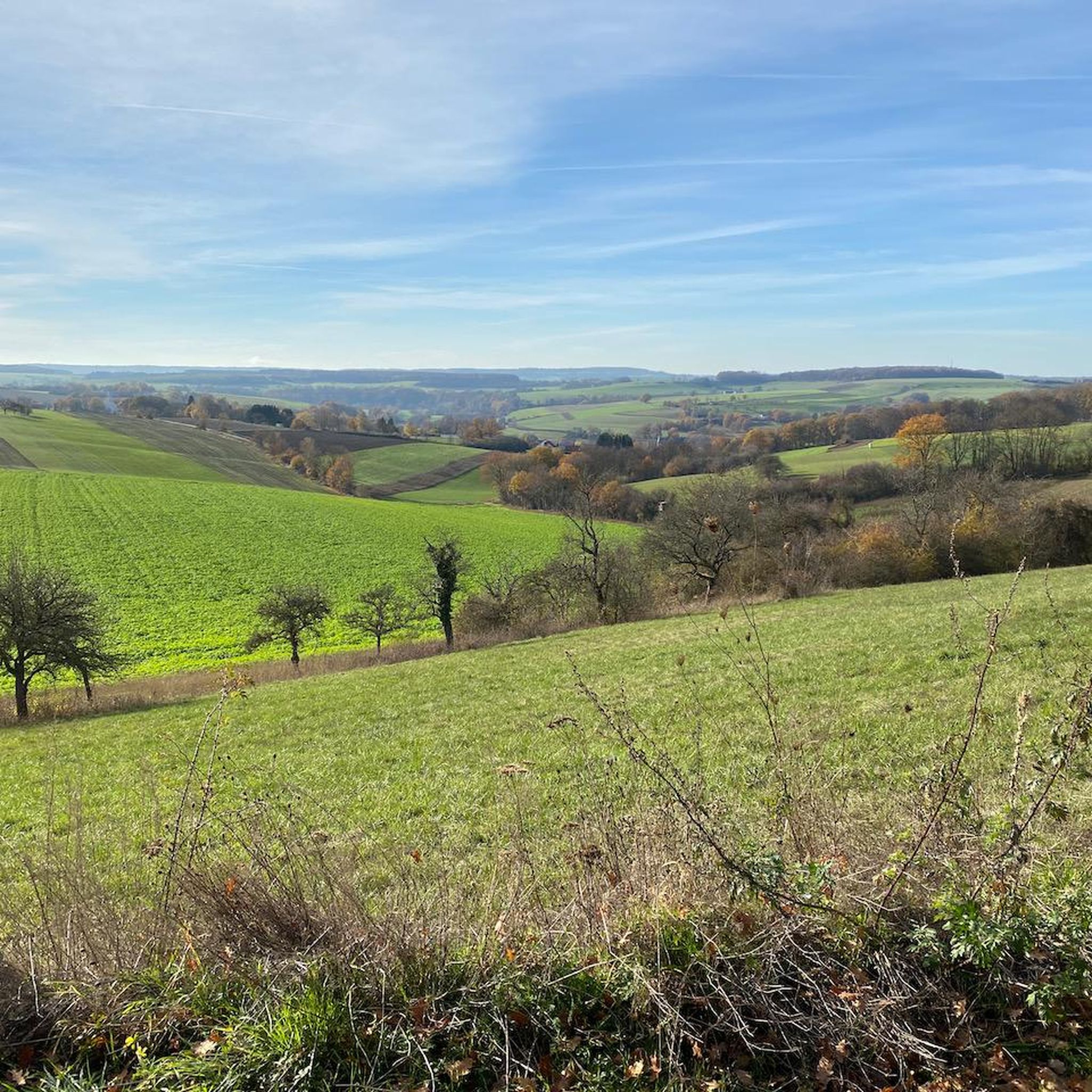
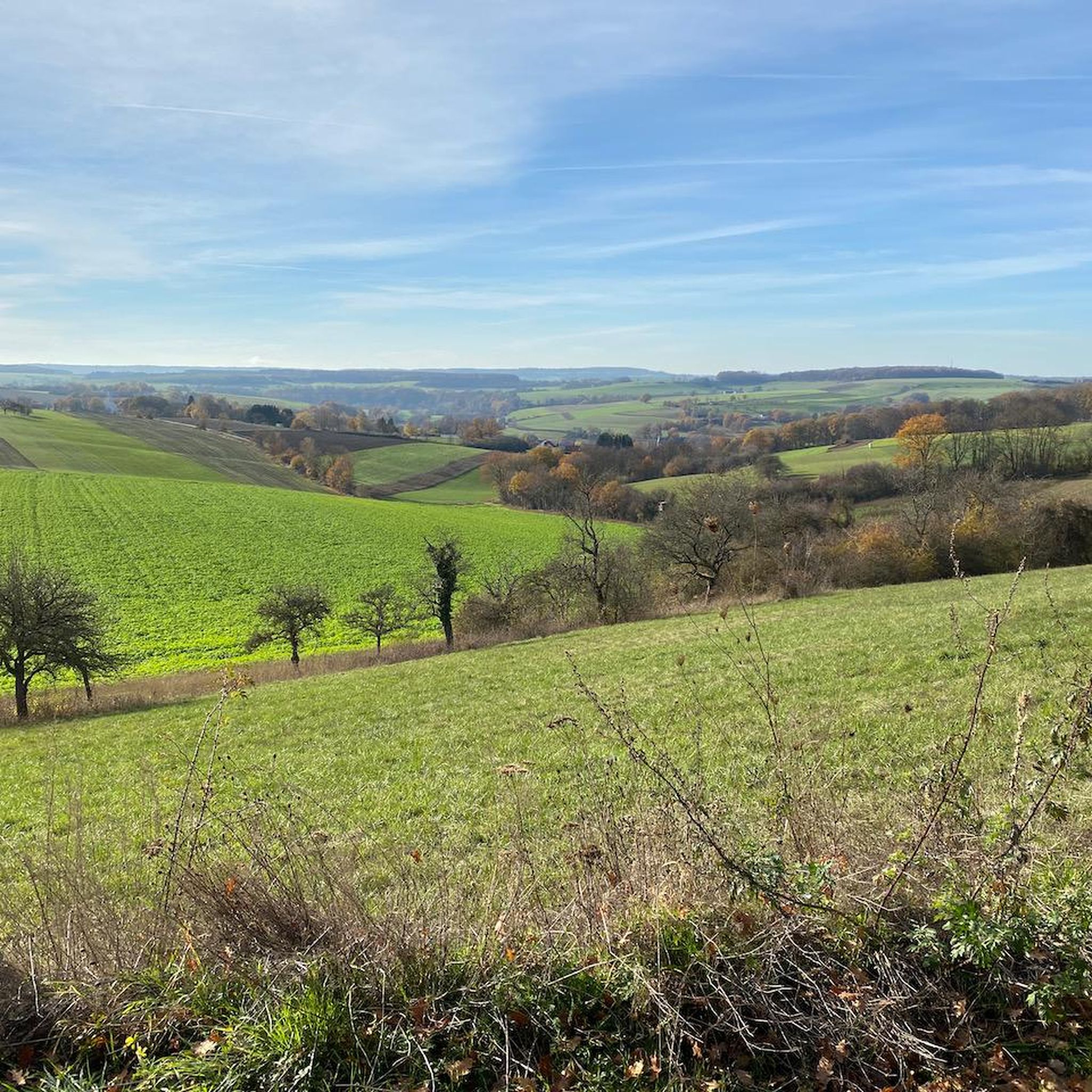
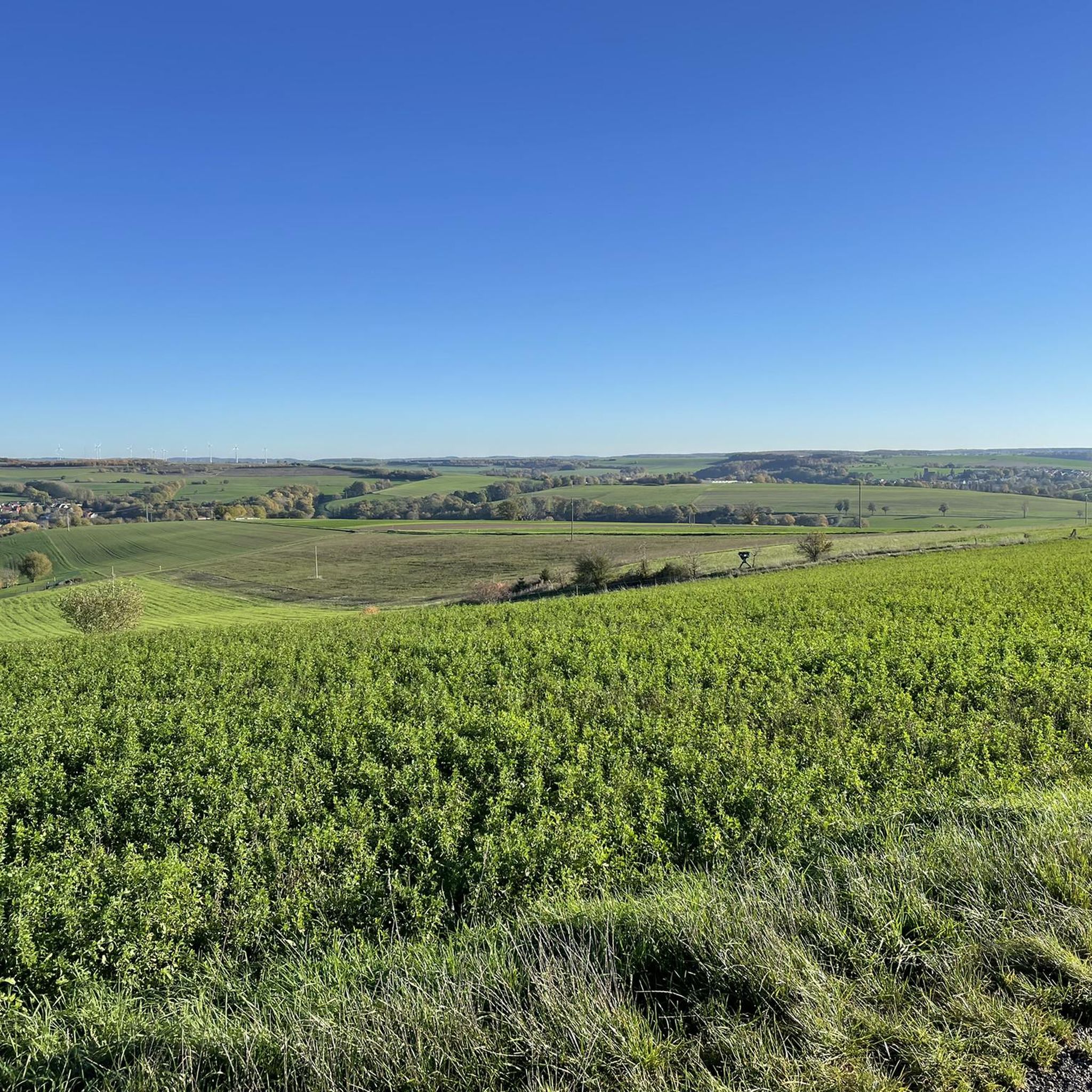
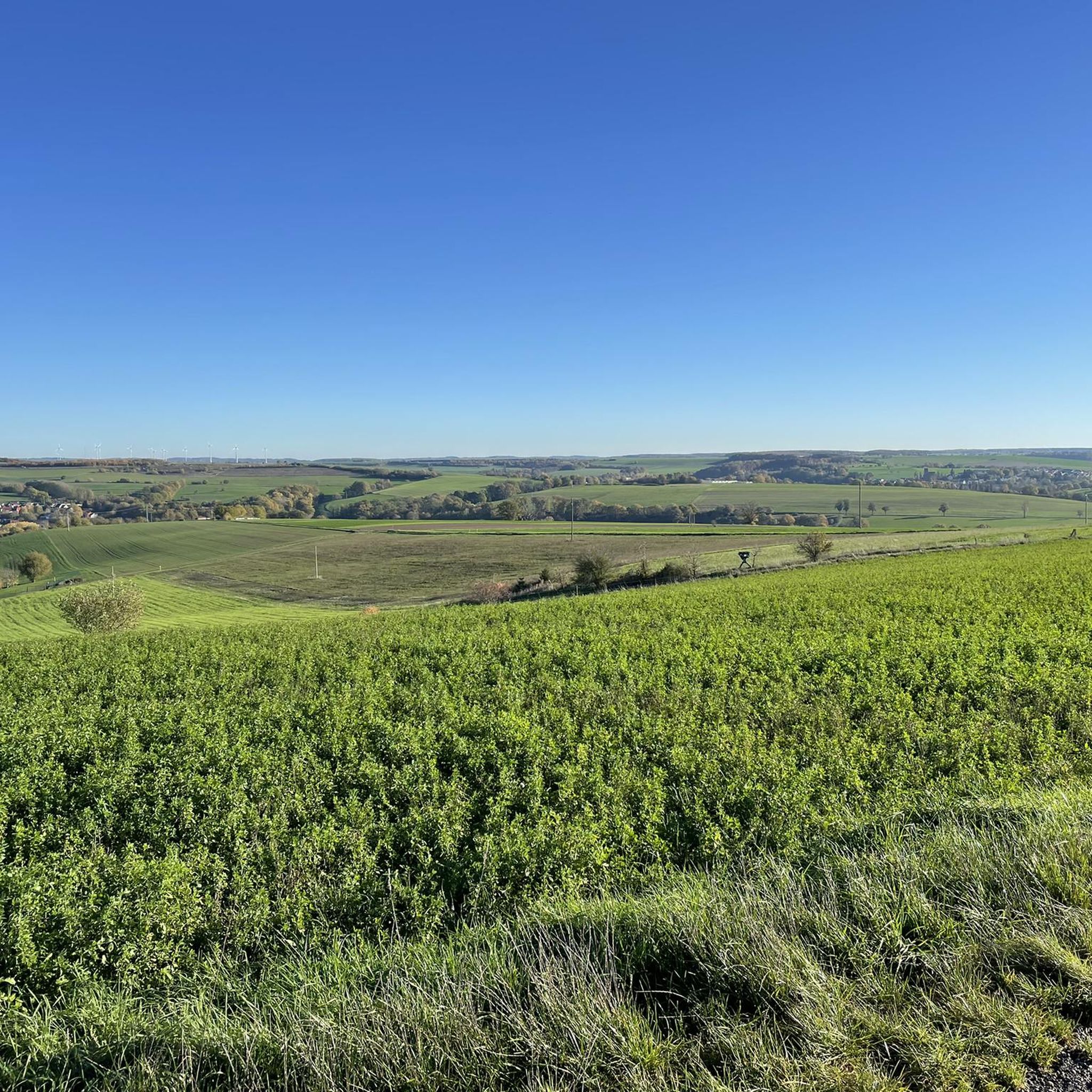
Blies Floodplain between Blieskastel and Bliesdalheim
Highlight • River
Translated by Google •
Tip by

Gollenstein Menhir
Highlight • Monument
Translated by Google •
Tip by

Sign up now to discover places like this
Get recommendations on the best single tracks, peaks, & plenty of other exciting outdoor places.
Sign up for free
Zweibrücken Rose Garden
Highlight • Natural Monument
Is also a popular wedding location.
Translated by Google •
Tip by

Alexanderturm Ruins
Highlight • Monument
Translated by Google •
Tip by

Wild Rose Garden Zweibrücken
Highlight • Natural Monument
Translated by Google •
Tip by
Sign up for free to discover even more natural monuments around Althornbach.
Sign up for free
Already have an account?
Start today with a free account
Your next adventure awaits.
Login or Signup
Tips from the Community

The Gollenstein near Blieskastel in Saarland is an approximately 4,000-year-old menhir and, at almost seven meters high, the largest in Central Europe. It is one of the landmarks of the Baroque town of Blieskastel. It is believed that the stone was erected around 2,000 BC and served as an ancestor cult. During World War II, the Wehrmacht toppled it because they suspected it might be a targeting aid for French artillery. The stone broke into four pieces. After the war, it was reassembled, and the remains can still be seen today.
1
0

Zweibrücken is the city of roses and horses. A rose garden is a must. Well worth seeing even outside of events!
6
0

From the platform that was placed on the ruins a few years ago, you can see as far as the Donersberg when the weather is nice.
2
0

It's definitely worth it while the roses are blooming. It's also a popular wedding location
6
0
A signposted hike leads from the rose garden in Zweibrücken to the wild rose garden at the Romantik Hotel
9
0
Entry €5.50 per person. Definitely worth it while the roses are blooming. Is also a popular wedding location.
12
0

Just before sunset there is a wonderfully calm atmosphere.
2
0
Frequently Asked Questions
What types of natural monuments can I explore around Althornbach?
The area around Althornbach, within the broader Rhineland-Palatinate region, offers a diverse range of natural monuments. You can find ancient rock formations, such as the impressive Krämerstein Rock Formation, historical sites integrated with nature like the Gollenstein Menhir, and designated natural reserves like the Biosphären Reservat Bliesgau. The region also features river landscapes, unique botanical gardens, and even volcanic formations further afield.
Are there any ancient or historical natural monuments in the region?
Yes, the region is rich in historical natural monuments. The Gollenstein Menhir, near Blieskastel, is an approximately 4,000-year-old standing stone, one of the largest in Central Europe. You can also visit the Alexanderturm Ruins, which offers panoramic views and is a historical landmark. Further examples in the wider region include the Roman spring sanctuary Heidenfelsen, believed to have ancient healing properties, and the Druidenstein, an isolated basalt cone.
What are some unique natural attractions beyond typical rock formations?
Beyond rock formations, you can discover the Wild Rose Garden Zweibrücken, which boasts about 100 historical wild rose species and 400 cultivated varieties. The Blies Floodplain between Blieskastel and Bliesdalheim offers a serene river landscape, ideal for nature observation. The Biosphären Reservat Bliesgau Saar-Pfalz Kreis in Einöd is another outstanding landscape known for its ecosystems and biodiversity.
Are there family-friendly natural monuments to visit?
Many natural monuments in the area are suitable for families. The Gollenstein Menhir and Alexanderturm Ruins are both listed as family-friendly, offering historical interest and scenic views. The Wild Rose Garden Zweibrücken provides a beautiful and accessible setting for all ages, especially during its main bloom from mid-May to late June. The Red Rock is also noted as family-friendly.
What outdoor activities can I do near these natural monuments?
The region around Althornbach is excellent for various outdoor activities. You can enjoy road cycling on routes like the 'Hornbach Town Gate – Hornbach Abbey loop' or mountain biking on trails such as the 'Ducal Palace Zweibrücken – Kneispermühle Beer Garden loop'. There are also running trails, including the 'Hornbach Town Hall – Hornbach Abbey loop'. For more details on these routes, you can explore the Road Cycling Routes around Althornbach, MTB Trails around Althornbach, and Running Trails around Althornbach guides.
Are there hiking trails near the natural monuments?
Yes, the area offers numerous hiking opportunities. The Blies Floodplain features well-developed paths, suitable for walking and cycling. Many natural monuments, such as the Alexanderturm Ruins, are integrated into hiking routes, providing scenic viewpoints. The wider Rhineland-Palatinate region, including areas like the NaturWanderPark delux, is known for diverse landscapes ideal for hiking, featuring impressive sandstone cliffs and gorges like the 'Teufelsschlucht'.
What do visitors enjoy most about the natural monuments around Althornbach?
Visitors particularly appreciate the panoramic views from sites like the Alexanderturm Ruins, with visibility extending to distant landmarks on clear days. The historical significance of the Gollenstein Menhir, as one of Europe's largest standing stones, also captivates many. The beauty and tranquility of the Wild Rose Garden Zweibrücken during bloom are also highly praised. The well-maintained paths along the Blies Floodplain are popular for relaxed cycling and walking.
What is the best time to visit the natural monuments?
The best time to visit largely depends on your interests. For enjoying the vibrant blooms at the Wild Rose Garden Zweibrücken, late spring to early summer (mid-May to late June) is ideal. For hiking and outdoor activities, spring and autumn offer pleasant temperatures and beautiful scenery. Summer is also popular, especially for cycling along the Blies Floodplain, though it can be more crowded. Winter can offer a different, serene experience, particularly for less strenuous walks.
Are there any natural monuments that offer great viewpoints?
Absolutely. The Alexanderturm Ruins is renowned for its viewing platform, providing extensive vistas of the Bliestal. The Gollenstein Menhir also offers a viewpoint over its surrounding landscape. Additionally, the Red Rock is a beautiful spot to take a break and enjoy the scenery. In the wider region, the Hirtenfels provides a comfortable lookout point.
Can I find natural monuments that are accessible for wheelchairs?
Yes, the Blies Floodplain between Blieskastel and Bliesdalheim is categorized as wheelchair accessible, offering well-developed paths suitable for everyone to enjoy the river landscape. For other sites, it's advisable to check specific accessibility details, as terrain can vary.
Are there any natural monuments with unique geological features?
The region boasts several unique geological features. The Krämerstein Rock Formation near Landstuhl am Fleischackerloch, for instance, features 12-meter-high sandstone cliffs from the Middle Buntsandstein period. The Hexentanzplatz Sandstone Rock Formation is another intriguing site with sandstone cliffs. Further afield, the 'Teufelsschlucht' (Devil's Gorge) in the NaturWanderPark delux is a narrow gorge with meter-high rock faces, representing a 200-million-year-old seabed.
Where can I find more information about the nature experiences in Rhineland-Palatinate?
For broader information about nature experiences and attractions across the Rhineland-Palatinate region, you can visit the official tourism website: rlp-tourismus.com. This resource provides details on diverse landscapes, national parks, and trails throughout the area.
Most popular routes around Althornbach
Most popular attractions around Althornbach

Get inspired with the komoot mobile app


Explore more
Extend your search for the best caves by checking out these guides of the top ones around Althornbach:
