Top 20 Natural Monuments around Orbis
Natural monuments around Orbis showcase a landscape characterized by elevated viewpoints and significant geological formations. The area includes the Donnersberg, known for its volcanic rock and as the highest elevation in the Palatinate region. Visitors can explore sites that offer expansive views over valleys and forests. These locations provide insights into the natural and historical landscape of the region.
Best natural monuments around Orbis
- The most popular natural monument is Adlerbogen Viewpoint, a viewpoint that sits on the volcanic…
Last updated: June 24, 2026
Adlerbogen Viewpoint
Highlight • Viewpoint
Showing Translation
Tip by

Königsstuhl (Donnersberg summit)
Highlight • Summit
Showing Translation
Tip by
Sign up now to discover places like this
Get recommendations on the best single tracks, peaks, & plenty of other exciting outdoor places.
Sign up for free
Hirtenfels Viewpoint
Highlight • Viewpoint
Translated by Google •
Tip by

Hauck's Quarries
Highlight • Structure
Translated by Google •
Tip by

Wildenstein Ruins
Highlight • Castle
The distinguishing features of the cowslip, among others the primrose flower, are the …
Translated by Google •
Tip by

Sign up for free to discover even more natural monuments around Orbis.
Sign up for free
Already have an account?
Start today with a free account
Your next adventure awaits.
Login or Signup
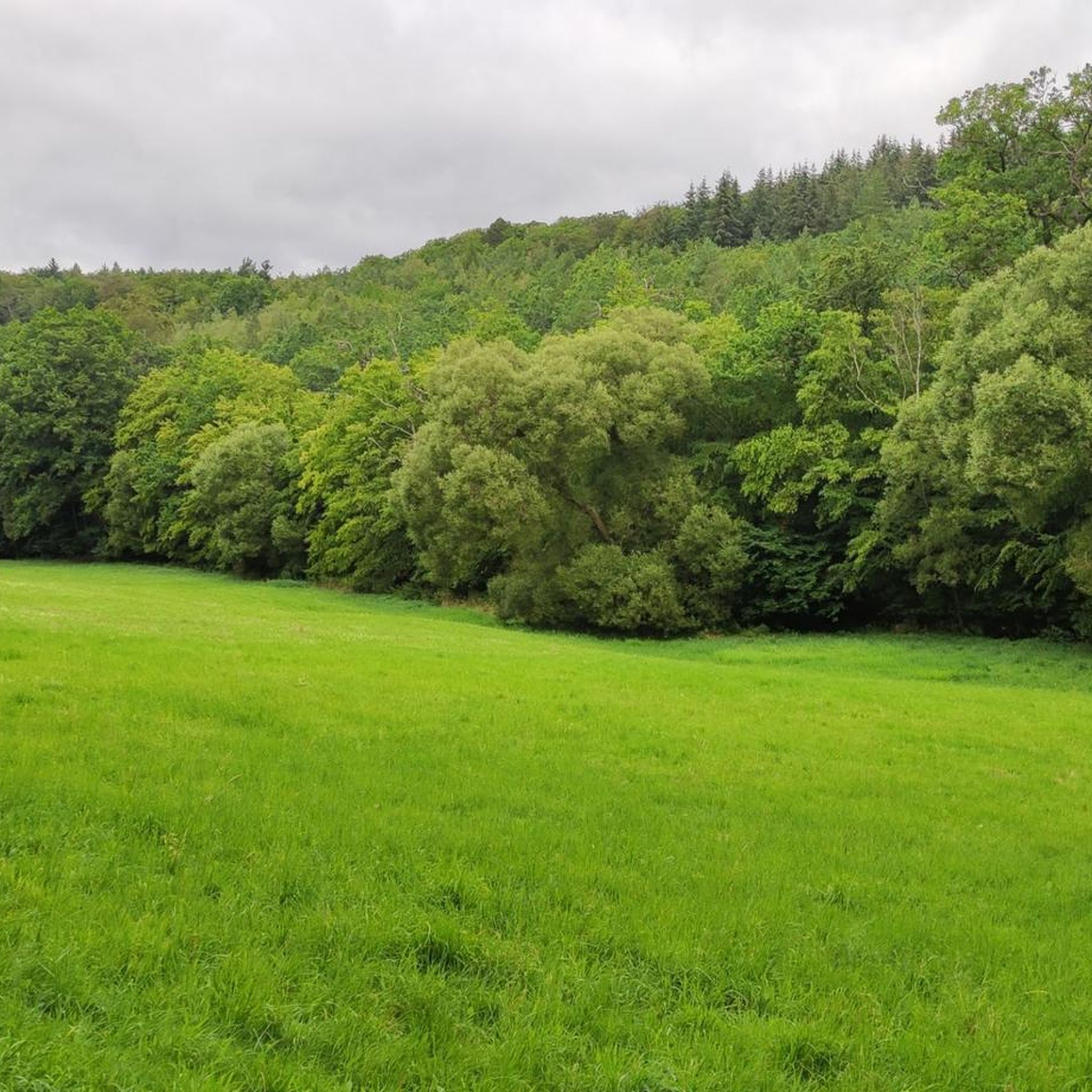
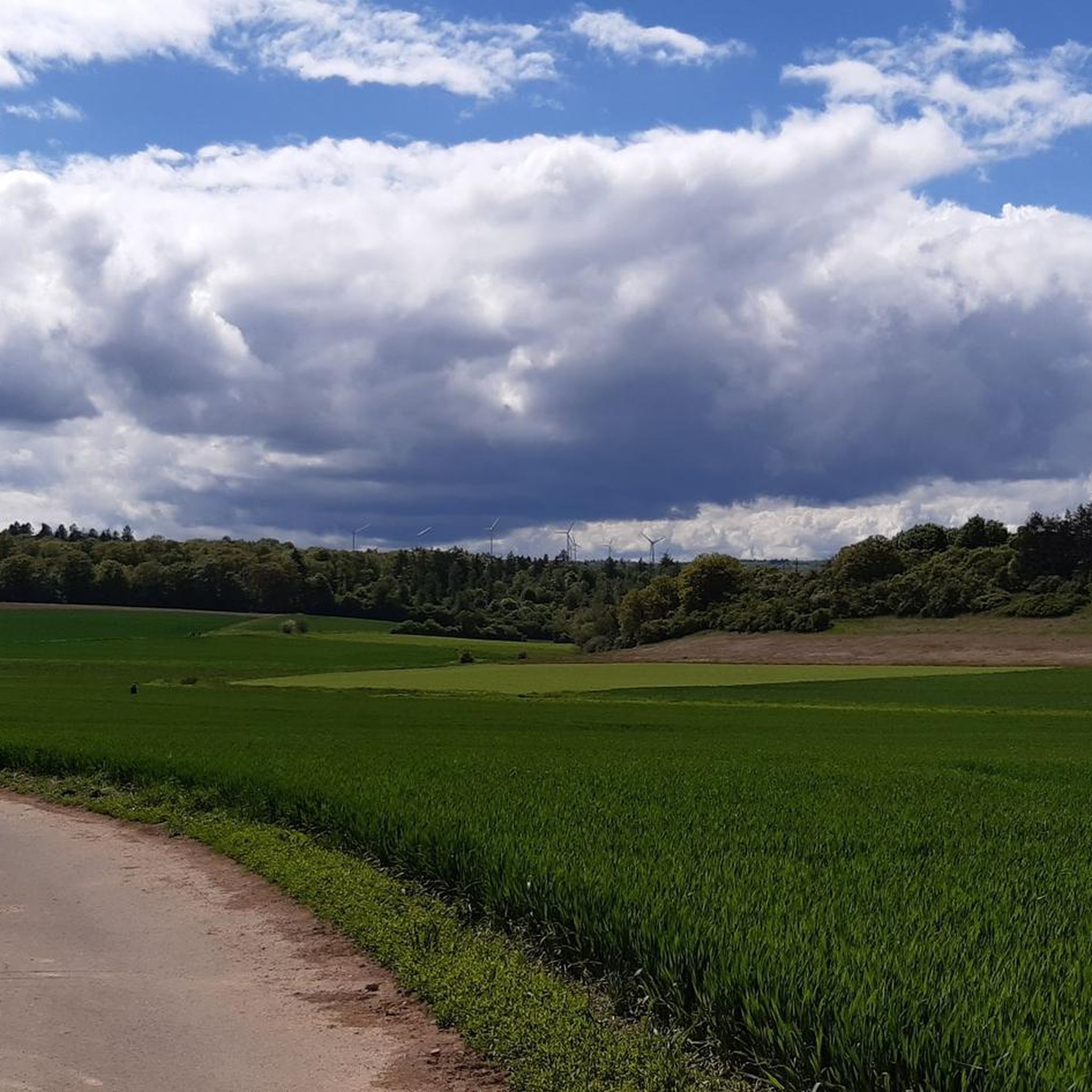
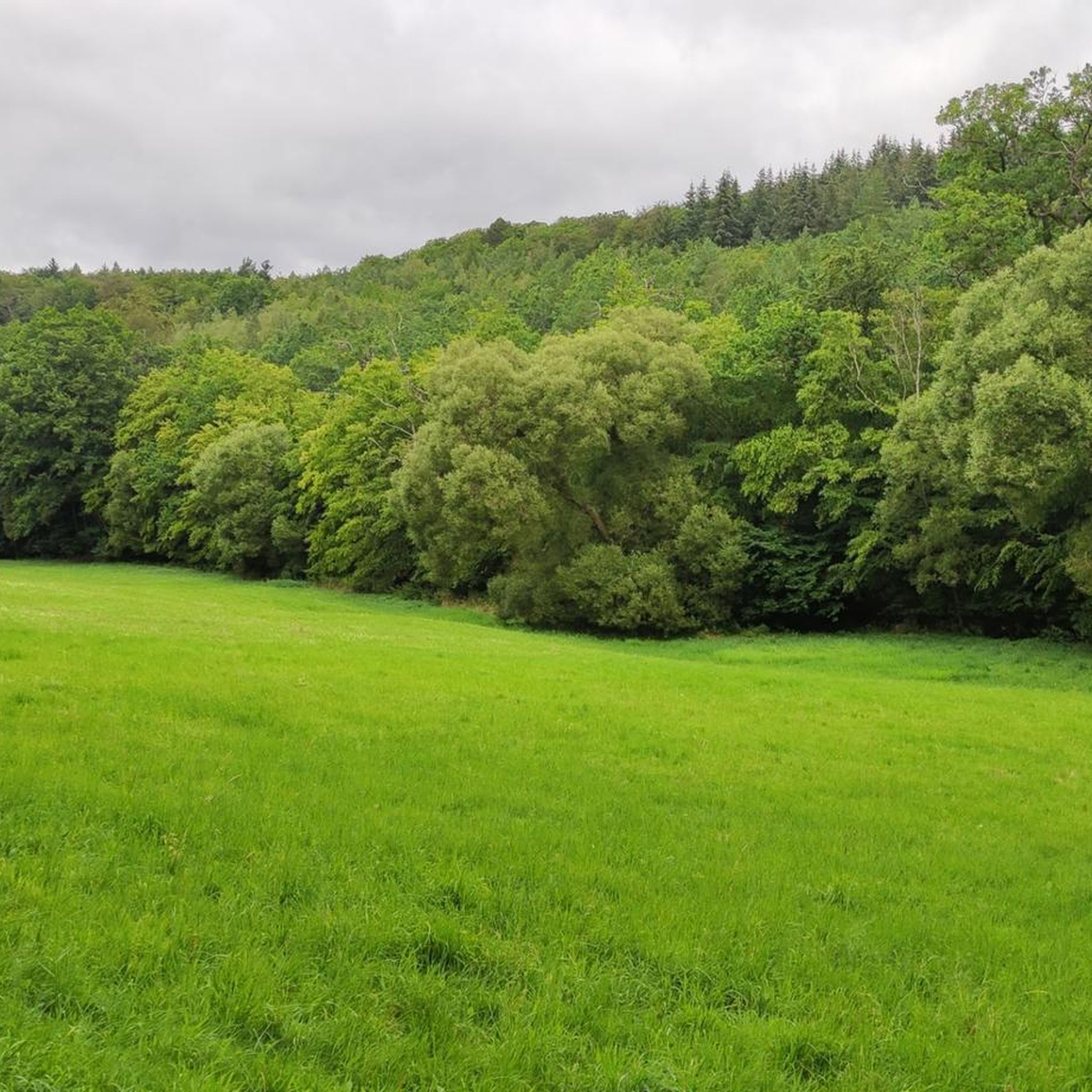
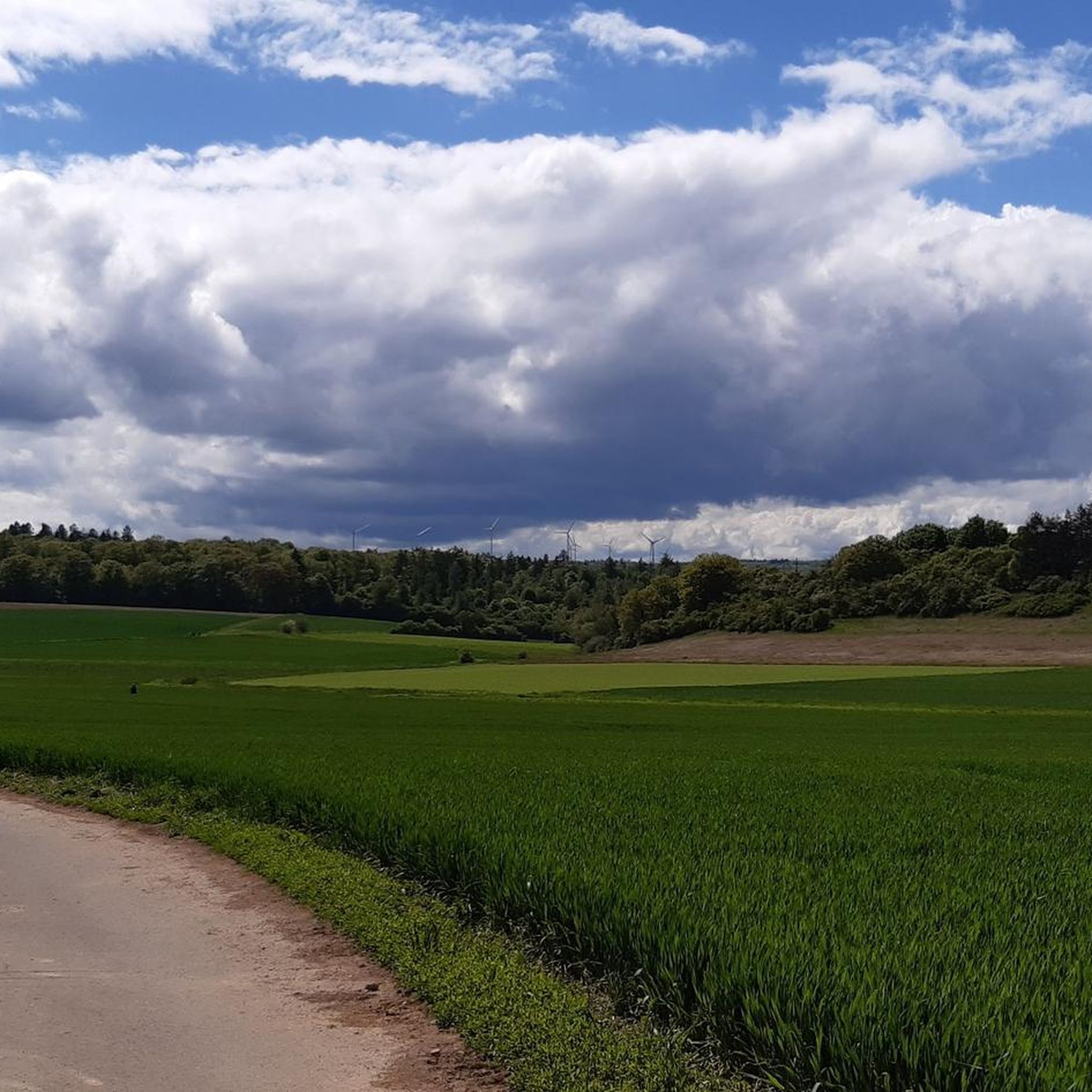

Tips from the Community

Nature is taking back bit by bit!
1
0


The Hauck'sche quarry is one of 16 sandstone quarries in the Flonheim area. The emergence of the Flonheim sandstone goes back to the time of the "Rotliegend" approx. 290 million years ago. The light yellow color, partly interspersed with dark brown and black iron rinds (limonite), gives the Flonheim sandstone its unique appearance. The Flonheim sandstone was already quarried by the Romans and probably used for country houses, temples and tombstones. Excavations at the former Roman fort in Alzey bear witness to this. Over the centuries, the sandstone was used for numerous buildings in Flonheim, e.g. for the former Augustinian monastery, the defensive wall and the historic town hall. However, the Flonheimer sandstone was not only a popular building material in Flonheim, but throughout the entire region. The stonemason trade reached its peak in the 17th and 18th centuries. You can still admire this today in the magnificent baroque inns and town houses with their unique door portals. The evangelical market church and the bear pharmacy bear witness to a second boom in the sandstone industry around the turn of the century (1900). Flonheim sandstone was also used in the construction of Cologne Cathedral in the 19th century.
5
0

There is a shelter at the Hirtenfels. From there you have a great view of the surroundings and the Palatinate Forest. Right next to it is the Kosakenfels.
11
0

The Hirtenfels with its 630m above sea level is well integrated into a beautiful hiking tour from Dannenfels over the Adlerbogen and Ludwigsturm. From the summit of the Hirtenfels you have a wonderful view of the Palatinate.
9
0

Also installed in Cologne Cathedral, so it is yet another cultural highlight on the Hiwweltour 👍🏻
0
0

Not much to see of this castle - still worth seeing, this enchanted place! https://youtu.be/QU4gA5UjPoA
3
1

history Nothing is known about the exact period when the castle was built. The castle was first mentioned in a document in 1276 when the complex passed to his daughter Lukardis after the death of Philip V von Bolanden. Thereafter, further mentions were always made in connection with a change of ownership, so the castle came into the possession of King Albrecht von Habsburg between 1304 and 1308 through an exchange for the Gleichen Castle, in 1321 King Friedrich the Handsome locum Wildenstein enfeoffed to Count Philipp von Sponheim- Dannenfels and finally in 1328 she became an afterfief of the Counts of Leiningen. Presumably it was destroyed in the Thirty Years War (1618–1648). In 1657 the castle was already described as a ruin. In 1938 the ruin was owned by the municipality of Albisheim. Excavations took place in 1963, during which crossbow bolts, arrow and spearheads as well as a Romanesque key were found. Today the castle is located in the Dannenfels district. Source and more information: https://de.wikipedia.org/wiki/Burg_Wildenstein_(Pfalz)
5
0
Frequently Asked Questions
What types of natural monuments can I explore around Orbis?
Around Orbis, you can explore a variety of natural monuments, including significant viewpoints, high summits, and historical quarries. These sites often feature unique geological formations like volcanic rock and ancient industrial sites, offering both natural beauty and historical context.
What are some unique geological features to see around Orbis?
The region around Orbis is characterized by its volcanic rock formations, particularly evident at the Donnersberg. You can also discover historical sandstone quarries, such as Hauck's Quarries, which showcase the unique light yellow Flonheim sandstone, dating back approximately 290 million years.
Are there natural monuments around Orbis that offer historical insights?
Yes, several natural monuments around Orbis have historical significance. For instance, Adlerbogen Viewpoint features a steel triumphal arch with display boards explaining its history as an important testimony to monument art and early tourism. Hauck's Quarries are an impressive testament to the region's past, with sandstone used since Roman times for various constructions, including parts of Cologne Cathedral.
What kind of views can I expect from the natural monuments near Orbis?
The natural monuments around Orbis offer expansive views over valleys and forests. From Adlerbogen Viewpoint, you can see east over the Zellertal and Worms towards the Odenwald. Hirtenfels Viewpoint provides a great view of the surroundings and the Palatinate Forest.
Are there hiking opportunities near the natural monuments around Orbis?
Yes, there are numerous hiking opportunities. You can find various trails, including easy and moderate loops, such as the "Beautiful Meadow – Orbiser Pond loop" or the "Source of the Selz – Ruins of Sion Monastery loop." For more details on hiking routes, visit the Hiking around Orbis guide.
What other outdoor activities are available around Orbis?
Beyond hiking, the area around Orbis is excellent for road cycling and mountain biking. You can explore routes like the "Albisheim Cycle Path – Pfrimm Valley Viaduct loop" for road cycling or the "Heiligenblut Chapel and Tower – Rest Area at the Selz Stream loop" for mountain biking. Find more options in the Road Cycling Routes around Orbis and MTB Trails around Orbis guides.
What is the highest point I can visit among the natural monuments around Orbis?
The highest point you can visit is Königsstuhl (Donnersberg summit), which stands at 686 meters. It is the highest elevation in the Palatinate region and offers a breathtaking view after an ascent.
Are there any natural monuments around Orbis suitable for a leisurely visit or with facilities?
Yes, Hirtenfels Viewpoint is a great option. It features a shelter, providing a protected rest area where you can enjoy the views of the surroundings and the Palatinate Forest.
What do visitors enjoy most about the natural monuments around Orbis?
Visitors frequently highlight the breathtaking views from various viewpoints and summits, the historical insights offered by sites like the Adlerbogen, and the unique geological formations. The sense of achievement after reaching a summit like Königsstuhl and the well-maintained trails are also highly appreciated.
Is there any unique flora or fauna to observe at these natural monuments?
At sites like Wildenstein Ruins, you might encounter specific flora such as the true cowslip (Primula veris) and high cowslip (Primula elatior), both of which are protected species in Germany. These plants are known for their distinct yellow flowers and are a beautiful sight in spring.
What is the best time to visit the natural monuments around Orbis?
Many natural monuments, especially summits like Königsstuhl (Donnersberg summit), are described as being worth visiting at any time of year. However, for hiking and enjoying the views, spring and autumn often offer pleasant temperatures and vibrant scenery.
Are there any less-known or 'hidden gem' natural monuments worth exploring?
While popular spots like Adlerbogen and Königsstuhl are well-loved, places like Hauck's Quarries offer a unique blend of natural and industrial history that might be considered a hidden gem. It's an impressive testimony to past times, where nature is gradually reclaiming the ancient sandstone workings.
Most popular attractions around Orbis

Get inspired with the komoot mobile app


Explore more
Extend your search for the best caves by checking out these guides of the top ones around Orbis:
