Top 20 Natural Monuments around Meuselwitz
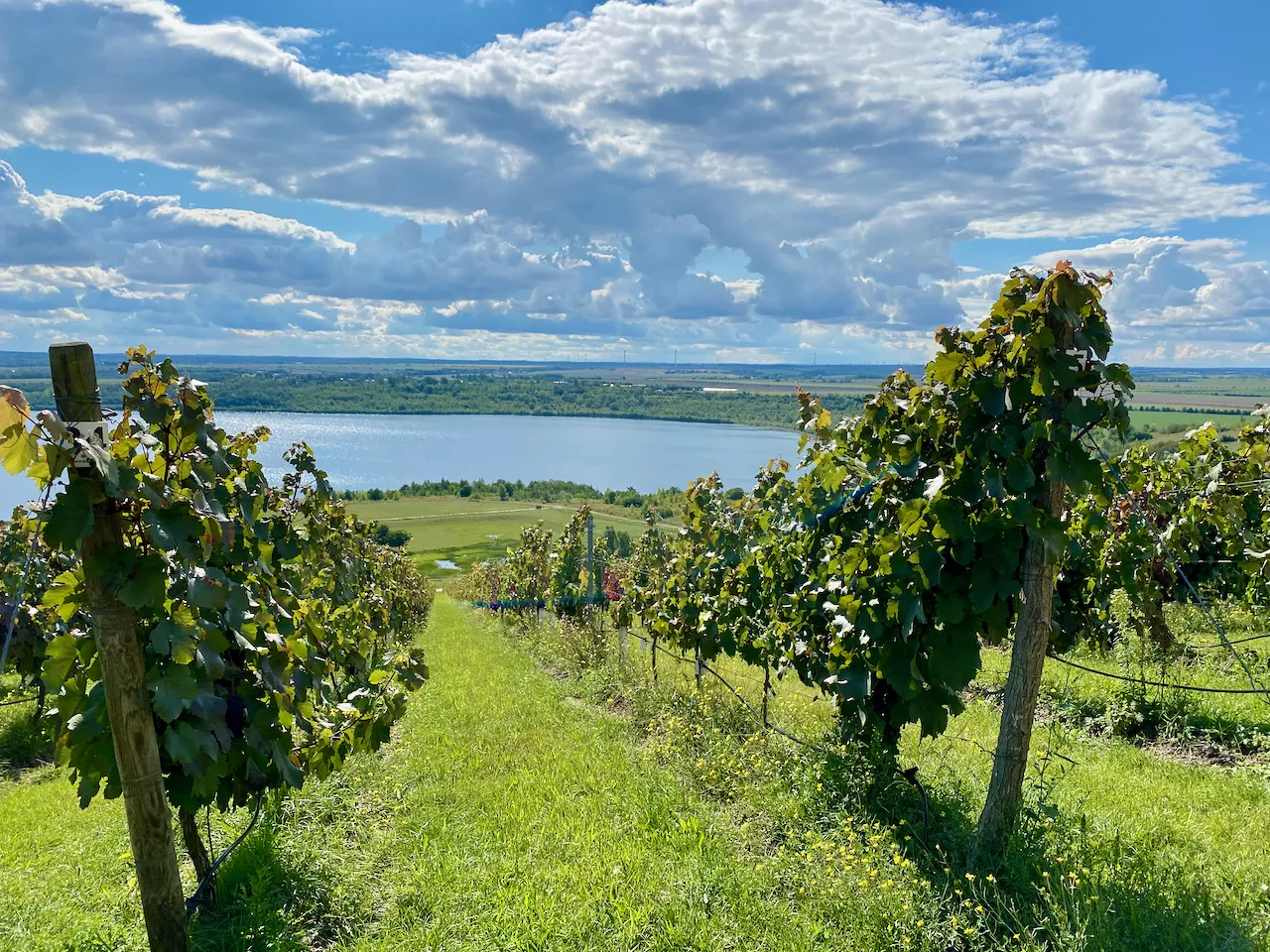
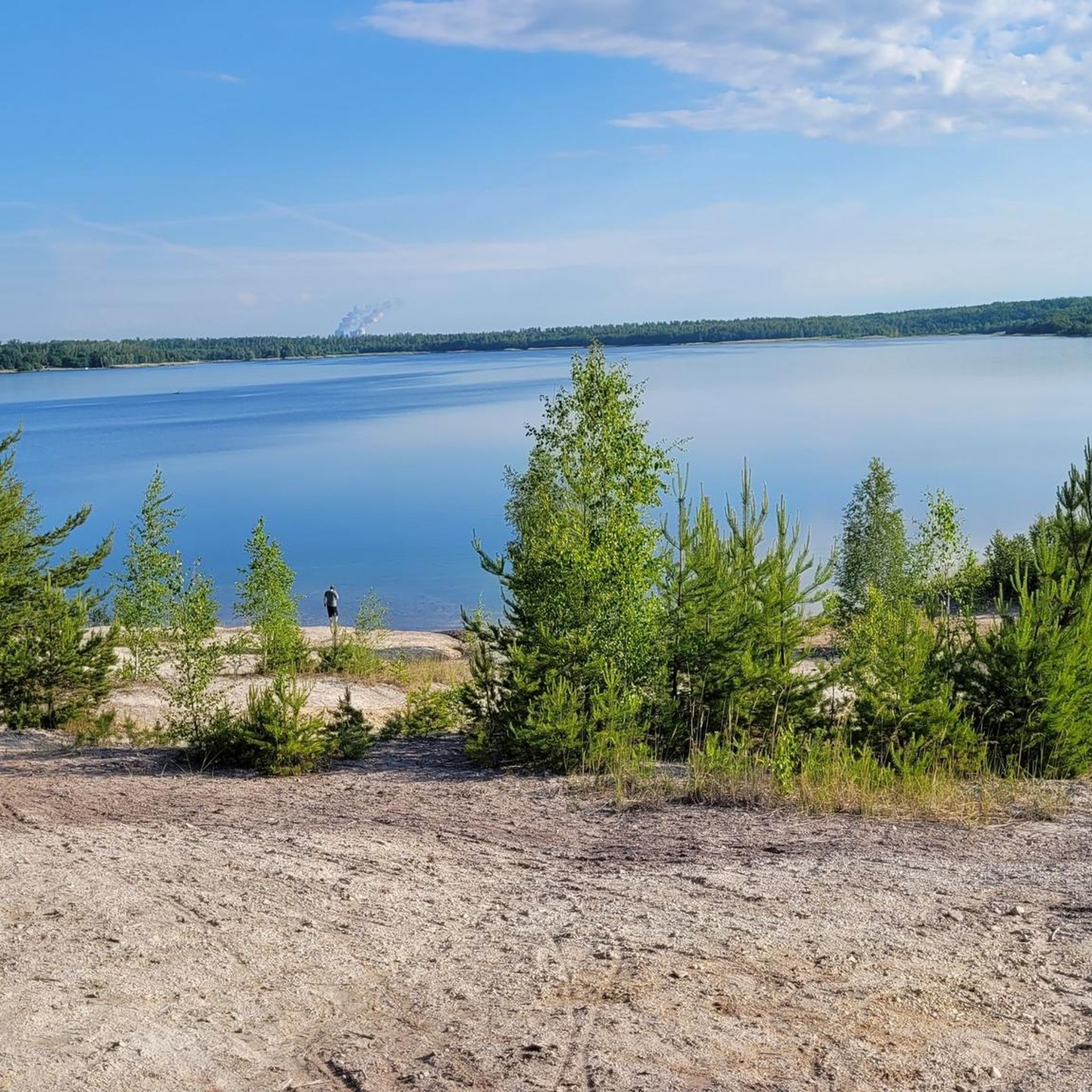
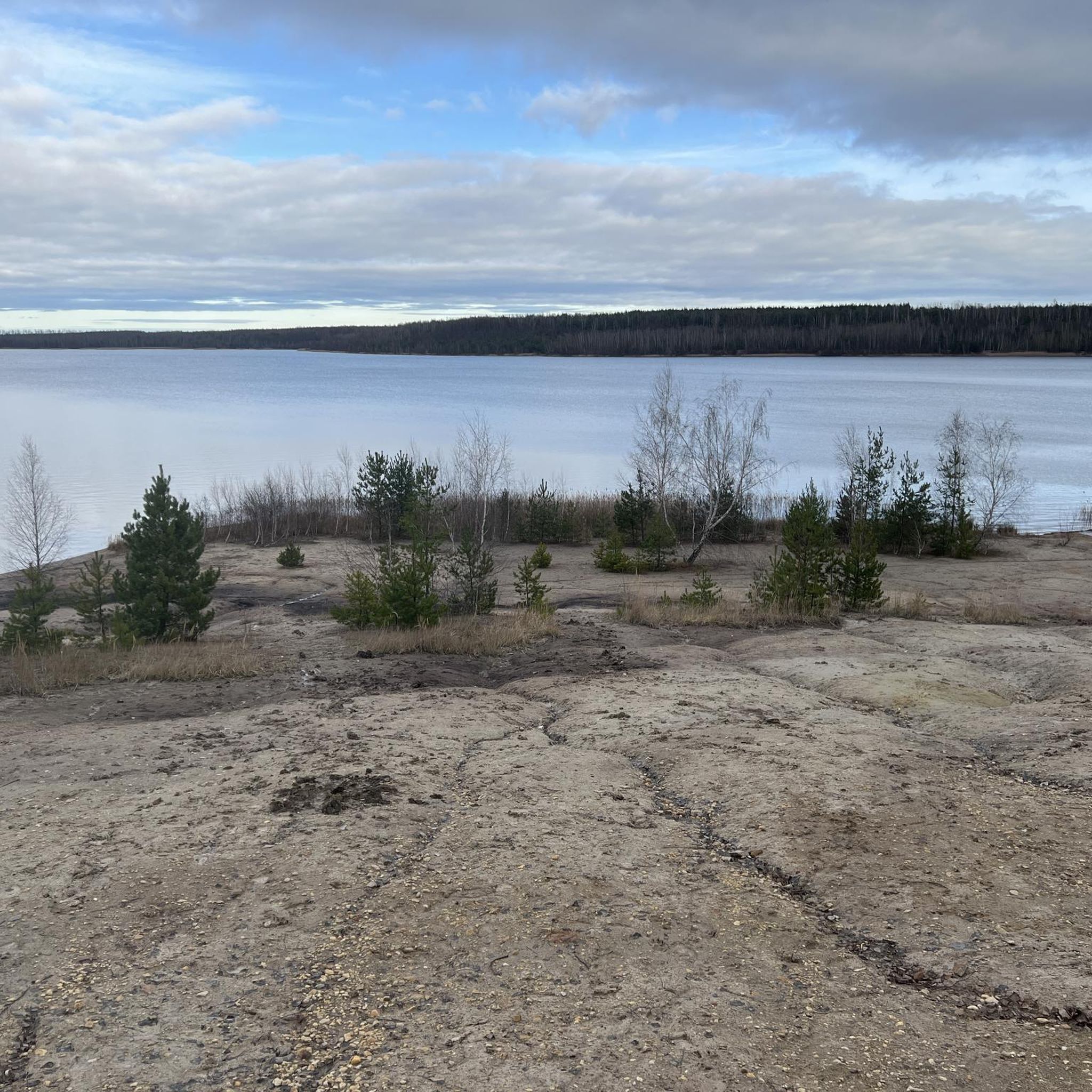
Natural monuments around Meuselwitz are characterized by a landscape shaped by post-mining reclamation, offering unique ecological value and recreational opportunities. The region features several lakes and nature reserves that have emerged from former lignite mining areas. These transformed landscapes provide diverse habitats and scenic routes for outdoor activities. Visitors can explore areas where nature has reclaimed industrial sites, showcasing significant ecological recovery.
Best natural monuments around Meuselwitz
- The most popular natural monuments is Large Pond, a lake that is…
Last updated: July 8, 2026
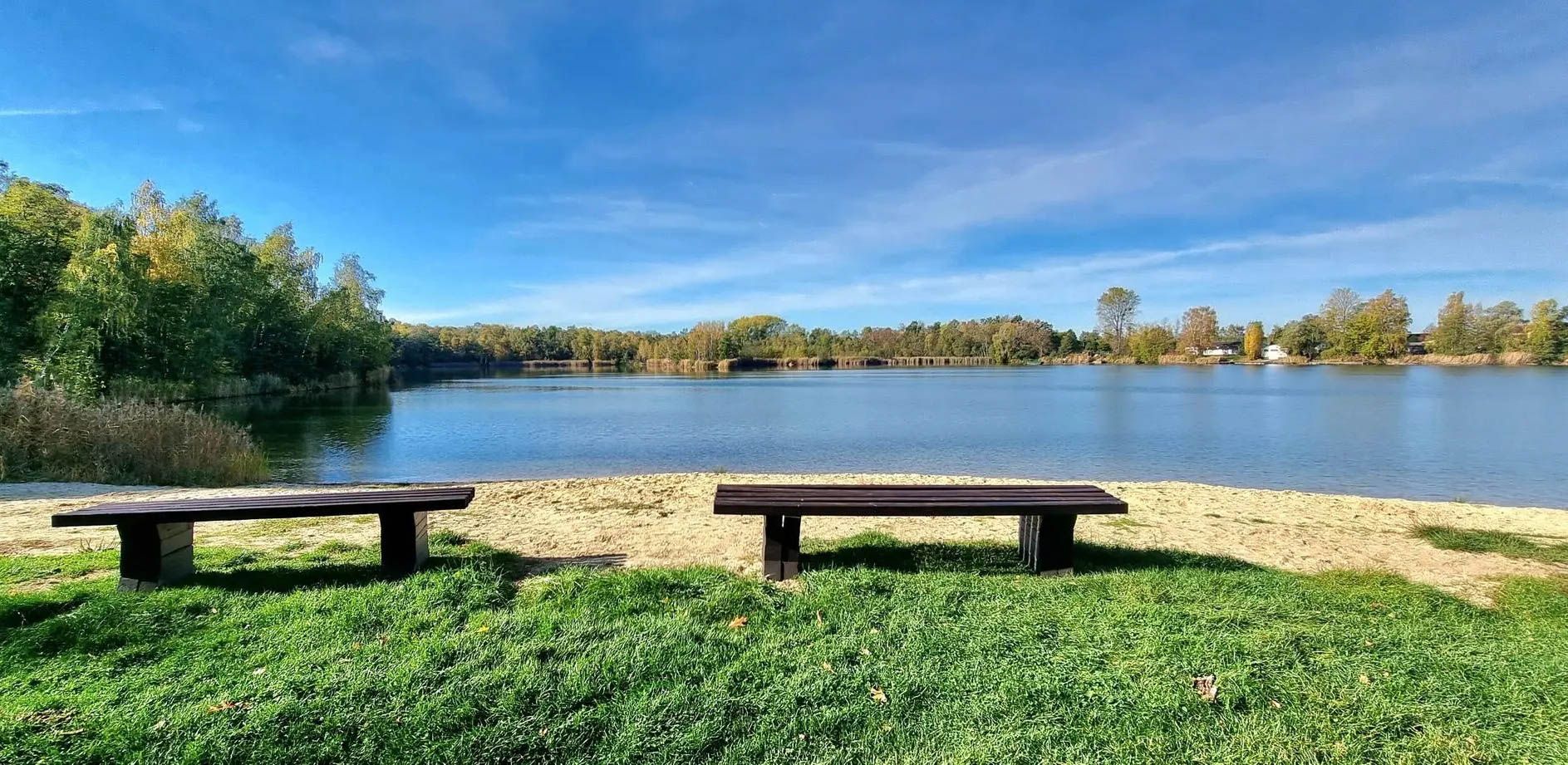
Großstolpener Lake
Highlight • Lake
Translated by Google •
Tip by

Windischleuba Castle
Highlight • Castle
Translated by Google •
Tip by

Sign up now to discover places like this
Get recommendations on the best single tracks, peaks, & plenty of other exciting outdoor places.
Sign up for free
Herrenhaus Göbitz
Highlight • Historical Site
Translated by Google •
Tip by

Fockendorf Reservoir (Windischleuba Dam)
Highlight • Lake
Translated by Google •
Tip by

Large Pond
Highlight • Lake
Translated by Google •
Tip by

Sign up for free to discover even more natural monuments around Meuselwitz.
Sign up for free
Already have an account?
Start today with a free account
Your next adventure awaits.
Login or Signup
Popular around Meuselwitz


Tips from the Community


An interesting place with opportunities for observing waterfowl
2
0

Small dam, with plenty of poultry🦆, near Pahna. Around the corner there is a rest stop with a snack bar and a playground.
2
0

We passed by there on our ✅🚲 tours through the Elsterauen and took advantage of the autumnal sunrays in the beer garden, which is still open, to have a rest and a great meal... 🚲Greetings from the Wetterau... Simone & Michael🙋🏻🙋♂️
2
0

This area is totally idyllic.
1
1
I hope that this service station will always remain fully available to all cyclists.
3
0
Frequently Asked Questions
What kind of natural landscapes can I expect to see around Meuselwitz?
The natural landscapes around Meuselwitz are largely defined by the successful transformation of former lignite mining areas. You'll find a unique blend of reclaimed land, newly formed lakes, and nature reserves that showcase significant ecological recovery. These areas offer diverse habitats and scenic routes for outdoor activities.
Which lakes are popular natural monuments or attractions near Meuselwitz?
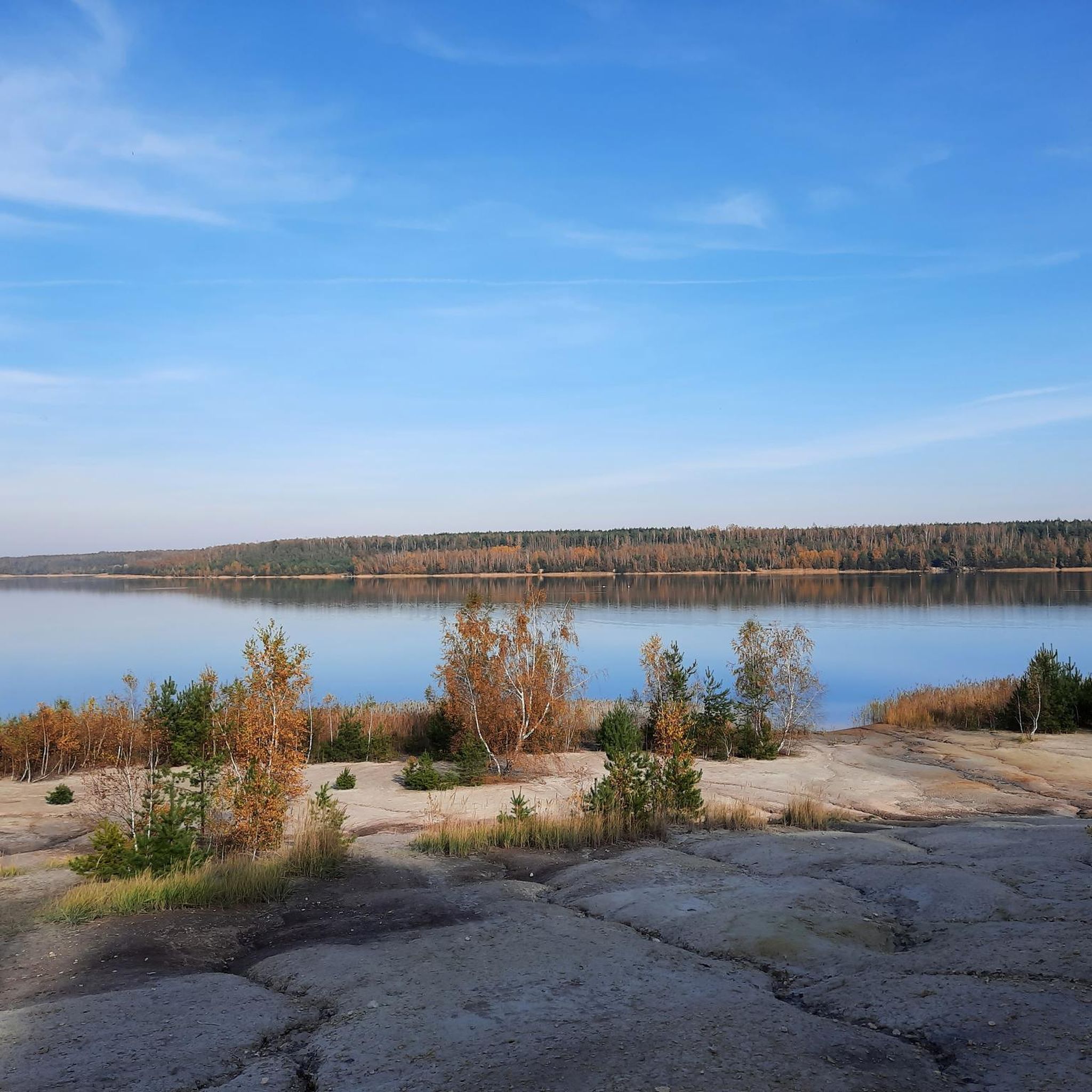
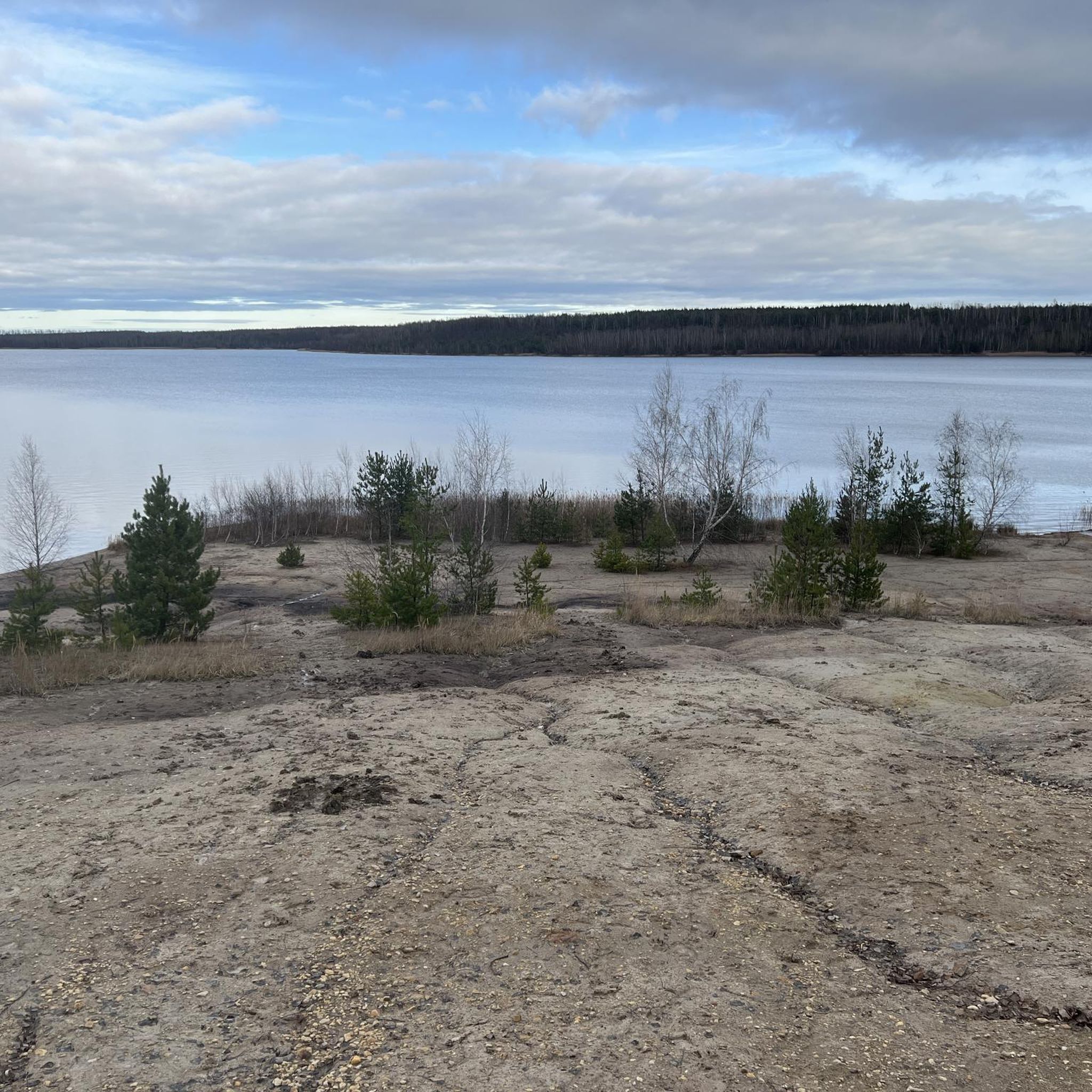
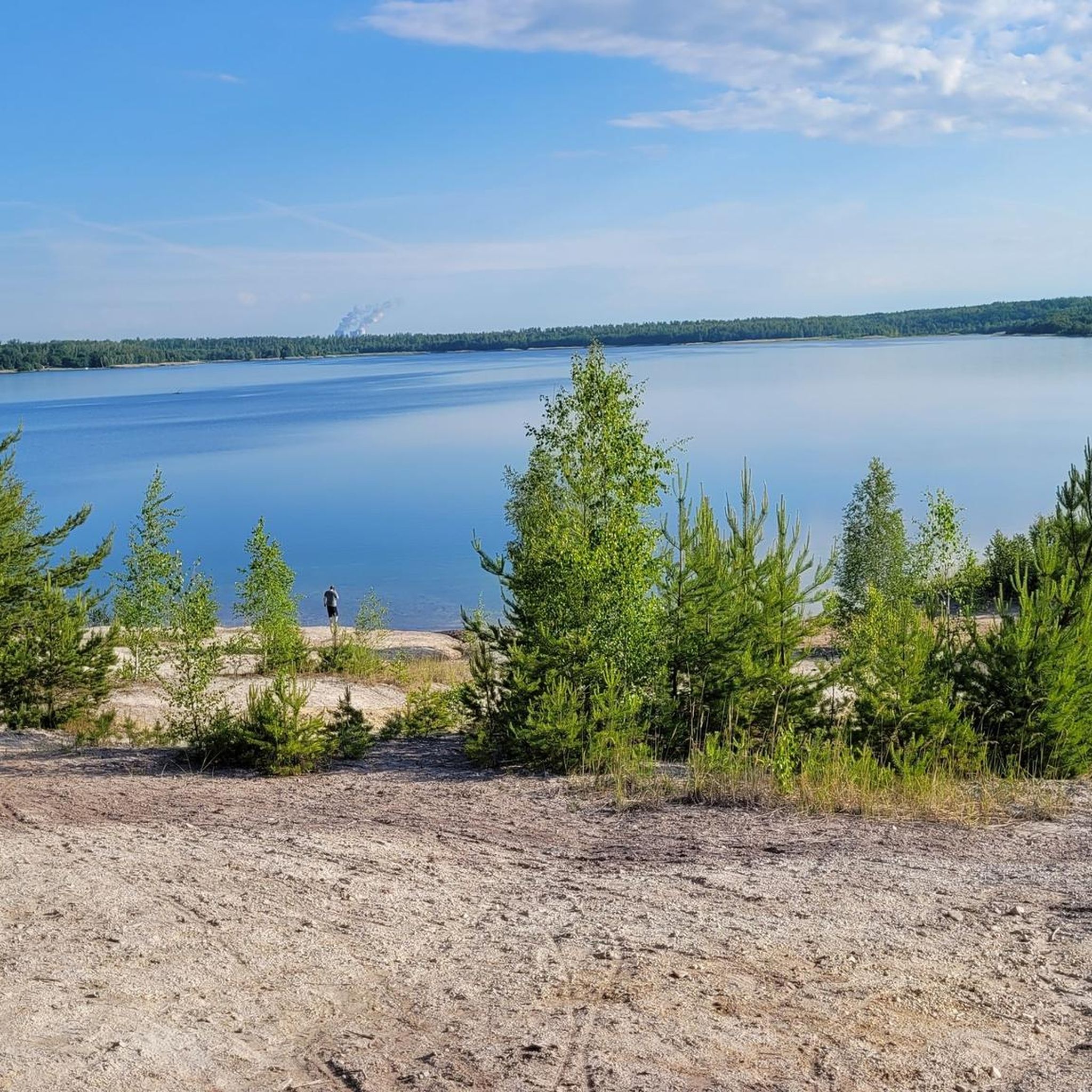
Several lakes stand out as popular natural attractions. The Large Pond is a European bird sanctuary and nature reserve, home to over 100 bird species. Großstolpener Lake is known for its clear water, sunbathing lawn, and a 3 km circuit for walking and cycling. The Fockendorf Reservoir (Windischleuba Dam) is excellent for bird watching and relaxation. Additionally, Haselbacher See, a large lake formed from a former open-cast mine, offers cycling and hiking trails, and Kahnsdorf Lagoon at Lake Hainer provides a tranquil setting.
Are there any nature reserves or protected areas to explore?
Yes, the Naturschutzgebiet Halde Phönix-Nord is a prime example of nature reclaiming a former open-cast lignite mine. This 167.2-hectare reserve features diverse ecosystems, pioneer vegetation, grasslands, and early-stage forests, providing a habitat for many endangered plant and animal species. It's a great place to observe wildlife and see how industrial landscapes can be revitalized.
What outdoor activities can I do near these natural monuments?
The region offers a variety of outdoor activities. You can enjoy hiking, cycling, and running on numerous trails. For instance, there are several routes around Haselbacher See for all three activities. You can find detailed routes and guides for these sports on the respective komoot pages: Hiking around Meuselwitz, Cycling around Meuselwitz, and Running Trails around Meuselwitz.
Are there family-friendly natural monuments or activities in the area?
Many natural monuments around Meuselwitz are family-friendly. Lakes like Großstolpener Lake offer sandy beaches and clear water for bathing, along with easy walking circuits. The Large Pond is excellent for hiking and cycling with children, and its bird sanctuary provides educational opportunities. Haselbacher See also has designated bathing areas and a marked cycling and hiking trail suitable for families.
Can I bring my dog to the natural monuments and trails?
While specific regulations vary, many natural areas and trails around Meuselwitz are generally dog-friendly, especially those around the lakes like Haselbacher See. It's always recommended to keep dogs on a leash, especially in nature reserves or areas with wildlife, and to clean up after them to preserve the natural environment for everyone.
What historical sites are considered natural monuments or are located nearby?
While the focus is on natural features, some historical sites are integrated into the natural monument experience. Windischleuba Castle, originally built in 925, is now a youth hostel with its castle garden open to the public, offering a blend of history and nature. Herrenhaus Göbitz is another historical mansion that provides a unique setting, sometimes with gastronomy.
What is the best time of year to visit the natural monuments around Meuselwitz?
The best time to visit largely depends on your preferred activities. Spring and autumn offer pleasant temperatures for hiking and cycling, with beautiful foliage in autumn and blooming nature in spring. Summer is ideal for swimming and water activities at the lakes. Birdwatching is excellent during migration seasons in spring and autumn at places like the Large Pond.
Are there places to eat or stay near the natural monuments?
Yes, you can find options for dining and accommodation. For example, the Fockendorf Reservoir has a restaurant, and Herrenhaus Göbitz offers gastronomy on weekends. Areas around popular lakes like Haselbacher See and Lake Pahna often have cafes, restaurants, and camping or holiday home options, catering to visitors seeking recreational opportunities.
What makes the natural monuments around Meuselwitz unique?
The uniqueness of Meuselwitz's natural monuments lies in their origin: they are largely reclaimed landscapes from former lignite mining. This transformation has created new, diverse ecosystems, lakes, and nature reserves where nature has successfully re-established itself. It's a compelling example of ecological recovery and sustainable land use, offering both natural beauty and a testament to environmental restoration.
How accessible are the natural monuments by public transport or car?
Accessibility varies by location. Major lakes like Haselbacher See are generally well-connected and have parking facilities. For more remote nature reserves like Naturschutzgebiet Halde Phönix-Nord, access might require a combination of public transport and a short walk, or direct car access. It's advisable to check specific routes and transport options for each destination.
Most popular routes around Meuselwitz
Most popular attractions around Meuselwitz

Get inspired with the komoot mobile app


Explore more
Extend your search for the best caves by checking out these guides of the top ones around Meuselwitz:
