Top 18 Natural Monuments around Märkisch Luch
Best natural monuments around Märkisch Luch are primarily found within its significant nature reserves, highlighting the region's ecological importance. This municipality in the Havelland district of Brandenburg features diverse natural landscapes, including fens, forests, and wetlands. The area is characterized by a mosaic of habitats, from dry dune heaths to moist grasslands and numerous water bodies. These natural features contribute to Märkisch Luch's role as a habitat for various plant and animal species.
Best natural monuments around Märkisch Luch
- The…
Last updated: July 8, 2026
Kranichland Observation Tower
Highlight • Viewpoint
Translated by Google •
Tip by

Schwahberge Observation Point
Highlight • Viewpoint
Autumn The main observation time for cranes in Brandenburg is the months of September and October, because the cranes gather in the region in …
Translated by Google •
Tip by

Sign up now to discover places like this
Get recommendations on the best single tracks, peaks, & plenty of other exciting outdoor places.
Sign up for free
Wolzensee, natural swimming spot
Highlight • Lake
Translated by Google •
Tip by

Katharinenbruch
Highlight • Natural
Translated by Google •
Tip by

Bruchsee and Bagower Bruch Forest Trail
Highlight (Segment) • Lake
Translated by Google •
Tip by

Sign up for free to discover even more natural monuments around Märkisch Luch.
Sign up for free
Already have an account?
Start today with a free account
Your next adventure awaits.
Login or Signup
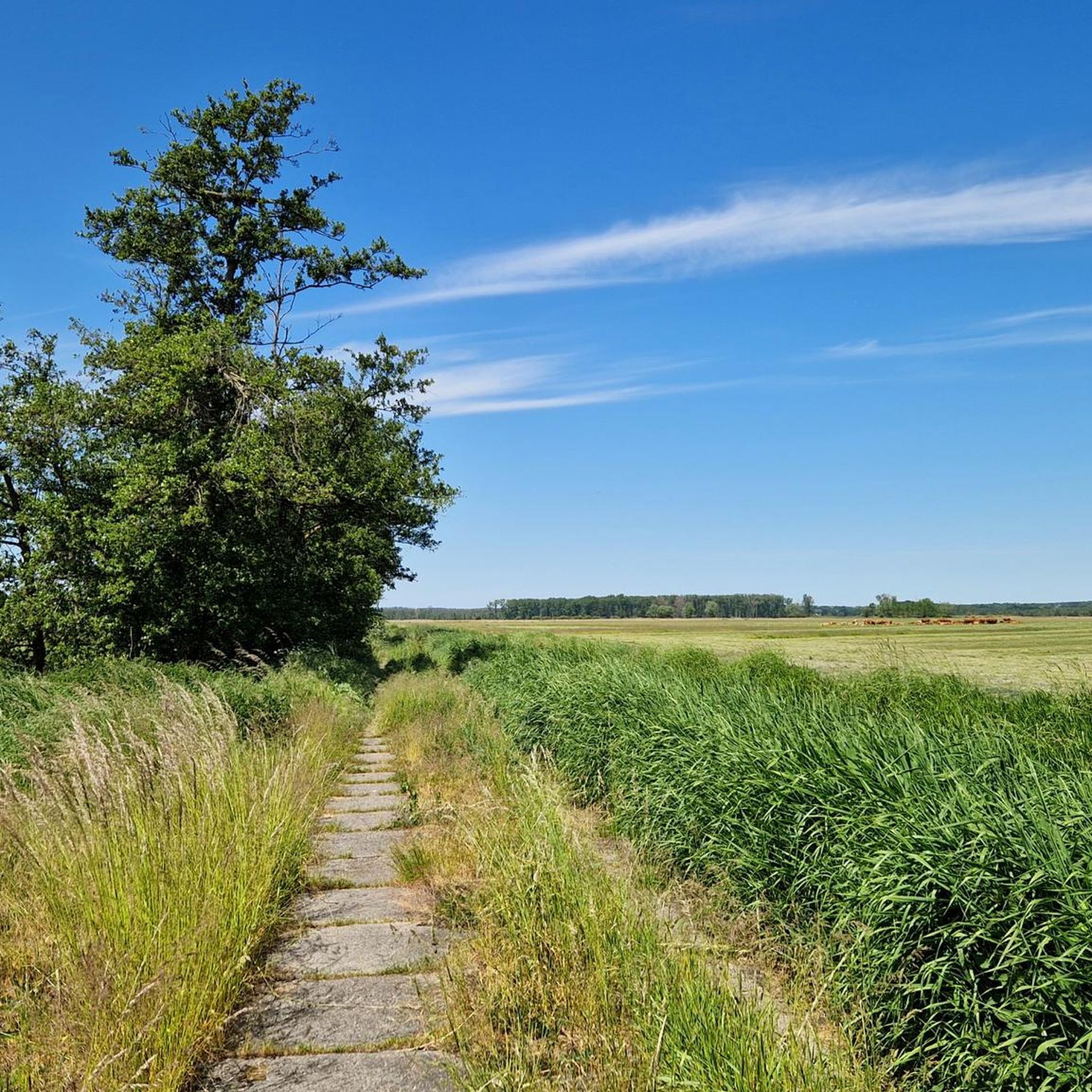
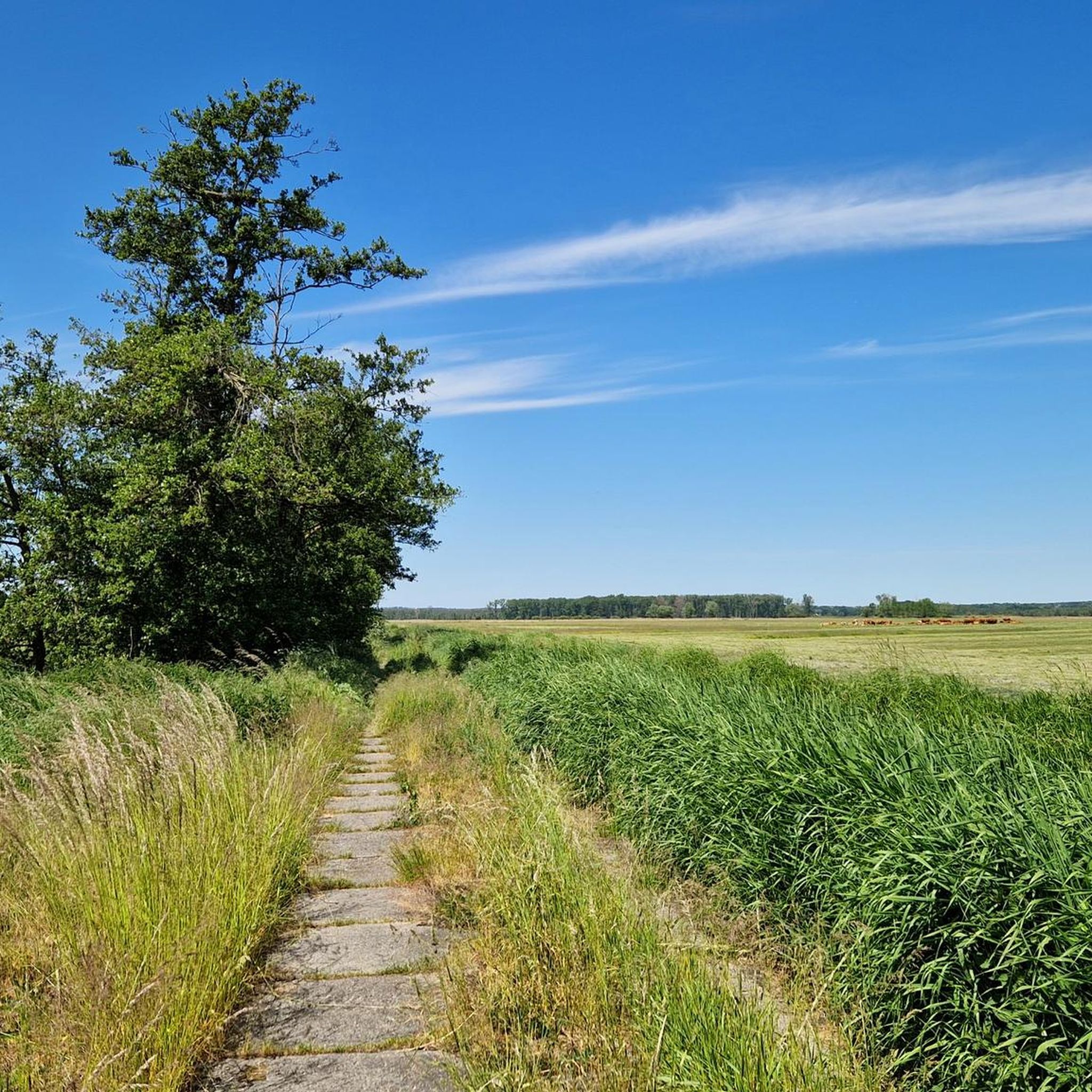
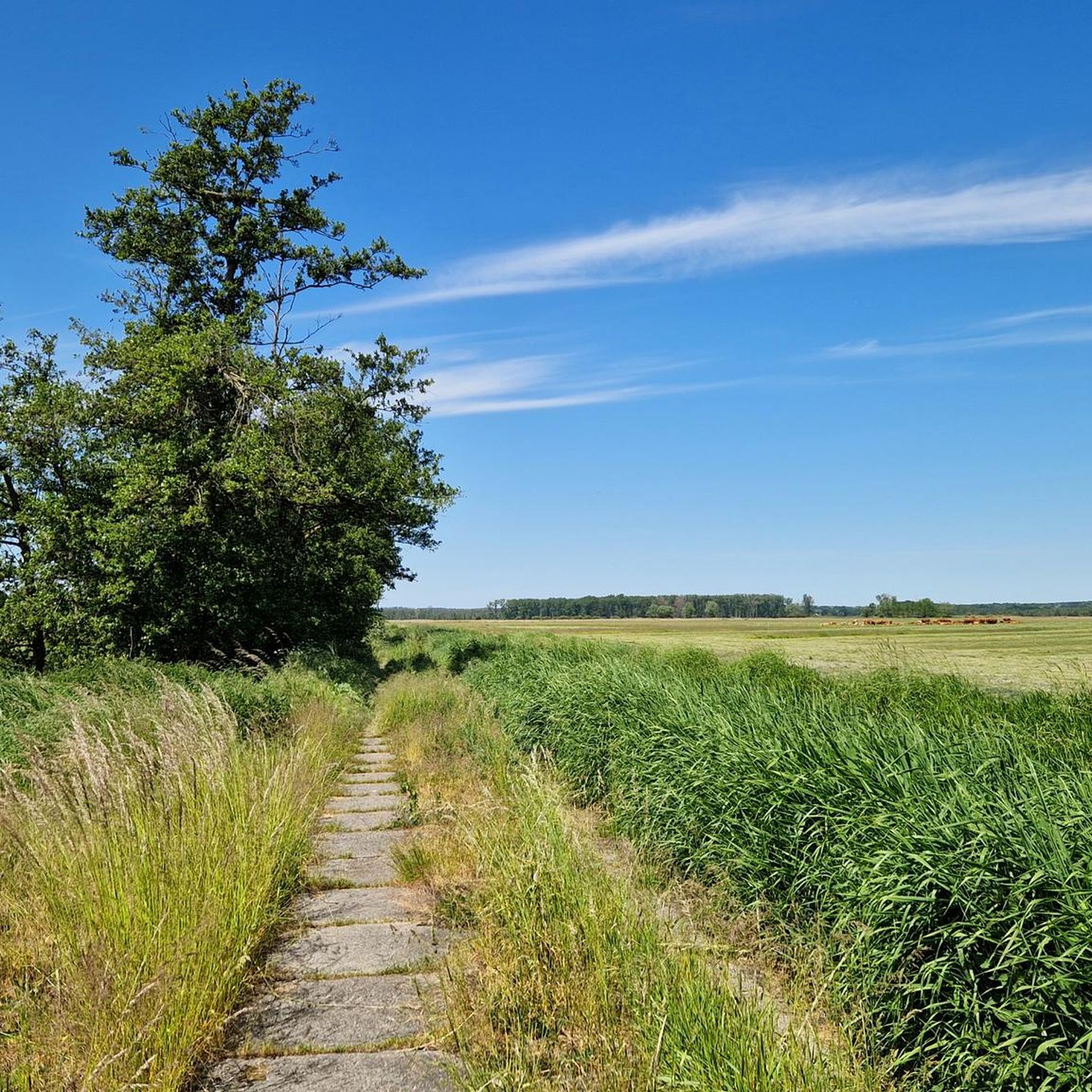
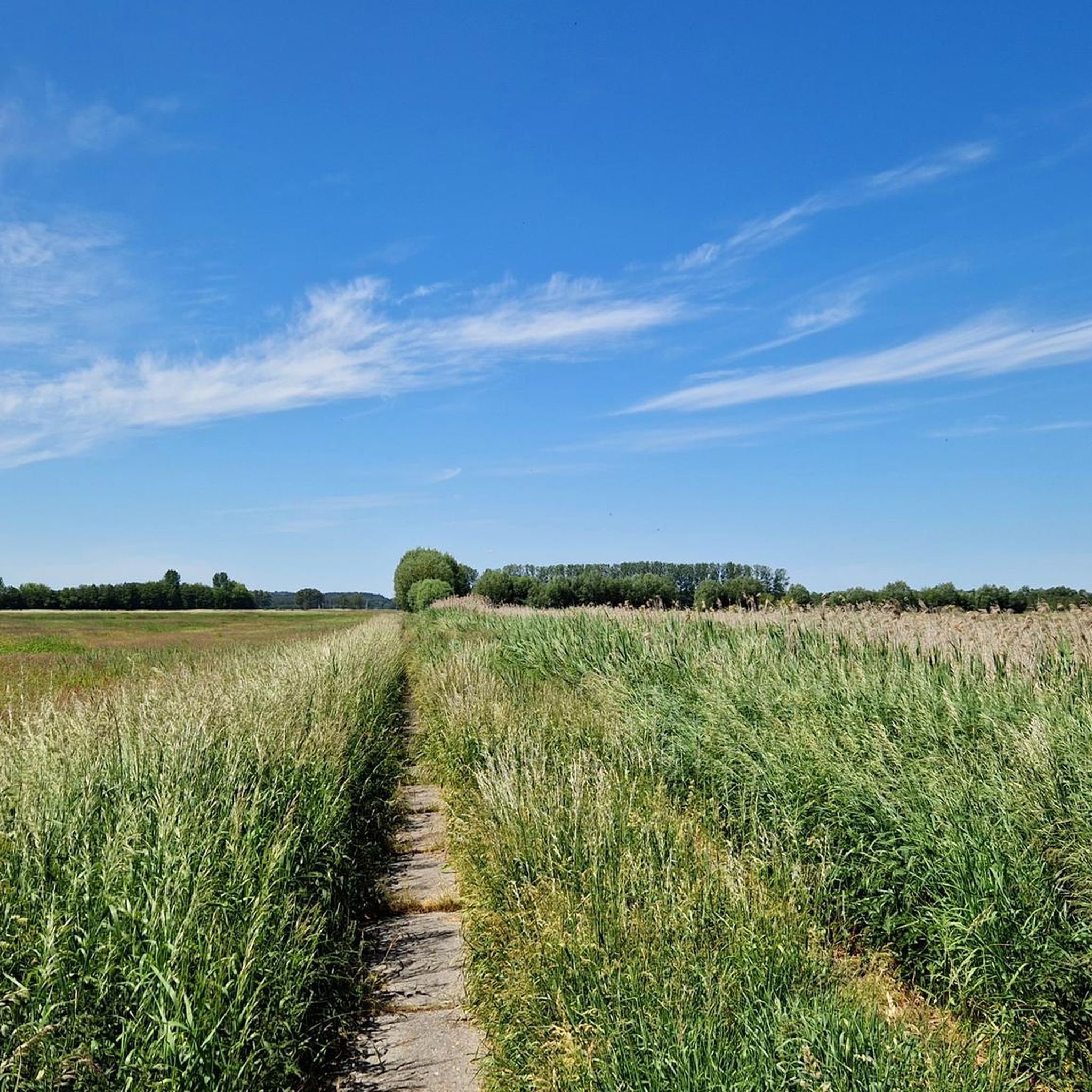
Tips from the Community

Sit on the bench and enjoy the peace and the view over the water...
0
0

Small tower interesting for ornithologists.
0
0

Pause for a moment and look…
0
1

Very nice section close to the lake.
1
0

Nice quiet corner, you can relax and unwind. Woody but easy to walk paths. Really nice.
2
0

When the autumn weather begins and in the late afternoon you have a beautiful piece of nature all to yourself. Even without mosquitoes.
0
1

Further information is available at www.stiftung-kranichland.org/kute
1
0

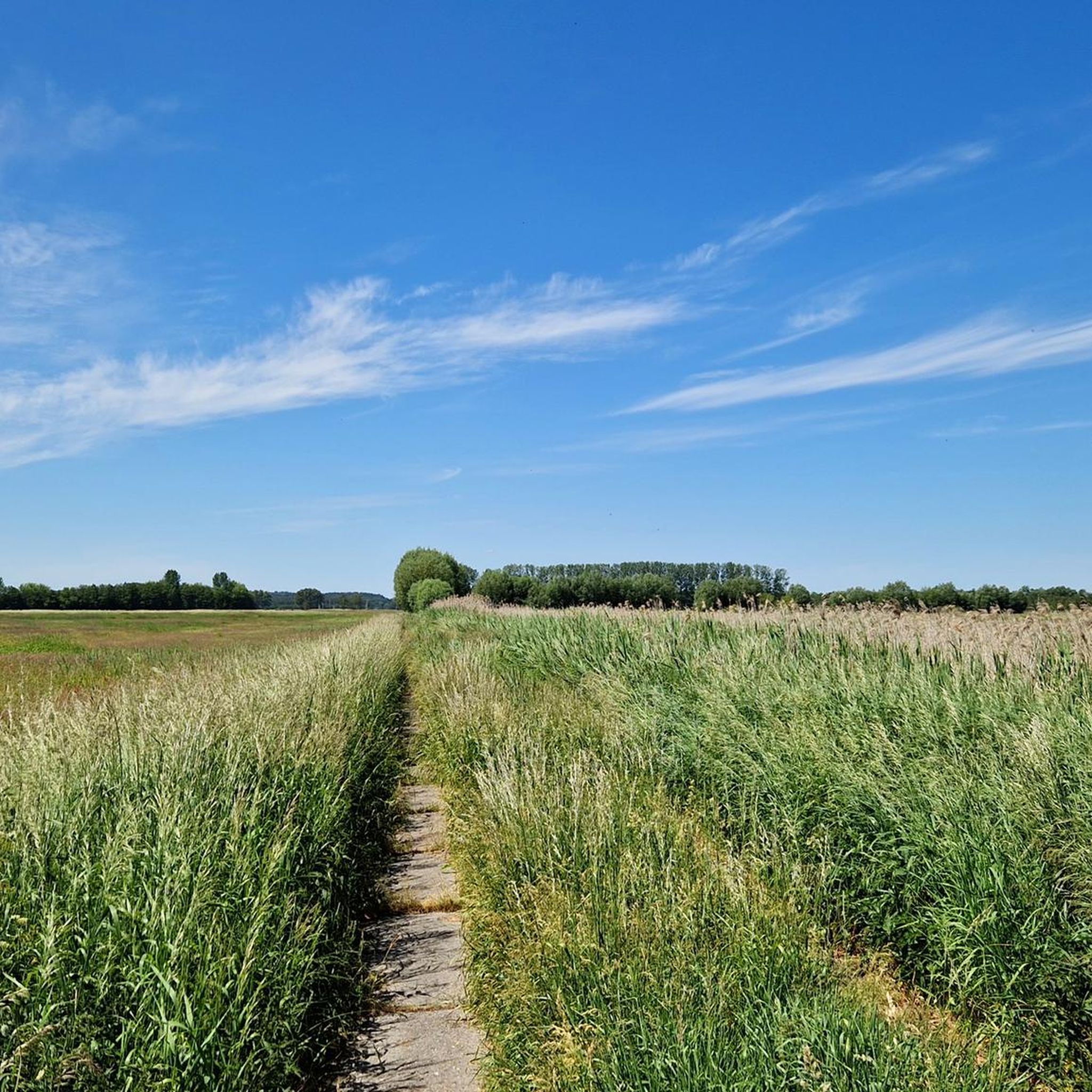
Very nice view over lakes and meadows to the Ketzür mill
0
0
Frequently Asked Questions
What are some of the most popular natural monuments to visit in Märkisch Luch?
Visitors to Märkisch Luch particularly enjoy the Bruchsee and Bagower Bruch Forest Trail, known for its clear water and beautiful hiking paths. Another favorite is Wolzensee, a natural swimming spot, offering easy access to an inland lake. The Schlangengraben Lake is also appreciated for its natural water and quiet atmosphere, where you can observe small animals.
What kind of natural landscapes can I expect to see in Märkisch Luch?
Märkisch Luch is characterized by a diverse mosaic of habitats. You'll find extensive fens, natural alder and pine forests, dry dune heaths, and vast lowland areas with moist grasslands. The region also features numerous lakes, ditches, and canals, reflecting both natural geological processes and historical land management.
Where can I go for birdwatching in Märkisch Luch?
The Havelländisches Luch Nature Reserve is an internationally important bird sanctuary, especially known as one of the last refuges for the highly endangered Great Bustard. You can find accessible observation towers near Garlitz for excellent viewing opportunities. Additionally, the Schwahberge Observation Point is a prime location to see cranes, particularly during their migration in autumn and spring.
What unique wildlife can be observed in Märkisch Luch's natural areas?
Märkisch Luch is a biodiversity hotspot. In the Marzahner Fenn und Dünenheide Nature Reserve, you might spot endangered bird species like ospreys and greater spotted eagles, as well as reptiles such as the European sand lizard and amphibians like the moor frog. The Havelländisches Luch is crucial for the Great Bustard, and you can also observe various other bird species, including cranes and ducks.
Are there family-friendly natural monuments around Märkisch Luch?
Yes, several natural monuments are suitable for families. The Wolzensee offers a natural swimming spot with good access. The Bruchsee and Bagower Bruch Forest Trail provides easy forest hiking and swimming opportunities. The Schlangengraben Lake is a quiet spot where children can observe small animals. The Schwahberge Observation Point is also a great place for families to watch cranes.
What outdoor activities can I do near these natural monuments?
The region around Märkisch Luch offers a variety of outdoor activities. You can enjoy hiking on trails like the Hiking around Märkisch Luch guide, which includes routes such as the moderate 'Hiking loop from Linde'. For cycling enthusiasts, there are options for MTB Trails around Märkisch Luch and Gravel biking around Märkisch Luch, with routes like the easy 'View of the lake in Havelland – Village Church Groß Behnitz loop from Wachow'.
Are there any natural trails or paths for walking in Märkisch Luch?
Yes, the Marzahner Fenn und Dünenheide Nature Reserve features a roughly 3 km long nature trail with informative signs and seating areas, allowing visitors to explore its unique flora and fauna. Additionally, the Bruchsee and Bagower Bruch Forest Trail offers beautiful, easy-to-walk forest paths.
When is the best time to visit Märkisch Luch for nature observation?
For birdwatching, particularly cranes, autumn (September and October) and spring (early March to early April) are ideal. During these periods, thousands of cranes gather in the region during their migration. Generally, spring and summer offer pleasant weather for exploring the diverse landscapes and enjoying activities like swimming in the lakes.
What is the Weißes Fenn Marzahne and why is it significant?
The Weißes Fenn Marzahne is a designated natural monument area located within the broader Marzahner Fenn und Dünenheide Nature Reserve. It encompasses a lake and a boggy wetland, formed after the Weichselian Glaciation. This area is significant as it provides insights into the region's post-glacial landscape development and showcases unique ecological features, making it a valuable site for understanding geological history and biodiversity.
Can I swim in the lakes around Märkisch Luch?
Yes, you can. The Wolzensee is a popular natural swimming spot with good access. The Bruchsee also offers clear water, inviting visitors for a swim amidst intact nature.
What do visitors enjoy most about the natural monuments in Märkisch Luch?
Visitors frequently praise the intact nature and tranquil atmosphere. Many appreciate the clear waters of lakes like Bruchsee and Wolzensee for swimming, and the beautiful forest hiking trails. The opportunity to observe diverse wildlife, especially birds like cranes and the Great Bustard, is also a major highlight for the komoot community.
Are there any historical or cultural aspects related to the natural landscapes?
Yes, the Havelländisches Luch Nature Reserve, with its extensive network of ditches and canals, reflects historical efforts to manage the waterlogged terrain for agriculture. These systems, often lined with poplars and alders, add a cultural dimension to the natural landscape, showcasing human interaction with the environment over centuries.
Most popular routes around Märkisch Luch
Most popular attractions around Märkisch Luch

Get inspired with the komoot mobile app


Explore more
Extend your search for the best caves by checking out these guides of the top ones around Märkisch Luch:
