Top 20 Natural Monuments around Pommern
Best natural monuments around Pommern showcase a diverse landscape, from dramatic coastlines to ancient forests and unique geological formations. This region, spanning parts of Germany and Poland, is recognized for its ecological significance and scenic beauty. Visitors can explore a variety of natural landmarks, offering opportunities for outdoor recreation and observation of diverse habitats.
Best natural monuments around Pommern
- The most popular natural monument is Pinnerkreuz Viewpoint, a viewpoint offering views over Cochem and Reichsburg Castle. It provides a…
Last updated: July 8, 2026
View from beneath the Geierlay Suspension Bridge
Highlight • Bridge
Translated by Google •
Tip by

Pinnerkreuz Viewpoint
Highlight • Viewpoint
Translated by Google •
Tip by

Sign up now to discover places like this
Get recommendations on the best single tracks, peaks, & plenty of other exciting outdoor places.
Sign up for free
Elzbach Waterfall at the Pyrmonter Mill
Highlight • Waterfall
Translated by Google •
Tip by

Pommerner Goldberg Nature Reserve Riverside Path
Highlight (Segment) • Trail
Translated by Google •
Tip by

Burgberg Via Ferrata
Highlight • Climb
Translated by Google •
Tip by

Sign up for free to discover even more natural monuments around Pommern.
Sign up for free
Already have an account?
Start today with a free account
Your next adventure awaits.
Login or Signup
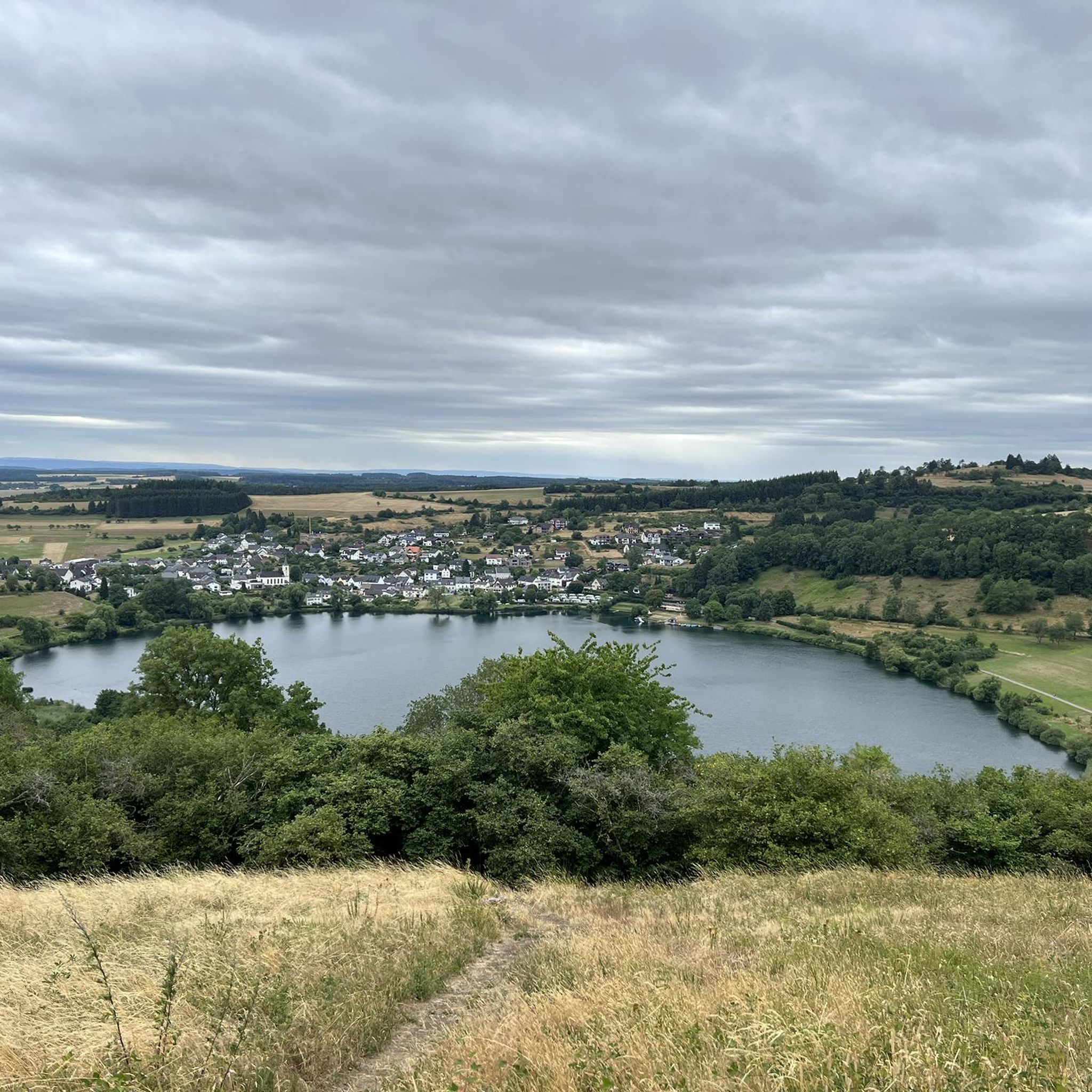
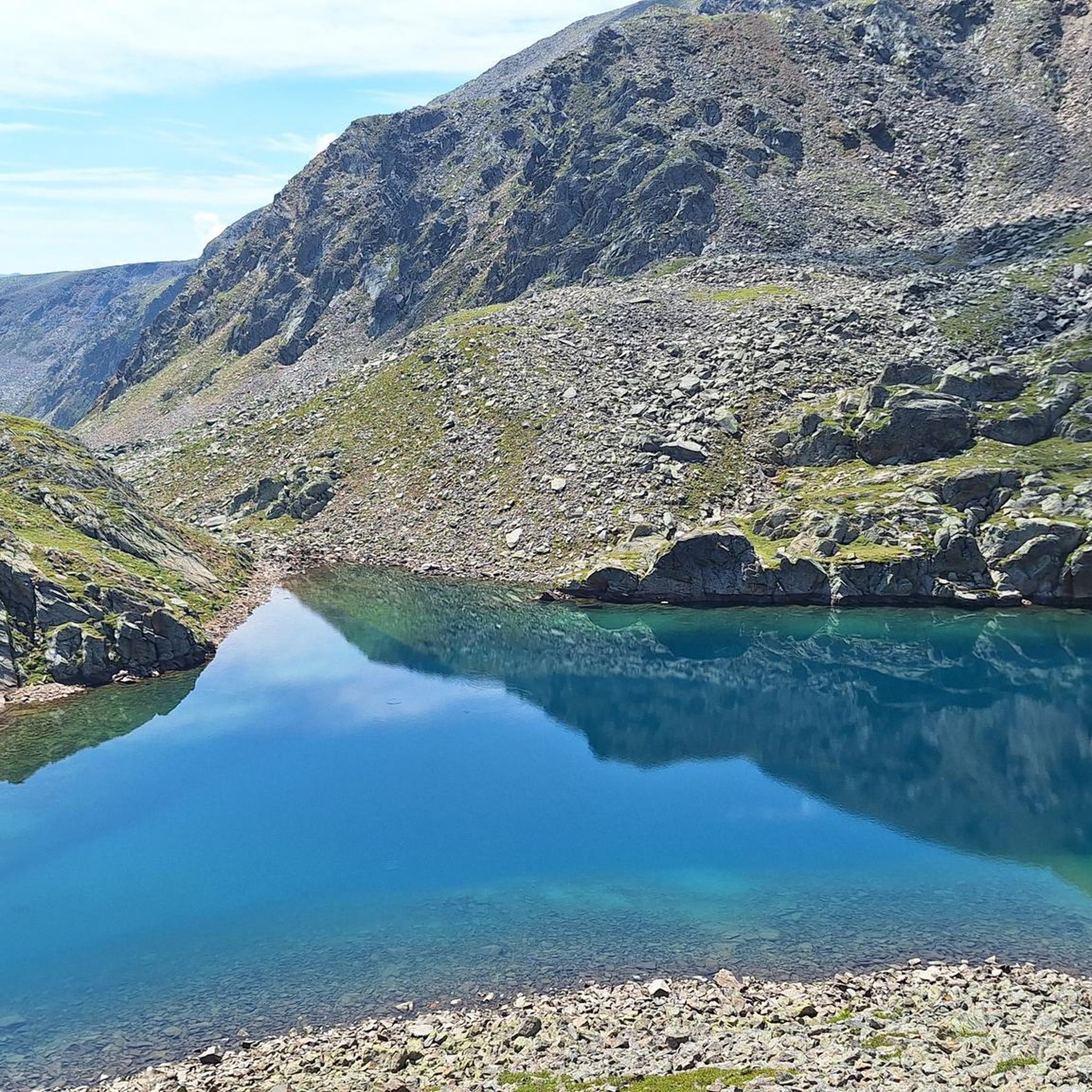
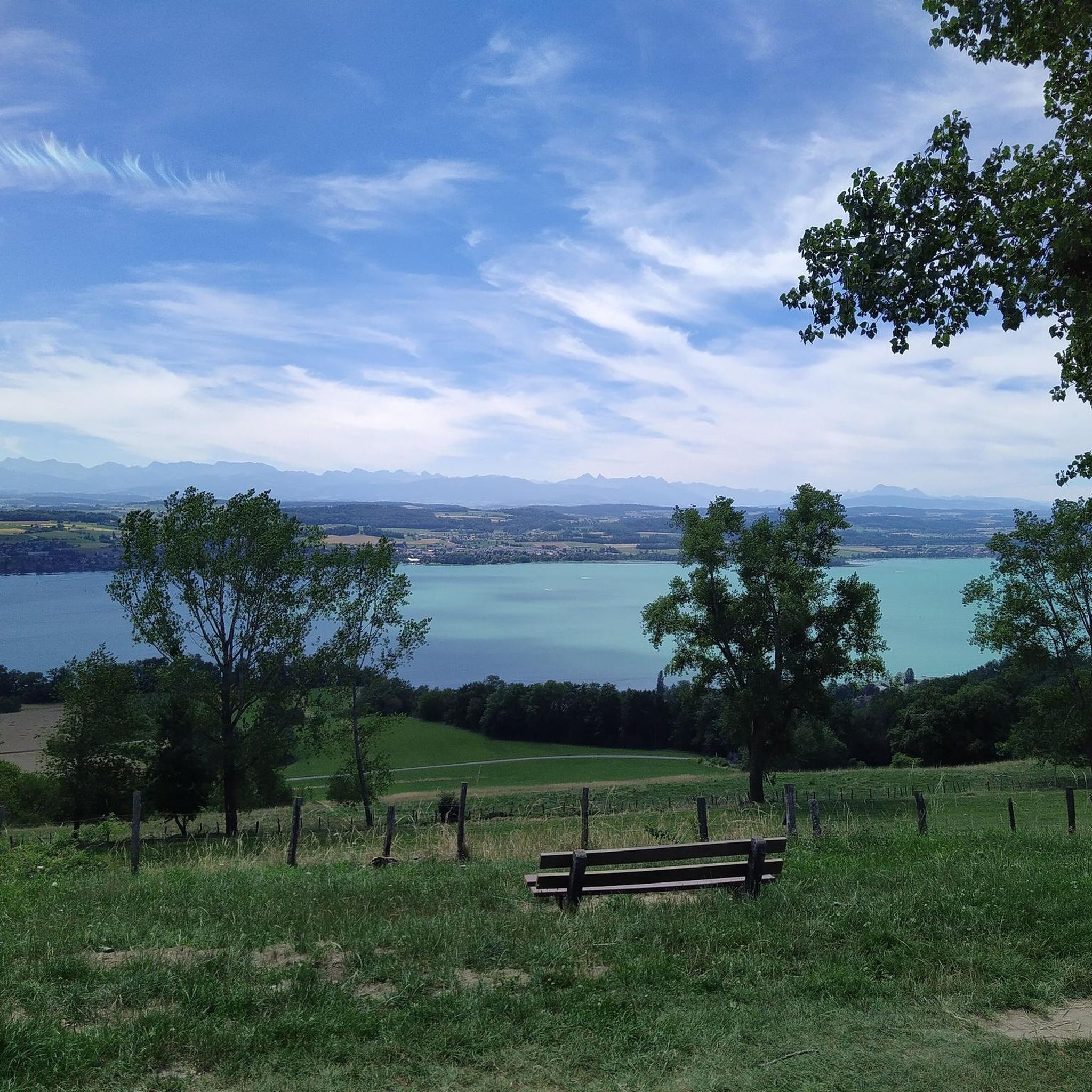
Tips from the Community

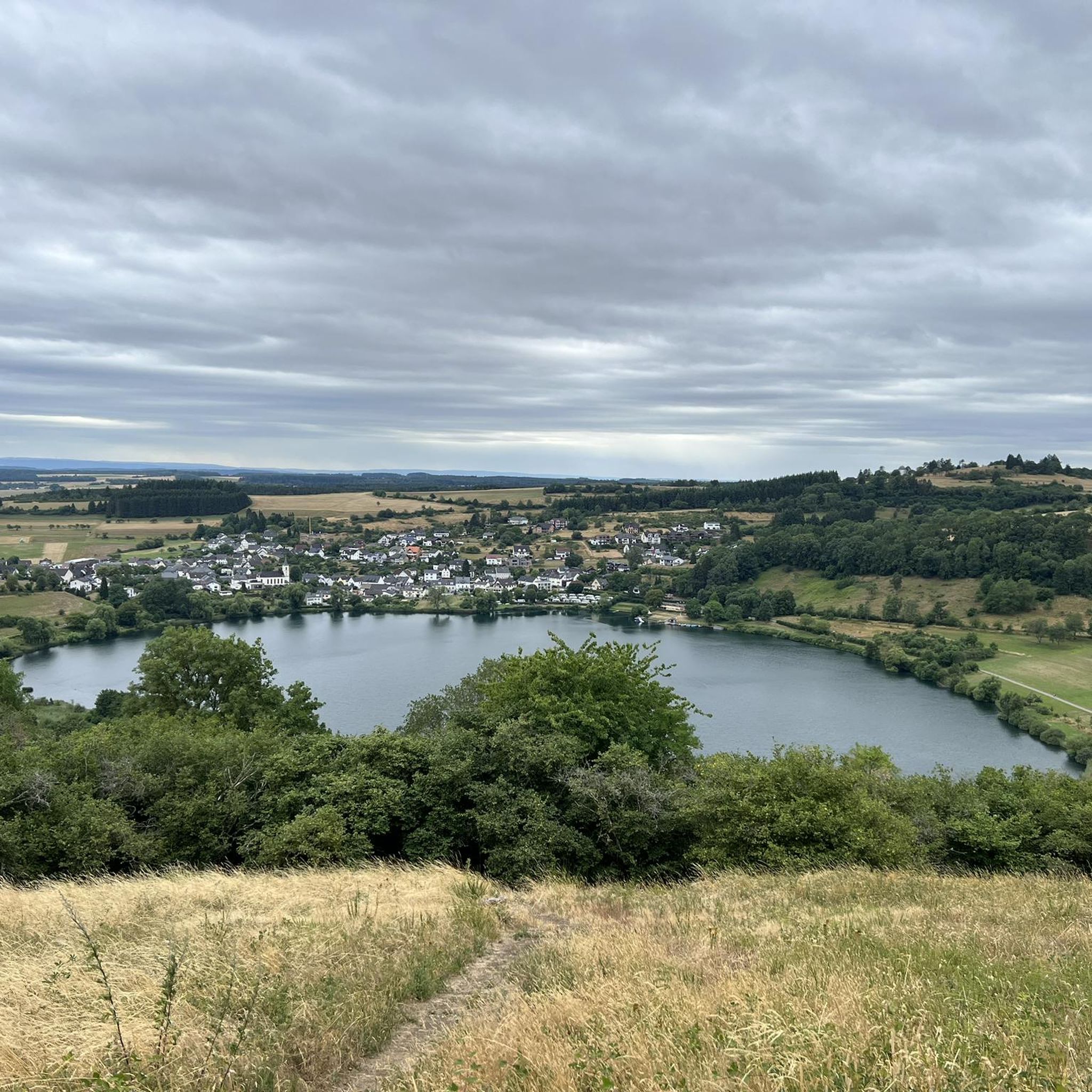
High atop Pinnerberg Mountain stands the Pinner Cross, a vantage point offering a magnificent view of the Moselle Valley. Its name comes from a shepherd who, while saving one of his lost animals from a fall, lost his life in the process. The cross was erected in his memory. The view of the town of Cochem with its Reichsburg Castle and the entire Moselle loop is impressive.
17
0
The cross is approximately 18 meters high and consists of a cross spire, a shaft, and a base. High up on the Pinnerberg, which is easily accessible by the Cochem chairlift, stands the Pinner Cross, a vantage point with a magnificent view of the Moselle Valley. The name goes back to a shepherd who tried to save one of his lost animals from falling and lost his life in the process. The cross was erected in his memory. Source: https://cochem.de/thema/pinnerkreuz/
16
0

Beautiful views of the bridges from the side... here you can see how much it sags
12
0

A great and impressive backdrop, as the two waterfalls rush under the bridge, with the mill and the castle in the background.
6
0

That's pretty high if you look from the bottom up. :-)
10
0

Good view of the suspension bridge.
11
0
Great view of the Geierley.
12
0

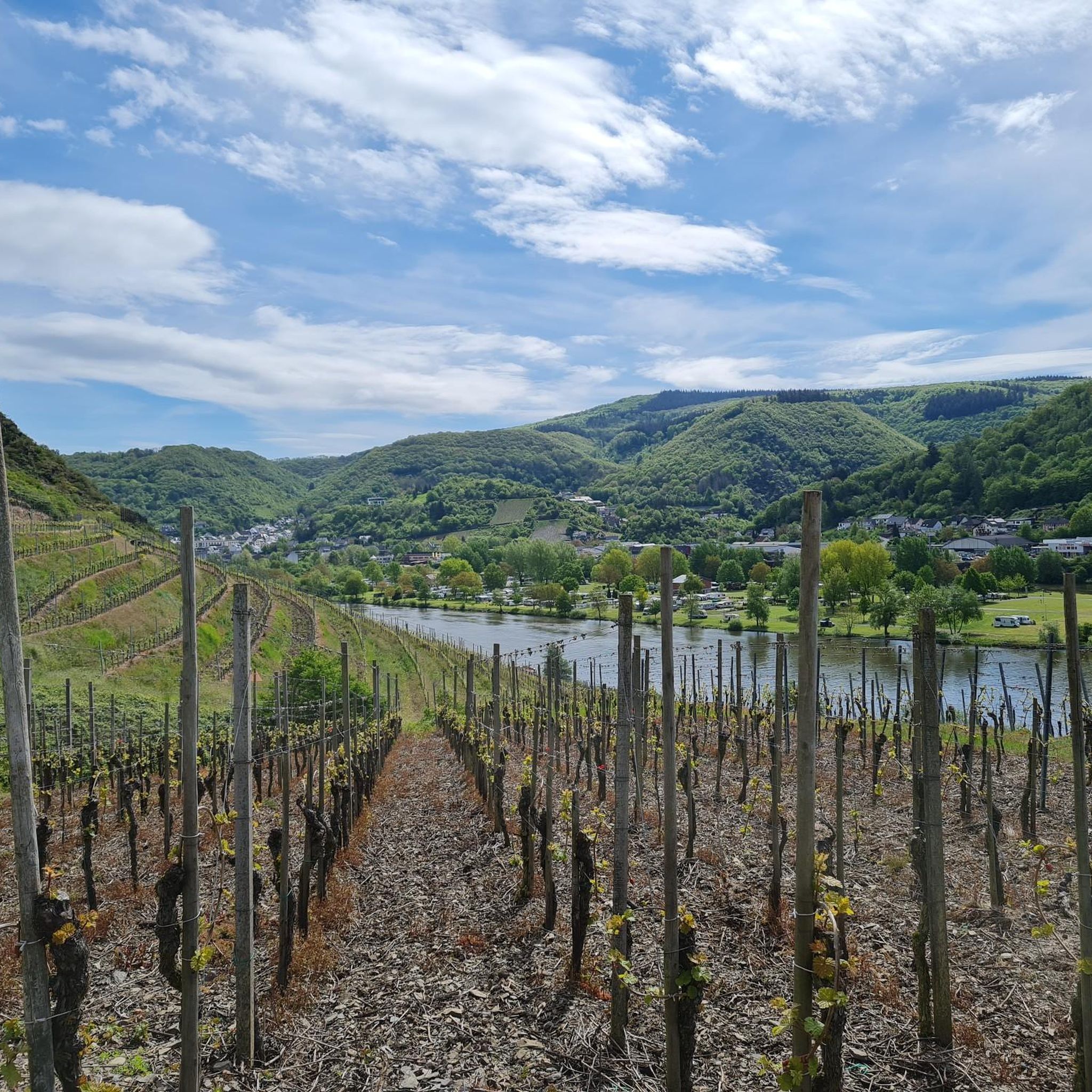
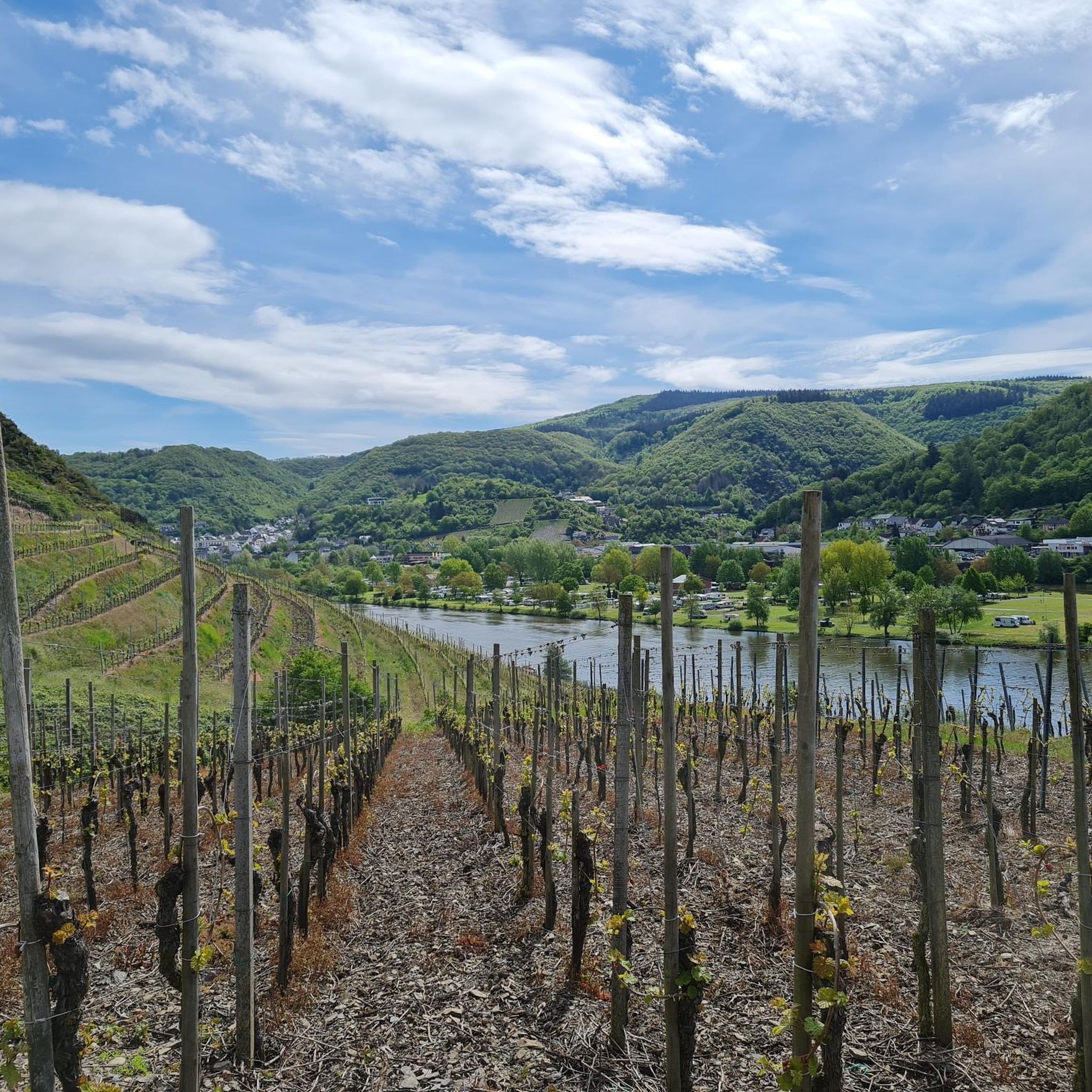
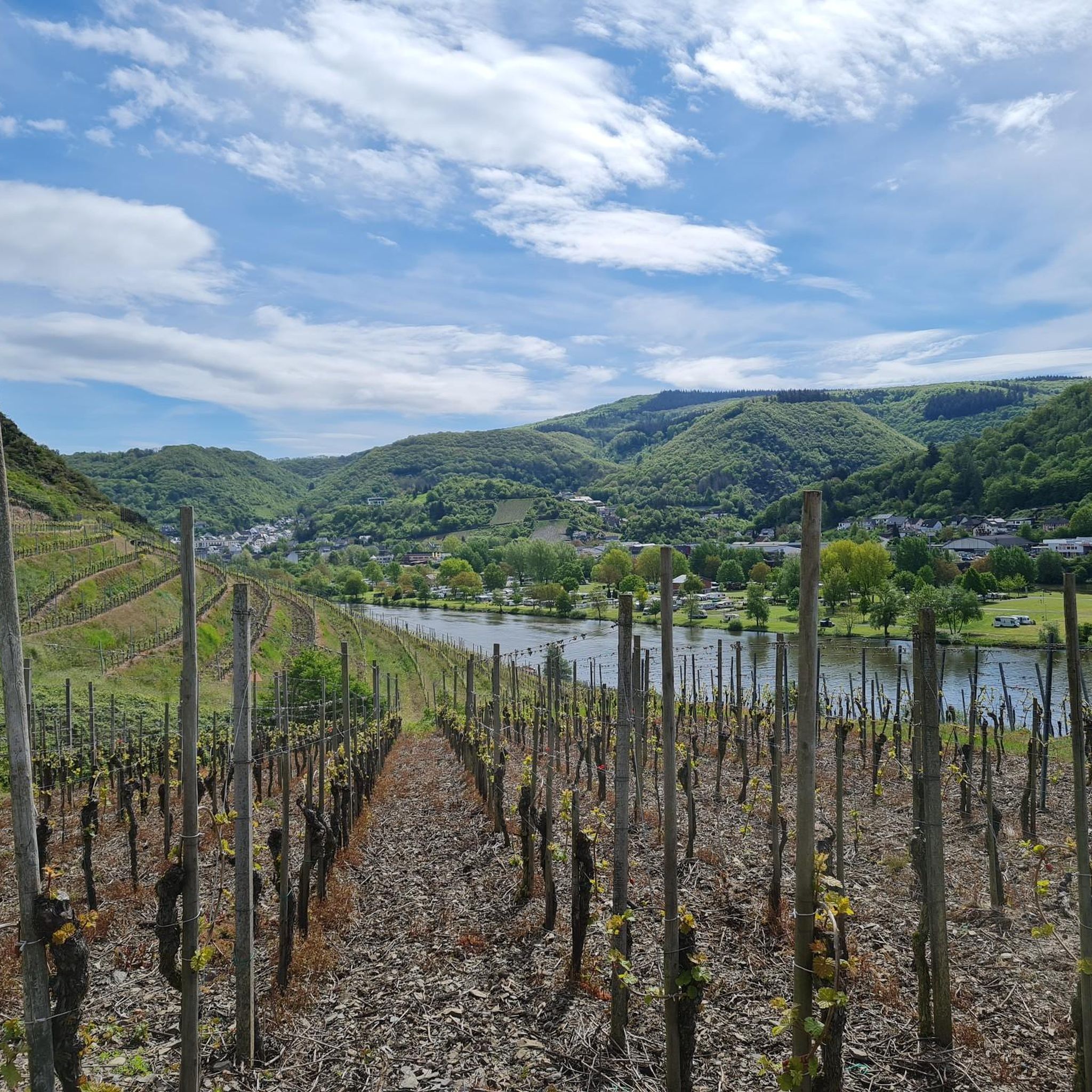
Beautiful circular hikes are possible and cycle paths are signposted.
12
0
Frequently Asked Questions
What kind of natural features can I expect to see in Pomerania's natural monuments?
Pomerania's natural monuments offer a diverse range of features. You can explore dramatic coastlines with white chalk cliffs, vast ancient beech and pine forests, expansive lake districts, and unique geological formations like shifting sand dunes. The region also features numerous rivers, waterfalls, and elevated viewpoints offering panoramic vistas, such as the Pinnerkreuz Viewpoint.
What are some notable natural monuments in German Pomerania (Mecklenburg-Vorpommern)?
In German Pomerania, you can discover several significant natural monuments. Highlights include Jasmund National Park on Rügen Island, famous for its dramatic white chalk cliffs like the Königsstuhl and ancient beech forests. Müritz National Park, Germany's largest land-based national park, offers thousands of lakes and dense forests. The Western Pomerania Lagoon Area National Park is known for its unique coastal landscapes and as a major resting place for cranes. Don't miss the ancient Ivenacker Oaks, a designated National Natural Monument with a treetop trail.
What are some notable natural monuments in Polish Pomerania?
Polish Pomerania is home to impressive natural monuments. Słowiński National Park is renowned for having Europe's largest moving sand dunes. Wolin National Park features dramatic cliffs, dense forests, and diverse wildlife, including European bison. Further inland, Bory Tucholskie National Park offers vast pine forests, tranquil lakes, and peatlands shaped by glacial processes.
Are there family-friendly natural monuments in Pomerania?
Yes, many natural monuments in Pomerania are suitable for families. For example, the View from beneath the Geierlay Suspension Bridge offers an impressive sight and is surrounded by walking opportunities. The Elzbach Waterfall at the Pyrmonter Mill provides a picturesque backdrop with a mill and castle, perfect for a family outing. The Ivenacker Oaks also feature a treetop trail, which is often a hit with children.
What outdoor activities can I do near these natural monuments?
The natural monuments around Pomerania offer a wide range of outdoor activities. You can enjoy extensive hiking and cycling trails, especially in areas like Müritz National Park or Słowiński National Park. For specific routes, consider exploring options like the Mountain Hikes around Pommern or Easy hikes around Pommern, which include trails near natural landmarks. Birdwatching is also popular, particularly in the Western Pomerania Lagoon Area National Park.
Are there hiking trails near Pomerania's natural monuments?
Absolutely. Pomerania is an excellent region for hiking. Many natural monuments, such as Jasmund National Park and Wolin National Park, feature well-maintained hiking trails. You can find routes that lead through ancient forests, along dramatic coastlines, or to stunning viewpoints. For specific hiking suggestions, explore guides like Mountain Hikes around Pommern or Easy hikes around Pommern.
What do visitors particularly enjoy about the natural monuments around Pommern?
Visitors frequently praise the breathtaking views and the serene natural beauty. The Pinnerkreuz Viewpoint is often highlighted for its magnificent panorama over Cochem and Reichsburg Castle. The Elzbach Rapids are appreciated for their romantic, idyllic watercourse and opportunities for peaceful resting. Many also enjoy the impressive constructs like the Geierlay Suspension Bridge and the surrounding hiking opportunities.
Where can I find unique geological formations in Pomerania?
Pomerania offers several sites with unique geological formations. The most prominent are the moving sand dunes of Słowiński National Park in Polish Pomerania, which continuously shift and reveal ancient tree stumps. In German Pomerania, Jasmund National Park is famous for its dramatic white chalk cliffs, such as the Königsstuhl, which plunge into the Baltic Sea. The vast moraine walls and hilly landscapes of Bory Tucholskie National Park also showcase remnants of gigantic glaciers.
What is the best time to visit Pomerania's natural monuments?
The best time to visit Pomerania's natural monuments largely depends on your interests. Spring and autumn offer pleasant temperatures for hiking and cycling, with vibrant foliage in autumn and blooming nature in spring. Autumn is particularly spectacular for birdwatching, especially in the Western Pomerania Lagoon Area National Park, which serves as a major resting place for cranes and geese. Summer is ideal for enjoying the coastal areas and lakes, though it can be busier. Winter offers a quiet, often snow-covered landscape for those seeking solitude.
Are there opportunities for birdwatching in Pomerania's natural monuments?
Yes, Pomerania is an excellent destination for birdwatching. The Western Pomerania Lagoon Area National Park is globally recognized as Europe's largest resting place for tens of thousands of cranes and geese, especially during their autumn migration. Müritz National Park is also a haven for various bird species, including white-tailed eagles and ospreys, making it a prime spot for observing diverse avian life.
Can I bring my dog to the natural monuments in Pomerania?
Many natural areas and trails in Pomerania are dog-friendly, but it's always best to check specific park regulations before your visit. National parks often have rules regarding leashes and designated areas to protect wildlife. For instance, the Elzbach Rapids are noted by visitors as having a small 'beach' suitable for dogs.
Are there any natural monuments with historical significance in Pomerania?
Beyond their natural beauty, some monuments hold historical significance. The ancient Ivenacker Oaks, for example, are not only majestic trees but also represent a significant cultural and natural historical highlight of the area. Additionally, places like the Elzbach Waterfall at the Pyrmonter Mill combine natural features with historical structures like the mill and a castle, offering a blend of natural and cultural heritage.
Most popular routes around Pommern
Most popular attractions around Pommern

Get inspired with the komoot mobile app


Explore more
Extend your search for the best caves by checking out these guides of the top ones around Pommern:
