Top 20 Natural Monuments around Milower Land
Best natural monuments around Milower Land are found within the Westhavelland region, characterized by its impressive river landscape. This area is largely part of the Westhavelland Nature Park, Brandenburg's largest contiguous protected area, offering diverse ecosystems from wetlands to forests. Milower Land is also home to Germany's first Dark Sky Reserve, providing opportunities for stargazing. The Havel river system and its protected status contribute to the region's ecological significance.
Best natural monuments around Milower Land
- The most popular natural monuments…
Last updated: August 18, 2026
Wolzensee, natural swimming spot
Highlight • Lake
Translated by Google •
Tip by

Milow Nature Park Center
Highlight • Rest Area
Showing Translation
Tip by

Sign up now to discover places like this
Get recommendations on the best single tracks, peaks, & plenty of other exciting outdoor places.
Sign up for free
Grave of Friederike von Bornstedt
Highlight • Historical Site
Translated by Google •
Tip by

Cycle Path Jerchel–Bahnitz (Westhavelland Nature Park)
Highlight • Cycleway
Translated by Google •
Tip by

Katharinenbruch
Highlight • Natural
Translated by Google •
Tip by

Sign up for free to discover even more natural monuments around Milower Land.
Sign up for free
Already have an account?
Start today with a free account
Your next adventure awaits.
Login or Signup
Popular around Milower Land
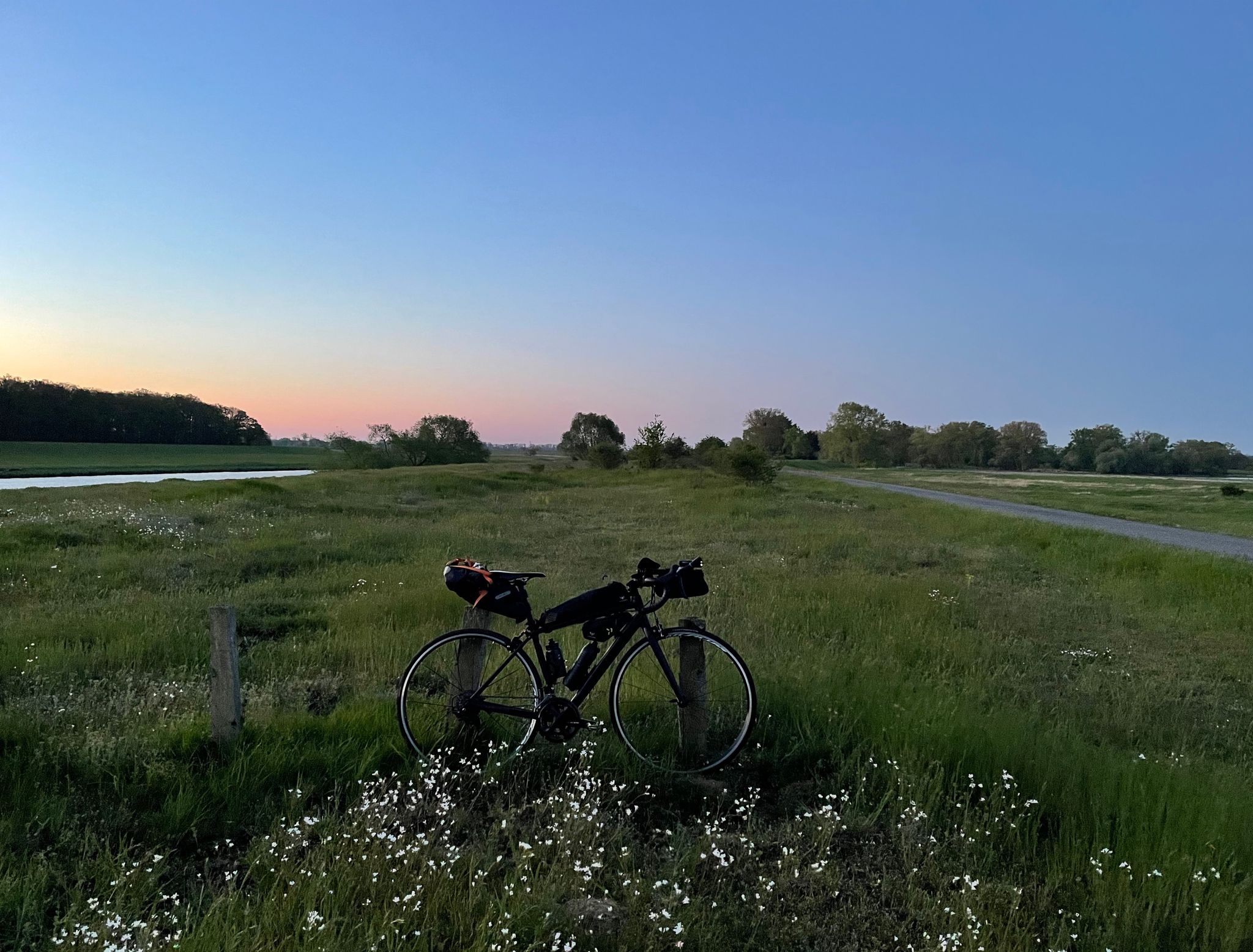
Overnighter between the Havel and Elbe in Germany
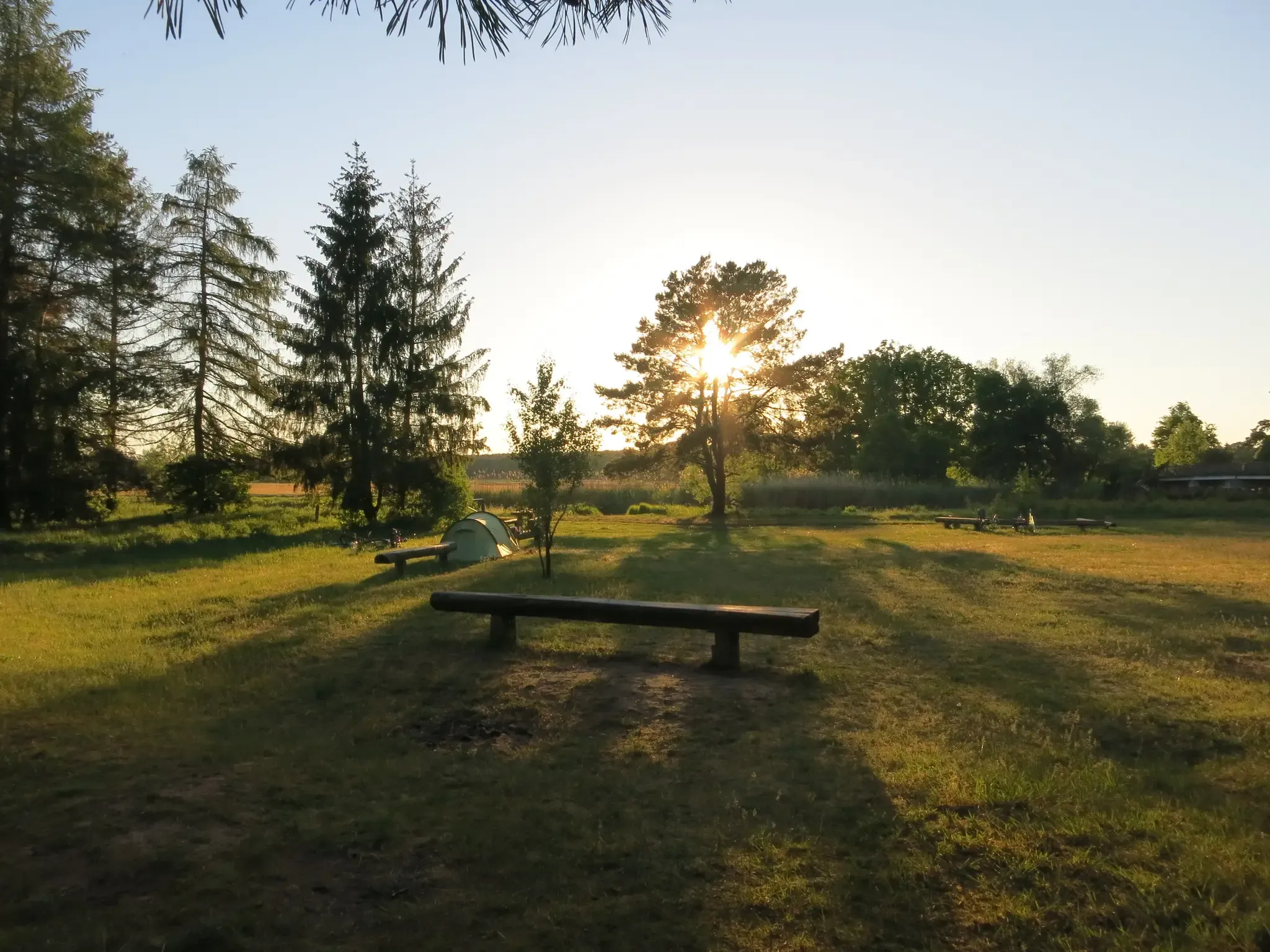
Natural campsites around Berlin
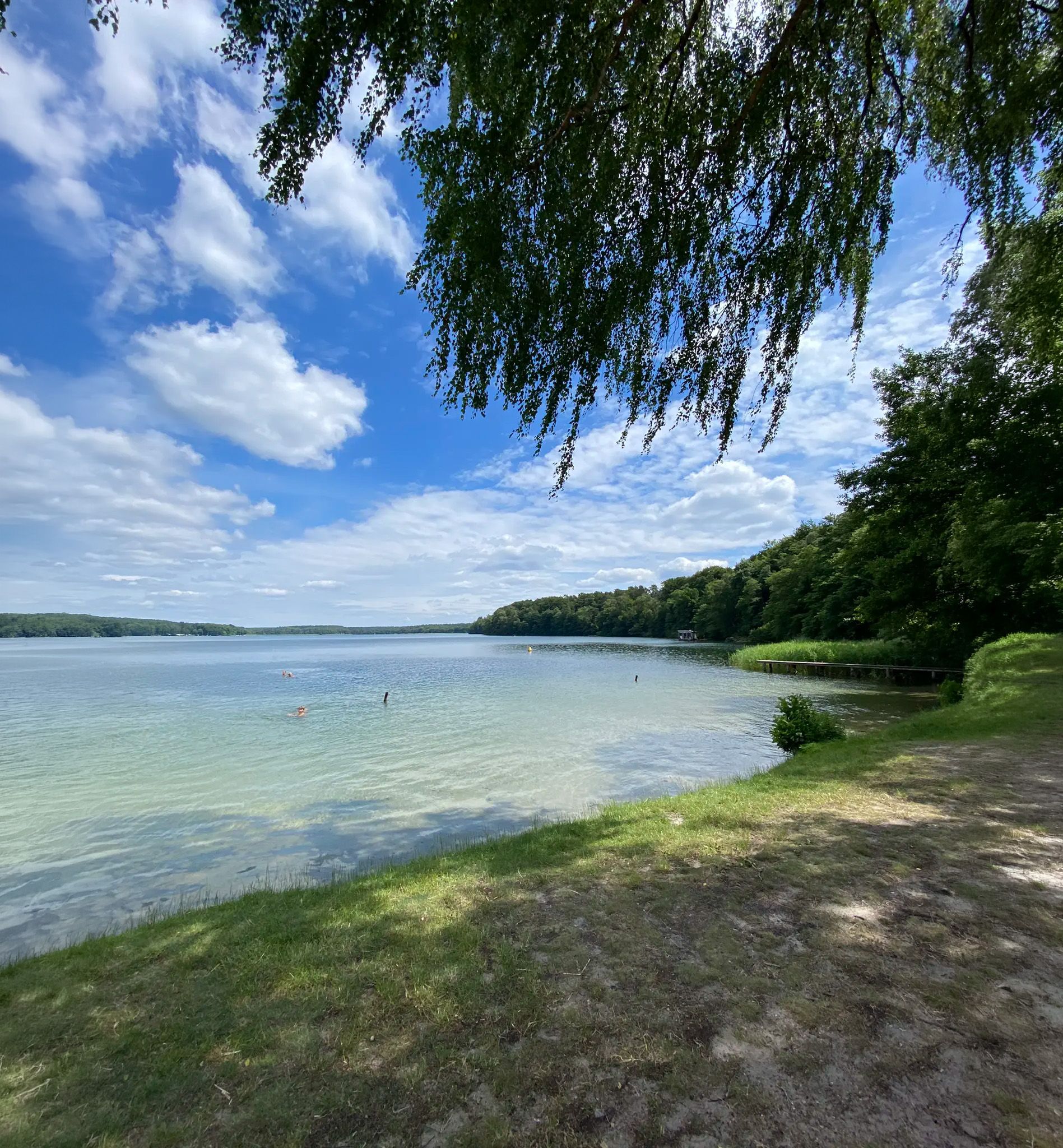
Zwischen Heide und Spree – Mikroabenteuer in Berlin & Brandenburg
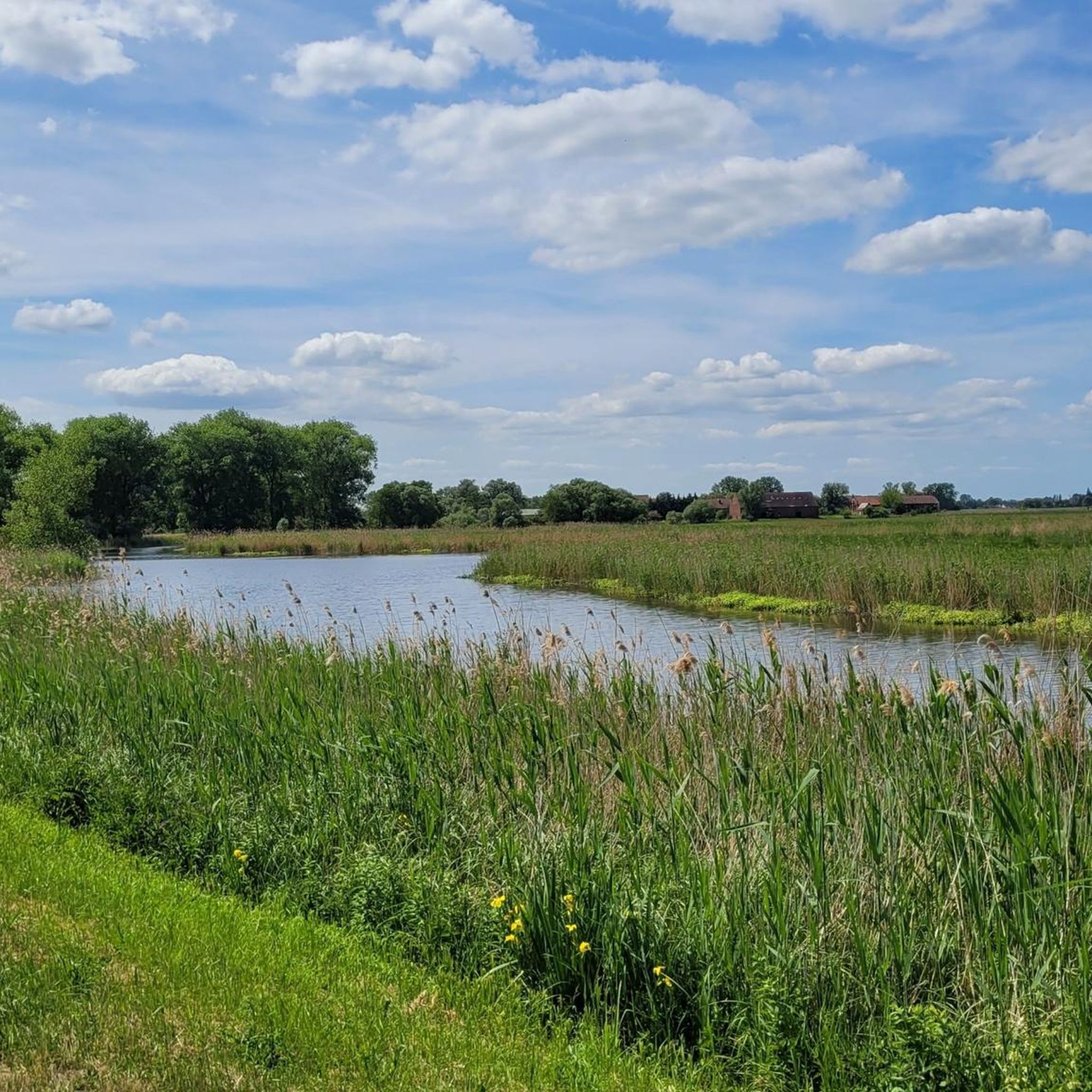
Hiking around Milower Land
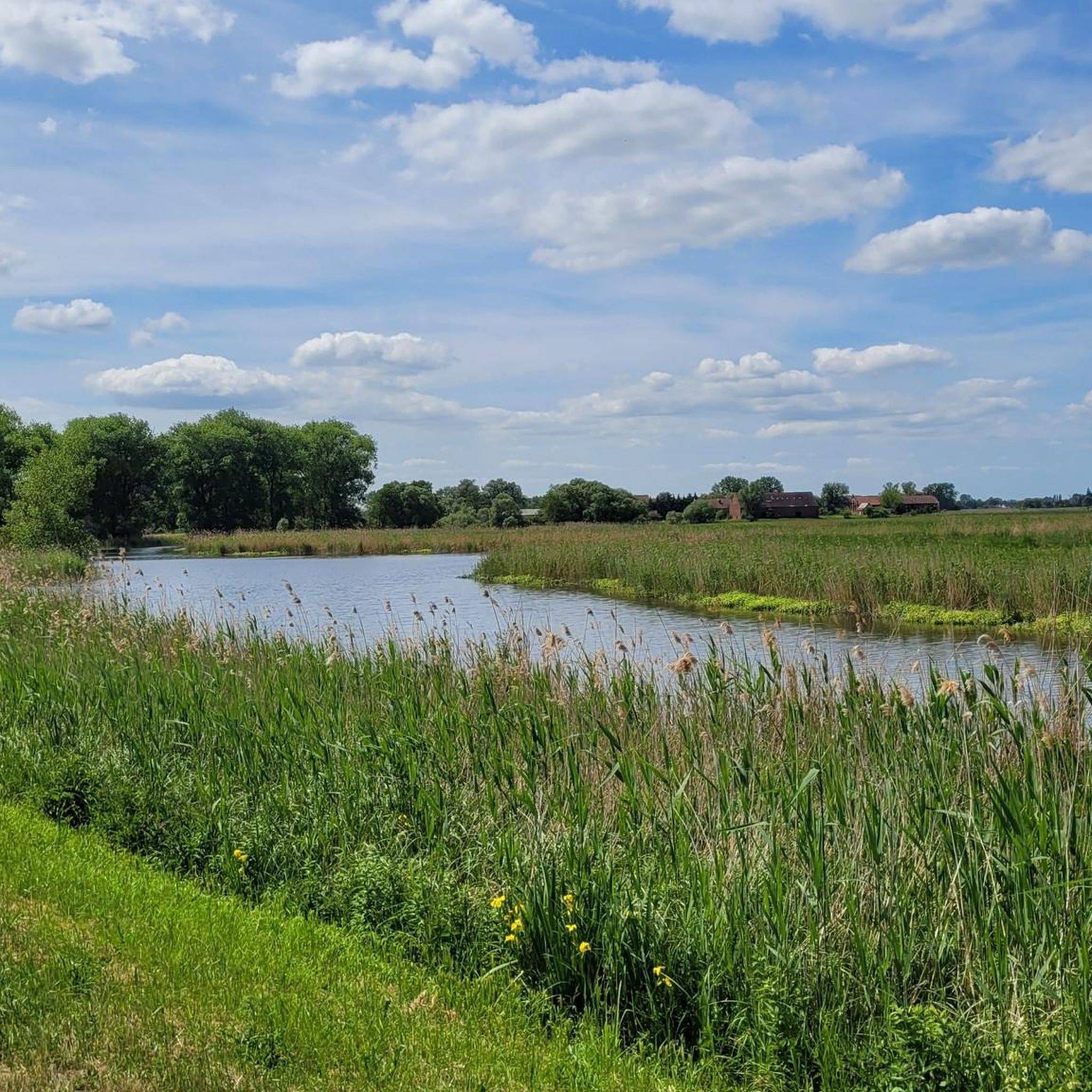
Road Cycling Routes around Milower Land
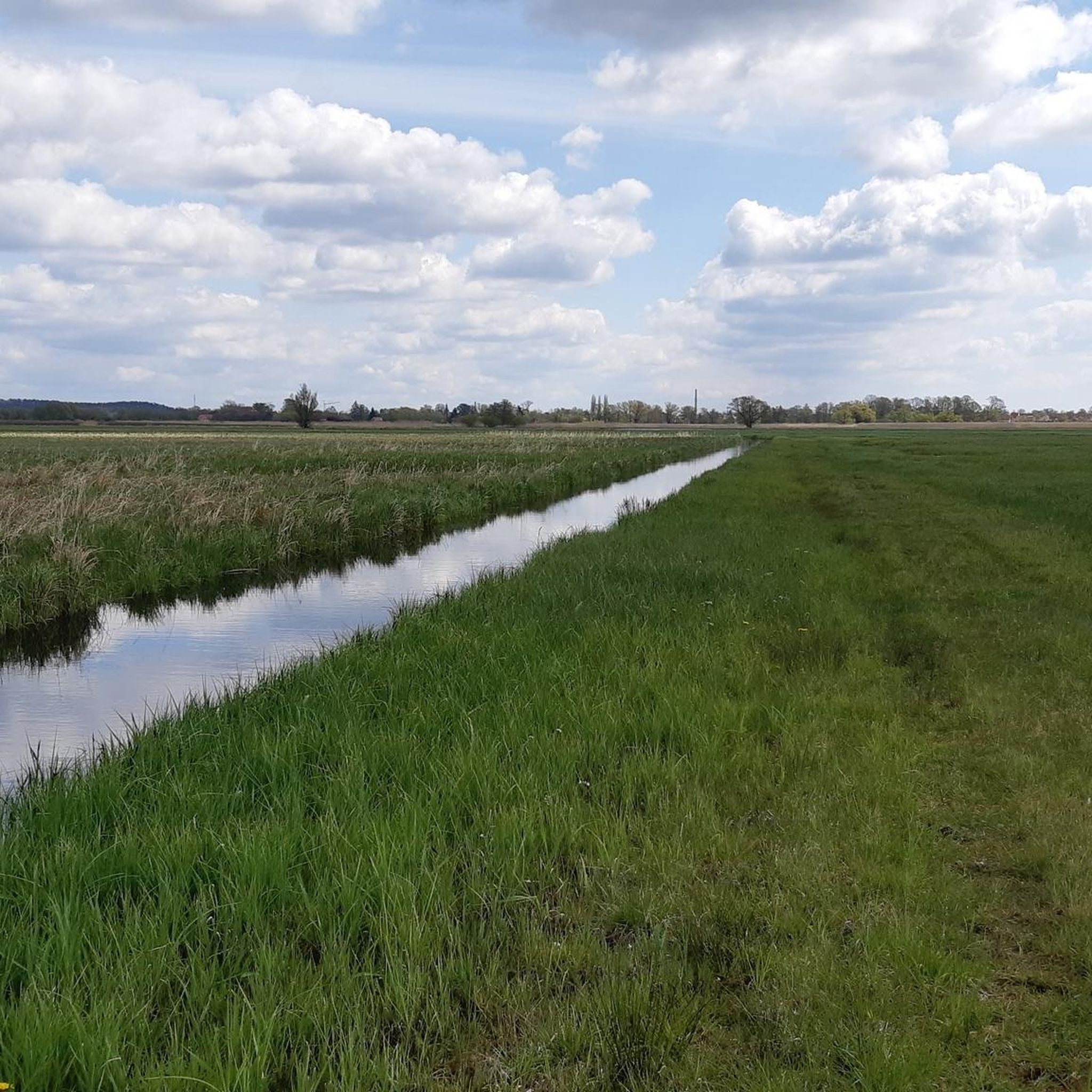
Cycling around Milower Land
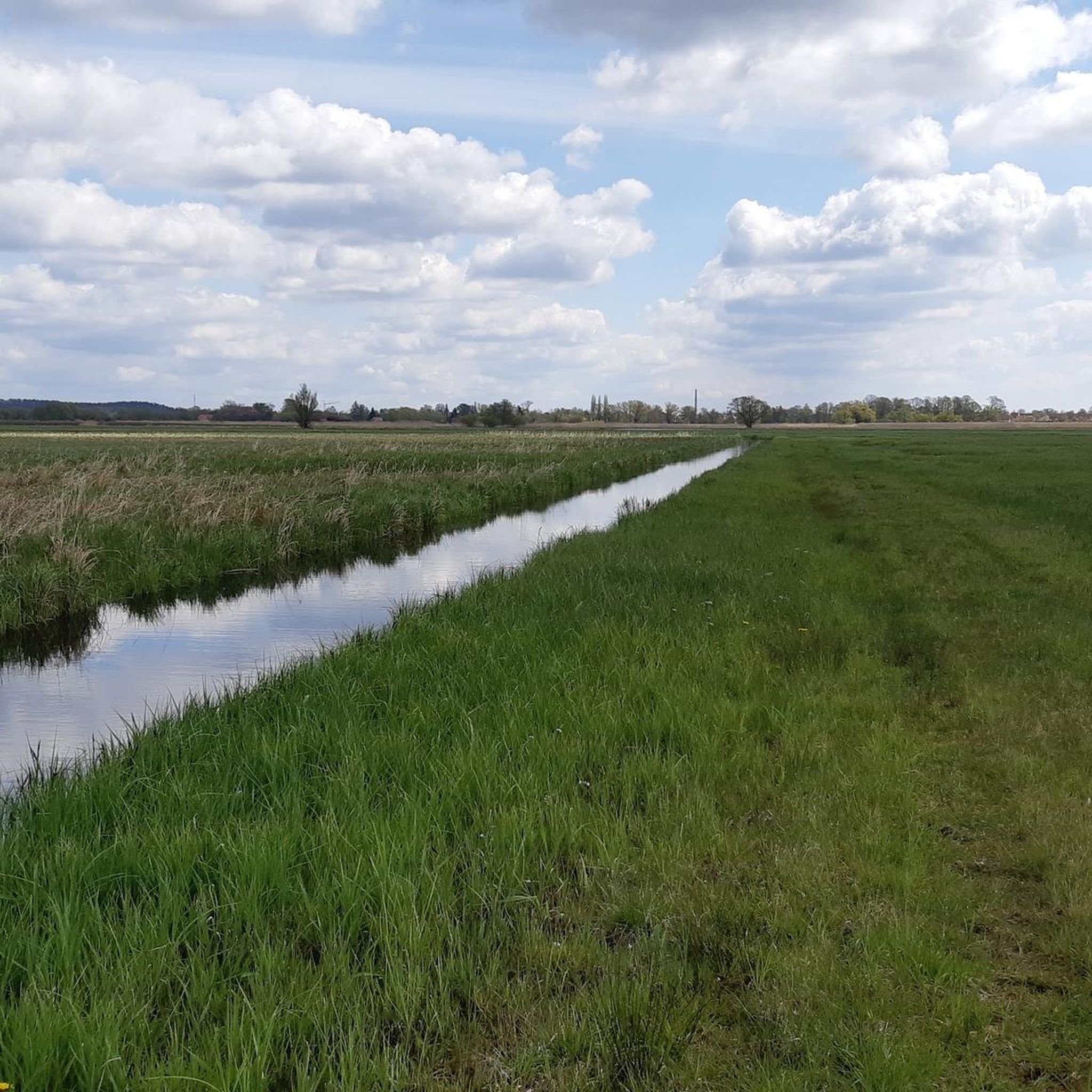
Running Trails around Milower Land
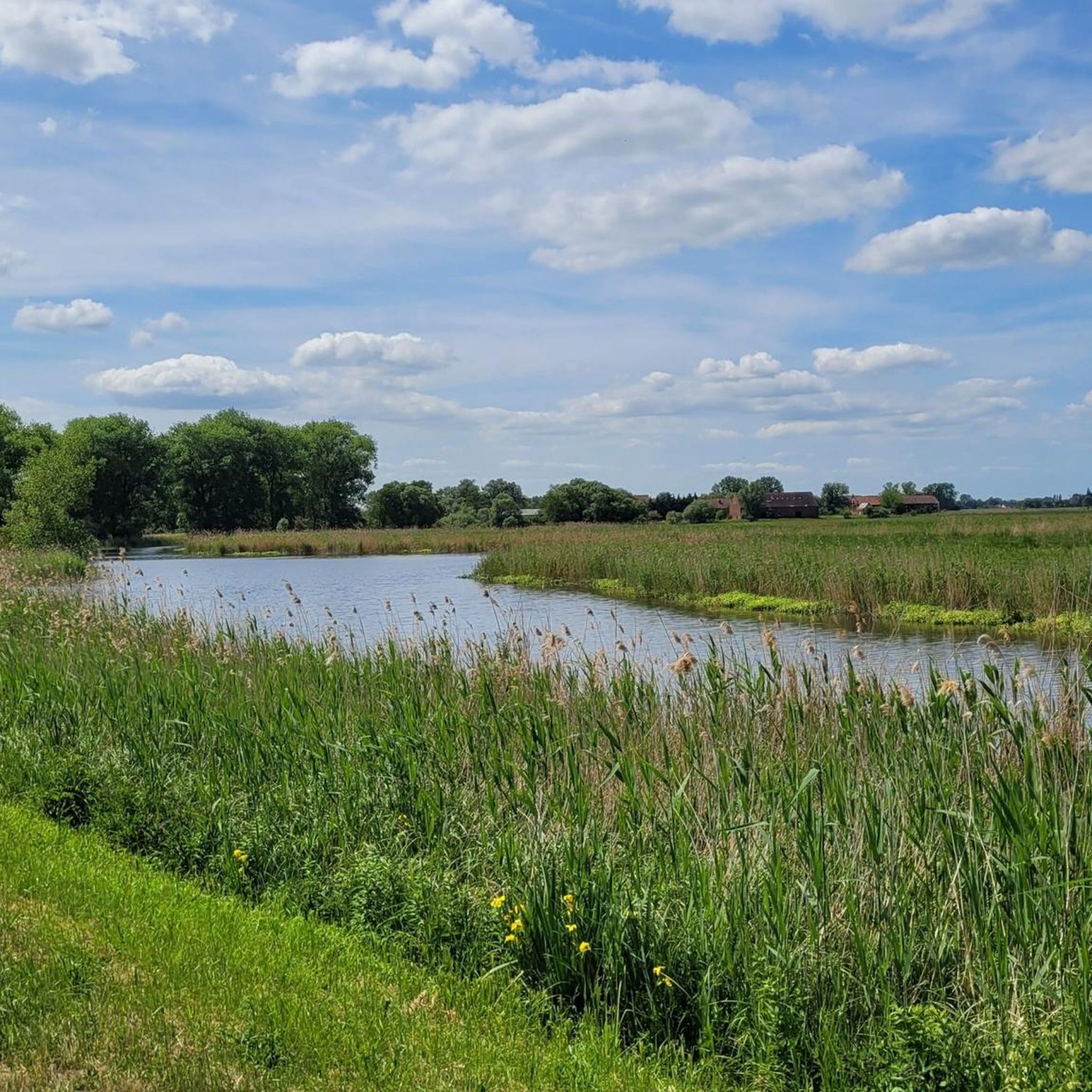
MTB Trails around Milower Land
Gravel biking around Milower Land


Tips from the Community

When the autumn weather begins and in the late afternoon you have a beautiful piece of nature all to yourself. Even without mosquitoes.
0
1

The cycle path leads through the Untere Havel Süd nature reserve. The excellently developed route takes you through the forest and along the banks of the meandering Havel.
0
0

Beautiful Lake, Beautiful Lake Access. Can get crowded in the afternoon.
0
0

Interesting wet biotope with all kinds of small animals 🦞🐟🦆🦇, especially interesting for little naturalists 👀. Don't forget mosquito repellent 🦟 in summer
1
0

The bicycle street is better than some streets, great.
0
1

Here you can wonderfully let your soul and not your feet dangle. You have to keep walking to find the next water view. Definitely take binoculars with you. Observe nature.
2
0

Small, fine exhibition about fauna and flora and history on the Havel. Our 8- and 10-year-olds really enjoyed it – there was a lot to try out, touch, and experiment with.
1
0

Interesting exhibition about the Havel rethinking the renaturation process
0
0
Frequently Asked Questions
What are some notable natural monuments to visit in Milower Land?
Milower Land, situated within the Westhavelland Nature Park, offers a variety of natural monuments. You can explore the serene Wolzensee, a natural swimming spot, which is an inland lake perfect for bathing. Another highlight is the Cycle Path Jerchel–Bahnitz, which winds through the Untere Havel Süd nature reserve, offering views of the meandering Havel river. For those interested in both nature and history, the Grave of Friederike von Bornstedt is located in a tranquil forest setting under an old oak.
What makes the Westhavelland Nature Park significant for natural monuments in this region?
The Westhavelland Nature Park, Brandenburg's largest contiguous protected area, is the defining feature of Milower Land's natural monuments. It's characterized by the impressive Havel river landscape, featuring numerous side arms, oxbow lakes, vast wetlands, and floodplains. This diverse ecosystem provides habitats for rare animal and plant species, making it a haven for nature enthusiasts and birdwatchers. The park also encompasses Germany's first Dark Sky Reserve, offering exceptional stargazing opportunities.
Are there any unique natural features in Milower Land beyond the river landscape?
Yes, Milower Land is home to Germany's first Dark Sky Reserve within the Westhavelland Nature Park. This designation means the area experiences exceptionally dark night skies, free from significant light pollution. It provides unparalleled opportunities for stargazing and astrophotography, allowing visitors to witness the Milky Way and other celestial phenomena with remarkable clarity.
What outdoor activities can I enjoy near the natural monuments in Milower Land?
The natural monuments in Milower Land are ideal for various outdoor activities. You can enjoy cycling along the Havel Cycle Path, hiking along natural riverbanks, or canoeing on the calm waters of the Havel. The region is also excellent for birdwatching, especially during spring and autumn migrations. For swimming, the Wolzensee and Böhne Natural Swimming Area offer refreshing options.
Are there specific hiking trails recommended near these natural monuments?
Yes, there are several hiking opportunities around Milower Land that allow you to explore the natural beauty. You can find routes like the 'View from Milower Berg' or 'Bahnitz Village Church – Bahnitz Lock loop'. These trails vary in difficulty from easy to moderate. For more detailed information and routes, you can explore the Hiking around Milower Land guide.
Can I go cycling to explore the natural monuments?
Absolutely! Cycling is a popular way to experience the natural monuments. The Cycle Path Jerchel–Bahnitz is an excellent example, leading through the Untere Havel Süd nature reserve along the Havel. The region also offers numerous road cycling and MTB trails. You can find more routes in the Road Cycling Routes around Milower Land and MTB Trails around Milower Land guides.
Are there family-friendly natural monuments or activities in Milower Land?
Many natural monuments in Milower Land are family-friendly. The Wolzensee and Böhne Natural Swimming Area are perfect for families looking for bathing spots. The Cycle Path Jerchel–Bahnitz is also suitable for family bike rides. Additionally, the Milow Nature Park Center offers interactive exhibitions about the local flora, fauna, and river restoration, which can be engaging for children.
When is the best time to visit the natural monuments in Milower Land?
The best time to visit depends on your interests. Spring and autumn are ideal for birdwatching, as the Westhavelland Nature Park is a significant stop for migratory birds. Summer is perfect for swimming at the Wolzensee or Böhne Natural Swimming Area, and for cycling. For stargazing, any clear night, especially during new moon phases, is excellent, given the region's status as a Dark Sky Reserve.
Are there any historical sites among the natural monuments?
Yes, some natural monuments in Milower Land also have historical significance. The Grave of Friederike von Bornstedt is a historical site nestled in a forest under an ancient oak, offering a tranquil setting with a notable past. The Milow Nature Park Center also provides insights into the history of the Havel river and its impact on the region.
What do visitors enjoy most about the natural monuments in Milower Land?
Visitors frequently appreciate the untouched river environment and the tranquility of the Westhavelland Nature Park. The well-maintained cycle paths, like the Cycle Path Jerchel–Bahnitz, receive praise for their quality and scenic beauty. The natural swimming spots, such as Wolzensee, are loved for their beauty and accessibility. The unique opportunity for stargazing in Germany's first Dark Sky Reserve is also a major draw.
What should I bring when visiting the natural monuments in Milower Land?
When visiting the natural monuments, it's advisable to bring appropriate gear for outdoor activities. This includes comfortable walking or cycling shoes, weather-appropriate clothing, and plenty of water. If you plan to swim, bring swimwear and a towel. For birdwatching or stargazing, binoculars or a telescope would enhance your experience. Don't forget a camera to capture the beautiful landscapes and dark skies.
How long does it typically take to explore the natural monuments in Milower Land?
The time required to explore depends on your chosen activity and the specific monuments you wish to visit. A leisurely cycle along a section of the Havel Cycle Path or a visit to a swimming spot might take a few hours. To fully experience the Westhavelland Nature Park, including its diverse ecosystems and potentially a visit to the Milow Nature Park Center, you might consider dedicating a full day or even a weekend, especially if you plan for stargazing.
Most popular routes around Milower Land
Most popular attractions around Milower Land

Get inspired with the komoot mobile app


Explore more
Extend your search for the best caves by checking out these guides of the top ones around Milower Land:
