Top 20 Natural Monuments around Straufhain
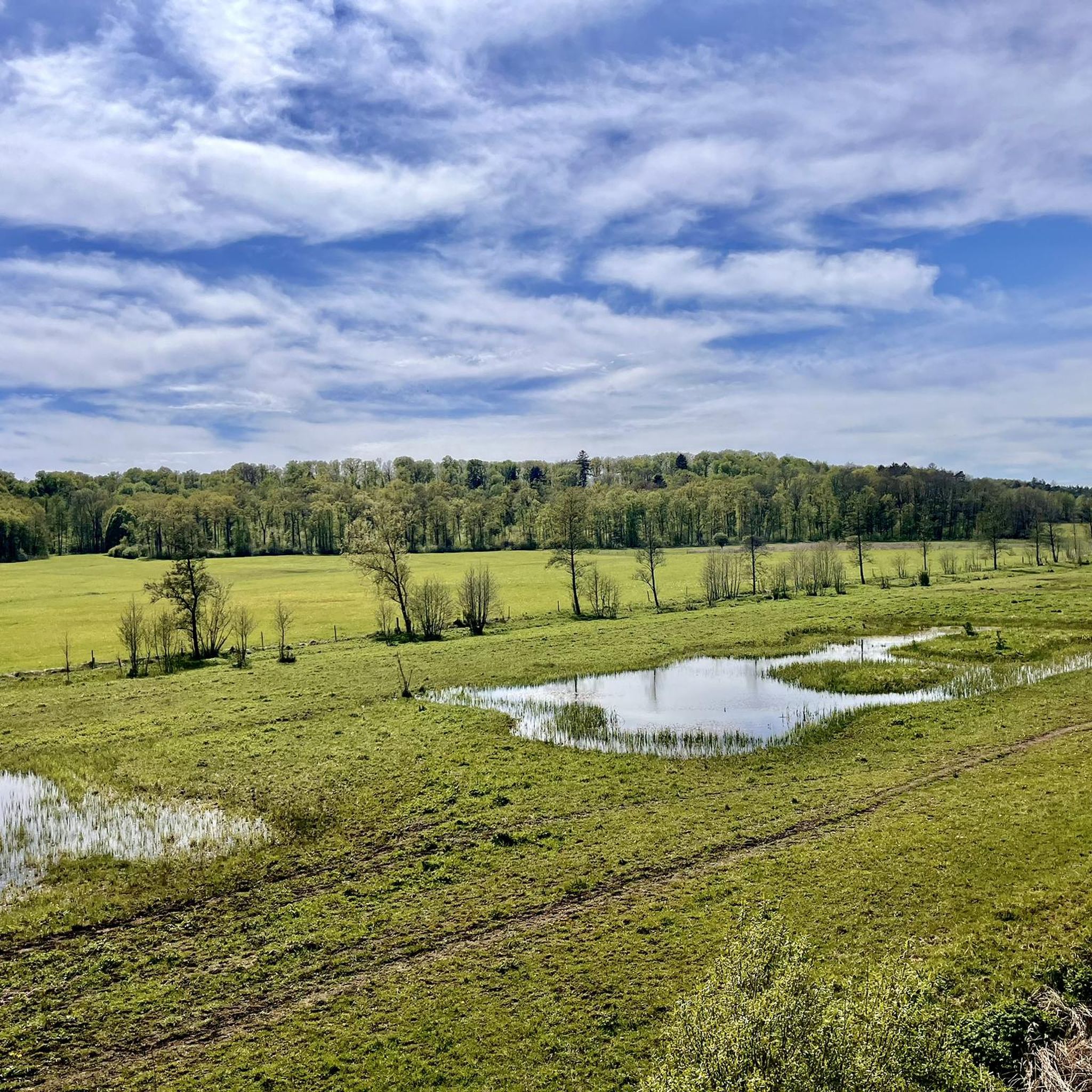
Best natural monuments around Straufhain are found in a region characterized by its diverse natural features and historical significance. The area includes the Heldburger Land, known for its volcanic origins and elevated landscapes. It is part of the larger Green Belt, a designated National Nature Monument that serves as an ecological corridor. This landscape offers a variety of natural monuments, from geological formations to biodiverse habitats.
Best natural monuments around Straufhain
- The most popular natural monuments is Straufhain Castle Ruins…
Last updated: July 8, 2026
Heldburg Fortress
Highlight • Castle
Translated by Google •
Tip by

Summit of Großer Gleichberg
Highlight • Summit
Translated by Google •
Tip by

Sign up now to discover places like this
Get recommendations on the best single tracks, peaks, & plenty of other exciting outdoor places.
Sign up for free
Translated by Google •
Tip by
Straufhain Castle Ruins
Highlight • Castle
Translated by Google •
Tip by
Delphin Spring (Wiesenbrünnle)
Highlight • Natural Monument
Translated by Google •
Tip by
Sign up for free to discover even more natural monuments around Straufhain.
Sign up for free
Already have an account?
Start today with a free account
Your next adventure awaits.
Login or Signup

Tips from the Community

A very nice place to rest.
4
0

The Dolphin Fountain (also known as the Meadow Fountain) on the Kleiner Gleichberg near Römhild is a historic, restored spring located on the western slope near the Celtic hillfort. It was inaugurated around 1903, renovated in 2013, and is a popular rest stop along the mountain's hiking trails. It lies on the western slope of the 641-meter-high Kleiner Gleichberg, below the hillfort. The fountain was restored and rebuilt after a long period of disrepair. It is considered a gem by nature lovers. It is the source of the Wiesleinbach stream. Celtic settlement remains and dry stone walls are located nearby. The fountain exemplifies the dedication of the Friends of Steinsburg Association to the upkeep of the site.
6
0
Fountain with seating, pure nature.
16
0
The first sandstone spring casing from the 1940s was redesigned in 1973 and acquired its current representative appearance in 1985. A bronze plaque by Erich Husemann from Trappstadt has commemorated the importance of the Franconian Saale since 1987. The spring stream flows southwest through Alsleben, where it joins the Fleusengraben, and joins the left source stream north of Bad Königshofen-Untereßfeld. Source: https://de.m.wikipedia.org/wiki/Fr%C3%A4nkische_Saale
13
0
The Franconian Saale originates in the Grabfeld near the Haßberge Mountains, east and southeast of Bad Königshofen, respectively, from two roughly equal, 3.9 km long source streams: Its right and northern source streams originate from the Saalbrunnen (not to be confused with the Saalbrunnen, also located in Franconia), approximately 1.7 kilometers east of Alsleben, a district of Trappstadt. The spring is located in an open field, less than 500 meters from the Thuringian border, just off the NES 45 district road, which leads to Gompertshausen. The young Franconian Saale rises there at 313 meters above sea level, below the Kapellenberg (390 meters above sea level). Source: https://de.m.wikipedia.org/wiki/Fr%C3%A4nkische_Saale
13
0
On the path leading up to Heldburg Fortress in Thuringia, you'll eventually come across a linden tree split in two. A sign is attached to the hollow of this tree, and I'd like to tell you about it now: "Castle Linden of Heldburg Fortress – Large-leaved Summer Linden. Wanderer, pause! Read my story here: In 1791, I was planted by the then Ducal Court Secretary, Johann Daniel Bechmann (1768-1826), from Heldburg. That's why I was also called the Bechmann Linden. Around 1960, lightning destroyed my beautiful crown and split the trunk. Duke George II of Saxe-Meiningen (1826-1914) and his wife, Baroness von Heldburg (1839-1923), often lingered in the shade of its spreading branches when they resided here at the fortress during the summer months." Source: https://menosgada.wordpress.com/2013/02/07/die-schlosslinde-der-veste-heldburg/
10
0

The northern source of the Franconian Saale rises here. The spring is beautifully framed and there is a nice place to sit there.
13
2

The dolphin fountain was created and artistically designed by the Thuringian Forest Association Römhild in 1903. Largely destroyed in the early 1970s, the current facility was built 10 years later and was last fundamentally renovated in 2013.
1
0
Frequently Asked Questions
What are the most prominent natural features to explore in the Straufhain region?
The Straufhain region is characterized by its unique geology and diverse ecosystems. Key features include Straufhain Hill itself, a volcanic formation of basalt that offers expansive views. Another significant area is the Hutelandschaft "Rodachtalaue," known for its rich biodiversity, including Heck cattle and Konik horses, and as a breeding ground for various bird species. Additionally, the region is part of the Green Belt, a National Nature Monument that preserves a unique ecological corridor along the former inner-German border.
Are there historical sites among the natural monuments around Straufhain?
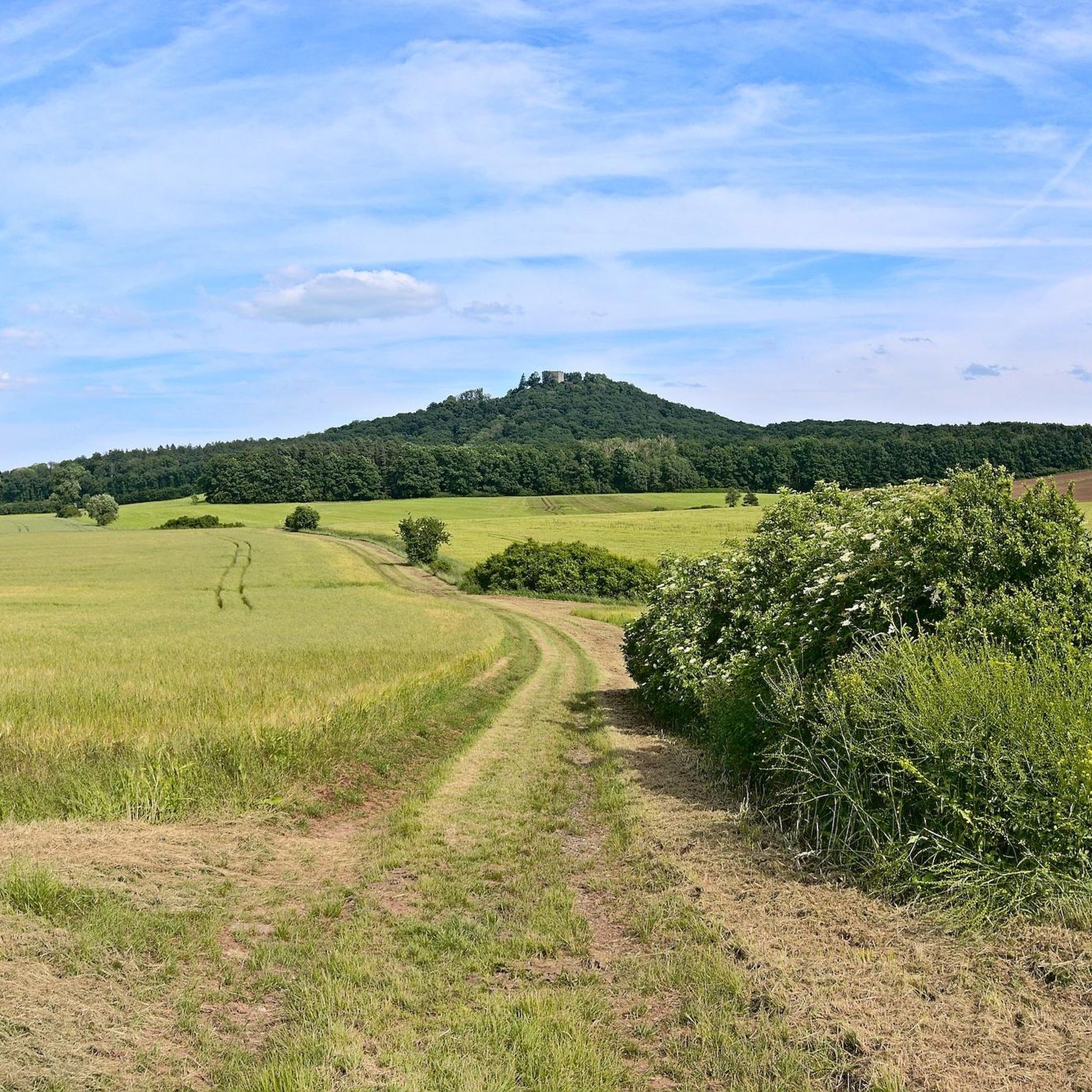
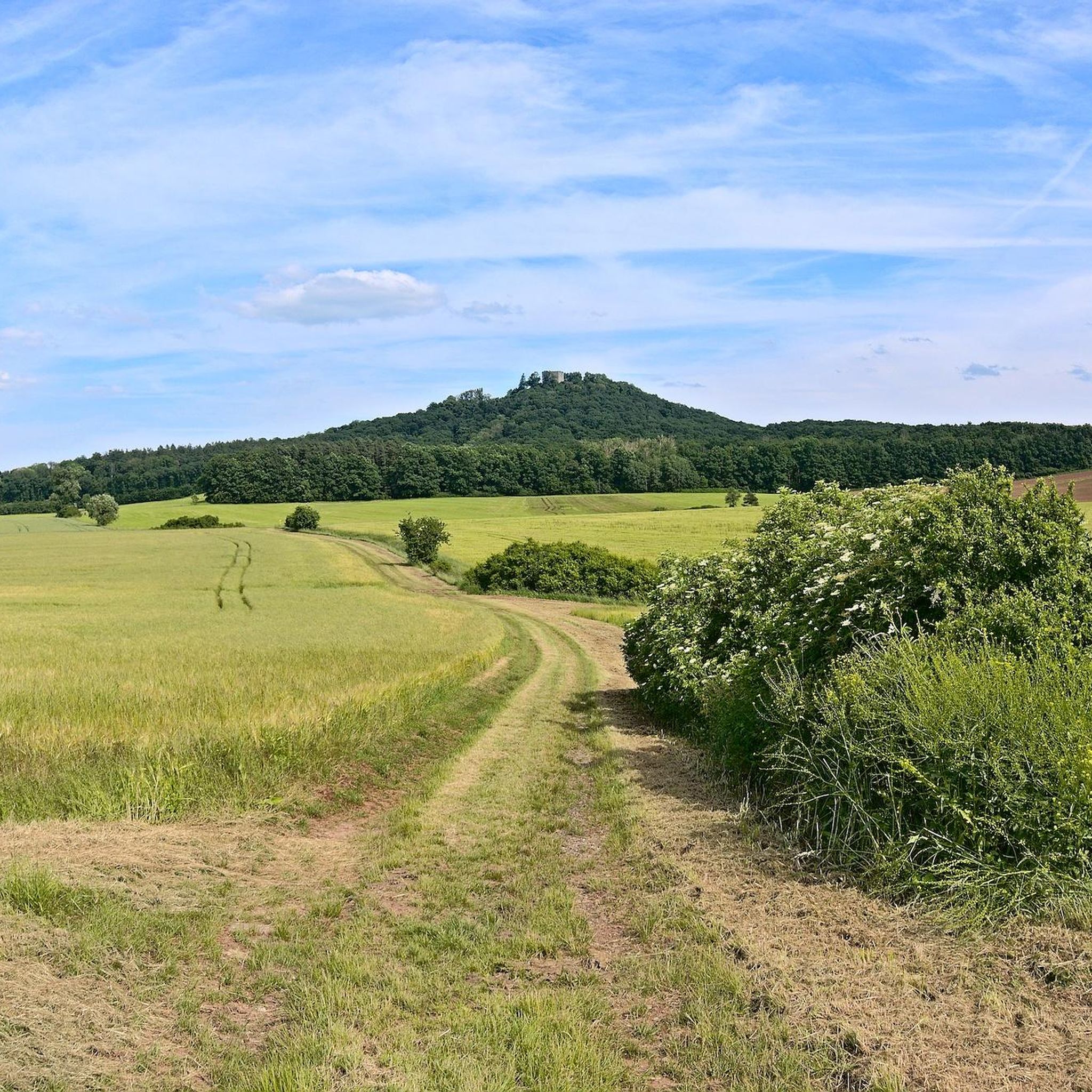
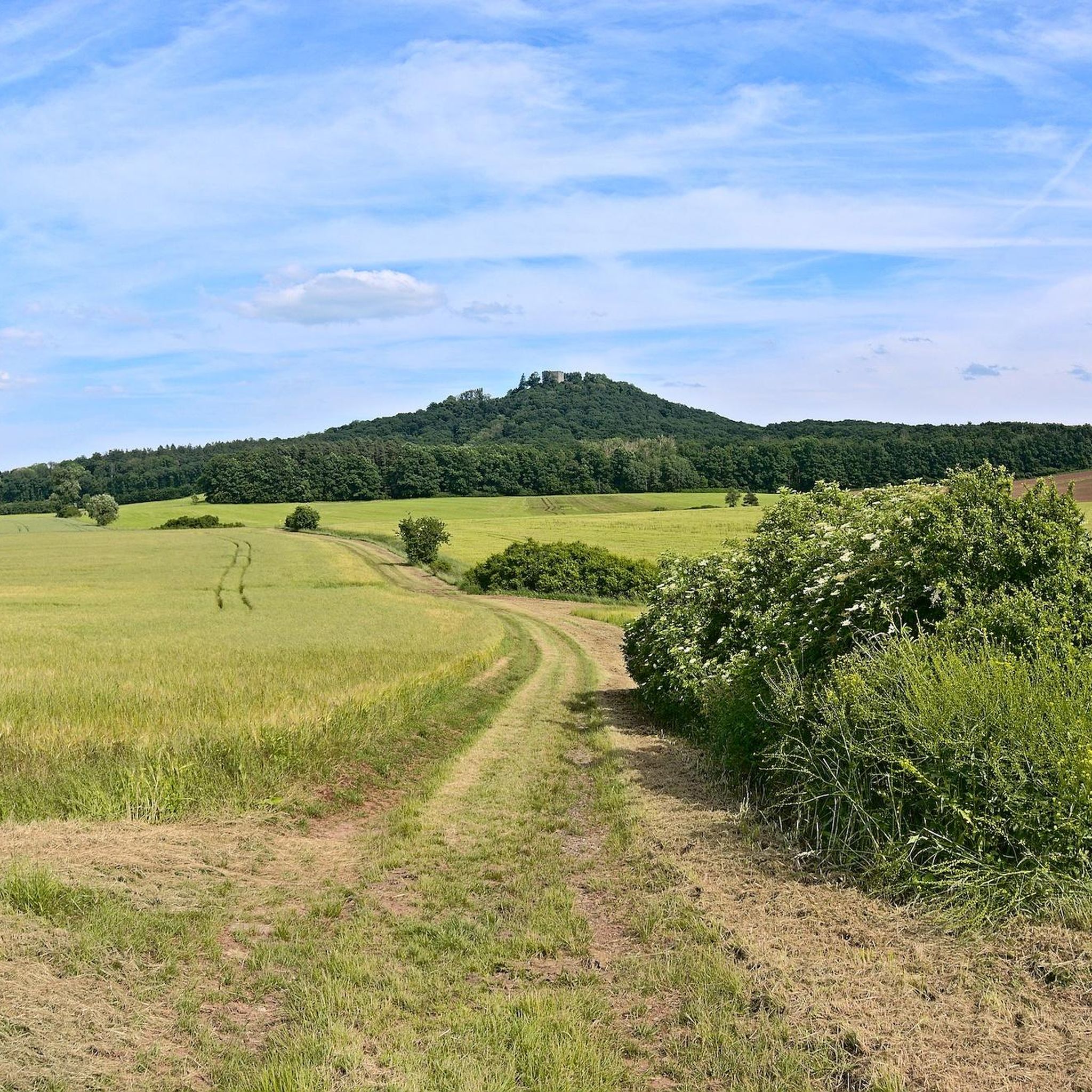
Yes, several natural monuments in the Straufhain area also boast significant historical elements. For instance, Straufhain Castle Ruins stand on a geologically interesting volcanic hill and offer historical insights alongside panoramic views. Similarly, Heldburg Fortress, while a castle, is often considered a natural monument due to its commanding position and views, housing the German Castle Museum. The Summit of Großer Gleichberg is also a natural monument with historical significance, featuring Celtic settlement remains nearby.
What outdoor activities can I do near these natural monuments?
The natural monuments around Straufhain are excellent starting points for various outdoor activities. You can enjoy hiking, with options ranging from moderate to easy trails. For example, there are several hiking routes around Straufhain Hut and the Castle Ruins, offering views of the Gleichberge. If you prefer cycling, there are also cycling routes that take you through the scenic landscape, including loops around Bad Rodach and the Gleichamberg area.
Are there family-friendly natural monuments around Straufhain?
Absolutely. Several natural monuments are well-suited for families. The Source of the Franconian Saale (Alsleben) offers a rest area and information board, making it an accessible and educational stop. The Delphin Spring (Wiesenbrünnle) on the Kleiner Gleichberg is another family-friendly spot, featuring a historic, restored spring with seating in a shady forest setting, perfect for a break during a walk.
Where can I find the best viewpoints in the Straufhain region?
For breathtaking vistas, Straufhain Castle Ruins provide expansive views stretching from the Thuringian Slate Mountains over the Thuringian Forest to the Hohe Rhön. Heldburg Fortress also offers panoramic views of the surrounding regions. The Summit of Großer Gleichberg is another excellent viewpoint, allowing you to look towards Franconia or Kleiner Gleichberg.
What is the significance of the Green Belt in the Straufhain area?
The Green Belt in the Straufhain area is part of a larger National Nature Monument that traces the former inner-German border. It's immensely important both ecologically and historically. During Germany's division, this area developed largely undisturbed, creating an exceptional network of habitats. It now serves as a haven for over 600 endangered species and features diverse landscapes like wetlands, grasslands, and forests, making it a living monument to nature's resilience and German reunification.
What kind of wildlife can I expect to see in the natural monuments around Straufhain?
The region's diverse habitats support a variety of wildlife. In the Hutelandschaft "Rodachtalaue," you can observe Heck cattle and Konik horses grazing year-round, which helps maintain the unique habitat. This area is also a significant breeding ground for numerous bird species. The broader Green Belt is known for being a haven for over 600 endangered species, so keen observers might spot a wide array of birds, insects, and other small animals.
Are there easy hiking trails suitable for beginners or casual walkers near Straufhain's natural monuments?
Yes, there are several easy hiking options. You can find a selection of easy hikes around Straufhain, such as the Stressenhausen loop or the route around the Observation Tower and Bochbrünnle Historic Spring. These trails are generally less strenuous and allow for a relaxed exploration of the natural beauty without significant difficulty.
What do visitors enjoy most about the natural monuments around Straufhain?
Visitors particularly appreciate the combination of stunning panoramic views and historical significance. The geological uniqueness of sites like Straufhain Castle Ruins, standing on a volcano, is a highlight. The peaceful, natural settings, such as the shady rest area at Delphin Spring, are also highly valued for relaxation. The opportunity to explore diverse landscapes, from volcanic hills to biodiverse meadows, receives positive feedback from the komoot community.
Are there any notable springs or water features in the area?
Yes, the region features significant water sources. The Source of the Franconian Saale (Alsleben) is a notable natural monument, marking the beginning of a long journey for the river. Additionally, the Delphin Spring (Wiesenbrünnle) on the Kleiner Gleichberg is a historic, restored spring that serves as the source of the Wiesleinbach stream and is a popular resting spot.
When is the best time to visit the natural monuments around Straufhain?
The natural monuments around Straufhain are enjoyable throughout the year. Spring and autumn offer pleasant temperatures for hiking and vibrant natural colors. Summer is ideal for longer outdoor activities, though some areas might be busier. Even in winter, a visit to places like Straufhain Castle Ruins can be worthwhile, offering a unique, serene experience, especially with the protection of the hut available there.
Most popular routes around Straufhain
Most popular attractions around Straufhain

Get inspired with the komoot mobile app


Explore more
Extend your search for the best caves by checking out these guides of the top ones around Straufhain:
