Top 4 Natural Monuments around Gülitz-Reetz
Best natural monuments around Gülitz-Reetz offer a blend of natural beauty and historical significance within the Prignitz district. The region is characterized by the Stepenitz River, which features extensive near-to-nature sections and supports diverse aquatic life. Surrounding forests and lakes provide opportunities for outdoor activities. Gülitz-Reetz serves as a starting point for exploring these natural features.
Best natural monuments around Gülitz-Reetz
- The most popular natural monuments is King's Grave of Seddin, a historical site that is considered one of…
Last updated: July 8, 2026
King's Grave of Seddin
Highlight • Historical Site
The finds …
Translated by Google •
Tip by

Royal Tomb of Seddin
Highlight • Historical Site
Translated by Google •
Tip by
Sign up now to discover places like this
Get recommendations on the best single tracks, peaks, & plenty of other exciting outdoor places.
Sign up for free
Rohlsdorf Church
Highlight • Religious Site
Translated by Google •
Tip by

Protection forest "Naturwald Kreuzbach"
Highlight • Forest
Translated by Google •
Tip by

Start today with a free account
Your next adventure awaits.
Login or Signup
Tips from the Community

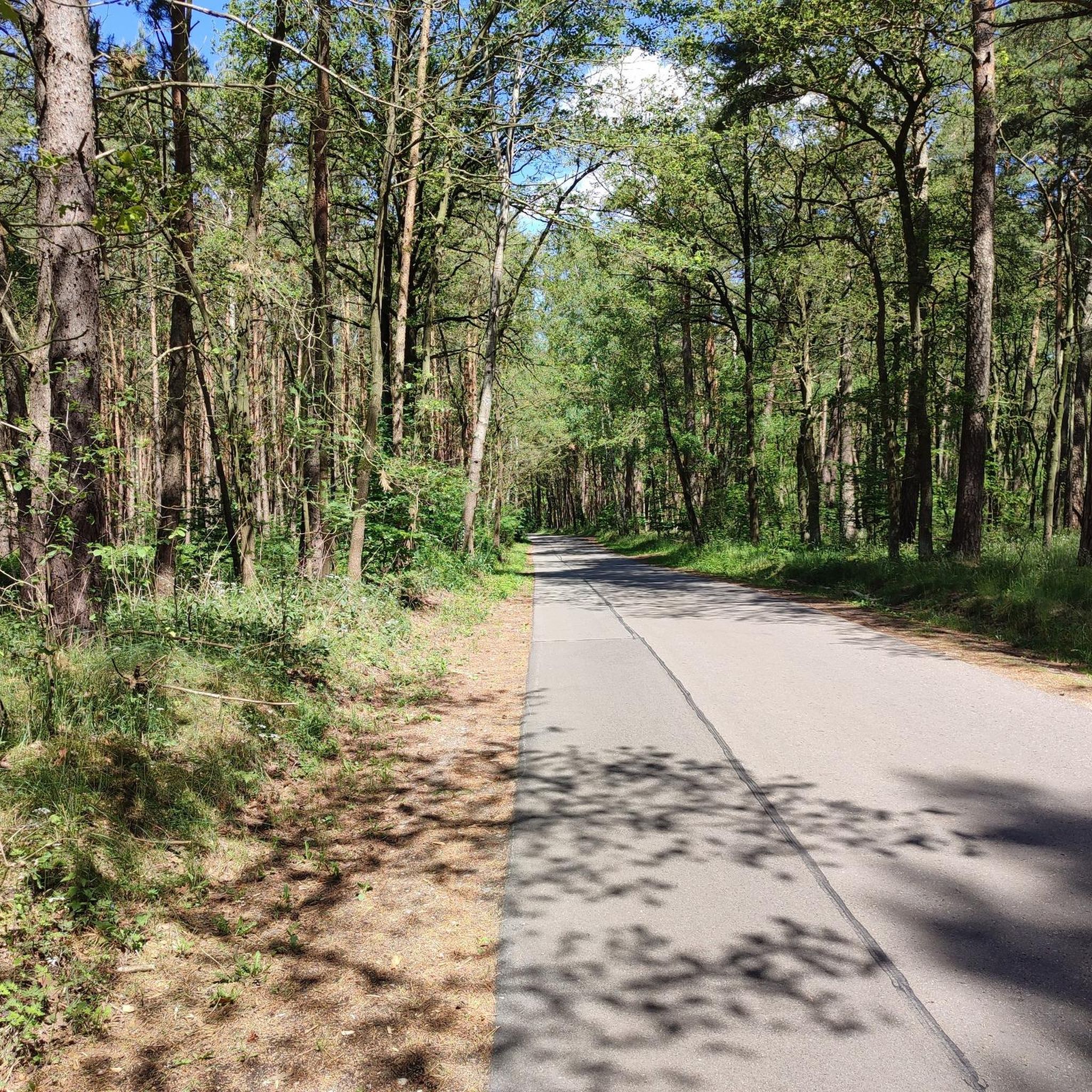
The 23-hectare protected forest serves to preserve and develop a groundwater-influenced pedunculate oak-hornbeam forest with holly, as well as stands of alder and ash, while simultaneously safeguarding the water balance and habitats of endangered plant species. As a particularly valuable remnant of such a mixed deciduous forest in the sparsely wooded Prignitz region, it is being scientifically monitored long-term and without direct human intervention to study forest development, soil, flora, fauna, and natural self-organization processes. At the same time, the area functions as a forestry demonstration plot, conserves forest genetic resources, and contributes to the long-term preservation of biodiversity in self-regulating communities.
1
0

A truly interesting and legendary place! So, this is where King Hinz from the legend rests! In November 2023, the Royal Hall of Seddin was discovered nearby, the largest of its kind in Northern Europe to date. The building measured 10 meters wide and 31 meters long and likely served as a meeting place. In October 2024, further archaeological discoveries were made, including the remains of a densely built Bronze Age settlement. These finds confirm the importance of the Seddin region as a center of Bronze Age culture and trade.
0
0

The "King's Grave" is considered the most important burial site of the 9th century BC in northern Central Europe. Its enormous size, the special construction of the burial mound, the large stone burial chamber with clay plaster and painting, together with the rich grave furnishings, reflect the existence of a Late Bronze Age elite in the Prignitz.
3
0

There isn't much to see here other than a large hill.
0
0
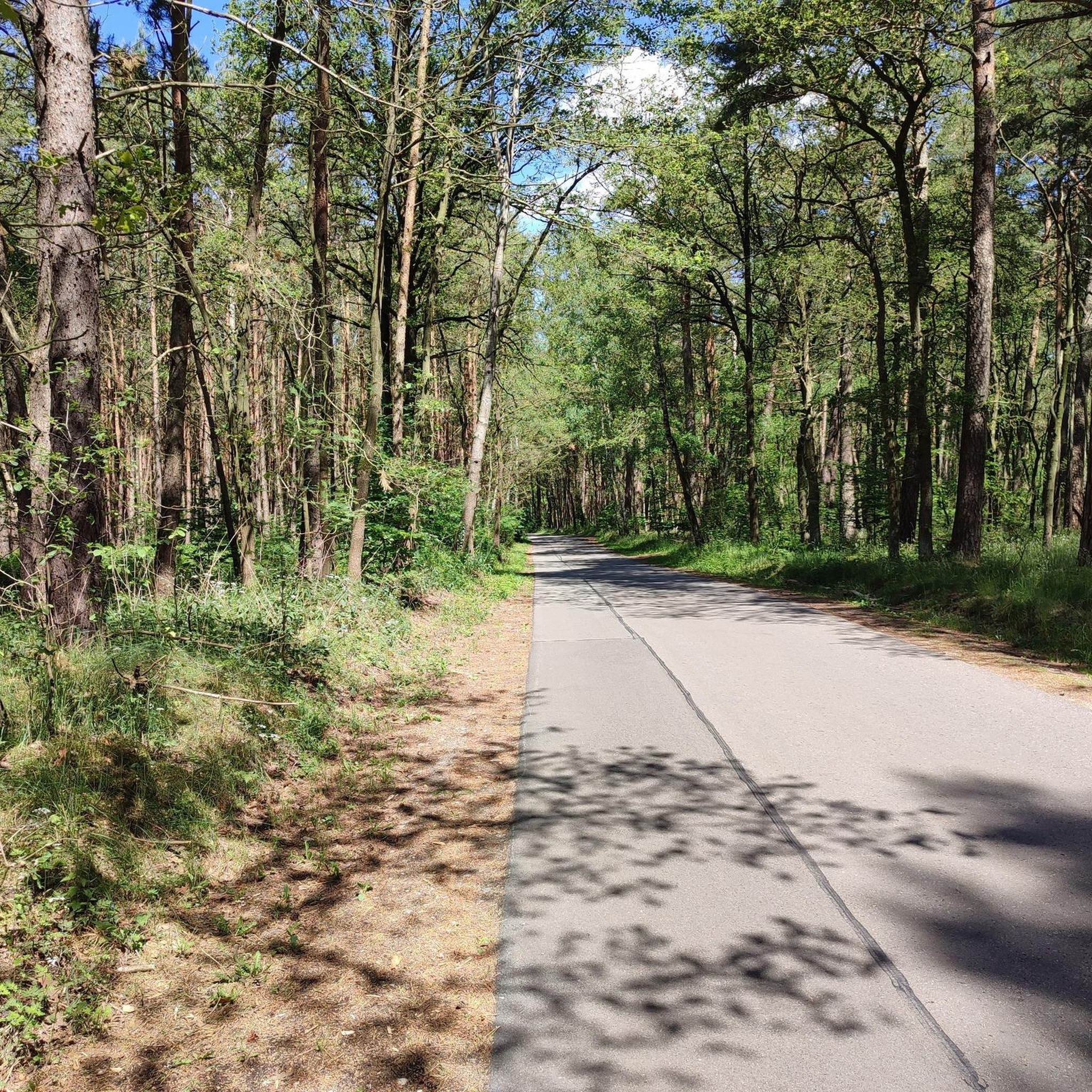
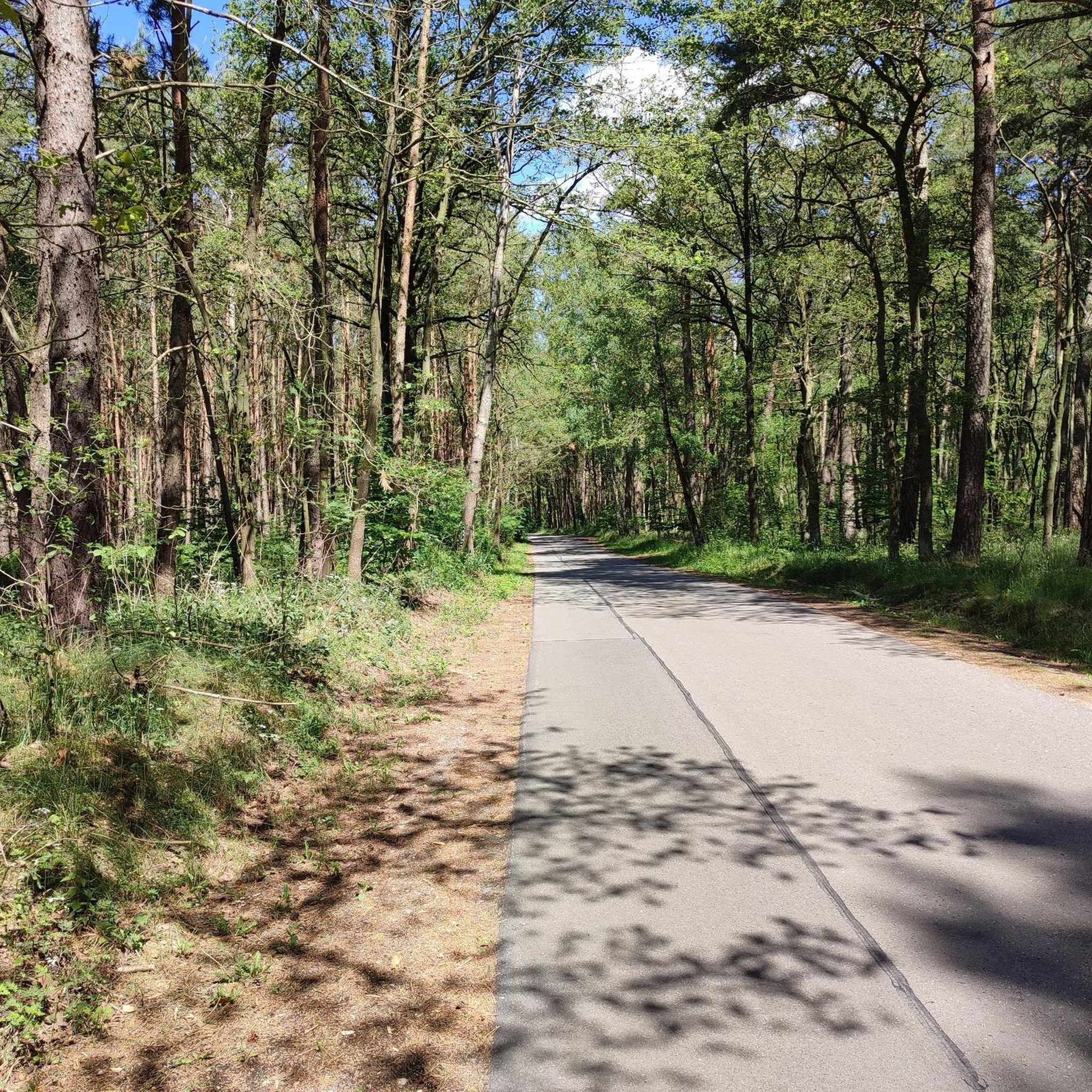
But the way there isn't exactly the best.
0
0
Neo-Gothic brick building with fieldstone base, rebuilt after the fire in the previous half-timbered building in 1880 according to plans by master builder C. Achtel from Perleberg. Three-sided east end and square west tower with portal, the edges with worked fieldstone blocks, the eaves with dentil frieze. Repair of the tower roof in 1996/97, replacing the original copper slate covering.
0
0

Worth seeing detour to the royal tomb near Seddin, more like a burial mound from the Bronze Age. More information: https://de.wikipedia.org/wiki/K%C3%B6nigsgrab_von_Seddin
1
0

The so-called royal tomb of Seddin is a burial mound 63.8 m in diameter and 10 m high from the more recent Bronze Age around 800 BC. BC The finds came to the Märkisches Museum Berlin in 1899. The surviving originals, supplemented by copies, can be seen in the permanent exhibition again since 2002. Replicas of the find complex can be seen in the Perleberg City and Regional Museum, the Prignitz Museum in Havelberg and the Brandenburg Archaeological Museum in the Paulikloster.
7
0
Frequently Asked Questions
What are the most notable natural monuments to visit around Gülitz-Reetz?
The region around Gülitz-Reetz features several significant sites. Among them are the King's Grave of Seddin, an important Late Bronze Age burial mound, and the Royal Tomb of Seddin, another significant historical site. You can also explore the Rohlsdorf Church, a historical religious building, and the Protection forest "Naturwald Kreuzbach", a valuable mixed deciduous forest.
Are there any truly natural, ancient trees designated as natural monuments in the area?
Yes, Gülitz is home to a historic Field Elm (Ulmus carpinifolia) located north of the church square. This particular tree is recognized as the oldest and most powerful elm in the district, standing as a testament to the region's natural heritage.
What kind of natural features can I expect to see in the Gülitz-Reetz region?
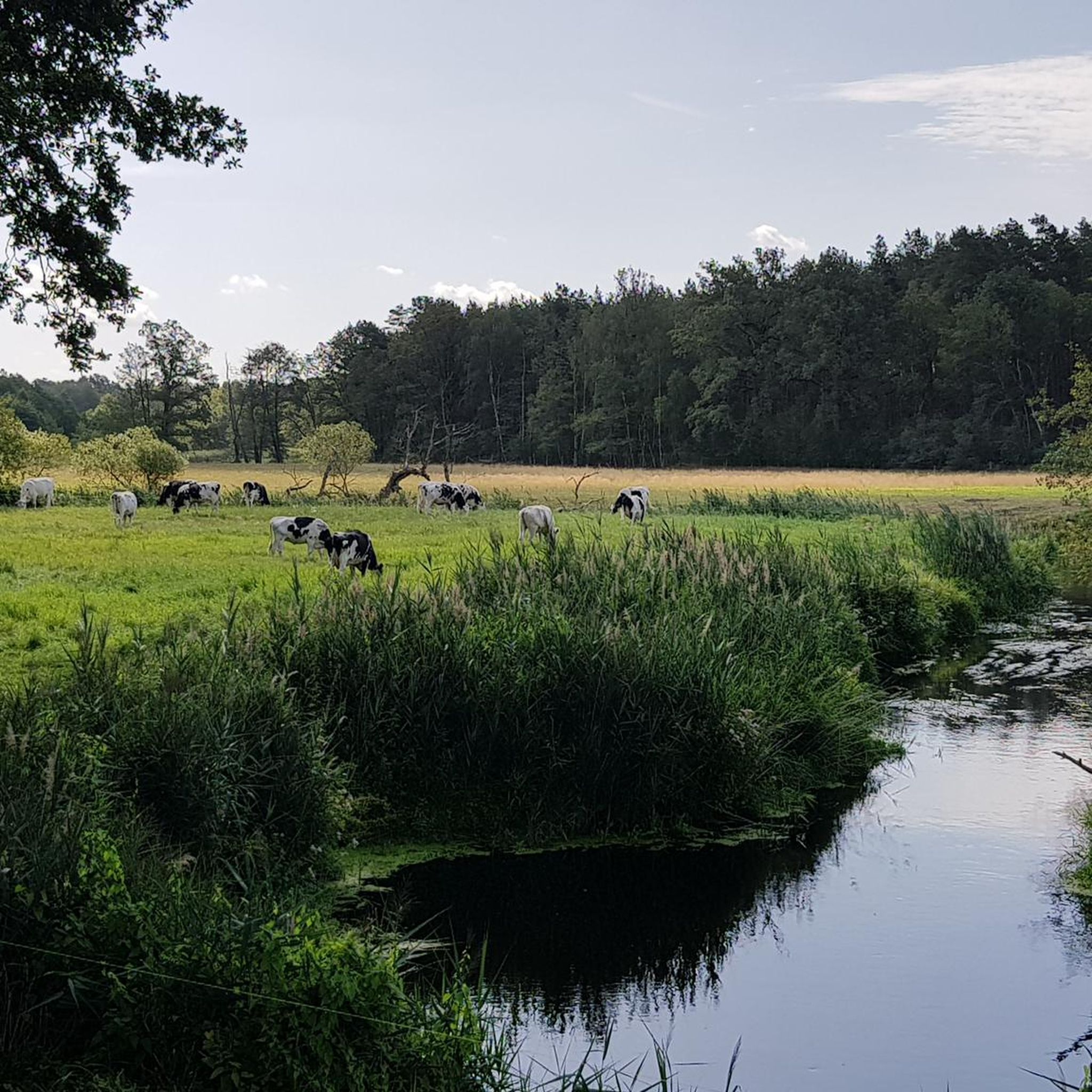
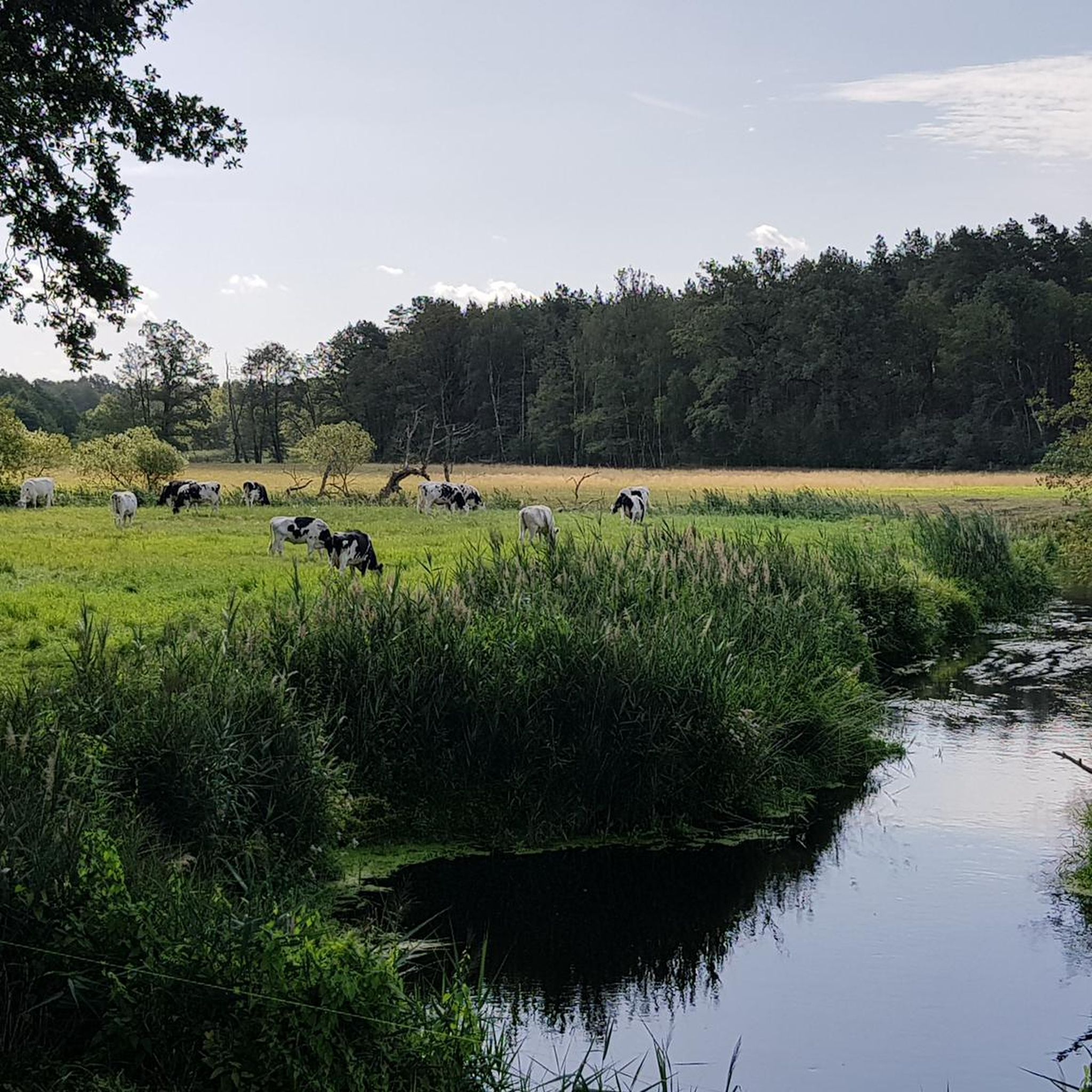
Beyond the specific monuments, the region is characterized by the ecologically important Stepenitz River, which supports diverse aquatic life. You'll also find picturesque forests and lakes, offering tranquil environments for various outdoor activities.
What outdoor activities can I do near the natural monuments?
The area is ideal for cycling, hiking, and running. The Stepenitz River features an approximately 70 km long bicycle route called the 'Gänsetour.' For more options, you can explore cycling routes around Gülitz-Reetz, easy hikes, or running trails.
Are there family-friendly natural monuments or activities in Gülitz-Reetz?
Yes, several sites are considered family-friendly, including the King's Grave of Seddin, the Rohlsdorf Church, and the Protection forest "Naturwald Kreuzbach". The surrounding forests and lakes also provide ample space for families to enjoy nature through easy walks or cycling.
What is the historical significance of the King's Grave of Seddin?
The King's Grave of Seddin is considered one of the most important grave finds in Northern Europe from the Late Bronze Age, around 800 BC. Its enormous size, unique construction, and rich grave furnishings reflect the existence of a Late Bronze Age elite in the Prignitz region.
Can I visit the Protection forest "Naturwald Kreuzbach"?
Yes, the Protection forest "Naturwald Kreuzbach" is a 23-hectare protected area dedicated to preserving a groundwater-influenced pedunculate oak-hornbeam forest. It's a place where you can observe natural forest development and biodiversity.
What makes the Stepenitz River special?
The Stepenitz River is a significant natural highlight due to its extensive near-to-nature sections and ecological importance. It supports diverse fish species like brook trout and grayling, and even features rest populations of European crayfish and freshwater pearl mussels, making it a valuable habitat.
What do visitors say about the natural monuments in Gülitz-Reetz?
Visitors appreciate the blend of natural beauty and historical significance. The King's Grave of Seddin, for instance, is noted as a place to marvel at history without crowds. The overall appeal lies in the unspoiled nature and the opportunity for a relaxing escape.
Are there easy hiking trails to reach these natural monuments?
Yes, there are several easy hiking options. For example, a 4 km easy loop connects the Royal Tomb of Seddin and the King's Grave of Seddin from Wolfshagen. You can find more easy hikes in the area by checking this guide.
What is the best time of year to visit the natural monuments around Gülitz-Reetz?
The region's picturesque forests and the Stepenitz River offer beauty throughout the year. Spring and autumn are particularly pleasant for outdoor activities like hiking and cycling, with milder temperatures and vibrant foliage. Summer is also great for enjoying the lakes and river.
Most popular attractions around Gülitz-Reetz

Get inspired with the komoot mobile app


Explore more
Extend your search for the best caves by checking out these guides of the top ones around Gülitz-Reetz:
