Top 20 Natural Monuments around Rühstädt
Best natural monuments around Rühstädt are primarily found within the UNESCO Elbe River Landscape Biosphere Reserve. This region is characterized by its expansive floodplains, alluvial forests, and diverse wet habitats, which are crucial for local biodiversity. Rühstädt is also notable for its significant white stork colony, with over 30 pairs nesting annually. The landscape offers opportunities to observe riverine ecosystems and various natural features.
Best natural monuments around Rühstädt
- The most popular natural monuments is Confluence of the Gnevsdorfer Vorfluter…
Last updated: July 8, 2026
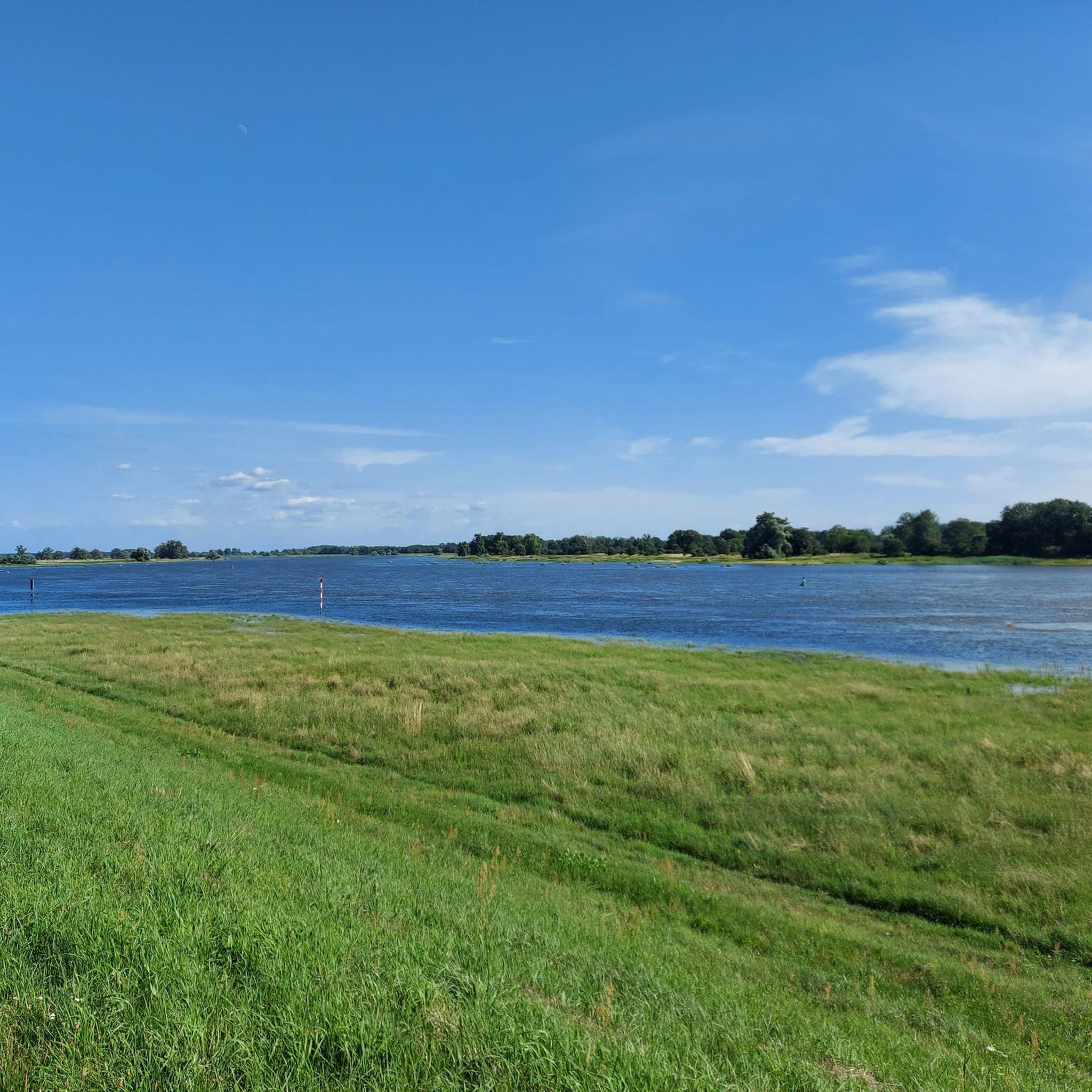
Confluence of the Gnevsdorfer Vorfluter and the Elbe
Highlight • River
Translated by Google •
Tip by

Stork Village Rühstädt
Highlight • Settlement
The place is beautifully decorated and offers several options for a good stop.
Translated by Google •
Tip by

Sign up now to discover places like this
Get recommendations on the best single tracks, peaks, & plenty of other exciting outdoor places.
Sign up for free
Cycle Path between the Elbe and the Havel
Highlight (Segment) • Cycleway
Translated by Google •
Tip by

Gradierwerk Bad Wilsnack
Highlight • Monument
Translated by Google •
Tip by

Bridge Over the Karthane
Highlight • Bridge
Translated by Google •
Tip by

Sign up for free to discover even more natural monuments around Rühstädt.
Sign up for free
Already have an account?
Start today with a free account
Your next adventure awaits.
Login or Signup
Popular around Rühstädt
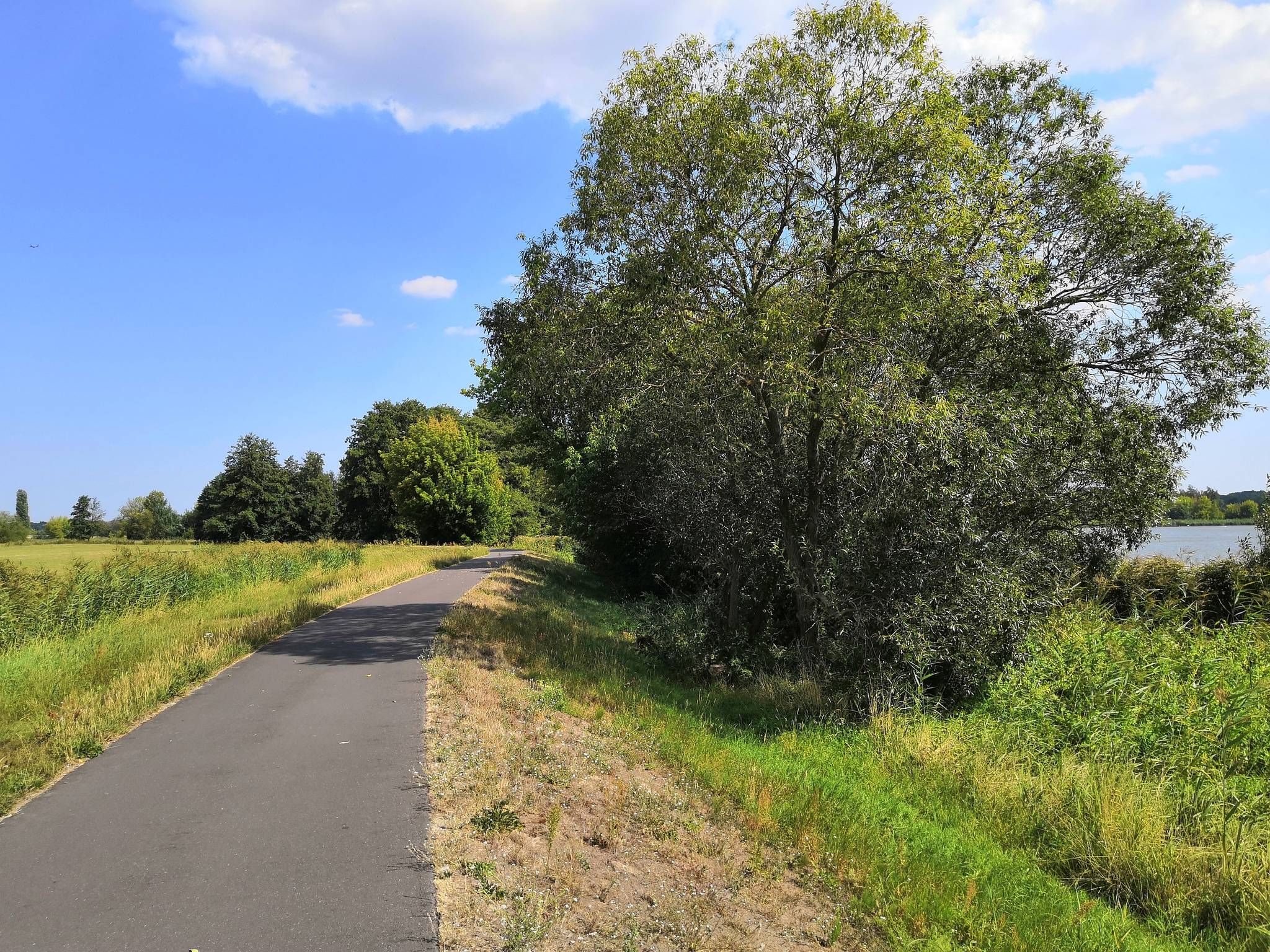
The Havel Cycle Path – in 6 stages from its source to its mouth
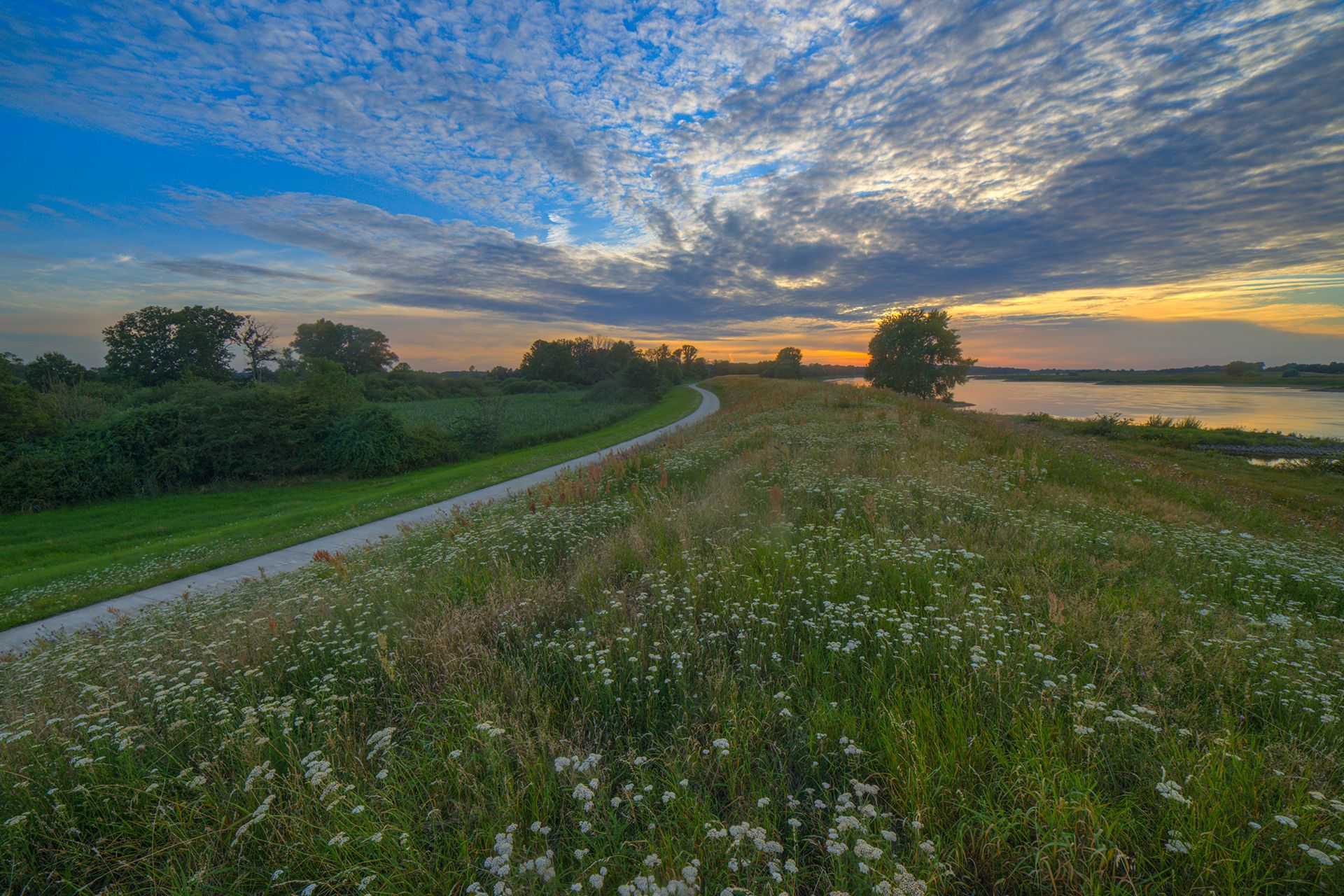
D-Route 10: Elbe Cycle Route
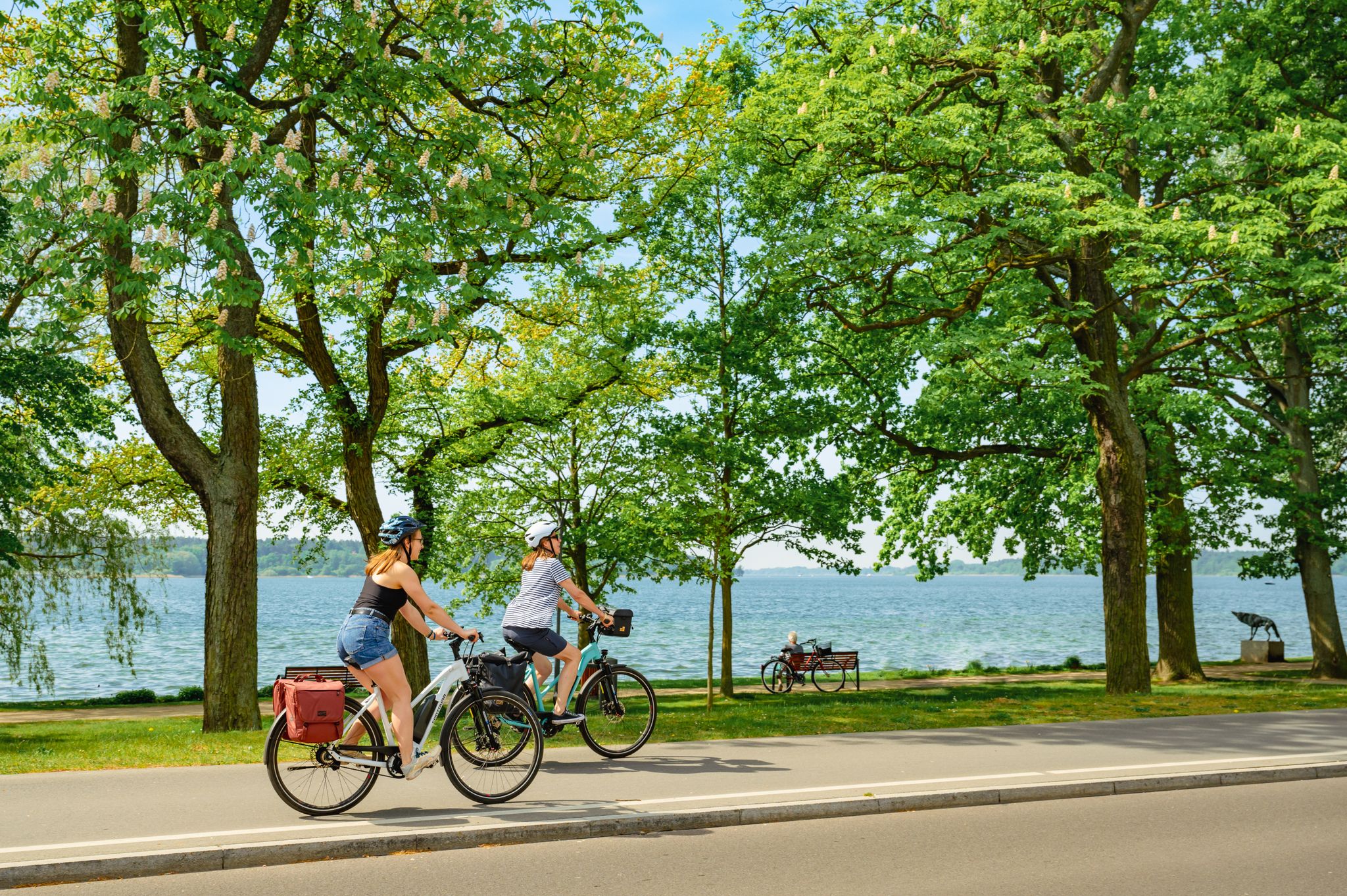
Elbe-Müritz Rundweg: Radeln zwischen Fluss und Seenparadies
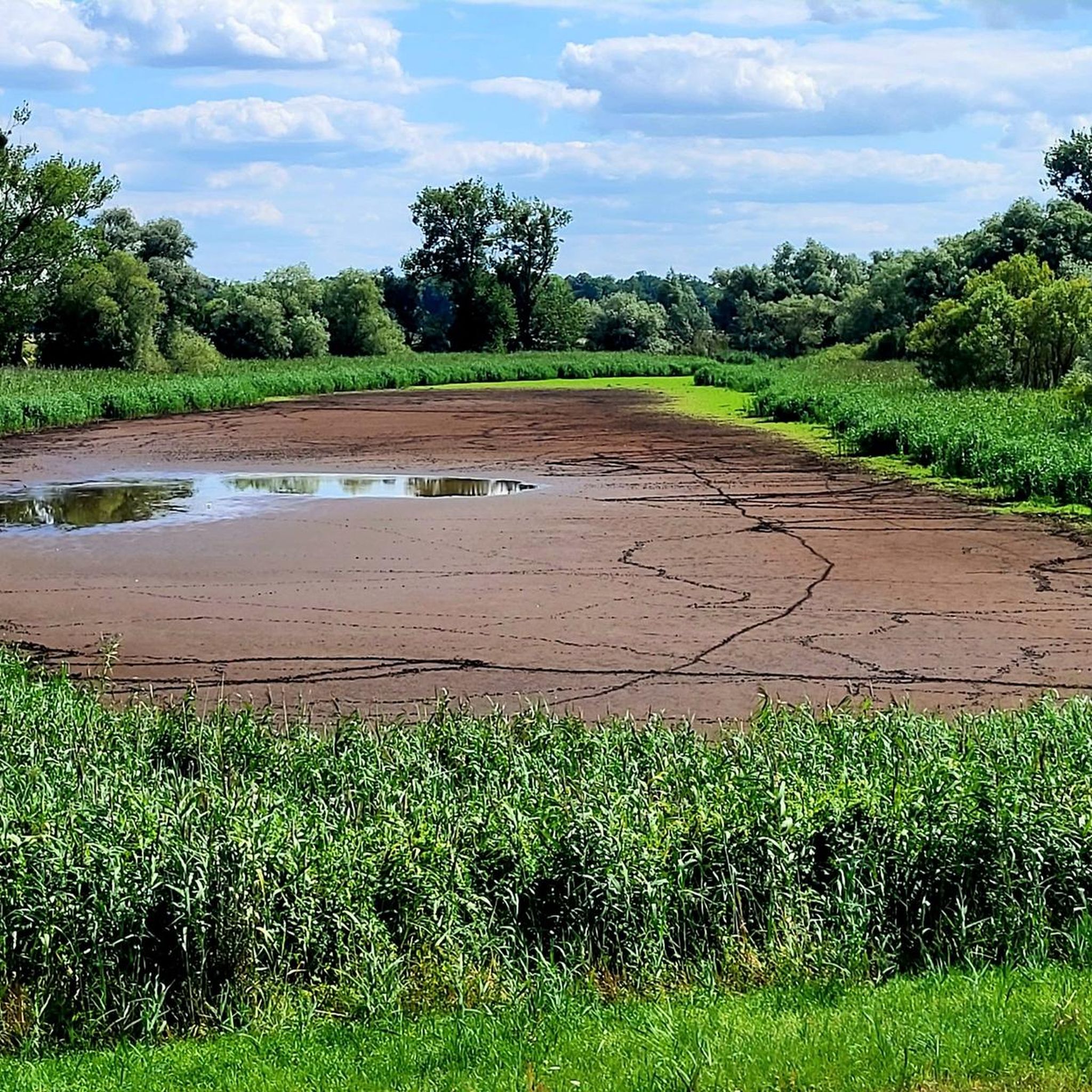
Hiking around Rühstädt
Cycling around Rühstädt
Road Cycling Routes around Rühstädt
Running Trails around Rühstädt
MTB Trails around Rühstädt
Gravel biking around Rühstädt


Tips from the Community

The graduation tower in Bad Wilsnack was built as part of the town's modern spa development following the discovery of a thermal brine deposit in the 1990s. The Kristall Spa and Graduation Tower was constructed based on this discovery. The graduation tower was also built as a complementary spa facility and the first of its kind in the state of Brandenburg. It utilizes the natural brine, which trickles down wooden walls filled with brushwood. The evaporation creates a saline microclimate, which is particularly beneficial for respiratory health. The site is open to the public.
0
0

The graduation tower is operated on behalf of the city by the Kristall Kur- und Gradier-Therme. The graduation facility in Bad Wilsnack is the first in the state of Brandenburg. It has a total length of 55 meters and a height of 6 meters. A walkway with seating leads around the graduation tower and allows you to breathe in the pure, salty and healthy air directly and consciously.
1
0

Bad Wilsnack water tower
0
0
The Gnevsdorf drainage canal is an approximately eleven-kilometer-long, artificially constructed canal between the Havel and Elbe rivers, serving as an additional outlet into the Elbe. Its design aimed to shift the Elbe's backwater level downstream to a lower level, thus effectively relieving pressure on the Lower Havel during floods. Simultaneously, the canal improves the flow of Havel water to the Elbe, which has a steeper gradient. The Gnevsdorf drainage canal is part of a comprehensive flood control system that also includes several weirs and the Havelberg lock. A fantastic route along the Elbe Cycle Path, a relaxed tour with no significant difficulties. The scenery is beautiful, always by the water, pure nature. The old farmhouses are charming, and the route is very varied.
8
1
It looks quite interesting when storks become such close neighbors. The clattering could also be funny. Nice to be able to see something like that.
6
0
Not only sensible and useful, but also very nice to look at. The reflections in the water are a great photo opportunity. A short stop is worth it at this point, there are also many birds here, such as: B. Cranes can be observed in the meadows and on the Karthane.
6
0
The cycle path leads over this bridge over the Karthane, which flows through a beautiful, wide landscape in this section. Very beautiful route and great sections on this route! Great! The Karthane is a left tributary of the Stepenitz in the Prignitz district. Its length is 48 kilometers, it has tributaries such as the Cederbach and a number of smaller streams and meadow ditches. The catchment area of the Karthane covers 436.8 km². The source area of the Karthane (Kehrberger Karthane) is in the area north of Klein Woltersdorf in the municipality of Groß Pankow, near the town of Seefeld between the 128 meter high Butterberg and the 120 meter high Wahrberg. https://de.wikipedia.org/wiki/Karthane
4
0

The approx. 50 m long and 7.5 m high graduation tower is freely accessible. The finest iodine-containing, high-percentage brine evaporates over special blackthorn scion. Minerals are released & can be absorbed through the skin and respiratory tract.
8
0
Frequently Asked Questions
What are the most unique natural monuments to visit in the Rühstädt area?
Rühstädt is renowned for its natural features, especially those within the UNESCO Elbe River Landscape Biosphere Reserve. Key highlights include the Stork Village Rühstädt, famous for its large white stork colony. Another significant spot is the Confluence of the Gnevsdorfer Vorfluter and the Elbe, where the Elbe and Havel rivers meet. For a unique experience, visit the Gradierwerk Bad Wilsnack, a man-made monument utilizing thermal brine for respiratory health benefits.
What kind of wildlife can I expect to see around Rühstädt's natural monuments?
The region is a haven for wildlife, particularly birds. Rühstädt is famous for its white stork colony, with over 30 pairs nesting annually in the village. The expansive Elbe floodplains and alluvial forests within the biosphere reserve provide crucial habitats for a diverse range of species. You can observe various birds, especially from observation towers along cycle paths, and even cranes in the meadows near the Bridge Over the Karthane.
Are there family-friendly natural monuments in the Rühstädt area?
Yes, several natural monuments in Rühstädt are suitable for families. The Stork Village Rühstädt offers a captivating experience watching storks and their young. The Confluence of the Gnevsdorfer Vorfluter and the Elbe and the Cycle Path between the Elbe and the Havel are great for leisurely strolls or bike rides. The Gradierwerk Bad Wilsnack is also family-friendly, offering a unique sensory experience with its salty air.
What outdoor activities can I do near these natural monuments?
The Rühstädt area is ideal for various outdoor activities, especially cycling and hiking. You can explore the region on well-developed bike paths like the Cycle Path between the Elbe and the Havel. For hiking, there are routes like the 'Grumbkow Obelisk – Stork Village Rühstädt loop' or the 'Havel Confluence With the Elbe – Stork Village Rühstädt loop'. You can find more detailed routes for hiking, road cycling, and gravel biking around Rühstädt.
When is the best time to visit Rühstädt to see the storks?
The best time to visit Rühstädt to observe the white storks is from mid-March onwards, when they arrive after their long migration. They typically stay through the breeding season, raising their young, until late summer. The annual 'Stork Festival' in late July is a particular highlight, offering information and celebrations centered around these iconic birds.
Are there accessible natural monuments for visitors with mobility challenges?
Yes, some natural monuments in the Rühstädt area offer accessibility. The Gradierwerk Bad Wilsnack is wheelchair accessible, allowing visitors to experience its unique atmosphere. Additionally, the Bridge Over the Karthane is also noted as wheelchair accessible, providing a pleasant viewpoint over the river and surrounding landscape.
What are the Elbe floodplains and alluvial forests, and why are they significant?
The Elbe floodplains and alluvial forests are integral parts of the UNESCO Elbe River Landscape Biosphere Reserve. These areas are dynamic riverine ecosystems featuring various wet zones like marshland, wet meadows, and backwaters. They are crucial habitats for numerous species, including the storks of Rühstädt, serving as vital feeding grounds. Exploring these areas offers a glimpse into 'pure nature' and the interplay of the river with its diverse ecosystems.
Where can I learn more about the storks and the local ecosystem?
To deepen your understanding of the storks and the local ecosystem, you can visit the NABU Visitor Centre in Rühstädt. It provides exhibitions, live broadcasts of stork families, and guided tours. You can find more information about the visitor center on the Brandenburg Tourism website.
Are there any notable trees or designed natural landscapes to see?
While Rühstädt is known for its wild nature, the Gutspark Rühstädt offers a designed landscape with notable natural elements. This park, situated in the Elbe lowlands, features a variety of rare trees, including larch, beech, acacia, and impressive giant sequoias (Mammutbäume). It provides a pleasant environment for strolls amidst these diverse arboreal specimens.
What do visitors enjoy most about the natural monuments around Rühstädt?
Visitors particularly enjoy the unparalleled opportunity to observe white storks up close in the Stork Village Rühstädt. The scenic beauty of the Elbe floodplains and the well-developed cycle paths along the river are also highly praised for offering peaceful and immersive nature experiences. The unique meeting point of rivers at the Confluence of the Gnevsdorfer Vorfluter and the Elbe is also a popular spot for its natural beauty and as a hub for cycling routes.
Are there specific viewpoints to best experience the natural landscape?
Yes, several spots offer excellent views of the natural landscape. The Confluence of the Gnevsdorfer Vorfluter and the Elbe provides a great vantage point where the rivers meet. The Bridge Over the Karthane offers scenic views of the river and surrounding meadows, often with birds. Additionally, observation towers along the cycle paths in the Elbe floodplains are ideal for birdwatching and appreciating the expansive riverine ecosystem.
Can I explore the natural monuments by bike?
Absolutely. The Rühstädt area is very bike-friendly, with excellent infrastructure for cyclists. The Cycle Path between the Elbe and the Havel is a prime example, offering scenic routes on well-paved surfaces, often along the dike. Many natural monuments, including the Confluence of the Gnevsdorfer Vorfluter and the Elbe, are directly accessible via cycle paths like the Elbradweg and Havel cycle path.
Most popular routes around Rühstädt
Most popular attractions around Rühstädt

Get inspired with the komoot mobile app


Explore more
Extend your search for the best caves by checking out these guides of the top ones around Rühstädt:
