Top 20 Natural Monuments around Mühlberg/Elbe
Best natural monuments around Mühlberg/Elbe are found within a landscape shaped by the Elbe River in the Elbe-Elster district. This region features the "Elbe bei Mühlberg" Natura 2000 Fauna-Flora-Habitat area, highlighting its ecological significance. The natural landscape includes dynamic riverine ecosystems, old Elbe oxbows, and protected individual trees. These areas offer opportunities for nature observation and experiencing a largely natural river environment.
Best natural monuments around Mühlberg/Elbe
- The most popular natural monuments is Burgwall Kosilenzien, a historical site and…
Last updated: October 11, 2026
Burgwall Kosilenzien
Highlight • Historical Site
Translated by Google •
Tip by

Gohrischheide Observation Tower
Highlight • Viewpoint
Translated by Google •
Tip by

Sign up now to discover places like this
Get recommendations on the best single tracks, peaks, & plenty of other exciting outdoor places.
Stone Oak (Natural Monument, Bad Liebenwerda)
Highlight • Natural Monument
Translated by Google •
Tip by

Sand Dune at Kiebitzsee
Highlight • Natural Monument
From …
Translated by Google •
Tip by

Schweinert Bronze Age Burial Mounds
Highlight • Historical Site
Translated by Google •
Tip by

Sign up for free to discover even more natural monuments around Mühlberg/Elbe.
Already have an account?
Start today with a free account
Your next adventure awaits.
Popular around Mühlberg/Elbe
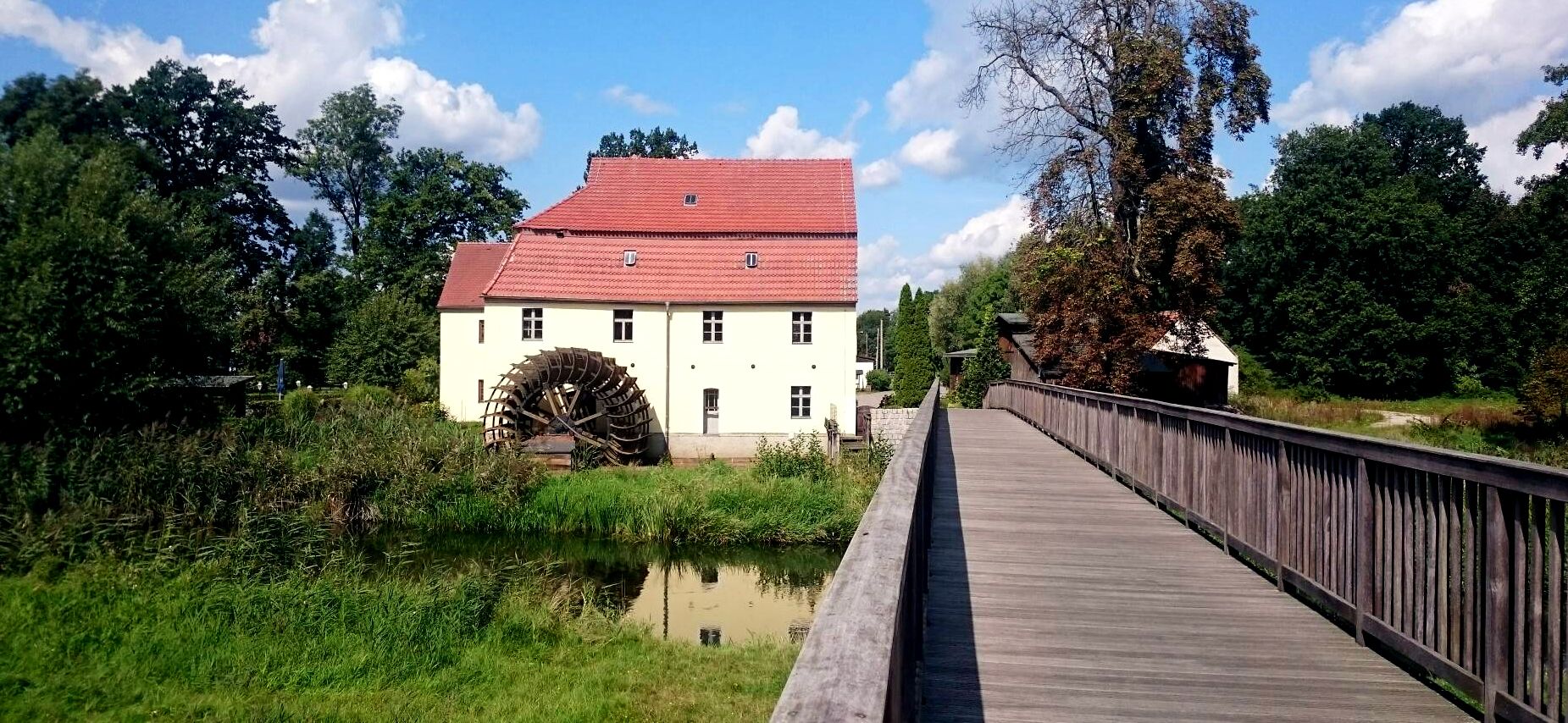
Coal, wind & water tour — in 6 stages through Elbe-Elster-Land
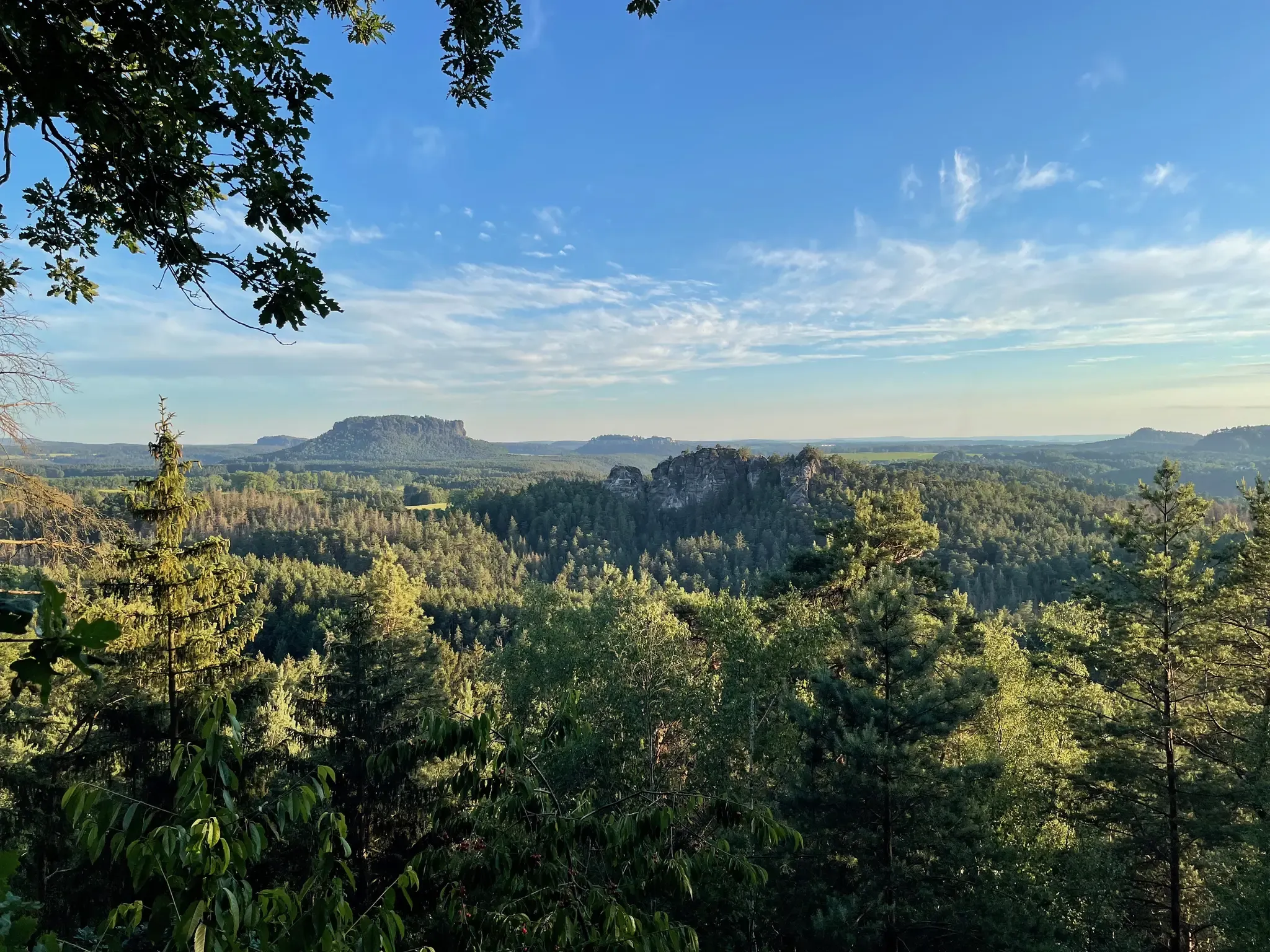
Zwei Tage raus! – Rad-Micro-Adventures in Sachsen
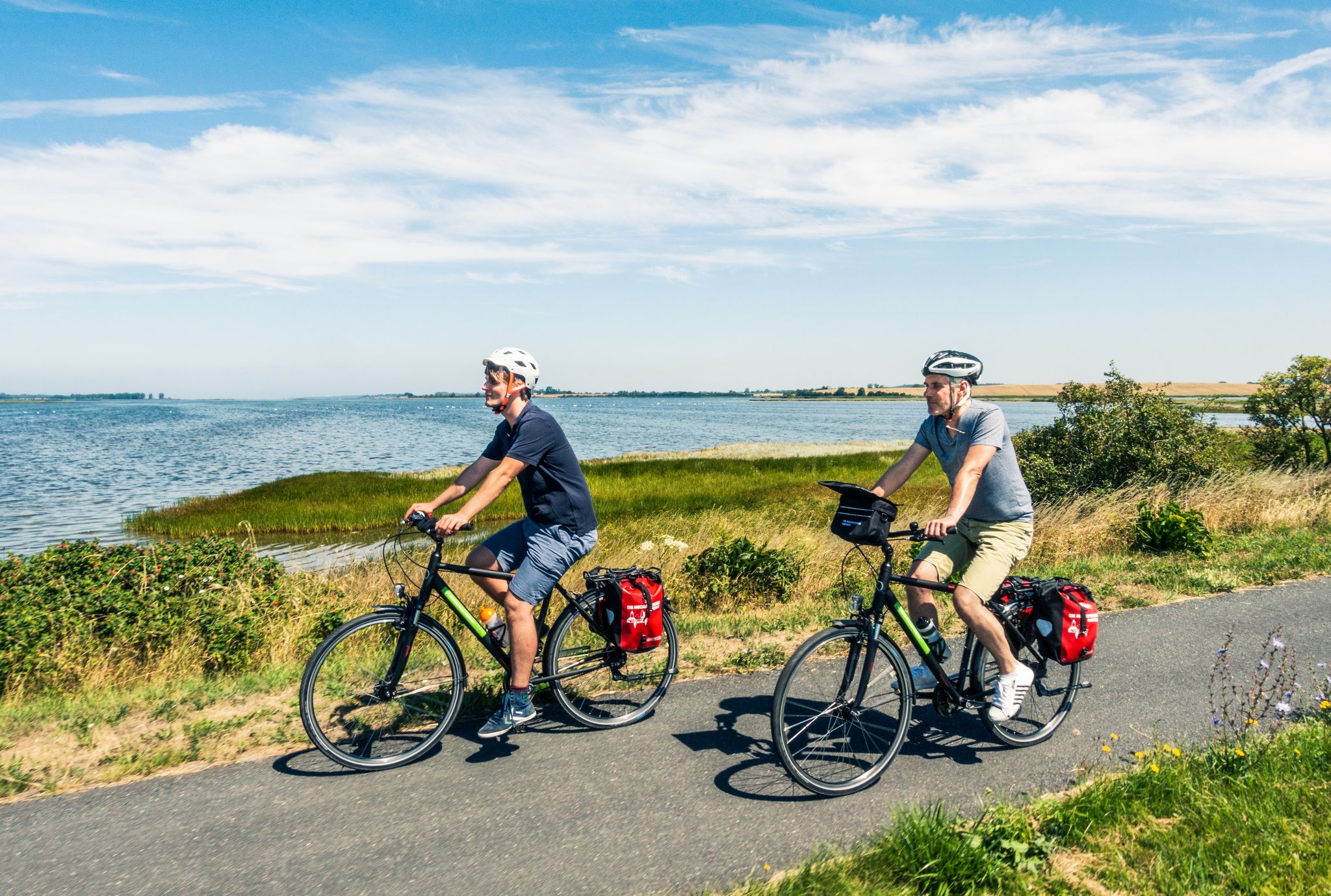
Elberadweg - Die Natur per Rad erleben
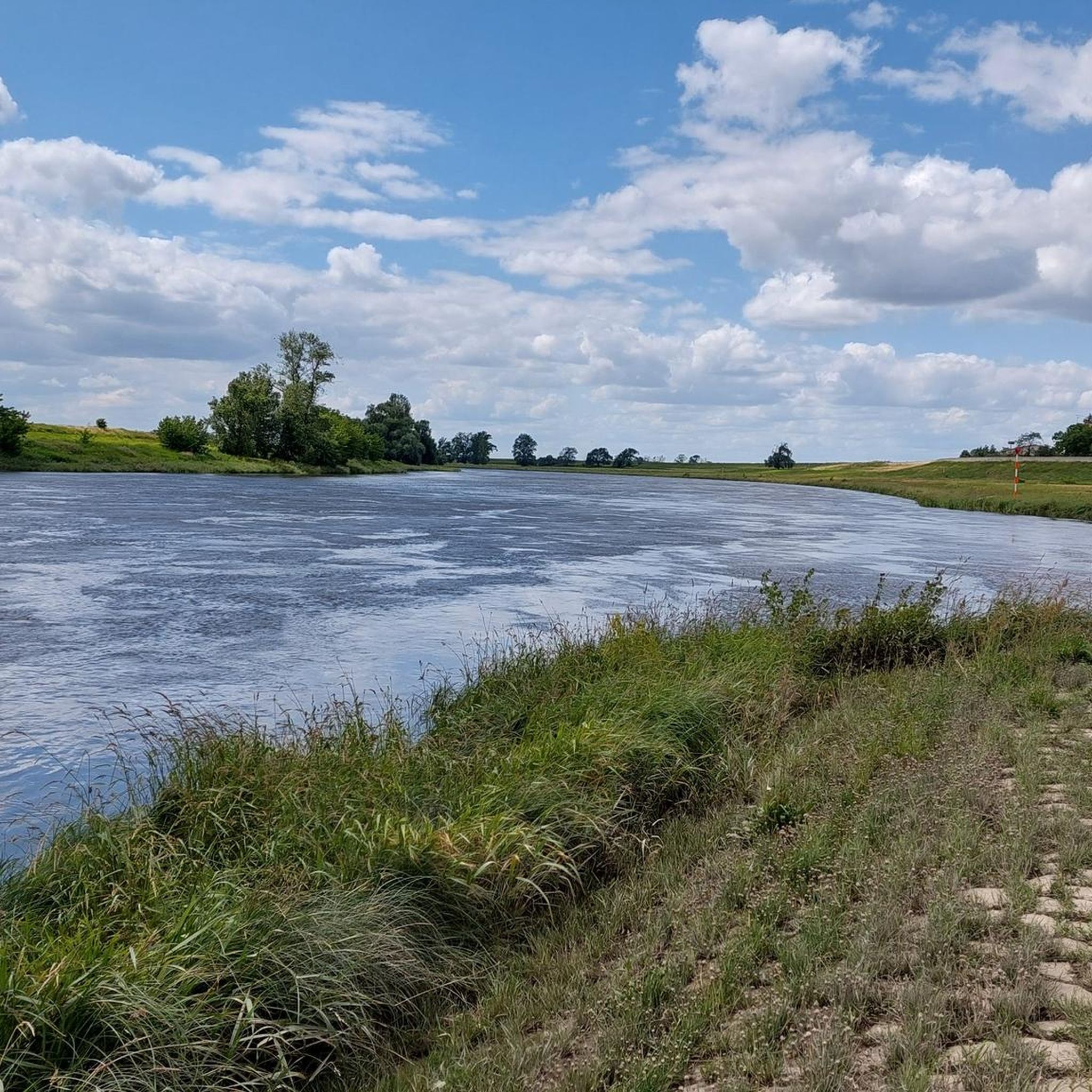
Cycling around Mühlberg/Elbe
Road Cycling Routes around Mühlberg/Elbe
MTB Trails around Mühlberg/Elbe
Running Trails around Mühlberg/Elbe
Hiking around Mühlberg/Elbe

Gravel biking around Mühlberg/Elbe


Tips from the Community

The lake was created by local gravel extraction starting in 1922. It covers an area of approximately 70 hectares with a maximum depth of twelve meters. The lake is surrounded by large pine and mixed forests, including the Schweinert nature reserve, which contains one of the largest Bronze Age burial mound fields in Europe.
0
0

A very special place with a remarkably long history. "During the period between the late Bronze Age and the early Iron Age, a hillfort was built near the site as a refuge or defensive fort. This earthwork was approximately 400 meters in diameter. Later, the hillfort was used by Germanic and Slavic tribes." The site is perfect for a long break or a hearty picnic.
0
0

Burial field with over 650 burial mounds from the period 1200-800 years B.C.E. At this time, cremation and the associated urn burial were carried out. More on this in the photo on the board.
0
0

Beautifully and lovingly designed, the castle wall is worth a visit.
0
0

Today there is a rest area with a lot of information boards worth knowing and small game instructions for kids.
2
0

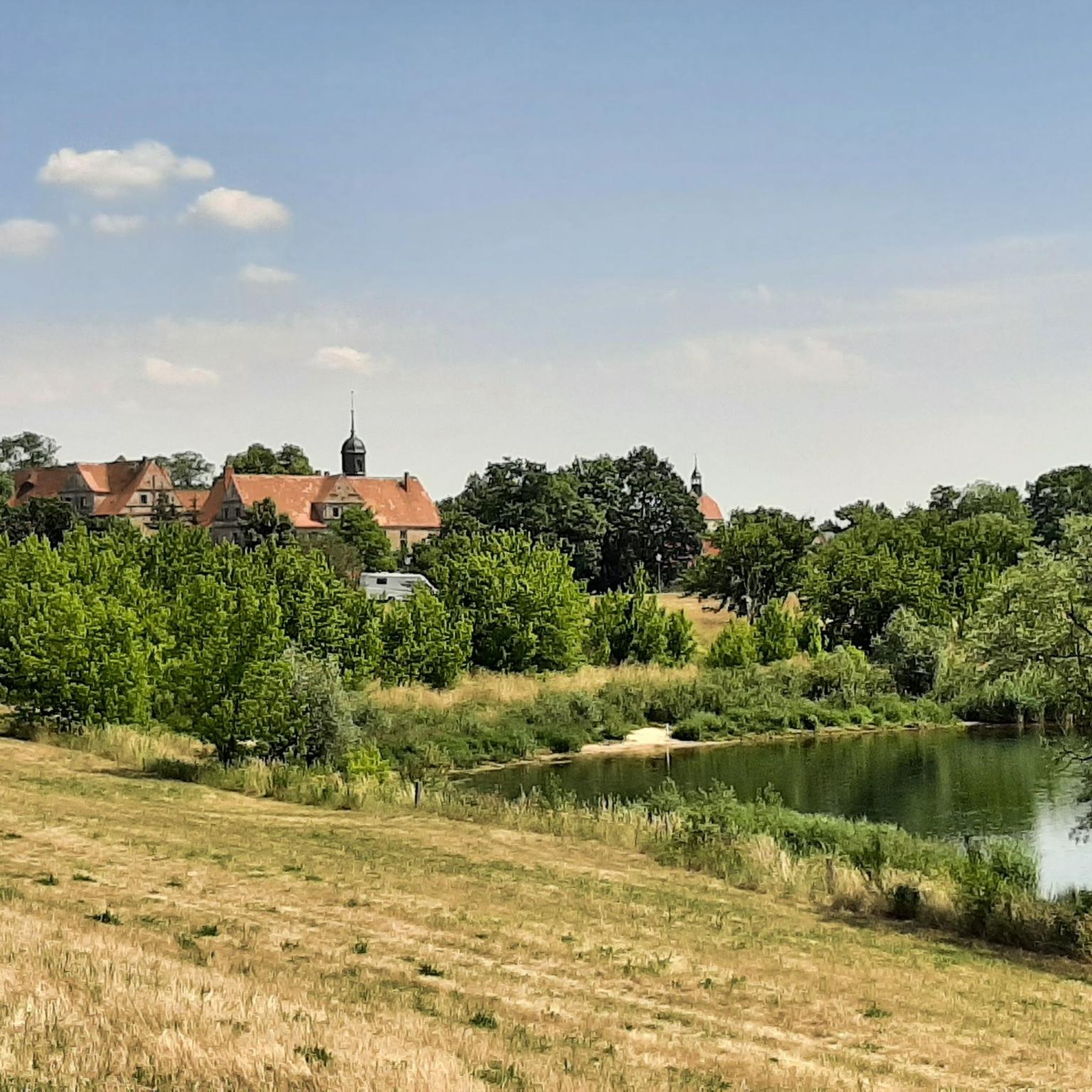
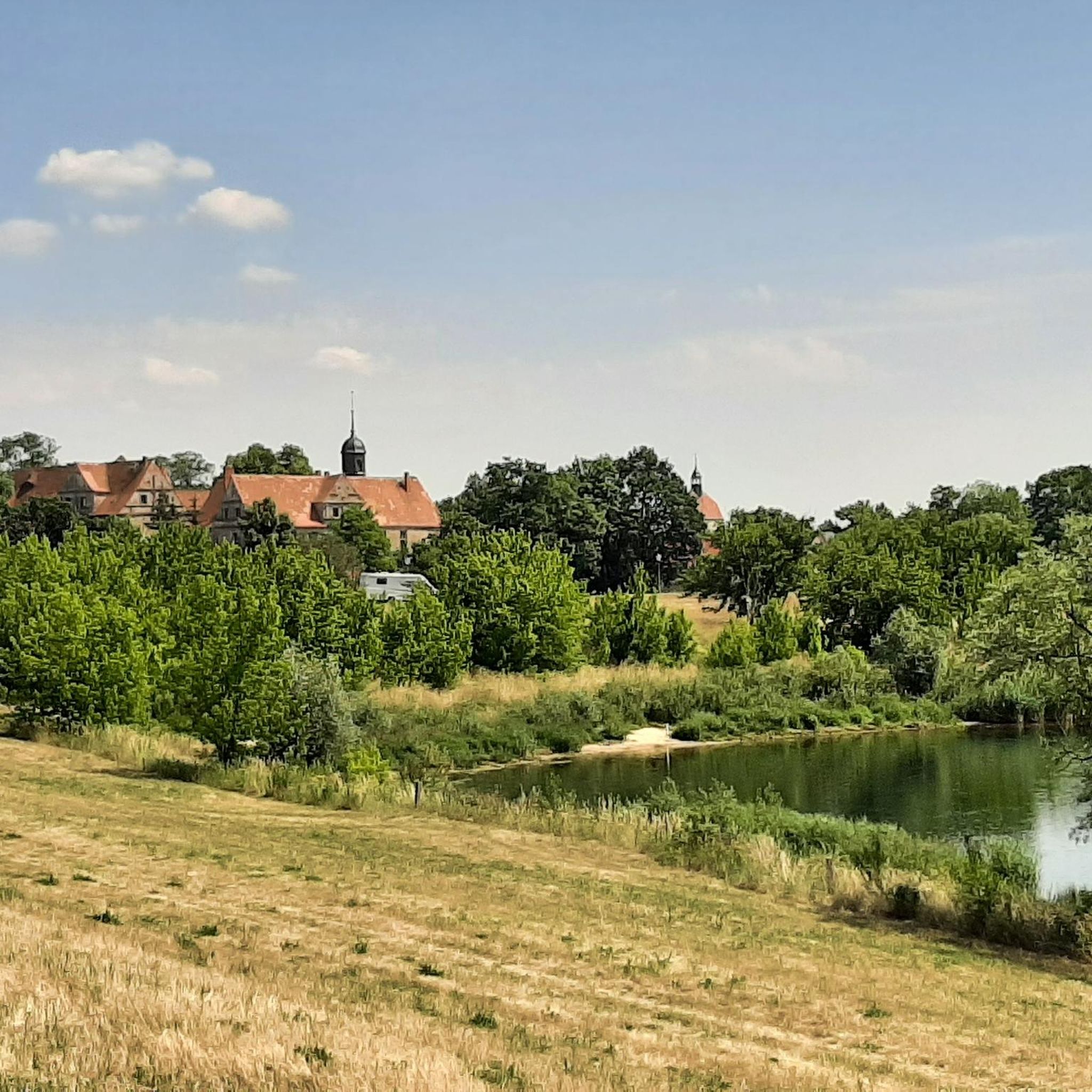
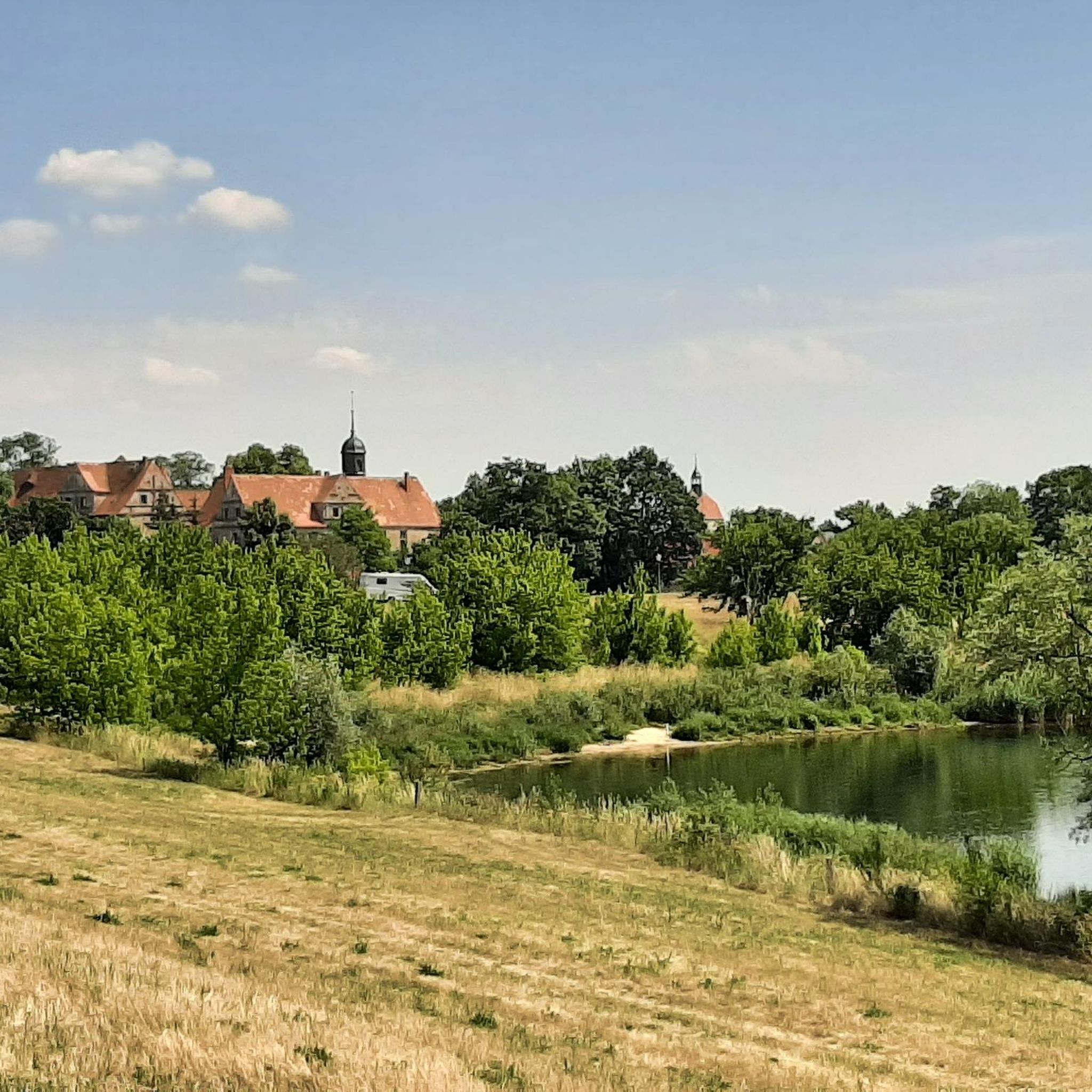
The lake view at Kiebitzsee is one of the few places in the renaturation area where you should go right up to the water, otherwise there are many prohibition signs on this side of the lake.
0
0


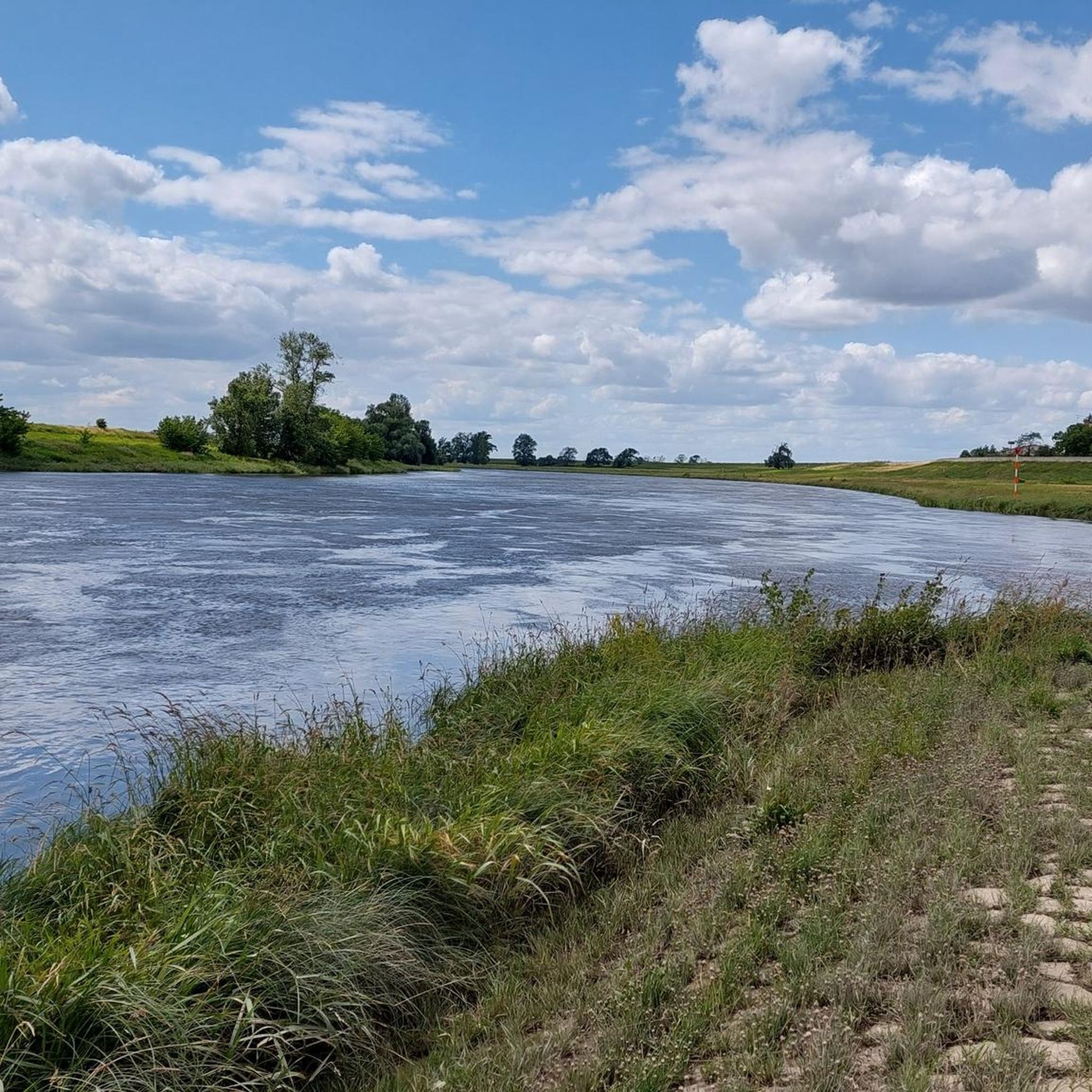
Worth a short stop with a view over the flat landscape.
1
0
Frequently Asked Questions
What are some notable natural monuments to visit around Mühlberg/Elbe?
The region around Mühlberg/Elbe offers a variety of natural monuments. Highlights include the historical site and natural monument Burgwall Kosilenzien, the unique Nixstein, Strehla, a rock visible in the Elbe riverbed at low tide, and the Sand Dune at Kiebitzsee, offering views over the lake. Additionally, the area is known for significant individual trees and the ecologically vital Elbe oxbows.
What kind of natural features can I expect to see in the Mühlberg/Elbe area?
The landscape is primarily shaped by the Elbe River, featuring dynamic riverine ecosystems and old Elbe oxbows that are crucial habitats for amphibians and endangered fish species. You'll also find protected individual trees, tree groups, and avenues, as well as unique geological formations like the Sand Dune at Kiebitzsee.
Are there family-friendly natural monuments around Mühlberg/Elbe?
Yes, several natural monuments are suitable for families. Burgwall Kosilenzien offers a rest area with information boards and small game instructions for kids. The Stone Oak (Natural Monument, Bad Liebenwerda) is also designated as family-friendly, providing a chance to see an ancient tree. The Snowdrop Meadows in Schlosspark Uebigau are a beautiful, family-friendly spot, especially in late winter.
Can I spot wildlife in the natural monument areas?
Absolutely. The "Elbe bei Mühlberg" Natura 2000 Fauna-Flora-Habitat (FFH) area is ecologically significant. The old Elbe oxbows are vital habitats for amphibians and various endangered fish species like rapfen, river lamprey, and Atlantic salmon. The natural banks also support species like the larvae of the Green Clubtail dragonfly. Birdwatching is also a popular activity in these serene riverine environments.
What outdoor activities can I do near these natural monuments?
The region offers various outdoor activities. You can explore easy hikes like the "Frauenkirche Mühlberg/Elbe – Mühlberg Town Hall loop" or the "Picnic Area by the Pond – Grüne Telle Rest Area loop." For cycling, there are moderate road cycling routes such as the "Elbe Cycle Path – Elbe Bridge at Mühlberg loop" and gravel biking options like the "Jahna Riverside Path – Fish Ladder on the Jahna loop." You can find more details on these activities in the easy hikes, road cycling, and gravel biking guides for Mühlberg/Elbe.
Are there any historical sites among the natural monuments?
Yes, Burgwall Kosilenzien is a significant historical site and natural monument. This earth castle, built between the Late Bronze Age and Early Iron Age, was used by Germanic and Slavic tribes. Today, it features a rest area with informative boards about its history. The Snowdrop Meadows in Schlosspark Uebigau are also part of a historical castle park.
What is the best time of year to visit the natural monuments around Mühlberg/Elbe?
The best time to visit depends on your interests. Late winter and early spring are ideal for seeing the thousands of snowdrops in bloom at the Snowdrop Meadows in Schlosspark Uebigau. Spring and autumn offer pleasant temperatures for hiking and cycling along the Elbe and exploring the protected trees. Summer is great for enjoying the river landscape, though some areas might be more crowded.
Are there easy hiking trails suitable for all fitness levels?
Yes, there are several easy hiking trails around Mühlberg/Elbe. Options include the "Colanepak Picnic Area – Treblitzsch Landscape Park loop" (6.2 km), the "Frauenkirche Mühlberg/Elbe – Mühlberg Town Hall loop" (6.3 km), and the "Picnic Area by the Pond – Grüne Telle Rest Area loop" (5.1 km). These routes are generally flat and suitable for a relaxed walk. More details can be found in the Easy Hikes around Mühlberg/Elbe guide.
What makes the Elbe River so important in this region?
The Elbe River is central to the natural heritage of Mühlberg/Elbe. The "Elbe bei Mühlberg" Natura 2000 Fauna-Flora-Habitat (FFH) area highlights its ecological importance. The river and its old oxbows are vital for biodiversity, providing habitats for endangered fish and amphibian species. The natural banks also support unique insect life, making it a crucial site for nature conservation and observation.
Are there any unique geological features to observe?
Yes, the Nixstein, Strehla is a unique geological feature. This nearly 10-meter diameter rock is located in the former Elbe riverbed and is only visible at low tide. Historically, it posed a significant hazard to shipping. Another interesting feature is the Sand Dune at Kiebitzsee, an approximately 10-meter high sand dune, a remnant of former gravel quarrying.
What do visitors enjoy most about the natural monuments around Mühlberg/Elbe?
Visitors appreciate the serene beauty of the riverine environment and the ecological significance of the area. The tranquility of the Elbe River landscape, the opportunity for nature observation, and the chance to see ancient, protected trees are often highlighted. The combination of natural beauty with historical elements, like Burgwall Kosilenzien, also adds to the appeal.
Are there any specific trees designated as natural monuments?
Yes, the Landkreis Elbe-Elster has an ordinance designating individual trees, tree groups, and avenues as natural monuments. While specific names within Mühlberg/Elbe are not widely publicized, these typically include old, impressive trees notable for their age, size, or historical significance. An example of a designated tree in the broader district is the Stone Oak (Natural Monument, Bad Liebenwerda), known for its impressive girth and age.
Most popular routes around Mühlberg/Elbe
Most popular attractions around Mühlberg/Elbe

Get inspired with the komoot mobile app


Explore more
Extend your search for the best caves by checking out these guides of the top ones around Mühlberg/Elbe:
