Top 20 Natural Monuments around Döbern
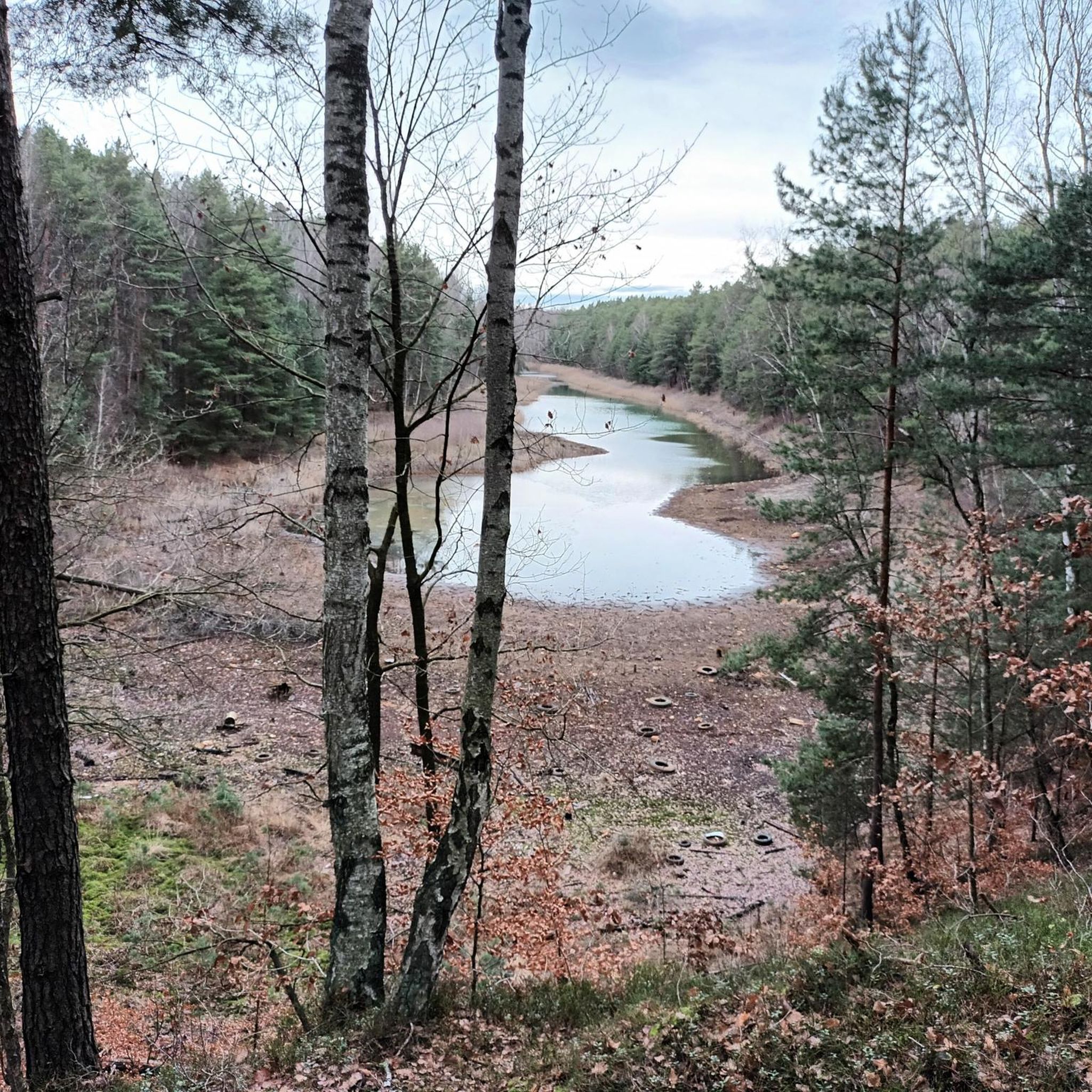
Natural monuments around Döbern are characterized by their location within the UNESCO Global Geopark Muskauer Faltenbogen, a transnational German-Polish geopark. This area showcases Ice Age geological formations and landscapes transformed by historical mining activities. The region features the Muskau Arch, a horseshoe-shaped push moraine formed during the Elster Ice Age, alongside dunes, cold iron-sulphate-mineral springs, and visible lignite deposits. This unique geological heritage offers diverse environments for exploration.
Best natural monuments around Döbern
- The most popular natural monuments is Rakotz…
Last updated: June 25, 2026
New Muskau Castle
Highlight • Castle
Translated by Google •
Tip by

Rakotz Bridge (Devil's Bridge)
Highlight • Bridge
Translated by Google •
Tip by

Sign up now to discover places like this
Get recommendations on the best single tracks, peaks, & plenty of other exciting outdoor places.
Sign up for free
Rhododendron Park Kromlau
Highlight • Bridge
Translated by Google •
Tip by

Basalt Organ at Rakotz Lake
Highlight • Monument
Translated by Google •
Tip by

Rhododendron Gorge (Rhododendronschlucht)
Highlight • Gorge
Translated by Google •
Tip by

Sign up for free to discover even more natural monuments around Döbern.
Sign up for free
Already have an account?
Start today with a free account
Your next adventure awaits.
Login or Signup

Tips from the Community

Beautiful, can only be recommended.
4
0
Very pretty, especially in bloom.
4
0

In June, unfortunately, a lot of flowers had already faded, which spoiled the impression a bit... I will come back in the golden autumn or next May!
3
0

Just beautiful these flowers.
2
0
A large ensemble of rhododendrons that are very old awaits the viewer.
3
0

Also in autumn a worth seeing excursion destination. The foliage offers great bright photo motifs.
5
0

At the moment - as of November 2022, extensive renovation measures are still taking place in the park.
8
1

The basalt organ is just as fascinating to look at as the Rakotz Bridge. Both are located in the Rakotzsee of the same name. Both great photo motifs, which have now been freshly renovated and are now waiting for those who love taking photos. 😁👌 The basalt columns of the organ reminded me of those at Stolpen Castle (about 25 km east of Dresden)
7
1
Frequently Asked Questions
What makes the natural monuments around Döbern unique?
The natural monuments around Döbern are primarily characterized by their location within the UNESCO Global Geopark Muskauer Faltenbogen. This transnational German-Polish geopark showcases unique Ice Age geological formations, such as the colossal horseshoe-shaped Muskau Arch, and landscapes transformed by historical lignite mining, now reclaimed by nature with numerous colorful lakes.
Which natural monuments are a must-see for first-time visitors?
For first-time visitors, the Rakotz Bridge (Devil's Bridge) is highly recommended. This bizarre field and basalt stone construction creates a perfect circle with its reflection in the water. It's located within the expansive Rhododendron Park Kromlau, which is also a must-visit for its stunning floral displays and the adjacent Basalt Organ at Rakotz Lake.
Are there family-friendly natural monuments to visit near Döbern?
Yes, several natural monuments are family-friendly. The Rhododendron Park Kromlau, including the Rakotz Bridge and Basalt Organ, is ideal for families. The Rhododendron Gorge within the park also offers pleasant walks. Additionally, New Muskau Castle and its surrounding park are suitable for all ages.
What kind of geological formations can I expect to see?
The region is rich in geological formations, primarily due to its location within the UNESCO Global Geopark Muskauer Faltenbogen. You can see the impressive Muskau Arch, a colossal horseshoe-shaped push moraine formed during the Ice Age. The landscape also features visible lignite deposits, dunes, and cold iron-sulphate-mineral springs, all reflecting its glacial and post-glacial history.
Can I explore historical sites alongside natural monuments?
Absolutely. The region beautifully blends natural and historical significance. For instance, New Muskau Castle is a historical site nestled within a natural park. The Rakotz Bridge, while a natural monument in its setting, is also a historical construction dating back to the 19th century. The former lignite mine, Grube Providentia Döbern, also offers insights into the area's industrial history and its natural reclamation.
What outdoor activities are available near the natural monuments?
The area around Döbern offers a variety of outdoor activities. You can enjoy cycling on routes like the 'Kromlau Lake – Kromlau Castle loop' or 'Felixsee Lookout Tower loop'. There are also running trails, such as the 'Felixsee and the Observation Tower loop', and options for gravel biking. For more details on routes, you can explore the Cycling around Döbern, Running Trails around Döbern, and Gravel biking around Döbern guides.
When is the best time of year to visit the natural monuments around Döbern?
The best time to visit depends on your interests. Spring, particularly when the rhododendrons and azaleas are in bloom (typically May-June), offers a spectacular display of colors in places like Rhododendron Park Kromlau. Autumn also provides beautiful scenery with changing foliage. Summer is ideal for cycling and exploring the lakes, while winter can offer a unique, serene experience, though some facilities might have reduced hours.
What do visitors particularly enjoy about the natural monuments in this region?
Visitors frequently praise the unique blend of natural beauty and historical significance. The Rakotz Bridge is often highlighted as a 'bizarre and beautiful' photo motif, especially at sunset. The extensive Rhododendron Park Kromlau is loved for its vastness and fragrant sea of flowers. The entire region is appreciated for its geological wonders and the successful reclamation of former mining landscapes into vibrant natural areas.
Are there any natural monuments that offer panoramic views?
Yes, the Felixsee area, a former lignite mining pit, now features an observation tower that provides impressive panoramic views of the unique landscape shaped by past mining activities. From this vantage point, you can appreciate the countless colorful lakes that dot the post-mining landscape.
Where can I find more information about the UNESCO Global Geopark Muskauer Faltenbogen?
You can find comprehensive information about the UNESCO Global Geopark Muskauer Faltenbogen on the official UNESCO website: UNESCO Global Geopark Muskauer Faltenbogen. Additional details can also be found on the Brandenburg tourism site: Brandenburg Tourism - Muskauer Faltenbogen.
Is parking available at the natural monuments?
Yes, parking is generally available at key natural monuments and attractions. For example, New Muskau Castle, which is part of the broader natural landscape, offers parking facilities for visitors exploring the castle and its surrounding park.
What is the significance of the former mining areas in the region?
The former mining areas, such as Grube Providentia Döbern and Felixsee, are highly significant as they showcase the interplay between human industrial activity and ecological restoration. These sites, once lignite mines, have been reclaimed by nature, creating unique landscapes with numerous colorful lakes. They are integral to the Geopark's story, demonstrating how nature reclaims and transforms industrial sites into new natural monuments.
Are there any unique natural features besides the main geological formations?
Beyond the prominent Muskau Arch and lignite deposits, the region also features unique natural elements like dunes and cold iron-sulphate-mineral springs. These smaller, yet distinct, features contribute to the diverse ecological and geological tapestry of the UNESCO Global Geopark Muskauer Faltenbogen.
What kind of trails can I find for running near the natural monuments?
For runners, there are several trails available near the natural monuments. You can find moderate difficulty routes like the 'Felixsee Lookout Tower – Felixsee and the Observation Tower loop' or various 'Running loop from Döbern' options, ranging from 8 km to over 12 km. More details can be found in the Running Trails around Döbern guide.
Most popular routes around Döbern
Most popular attractions around Döbern

Get inspired with the komoot mobile app


Explore more
Extend your search for the best caves by checking out these guides of the top ones around Döbern:
