Top 20 Natural Monuments around Muldestausee
Best natural monuments around Muldestausee are found in a region transformed from a former lignite open-cast mine into a significant natural attraction. The Muldestausee, a 6.3-square-kilometer lake, is a central feature, providing a valuable biotope and forming part of the Dübener Heide Nature Park. This landscape offers a blend of natural beauty and recreational opportunities, including water sports, hiking, and cycling. The area has evolved into an ideal habitat for numerous animal species, contributing to its ecological value.
Best natural…
Last updated: May 12, 2026
Lake Neuhauser
Highlight • Lake
Translated by Google •
Tip by

The Blue Bench Memorial, Goitzsche Shore
Highlight • Monument
Translated by Google •
Tip by

Sign up now to discover places like this
Get recommendations on the best single tracks, peaks, & plenty of other exciting outdoor places.
Sign up for free
Beaver Observation Tower, Dübener Heide
Highlight • Viewpoint
Translated by Google •
Tip by
Wooden Sculpture Meadow Tornau
Highlight • Structure
Translated by Google •
Tip by

Delitzsch Baroque Palace
Highlight • Castle
Source: architektur-blicklicht.de/schloesser-herrenhaeuser/schloss-delitzsch-leipzig
Translated by Google •
Tip by

Sign up for free to discover even more natural monuments around Muldestausee.
Sign up for free
Already have an account?
Start today with a free account
Your next adventure awaits.
Login or Signup
Popular around Muldestausee
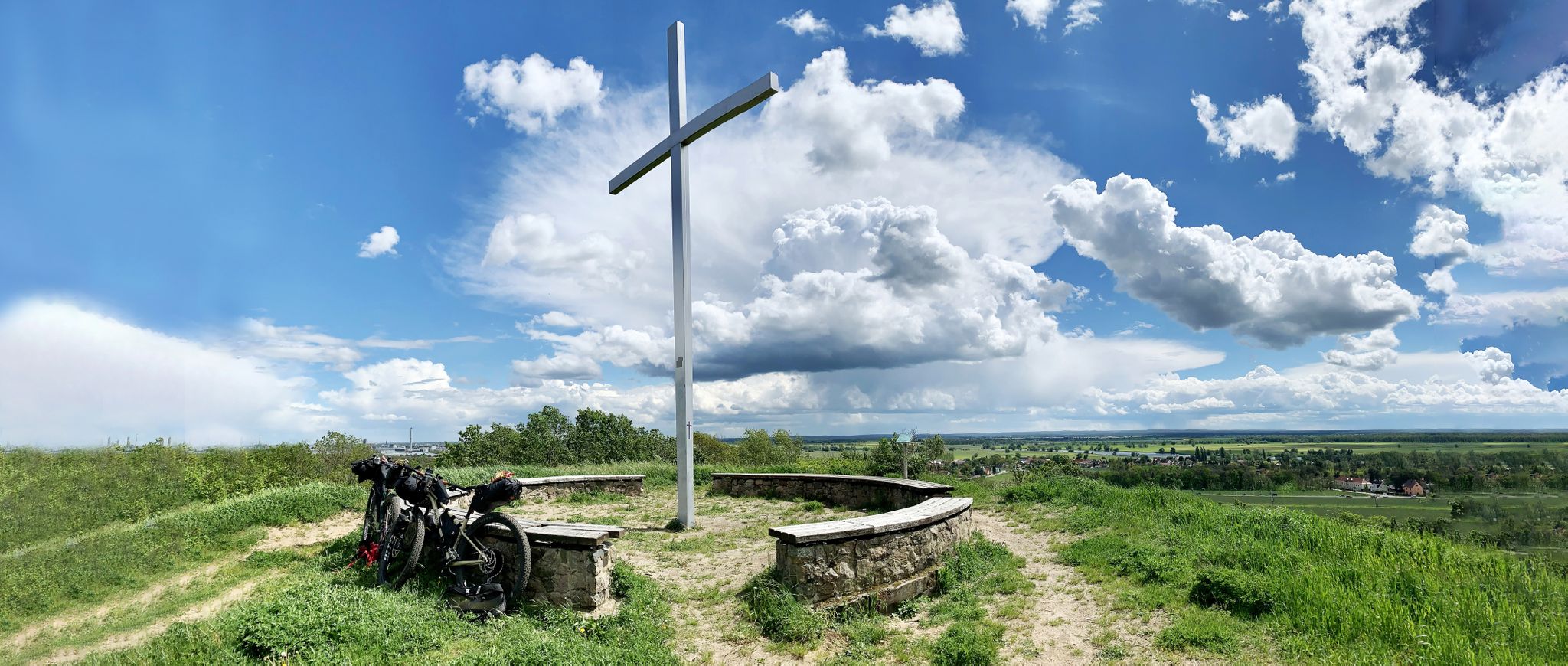
Romanticism on the Elbe River — cycling around the MDV north network
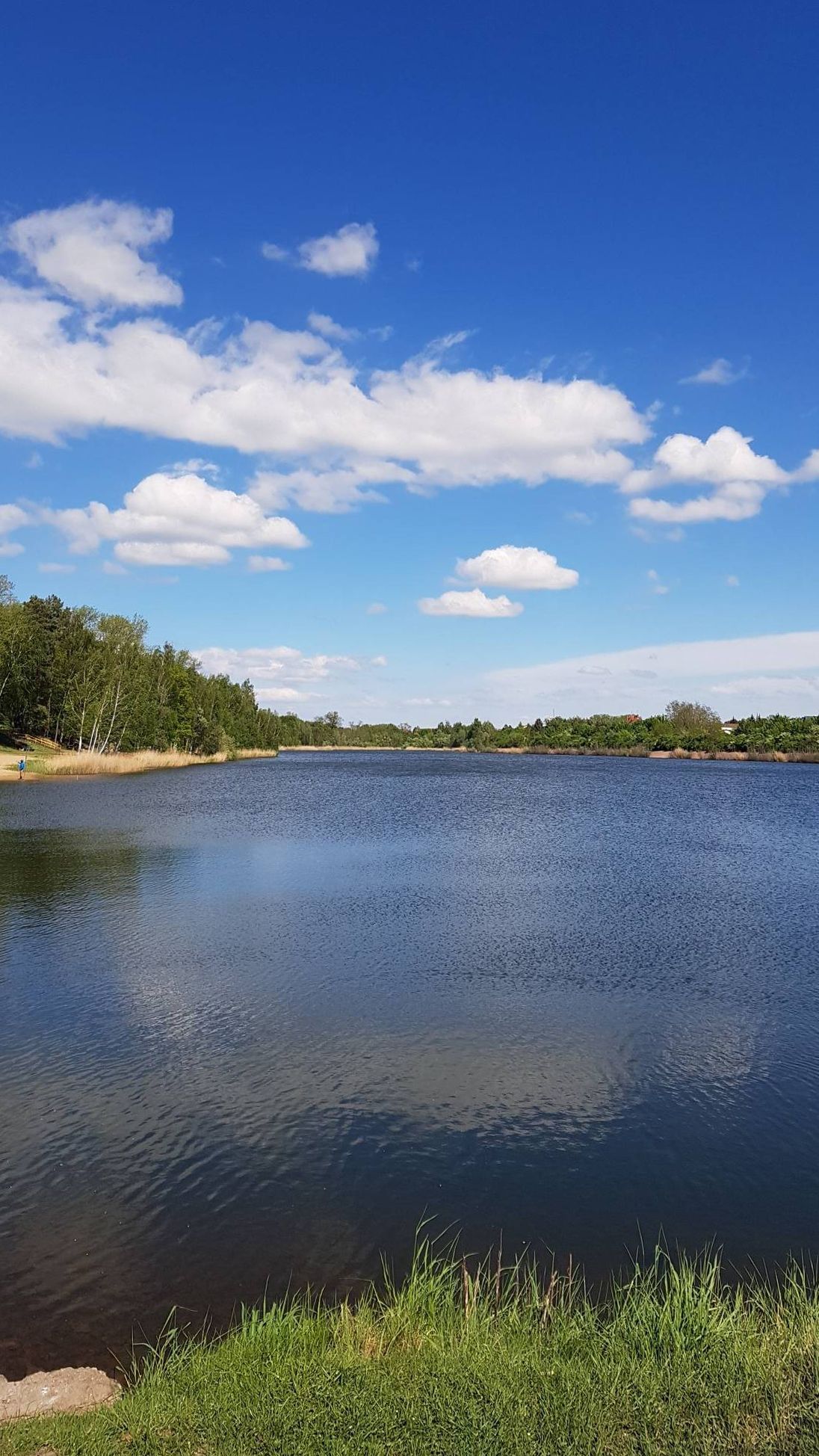
The most beautiful swimming lakes in Saxony-Anhalt
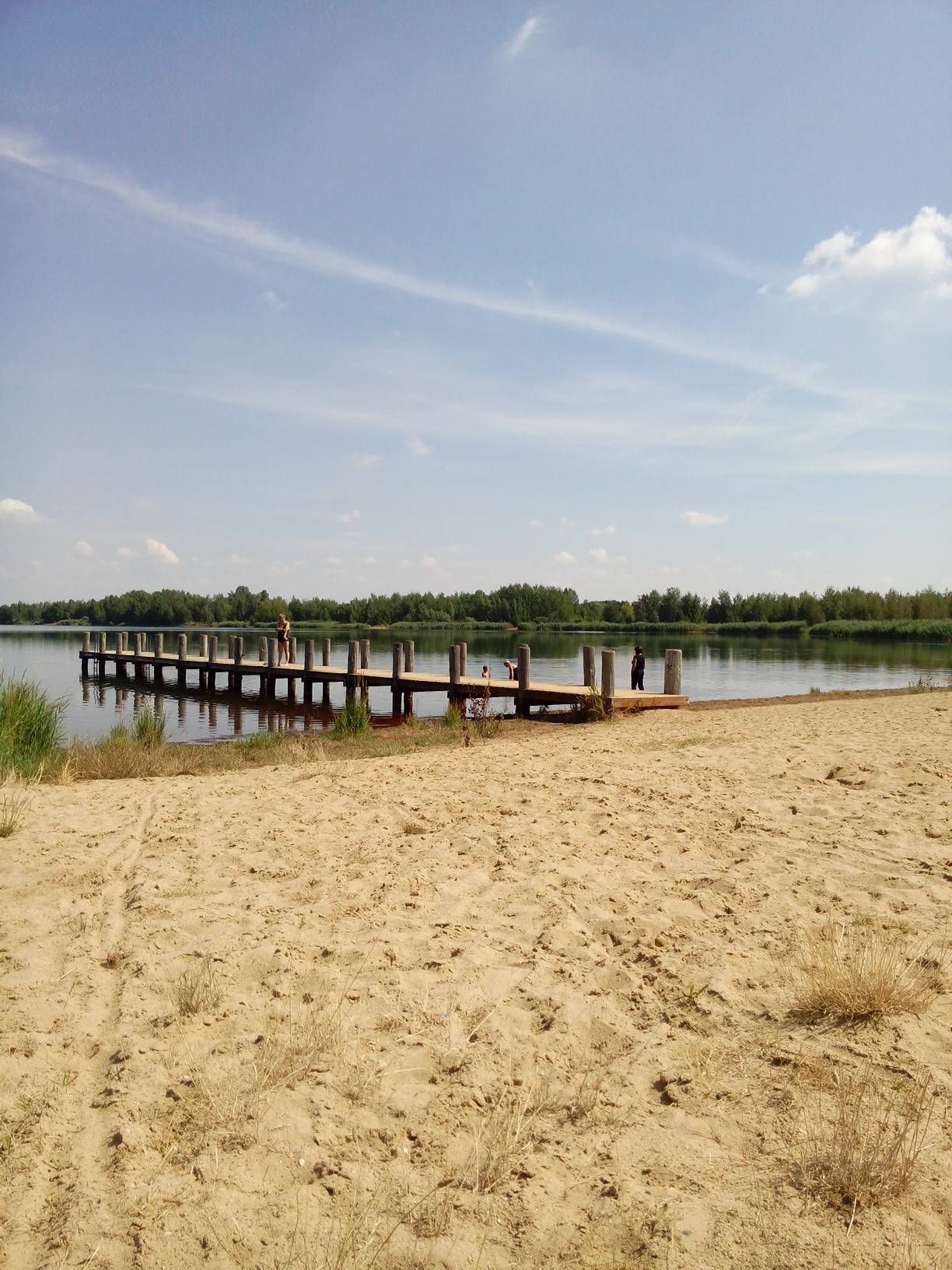
The most beautiful swimming spots around Leipzig
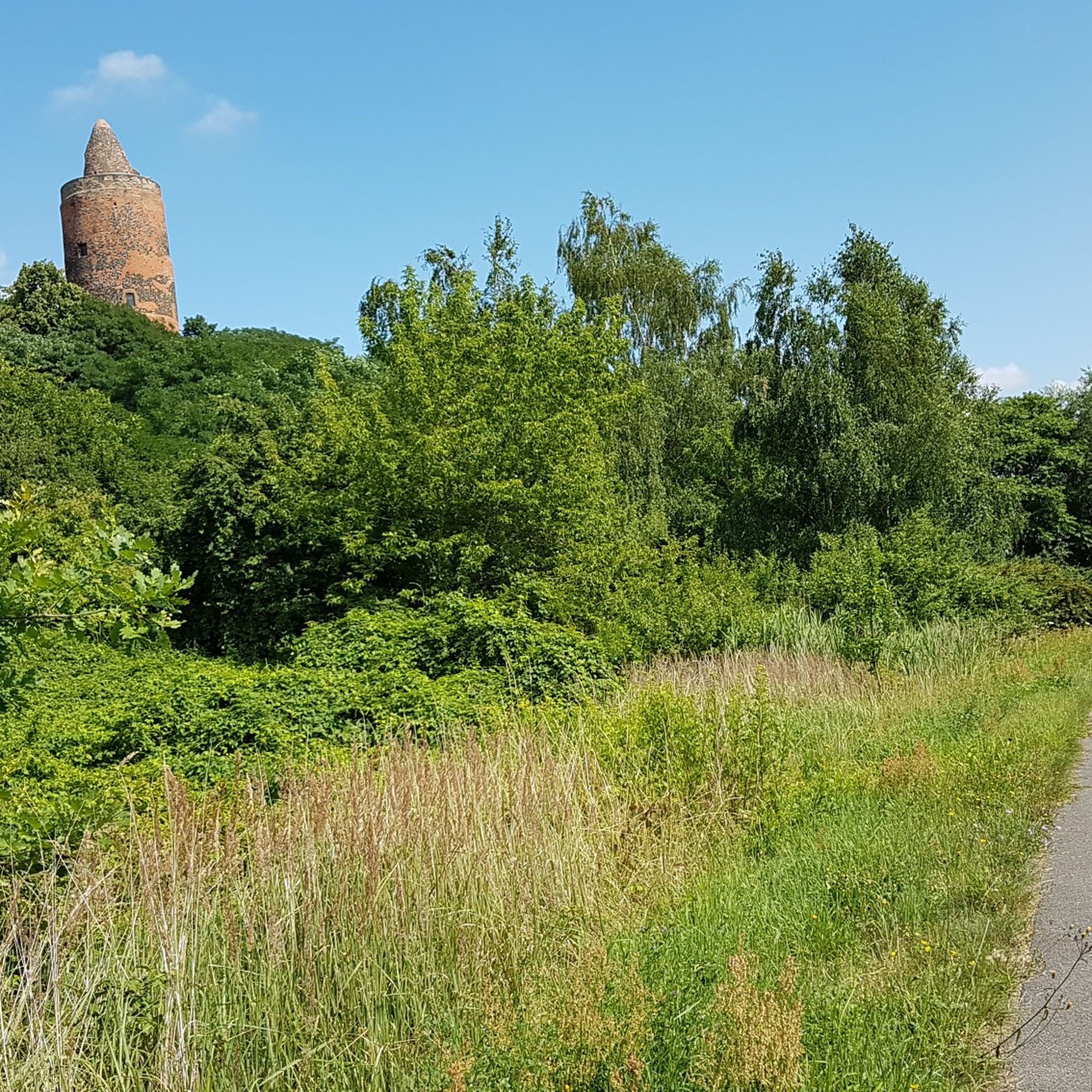
Cycling around Muldestausee
Hiking around Muldestausee
Running Trails around Muldestausee
Road Cycling Routes around Muldestausee
MTB Trails around Muldestausee
Gravel biking around Muldestausee
Other adventures around Muldestausee


Tips from the Community

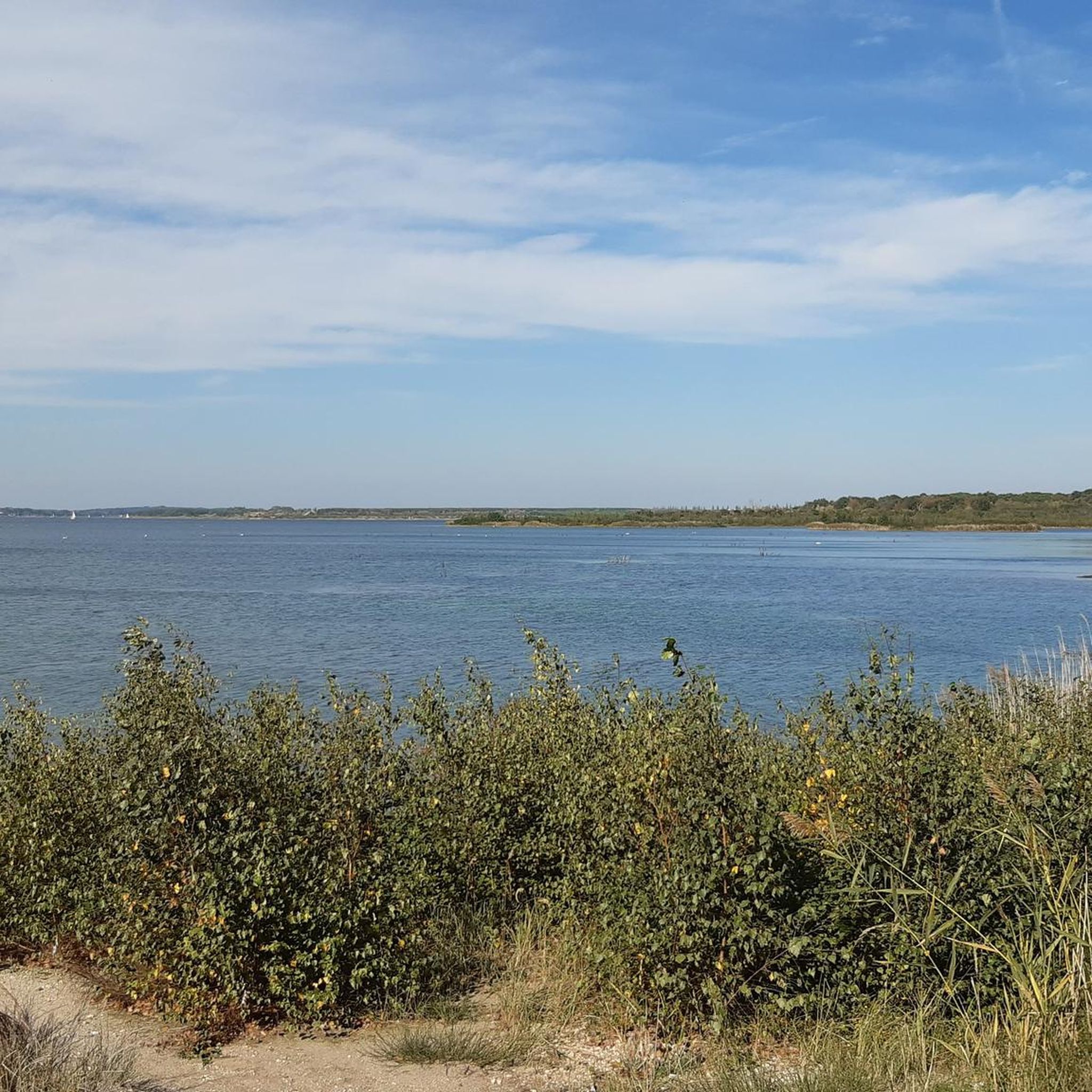
Today, an developed network of cycle paths and hiking trails with viewing platforms and information boards on the formation of the landscape extends along the Neuhäuser See. The 120 km long Kohle-Dampf-Licht cycle path from Lutherstadt Wittenberg to Markkleeberg passes by the lake. Source https://de.wikipedia.org/wiki/Neuh%C3%A4user_See
1
0
In the mid-19th century, the first mining activities began in the southwest of Goitzsche, near the villages of Petersroda and Holzweißig.[3] Following the lignite seam, mining progressed from west to east. Favored by the opening of the current Magdeburg–Leipzig and Trebnitz–Leipzig railway lines, the sales market for lignite expanded to Halle and Leipzig, among other places. The increased demand for electrical energy and fossil fuels in the 19th and 20th centuries led in 1908 to the opening of the Leopold open-cast mine (from 1945 to 1962 Holzweißig–Ost) and in 1958 to the creation of the Holzweißig-West open-cast mine.[3] The Neuhäuser See originated from the former Holzweißig-West lignite open-cast mine. It is named after the Neuhaus estate, which was demolished in 1976 along with the village of Paupitzsch. The Holzweißig-West open-cast mine was operated from 1958 to 1980. Other sources report usage until 1991. The lake was flooded from 1993 to 2005.[1] Overflowing water is channeled via the Goitzsche into the Mulde. Since 1997, the area has been renatured and stable embankments have been created. Source https://de.wikipedia.org/wiki/Neuh%C3%A4user_See
1
0
The Neuhäuser See is located on the northwestern border of the Free State of Saxony with Saxony-Anhalt, at an altitude of about 78 m above sea level. NN. South of the lake is Benndorf, a district of the North Saxon district town of Delitzsch, and to the north is the unified municipality of Bitterfeld-Wolfen in Saxony-Anhalt. It is located in the Central German Lake District, south of the Großer Goitzschesee and the waters Ludwigsee and Paupitzscher See. Quelle https://de.wikipedia.org/wiki/Neuh%C3%A4user_See
1
0
The Neuhäuser See (also Neuhauser See) is an opencast mine residual lake of approximately 155 hectares, which was created by flooding the former Holzweißig-West opencast mine. The lake is located in the Central German Lake District, south of the Goitzsche nature reserve and north of the town of Delitzsch. Source https://de.wikipedia.org/wiki/Neuh%C3%A4user_See
1
0
There is much to discover
4
0
The Baroque Delitzsch Palace is located in the northern Saxon town of Delitzsch and is one of the oldest palaces in northwestern Saxony. The building and adjacent garden area are integrated into the planned historic district, through which a main road runs south of the palace grounds. Consisting of a manor house, a small northwestern wing, and a larger northeastern wing, it was constructed and architecturally modified in several phases. Only the foundations of the original building, dating from the early 12th century, remain. Among the oldest surviving parts are two deep cellars and the tower, which the Margrave of Meissen, William I, had built starting in 1389. Built on the foundations of a Gothic moated castle, the complex served the Wettin dynasty as an administrative and travel residence from 1387 to 1540. Subsequently, the Dukes and Electors of Saxony had the castle converted into a Renaissance palace from 1540 to 1558 and lived there during their travels. The complex was last externally altered at the end of the 17th century, giving it its Baroque appearance. From then on, the Principality of Saxe-Merseburg used it as a widow's residence and a travel residence. After a phased restoration beginning in 1993, the Baroque Delitzsch Palace is now used as a museum, tourist information center, registry office, branch of the "Heinrich Schütz" District Music School of North Saxony, a concert hall, and a national event venue. This cultural monument is owned by the district town of Delitzsch. Source: https://de.wikipedia.org/wiki/Schloss_Delitzsch
5
0

Unfortunately, the beaver observation tower is no longer there, but perhaps it will be rebuilt.
2
0
Frequently Asked Questions
What unique natural features can I explore around Muldestausee?
The Muldestausee region, a landscape transformed from a former lignite mine, offers several unique natural features. The Muldestausee itself is a significant natural attraction, providing a valuable biotope and opportunities for water sports. You can also visit the Gesundbrunnen (Iron Spring), known for its iron-rich water and a local legend. The entire area is part of the Dübener Heide Nature Park, featuring diverse landscapes like heath forests and moorlands.
Are there opportunities for wildlife observation in the Muldestausee region?
Yes, the Muldestausee region is rich in biodiversity and offers excellent opportunities for wildlife observation. The area is an ideal habitat for red deer, foxes, and Elbe beavers. Majestic birds of prey such as ospreys, white-tailed eagles, and marsh harriers can often be seen. For a dedicated experience, visit the Beaver Observation Tower, Dübener Heide, where you might spot beavers. The "Haus am See" environmental center in Schlaitz also provides exhibitions and a live camera feed of an osprey's nest.
What kind of outdoor activities can I do near the natural monuments around Muldestausee?
The Muldestausee area offers a wide range of outdoor activities. You can explore numerous hiking and cycling trails that wind through the diverse landscape of the Dübener Heide Nature Park and around the lake. For specific routes, you can find many options for hiking, road cycling, and running around Muldestausee.
Are there family-friendly natural monuments or activities in the area?
Absolutely! The Muldestausee region is very family-friendly. Children will enjoy the Wooden Sculpture Meadow Tornau, where they can discover various chainsaw-carved figures. The Beaver Observation Tower, Dübener Heide, offers an exciting chance to spot wildlife. Additionally, the Delitzsch Baroque Palace with its museum and garden, and the historical Luther Stone (Dübener Heath) are also suitable for families.
What historical sites are considered natural monuments in the Muldestausee area?
While the region's primary natural monument status comes from its transformed landscape, some sites blend natural beauty with history. The Delitzsch Baroque Palace, with its historic castle and baroque garden, is a notable example. Another is the Luther Stone (Dübener Heath), a significant historical site where Martin Luther is said to have rested, nestled within the natural surroundings of the Düben Heath.
What is the best time to visit the natural monuments around Muldestausee?
The Muldestausee region offers beauty throughout the year. Spring and autumn are ideal for hiking and cycling, with pleasant temperatures and vibrant colors. Summer is perfect for water sports on the Muldestausee. Wildlife observation is possible year-round, though certain species might be more active during specific seasons. The "Haus am See" environmental center is open most of the year, providing indoor activities regardless of weather.
Are there any easy or accessible natural monuments for all visitors?
Yes, several spots are easily accessible. The Luther Stone (Dübener Heath) is noted as wheelchair accessible and has parking nearby. Many of the trails around Muldestausee and within the Dübener Heide Nature Park offer easy, flat sections suitable for leisurely walks. The Wooden Sculpture Meadow Tornau is also generally easy to navigate.
Can I bring my dog to the natural monuments in the Muldestausee region?
Generally, the natural areas around Muldestausee and within the Dübener Heide Nature Park are dog-friendly, especially for walks and hikes. However, it's always recommended to keep dogs on a leash, especially in areas with wildlife or near water, and to check specific rules for individual attractions or nature reserves. Always ensure you clean up after your pet.
Where can I find viewpoints to appreciate the natural landscape?
The Muldestausee region offers several excellent viewpoints. The Beaver Observation Tower, Dübener Heide, provides elevated views of the forest and, with luck, wildlife. Many spots along the shores of Muldestausee offer panoramic views of the lake and its surrounding transformed landscape. The Dübener Heide Nature Park itself is full of romantic clearings and diverse landscapes that offer picturesque vistas.
What makes the Muldestausee itself a significant natural monument?
The Muldestausee is considered a significant natural monument because it represents a remarkable ecological transformation. Once a lignite open-cast mine, it was flooded to create a 6.3-square-kilometer lake, which has since evolved into a valuable biotope. It's now the third-largest body of water in Saxony-Anhalt, providing a habitat for rare species and serving as a crucial part of the Dübener Heide Nature Park's natural heritage.
Are there circular walking routes available near the natural monuments?
Yes, the region offers numerous circular walking routes. A 16 km long nature trail with information boards on local flora and fauna leads past the "Haus am See" environmental center in Schlaitz. Many other circular paths are available for hiking around the Muldestausee and within the Dübener Heide Nature Park, allowing you to experience the diverse landscapes.
What facilities are available at the natural monuments?
Facilities vary by location. For instance, the Gesundbrunnen (Iron Spring) has a shelter. The Wooden Sculpture Meadow Tornau is equipped with facilities. The Luther Stone (Dübener Heath) has parking nearby. The "Haus am See" environmental center offers extensive exhibitions and amenities. For specific needs, it's advisable to check the details of each highlight.
Most popular routes around Muldestausee
Most popular attractions around Muldestausee

Get inspired with the komoot mobile app


Explore more
Extend your search for the best caves by checking out these guides of the top ones around Muldestausee:
