Top 20 Natural Monuments around Bitterfeld-Wolfen
Best natural monuments around Bitterfeld-Wolfen showcase a landscape transformed from a former industrial and mining region into re-naturalized areas and recreational lakes. This area in Saxony-Anhalt, Germany, features impressive examples of environmental rehabilitation. These sites offer a blend of natural features and recreational opportunities. The region's commitment to transforming its industrial past into a future rich in natural amenities makes it a notable destination.
Best natural monuments around Bitterfeld-Wolfen
- The most popular natural monuments is Lake Neuhauser, a lake…
Last updated: July 8, 2026
Lake Neuhauser
Highlight • Lake
Translated by Google •
Tip by

The Blue Bench Memorial, Goitzsche Shore
Highlight • Monument
Translated by Google •
Tip by

Sign up now to discover places like this
Get recommendations on the best single tracks, peaks, & plenty of other exciting outdoor places.
Sign up for free
Großer Goitzschesee
Highlight • Lake
Translated by Google •
Tip by
Delitzsch Baroque Palace
Highlight • Castle
Source: architektur-blicklicht.de/schloesser-herrenhaeuser/schloss-delitzsch-leipzig
Translated by Google •
Tip by

Lake Ludwig
Highlight • Lake
Translated by Google •
Tip by

Sign up for free to discover even more natural monuments around Bitterfeld-Wolfen.
Sign up for free
Already have an account?
Start today with a free account
Your next adventure awaits.
Login or Signup
Popular around Bitterfeld-Wolfen
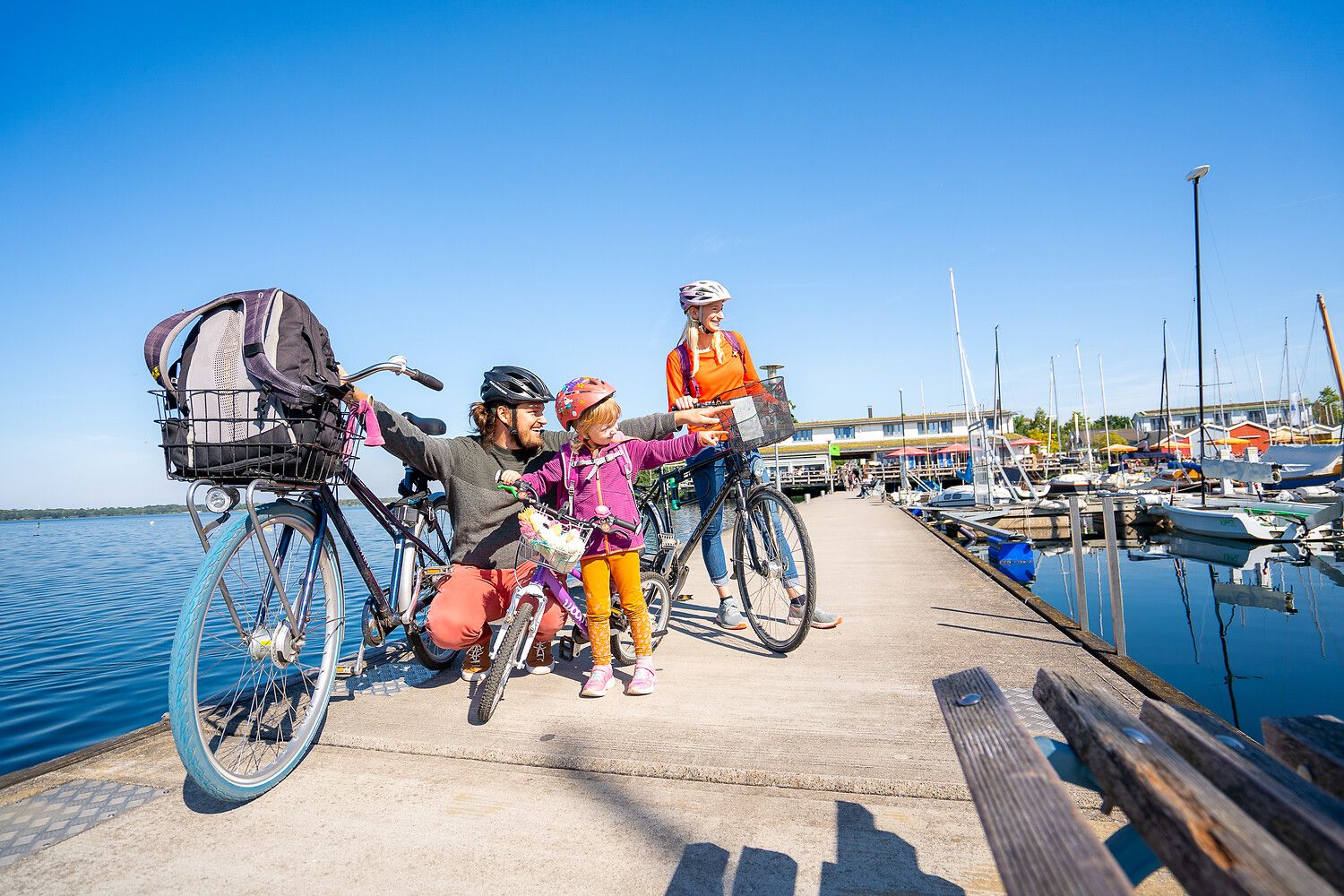
Lake views and fresh air – cycling by the water in the Leipzig region
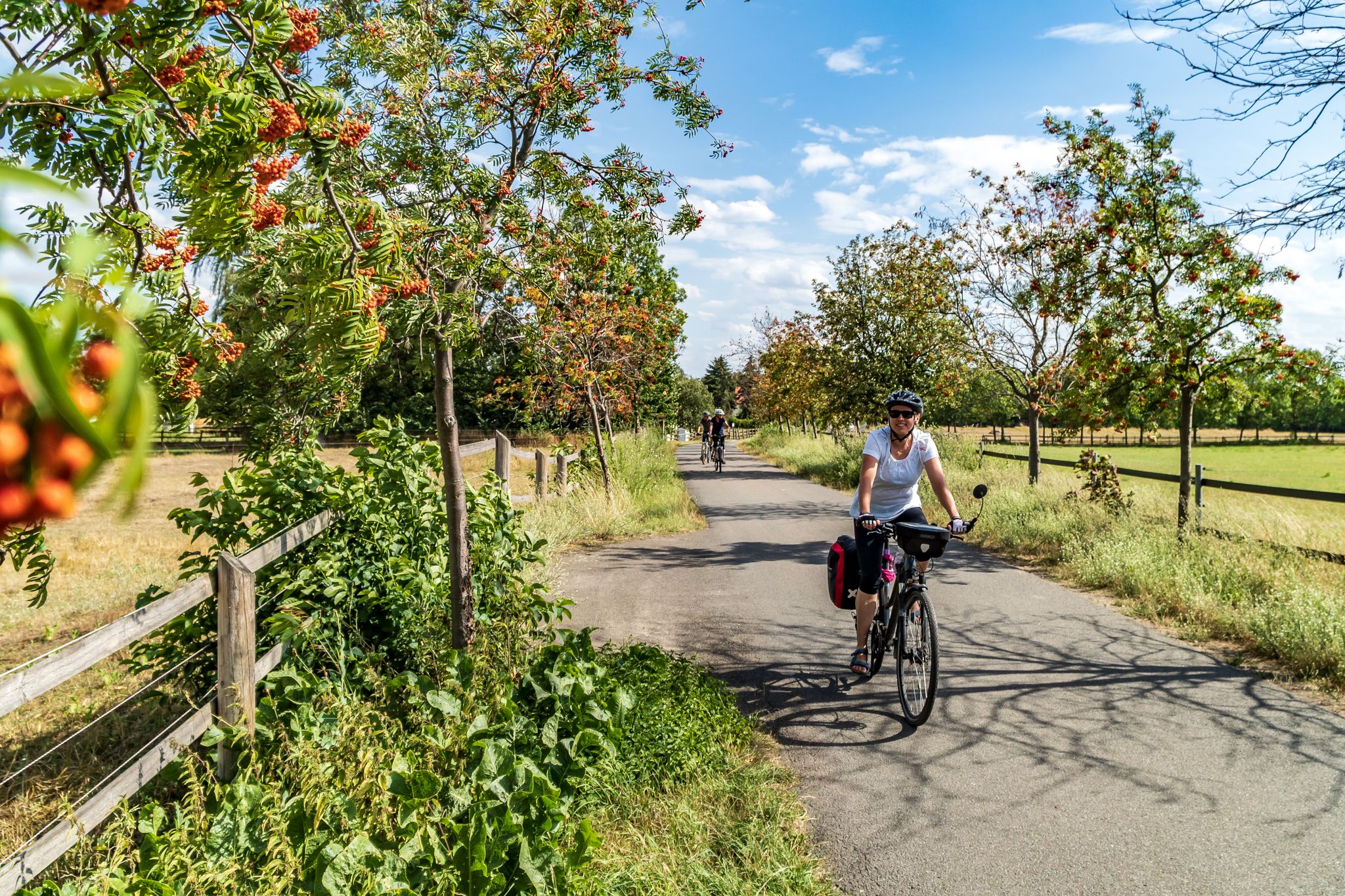
Cycling into the countryside – urban escapism around Leipzig
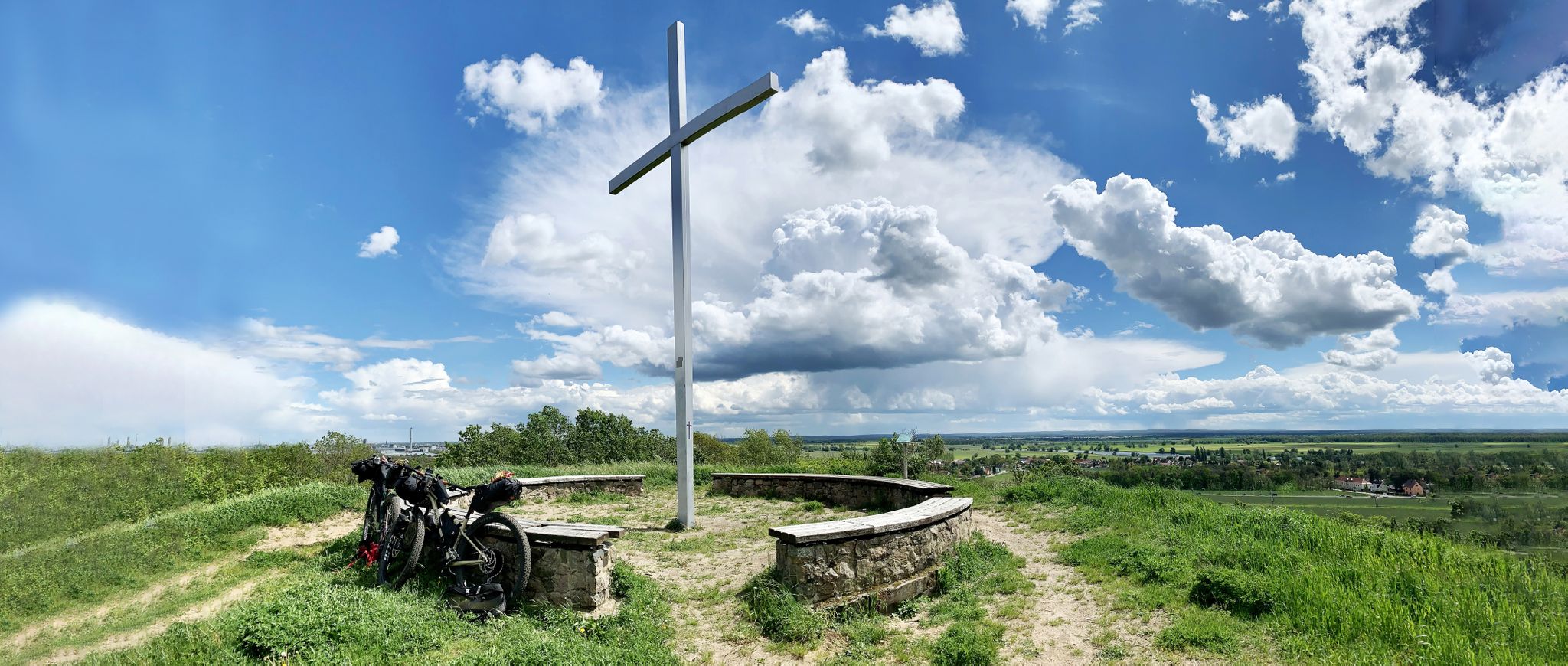
Romanticism on the Elbe River — cycling around the MDV north network
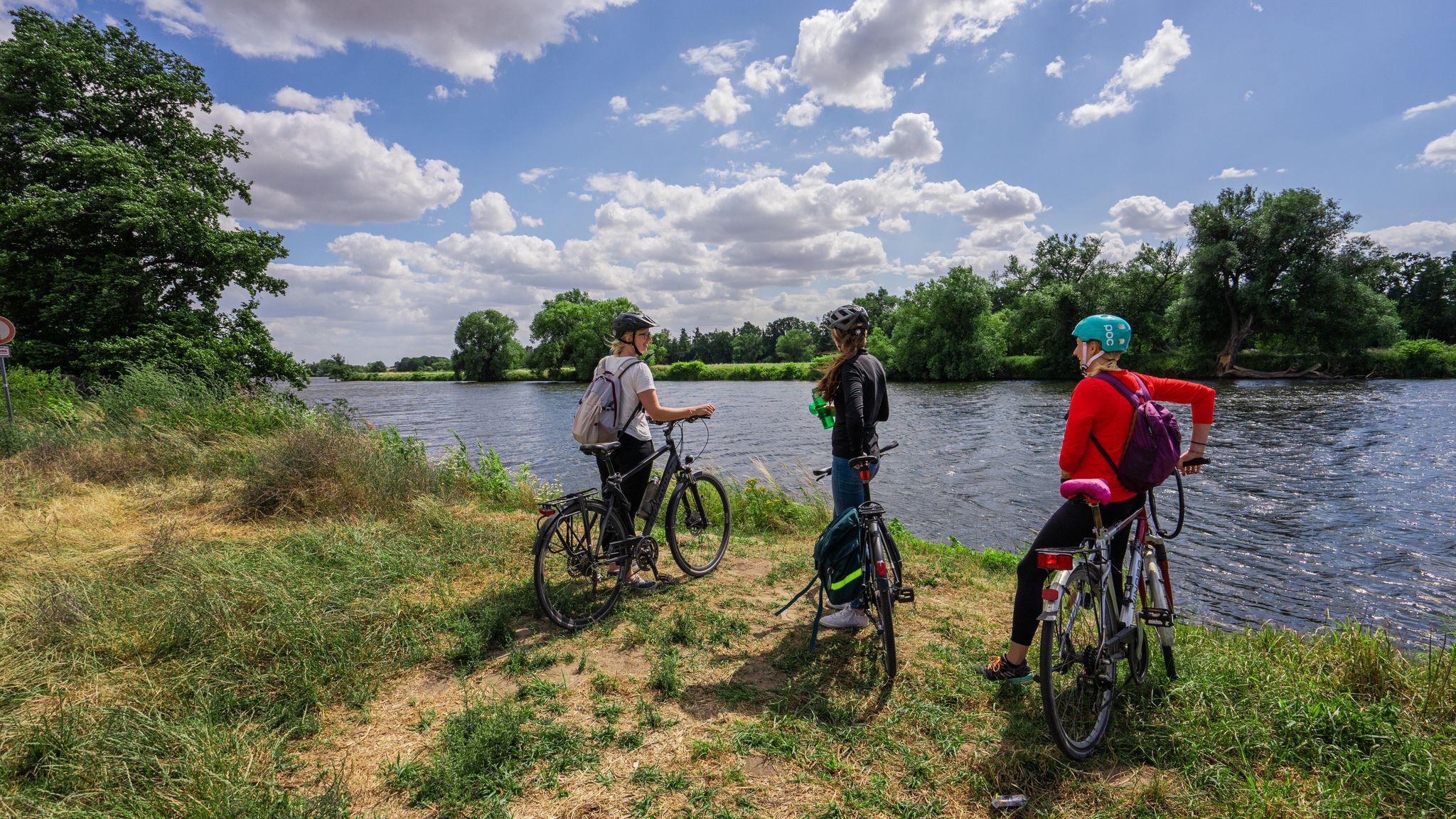
The Mulde Cycling Path
Holiday in Germany – Discover Saxony-Anhalt by bike
Ancient forests & pretty lakes – Cycling adventures around Leipzig
Cycling around Bitterfeld-Wolfen
Hiking around Bitterfeld-Wolfen
Road Cycling Routes around Bitterfeld-Wolfen
Running Trails around Bitterfeld-Wolfen
Other adventures around Bitterfeld-Wolfen


Tips from the Community

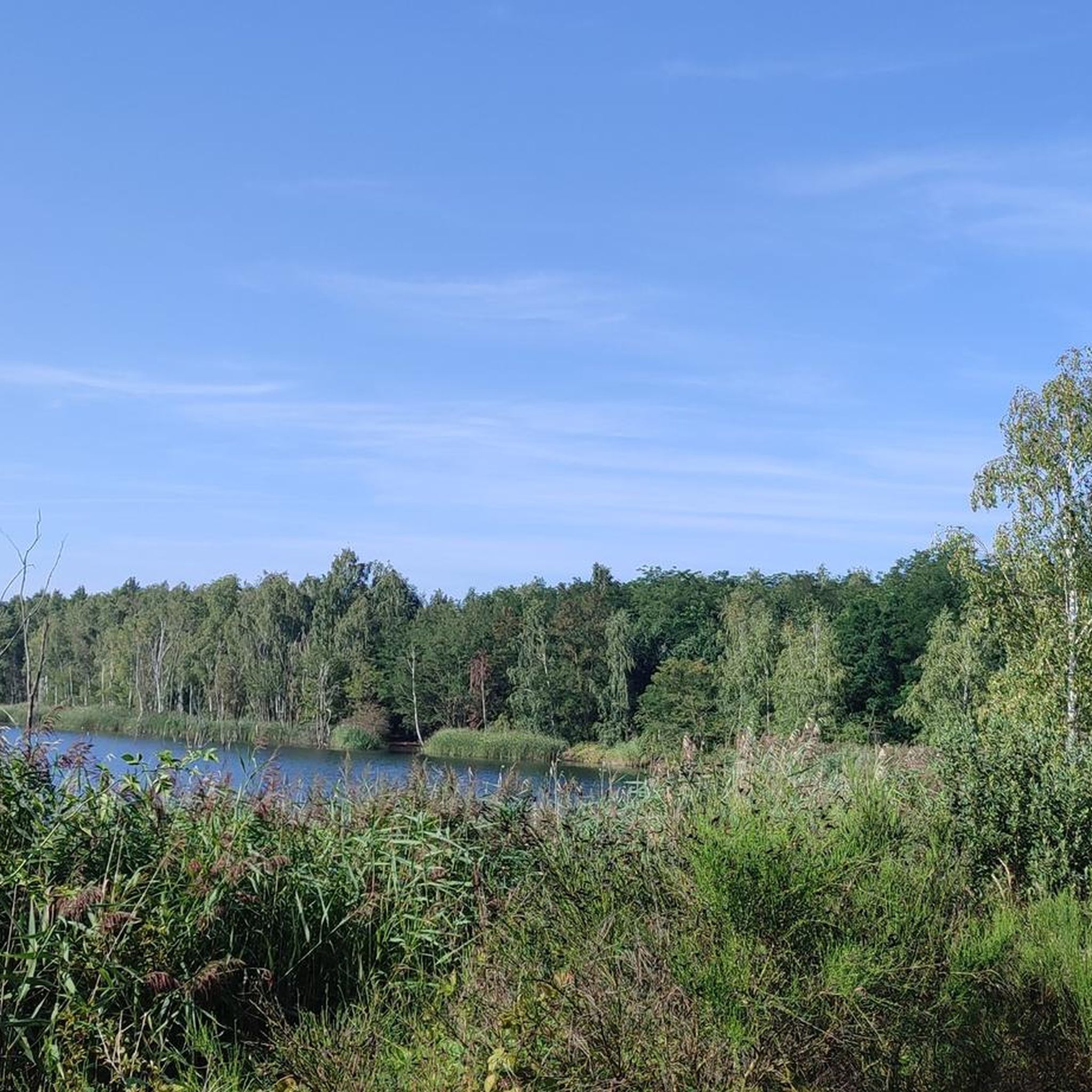
Today, an developed network of cycle paths and hiking trails with viewing platforms and information boards on the formation of the landscape extends along the Neuhäuser See. The 120 km long Kohle-Dampf-Licht cycle path from Lutherstadt Wittenberg to Markkleeberg passes by the lake. Source https://de.wikipedia.org/wiki/Neuh%C3%A4user_See
1
0
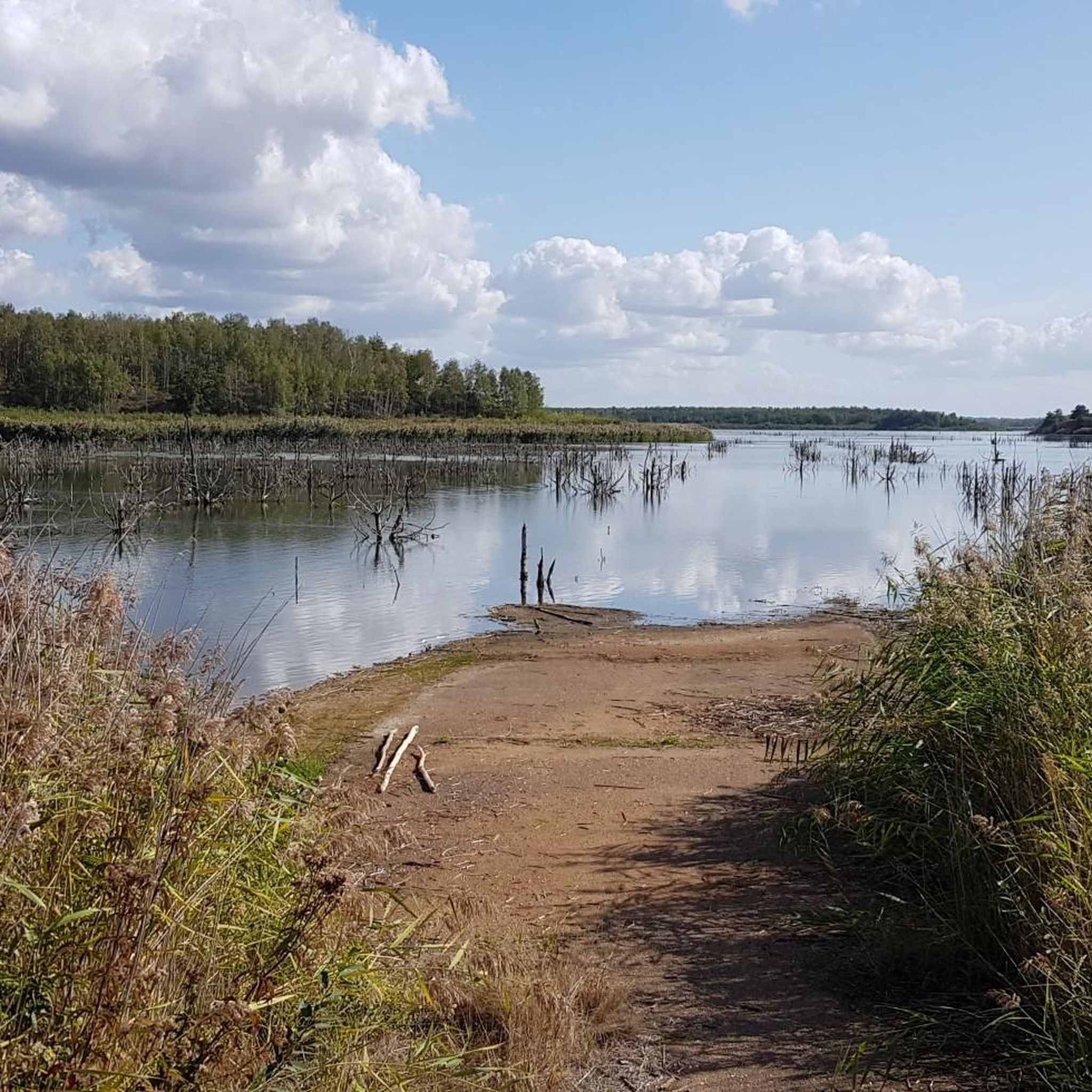
In the mid-19th century, the first mining activities began in the southwest of Goitzsche, near the villages of Petersroda and Holzweißig.[3] Following the lignite seam, mining progressed from west to east. Favored by the opening of the current Magdeburg–Leipzig and Trebnitz–Leipzig railway lines, the sales market for lignite expanded to Halle and Leipzig, among other places. The increased demand for electrical energy and fossil fuels in the 19th and 20th centuries led in 1908 to the opening of the Leopold open-cast mine (from 1945 to 1962 Holzweißig–Ost) and in 1958 to the creation of the Holzweißig-West open-cast mine.[3] The Neuhäuser See originated from the former Holzweißig-West lignite open-cast mine. It is named after the Neuhaus estate, which was demolished in 1976 along with the village of Paupitzsch. The Holzweißig-West open-cast mine was operated from 1958 to 1980. Other sources report usage until 1991. The lake was flooded from 1993 to 2005.[1] Overflowing water is channeled via the Goitzsche into the Mulde. Since 1997, the area has been renatured and stable embankments have been created. Source https://de.wikipedia.org/wiki/Neuh%C3%A4user_See
1
0
The Neuhäuser See is located on the northwestern border of the Free State of Saxony with Saxony-Anhalt, at an altitude of about 78 m above sea level. NN. South of the lake is Benndorf, a district of the North Saxon district town of Delitzsch, and to the north is the unified municipality of Bitterfeld-Wolfen in Saxony-Anhalt. It is located in the Central German Lake District, south of the Großer Goitzschesee and the waters Ludwigsee and Paupitzscher See. Quelle https://de.wikipedia.org/wiki/Neuh%C3%A4user_See
1
0
The Neuhäuser See (also Neuhauser See) is an opencast mine residual lake of approximately 155 hectares, which was created by flooding the former Holzweißig-West opencast mine. The lake is located in the Central German Lake District, south of the Goitzsche nature reserve and north of the town of Delitzsch. Source https://de.wikipedia.org/wiki/Neuh%C3%A4user_See
1
0
Lake Ludwig near Holzweißig (Saxony-Anhalt) is an idyllic natural bathing lake that originated from a former open-cast lignite mine in Holzweißig-West. It offers a popular sandy beach with a designated swimming area, good water quality, and is a peaceful destination for hikers and cyclists near Bitterfeld.
2
0
The Baroque Delitzsch Palace is located in the northern Saxon town of Delitzsch and is one of the oldest palaces in northwestern Saxony. The building and adjacent garden area are integrated into the planned historic district, through which a main road runs south of the palace grounds. Consisting of a manor house, a small northwestern wing, and a larger northeastern wing, it was constructed and architecturally modified in several phases. Only the foundations of the original building, dating from the early 12th century, remain. Among the oldest surviving parts are two deep cellars and the tower, which the Margrave of Meissen, William I, had built starting in 1389. Built on the foundations of a Gothic moated castle, the complex served the Wettin dynasty as an administrative and travel residence from 1387 to 1540. Subsequently, the Dukes and Electors of Saxony had the castle converted into a Renaissance palace from 1540 to 1558 and lived there during their travels. The complex was last externally altered at the end of the 17th century, giving it its Baroque appearance. From then on, the Principality of Saxe-Merseburg used it as a widow's residence and a travel residence. After a phased restoration beginning in 1993, the Baroque Delitzsch Palace is now used as a museum, tourist information center, registry office, branch of the "Heinrich Schütz" District Music School of North Saxony, a concert hall, and a national event venue. This cultural monument is owned by the district town of Delitzsch. Source: https://de.wikipedia.org/wiki/Schloss_Delitzsch
5
0
Cool location with a great view of the Goitzsche
5
0
Frequently Asked Questions
What are the key natural features to explore in Bitterfeld-Wolfen?
Bitterfeld-Wolfen, a region transformed from an industrial area, now offers a variety of re-naturalized landscapes. You can explore expansive lakelands like the Goitzsche, which emerged from a former opencast lignite mine, and smaller, serene lakes such as Lake Ludwig, known for its sandy beach. The area also features green spaces like the Arboretum Burgkemnitz, a garden with diverse trees and shrubs.
Are there family-friendly natural monuments around Bitterfeld-Wolfen?
Yes, several natural monuments in the region are well-suited for families. Lake Ludwig offers a sandy beach and designated swimming area, perfect for a day out. The Arboretum Burgkemnitz provides a pleasant environment for walks among various trees and shrubs. Additionally, the Grüne Lunge (Green Lung) in Bitterfeld's city center features a park with a small animal park and mini golf, appealing to children.
What historical or cultural sites are considered natural monuments in this region?
Beyond the re-naturalized landscapes, the region also features historical sites recognized for their natural surroundings. The Delitzsch Baroque Palace, one of Saxony's oldest castles, is surrounded by a beautiful baroque garden and a wide moat. Similarly, Cösitz Castle is set within a park featuring old copper beeches, a grotto, and a pond, offering a blend of history and nature.
What kind of outdoor activities can I do near the natural monuments?
The re-naturalized landscapes around Bitterfeld-Wolfen are ideal for various outdoor activities. You can enjoy easy hikes, such as the 'Ludwigsee Swimming Area – Lake Ludwig loop from Holzweißig,' or explore the area by bike. For more detailed routes, you can find options for easy hikes, MTB trails, and gravel biking around Bitterfeld-Wolfen.
Are there good viewpoints to see the transformed landscape?
Yes, the region offers unique viewpoints to appreciate its transformation. The Bitterfeld Arch, an impressive steel structure, stands on a former dump site and provides panoramic views over the newly created lake landscape of the Goitzsche and the city of Bitterfeld-Wolfen. Additionally, lakes like Lake Neuhauser and Lake Ludwig offer scenic vistas of the water and surrounding green areas.
What is the best time of year to visit the natural monuments in Bitterfeld-Wolfen?
The natural monuments around Bitterfeld-Wolfen are enjoyable throughout the warmer months, from spring to early autumn. Spring brings blooming vegetation, while summer is ideal for swimming and water activities at the lakes. Autumn offers pleasant temperatures for hiking and cycling, with changing foliage adding to the scenic beauty. Even in winter, the landscape can be picturesque, though some recreational facilities might be closed.
Can I bring my dog to the natural monuments and trails?
Many natural areas and trails in Bitterfeld-Wolfen are generally dog-friendly, especially those around the re-naturalized lakes and parks. However, specific rules may apply in designated nature reserves or protected areas, such as parts of the Goitzsche Landscape Park. It's always advisable to keep dogs on a leash and check for any local signage regarding pet policies, especially near bathing areas or sensitive wildlife habitats.
Where can I find accommodation near the natural monuments?
Accommodation options are available in and around Bitterfeld-Wolfen, particularly near the larger recreational areas. For instance, Gröbener See, another re-naturalized lake, has integrated holiday facilities including a caravan site, holiday homes, and a hotel. You can also find various hotels and guesthouses in Bitterfeld-Wolfen itself, providing convenient access to the Goitzsche and other attractions.
Are there cafes or pubs near the natural monuments for refreshments?
Yes, you'll find places for refreshments, especially around the more developed recreational lakes. The Goitzsche Lake area, for example, has cafes and restaurants catering to visitors. The Delitzsch Baroque Palace even has a restaurant in its former castle guardhouse. For other areas, it's recommended to check local listings or plan to bring your own provisions, especially for more remote trails.
How accessible are the natural monuments by public transport?
Access to the natural monuments by public transport varies. Bitterfeld-Wolfen itself is connected by regional train services. From the city, local buses can take you to some of the larger attractions like the Goitzsche Lake area. However, for more remote natural sites or specific trailheads, public transport might be limited, and a car or bicycle could offer more flexibility. It's best to research specific routes and schedules for your chosen destination.
What makes the Goitzsche Landscape Park a significant natural monument?
The Goitzsche Landscape Park is a prime example of successful environmental recovery. It transformed from a vast opencast lignite mine into an idyllic lakeland, now a landscape conservation area and nature reserve. It's significant for its rich biodiversity, clear waters, and recreational opportunities like cycling, hiking, swimming, and boating. It demonstrates how a former industrial 'ecological disaster' can become a thriving natural and tourist destination.
Most popular routes around Bitterfeld-Wolfen
Most popular attractions around Bitterfeld-Wolfen

Get inspired with the komoot mobile app


Explore more
Extend your search for the best caves by checking out these guides of the top ones around Bitterfeld-Wolfen:
