Top 20 Natural Monuments around Selke-Aue
Best natural monuments around Selke-Aue are found within the picturesque Selke Valley in the Harz district of Saxony-Anhalt, Germany. This region is characterized by the winding Selke River, dense mixed forests, and expansive meadows, providing a habitat for various plant and animal species. The valley offers untouched natural beauty and tranquil escapes for visitors. The landscape includes significant natural areas that function as attractions for outdoor exploration.
Best natural monuments around Selke-Aue
- The most popular natural monuments is Großer Gegenstein…
Last updated: October 11, 2026
Großer Gegenstein Summit Cross
Highlight • Summit
Translated by Google •
Tip by

Münzenberg Musicians Fountain
Highlight • Monument
Translated by Google •
Tip by

Sign up now to discover places like this
Get recommendations on the best single tracks, peaks, & plenty of other exciting outdoor places.
Schlossgarten Quedlinburg
Highlight • Viewpoint
Translated by Google •
Tip by

Quedlinburg Castle
Highlight • Castle
Translated by Google •
Tip by

Domburg Castle Ruins
Highlight • Castle
Translated by Google •
Tip by

Sign up for free to discover even more natural monuments around Selke-Aue.
Already have an account?
Start today with a free account
Your next adventure awaits.
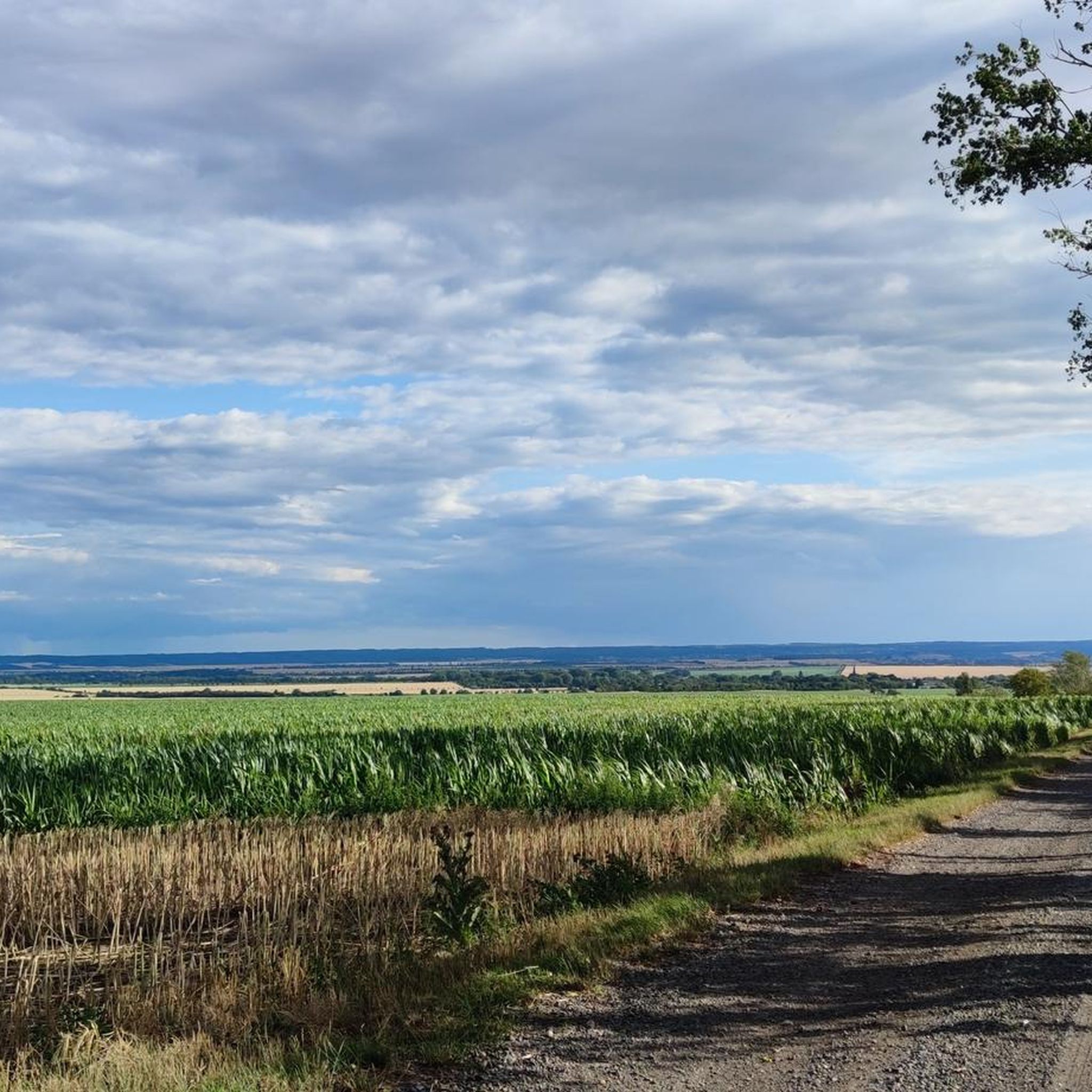
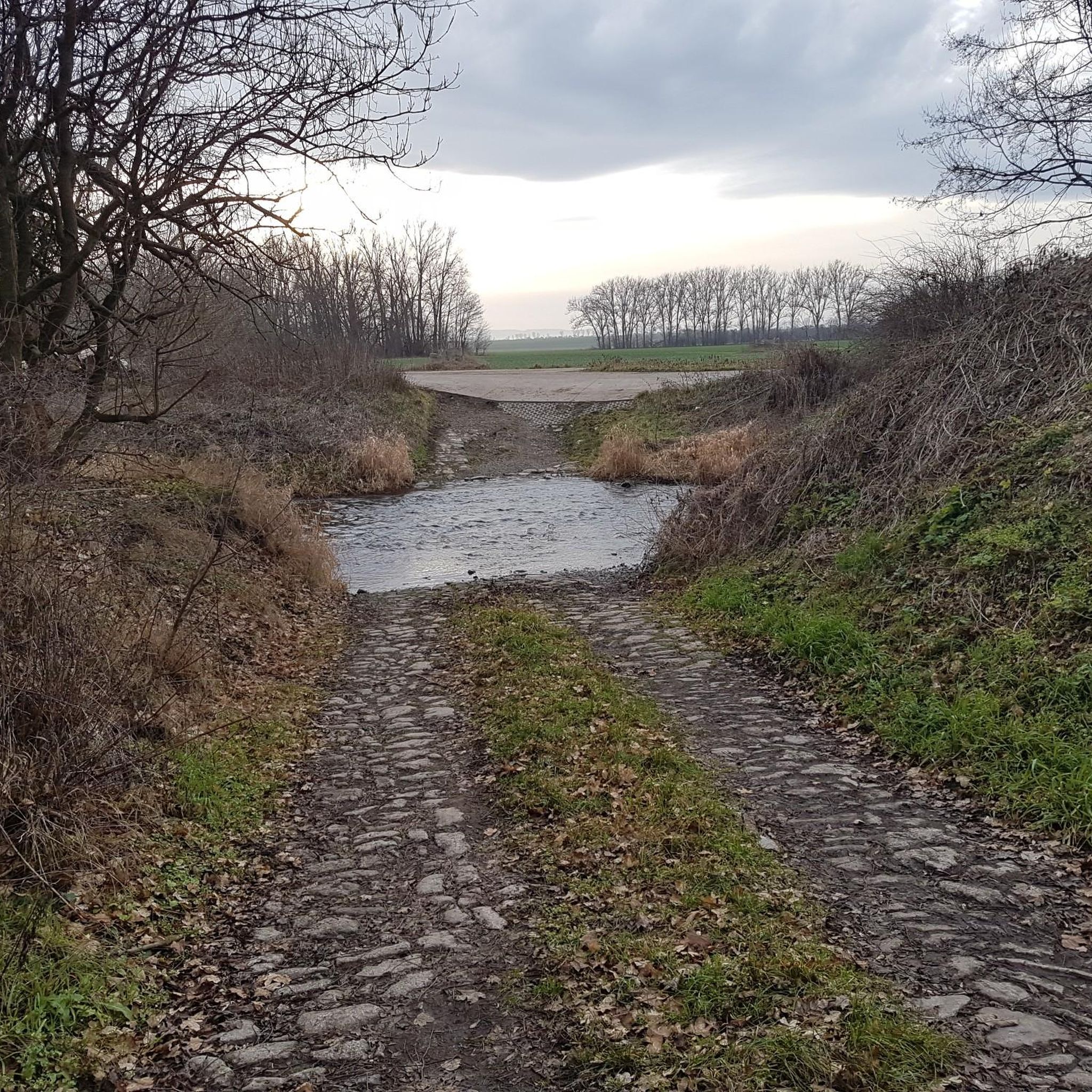
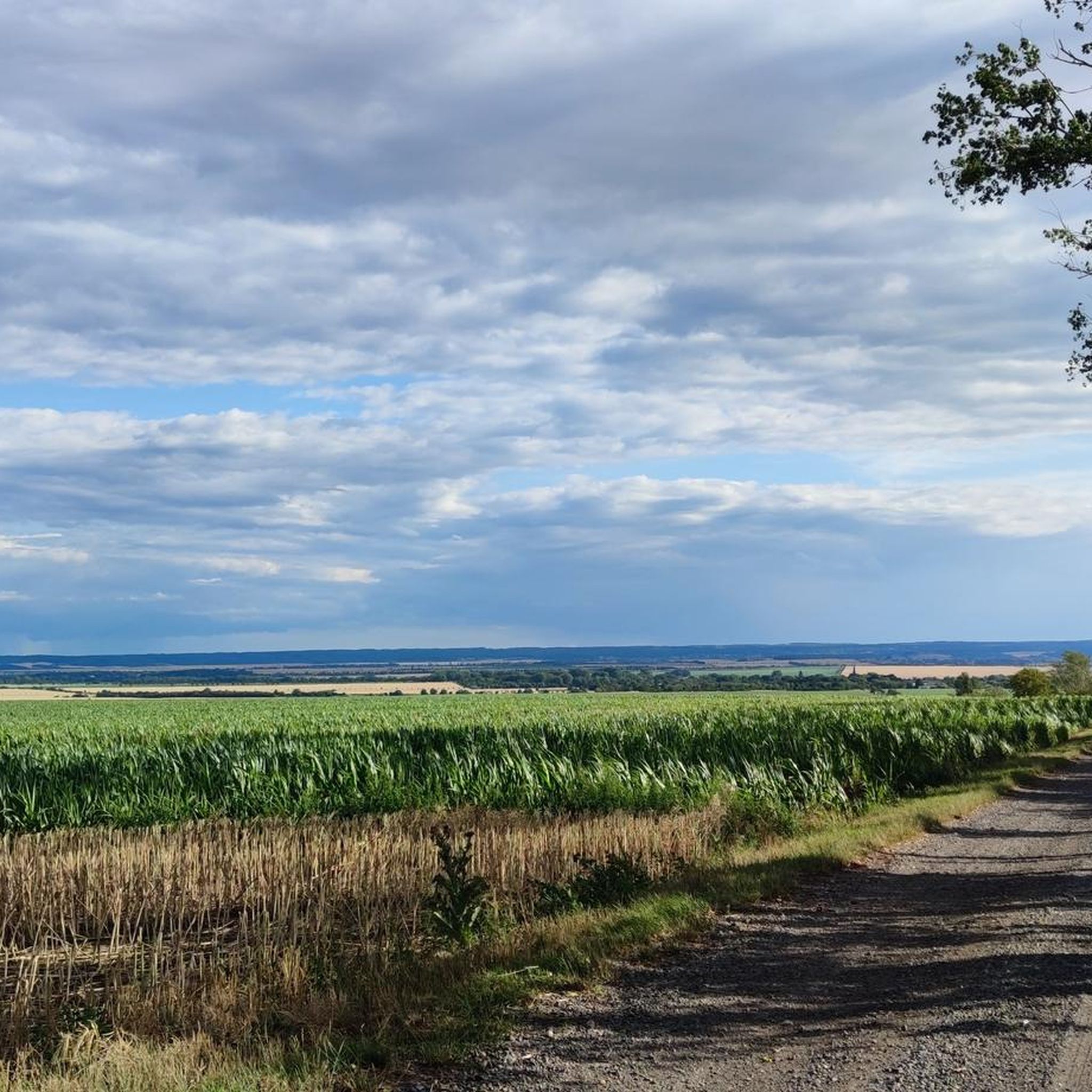
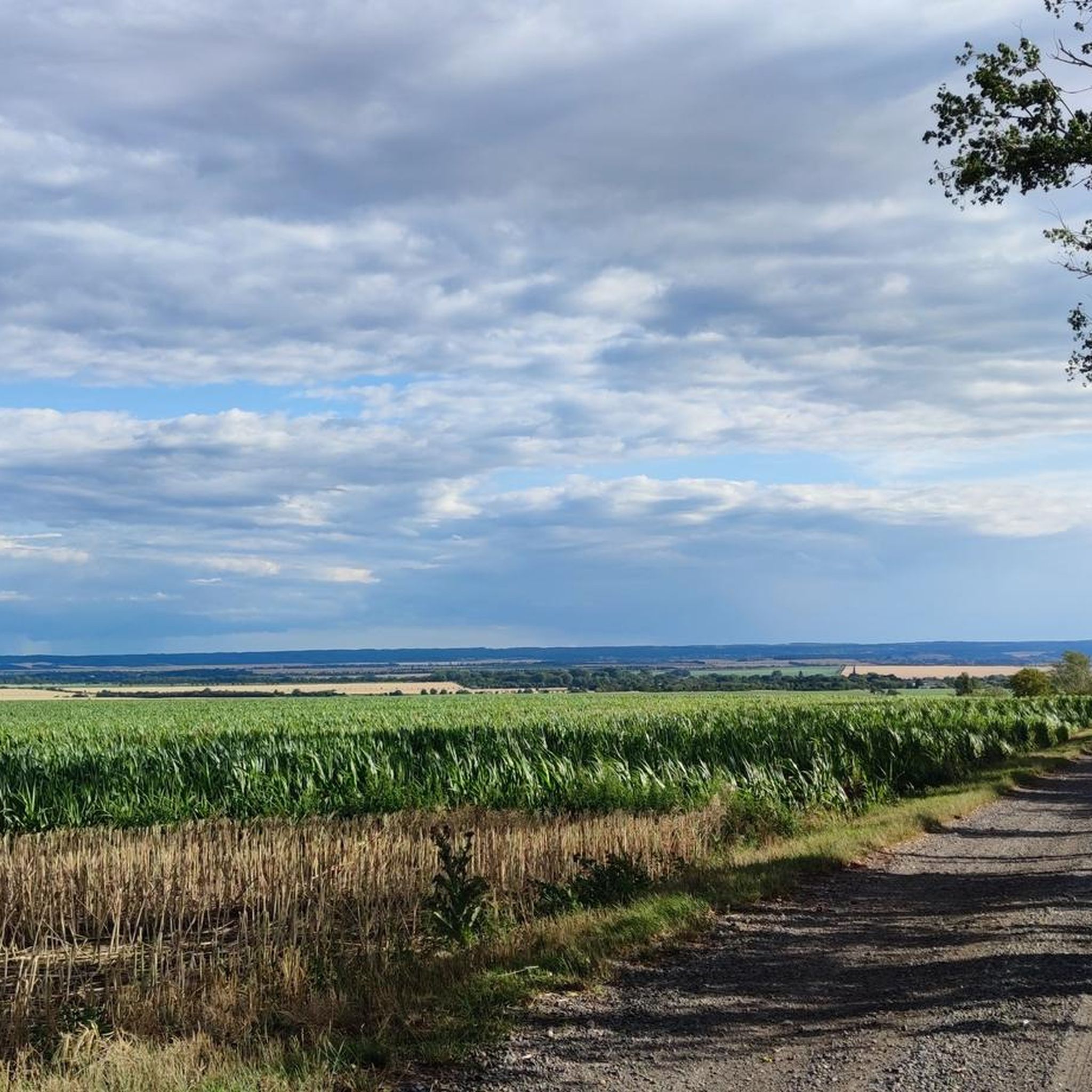
Tips from the Community

It is reminiscent of the musicians, mostly of Bohemian descent, from Münzenberg on the opposite side of the road. They often earned their living by playing music.
7
0

Beautiful fountain in the Quedlinburg market square.
17
0


The Münzenberg Musicians were a group of musicians from Quedlinburg who originally came from the Münzenberg, a hill opposite the Stiftsberg. They were predominantly of Bohemian origin and earned their living by playing music at various events, a tradition that continued until the early 1950s. Today, a bronze statue dedicated to the Münzenberg Musicians on Quedlinburg's market square, created by Professor Wolfgang Dreysse and erected in 1979.
24
0

The Gegegensteine, an impressive rock face with a cross, can be climbed thanks to the stairs.
6
0

Beautiful figures and the flair of the old town is very impressive.
4
0

The cliffs below the castle are very beautiful to look at.
5
0

A very nice market place
5
1
Frequently Asked Questions
What natural features define the Selke-Aue region?
The Selke-Aue region is primarily defined by the picturesque Selke Valley, a significant nature reserve. It features the winding Selke River, dense mixed forests, and expansive meadows. You can also experience the 'rocky Selke Falls' along the river and explore areas like the Hakel Forest and the Friedrichshohenberg Nature Reserve, known for its beech forests and diverse wildlife.
Are there any notable viewpoints among the natural monuments in Selke-Aue?
Yes, several natural monuments offer excellent views. The Großer Gegenstein Summit Cross provides great views in all directions. Another must-see spot is the Lehof Sandstone Cliff, which offers incredible panoramic views from its plateau. Additionally, the Abteigarten Quedlinburg – View of Quedlinburg's Old Town offers a very nice perspective over the roofs of Quedlinburg.
What kind of historical sites are considered natural monuments in this area?
The region blends natural beauty with historical significance. For instance, the Domburg Castle Ruins are a historical site with remains from the 1500s, situated amidst nature, offering good hiking trails. While not strictly natural, the Münzenberg Musicians Fountain is also listed as a natural monument, located in Quedlinburg's market square, commemorating a local musical tradition.
What outdoor activities can I do near the natural monuments in Selke-Aue?
The Selke-Aue region offers various outdoor activities. You can enjoy hiking on trails like those around the Domburg Castle Ruins. The Selke River itself provides opportunities for fishing, rowing, and swimming in various ponds and lakes. For more structured routes, you can explore numerous options for hiking, road cycling, and gravel biking in the wider Selke-Aue area.
Are there family-friendly natural monuments or activities in Selke-Aue?
Yes, the region offers options for families. The Abteigarten Quedlinburg – View of Quedlinburg's Old Town is categorized as family-friendly. The broader Selke Valley, with its tranquil environment and easy walking paths along the Selke River, is suitable for family outings. When visiting the Lehof Sandstone Cliff, it's important to keep a close eye on children due to the vertical drop, as there are no railings.
What is the best time of year to visit the natural monuments around Selke-Aue?
The Selke-Aue region is beautiful year-round, but the best time to visit for outdoor activities and enjoying the lush scenery is typically from spring to autumn. During these seasons, the weather is generally mild, making hiking and exploring the forests and meadows more pleasant. The vibrant colors of spring blooms and autumn foliage add to the scenic beauty.
Are dogs allowed at the natural monuments in Selke-Aue?
Many natural areas and trails in Selke-Aue are dog-friendly, allowing you to explore with your canine companion. However, when visiting specific sites like the Lehof Sandstone Cliff, it's crucial to keep dogs on a leash and supervise them closely due to the sudden vertical drop-offs and lack of barriers.
Are there any wheelchair-accessible natural monuments in the area?
The Münzenberg Musicians Fountain in Quedlinburg is listed as wheelchair-accessible, offering an opportunity to experience a cultural monument within the broader natural context of the region. Access to other natural monuments, especially those involving trails or elevated viewpoints, may vary and could be challenging for wheelchairs.
What do visitors enjoy most about the natural monuments in Selke-Aue?
Visitors frequently appreciate the stunning panoramic views, such as those from the Großer Gegenstein Summit Cross and the Lehof Sandstone Cliff. The tranquil escape offered by the untouched natural beauty of the Selke Valley, with its winding river and dense forests, is also a major draw. Many enjoy the good hiking opportunities and the chance to explore historical sites nestled within nature, like the Domburg Castle Ruins.
How long should I plan for a visit to the natural monuments in Selke-Aue?
The duration of your visit can vary greatly depending on your interests. You could spend a few hours exploring a specific highlight like the Großer Gegenstein Summit Cross or the Lehof Sandstone Cliff. To fully experience the Selke Valley and its various natural and historical sites, including hiking trails and viewpoints, a full day or even a weekend would allow for a more comprehensive exploration.
Are there specific hiking trails recommended near these natural monuments?
Yes, the region offers numerous hiking opportunities. For example, there are good hiking trails around the Domburg Castle Ruins. The 75 km long Selketal-Stieg trail is ideal for walkers and hikers looking to explore the wild botany of the Selke Valley. You can find various hiking routes, including easy circular walks, throughout the Selke-Aue area.
What geological features can be observed in the Selke-Aue natural monuments?
The Selke-Aue region is characterized by diverse geological features. The most prominent is the Lehof Sandstone Cliff, a striking Cretaceous sandstone rock that has been protected as a natural monument. The Selke River also features 'rocky Selke Falls' in some sections, showcasing the river's interaction with the local geology. The overall landscape includes river valleys and formations shaped by the Harz foothills.
Most popular routes around Selke-Aue
Most popular attractions around Selke-Aue

Get inspired with the komoot mobile app


Explore more
Extend your search for the best caves by checking out these guides of the top ones around Selke-Aue:
