Top 20 Natural Monuments around Lebus
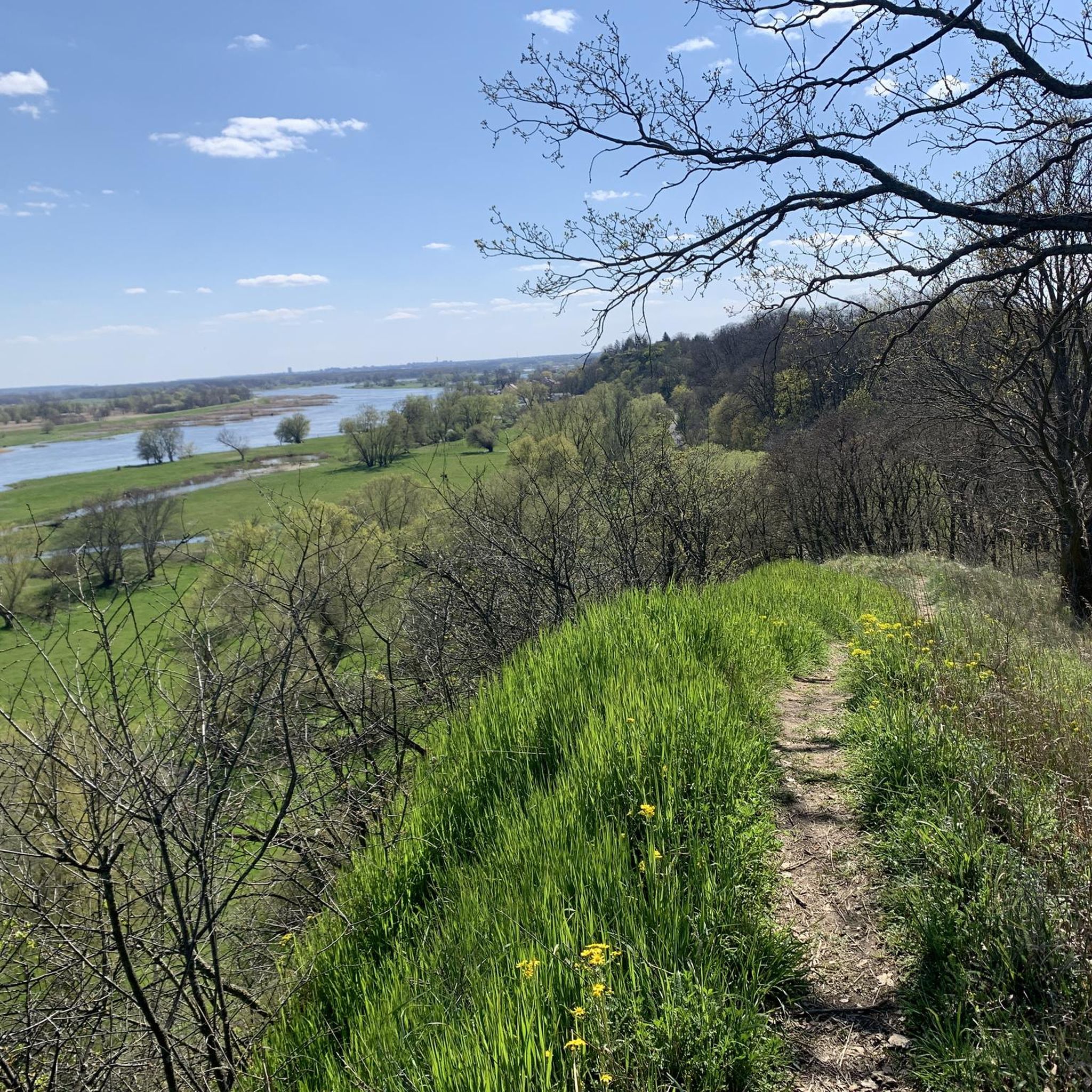
Best natural monuments around Lebus are found in the Märkisch-Oderland district of Brandenburg, Germany. This region features the Oderberge, an area known for its unique ecological significance and diverse natural features. Visitors can explore various natural monuments, including protected hillsides and geological formations. The landscape offers opportunities to observe rare plant species and enjoy views of the Oder river.
Best natural monuments around Lebus
- The most popular natural monuments is Adonisröschen Slopes (Odertal Frankfurt-Lebus), a natural monument known for…
Last updated: August 18, 2026
Priesterschlucht
Highlight • Gorge
Translated by Google •
Tip by

Comic Fountain (The East Shines) at Brunnenplatz
Highlight • Monument
Translated by Google •
Tip by

Sign up now to discover places like this
Get recommendations on the best single tracks, peaks, & plenty of other exciting outdoor places.
Sign up for free
Adonisröschen Slopes (Odertal Frankfurt-Lebus)
Highlight (Segment) • Natural Monument
Translated by Google •
Tip by

Großer Stein (Rosengarten)
Highlight • Natural Monument
Near the …
Translated by Google •
Tip by

Lennépark Frankfurt (Oder)
Highlight (Segment) • Natural
Translated by Google •
Tip by

Sign up for free to discover even more natural monuments around Lebus.
Sign up for free
Already have an account?
Start today with a free account
Your next adventure awaits.
Login or Signup
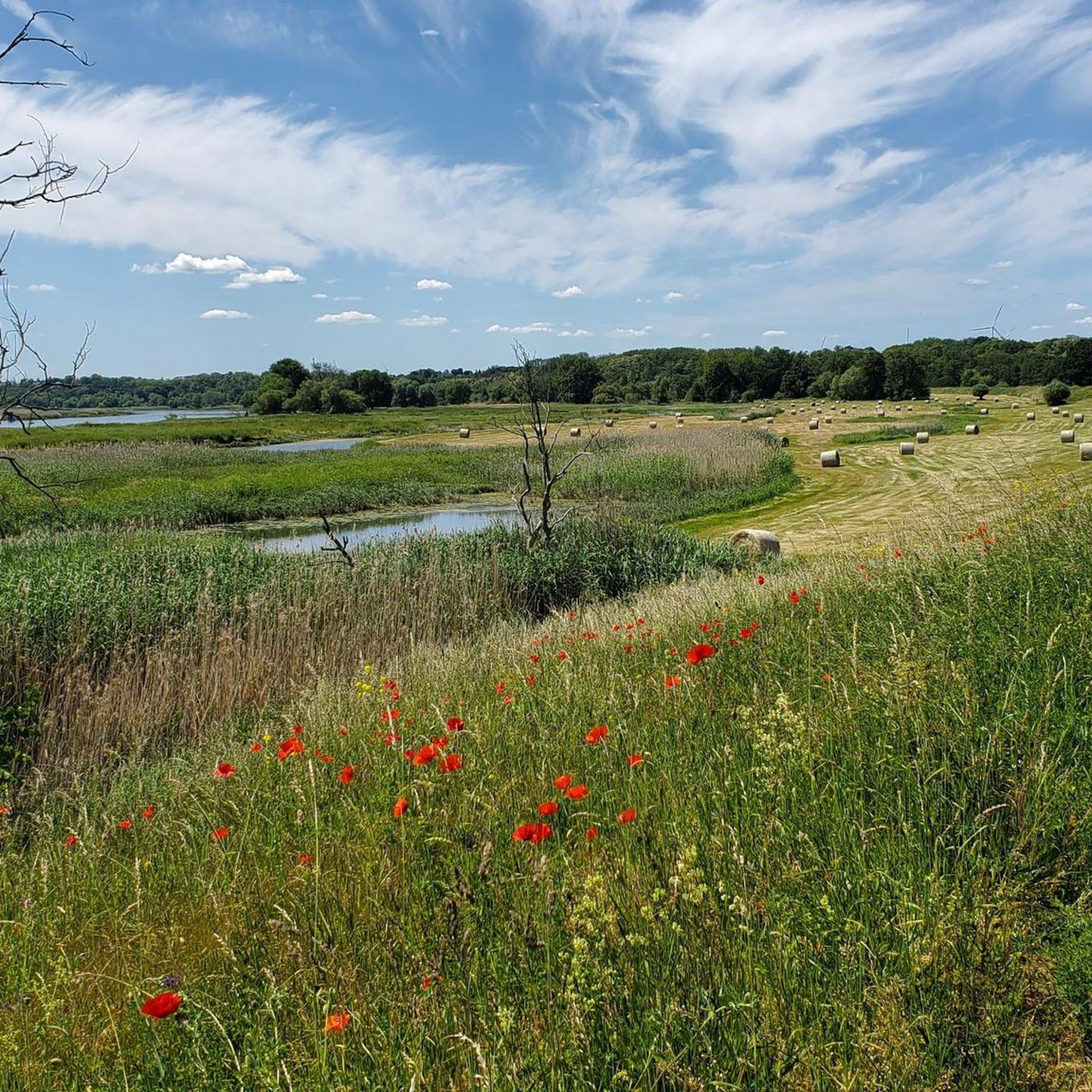
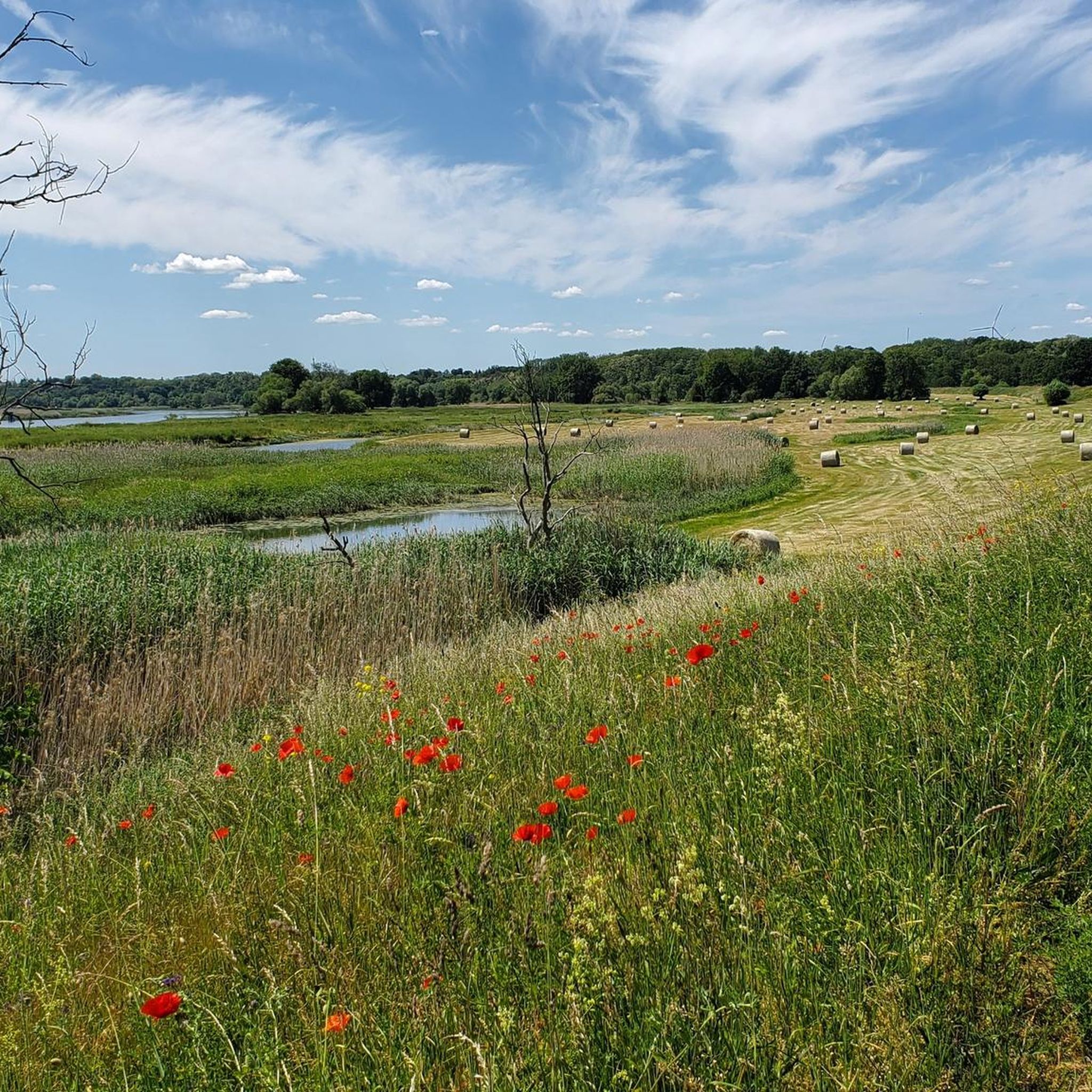
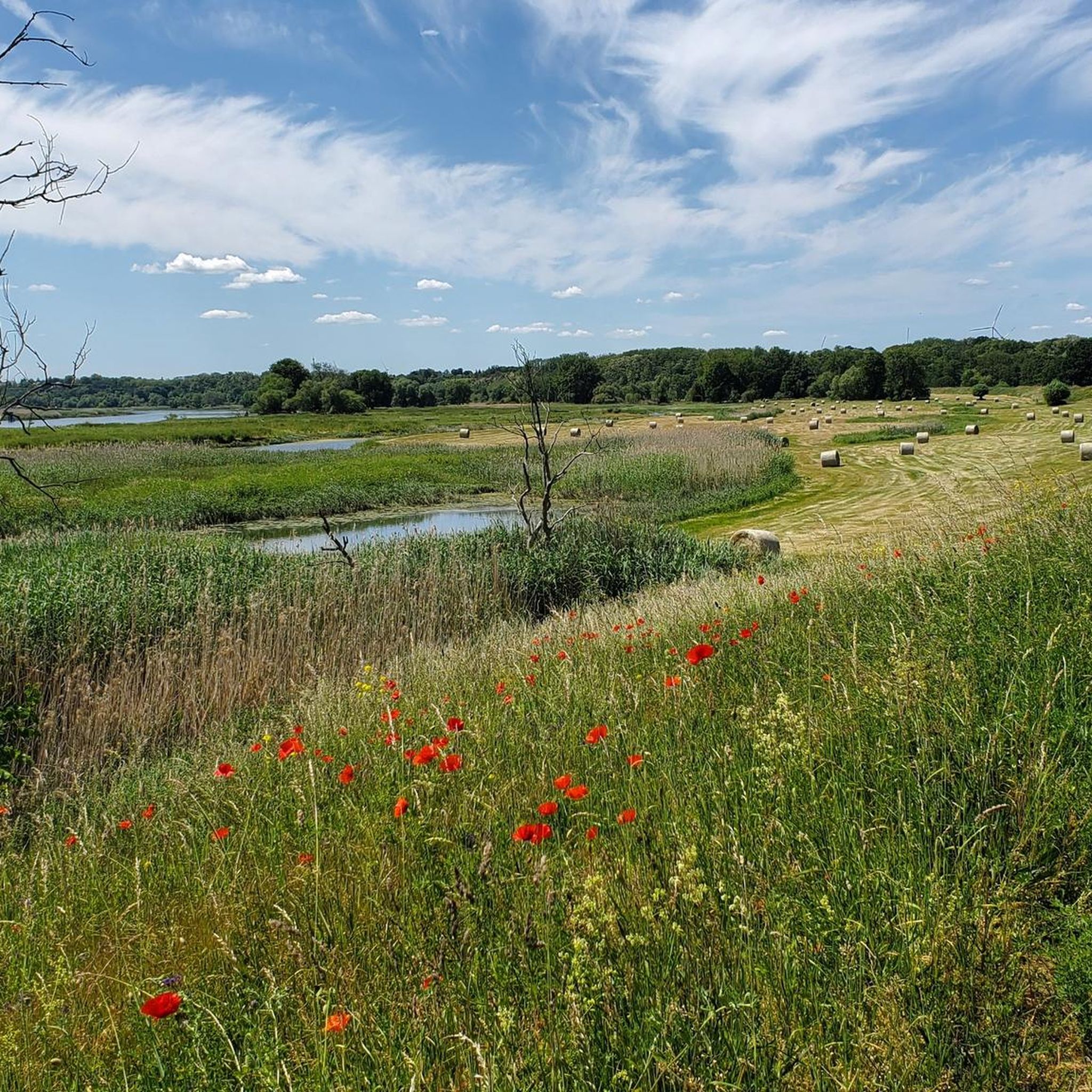
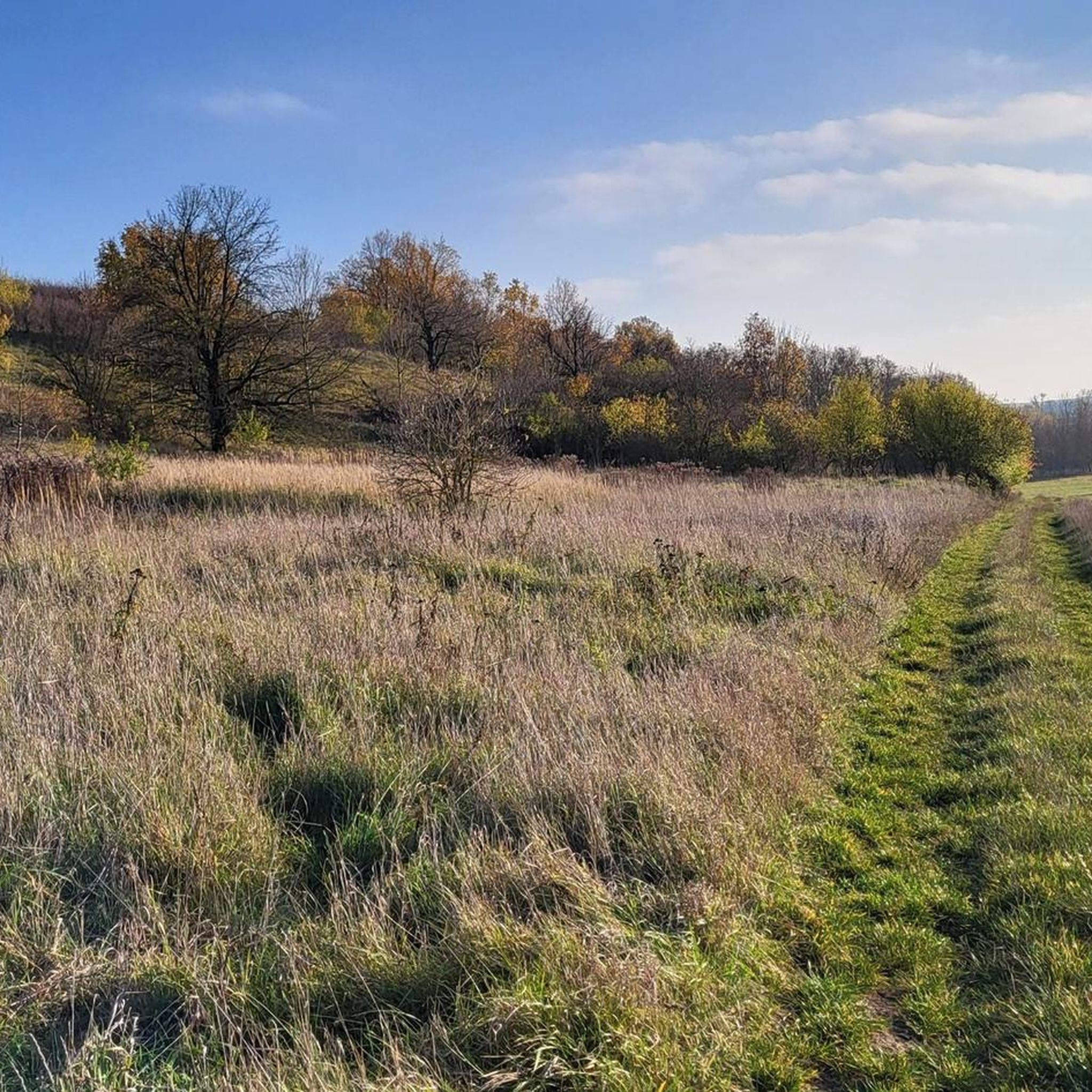

Tips from the Community

The Adonis flower is simply a dream.
0
0


Lennepark is an 8.9 hectare park, approximately 900 m long and 95 m wide, with an artificial waterfall, flowing water, fountain and ponds.
2
3

Located in the center of the city
0
0

A great fountain with many great figures and a nice atmosphere!! Simply worth seeing!
1
3

Rosengarten offers hikers and nature lovers numerous excursion options, for example you can visit the erratic stones in the Frankfurt city forest, which are protected as nature reserves. Near the Eduardspring forester's house there are granite blocks known as mushroom stones and caps because of their shapes. Other stones are the Rosengarten twin stone weighing 70 tons, the Kanzelstein weighing 150 tons, the Näpfchenstein, the Große Stein, the große and kleine Försterstein, the Erratic at the Stern and the Trassenstein. These stones weigh between 5 and 28 tons. In the city forest you can discover the wildlife park, which was created on a former shooting range. Hikers on the hiking trails in the city forest can visit old pedunculate oaks, and bathers can use the surrounding lakes. (Source: Wikipedia)
1
1

The comic fountain (actually The East is lit, location) was created in 2000 by Michael Fischer-Art from stainless steel and painted figures from glass fiber reinforced plastic (GRP). The fountain was designed with eight sculptures: 1st clock figure 5.20m, 2nd hand 1m, 3rd sun 1.95m, 4th moon 1.95m, 5th hand 1m, 6th hand 1st m, 7th figure 2.20 m, 8th figure 2.40 m. The figure in the upper pool, towering at 5.20 meters, has an integrated analog clock on the right and left as stylized eyes, which is illuminated at night. The pool depth is 50 cm, the water depth is 25 cm. Feasibility, water pressure and consumption, pipe and nozzle sizes and the total costs of the water technology project were checked and calculated by graduate engineer Chris Begall from the company Pumpen-Zilius, Berlin. After the demolition of the Great Fountain (“Panzersperre”), the Brunnenplatz was to be designed with a fountain again. It should attract viewers, irritate them in a positive way and enliven the overly functional space. The theme of the fountain should be elementary principles: sun and moon, heaven and earth, masculinity and femininity and the all-connecting dimension of time. They are embodied by figures that move on and in the water, are brightly colored and illuminated by halogen chandeliers that are sunk at ground level. WIKIPEDIA
2
0
The comic fountain (actually The East Is Shining) was created in 2000 by Michael Fischer-Art from stainless steel and painted figures from glass fiber reinforced plastic (GRP). The fountain was designed with eight sculptures: 1st clock figure 5.20m, 2nd hand 1m, 3rd sun 1.95m, 4th moon 1.95m, 5th hand 1m, 6th hand 1st m, 7th figure 2.20 m, 8th figure 2.40 m. The figure in the upper pool, towering at 5.20 meters, has an integrated, night-illuminated analogue clock on the right and left as stylized eyes. The pool depth is 50 cm, the water depth is 25 cm. Feasibility, water pressure and consumption, pipe and nozzle sizes and the total costs of the water technology project were checked and calculated by graduate engineer Chris Begall from the company Pumpen-Zilius, Berlin. After the demolition of the Great Fountain (“Panzersperre”), the Brunnenplatz was to be designed with a fountain again. (Wikipedia)
3
0
Frequently Asked Questions
When is the best time to visit the natural monuments around Lebus?
The spring, particularly between late March and early May, is ideal for witnessing the vibrant bloom of the Adonis roses on the Adonisröschen Slopes (Odertal Frankfurt-Lebus) and in the Priesterschlucht. During this period, the hillsides are covered in brilliant yellow flowers. Beyond spring, the area offers picturesque views and hiking opportunities throughout the warmer months.
What unique natural features can I expect to see in the Lebus region?
The region is known for its unique ecological communities, particularly the continental steppe landscape of the Oderberge. You can observe rare plant species like the spring Adonis rose and feather grass. The area also features impressive erratic blocks, such as the Großer Stein (Rosengarten), and scenic gorges like the Priesterschlucht, offering diverse flora and picturesque views of the Oder landscape.
Are there family-friendly natural monuments around Lebus?
Yes, several natural monuments are suitable for families. The Priesterschlucht offers a beautiful, short circular route that is easy to navigate. The Adonisröschen Slopes are also family-friendly, providing an opportunity to see the unique spring flowers. Additionally, the Großer Stein (Rosengarten) is located in an area with various excursion options for nature lovers.
What kind of hiking trails are available near the natural monuments?
The Lebus area offers a variety of hiking trails, ranging from easy to moderate. You can explore circular routes through gorges like the Priesterschlucht or enjoy longer walks along the Oder slopes. For more options, you can find detailed routes in the Hiking around Lebus guide, which includes trails like the "View of Lebus and the Oder River – St. Mary's Parish Church loop from Lebus" (9.23 km, moderate).
Can I go cycling near the natural monuments in Lebus?
Absolutely. The region provides excellent opportunities for cycling, with paths that follow the Old Oder and allow you to experience the scenic river landscape. You can explore various routes, from easy to difficult, such as the "Cycle Path Along the B112 – Ostbahn Viaduct Kliestow loop from Lebus" (31.93 km, easy). More cycling routes are available in the Cycling around Lebus guide and the Road Cycling Routes around Lebus guide.
Are there any historical sites close to the natural monuments?
Yes, the region has significant historical sites. The Seelow Heights Memorial is a notable historical site and memorial, offering insights into the final phase of World War II. It provides a poignant contrast to the natural beauty of the area and is worth visiting for its historical significance.
What kind of terrain should I expect when visiting these natural monuments?
The terrain varies, but generally, you can expect rolling hills, particularly in the Oderberge area, which includes the Adonisröschen Slopes. Paths can range from well-maintained trails to more natural, unpaved surfaces, especially within gorges like the Priesterschlucht. Some areas may have moderate inclines, especially on the slopes overlooking the Oder floodplain.
Are the natural monuments around Lebus accessible for people with limited mobility?
While many natural monuments involve trails and varied terrain, some areas might offer better accessibility. For example, the Seelow Heights Memorial is categorized as wheelchair accessible. For specific natural sites, it's best to check individual highlight details or local information for the most up-to-date accessibility information.
Can I bring my dog to the natural monuments?
Many natural areas in Brandenburg are dog-friendly, especially on marked trails. The Großer Stein (Rosengarten) is specifically categorized as dog-friendly. However, it's always recommended to keep dogs on a leash, especially in nature reserves like the Adonisröschenhänge, to protect wildlife and sensitive plant species.
What wildlife can be observed in the Lebus natural monument region?
The diverse habitats of the Oderberge and surrounding areas support various wildlife. While specific species are not detailed, the region's ecological significance suggests a rich biodiversity. You might encounter various bird species, small mammals, and insects, especially in the protected areas. The conservation efforts, including sheep grazing, help maintain the dry grasslands, which are crucial for many species.
Where can I find parking when visiting the natural monuments?
Parking options are generally available near popular natural monuments and trailheads. For instance, when visiting the Adonisröschen Slopes, you can often find parking in or near the town of Lebus, which serves as a good starting point for hikes. Specific parking information might be available on local signage or tourist information boards upon arrival.
What should I wear for a visit to the natural monuments?
Given the varied terrain and potential for hiking, comfortable walking shoes or hiking boots are highly recommended. Dress in layers to adapt to changing weather conditions, as the Oder region can experience fluctuating temperatures. Sun protection, such as a hat and sunscreen, is advisable, especially on open slopes like the Adonisröschenhänge. In spring, a light jacket might be useful.
Most popular routes around Lebus
Most popular attractions around Lebus

Get inspired with the komoot mobile app


Explore more
Extend your search for the best caves by checking out these guides of the top ones around Lebus:
