Top 12 Natural Monuments around Kotzen
Best natural monuments around Kotzen are situated within the Havelland region, an area characterized by its extensive waters and green landscapes. The municipality is part of the Westhavelland Nature Park, a significant natural attraction in Brandenburg, Germany. This region features the Havel River and its lowlands, numerous lakes, and diverse wetlands. It is also recognized as Germany's first "dark sky park," offering exceptional stargazing opportunities.
Best natural monuments around Kotzen
- The most popular natural monuments is Wolzensee, natural swimming spot…
Last updated: July 8, 2026
Schwahberge Observation Point
Highlight • Viewpoint
Autumn The main observation time for cranes in Brandenburg is the months of September and October, because the cranes gather in the region in …
Translated by Google •
Tip by

Wolzensee, natural swimming spot
Highlight • Lake
Translated by Google •
Tip by

Sign up now to discover places like this
Get recommendations on the best single tracks, peaks, & plenty of other exciting outdoor places.
Sign up for free
Waterhole
Highlight • Settlement
In addition to several wild boars, there were also the first Easter lambs.
Translated by Google •
Tip by

View of Gollenberg
Highlight (Segment) • Viewpoint
Translated by Google •
Tip by

Seven Brothers Oak
Highlight • Natural Monument
see also: monumentale-eichen.de/mehrst%C3%A4mmige-eichen-1/friesack
Translated by Google •
Tip by

Sign up for free to discover even more natural monuments around Kotzen.
Sign up for free
Already have an account?
Start today with a free account
Your next adventure awaits.
Login or Signup
Tips from the Community

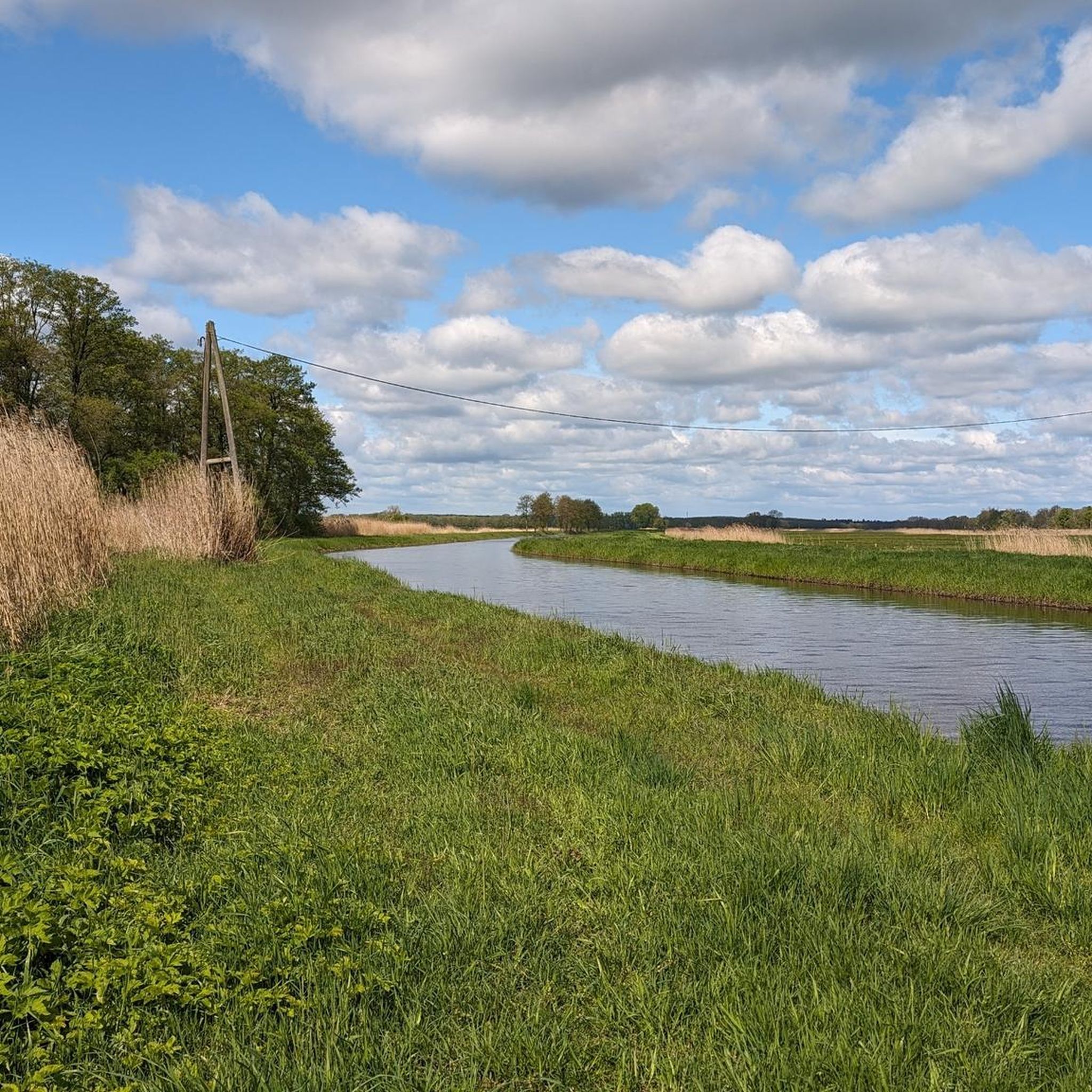
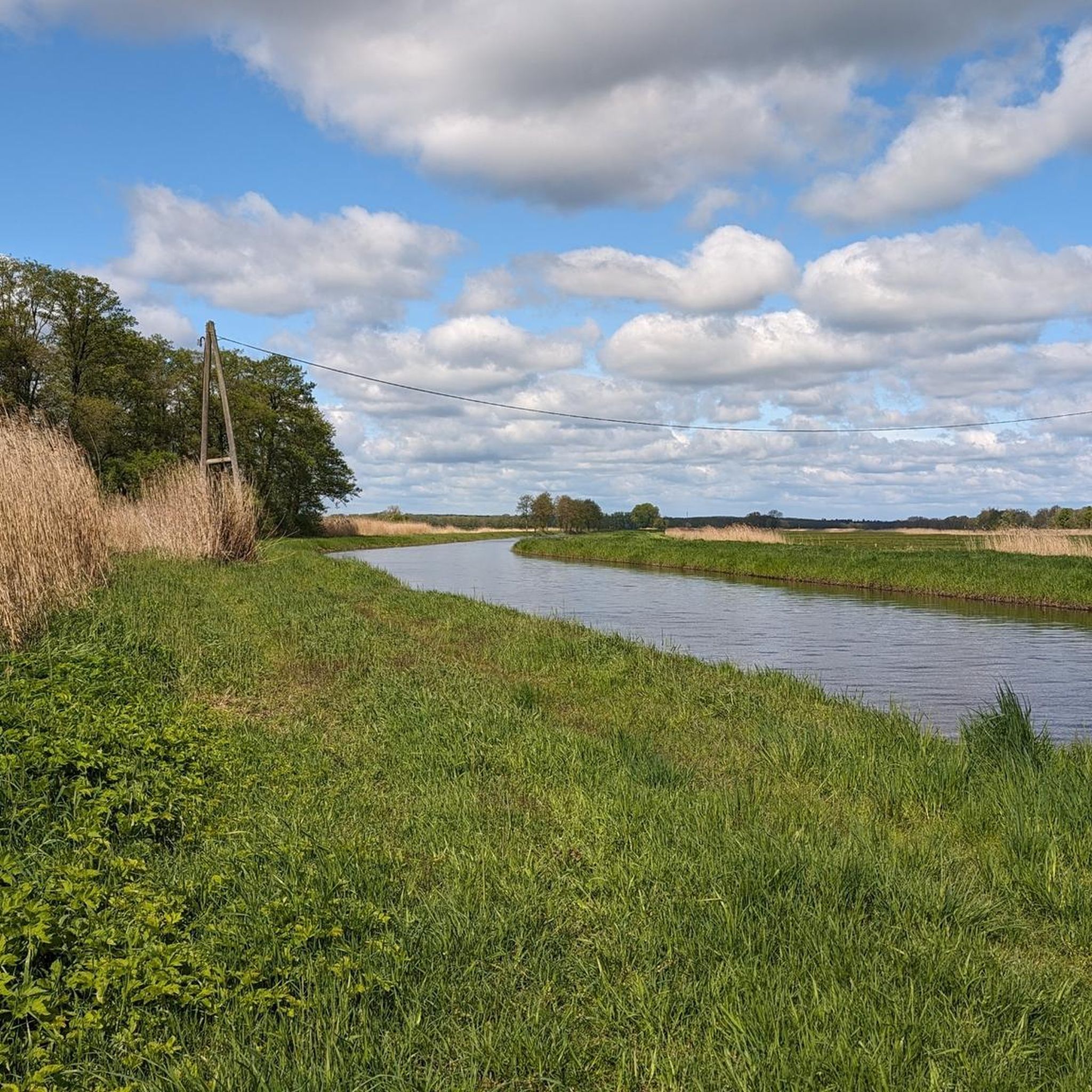
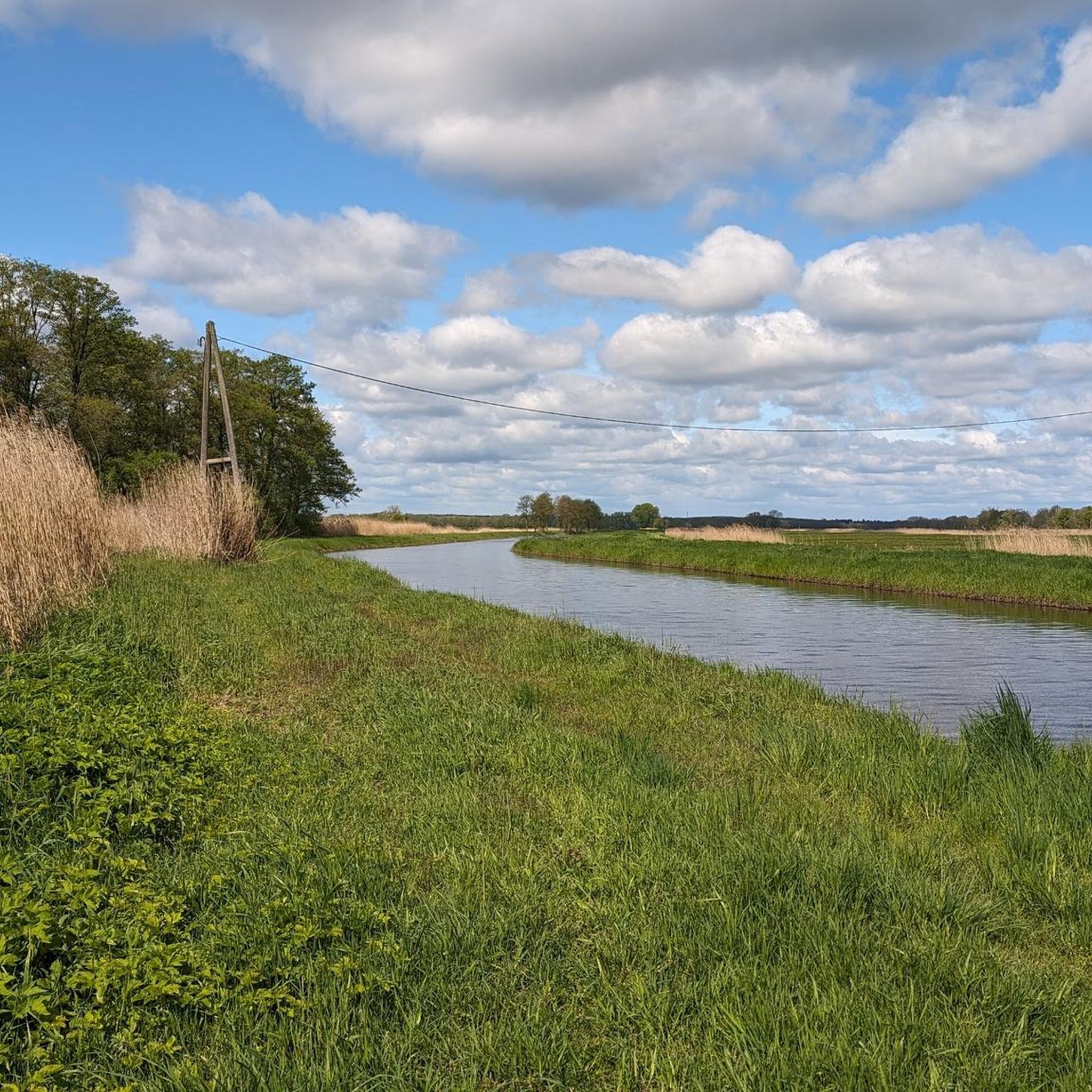
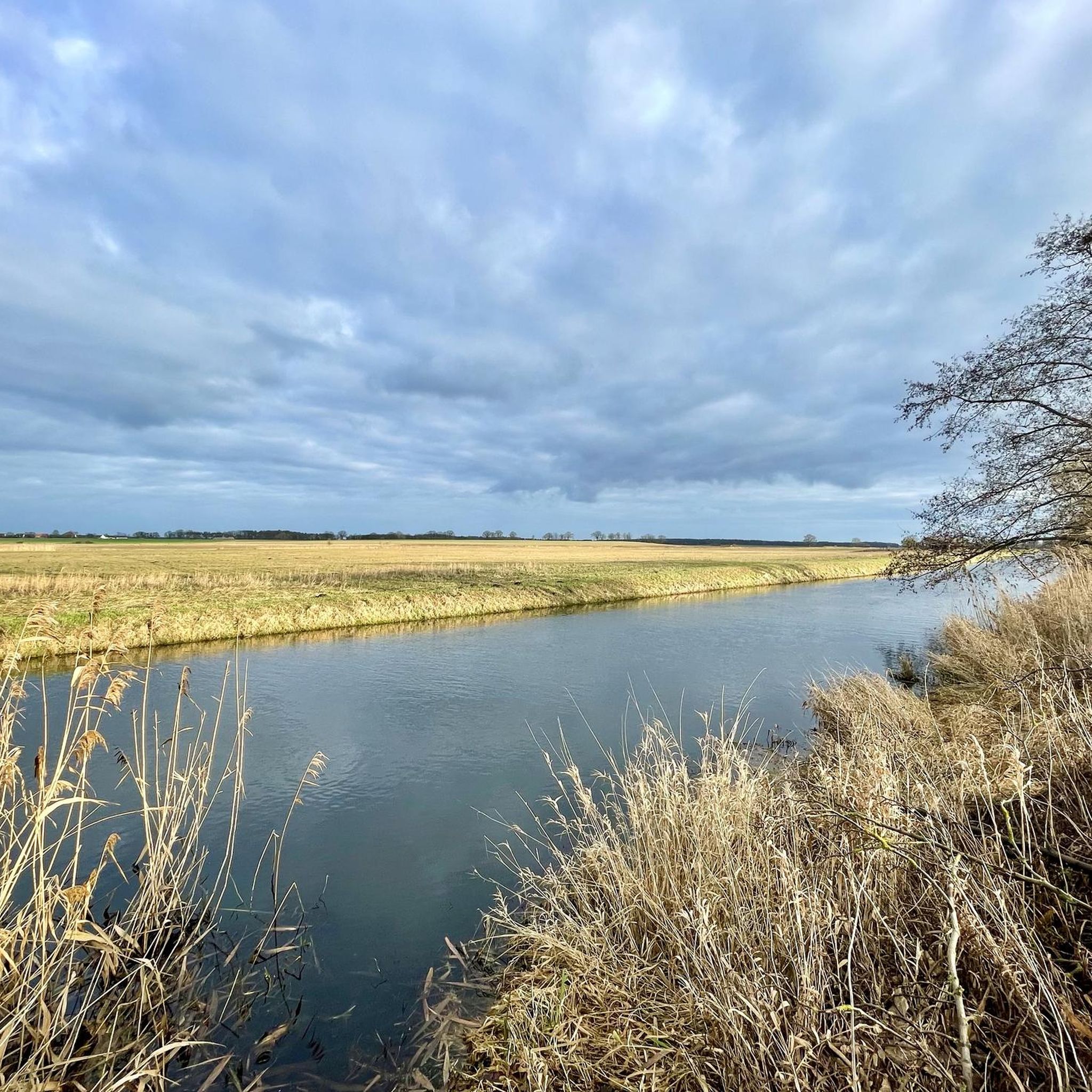
The Gollenberg is unlike any other mountain. It's a real-life experience of aviation history. Otto Lilienthal jumped here – and made history. Later, an East German plane landed – right in the middle of the field. Today, it stands there as if it had stepped out of time: the IL 62, the "Lady Agnes." An aircraft without a runway, but with a powerful memory. The place thrives on legends, but also on the landscape: fields, trees, paths – and a sky that's still perfect for takeoff.
2
0


Beautiful route, winding and slightly hilly
0
0


Nice place to stay for travelers passing through
0
0

Beautiful Lake, Beautiful Lake Access. Can get crowded in the afternoon.
0
0

Seven approximately 200-year-old pedunculate oaks, whose trunks have grown together in the lower area. see also: https://www.monumentale-eichen.de/mehrst%C3%A4mmige-eichen-1/friesack/
0
0
Since Easter 1894, the gliding pioneer Otto Lilienthal has regularly used the Gollenberg as a starting point for his test flights. Even after its crash on August 9, 1896, the Gollenberg always remained a popular starting point for gliders and powered pilots. In 1936 a gliding school was built at the foot of the Gollenberg. also visited by Charles Lindbergh. In 1940 the building of the gliding school burned down. However, gliding operations and training of glider pilots continued until 1945.
1
0
Frequently Asked Questions
What are some of the most notable natural monuments to visit around Kotzen?
The region around Kotzen, nestled within the Westhavelland Nature Park, offers several compelling natural features. Highly recommended spots include the Wolzensee, natural swimming spot, an inland lake popular for bathing. Another unique site is the Seven Brothers Oak, a natural monument featuring seven ancient pedunculate oaks with conjoined trunks. Additionally, the Havelländisches Luch Nature Reserve provides a special natural area with flat meadows and a high water table, serving as a vital habitat for birds and other wildlife.
Are there family-friendly natural monuments in the Kotzen area?
Yes, several natural monuments around Kotzen are suitable for families. The Wolzensee, natural swimming spot, with its bathing area on the northern shore, is a great option for a family day out. The Schwahberge Observation Point and View of Gollenberg also offer accessible viewpoints that can be enjoyed by all ages. The Seven Brothers Oak provides an interesting natural curiosity for children to explore.
What kind of outdoor activities can I do near the natural monuments around Kotzen?
The natural surroundings of Kotzen, particularly within the Westhavelland Nature Park, are ideal for various outdoor activities. You can enjoy easy hikes, with routes like the 'Ferchesar Church – Trintsee loop' or 'View of the Fenn Lake – Hohennauener-Ferchesar Lake loop'. For cyclists, there are numerous options, including road cycling routes such as the 'Kotzener Berg Ascent – Nennhausen Church loop' or touring bicycle routes like the 'Senzke Village Church – Seven Brothers Oak loop'. You can find more details on these activities and routes in the easy hikes around Kotzen guide, road cycling routes around Kotzen guide, and cycling around Kotzen guide.
What natural features define the Kotzen region?
The Kotzen region is characterized by its extensive waters and green landscapes, being part of the Westhavelland Nature Park. Key features include the Havel River and its lowlands, numerous diverse lakes, and wetlands. These aquatic habitats support rich biodiversity. Beyond the waterways, you'll find expansive green meadows and forests, contributing to the tranquil and expansive character of the area.
When is the best time of year to visit the natural monuments around Kotzen?
The best time to visit depends on your interests. Autumn (September and October) is exceptional for birdwatching, particularly for observing cranes gathering at the Schwahberge Observation Point before their migration. Spring (March to early April) also offers opportunities to see cranes returning and performing courtship rituals. Summer is ideal for water activities at places like Wolzensee. The region's status as a Dark Sky Park makes it excellent for stargazing year-round, especially on clear nights.
Are there any good viewpoints to observe the natural landscape?
Yes, the area offers several excellent viewpoints. The Schwahberge Observation Point is particularly renowned for crane watching in autumn and spring. Another notable spot is the View of Gollenberg, which provides expansive vistas of the surrounding landscape and has historical significance related to aviation. The Havelländisches Luch Nature Reserve also features observation points to appreciate its unique wetland environment.
Is the Kotzen area suitable for stargazing?
Absolutely. The Westhavelland Nature Park, which encompasses the Kotzen area, is recognized as Germany's first 'dark sky park'. This status is due to its exceptionally dark night sky, making it an outstanding location for stargazing. Visitors can often admire the Milky Way in its full glory, offering a unique natural experience.
What kind of wildlife can I expect to see in the natural monuments around Kotzen?
The Westhavelland Nature Park is rich in biodiversity. You might encounter a variety of wading and aquatic birds, as well as beavers and otters in the waterways. The park is also home to impressive raptors like white-tailed eagles and red kites. Notably, it provides a habitat for Germany's last great bustards, especially within areas like the Havelländisches Luch Nature Reserve. The region is also a crucial resting point for Nordic migratory birds.
Are there easy trails for beginners or casual walkers near the natural monuments?
Yes, the region offers many easy trails suitable for beginners and casual walkers. For instance, the easy hikes around Kotzen guide features several routes with minimal difficulty, such as the 'Hiking loop from Westhavelland' which is 3.45 km long. Many paths through the meadows and along the Havel River are relatively flat and provide a pleasant walking experience.
What do visitors enjoy most about the natural monuments around Kotzen?
Visitors frequently appreciate the serene beauty and ecological significance of the area. The tranquil waters of lakes like Wolzensee and the expansive views from spots like Gollenberg are often highlighted. The opportunity for quiet nature observation, especially birdwatching at the Schwahberge Observation Point, and the unique experience of stargazing in Germany's first dark sky park are also highly valued.
Are there any natural monuments that are particularly interesting for their unique natural formations?
Yes, the Seven Brothers Oak stands out as a unique natural formation. This natural monument consists of seven approximately 200-year-old pedunculate oaks whose trunks have grown together in their lower sections, creating a distinctive and impressive natural sculpture.
Can I find circular walks around the natural monuments?
Yes, the area around Kotzen offers several circular routes that allow you to experience the natural monuments. For example, the easy hikes around Kotzen guide includes circular options like the 'Ferchesar Church – Trintsee loop' and the 'Hohennauener-Ferchesar Lake – Ferchesar Bathing Area loop'. These routes are designed to bring you back to your starting point after exploring the natural beauty.
Most popular attractions around Kotzen

Get inspired with the komoot mobile app


Explore more
Extend your search for the best caves by checking out these guides of the top ones around Kotzen:
