Top 6 Natural Monuments around Wiesenaue
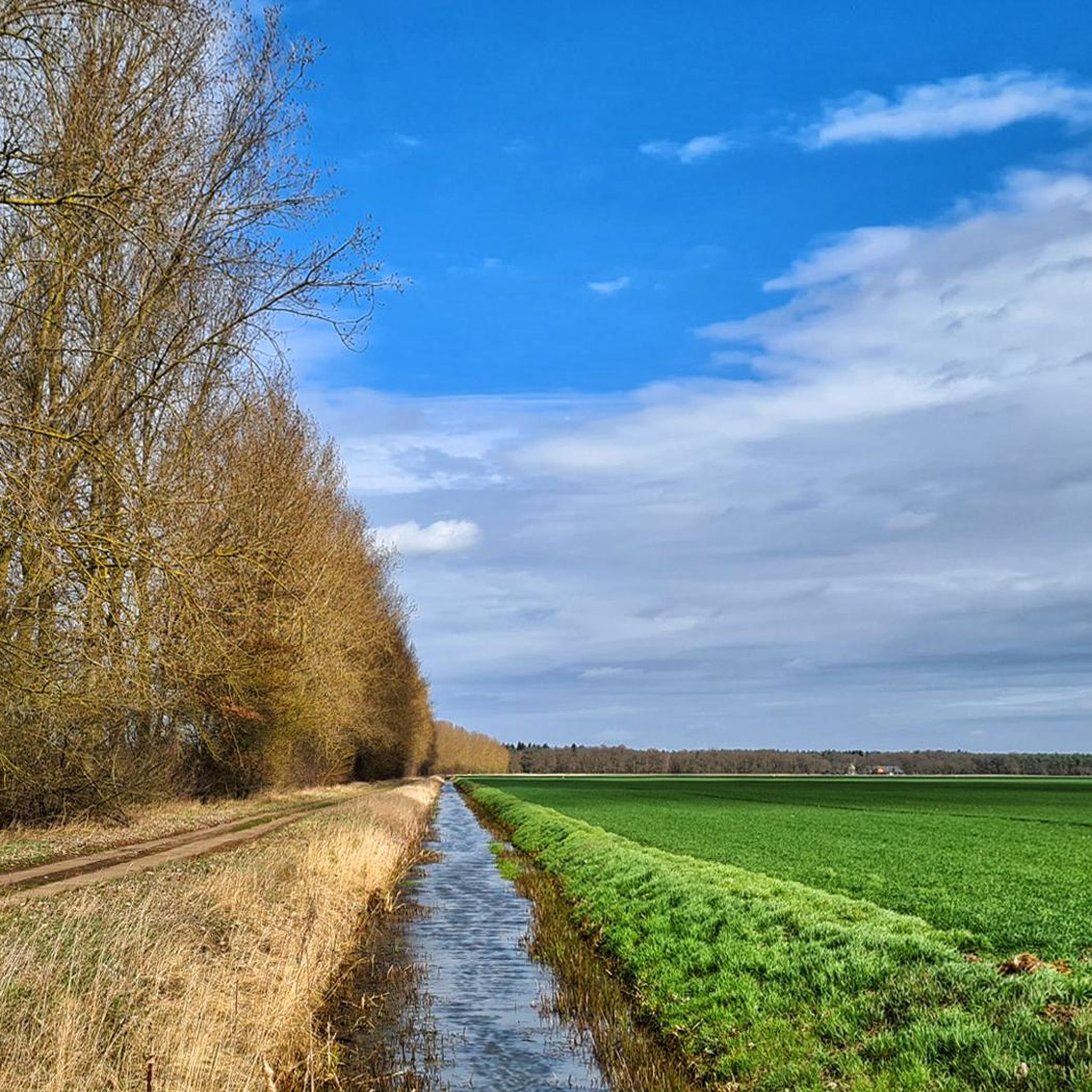
Natural monuments around Wiesenaue are primarily defined by the expansive Naturpark Westhavelland, one of Germany's largest contiguous inland wetlands. This region is characterized by extensive water bodies, including the Havel River, and landscapes shaped by the Weichselian Ice Age. The park is recognized as an International Dark Sky Reserve, offering exceptional stargazing opportunities. It also serves as a vital habitat for diverse animal and plant species, including numerous migratory birds.
Best natural monuments around Wiesenaue
- The most popular natural monuments is Lonely Oak in Rhinluch, a natural monument with historical significance, being a successor to an ancient oak where, according to legend, Friedrich Wilhelm once rested. It serves as a notable resting area within the Rhinluch.
- Another must-see spot is Seven Brothers Oak, a natural monument featuring seven approximately 200-year-old pedunculate oaks whose trunks have grown together. This unique natural formation offers a quiet spot for visitors to pause.
- Visitors also love Görner See, a lake surrounded by its own nature reserve. Access to the lake is limited, contributing to its preserved natural state.
- Wiesenaue is known for its diverse natural monuments, including ancient trees, significant lakes, and observation points for wildlife. The region offers a variety of natural monuments to see and explore, from historical oaks to bird protection areas.
- The natural monuments around Wiesenaue are appreciated by the komoot community, with more than 60 upvotes and over 50 photos shared by visitors.
Last updated: July 8, 2026
Schwahberge Observation Point
Highlight • Viewpoint
Autumn The main observation time for cranes in Brandenburg is the months of September and October, because the cranes gather in the region in autumn and strengthen them for the long onward flight to the south. At this time, many tours and crane watching are offered at the locations mentioned.
Spring From the beginning of March to the beginning of April, thousands of cranes rested on the fields in Brandenburg on their way back to the breeding home to Eastern Europe and Scandinavia. Before crossing the Baltic Sea, they add to their energy reserves in the fields. Only in spring can you see the "dance" of the cranes, which the animals perform in the mating season in spring as a courtship ritual with feather blows and loud trumpet calls.
Translated by Google •
Tip by

Lonely Oak in Rhinluch
Highlight • Natural Monument
"The specimen that is currently growing in the border area of the old districts of Kyritz, Neuruppin and Nauen - exactly at the intersection of the municipalities of Nackel, Garz, Manker, Zootzen and Wutzetz - is the successor to a tree that fell victim to melioration in 1982. This was already a new planting for an oak tree that was destroyed by lightning in 1945. At this point it was the first oak tree from the 12th century under which, according to legend, Friedrich Wilhelm, the Great Elector, was said to have had breakfast in 1675, before beating the Swedes near the Battle of Fehrbellin. "
Source: maz-online.de/Lokales/Ostprignitz-Ruppin/Wenn-s-tief-im-Rhinluch-nur-so-wimmelt
Translated by Google •
Tip by

Sign up now to discover places like this
Get recommendations on the best single tracks, peaks, & plenty of other exciting outdoor places.
Sign up for free
Seven Brothers Oak
Highlight • Natural Monument
see also: monumentale-eichen.de/mehrst%C3%A4mmige-eichen-1/friesack
Translated by Google •
Tip by

Cranes in the Bird Protection Area
Highlight • Natural Monument
Translated by Google •
Tip by

Görner See
Highlight • Lake
Translated by Google •
Tip by

Sign up for free to discover even more natural monuments around Wiesenaue.
Sign up for free
Already have an account?
Start today with a free account
Your next adventure awaits.
Login or Signup
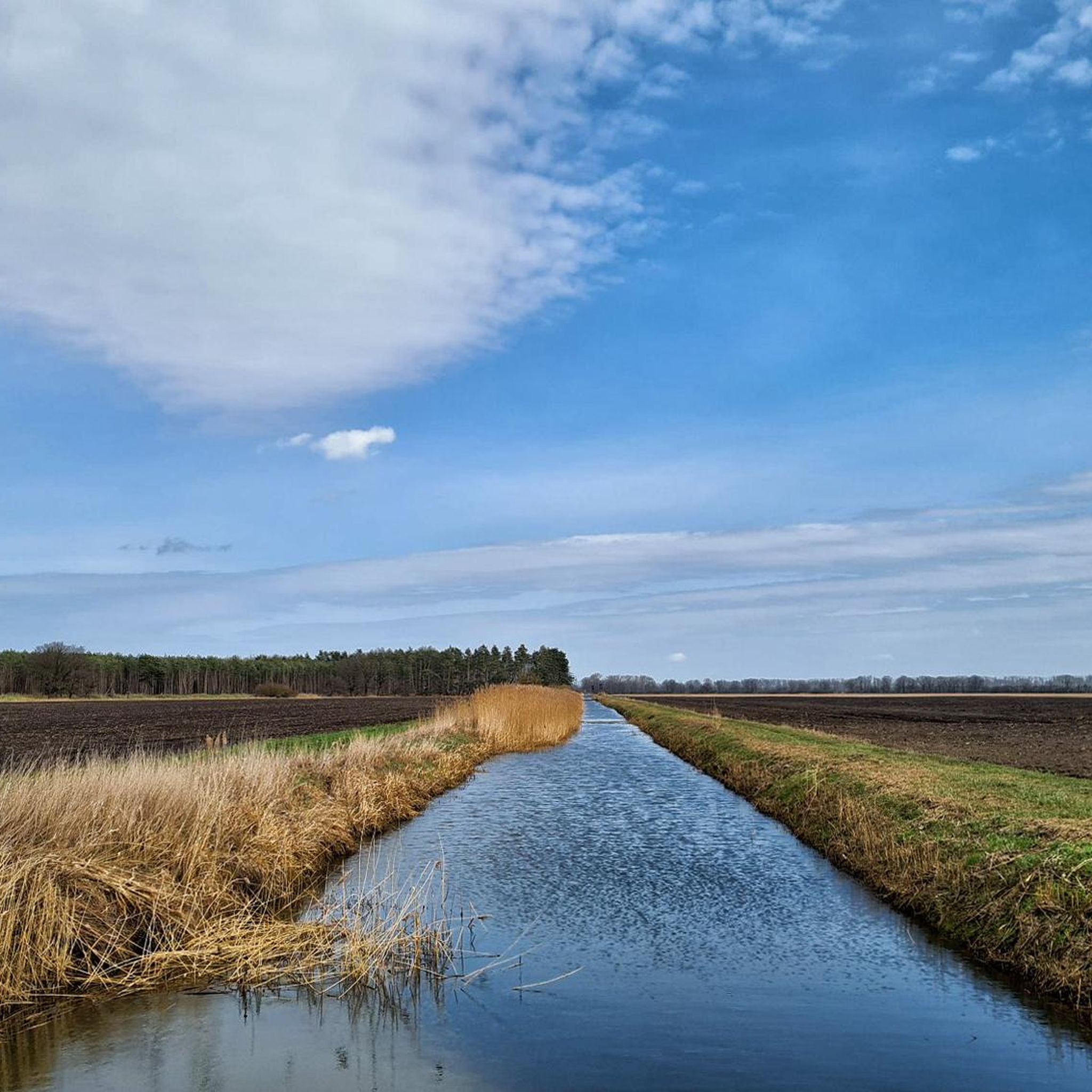
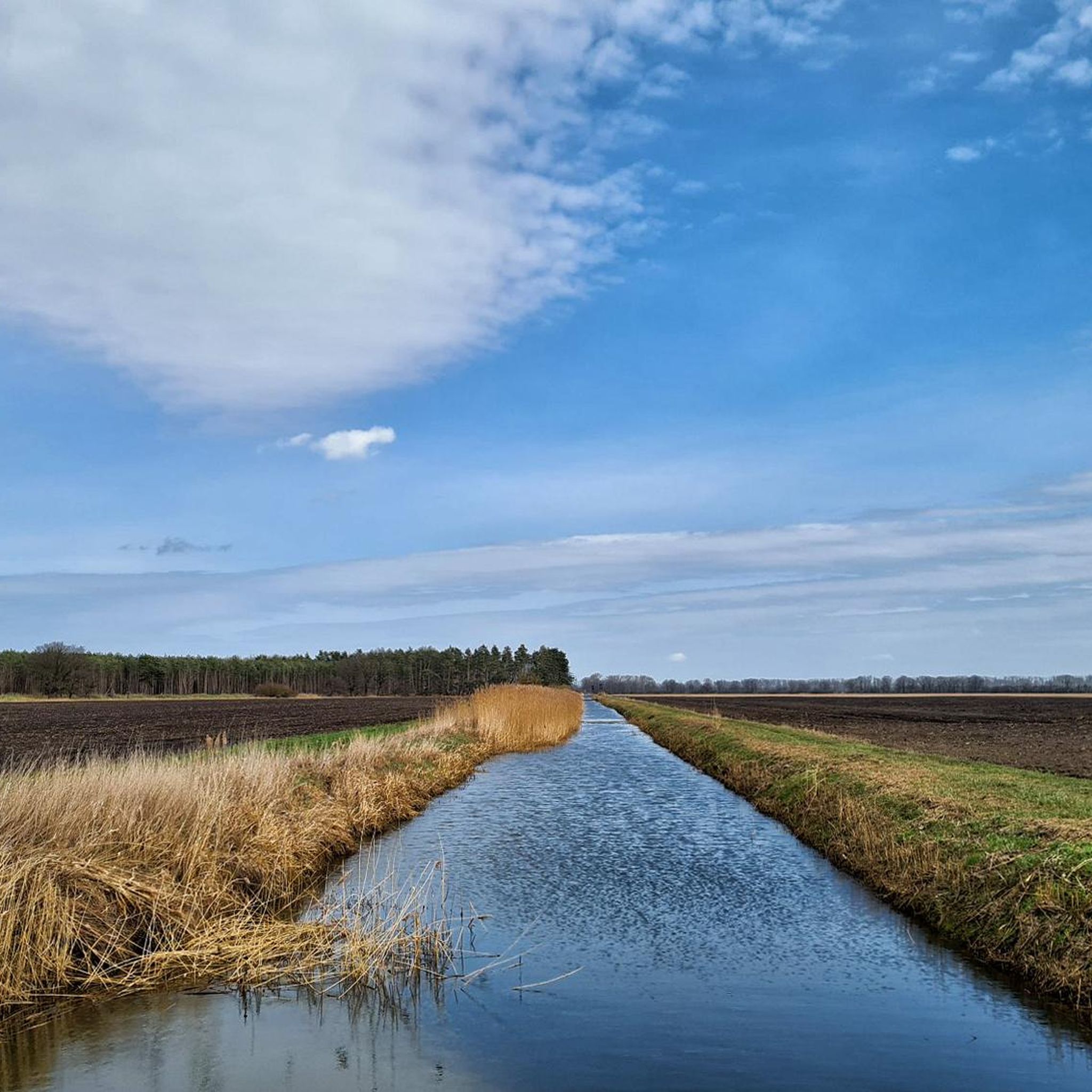
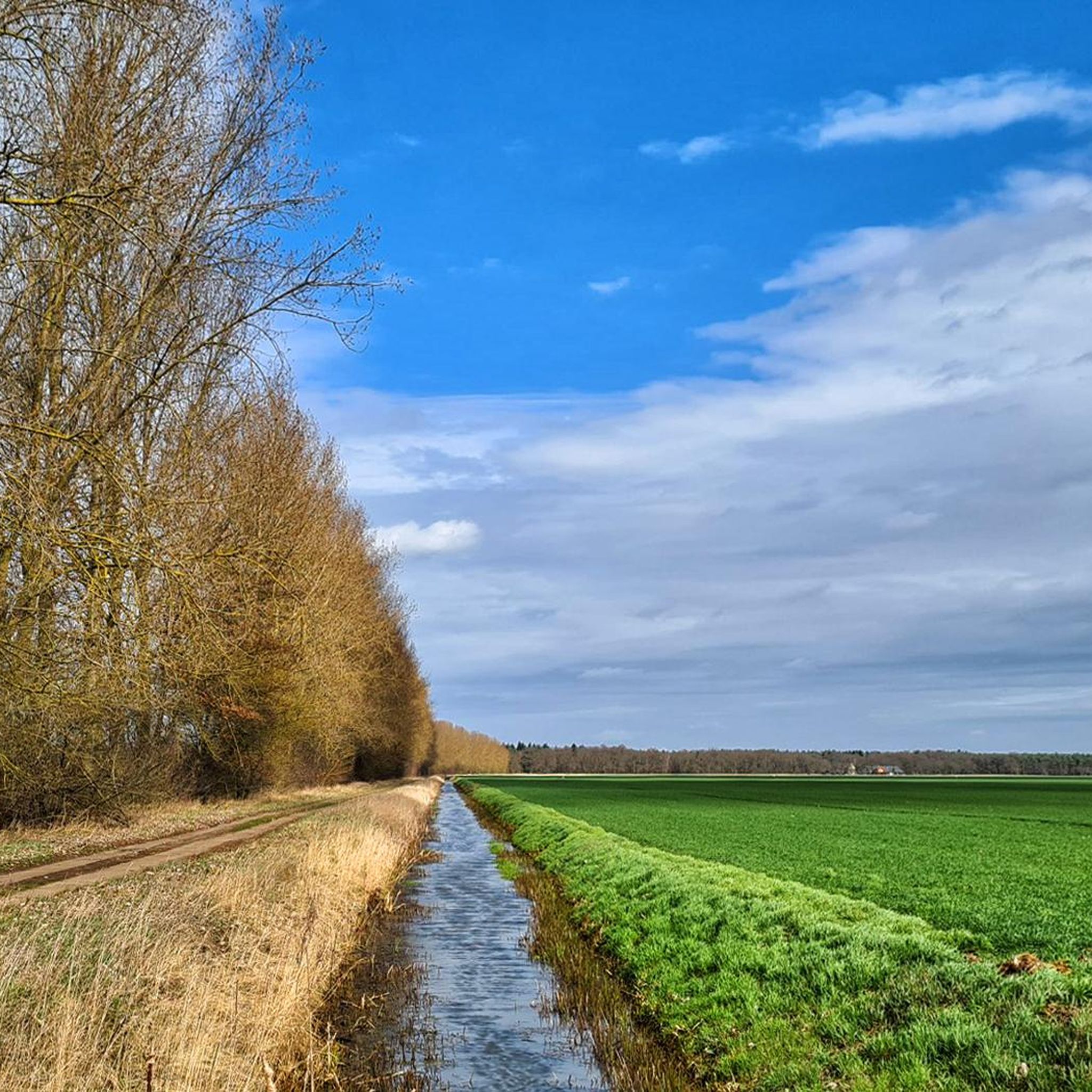
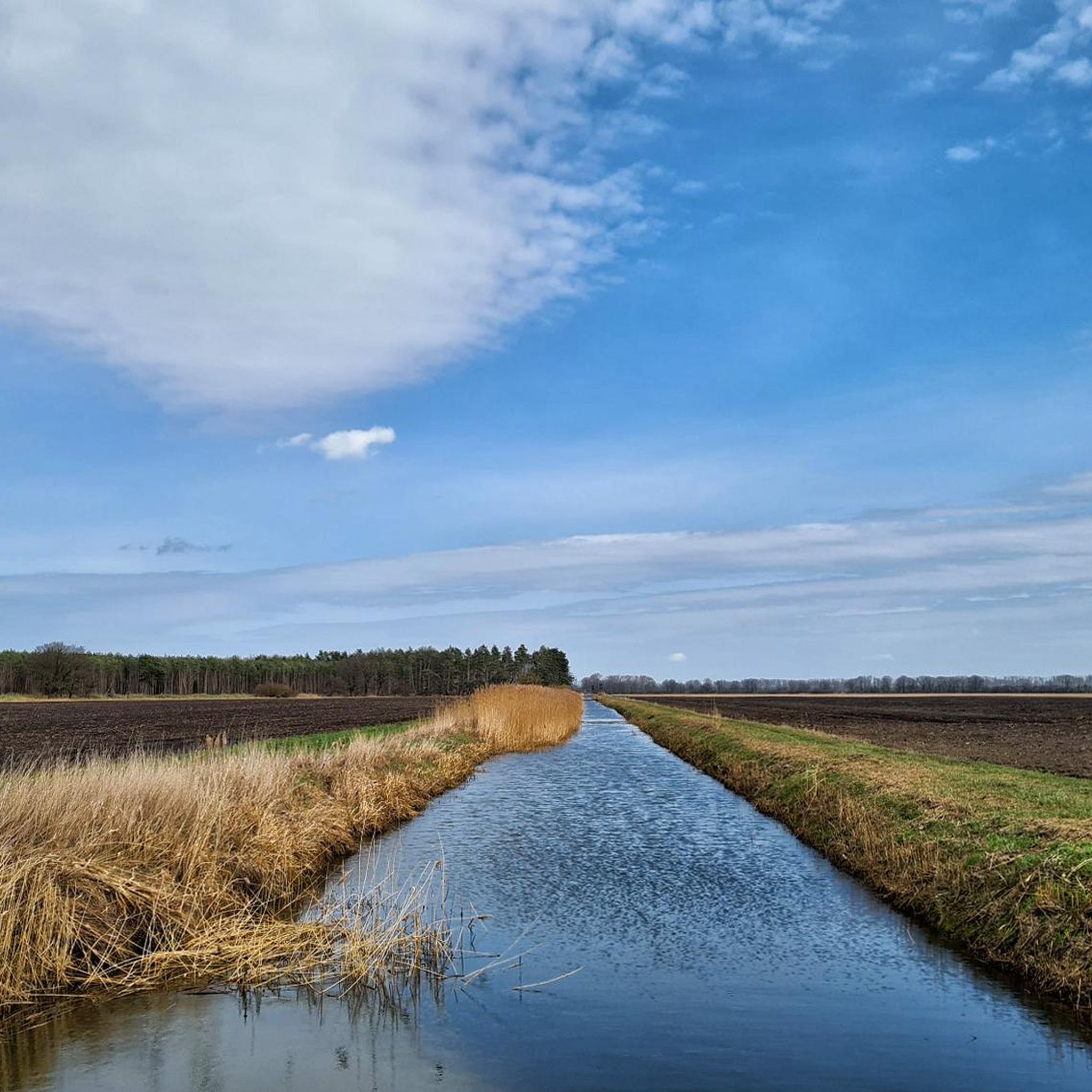
Tips from the Community


An absolute highlight every year. Thousands of cranes can be seen from the road. End of September and October
1
2

Seven approximately 200-year-old pedunculate oaks, whose trunks have grown together in the lower area. see also: https://www.monumentale-eichen.de/mehrst%C3%A4mmige-eichen-1/friesack/
0
0

In October you will definitely see thousands of cranes here, resting, landing, taking off or flying over. If you want to be sure and don't have much time to search, you have to ask a local beforehand.
2
0

Beautiful landscape and information on the Havelland cycle path. More information: https://www.dein-havelland.de/havelland-radweg
1
0

You have to rest here. Do not drive past, because the place is on the other side of the Rhinkkanal.
0
0

from the high seat you have a great view over the landscape
2
0

Interesting and well worth seeing
2
0
Frequently Asked Questions
What makes the natural monuments around Wiesenaue unique?
The natural monuments around Wiesenaue are primarily defined by the expansive Naturpark Westhavelland. This region is one of Germany's largest contiguous inland wetlands, characterized by extensive water bodies like the Havel River and landscapes shaped by the Weichselian Ice Age. It's also recognized as an International Dark Sky Reserve, offering exceptional stargazing, and serves as a vital habitat for diverse animal and plant species, including numerous migratory birds.
Are there family-friendly natural monuments in the Wiesenaue area?
Yes, several natural monuments around Wiesenaue are suitable for families. For instance, the Lonely Oak in Rhinluch offers a nice rest area with historical significance. The Seven Brothers Oak is another unique spot where children might enjoy seeing the intertwined trunks of ancient trees. Additionally, the Schwahberge Observation Point and Cranes in the Bird Protection Area are great for wildlife viewing, which can be an exciting activity for all ages.
What kind of wildlife can I expect to see near Wiesenaue's natural monuments?
The Naturpark Westhavelland, which encompasses Wiesenaue, is a vital habitat for a diverse range of endangered and protected animal species. You can expect to see thousands of Nordic migratory birds, including geese, swans, cranes, ducks, and snipes, especially in spring and autumn. Rare meadow breeders like the ruff and great bustards also breed here. Keep an eye out for beavers, otters, white-tailed eagles, and red kites.
Can I go stargazing near Wiesenaue?
Absolutely! The Naturpark Westhavelland was designated as Germany's first International Dark Sky Reserve in 2014. This means the region, including areas around Wiesenaue, offers exceptionally dark night skies, making it an outstanding location for stargazing and observing the Milky Way in its full glory.
What are some historical natural monuments in the region?
One notable natural monument with historical significance is the Lonely Oak in Rhinluch. This tree is a successor to an ancient oak where, according to legend, Friedrich Wilhelm, the Great Elector, once rested in 1675 before the Battle of Fehrbellin. It serves as a notable resting area within the Rhinluch.
Are there opportunities for cycling or hiking near Wiesenaue's natural monuments?
Yes, the vast natural landscape provides excellent opportunities for both cycling and hiking. You can find numerous marked cycling paths, such as the Havelland Cycle Path, offering scenic routes. For hiking, there are trails available to immerse yourself in the natural surroundings. You can explore various routes, including easy hikes like the Wagenitz Village Church – Schwedenturm Wagenitz loop or cycling tours like the Seven Brothers Oak – Kriele Village Church loop.
What is the "Seven Brothers Oak"?
The Seven Brothers Oak is a unique natural monument featuring seven approximately 200-year-old pedunculate oaks whose trunks have grown together in the lower area. This distinctive natural formation offers a quiet and interesting spot for visitors to pause and appreciate nature.
Is there a natural monument that is a lake?
Yes, Görner See is a beautiful lake that is considered a natural monument. It is surrounded by its own nature reserve, and access to the lake is limited, contributing to its preserved natural state and making it an attractive spot for nature lovers.
When is the best time to visit for birdwatching, especially cranes?
The best time for observing cranes in Brandenburg, including the Wiesenaue area, is during autumn, specifically September and October. Thousands of cranes gather in the region during these months to strengthen themselves for their long flight south. Spring, from early March to early April, is also a good time to see thousands of cranes resting on their way back to breeding grounds, and you might even witness their courtship rituals.
Are there any observation points for viewing nature or wildlife?
Yes, the Schwahberge Observation Point is an excellent location for viewing the natural surroundings and wildlife. Another prime spot is the Cranes in the Bird Protection Area, especially in October, where you can witness thousands of cranes resting, landing, and taking off.
What are the main natural features that shaped the landscape around Wiesenaue?
The landscape around Wiesenaue, within the Naturpark Westhavelland, was primarily shaped by the Weichselian Ice Age. This geological period left behind moraines, sandur plains, and wide glacial valleys, which led to the formation of large bog and swamp areas such as the Havelländisches Luch. These features contribute to the region's character as one of Germany's most water-rich areas.
What other outdoor activities are available besides hiking and cycling?
Beyond hiking and cycling, the Naturpark Westhavelland offers excellent opportunities for exploring by water, such as canoeing, houseboat holidays, or passenger ship cruises on the Havel River. Horseback riding options are also available, allowing visitors to immerse themselves in the natural surroundings in various ways.
Most popular attractions around Wiesenaue

Get inspired with the komoot mobile app


Explore more
Extend your search for the best caves by checking out these guides of the top ones around Wiesenaue:
