Top 20 Natural Monuments around Seeburg
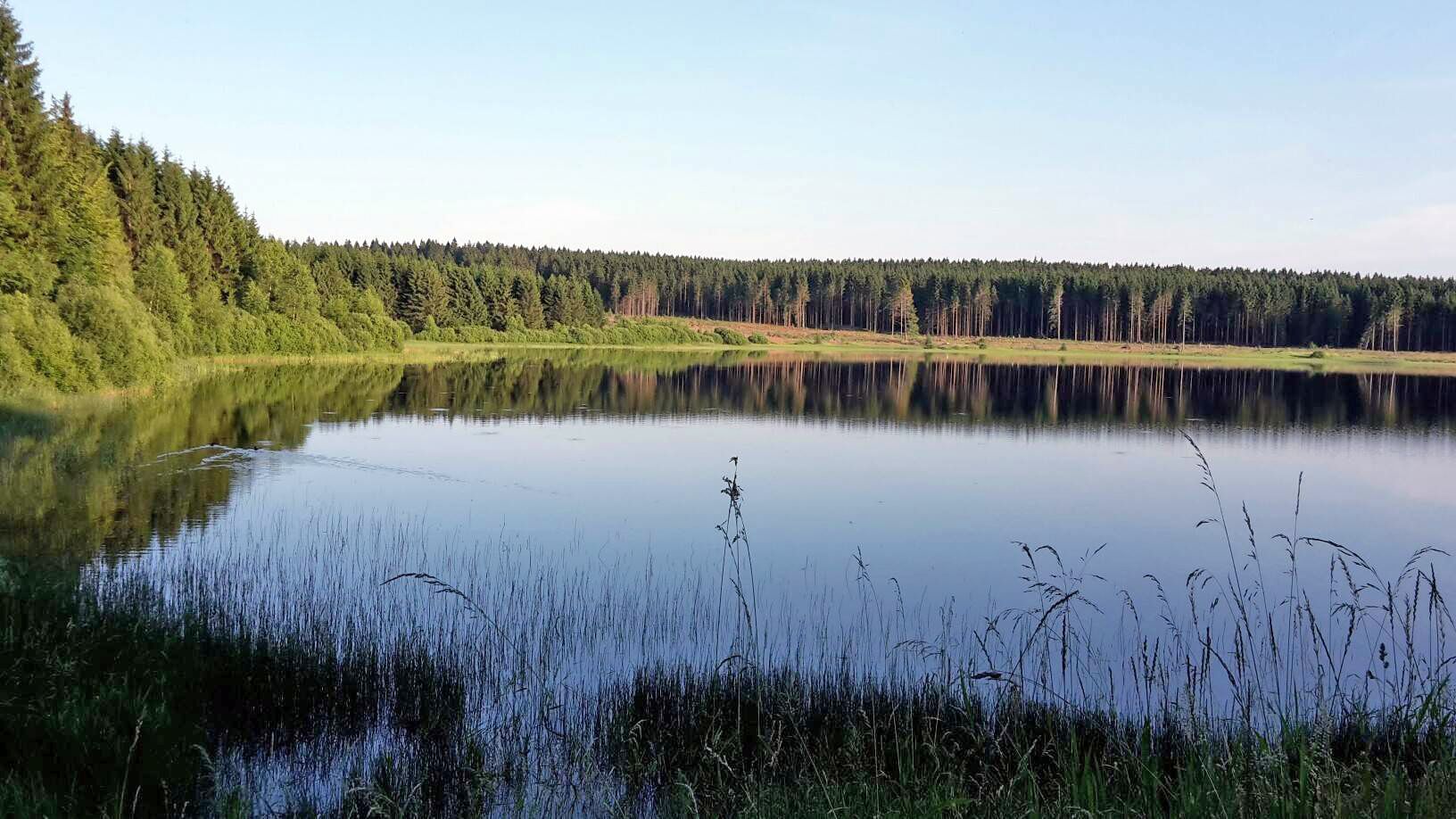
Natural monuments around Seeburg are characterized by the picturesque Seeburger See, the largest natural inland water body in Southern Lower Saxony. This region is known for its diverse natural attractions, including protected nature zones and unique geological formations. The area offers a variety of outdoor activities, making it a destination for nature enthusiasts.
Best natural monuments around Seeburg
- The most popular natural monuments is Klingenberg spring, a natural monument that offers a well-kept resting place with fresh spring water.…
Last updated: July 8, 2026
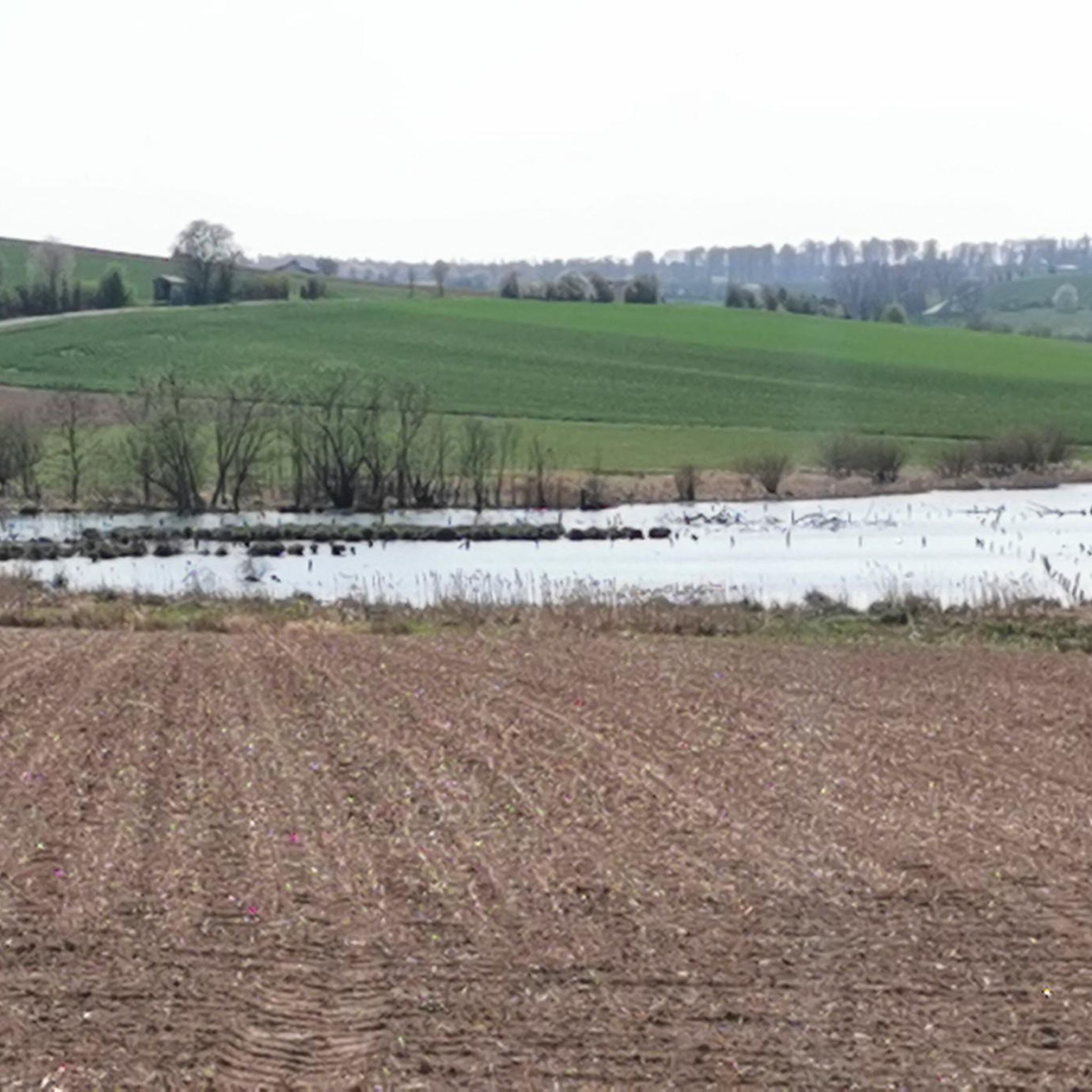
Kerstlingeröder Field
Highlight • Natural
Translated by Google •
Tip by

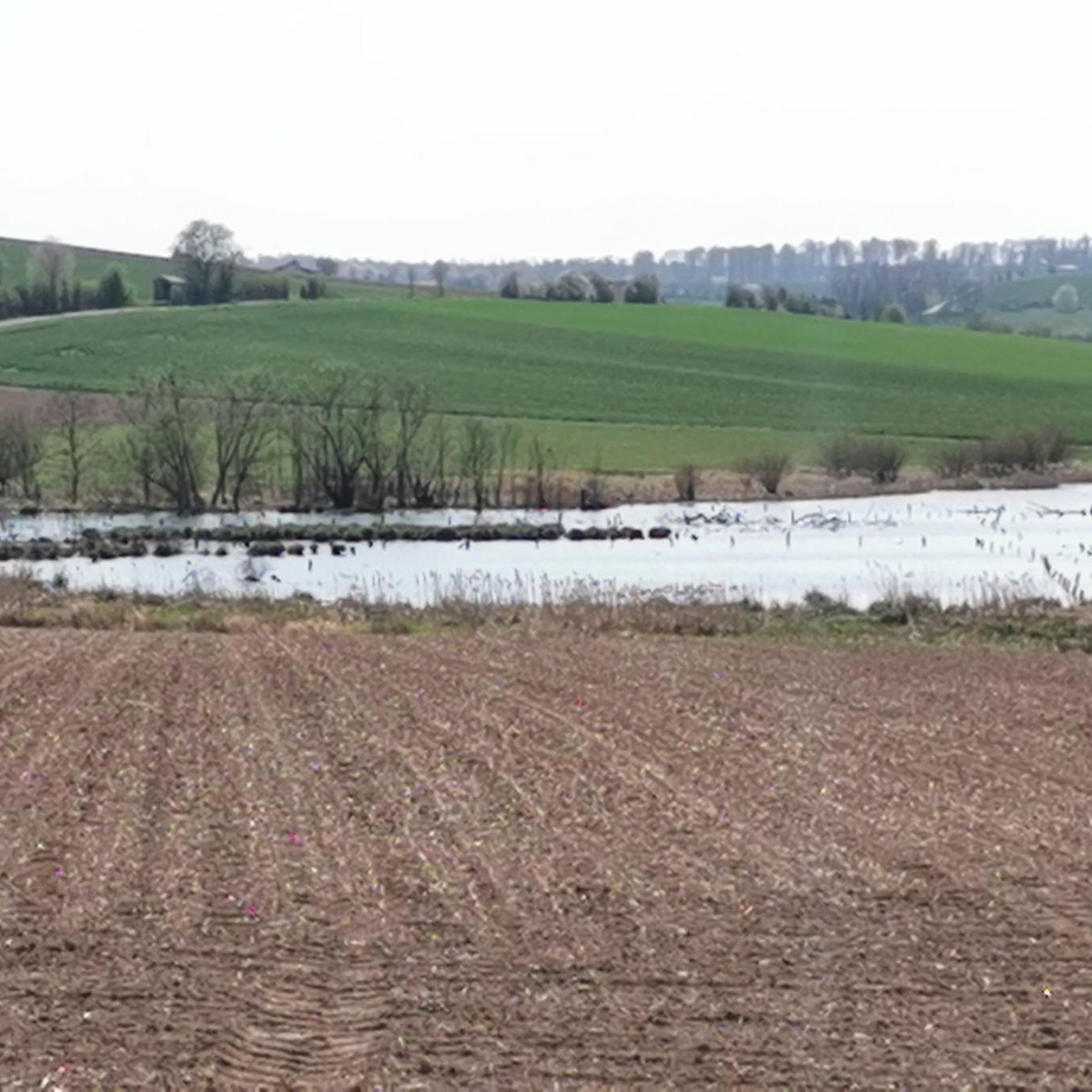
Rhume Spring
Highlight • Natural Monument
Translated by Google •
Tip by

Sign up now to discover places like this
Get recommendations on the best single tracks, peaks, & plenty of other exciting outdoor places.
Sign up for free
Klingenberg spring
Highlight • Natural Monument
Translated by Google •
Tip by

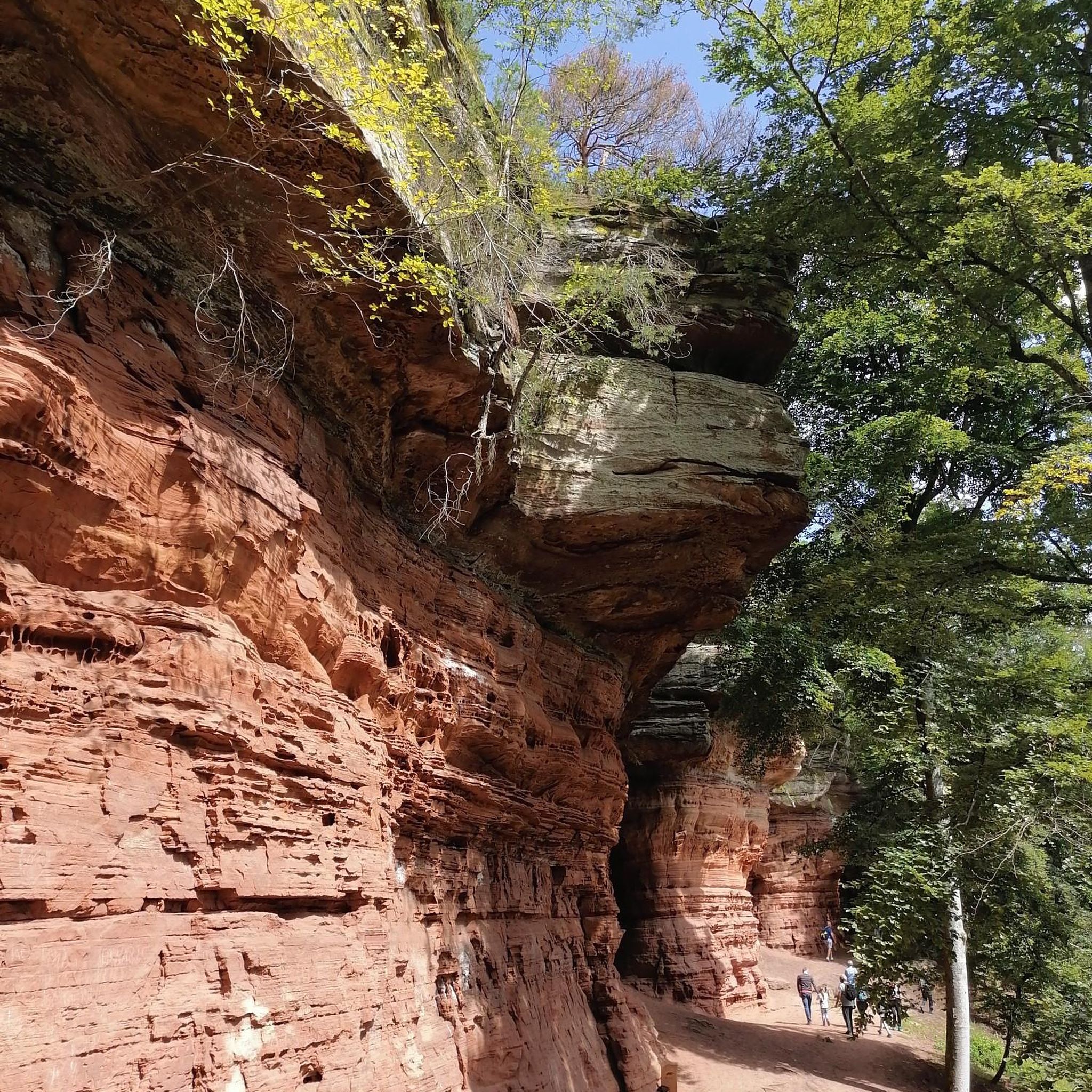
Mackenröder Cliffs
Highlight • Gorge
Translated by Google •
Tip by

Fossil Seabed from the Muschelkalk Period
Highlight • Natural Monument
Translated by Google •
Tip by
Sign up for free to discover even more natural monuments around Seeburg.
Sign up for free
Already have an account?
Start today with a free account
Your next adventure awaits.
Login or Signup
Other adventures around Seeburg

Tips from the Community

The Klingenberg Spring has a lot to offer. You'll find a great resting place here, you can refresh yourself at the spring, and learn interesting facts from the information board. A visit here is definitely worth it!
7
0

Gutsruine invites you to a wonderful picnic with a group of friends
0
0

I enjoyed the peace and the beautiful forest.
17
0
A mystical place, everywhere it bubbles and the color of the water is something very special.
18
1

This route leads along the Eichsfeld hiking trail and the karst hiking trail through a beautiful mixed forest.
19
0

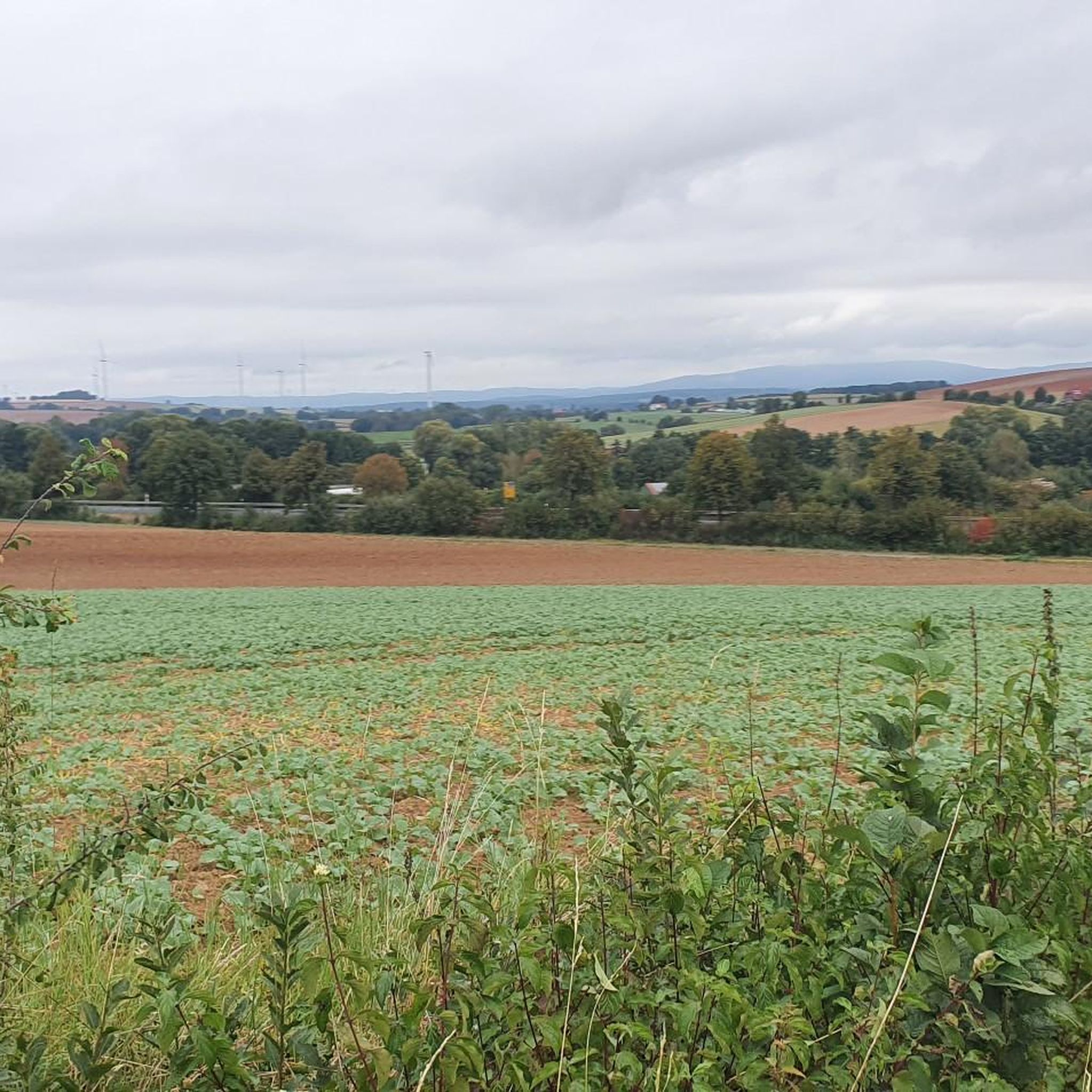
The Kerstlingeröder Feld is a beautiful open space in the middle of the Göttingen Forest. A nature reserve, wide views, nature trails (gravel) and little asphalt, beautiful nature
1
0

The hydrogeological background of this comparatively strong spring with its impressive spring pot is very interesting: The groundwater flowing down from the Harz slopes, including seepage water from the rivers Oder and Sieber to the north, rushes at high speed at a depth of around 50 meters through an underground karst cave system. In the source area of the Rhume, with great pressure on a wall, it hits clay-containing and thus water-impermeable rock. This forms an underground dam, which lets the spring water of the Rhume shoot up to the surface. The more or less bluish coloration of the water, depending on the incidence of light, is caused by light scattering of small lime particles, which the water absorbs on its way through the rock layers.
22
0

Geological highlight after a downhill section from Sauberg / Kerstlingsrd. Field. Fossil seabed from the Muschelkalkzeit. Especially when it comes to trips with children / adolescents, it is now an even more worthwhile destination thanks to the new information boards.
7
0
Frequently Asked Questions
What makes the Seeburger See area ecologically significant?
The Seeburger See is the largest natural inland water body in Southern Lower Saxony and is largely designated as the 'Naturschutzgebiet Seeburger See'. This protected status ensures a rich biodiversity, including 255 identified bird species like the bluethroat and osprey, as well as lush water lily populations and reed beds. The surrounding wetlands and pastures also host unique flora such as large sedge reeds and broad-leaved marsh orchids.
What unique geological features can be found among Seeburg's natural monuments?
The region offers fascinating geological insights. The Seeburger See itself formed approximately 10,000 years ago due to ground collapse from natural salt leaching. You can also explore the Fossil Seabed from the Muschelkalk Period, an abandoned quarry where a 240-million-year-old seabed with regular wave patterns and petrefacts is exposed. Additionally, the Mackenröder Cliffs are geologically active, with material slowly breaking off the steep face due to underlying red sandstone.
Are there family-friendly natural monuments to visit around Seeburg?
Yes, several natural monuments are suitable for families. The Klingenberg spring offers a well-kept resting place and fresh spring water, perfect for a break. The Rhume Spring is also family-friendly, featuring an impressive spring pot and interesting hydrogeological background. The Seeburger See itself provides recreational areas and a popular circular route suitable for families.
What kind of outdoor activities can I do near the natural monuments in Seeburg?
The area around Seeburg's natural monuments is excellent for various outdoor activities. You can enjoy hiking, cycling, swimming, and boating around the Seeburger See. For more specific routes, consider exploring the gravel biking trails, running trails, or easy hikes available in the region.
Where can I find fresh spring water or a good resting place among the natural monuments?
The Klingenberg spring is an excellent spot, offering a very well-kept resting place where you can refresh yourself with fresh spring water. An information board also provides interesting facts about the area.
What is the Kerstlingeröder Field, and what can I do there?
The Kerstlingeröder Field is a former military training area that has been transformed into a local recreation area within the Göttingen city forest. It's known for its diverse landscape and is a beautiful place to observe sunrises. Visitors enjoy hiking and exploring its natural beauty.
Can I learn about the local flora and fauna at Seeburger See?
Yes, the Seeburger See area is rich in biodiversity. There is a nature information center at Seeburger See that provides insights into the local flora and fauna and the lake's ecosystem. You can learn about the numerous bird species, water lilies, reed beds, and unique marsh orchids found in the protected nature zone.
What is the best time to visit the natural monuments around Seeburg?
The region around Seeburg is beautiful year-round, but it is especially idyllic in autumn when the leaves change color, offering a charming landscape. However, the recreational opportunities around Seeburger See, such as swimming and boating, are best enjoyed during warmer months.
Are there any natural monuments with historical significance in the Seeburg area?
Yes, the Kerstlingeröder Field has historical significance as a former military training area from the Iron Curtain era. Additionally, the Fossil Seabed from the Muschelkalk Period offers a glimpse into ancient geological history, showcasing a 240-million-year-old seabed.
Are there any challenging natural monuments for experienced hikers or cyclists?
The Mackenröder Cliffs offer a more challenging experience. The path along the cliffs is interspersed with roots and small slopes, requiring concentration, especially for cyclists. The terrain is geologically active, adding to its rugged character.
What kind of birdlife can I observe around Seeburger See?
The 'Naturschutzgebiet Seeburger See' is a haven for birdwatchers, with 255 different species identified as breeding or migratory birds. You might spot species like the bluethroat, black tern, water rail, marsh warbler, common gull, and common teal. There's even a chance to catch a glimpse of an osprey.
Are there circular walks available around Seeburg's natural monuments?
Yes, a popular circular route around the Seeburger See provides beautiful views and is suitable for both experienced hikers and families. You can find several easy hiking loops around the lake, including routes like the 'Lake Seeburg loop from Seeburg' and 'Seeanger Nature Reserve loop'.
Most popular routes around Seeburg
Most popular attractions around Seeburg

Get inspired with the komoot mobile app


Explore more
Extend your search for the best caves by checking out these guides of the top ones around Seeburg:
