Top 15 Natural Monuments around Wittbek
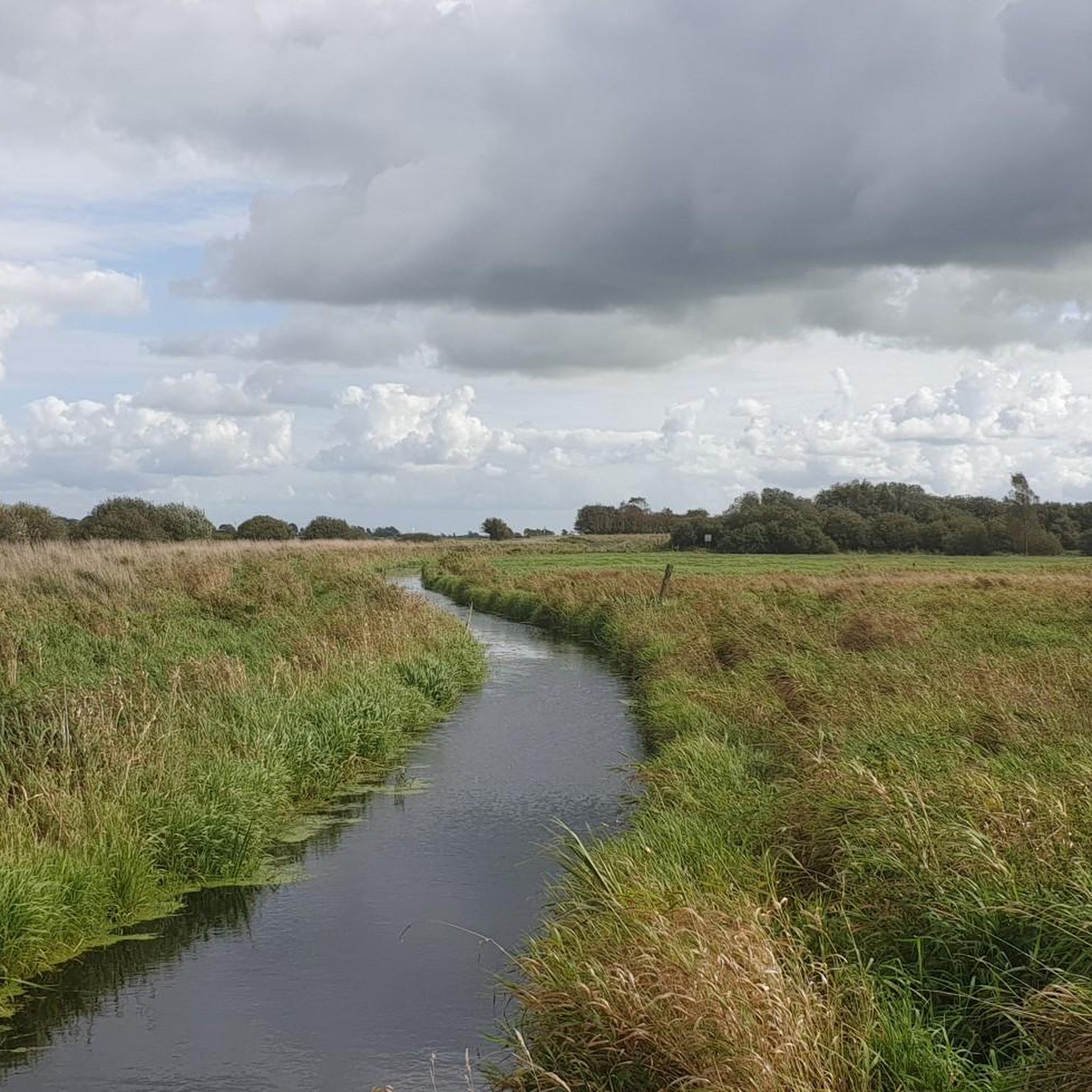
Natural monuments around Wittbek, a municipality in Schleswig-Holstein, Germany, feature diverse natural landscapes. The region is characterized by flat terrain, small rivers, and various wetlands, providing unique ecosystems. Visitors can explore significant natural features, including renowned stork colonies and expansive moorlands. This area offers opportunities to observe wildlife and experience the tranquil rural environment.
Best natural monuments around Wittbek
- The most popular natural monuments is Stork Village Bergenhusen, an other natural area recognized for its wildlife. It hosts one…
Last updated: October 11, 2026
Husum Castle Park
Highlight • Natural Monument
Translated by Google •
Tip by

Stork Village Bergenhusen
Highlight • Natural
Translated by Google •
Tip by

Sign up now to discover places like this
Get recommendations on the best single tracks, peaks, & plenty of other exciting outdoor places.
Tine Fountain (Asmussen‑Woldsen Monument)
Highlight • Monument
Translated by Google •
Tip by

Moor Nature Trail at Wildes Moor Nature Reserve
Highlight (Segment) • Trail
Translated by Google •
Tip by

The Golden Tread – Deichschafe on the Schardeich
Highlight • Structure
Dike protection on four legs. Look at the dyke here: This is a Schard dyke. "Swarm" means that
it is right on the water - this is …
Translated by Google •
Tip by

Sign up for free to discover even more natural monuments around Wittbek.
Already have an account?
Start today with a free account
Your next adventure awaits.
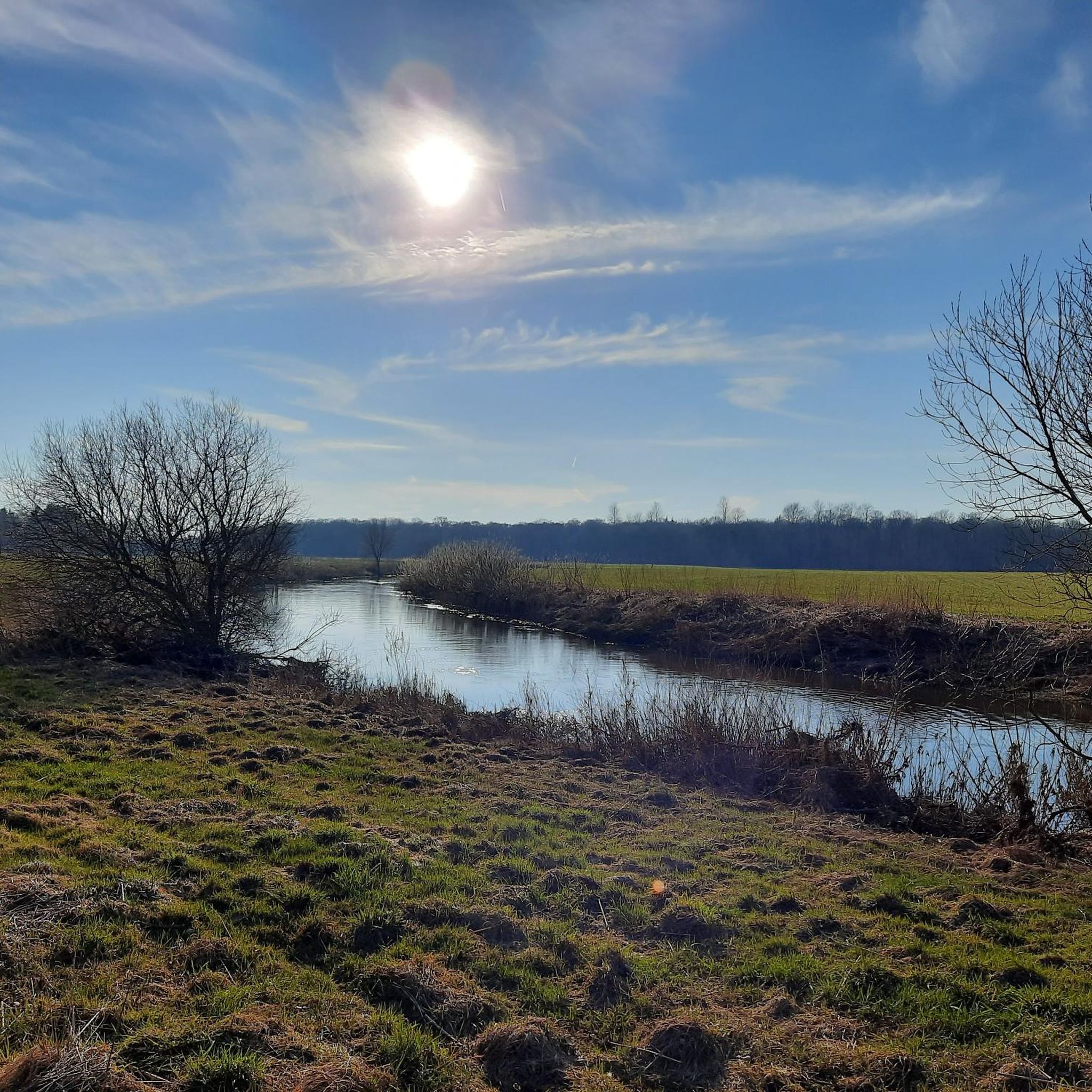
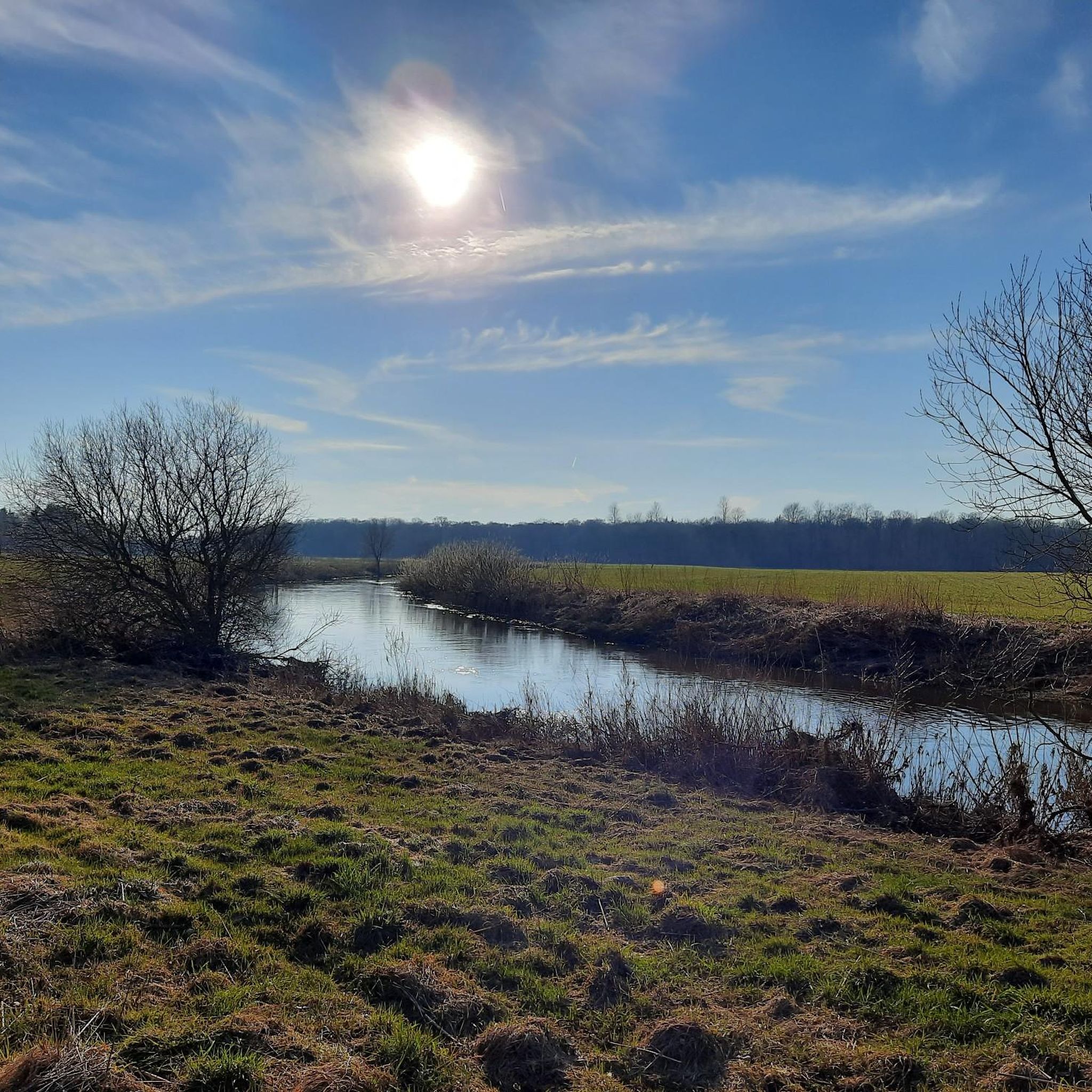
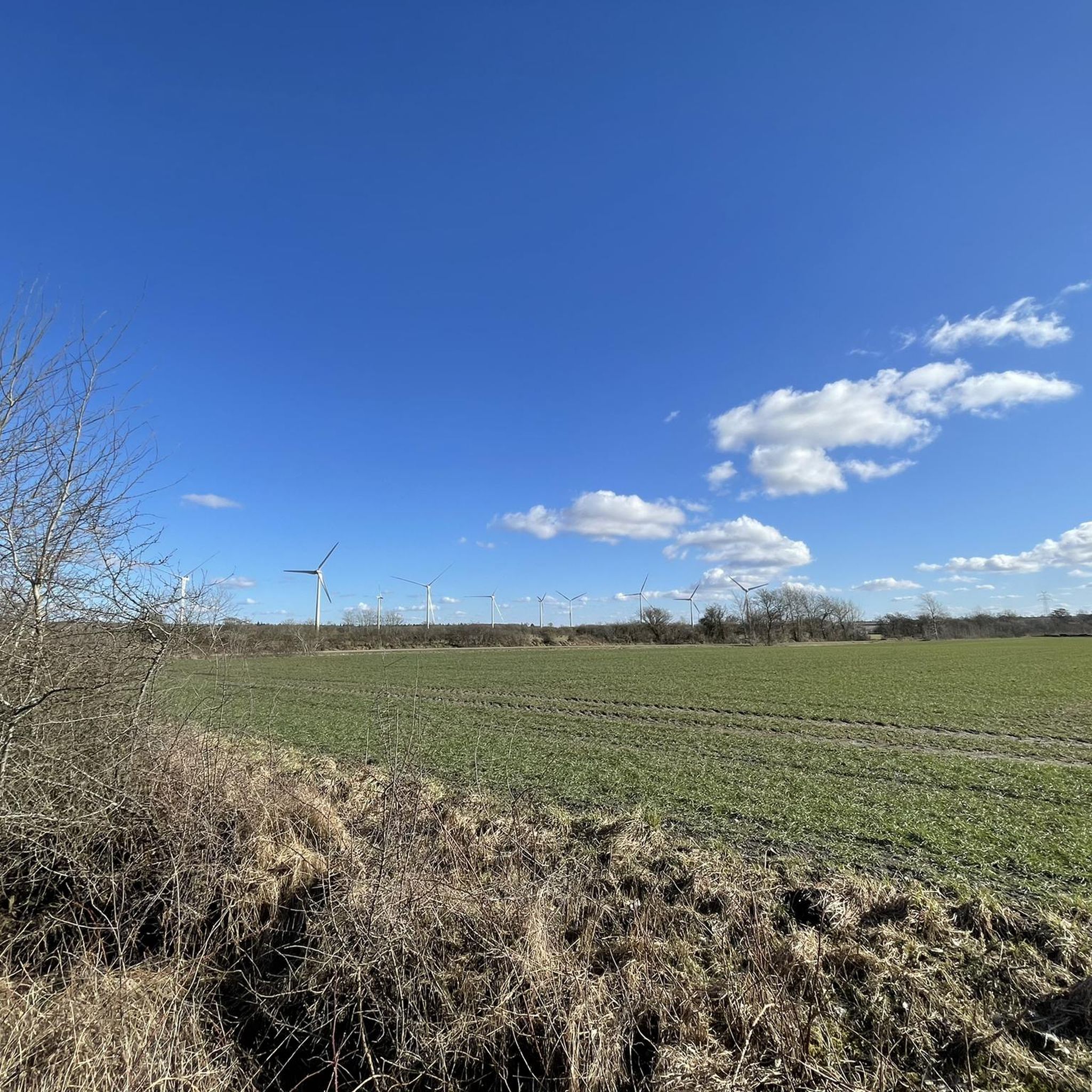
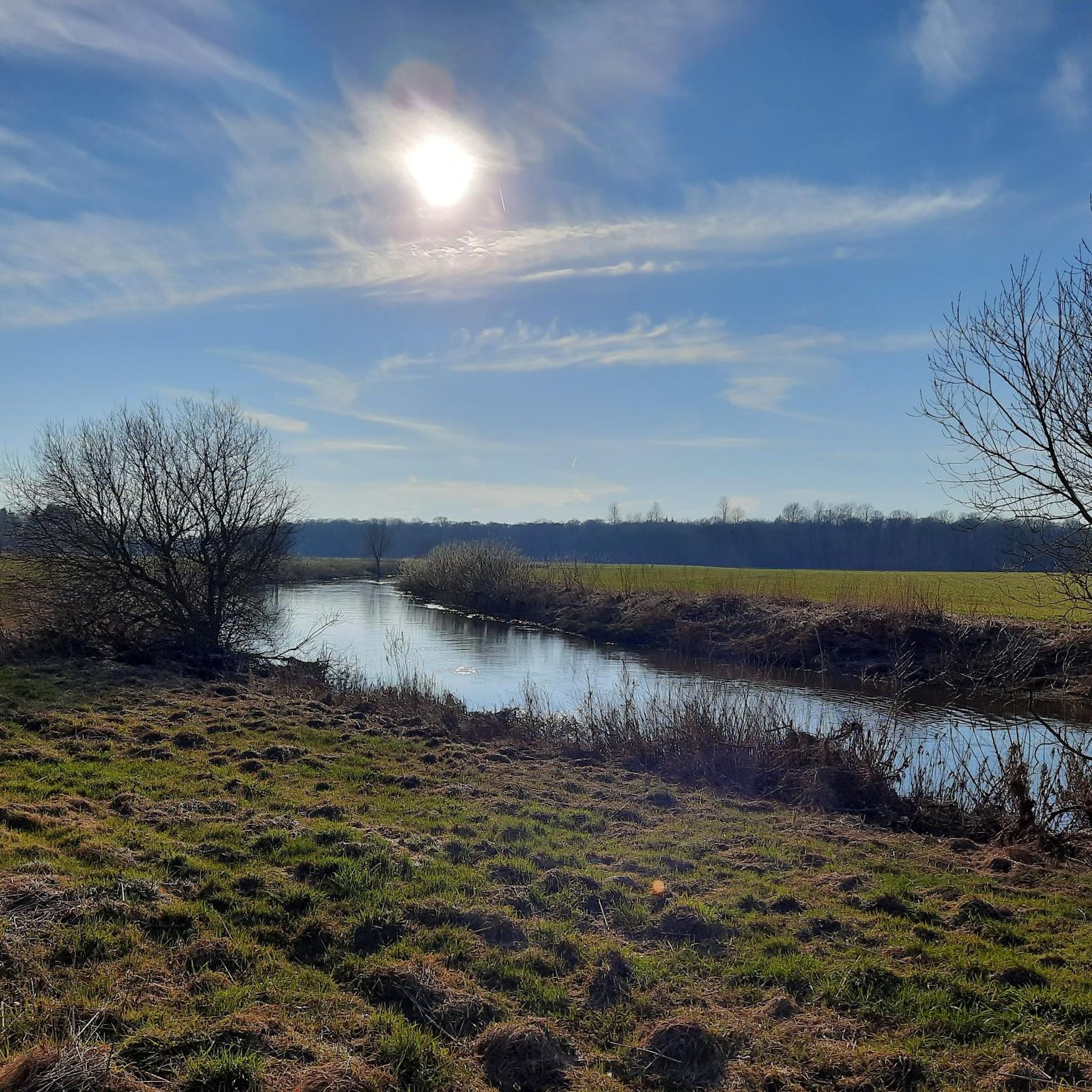
Tips from the Community

Asmussen-Woldsen monument as a fountain.
4
0

very informative tour through the moor landscape
0
0

Great 400 m long educational trail over planks with some benches.
1
0

Is a beautiful fountain figure
5
0

The Tine, Husum's secret landmark, stands on the base of the market fountain built in 1902. Created by the Husum-born sculptor Adolf Brütt, the bronze figure depicts a young fisherman's wife in wooden shoes. The Tine in Husum commemorates two of the city's benefactors: Catharina Asmussen and Friedrich Woldsen, from whose names the short form for the figure was derived.
4
0

The Tine fountain is located in Husum on the market square in the center. The Tine fountain is also known as the secret landmark of the city of Husum. The Tine, as the Tine fountain is also affectionately known, consists of two parts. One part is the fountain and the second part is the Tine figure. The fountain was built in 1902. The official name of the market fountain is Asmussen-Woldsen-Brunnen. It is named after two benefactors of the city of Husum: Friedrich Woldsen and Anna Catharina “Tine” Asmussen. And now it is clear where the Tine got its name from. The Tine figure is a bronze sculpture that was created by the Husum-born sculptor Adolf Brütt. The tine depicts a fisherman's wife in wooden shoes at that time. https://www.schlei-ostsee-urlaub.de/data/schlei-ostsee-urlaub_1516.html
5
0
The castle park is particularly attractive in spring. Every year in March / April, over 4 million crocuses make the Husum castle park shine. The landscape garden around the only castle on the Schleswig-Holstein North Sea coast transforms into a unique sea of purple blossoms. Since 1994, the castle park with its crocus bloom has been a listed garden monument and is therefore one of the rarities of garden culture in the holiday region of Husumer Bucht. https://www.husum-tourismus.de/Media/Attraktionen/Schlosspark-Husum-Grosser-Garten#/article/526b91db-e5fc-422a-8b2b-2ee67464f3e7
11
1

Numerous metabolic products should make you choose the oldest Bodden when choosing footwear.
2
0
Frequently Asked Questions
What are the most popular natural monuments around Wittbek?
The most popular natural monument is the Stork Village Bergenhusen, renowned for its large white stork colony. Other highly regarded natural areas include the Moor Nature Trail at Wildes Moor Nature Reserve and the expansive Wildes Moor bei Schwabstedt Nature Reserve, both offering unique insights into the region's moorland ecosystems.
What kind of wildlife can I observe near Wittbek's natural monuments?
The Stork Village Bergenhusen is a prime location to observe white storks, especially during their breeding season when up to 20 pairs return annually. The flat landscape with its rivers and pools provides abundant feeding grounds for these majestic birds. Moorlands like the Wildes Moor are also home to specialized flora and fauna adapted to wetland environments.
Are there family-friendly natural monuments around Wittbek?
Yes, several natural monuments are suitable for families. The Stork Village Bergenhusen is a fascinating experience for all ages, allowing close observation of storks. The Moor Nature Trail at Wildes Moor Nature Reserve features a renewed wooden walkway and information boards, making it an educational and accessible outing for families.
What is the best time of year to visit the natural monuments around Wittbek?
The spring and summer months are ideal, particularly for observing the white storks in Bergenhusen during their nesting period. These seasons also offer pleasant weather for exploring the moorlands and other natural areas. While winter can be tranquil, some paths might be less accessible, and wildlife observation may be different.
Are there hiking trails near these natural monuments?
Yes, the region offers various hiking opportunities. For instance, the Moor Nature Trail at Wildes Moor Nature Reserve is a beautiful circular path with information boards. You can find more hiking options in the area, including easy hikes, by exploring the Easy hikes around Wittbek guide.
Can I bring my dog to the natural monuments?
While many natural areas in Germany are dog-friendly, specific rules may apply, especially in nature reserves to protect wildlife. For example, the Moor Nature Trail at Wildes Moor Nature Reserve, with its wooden walkways, might not be ideal for dogs due to rabbit wire. It's always best to check local signage or official websites for specific regulations regarding dogs in each natural monument or reserve.
What other outdoor activities can I do near Wittbek's natural monuments?
Beyond hiking, the flat terrain around Wittbek is excellent for cycling. You can find various routes for road cycling and mountain biking. Explore options like the Road Cycling Routes around Wittbek guide or the MTB Trails around Wittbek guide for more ideas.
Are there any cultural or historical sites near the natural monuments?
While the focus is on natural monuments, the region does have historical elements. For example, the Tine Fountain (Asmussen-Woldsen Monument) in Husum, though a man-made monument, is a notable landmark with historical significance, depicting a fisherman's wife and commemorating city benefactors.
Where can I find parking for natural monuments in the Wittbek area?
Parking availability varies by location. For popular sites like the Stork Village Bergenhusen, there are often designated parking areas for visitors. For nature reserves and moorlands, smaller parking lots or roadside parking might be available near trailheads. It's advisable to check specific location details before your visit.
Is public transport available to reach natural monuments around Wittbek?
Public transport options exist, though they might require some planning. Buses frequently bring visitors to places like the Stork Village Bergenhusen during peak seasons. For more remote natural areas, public transport might be less direct, and a combination of bus and walking or cycling could be necessary. Checking local bus schedules is recommended.
What makes the moorlands around Wittbek special?
The moorlands, such as the Wildes Moor bei Schwabstedt Nature Reserve and the Moor Nature Trail at Wildes Moor Nature Reserve, are unique ecosystems. They are characterized by specialized flora and fauna, wide views, and a tranquil environment. These areas offer a glimpse into the region's natural history and ecological significance, with information boards often detailing their development.
Are there any natural features related to coastal protection near Wittbek?
Yes, the region also features elements related to coastal protection, such as dikes. The highlight The Golden Tread – Deichschafe on the Schardeich illustrates how sheep are used for dike maintenance, showcasing a blend of human activity and natural processes in maintaining the landscape.
Most popular attractions around Wittbek

Get inspired with the komoot mobile app


Explore more
Extend your search for the best caves by checking out these guides of the top ones around Wittbek:
