Top 20 Natural Monuments around Neustrelitz
Natural monuments around Neustrelitz offer access to the Mecklenburg Lake District's diverse natural areas. The region is characterized by expansive national parks, dense forests, and numerous lakes. Visitors can explore significant natural features like the Müritz National Park and the Feldberg Lake District Nature Park. These areas provide opportunities to experience untouched nature and varied landscapes.
Best natural monuments around Neustrelitz
- The most popular natural monuments is Käflingsberg Observation Tower, a viewpoint that offers views over the Müritz National…
Last updated: June 25, 2026
Müritz National Park
Highlight • Natural Monument
Translated by Google •
Tip by

Käflingsberg Observation Tower
Highlight • Viewpoint
Translated by Google •
Tip by

Sign up now to discover places like this
Get recommendations on the best single tracks, peaks, & plenty of other exciting outdoor places.
Sign up for free
Source of the Havel
Highlight • River
Translated by Google •
Tip by

Boardwalk Through the Moor, Müritz National Park
Highlight • Trail
Translated by Google •
Tip by

Stork Nest, Groß Quassow
Highlight • Natural Monument
The stork's nest is said to have been occupied regularly for 60 years. …
Translated by Google •
Tip by

Sign up for free to discover even more natural monuments around Neustrelitz.
Sign up for free
Already have an account?
Start today with a free account
Your next adventure awaits.
Login or Signup
Popular around Neustrelitz
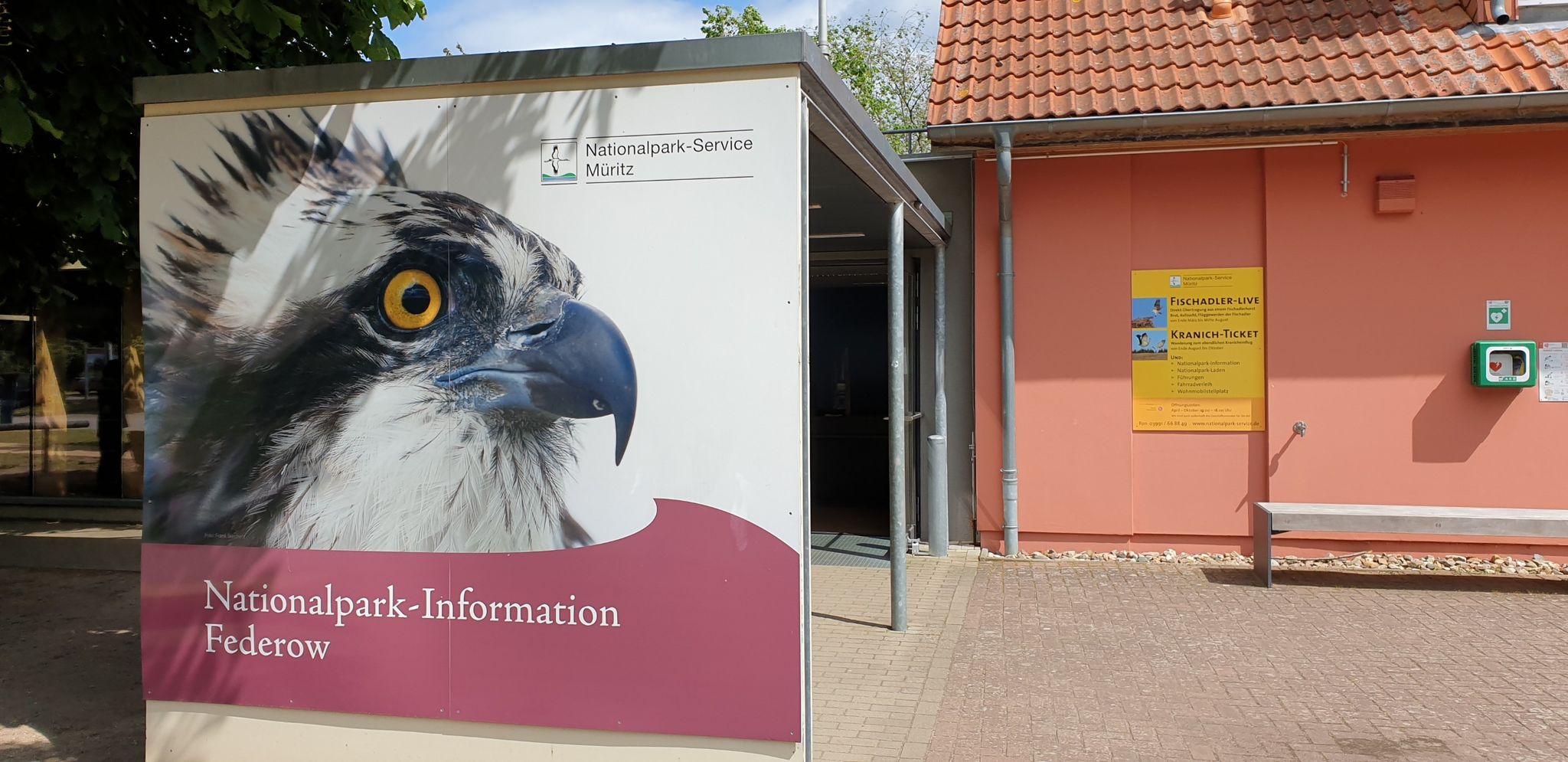
Müritz National Park Information
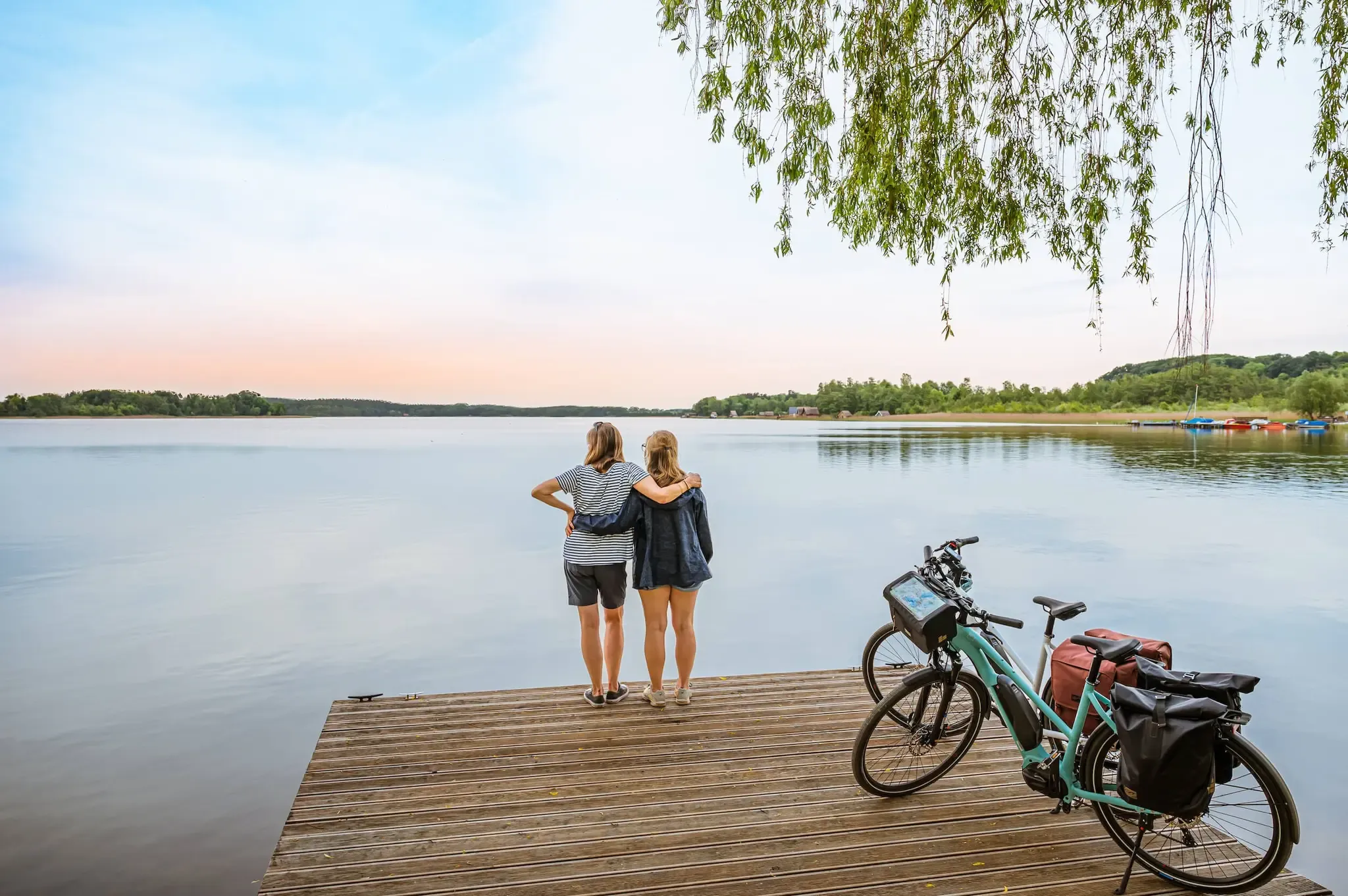
The long distance bicycle route Berlin-Copenhagen
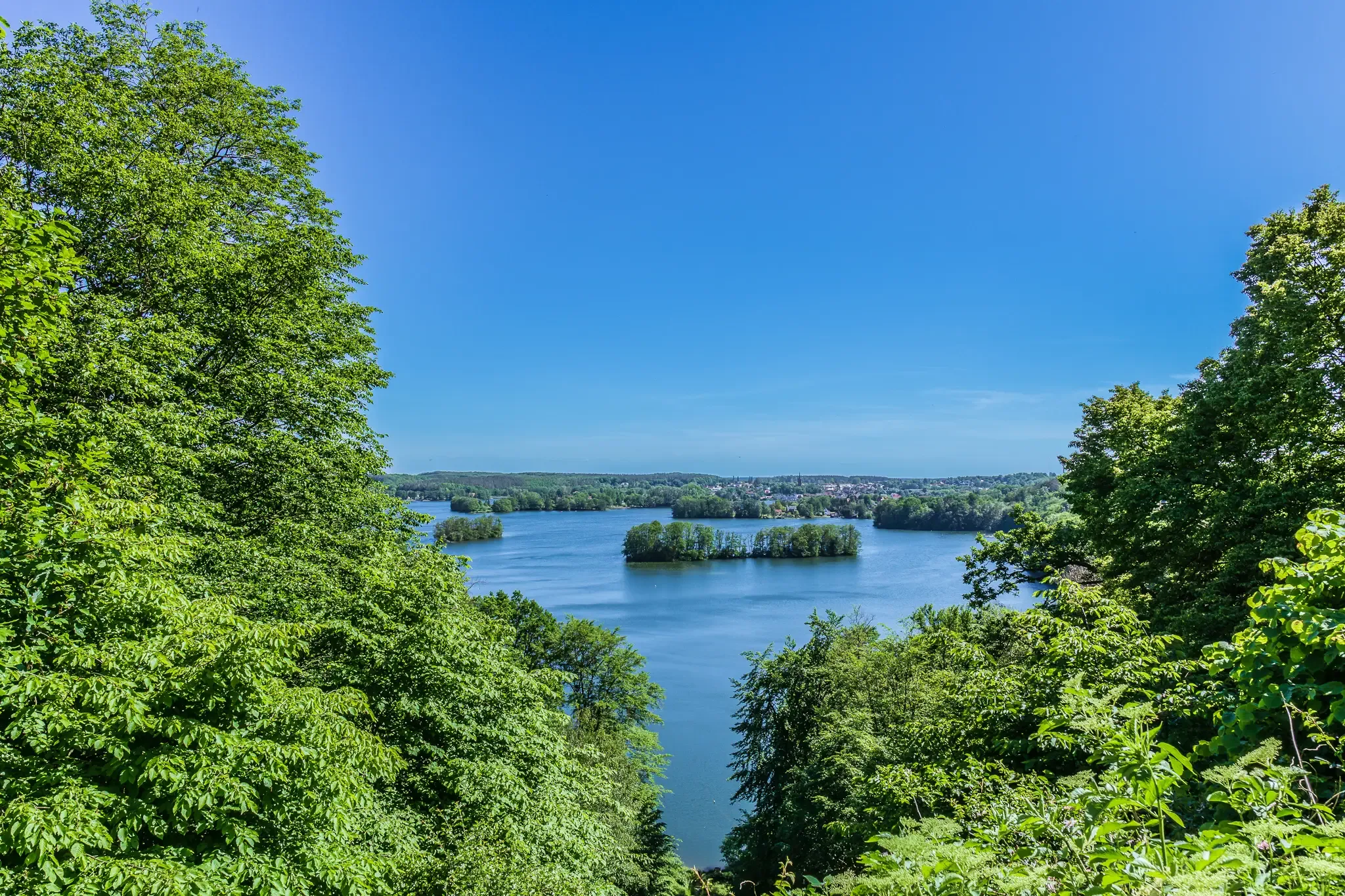
Germany's MV Nature Park Trail — Hike through epic natural landscapes
Müritz National Park Trail in 9 Stages
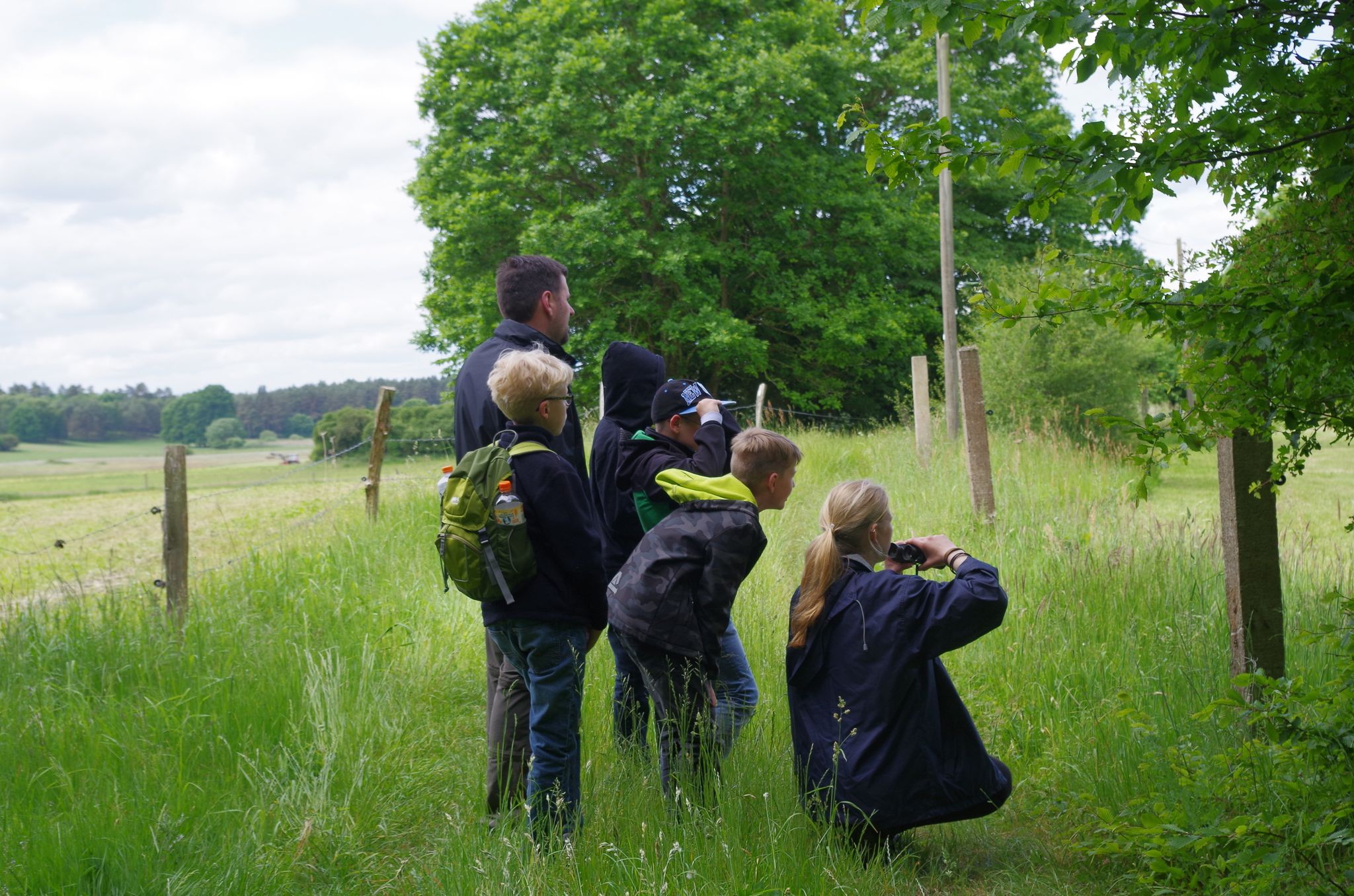
Müritz National Park – Experience trails and hiking tours for families
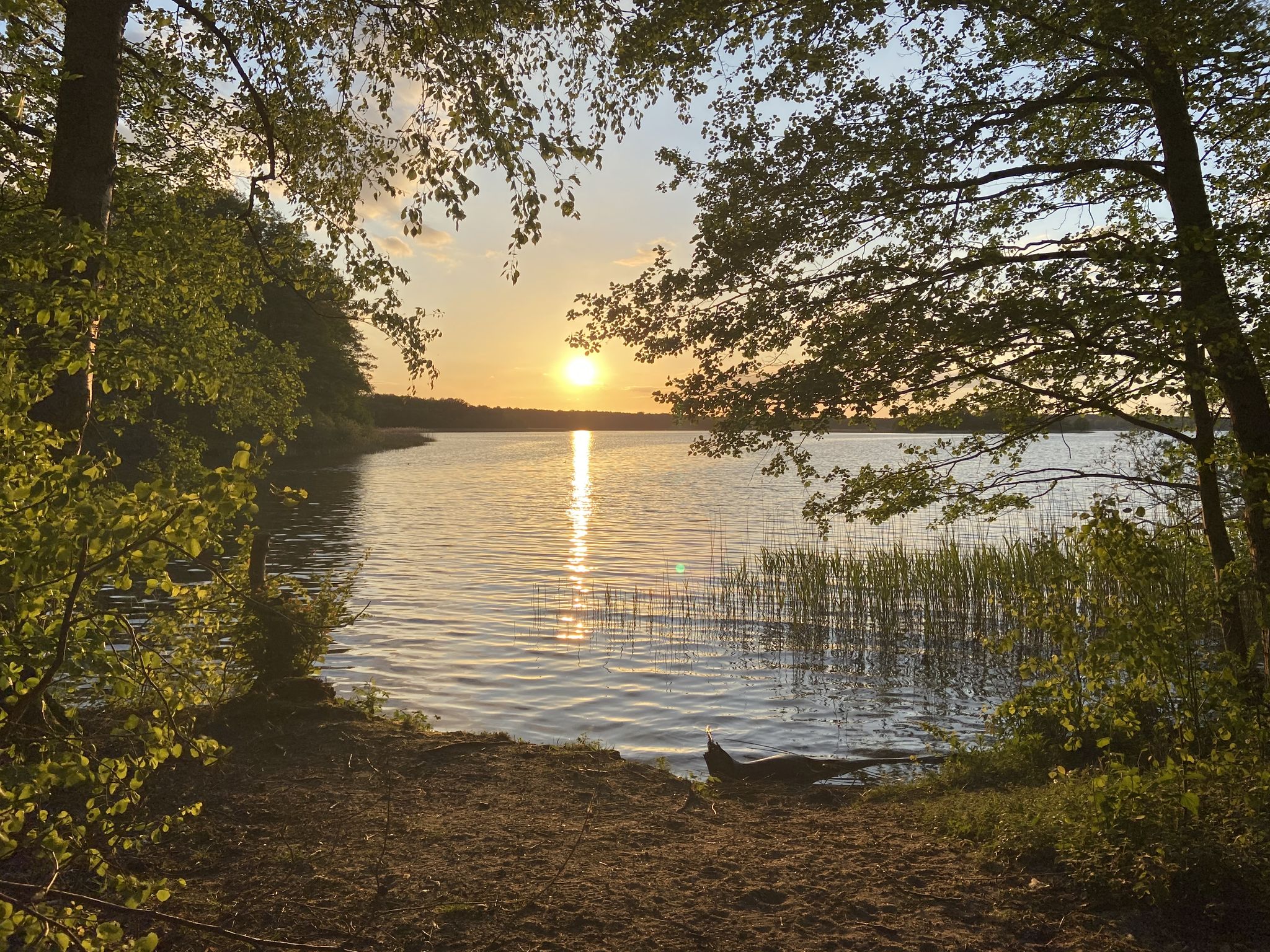
Müritz-Nationalpark – Wanderwege im Müritz-Teil
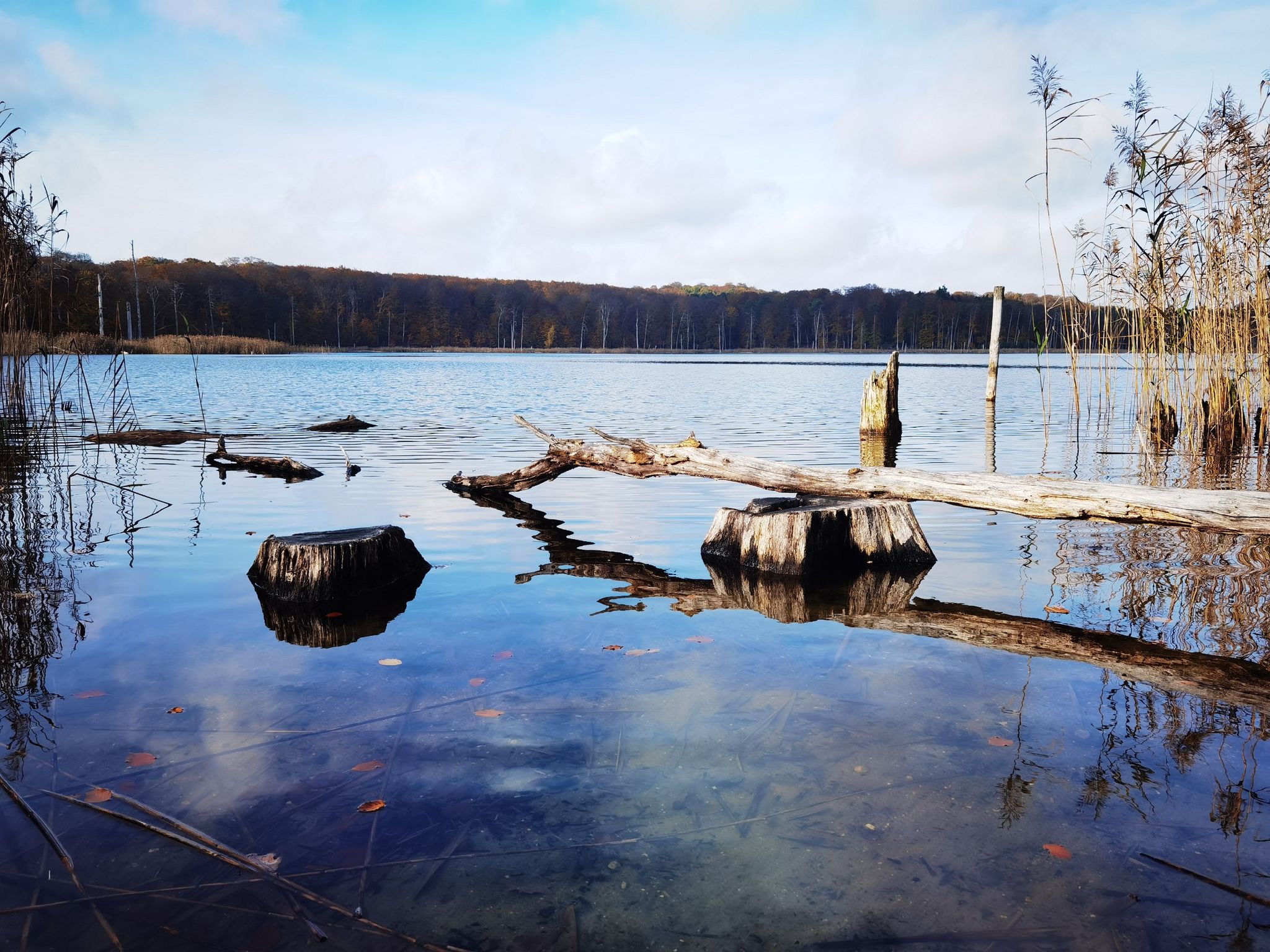
Müritz National Park - hiking trails in the Serrahn part
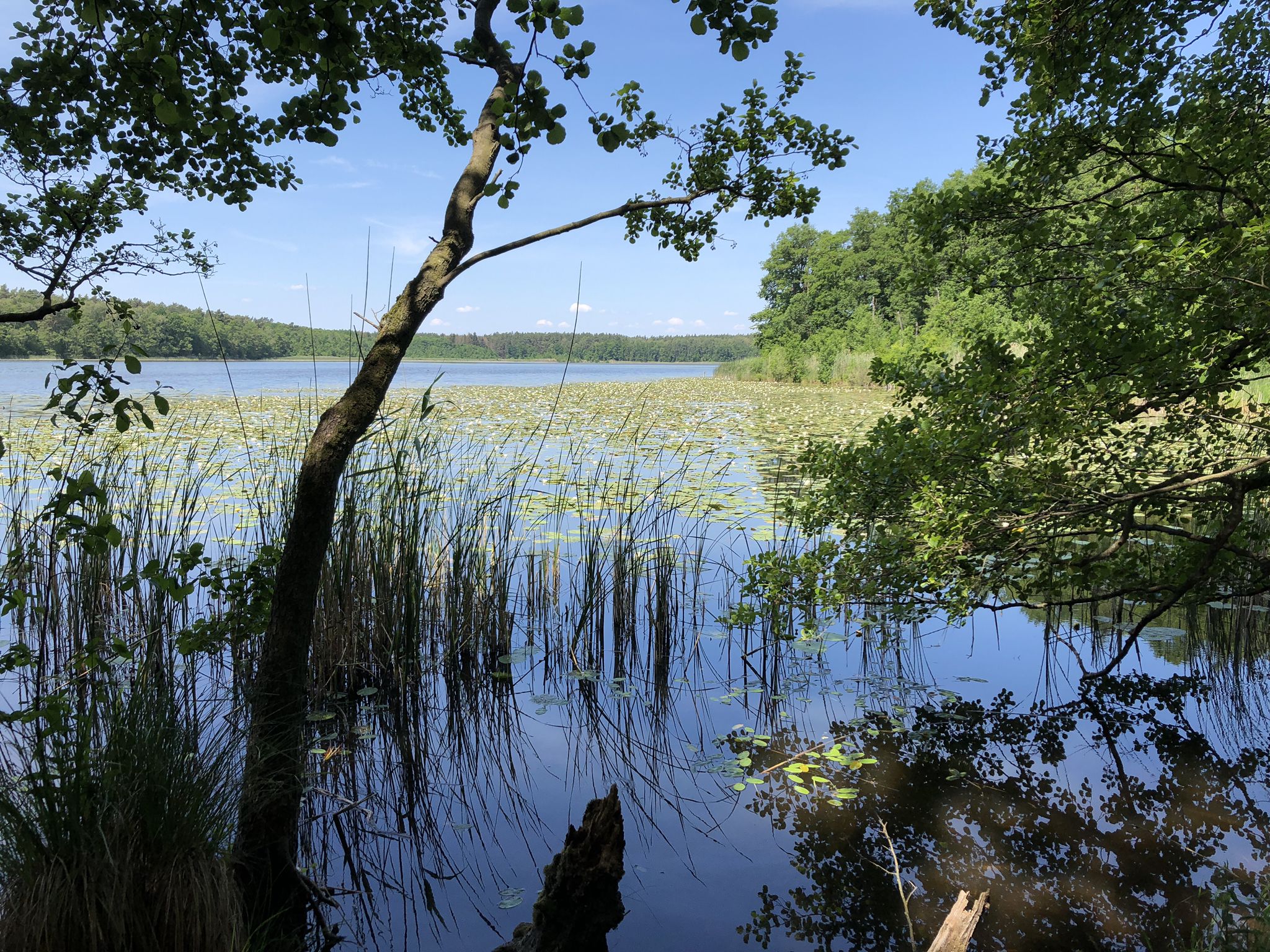
Cycling routes in Müritz National Park
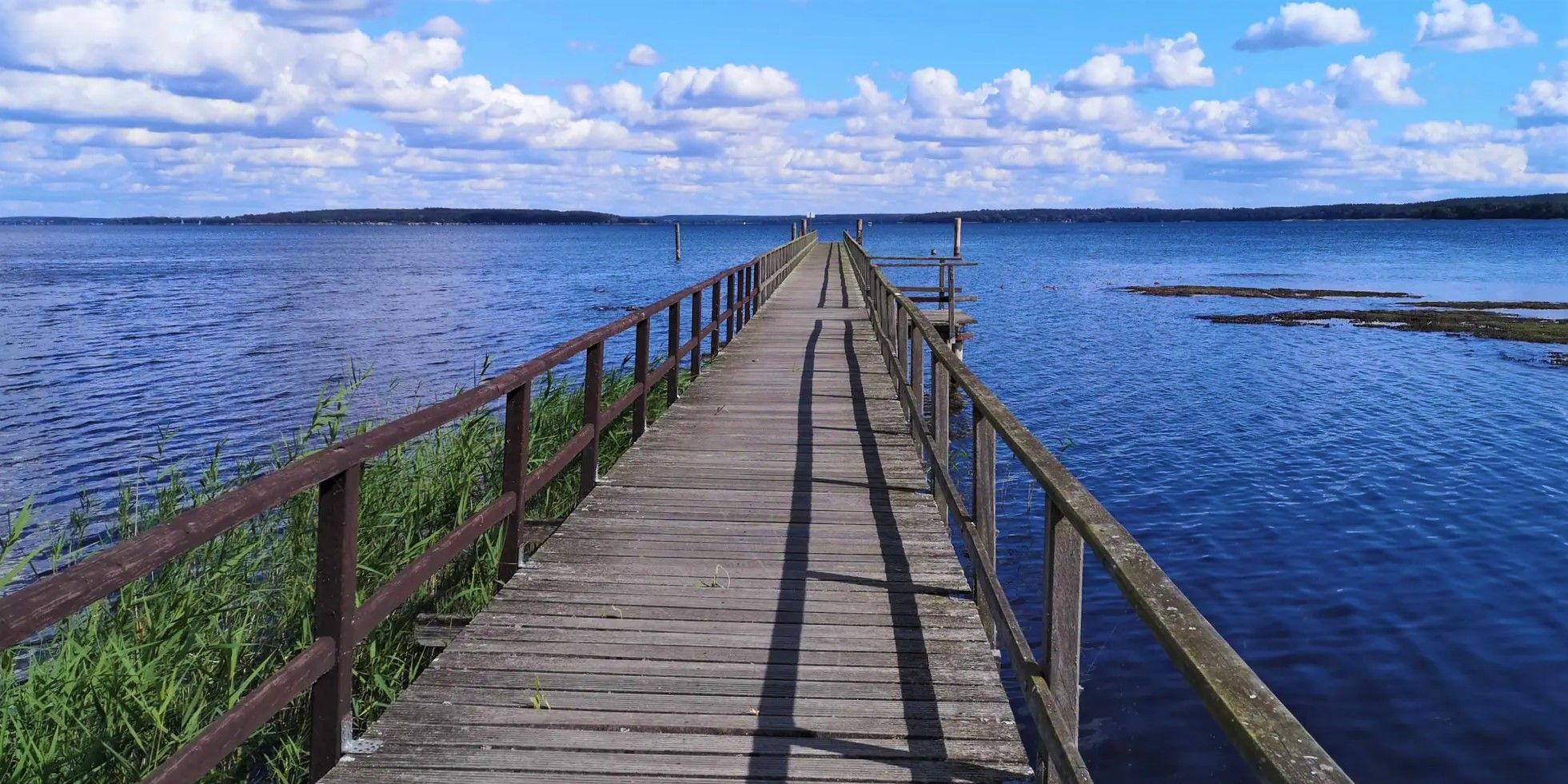
Cycling and swimming fun – Mecklenburg Lakes Cycle Route
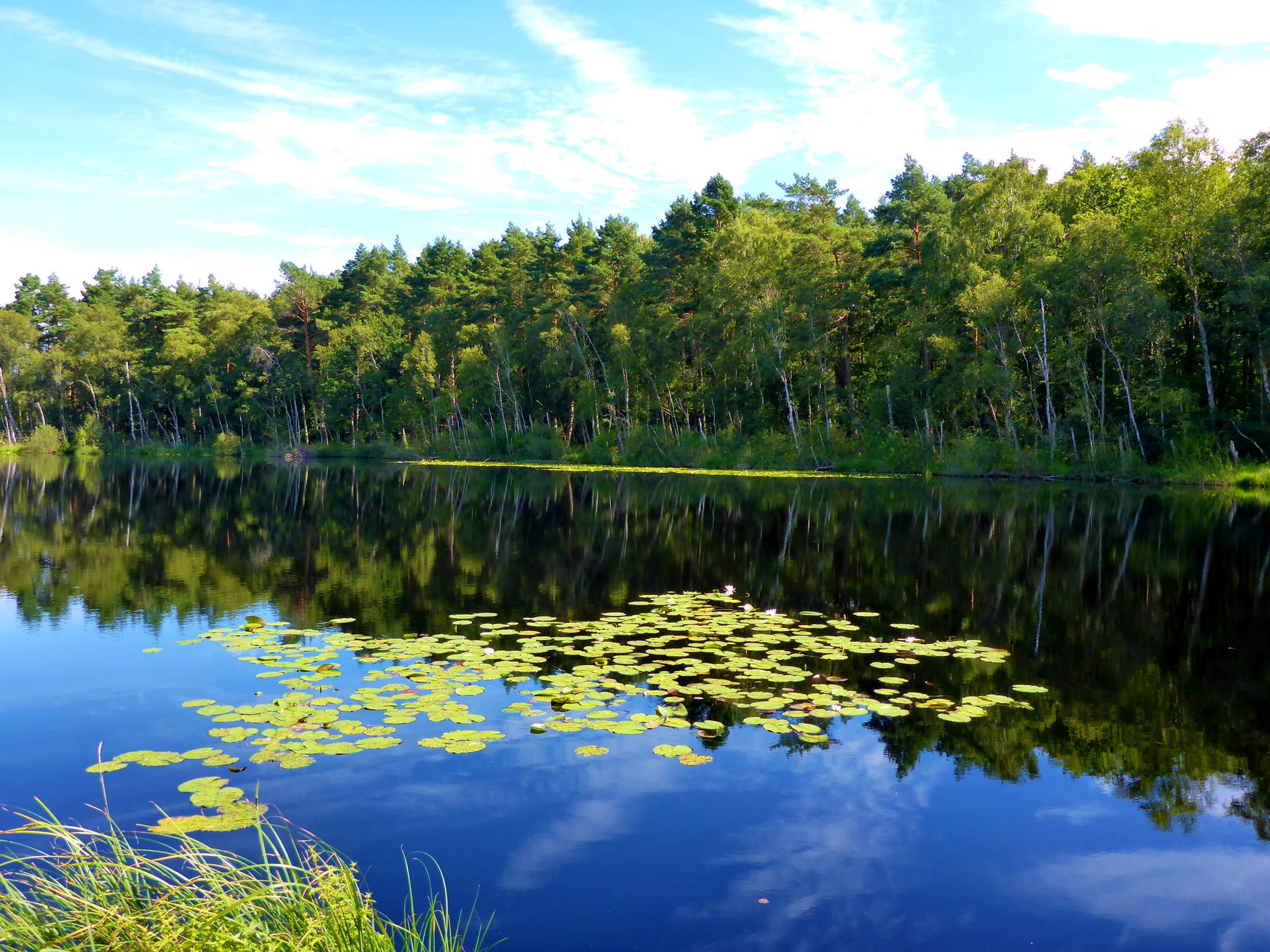
Mecklenburg Lake District – hiking in the Land of a Thousand Lakes
Other adventures around Neustrelitz


Tips from the Community

In winter you have a particularly good view.
1
0

We exchange ideas with hikers coming towards us. Shortly afterwards, a wooden plank walkway over the moor awaits us. It has been restored by returning water. What awaits us is remarkable. Now in the sun, we walk over the moor, beautiful and rustic. With information about various moor plants, we try to discover them all. Due to the time of year, not all of them can be seen or are in bloom. The plank walkway leads across and through an absolute natural paradise. Now we walk back along the circular route. https://youtu.be/HIq0-mPqBNA
1
0

The Bornsee, Trinnensee, and Mühlensee were the original source lakes of the Havel River. To power a watermill, a dam was built on the southern shore of the Mühlensee in the Middle Ages, and the lake's water was diverted via the Mühlenbach stream toward Ankershagen. After further human intervention, the Havel source was relocated to its current location in 2007. Stones and information boards at the source provide information about the river's course.
4
0
The Bornsee, Trinnensee, and Mühlensee were the original source lakes of the Havel River. To power a watermill, a dam was built on the southern shore of the Mühlensee in the Middle Ages, and the lake's water was diverted via the Mühlenbach stream toward Ankershagen. After further human intervention, the Havel source was relocated to its current location in 2007. Stones and information boards at the source provide information about the river's course.
3
0

Ambitious cyclists will be rewarded with breathtaking views of the lake landscapes. The cycle paths in the national park are well-developed and easy to navigate. Moderate climbs and gentle descents on some great sections make this tour a truly memorable experience. Highly recommended. A very beautiful route through the national park, with easy-to-ride sections. The diverse landscape is a paradise for cyclists. It's worth it!
5
1

Extending over large parts of the Mecklenburg Lake District and the Feldberg Lake District, the national park is a paradise for nature lovers and cyclists. The journey through the national park is an unforgettable experience that is characterized by the diversity of landscapes: dense forests, crystal-clear lakes and extensive moorland landscapes offer a backdrop that invites you to pause and marvel. The “organic noise” – the concert of birdsong, the rustling of the leaves and the rippling of the water – is a blessing for the soul and provides a unique relaxing effect. The cycle paths in the national park are excellently developed and lead through some of the most beautiful corners of the region. Although the direct shore areas of the lakes are often hidden by trees and bushes, there are always breathtaking views of the water landscapes. A detour by canoe is a good way to explore the lake landscape from the water. Paddling through the calm waters, surrounded by untouched nature, is a highlight that should not be missed. The Müritz National Park is not only a place for relaxation and enjoyment of nature, but also a paradise for active holidaymakers. In addition to cycling and paddling, numerous hiking trails invite you to explore the region on foot and take in the silence of nature.
3
2
Groß Quassow is one of the oldest villages in this area and was first mentioned in a document in 1346 as the property of the Stolp monastery. It later belonged to the Strelitz office, but then became the personal possession of Duchess Eleonore Maria. In July 2012, the community celebrated the 666th anniversary of its first documented mention. Source and further information about Groß Quassow: https://neustrelitz-evangelisch.de/index.php/gross-quassow/
2
0

The Havel spring was built in 2007 south of the Mühlensee and symbolizes the beginning of the Havel as a 334 km long river through northeastern Germany. The most important cities and towns along the Havel's course are represented by coats of arms. The Havel spring is difficult to find because sufficient water must accumulate in its extensive source area before the Havel "springs." Since the Havel source area receives very little rainfall, averaging 580 mm per year, water is needed from the large area from Freidorf to Kratzeburg until a constant flow of water is established. Due to human intervention in this area since the Middle Ages, the source of the Havel – and thus also the watershed between the North Sea and the Baltic Sea – has been altered several times. The most significant measure was the breakthrough at the Mühlensee, located 3 km to the north, which was probably carried out in the 16th century. Since then, water from the Bornsee, Trinnensee, and Mühlensee lakes flowed toward Ankershagen to power a watermill there. This caused the southern outflow to dry up, so that Dambecker See was considered the source of the Havel for a long time. Through land reclamation work in the 19th and 20th centuries, the source area was relocated northward toward Diekenbruch. Since 2004, this moor has been restored to its natural state. The dam between Mühlensee and Diekenbruch, along which the road from Ankershagen to Ulrichshof runs, forms the watershed between the North Sea and the Baltic Sea. The Havel spring, built here in 2007, is now a popular tourist destination. https://www.mecklenburgische-seenplatte.de/reiseziele/havelquelle
3
0
Frequently Asked Questions
What are the key natural features to explore around Neustrelitz?
The region around Neustrelitz is characterized by expansive national parks, dense forests, and numerous lakes. You can explore significant natural areas like the Müritz National Park and the Feldberg Lake District Nature Park, which offer diverse landscapes including moorland, forests, and crystal-clear waters.
Are there family-friendly natural monuments suitable for children?
Yes, several natural monuments around Neustrelitz are great for families. The Müritz National Park itself is very family-friendly, offering well-developed cycle paths and hiking trails. The Käflingsberg Observation Tower provides an exciting climb with panoramic views, and the Boardwalk Through the Moor, Müritz National Park offers an educational and accessible walk through unique plant life.
What kind of outdoor activities can I do near these natural monuments?
The natural monuments around Neustrelitz are perfect for various outdoor activities. You can enjoy extensive cycling on well-developed paths, hiking through forests and along lakes, and even canoeing through the calm waters. For specific routes, check out the hiking guide for Neustrelitz or the MTB trails guide.
Where can I find easy walks or trails near Neustrelitz's natural monuments?
For easy walks, consider the Boardwalk Through the Moor, Müritz National Park, which is an educational trail through moorland. Many sections within the Müritz National Park also offer gentle terrain suitable for leisurely strolls. You can find more options in the easy hikes guide around Neustrelitz.
What is the best season to visit the natural monuments around Neustrelitz?
The region is beautiful year-round, but spring and autumn offer particularly pleasant conditions for hiking and cycling with milder temperatures and vibrant colors. Summer is ideal for water-based activities and enjoying the lakes. Even in winter, the serene, snow-covered landscapes can be quite magical for quiet walks.
Are there any unique natural phenomena or wildlife to observe?
Yes, the Müritz National Park is known for its untouched nature and diverse flora and fauna. You might hear the 'organic noise' of birdsong and rustling leaves. In the Feldberg Lake District Nature Park, with some luck, you could spot sea eagles, ospreys, and beavers. The Stork Nest in Groß Quassow is also a notable spot for observing these birds.
How can I reach the natural monuments using public transport?
While specific public transport options vary by monument, the Müritz National Park has visitor centers that can provide information on local connections. For detailed planning, it's advisable to check local bus schedules or consider options like the National Park Ticket if available, which often combines train and bus services. You can find more information about the National Park at visit-mv.com.
What do visitors enjoy most about the natural monuments in this area?
Visitors frequently praise the unique natural landscape and the profound recreational effect it offers. Many appreciate the well-developed cycle paths and the breathtaking views, especially from spots like the Käflingsberg Observation Tower. The opportunity to explore untouched nature and observe wildlife is also a major draw.
Can I go wild swimming near the natural monuments?
The Mecklenburg Lake District is famous for its numerous lakes. While specific designated wild swimming spots near natural monuments might require local knowledge, many lakes within or adjacent to the national parks offer opportunities for swimming. Always ensure you are swimming in safe and permitted areas.
Where does the Havel River originate, and can I visit it?
You can visit the Source of the Havel, which is a popular destination. Display boards provide information about the river's course. The area around the Havel source and its source lakes can be explored by bike or on foot, with a hiking trail leading from Ankershagen to the source.
Are there guided tours available for the natural monuments?
Yes, particularly within the Müritz National Park, you can find certified nature and landscape guides who offer tours. These guides can provide deeper insights into the park's ecology, history, and wildlife. More information can often be found on the national park's official website or at visitor centers, such as mueritz-nationalpark.de.
Most popular routes around Neustrelitz
Most popular attractions around Neustrelitz

Get inspired with the komoot mobile app


Explore more
Extend your search for the best caves by checking out these guides of the top ones around Neustrelitz:
