Top 17 Natural Monuments around Trollenhagen
Best natural monuments around Trollenhagen include a diverse landscape characterized by significant natural features and geological formations. The region offers 17 natural monuments, providing opportunities to explore the area's natural beauty and geological history. These sites are often found within forests and near bodies of water, reflecting the natural environment of Mecklenburg-Western Pomerania.
Best natural monuments around Trollenhagen
- The most popular natural monuments is Großer Stein (Großquartzow), a natural monument that is the largest erratic boulder in northern Germany…
Last updated: July 8, 2026
Chimborazo Memorial Stone
Highlight • Monument
Translated by Google •
Tip by

King of the Centuries
Highlight • Natural Monument
Translated by Google •
Tip by

Sign up now to discover places like this
Get recommendations on the best single tracks, peaks, & plenty of other exciting outdoor places.
Sign up for free
Großer Stein (Großquartzow)
Highlight • Natural Monument
Translated by Google •
Tip by

Suhl Spring
Highlight • Natural Monument
Translated by Google •
Tip by
Neubrandenburg Landwehr
Highlight • Historical Site
Translated by Google •
Tip by
Sign up for free to discover even more natural monuments around Trollenhagen.
Sign up for free
Already have an account?
Start today with a free account
Your next adventure awaits.
Login or Signup
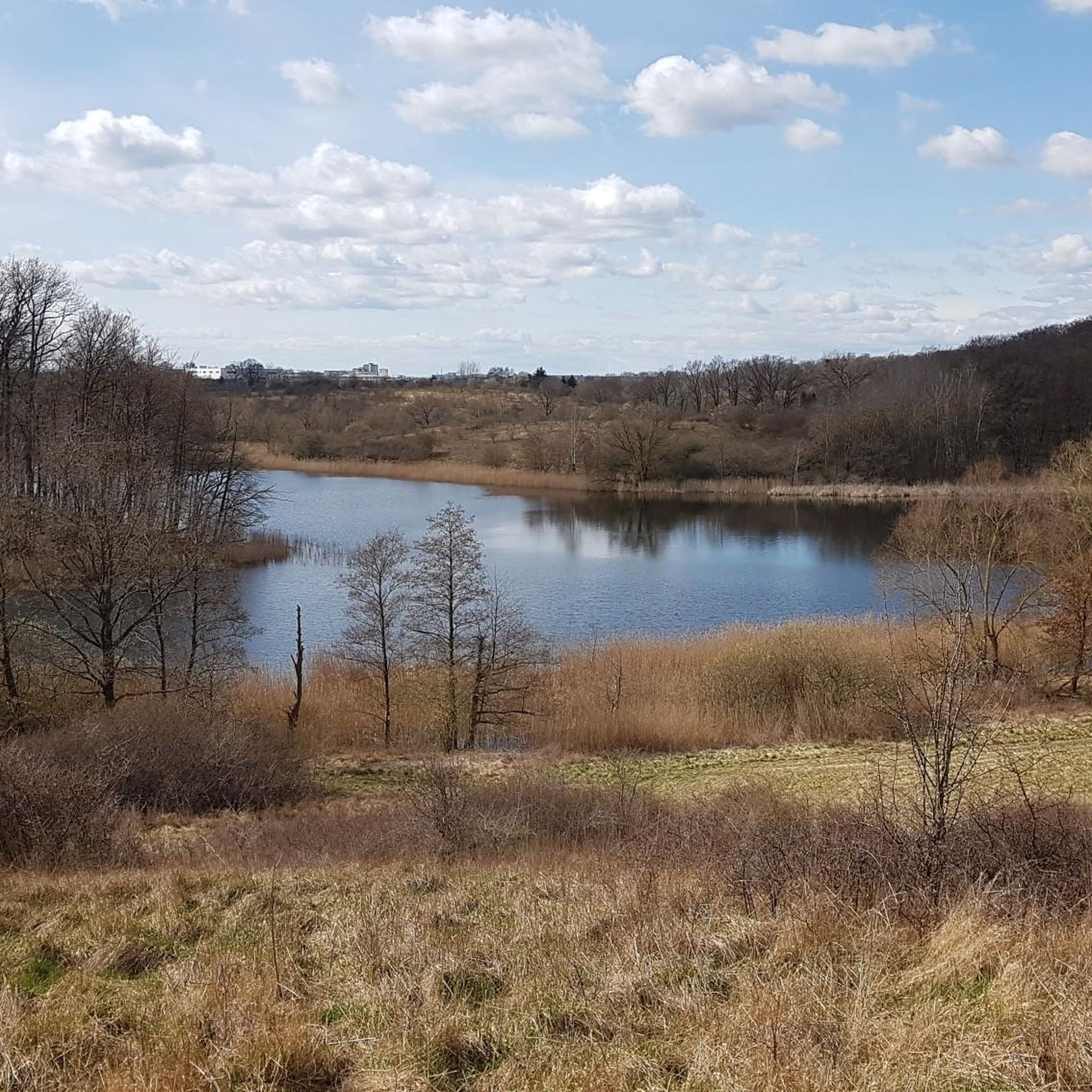
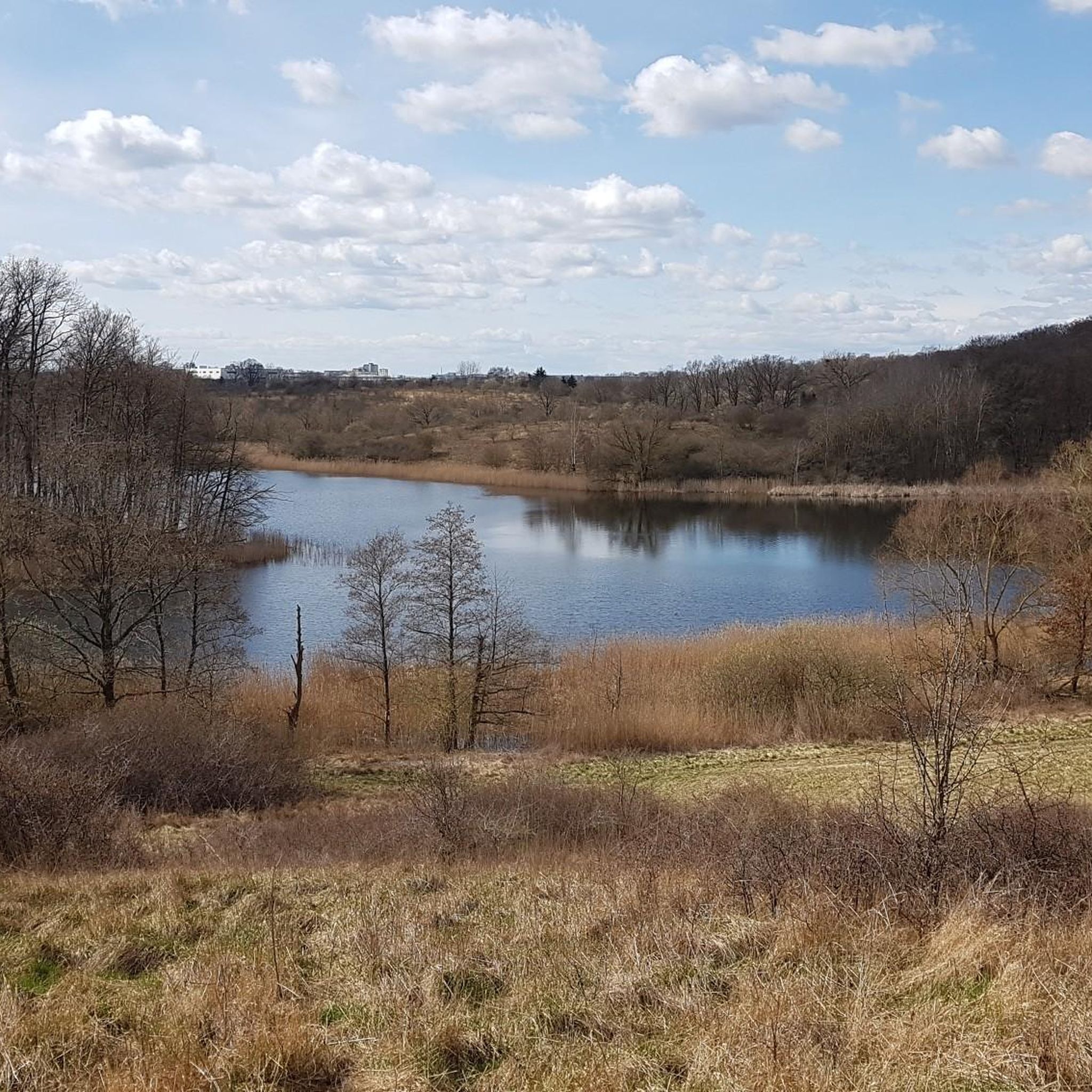
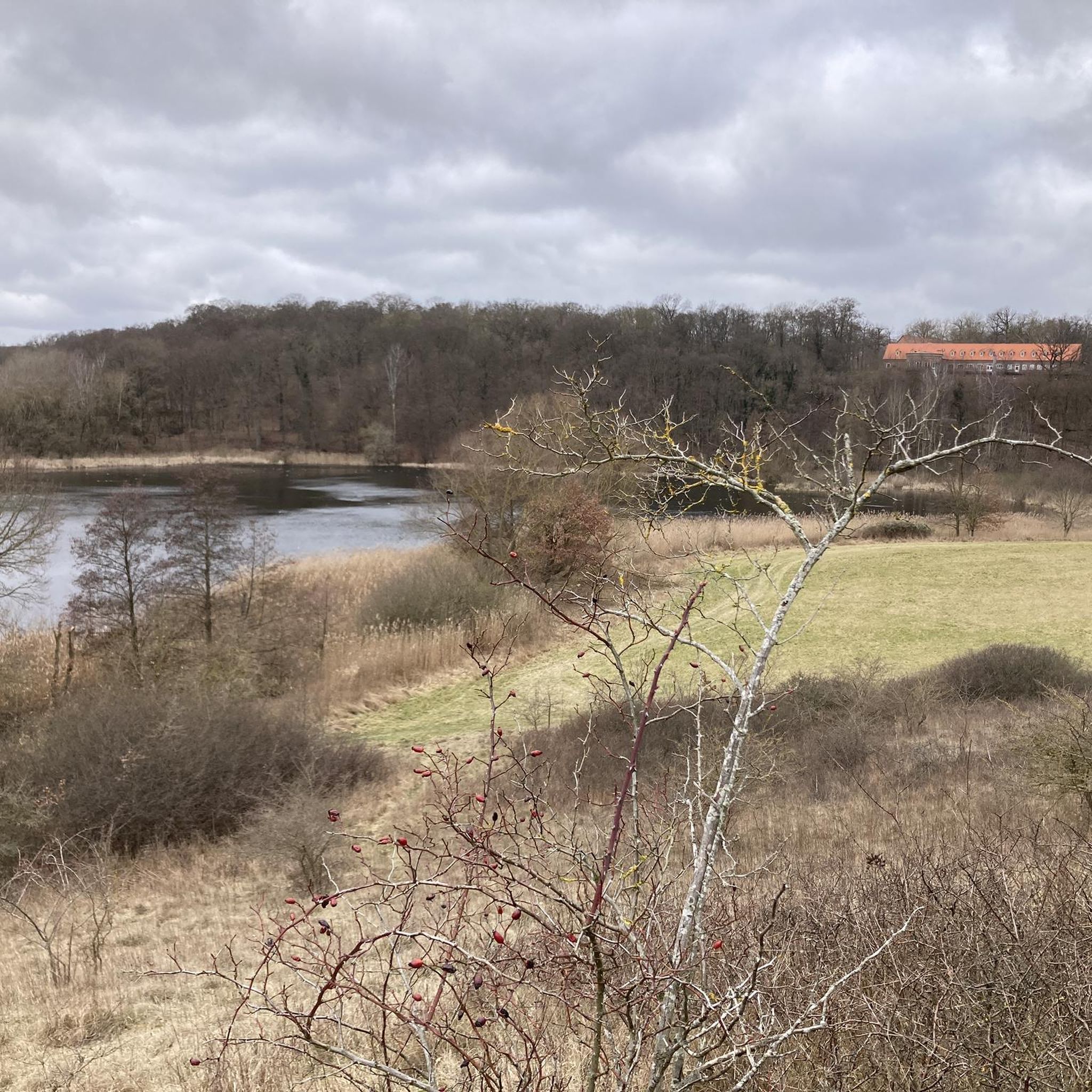
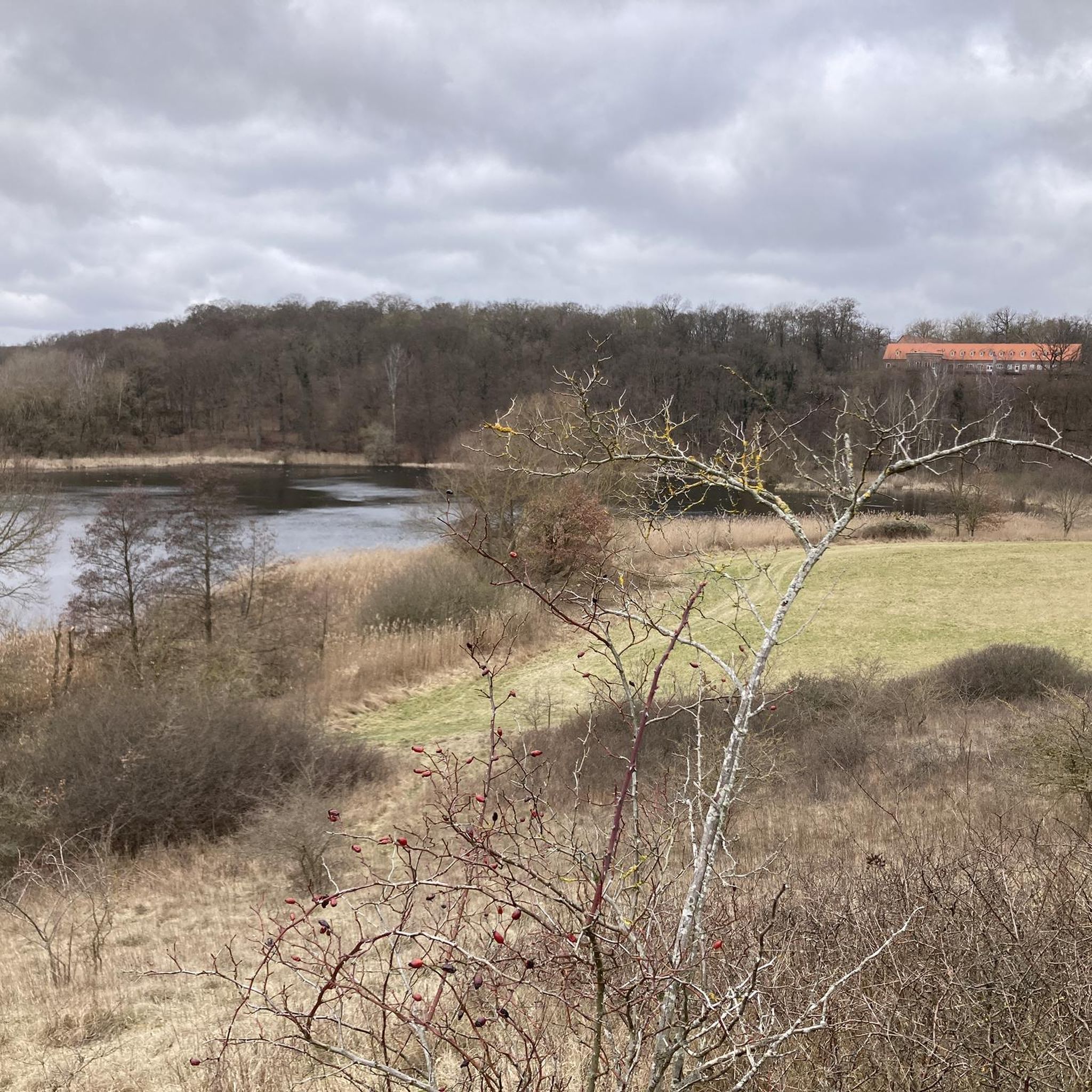

Tips from the Community

The climb up the 55-meter-high Chimborazo is worthwhile. There's a summit cross and a summit book, but unfortunately, no view.
0
0

Not just a large stone, but a boulder that was once brought to this place by the glaciers. If you look more closely, you will see a weathered inscription that calls the stone the "King of the Centuries". It is one of the largest boulders in the North German lowlands. The stone has a circumference of around 15 metres and a volume of around 35 m³.
1
0

Years ago we used to regularly get our Easter water from here. Now it has been dry for a long time. Is this climate change?
0
0
Just a few years ago the Suhlquelle was filled with water, we got Easter water here and tadpoles grew here. Now only the sign reminds us of the old spring. It remains a beautiful place and worth a hike 💕
1
0


Hiking trail in the direction of Fünfeichen Plan a detour to the memorial here
0
0

The Great Stone is the largest erratic boulder in northern Germany after the Markgrafensteine and the second largest known boulder in northern Germany after the 550-ton Buskam, which lies in the water of the Baltic Sea. The Great Stone probably came to its current location during the Vistula Ice Age.
2
0

Memorial stone for Alexander von Humboldt - a nice place to stay and rest!
2
0
Frequently Asked Questions
What are some significant natural monuments in the Trollenhagen area?
Beyond the local glacial erratics, the wider region around Trollenhagen boasts significant natural sites. Notably, Lake Tollense is one of the cleanest and largest lakes in Mecklenburg-Western Pomerania, offering expansive natural beauty. About 30 km away, within Müritz National Park, you'll find the Ivenacker Eichen, home to 1,000-year-old oak trees and recognized as the only National Natural Monument in Mecklenburg-Vorpommern.
What kind of natural features can I expect to see around Trollenhagen?
The area is characterized by large glacial erratics, such as the impressive Großer Stein (Großquartzow), which is one of the largest erratic boulders in northern Germany. You'll also find memorial stones, forests, and viewpoints overlooking bodies of water like Lake Tollense. The landscape is shaped by its glacial history, with many natural monuments reflecting this geological past.
Are there any historical or cultural natural monuments in the region?
Yes, several sites combine natural beauty with historical significance. The Chimborazo Memorial Stone, for instance, is a viewpoint commemorating natural scientist Alexander von Humboldt, offering views over Lake Tollense. Additionally, boulders like the King of the Ages and King of the Centuries are geological natural monuments, with the latter featuring ancient bowl stones from the Bronze Age.
What do visitors particularly enjoy about the natural monuments near Trollenhagen?
Visitors appreciate the imposing size and historical context of the glacial erratics, often finding them wonderful to climb or simply admire. The peaceful surroundings, opportunities for walking and cycling, and the chance to connect with nature are also highly valued. Many enjoy the information provided at sites like the King of the Centuries (Large Glacial Erratic), which offers educational insights into the region's past.
Are there family-friendly natural monuments around Trollenhagen?
Absolutely. Many natural monuments, including the King of the Ages and the King of the Centuries (Large Glacial Erratic), are considered family-friendly. Children often enjoy climbing on the large boulders, and the surrounding areas often have benches and green spaces for relaxation. The Großer Stein (Großquartzow) is also ideal for walking and cycling with the family.
What outdoor activities are available near Trollenhagen's natural monuments?
The region offers a variety of outdoor activities. You can enjoy hiking on trails like the 'Röttsee Ihlenfeld – Deep Lake loop' or the 'Village Church Trollenhagen loop'. Cycling is popular, especially around Lake Tollense, which has a 37-kilometer circular path. Gravel biking routes are also available, such as the 'Lake Tollens – View of Lake Tollense loop'. For more details on routes, explore the easy hikes around Trollenhagen or gravel biking around Trollenhagen guides.
Are there hiking trails near the natural monuments?
Yes, many natural monuments are integrated into hiking trails. For example, the Großer Stein (Großquartzow) is located on the Stone Age route. You can find various hiking options, from easy loops like the 'Neverin Water Tower – Scenic Riverside Path loop' to moderate trails such as the 'Datze Stream – The Datze Stream in Burgholz loop'. Check out the hiking around Trollenhagen guide for more options.
Is there a best time of year to visit the natural monuments?
The natural monuments around Trollenhagen can be enjoyed year-round. Spring and autumn offer pleasant temperatures for hiking and cycling, with vibrant foliage or blooming nature. Summer is ideal for combining visits with water activities at Lake Tollense. Even in winter, the landscape can be beautiful, especially after snowfall, though some paths might be less accessible.
What wildlife can I spot near Trollenhagen's natural monuments?
The region, particularly around Lake Tollense and its nature reserves like Nonnenhof, is a haven for wildlife. Birdwatchers can spot over 170 bird species, including rare ones like snipe, corncrake, kingfisher, and impressive numbers of cranes and ospreys. Mammals such as otters and various bat species also inhabit the lake's shores and surrounding forests.
Can I bring my dog to these natural sites?
Generally, many natural areas and trails around Trollenhagen are dog-friendly, especially if dogs are kept on a leash. However, specific regulations might apply in designated nature reserves or protected areas, such as parts of the Nonnenhof Nature Reserve near Lake Tollense. It's always best to check local signage at the specific natural monument you plan to visit.
How can I get to the natural monuments around Trollenhagen?
Access to the natural monuments often involves a combination of driving and walking. Many sites have nearby parking spots. For those relying on public transport, it's advisable to check local bus routes that connect to trailheads or villages close to the monuments. For example, the Chimborazo Memorial Stone is accessible via a short climb from a well-signposted path near Lake Tollense.
Are there any accessible natural monuments for visitors with mobility needs?
While many natural monuments involve uneven terrain or short climbs, efforts are often made to improve accessibility in popular areas. For example, the Ivenacker Eichen features a new treetop trail that enhances accessibility and allows visitors to experience the ancient forest. For specific details on individual sites, it's recommended to check local information or visitor centers.
Most popular routes around Trollenhagen
Most popular attractions around Trollenhagen

Get inspired with the komoot mobile app


Explore more
Extend your search for the best caves by checking out these guides of the top ones around Trollenhagen:
