Top 17 Natural Monuments around Dagebüll
Best natural monuments around Dagebüll are characterized by the unique coastal landscape of Schleswig-Holstein, Germany. The region is known for its protected natural areas, which are valued for their ecological importance. These areas offer diverse experiences, from vast mudflats to salt marshes and polders. The natural features around Dagebüll provide opportunities to observe wildlife and explore dynamic landscapes shaped by the North Sea.
Best natural monuments around Dagebüll
- The most popular natural monuments is NABU House Wadden Sea National Park…
Last updated: July 8, 2026
Vogelkoje Boldixum
Highlight • Structure
Translated by Google •
Tip by

Climate Change Simulation Domes on Hamburger Hallig
Highlight • Structure
Translated by Google •
Tip by

Sign up now to discover places like this
Get recommendations on the best single tracks, peaks, & plenty of other exciting outdoor places.
Sign up for free
Watt Workshop, Wadden Sea National Park
Highlight • Rest Area
Translated by Google •
Tip by

NABU House Wadden Sea National Park
Highlight • Rest Area
Translated by Google •
Tip by

National Park Station Claus-Jürgen Reitermann-Maus (NABU), Hamburger Hallig
Highlight • Rest Area
Translated by Google •
Tip by

Sign up for free to discover even more natural monuments around Dagebüll.
Sign up for free
Already have an account?
Start today with a free account
Your next adventure awaits.
Login or Signup
Popular around Dagebüll
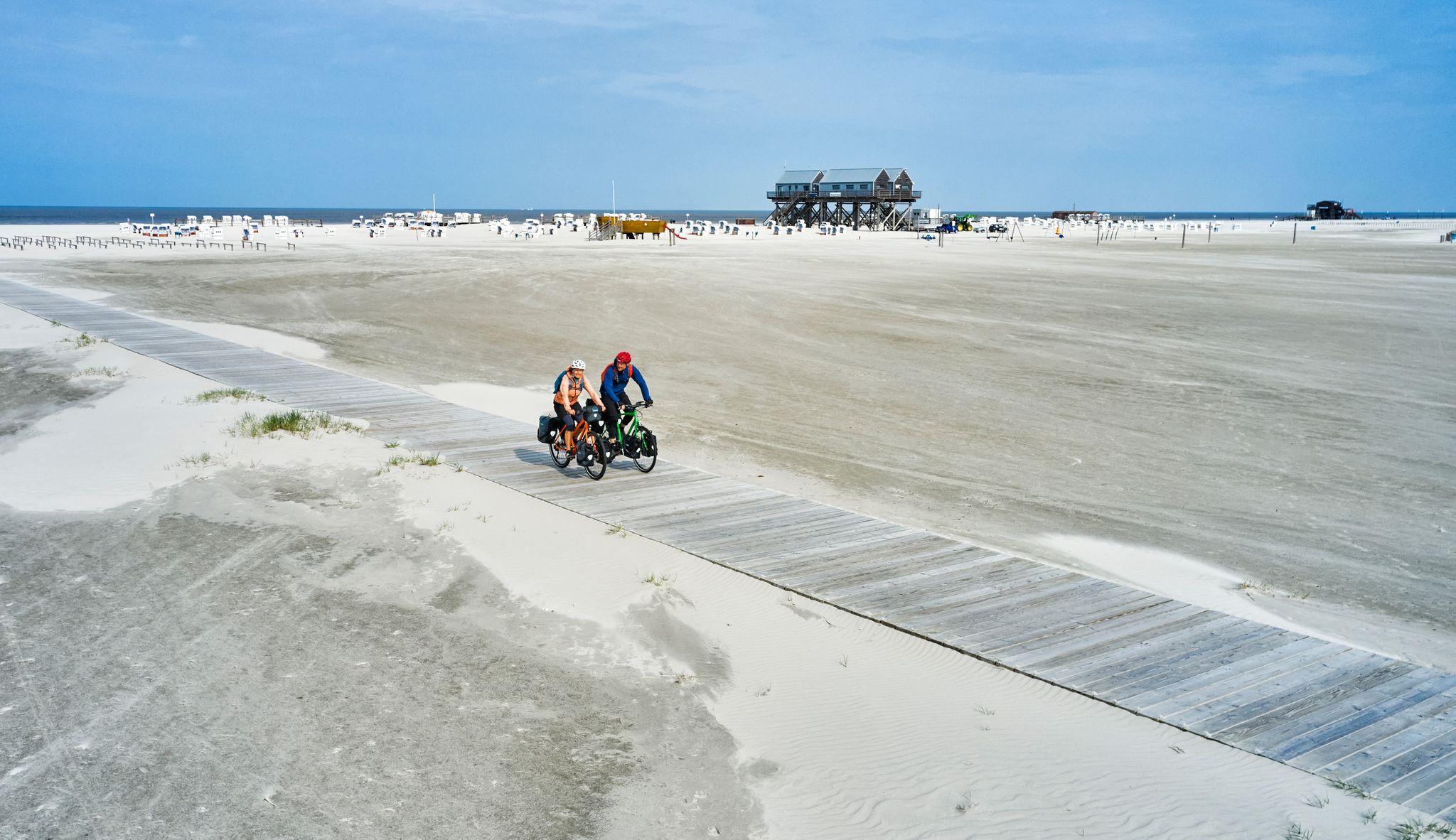
Nine hundred kilometres of pure freedom – North Sea Cycle Route
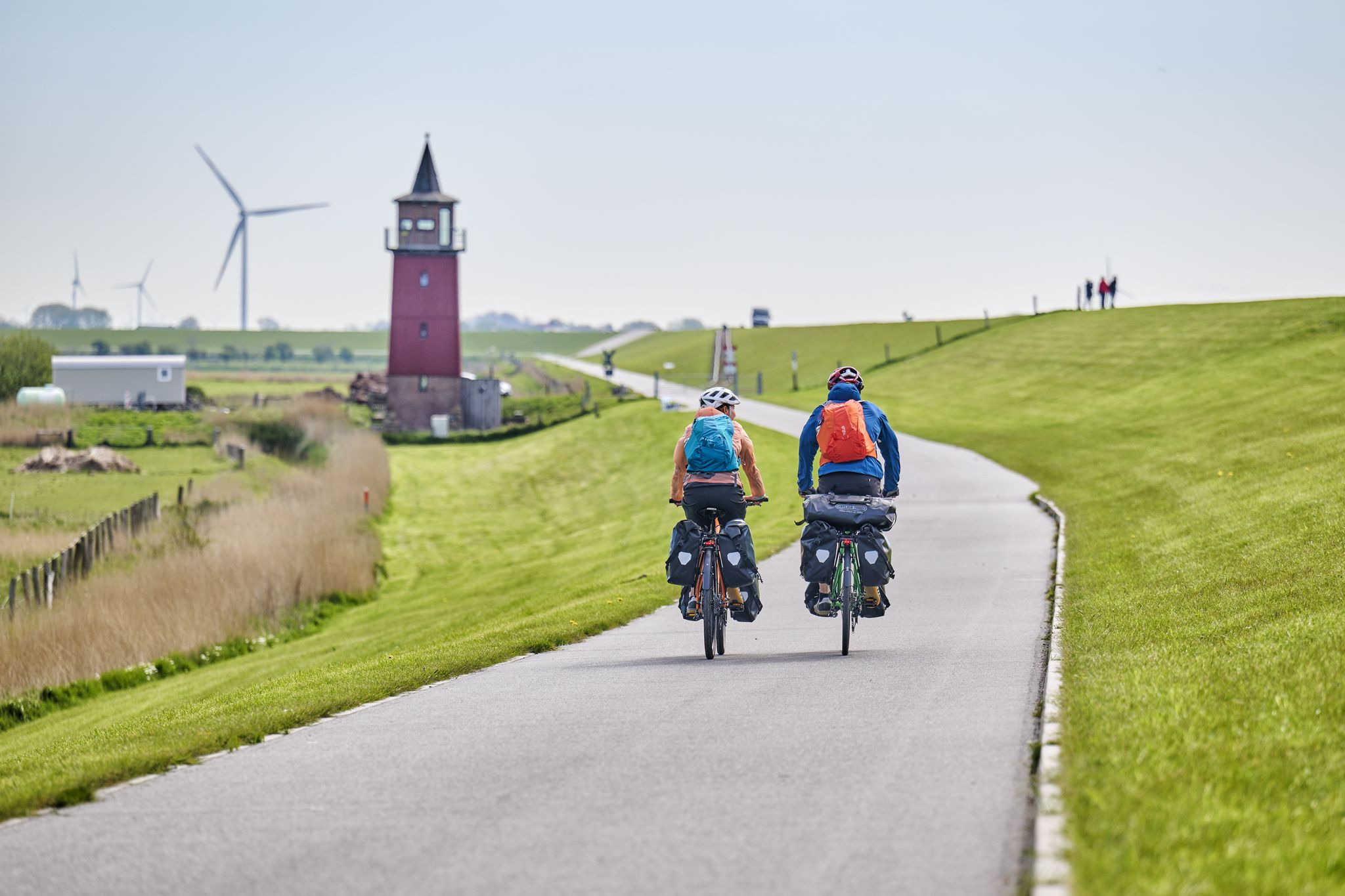
Nordseeküsten-Radweg in Schleswig-Holstein
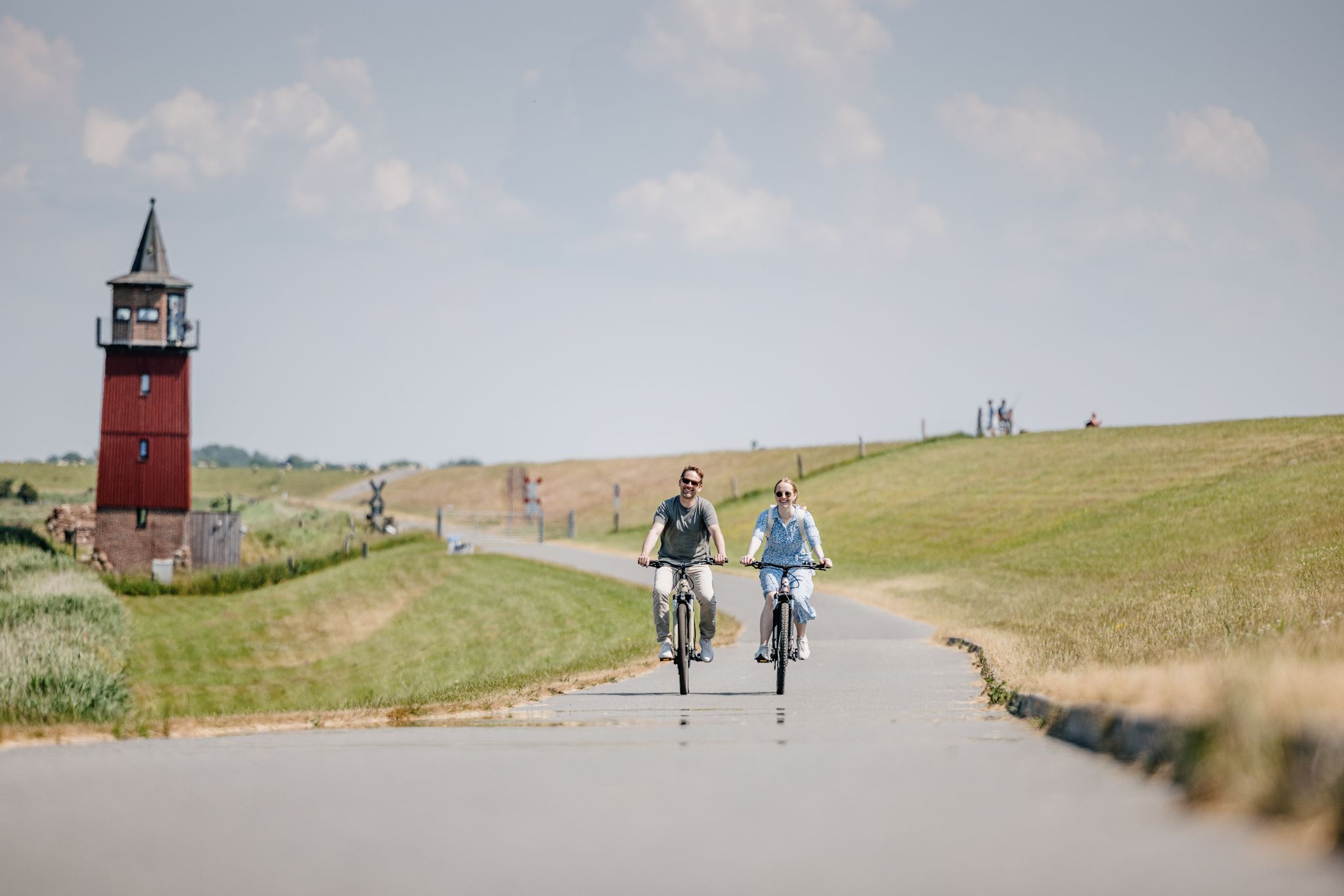
Zwischen Küste und Binnenland: Erlebnisrouten in Südtondern
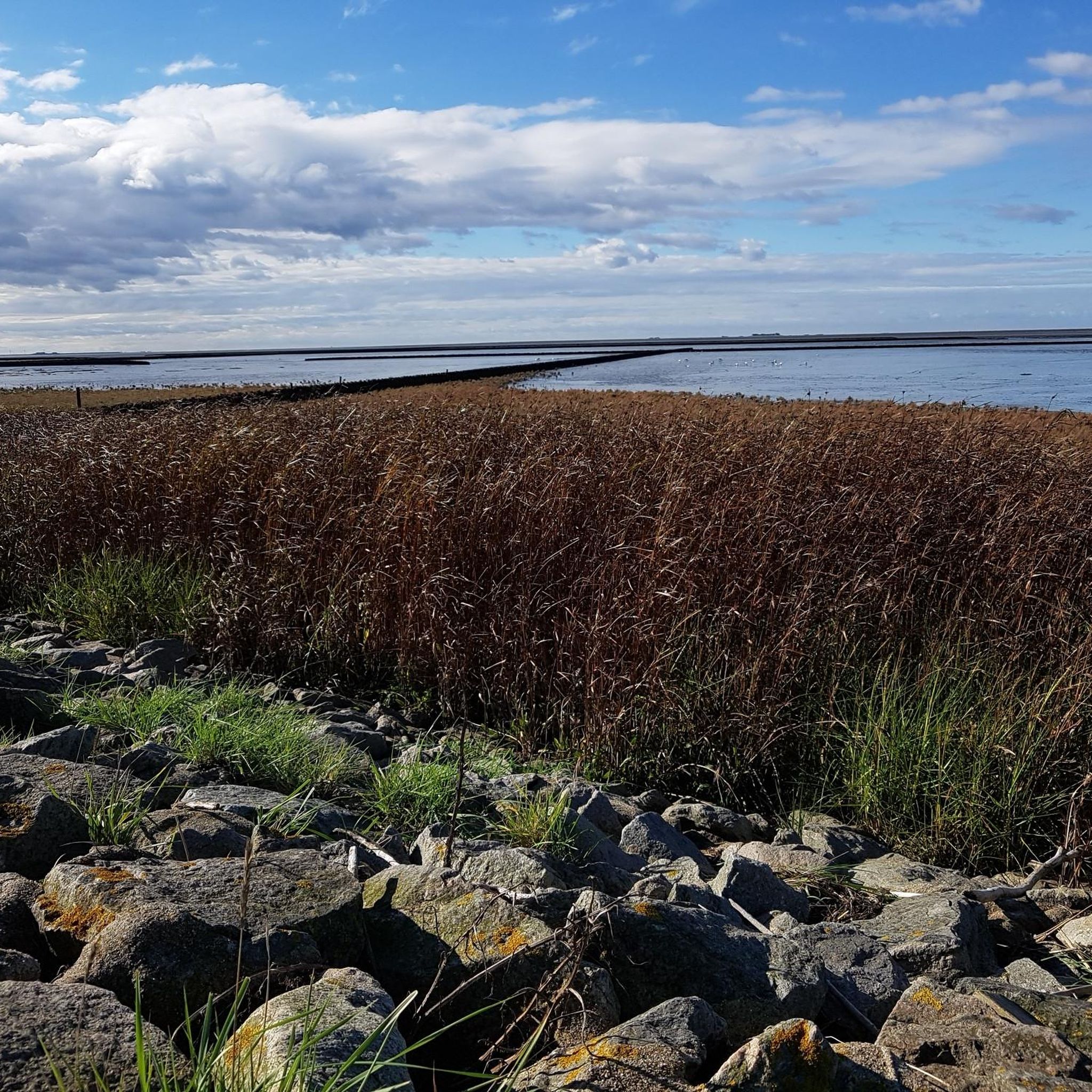
Cycling around Dagebüll
Hiking around Dagebüll
Road Cycling Routes around Dagebüll
Running Trails around Dagebüll
MTB Trails around Dagebüll
Other adventures around Dagebüll


Tips from the Community

Great advice, tips for bird watching, binoculars are available on site to observe nature at the house
0
0

Open Mon-Fri from 10:00 to 12:00. Outside of opening hours, the bridge is raised. Bicycles must be left outside. It's best to park them a few meters away, next to the passage to the main dike. Bird decoys were used for duck hunting.
0
0

During the summer months, you can get information about the Wadden Sea here. When we were there, a family who was living there for a while gave us some great explanations.
1
0

How does the 🦆 duck get into the 🥫 can? Only six of the Föhr bird hides are left, and only the Boldixum bird hide can be visited. Bird hides used to be used to obtain food and were an important part of the local economy. The bird hide consists of an artificial pond surrounded by so-called "pipes". These pipes are narrow corridors covered with nets that become increasingly narrower. How it works: * Decoys: Tamed ducks lure their wild counterparts into the hide because they find food and a safe place to rest there. * The trap: When the wild ducks follow the decoys, they get caught in the pipes. These are designed so that the ducks can swim in but cannot get out. * The catch: At the end of the pipe there is a trap in which the ducks are caught. ☝️Worth watching a short explanation of the bird cages on Föhr: https://youtu.be/zMVw4puvL1Y?si=FuogCtpyeWB5bp6f
1
0

a dream for bird watchers
0
0

Take a closer look at the creatures of the Wadden Sea. This and much more awaits you in the small exhibition of the "Wattwerkstatt". Here you can find out about the Wadden Sea, the Hallig world and the diversity and uniqueness of the animal and plant species in the Wadden Sea National Park using clear information boards and numerous brochures and flyers. You can look at the creatures of the mudflats through a binocular or observe birds through a spotting scope. The beach find box and the mudflat cube invite you to touch and discover. Questions will be answered on site by an intern or the national park ranger. Games for young and old also await you. https://www.amsinck-haus.de/hamburger-hallig/
1
0

Vodgelkoje, you should definitely pay attention to the opening hours, Monday to Friday from 10 a.m. to 12 p.m. These opening hours were never listed in any documents
2
0

Here, the effects of global warming on the salt marshes are simulated and observed in "climate chambers" at the University of Hamburg
3
0
Frequently Asked Questions
What unique natural features define the Dagebüll region's natural monuments?
The Dagebüll region is characterized by its exceptional coastal landscapes, primarily the National Park Schleswig-Holsteinisches Wattenmeer, a UNESCO World Heritage site. This area features vast mudflats, sandbanks, salt marshes, and tidal channels. You'll also find polder areas like the Hauke-Haien-Koog and extensive salt marshes along the causeway to Hamburger Hallig, all shaped by the North Sea's dynamic environment.
Are there family-friendly natural monuments to visit around Dagebüll?
Yes, several natural monuments around Dagebüll are great for families. The NABU House Wadden Sea National Park offers an observation hut and a salt marsh nature trail. The National Park Station Claus-Jürgen Reitermann-Maus (NABU) on Hamburger Hallig provides spotting scopes for bird watching. Additionally, the Watt Workshop offers interactive exhibits about the Wadden Sea's creatures.
What kind of wildlife can I expect to see at Dagebüll's natural monuments?
The Wadden Sea and its surrounding areas are crucial habitats for millions of migratory birds, making Dagebüll an excellent spot for birdwatching. You can also observe a diverse range of marine life, including seals. The salt marshes and polder areas, such as the Hauke-Haien-Koog, are particularly rich in birdlife and specialized salt-tolerant plants.
Can I explore the Wadden Sea directly from Dagebüll?
Absolutely. The National Park Schleswig-Holsteinisches Wattenmeer is directly accessible from Dagebüll. You can experience this unique ecosystem through guided mudflat walks, offering an intimate look at the intertidal zone's flora and fauna. The Dagebüll Dikes also provide panoramic views over the Wadden Sea.
Are there historical natural monuments or sites related to nature in Dagebüll?
Yes, the Boldixum Duck Decoy from 1879 is a notable historical site. This facility was designed to lure wild ducks into trapping pipes, and information boards explain its origins and techniques, offering a glimpse into historical human interaction with the natural environment.
What are the best ways to experience the Dagebüll Dikes and their views?
The Dagebüll Dikes, including the modern 'Klimadeich,' offer elevated viewpoints with expansive views over the Wadden Sea, marshland, and distant islands. They are perfect for leisurely strolls, cycling, or simply enjoying the fresh sea air. The 'Deichwanderweg' (dike hiking trail) is a circular path with information signs, enhancing the experience.
What outdoor activities can I do near Dagebüll's natural monuments?
Beyond exploring the natural monuments themselves, you can enjoy various outdoor activities. There are numerous hiking opportunities, including easy hikes around Dagebüll and more moderate trails. You can find detailed routes and guides for these activities, such as Easy hikes around Dagebüll and Hiking around Dagebüll. Running trails are also available, including routes for mudflat hiking.
When is the best time to visit Dagebüll for natural monument exploration and birdwatching?
The Wadden Sea is a dynamic environment, and each season offers a different experience. Spring and autumn are particularly excellent for birdwatching due to migratory patterns. Summer allows for warmer mudflat walks and enjoying the coastal breeze. Always check local tide tables for optimal Wadden Sea exploration.
Are there any natural reserves in the Dagebüll area for quiet nature immersion?
Yes, the Dagebüll Nature Reserve (Naturschutzgebiet Dagebüll) provides a tranquil natural area. It offers walking trails and is particularly known for its bird-watching opportunities, encompassing the typical coastal landscapes of the region. It's an ideal spot for short walks and unwinding amidst scenic surroundings.
What is the significance of the Salt Marshes near Dagebüll?
The extensive salt marshes, particularly the 1,000-hectare area along the causeway to Hamburger Hallig, are a significant natural feature. They are characterized by specialized salt-tolerant plants and serve as crucial breeding and feeding grounds for many bird species. These marshes offer a unique landscape to explore, showcasing nature's resilience in a harsh coastal environment.
Is there an opportunity to learn about climate change research related to the natural monuments?
Yes, on the Hamburger Hallig, you can find the Climate Change Simulation Domes. This unique experiment involves scientists heating up salt marshes to research the effects of global warming on the coast, providing insights into how climate change might impact these delicate ecosystems.
Are there any specific viewpoints to observe the Wadden Sea and surrounding landscape?
The NABU House Wadden Sea National Park features a nice view and observation hut. Additionally, the Dagebüll Dikes offer elevated perspectives, providing expansive views over the Wadden Sea, the surrounding marshland, and the distant islands, perfect for enjoying the vastness of the coastal landscape.
How can I get around to the natural monuments if I don't have a car?
While specific public transport routes to every single natural monument might vary, Dagebüll itself is accessible. For exploring the Dikes and nearby coastal areas, walking and cycling are excellent options. For information on local transport options, you might find details on the local tourism website, such as Nordseetourismus.de or Dagebuell-Tourismus.de.
Most popular routes around Dagebüll
Most popular attractions around Dagebüll

Get inspired with the komoot mobile app


Explore more
Extend your search for the best caves by checking out these guides of the top ones around Dagebüll:
