Top 20 Natural Monuments around Nordstrand
Best natural monuments around Nordstrand are primarily found within the Wadden Sea, a UNESCO World Heritage Site. This peninsula in Schleswig-Holstein, Germany, is characterized by its expansive salt marshes and dynamic coastal landscapes. The region offers unique natural features shaped by tides and winds, providing habitats for diverse flora and fauna. Visitors can explore these significant natural areas, which are part of a globally important ecosystem.
Best natural monuments around Nordstrand
- The most popular natural monuments is View of the…
Last updated: July 8, 2026
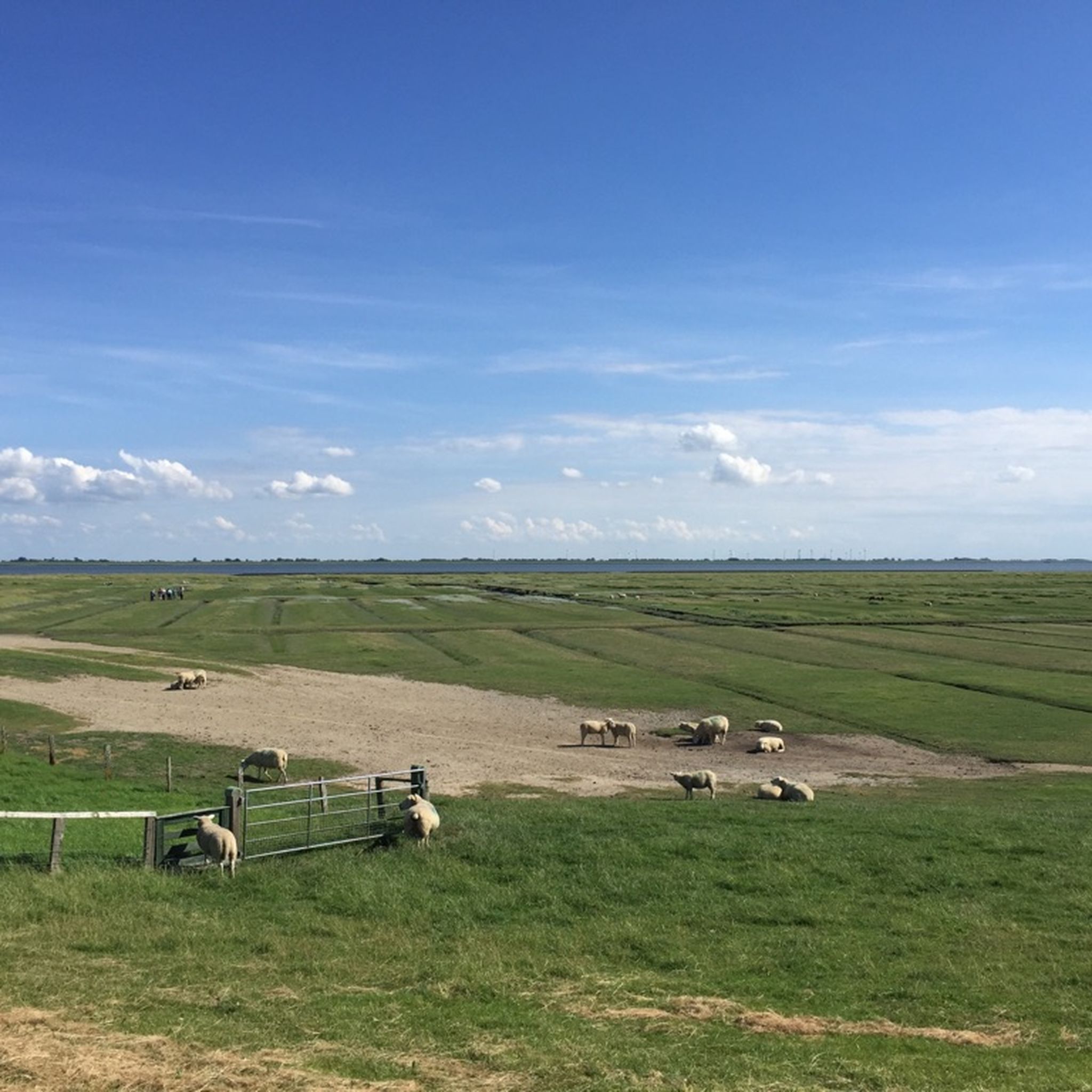
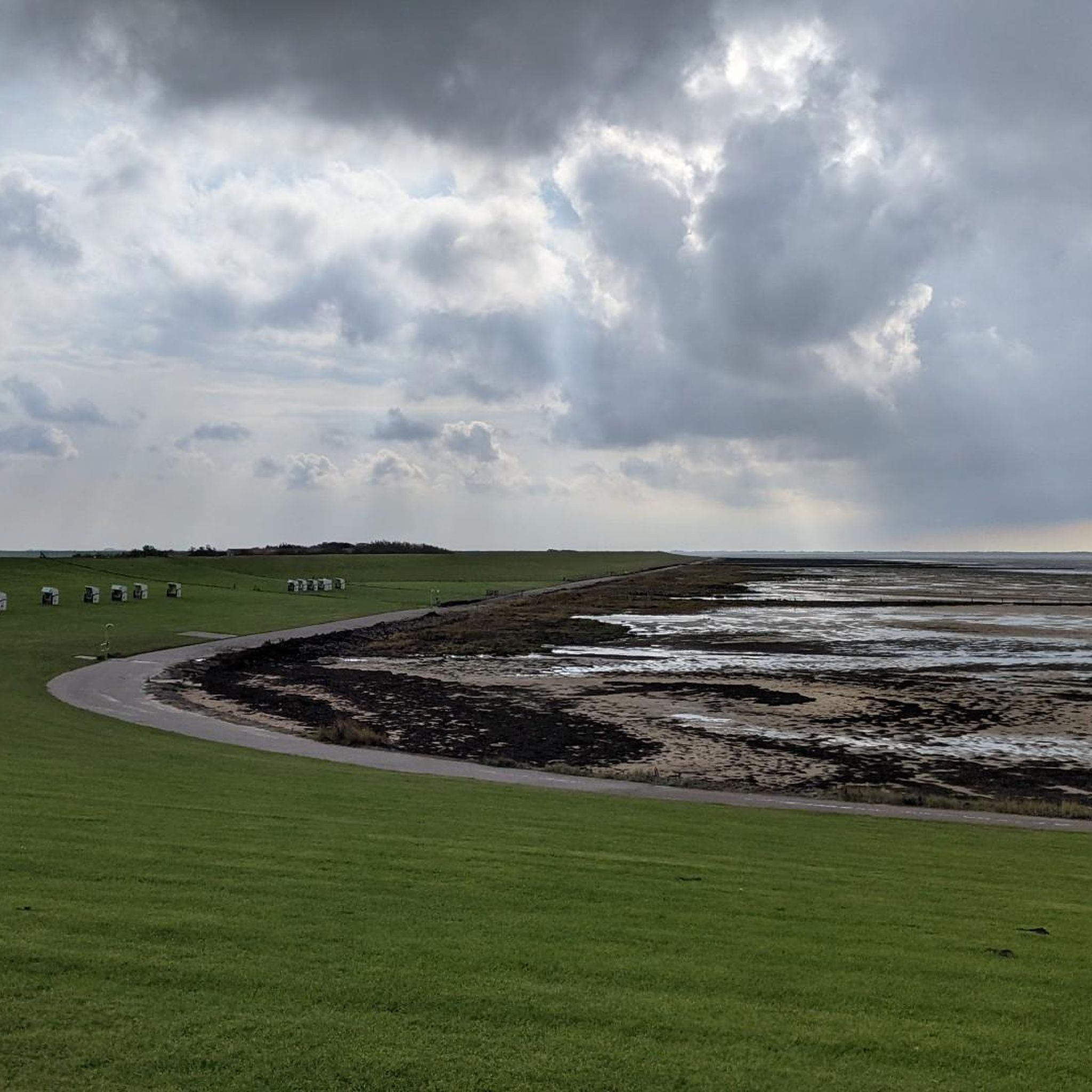
Lüttmoorsiel Seawall and View over the Beltringharder Koog
Highlight • Viewpoint
Translated by Google •
Tip by

Fuhlehörn Beach
Highlight • Beach
Translated by Google •
Tip by

Sign up now to discover places like this
Get recommendations on the best single tracks, peaks, & plenty of other exciting outdoor places.
Sign up for free
Husum Castle Park
Highlight • Natural Monument
Translated by Google •
Tip by

Salt marshes in Beltringharder Koog
Highlight • Natural
Translated by Google •
Tip by

Beltringharder Koog Nature Reserve
Highlight • Natural Monument
Translated by Google •
Tip by

Sign up for free to discover even more natural monuments around Nordstrand.
Sign up for free
Already have an account?
Start today with a free account
Your next adventure awaits.
Login or Signup
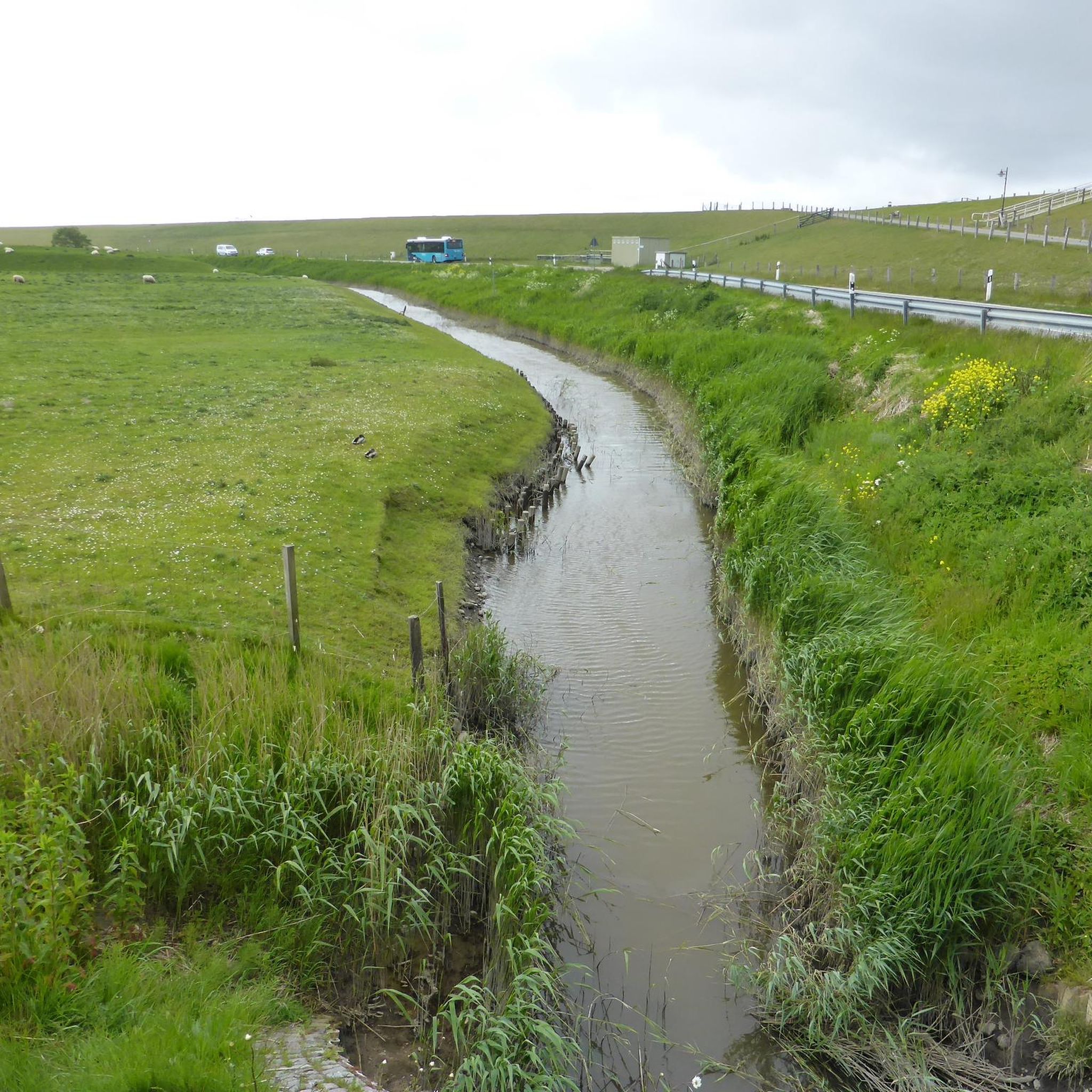
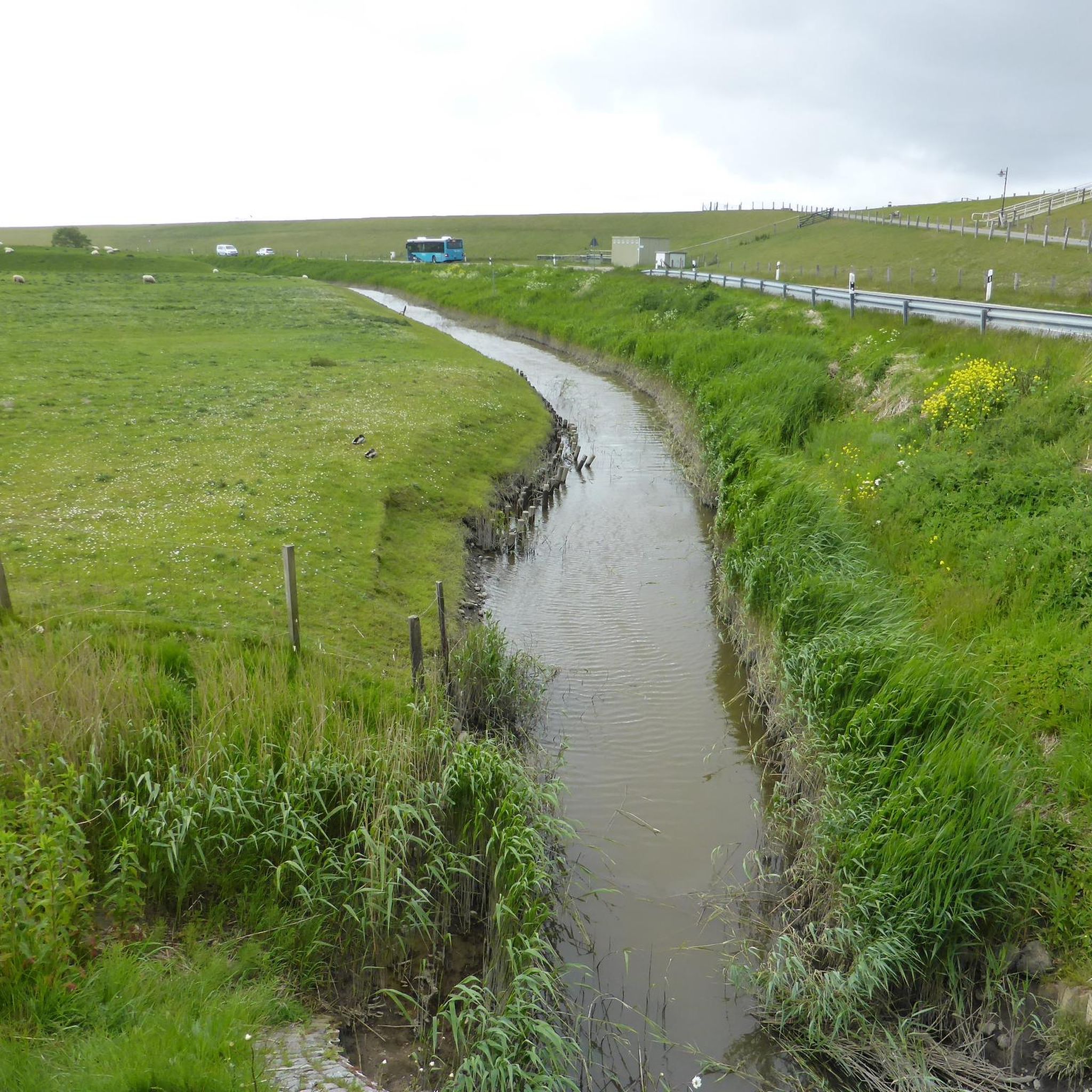
Other adventures around Nordstrand

Tips from the Community

Don't forget your binoculars for bird watching
0
0

The Beltringharder Koog is the largest nature reserve on the mainland of Schleswig-Holstein and covers around 3,350 hectares. It is located near the Nordstrand Bay and was dammed in 1987 as part of a coastal protection project. Originally designed as a retention area for floods, the Koog has developed into an important habitat for many bird species and is now a true paradise for nature lovers and ornithologists. The diverse landscape of the Beltringharder Koog includes saltwater lagoons, wet meadows and wilderness areas. These different biotopes provide an ideal habitat for numerous plant and animal species. Countless waders and water birds can be observed here, especially during the migration periods in spring and autumn. There are numerous ways for visitors to explore the Beltringharder Koog. Well-developed walking and hiking trails lead through the area and provide impressive views of nature. There are also bird watching huts that offer an undisturbed view of the wildlife. The West Coast Integrated Station also offers informative exhibitions and guided tours that provide deeper insights into nature conservation and the ecology of the region. The Beltringharder Koog is an outstanding example of successful coastal and nature conservation in Germany. It not only offers valuable protection from storm surges, but also an important refuge for endangered animal and plant species. For nature lovers and bird watchers, the Koog is a worthwhile destination that offers unique nature experiences.
0
0
The salt marshes in the Beltringharder Koog are an important nature reserve in Schleswig-Holstein. The Koog, embanked in 1987, covers an area of around 3,350 hectares and is the largest nature reserve on the Schleswig-Holstein mainland. Originally part of the Wadden Sea, the Koog was embanked to reclaim land and provide coastal protection. The entire area has been a nature reserve since 1991, with a particular focus on preserving and promoting the native flora and fauna. The salt marshes in the Beltringharder Koog offer a unique habitat for numerous species of birds and other animals. These zones are particularly important for breeding birds such as bitterns, rails and reed warblers. Rare species such as whinchats, bluethroats and bearded tits also find ideal conditions here. The salt marshes are formed by sediment deposits that are washed into the mudflats by the tides. Over time, plants such as glasswort and sea lavender grow, which characterize the salt marshes. For visitors, the Beltringharder Koog offers numerous hiking and cycling trails that lead through the varied landscape. There are observation huts along the Lüttmoor dam from which you can observe the wildlife. The Koog is also a popular destination for bird watchers, especially during the migration periods in spring and autumn. The Beltringharder Koog is therefore not only an important place for nature conservation, but also an attractive destination for nature lovers and those seeking relaxation who want to experience the diverse landscape and rich wildlife of the Wadden Sea.
1
0

The castle park is particularly attractive in spring. Every year in March/April, over four million crocuses illuminate Husum's castle park. The landscaped garden surrounding the only castle on Schleswig-Holstein's North Sea coast is transformed into a unique sea of purple blossoms. Since 1994, the castle park, with its crocus blooms, has been a listed green monument, making it one of the rare gardens in the Husum Bay holiday region. https://www.husum-tourismus.de/Media/Attraktionen/Schlosspark-Husum-Grosser-Garten#/article/526b91db-e5fc-422a-8b2b-2ee67464f3e7
11
1

Birds can be observed here
2
0

beautiful view of the Wadden Sea
4
2

The wide view is indescribably beautiful!
7
4
Frequently Asked Questions
What unique natural features can I explore around Nordstrand?
Nordstrand is primarily known for its location within the Wadden Sea UNESCO World Heritage Site, featuring expansive salt marshes and dynamic coastal landscapes. You can experience the unique phenomenon of walking on the seabed during guided mudflat hikes. Key natural features include the intertidal sand and mudflats, mussel beds, seagrass meadows, and the diverse flora and fauna of the salt marshes. The region is a vital habitat for migratory birds and marine life.
Are there specific viewpoints to best observe the Wadden Sea and salt marshes?
Yes, several viewpoints offer excellent perspectives. The View of the salt marshes and dike at Simonsberg (Wadden Sea National Park) provides a clear view of the Wadden Sea and the transition to the salt marshes. Another popular spot is the Lüttmoorsiel Seawall and View over the Beltringharder Koog, where you can see the sea, halligens, and observe numerous wading birds.
What kind of wildlife can I expect to see in Nordstrand's natural monuments?
The Wadden Sea and its salt marshes are teeming with wildlife. You can observe millions of migratory birds using the area as a crucial stopover, including oystercatchers, curlews, and sandpipers. Seals can sometimes be seen basking on distant sandbanks. The mudflats reveal diverse marine life like worms and crabs during low tide. Nature reserves like the Beltringharder Koog Nature Reserve and Wester-Spätinge Nature Reserve are important breeding and resting areas for a large number of birds.
Are there family-friendly natural monuments or activities in Nordstrand?
Many natural monuments around Nordstrand are suitable for families. Fuhlehörn Beach is a sandy beach perfect for relaxation and a starting point for mudflat walks, which can be a fun and educational experience for children. The viewpoints and nature reserves are generally accessible for families to enjoy birdwatching and gentle walks.
What outdoor activities can I do near Nordstrand's natural monuments?
Nordstrand offers various outdoor activities. You can enjoy cycling along the dikes and through the salt marshes; find routes in the Cycling around Nordstrand guide. Hiking is also popular, with trails offering views of the Wadden Sea and salt marshes; explore options in the Hiking around Nordstrand guide. For mountain biking enthusiasts, there are trails available as well, detailed in the MTB Trails around Nordstrand guide.
What is the best time of year to visit Nordstrand's natural monuments?
The Wadden Sea and salt marshes offer unique experiences throughout the year. Spring and autumn are particularly rewarding for birdwatching due to the migration periods. Summer provides pleasant weather for mudflat walks and beach activities at spots like Fuhlehörn Beach. The dynamic landscape is constantly reshaped by tides and winds, offering a mesmerizing spectacle in any season.
Are there any natural monuments that are particularly good for photography?
The entire Wadden Sea landscape, with its vast horizons, dynamic tides, and unique light, is highly photogenic. The View of the salt marshes and dike at Simonsberg (Wadden Sea National Park) and the Lüttmoorsiel Seawall and View over the Beltringharder Koog are excellent for capturing the expansive views and birdlife. The salt marshes themselves, with their specialized flora and tidal creeks, offer intricate details for close-up shots.
Can I walk on the mudflats, and do I need a guide?
Yes, walking on the mudflats is a signature experience in the Wadden Sea. It is highly recommended to join a guided mudflat hike for safety reasons and to learn about the unique ecosystem. Guides can help you navigate the tidal flats safely and identify the diverse marine life and birds.
What facilities are available near the natural monuments, such as restrooms or places to eat?
Near popular spots like Fuhlehörn Beach, you can find facilities such as public toilets and snack options. Some areas along the dikes might also have small cafes or restaurants. It's advisable to check specific locations for available amenities before your visit, especially in more remote nature reserve areas.
What is the significance of the salt marshes around Nordstrand?
The salt marshes, such as those visible from the dike at Simonsberg, are a crucial part of the Wadden Sea ecosystem. They act as natural coastal protection, absorbing storm surges, and provide critical habitats for specialized flora and fauna that can tolerate salty environments. They are criss-crossed by ditches and tidal creeks, serving as safe rearing grounds for young fish and nesting sites for birds. These areas are also important for biodiversity and ecological research.
Are there any historical aspects related to Nordstrand's natural monuments?
While primarily natural, some areas have historical significance tied to land reclamation and coastal protection. For example, the Wester-Spätinge Nature Reserve has a history dating back to the 16th century, with its ponds created from clay extraction for dike construction. The Beltringharder Koog Nature Reserve was created in the 1980s when a part of the Wadden Sea was dyked, transforming the landscape.
What do visitors enjoy most about the natural monuments around Nordstrand?
Visitors frequently appreciate the expansive views and the tranquility of the landscape. Many enjoy observing the diverse birdlife and the unique experience of walking on the mudflats. The opportunity to relax at places like Fuhlehörn Beach and the sense of being close to nature are also highly valued. The 'infinite horizons' and the presence of 'happy sheep' grazing on the dikes often leave a lasting impression.
Most popular routes around Nordstrand
Most popular attractions around Nordstrand

Get inspired with the komoot mobile app


Explore more
Extend your search for the best caves by checking out these guides of the top ones around Nordstrand:
