Top 12 Natural Monuments around Groß Kelle
Best natural monuments around Groß Kelle serve as a gateway to the natural attractions of Mecklenburg-Vorpommern, Germany. The region is characterized by its proximity to the Mecklenburg Lake District, offering access to diverse natural landscapes. Visitors can explore ancient forests, extensive lake systems, and unique river valleys. The area provides a base for experiencing significant natural features within a short distance.
Best natural monuments around Groß Kelle
- The most popular natural monuments is Kroneneiche near Minzow, a natural monument…
Last updated: July 8, 2026
Kroneneiche near Minzow
Highlight • Natural Monument
Translated by Google •
Tip by

View of Großer Schwerin and the Steinhorn
Highlight • Viewpoint
Translated by Google •
Tip by

Sign up now to discover places like this
Get recommendations on the best single tracks, peaks, & plenty of other exciting outdoor places.
Sign up for free
Rohrteich near Groß Kelle
Highlight • Lake
Translated by Google •
Tip by

Motte-and-bailey castle Leizen
Highlight • Historical Site
Translated by Google •
Tip by

Ancient Beech Tree
Highlight • Natural Monument
Translated by Google •
Tip by

Sign up for free to discover even more natural monuments around Groß Kelle.
Sign up for free
Already have an account?
Start today with a free account
Your next adventure awaits.
Login or Signup
Tips from the Community

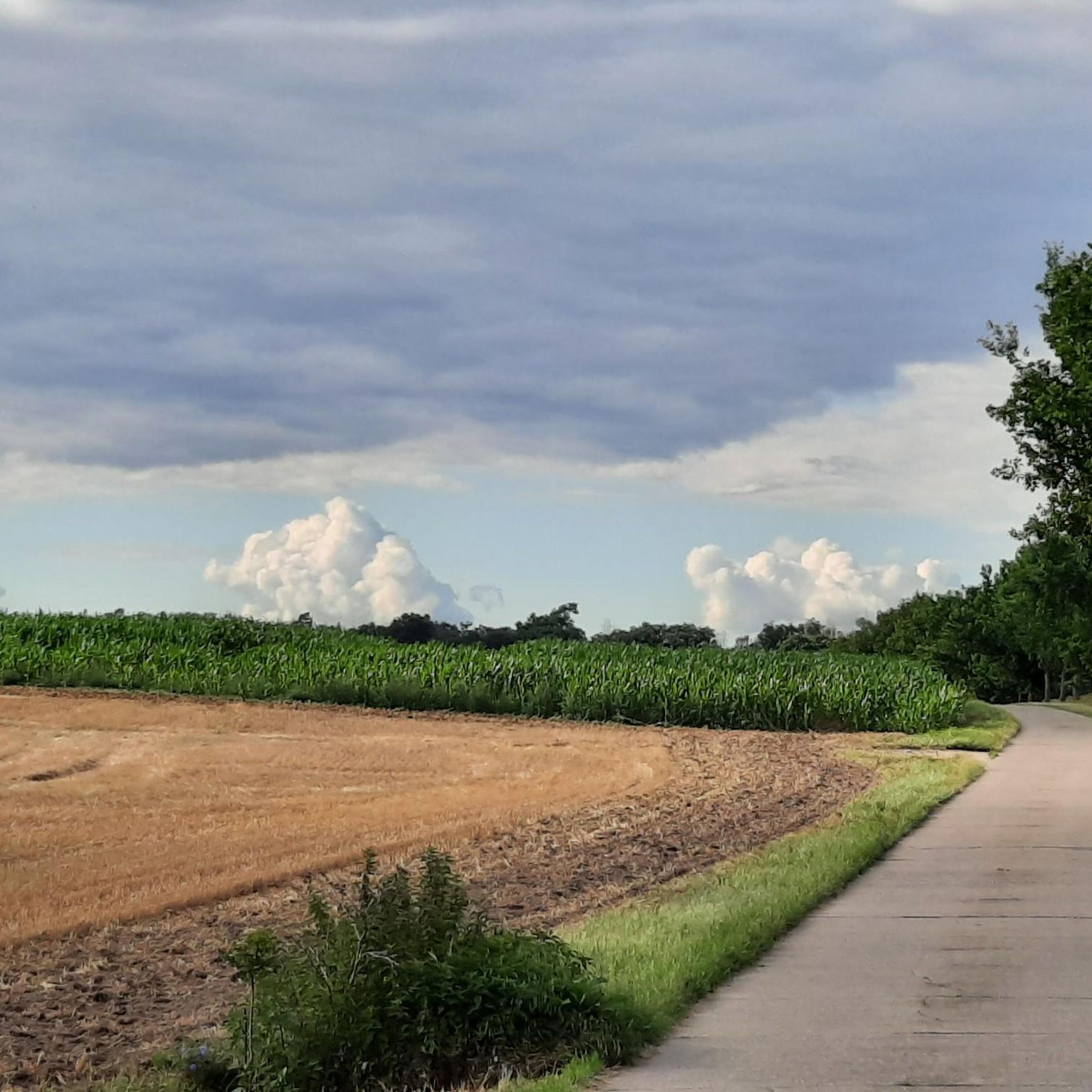
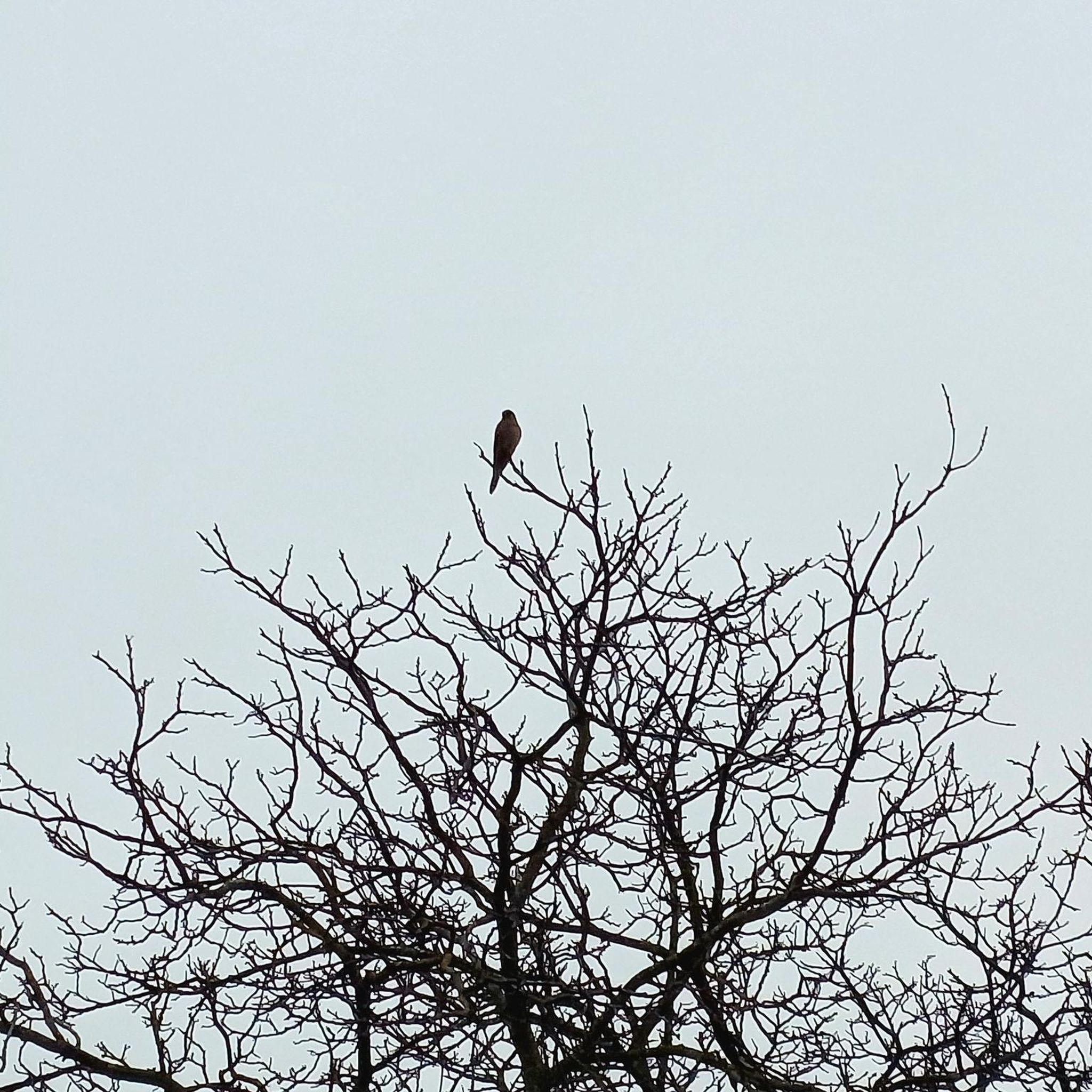
From the bike path, it's just a few steps to the ancient beech, a mighty giant that's probably over 100 years old. The beech tree no longer has any leaves. Unfortunately, there's no information about the tree other than the sign.
1
0

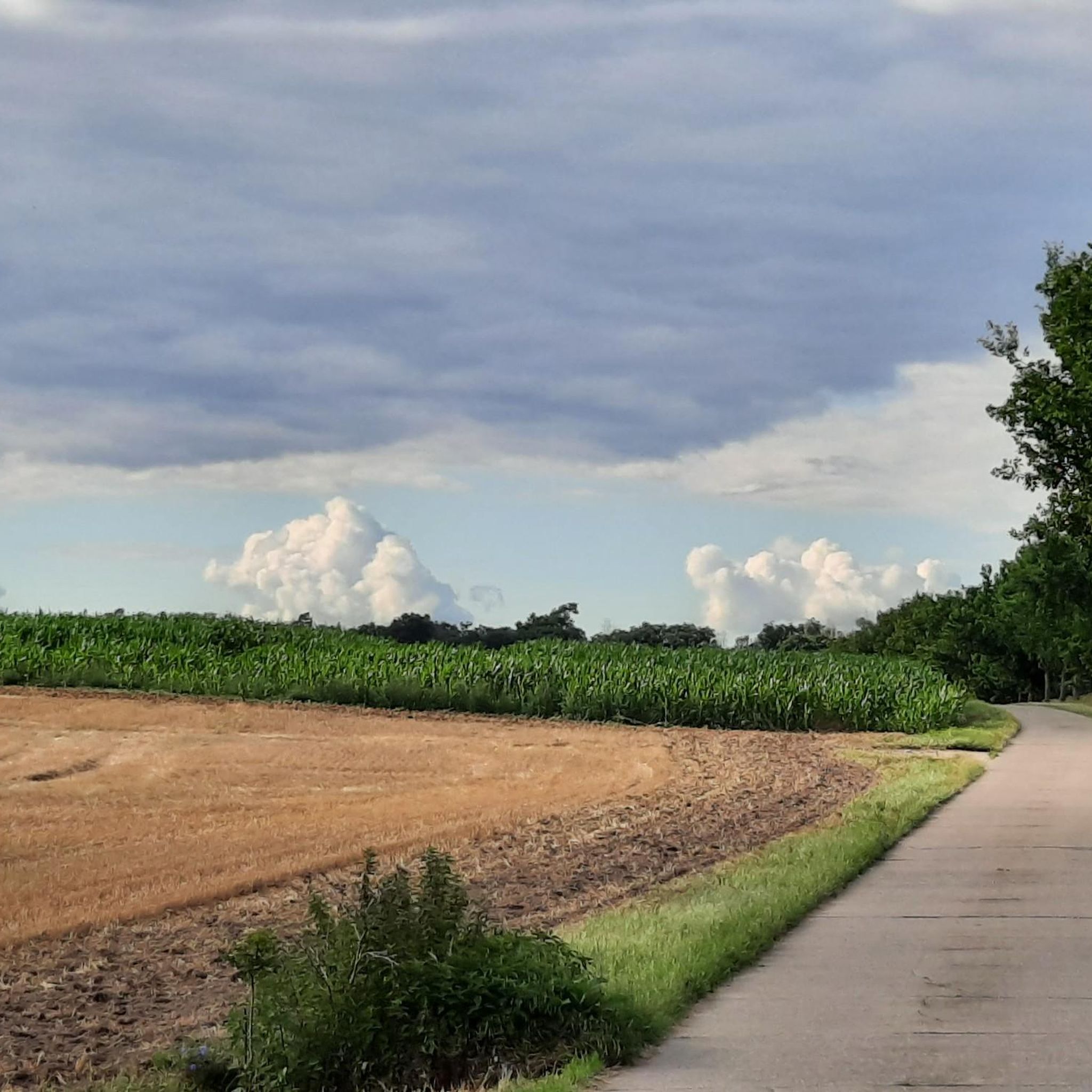
very nice view of the Müritz
2
0

Nice view. with a bit of luck you can see sea eagles here
1
0

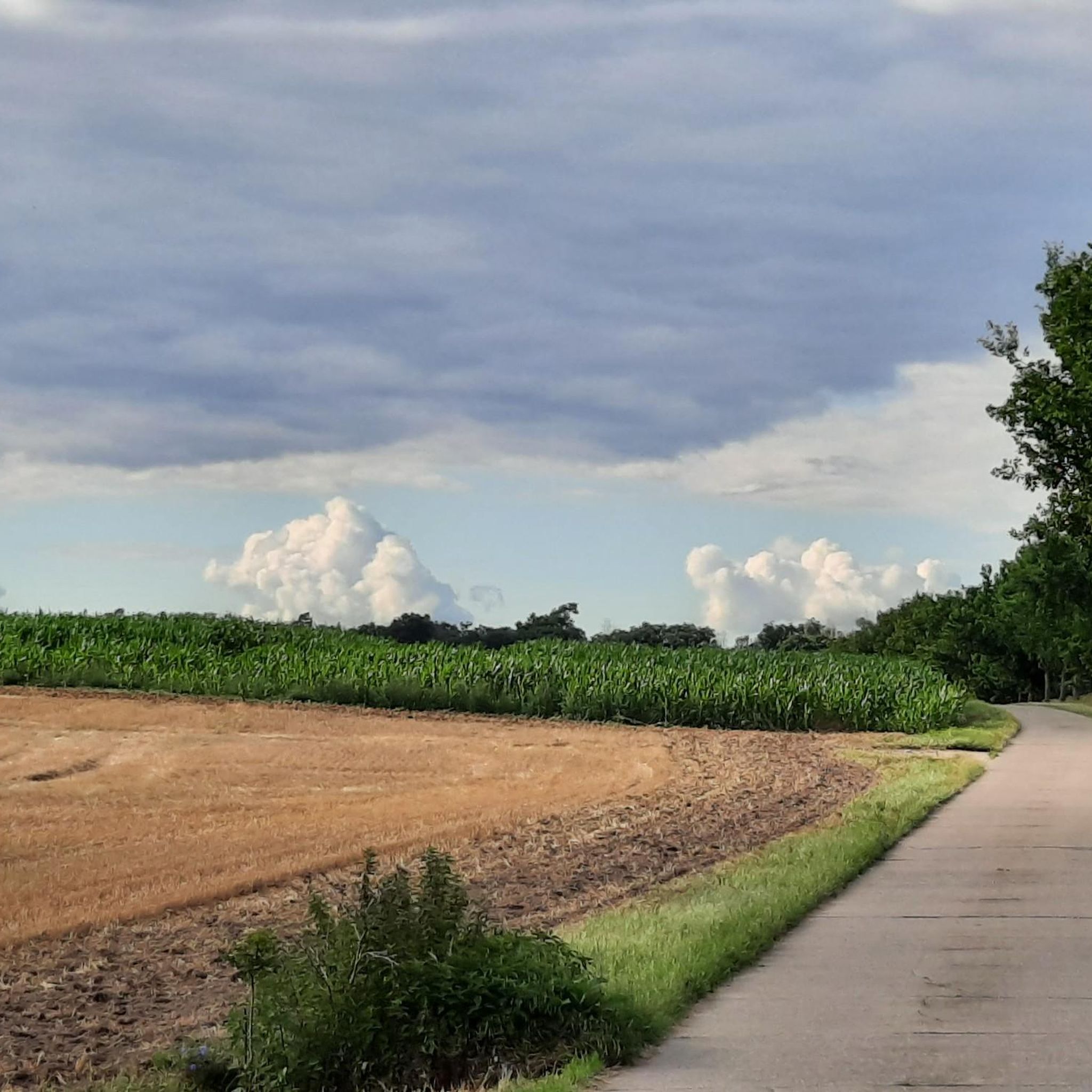
one of the most beautiful passages on the Müritz cycle path
1
0

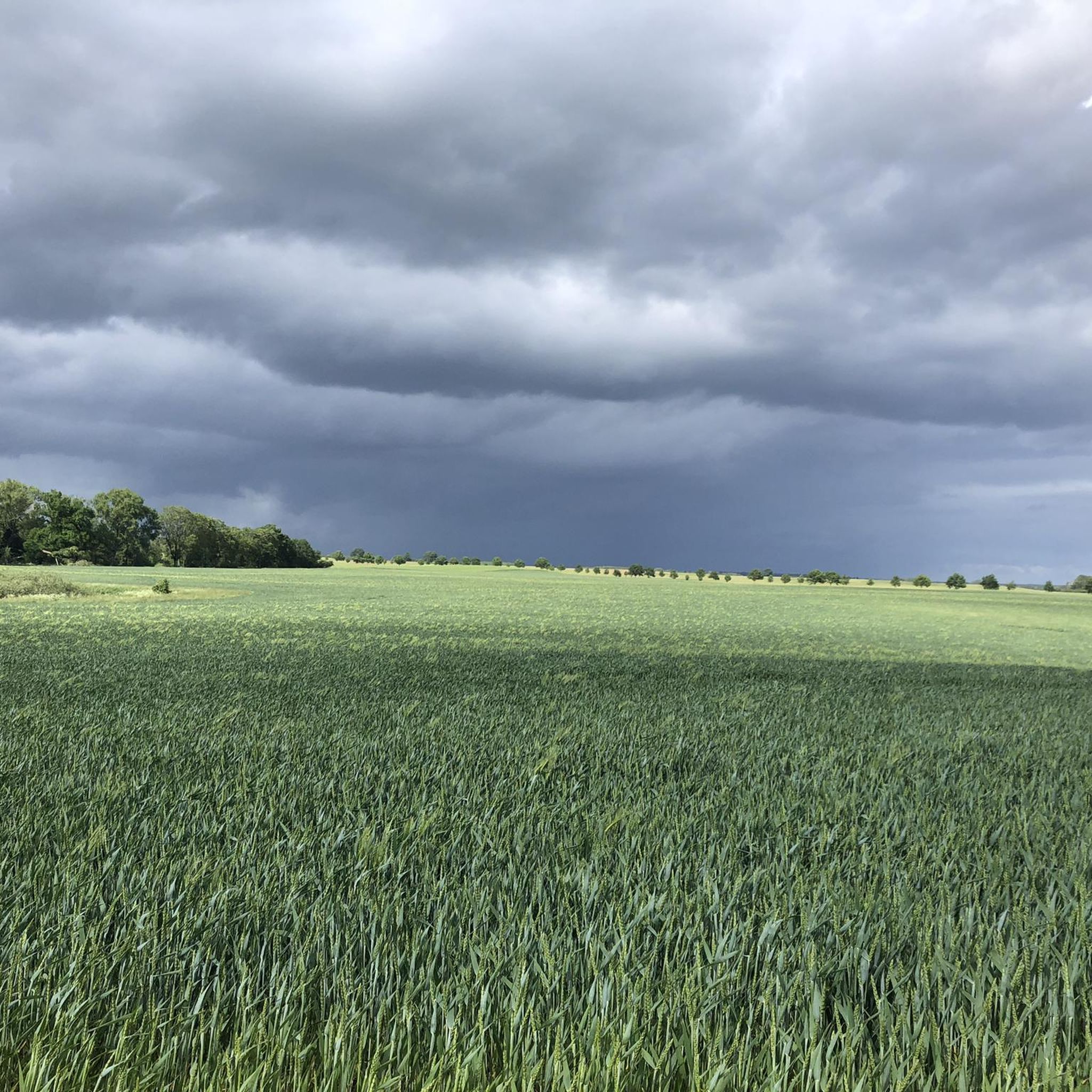
The crown oak is near Minzow in the middle of the forest next to the Hagen forester's lodge. The forester's house was built at the end of the 19th century as a wood warden and named after the fierce Hagen, the first forest warden to look after the city forest. The name Kron is derived from Slavic and means crane. It is not known whether cranes used to breed near or on the oak. The oak is in the area of the town of Röbel, but is consistently attributed to Minzow in the literature. The northeast-sloping trunk begins strong and massive, tapering off rapidly. The monumental trunk is heavily covered with moss, especially towards the road. The oak was struck by lightning several times. A lightning strike left a large gap on the south side, which was sealed with bricks. Several gnarled branches go off the trunk. The lower branches are dead or broken off. The rather high crown is quite irregular due to several broken branches. The vitality of the oak is still quite good. With a breast height of 9.90 m, the crown oak is one of the ten thickest oaks in Germany. www.monumentale-eichen.de/mecklenburg-vorpommern/minzow
3
0
The Crown Oak stands near Minzow in the middle of the forest next to the Hagen Forester's House. The forester's house was built at the end of the 19th century as a timber keeper's house and named after the grim Hagen, the first forester to look after the city forest. The name "Kron" is derived from the Slavic word "crane." It is unknown whether cranes once nested near or on the oak. The oak stands within the territory of the town of Röbel, but in literature it is consistently attributed to Minzow. The trunk, leaning to the northeast, begins strong and massive, then quickly tapers. The monumental trunk is heavily covered in moss, especially toward the road. The oak has been struck by lightning several times. A lightning strike left a large gap on the south side, which was then closed with bricks. Several gnarled branches extend from the trunk. The lower branches are dead or broken off. The relatively tall crown is quite irregular due to several broken branches. The oak's vitality is still quite good. With a breast height circumference of 9.90 m, the Crown Oak is one of the ten thickest oaks in Germany. https://www.monumentale-eichen.de/mecklenburg-vorpommern/minzow/
6
2
In the idyllic Rohrteich, which is actually a lake due to its size, it was teeming with lots of tiny tadpoles today. We haven't seen so many in one place for a long time. Hopefully as many of them as possible survive and grow into large frogs after the metamorphosis.
5
1
Since the water surface of the Rohrteich with 3.5 ha has reached the minimum size of a lake of 1 ha, it is also a lake. This is also confirmed by the information on the information board. I submitted a change proposal to Komoot today. lake or pond? village or city? The proper names sometimes have a special meaning....Düsseldorf is no longer a village, but has even become a big city and hasn't changed the name either.😂😉
5
1
Frequently Asked Questions
What unique natural monuments can I discover near Groß Kelle?
Near Groß Kelle, you can explore several unique natural monuments. The Kroneneiche near Minzow is a remarkable 600-year-old oak, one of Germany's thickest. You can also visit the Rohrteich near Groß Kelle, a small lake where you can observe waterfowl and aquatic life. Further afield, the ancient Ivenacker Oaks, some over 800 years old, offer a unique historical forest experience with a treetop path.
What kind of natural features can I expect to see in the Groß Kelle area?
The Groß Kelle area, situated in the Mecklenburg Lake District, is rich in diverse natural features. You'll find expansive lake systems, ancient forests, and unique river valleys. Specific highlights include the large oak trees like the Kroneneiche near Minzow and an Ancient Beech Tree, as well as viewpoints offering vistas over lakes, such as the View of Großer Schwerin and the Steinhorn.
Are there family-friendly natural monuments or activities around Groß Kelle?
Yes, many natural monuments around Groß Kelle are family-friendly. The Kroneneiche near Minzow and the Rohrteich near Groß Kelle are great for easy exploration and nature observation. The View of Großer Schwerin and the Steinhorn offers a scenic spot for families. Further away, the Ivenacker Oaks feature a treetop path and a game reserve, providing engaging experiences for all ages.
Where can I observe wildlife near Groß Kelle's natural monuments?
For wildlife observation, the View of Großer Schwerin and the Steinhorn is known for gathering cranes, offering an impressive natural spectacle. The Rohrteich near Groß Kelle is ideal for watching waterfowl and aquatic life. For a broader experience, the nearby Müritz National Park is a vital habitat for endangered bird species like white-tailed eagles and ospreys, while the Peene River Valley is home to beavers, otters, and kingfishers.
What outdoor activities can I do near the natural monuments around Groß Kelle?
The area around Groß Kelle offers various outdoor activities. You can enjoy hiking on trails like the "Crown Oak near Minzow – Gliensee Loop Trail" or the "Bench with a view of Gliensee – Gliensee Loop Trail." For cycling, there are numerous road cycling routes, such as the "Klink Castle – Waren (Müritz) Harbor loop." Mountain biking trails are also available, including the "Klink Castle – Klink Beach on Lake Müritz loop." You can find more details on these activities in the respective guides: Hiking around Groß Kelle, Road Cycling Routes around Groß Kelle, and MTB Trails around Groß Kelle.
Are there any historical natural monuments or sites near Groß Kelle?
Yes, the region offers a blend of natural and historical significance. The Motte-and-bailey castle Leizen is an archaeological monument from the Middle Ages, representing a former hilltop castle. The Ivenacker Oaks, while a natural monument, also represent a historical "Hudewald" landscape, showcasing centuries of human-nature interaction through traditional forest pasture use.
How can I reach the natural monuments around Groß Kelle by public transport?
While direct public transport to every single natural monument might vary, Groß Kelle serves as a base for exploring the wider region. For instance, the Müritz National Park, approximately 15 kilometers away, is accessible via public bus routes from towns like Waren (Müritz). You can find more information on bus connections to the national park via this resource: Müritz National Park Bus Network Plan.
What makes the Ivenacker Oaks a special natural monument to visit?
The Ivenacker Oaks are exceptional due to their age and size, with some trees estimated to be between 800 and 1100 years old, including Germany's largest living common oak. They are also a living example of the historic "Hudewald" landscape. A highlight is the 620-meter-long treetop path, which provides an accessible way to experience these ancient giants at eye level, culminating in a 40-meter-high observation tower. The site also includes a game reserve.
What can I experience at Müritz National Park near Groß Kelle?
Müritz National Park, a short distance from Groß Kelle, is known as the "Land of a Thousand Lakes" and features ancient beech forests, some of which are a UNESCO World Heritage Site. Visitors can enjoy extensive hiking and cycling on over 600 kilometers of marked trails, canoeing, and boat tours. It's an excellent spot for birdwatching, with species like white-tailed eagles and ospreys. Information centers like the Müritzeum offer educational insights into the park's rich biodiversity.
What is unique about the Peene River Valley?
The Peene River Valley, often called the "Amazon of the North," is unique for being one of Germany's last largely unspoiled rivers. It flows through extensive fenlands and primeval forest-like wetlands, forming one of Central Europe's largest continuous fenland areas. This makes it a biodiversity hotspot, ideal for observing rare wildlife such as white-tailed eagles, beavers, and otters. Exploration is best done via canoe, kayak, or silent solar-powered boats, offering an immersive natural experience.
When is the best time to visit the natural monuments around Groß Kelle?
The best time to visit the natural monuments around Groß Kelle largely depends on your preferred activities. Spring and autumn are excellent for hiking and cycling, with pleasant temperatures and vibrant foliage or blooming nature. Autumn is particularly good for birdwatching, especially for observing cranes at spots like the View of Großer Schwerin and the Steinhorn. Summer allows for water-based activities on the lakes and rivers. Winter offers a quiet, serene landscape, though some paths might be less accessible.
What do visitors particularly enjoy about the natural monuments near Groß Kelle?
Visitors frequently praise the tranquility and natural beauty of the area. They enjoy the impressive size and age of trees like the Kroneneiche near Minzow and the Ancient Beech Tree. The expansive views, such as from the View of Großer Schwerin and the Steinhorn, are also highly appreciated, especially when cranes gather. Observing waterfowl and tadpoles at the Rohrteich near Groß Kelle also provides a peaceful nature experience.
Most popular routes around Groß Kelle
Most popular attractions around Groß Kelle

Get inspired with the komoot mobile app


Explore more
Extend your search for the best caves by checking out these guides of the top ones around Groß Kelle:
