Top 7 Natural Monuments around Gnevkow
Natural monuments around Gnevkow offer a diverse landscape in Mecklenburg-Vorpommern, Germany. The region is characterized by forests, lakes, and the Peene River, providing opportunities for outdoor activities. While specific named natural monuments are limited, the area's natural beauty invites exploration. Visitors can engage in hiking, cycling, and appreciating the serene environment.
Best natural monuments around Gnevkow
- The most popular natural monuments is View of the Tollense Valley, a viewpoint that offers expansive views of a glacial valley formed during…
Last updated: July 8, 2026
Großer Stein (Großquartzow)
Highlight • Natural Monument
Translated by Google •
Tip by

Weir and fish ladder at Tückude
Highlight • Structure
Translated by Google •
Tip by

Sign up now to discover places like this
Get recommendations on the best single tracks, peaks, & plenty of other exciting outdoor places.
Sign up for free
View of the Tollense Valley
Highlight • Viewpoint
Translated by Google •
Tip by

Schwedenschanze Ringfort
Highlight • Historical Site
Translated by Google •
Tip by

Wendenwall Burgwall
Highlight • Historical Site
Translated by Google •
Tip by
Sign up for free to discover even more natural monuments around Gnevkow.
Sign up for free
Already have an account?
Start today with a free account
Your next adventure awaits.
Login or Signup
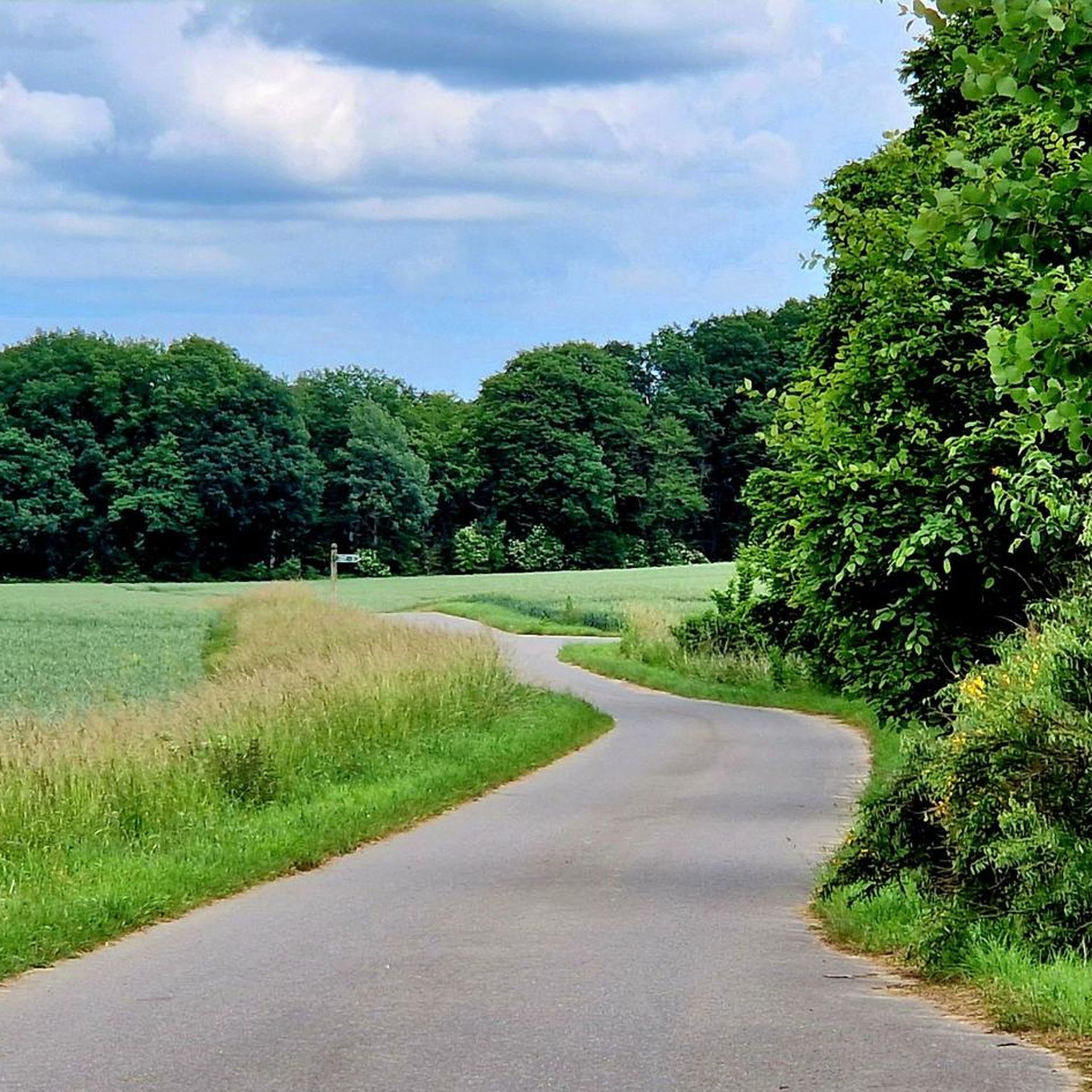
Tips from the Community

The castle hill is a striking feature in its surroundings and stands at a considerable height. A fortified outer bailey now stands on the western side of the Augraben. The river was once straightened, separating the main bailey and outer bailey. Until recently, both fortifications were mistakenly considered independent castles. However, they were demonstrably part of a rampart that was surrounded by the Augraben. An outer bailey settlement was located east of the castle hill on a natural islet. A circular rampart, approximately 70 m in diameter, stood on a raised islet in the Augraben valley. Late 9th to 10th century. Below the castle lay a small section of rampart, the function of which is unknown today.
0
0
In the 8th/9th century, a large early Slavic castle complex of the Wilzen family stood northeast of Lindenberg on a ridge up to 15 m high in the Augraben valley. From 1829 to 1864, the economic councilor Daniel Friedrich Maaß from Alt Kentzlin had already been investigating prehistoric and medieval finds in Pomerania. In the moat of the former castle complex, he was able to unearth eleven vessels as well as iron weapons, war knives, axes, swords, and spearheads. It was likely a refuge from the "Feldberg period," built on a rising spur of land. The entire eastern side of the castle appears to have been erected, as only the ramparts facing the Augraben have survived. In its final stage, the castle consisted of two sections and is now up to 180 m in size. At the highest point of the spur lies a small circular rampart with an outer diameter of approximately 45 m. Whether this is a later installation from the late 9th to 10th century must be clarified by modern archaeology!
0
0


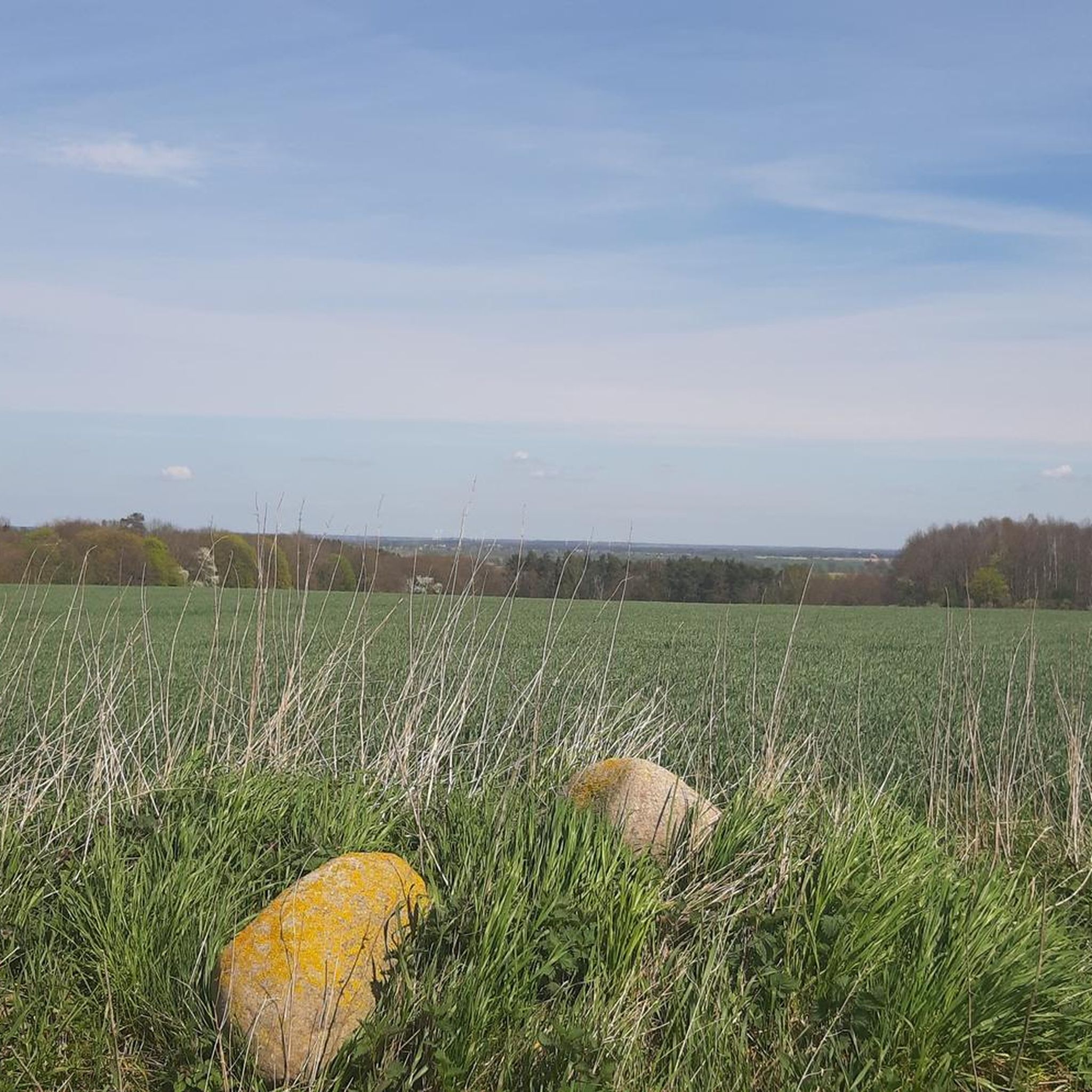
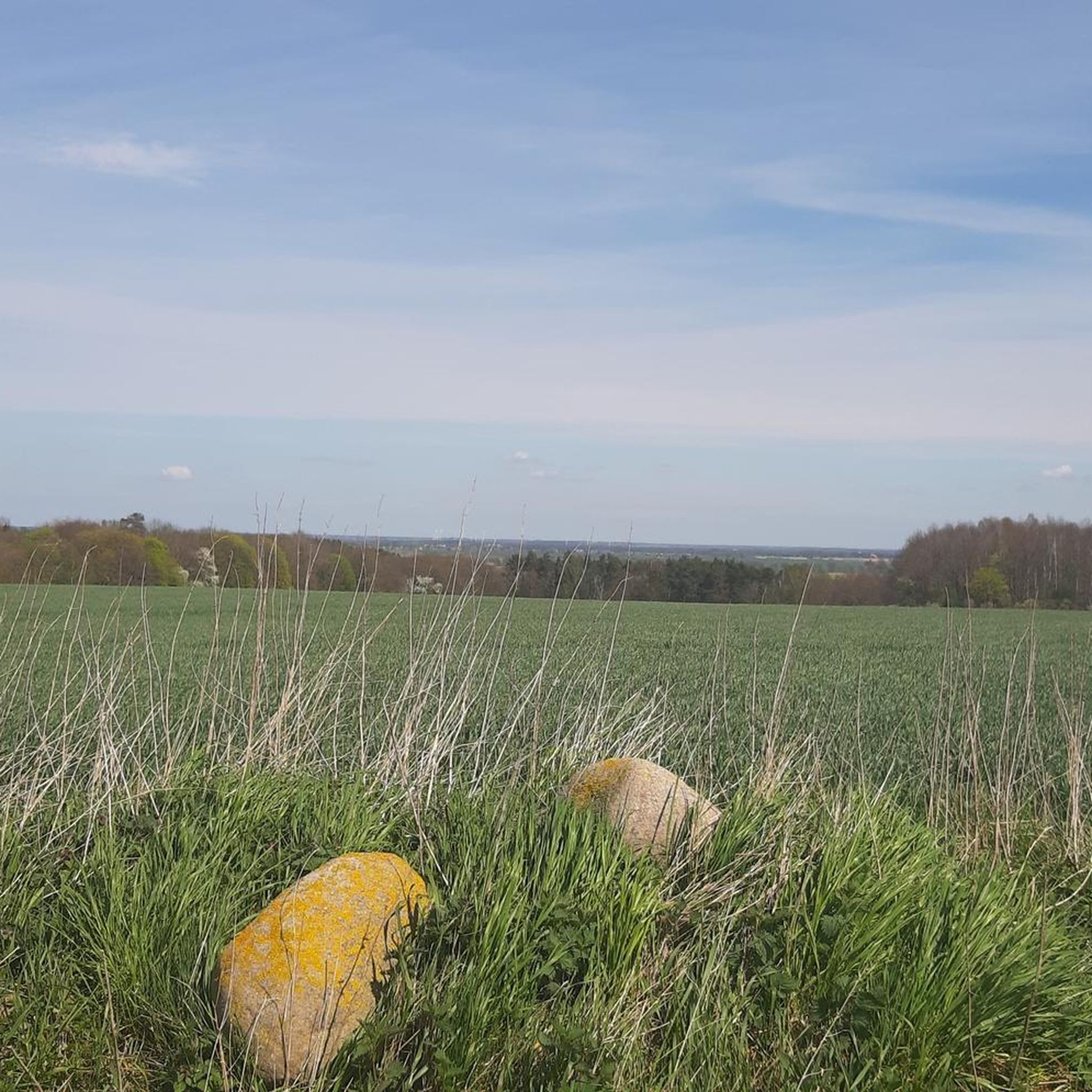
The Great Stone is the largest erratic boulder in northern Germany after the Markgrafensteine and the second largest known boulder in northern Germany after the 550-ton Buskam, which lies in the water of the Baltic Sea. The Great Stone probably came to its current location during the Vistula Ice Age.
2
0

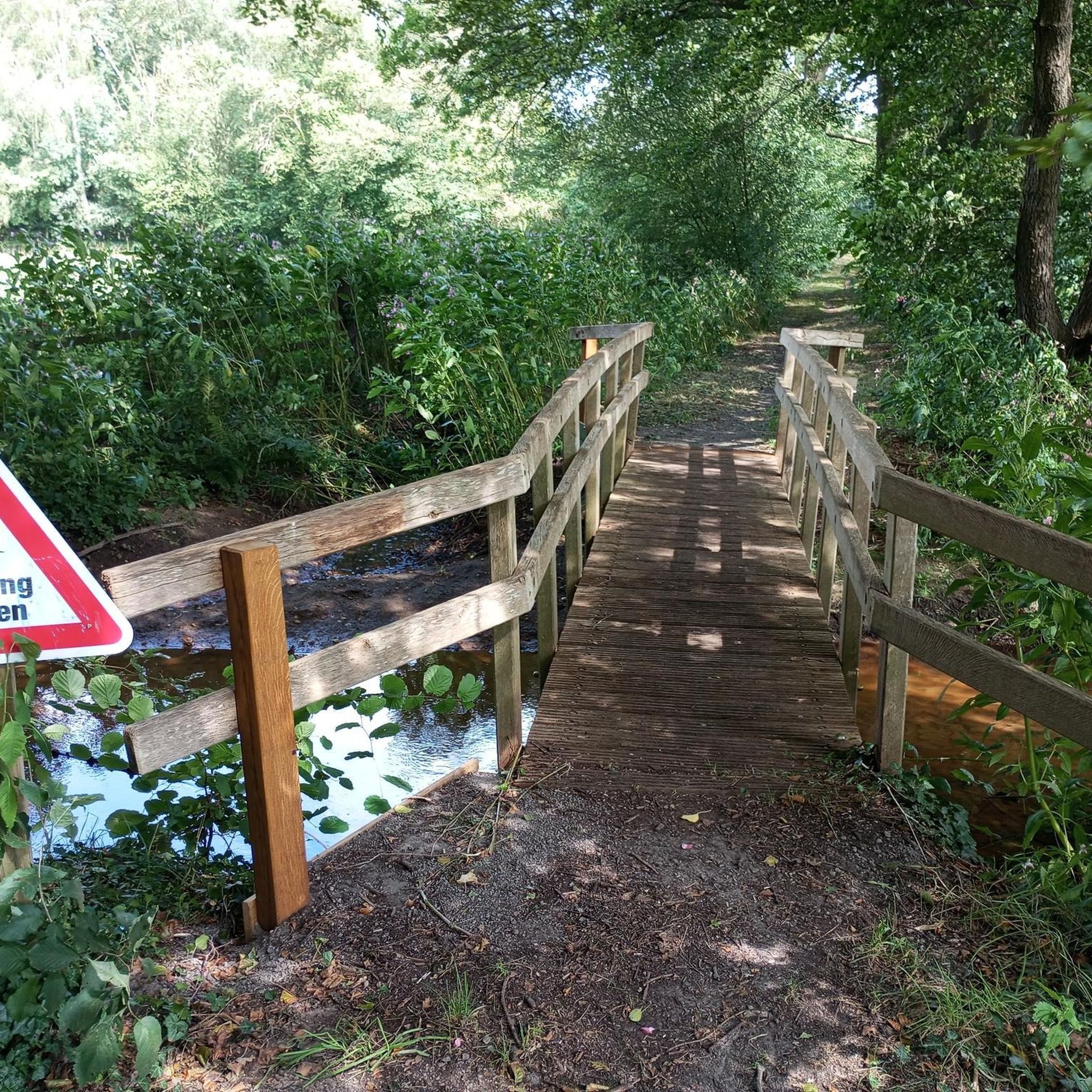
Interesting small buildings on the Tollense
1
0

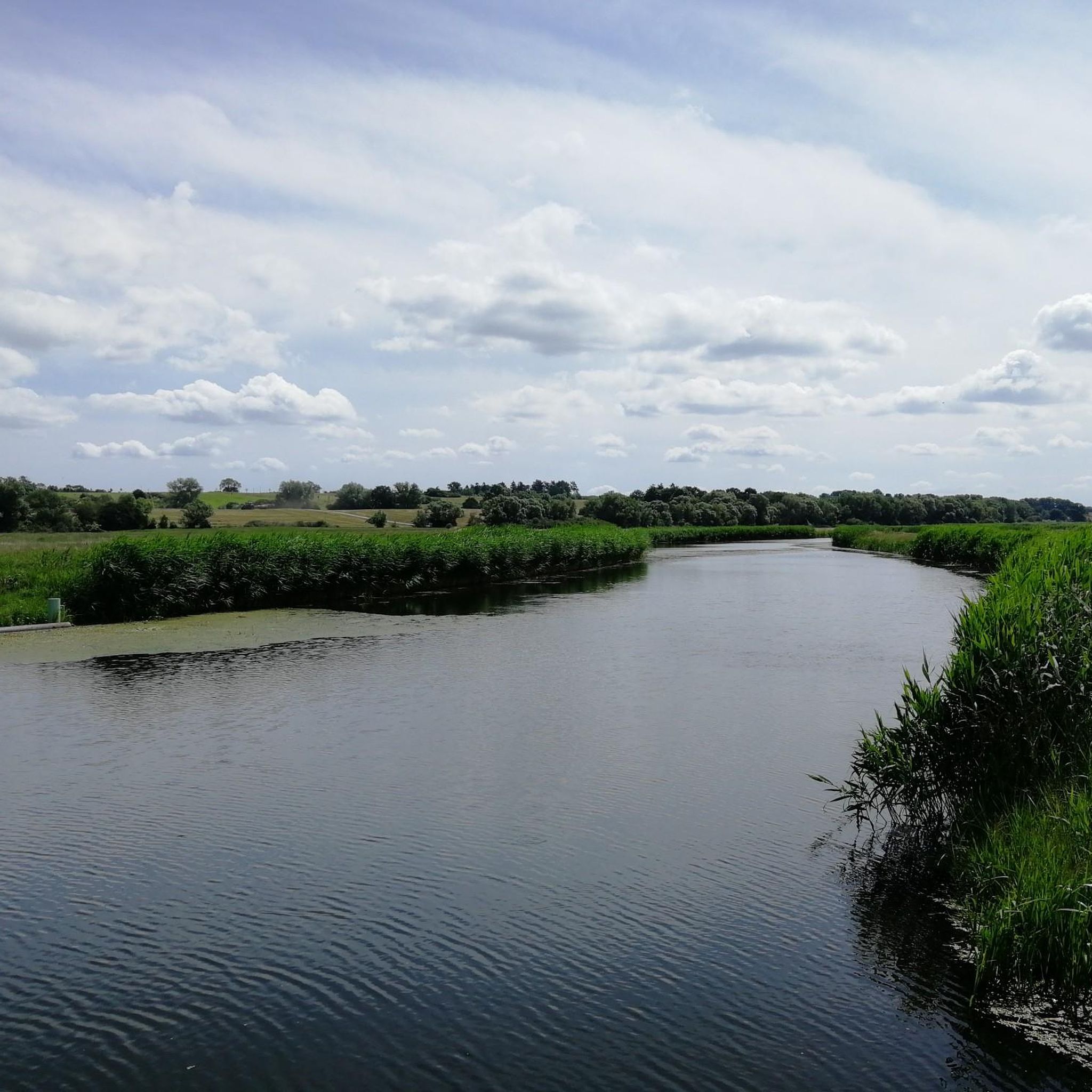
The weir can be crossed with bicycles (carrying) with a little effort. It is not barrier-free and its use is officially prohibited. But the way is open and is also used as such. The nearest bridges over the Tollense are first, in the north: Alt Tellin/ in the south: Klempenow, each 5km away.
0
0

Super gigantic nature! Just beautiful.
0
0

Here you can see a glacial valley from the Ice Age: large valley, small river.
0
0
Frequently Asked Questions
What kind of natural features can I expect to see around Gnevkow?
The region around Gnevkow is characterized by its diverse natural landscape, including lush forests, serene lakes, and the picturesque Peene River. You can also find significant geological features like large erratic boulders and viewpoints offering expansive views of glacial valleys, such as the View of the Tollense Valley.
Are there any particularly large or unique geological formations to visit?
Yes, you can visit Großer Stein (Großquartzow), which is one of the largest known erratic boulders in northern Germany. It's an imposing sight and a notable geological feature in the area.
What outdoor activities can I do near the natural monuments around Gnevkow?
The area offers a variety of outdoor activities. You can enjoy hiking, cycling, and fishing. For specific routes, consider exploring the hiking trails around Gnevkow or the running trails. The summer months are particularly recommended for activities like swimming in nearby lakes or canoeing on the Peene River.
Are there any family-friendly natural monuments or activities in the Gnevkow area?
Many of the natural sites are suitable for families. For instance, the Großer Stein (Großquartzow) has benches and green areas, ideal for walks. The View of the Tollense Valley is also considered family-friendly. The Weir and fish ladder at Tückude offers an interesting structure for curious minds, though crossing the weir with bicycles requires some effort.
What is the best time of year to visit the natural monuments around Gnevkow?
The summer months are highly recommended for outdoor activities like swimming and canoeing. Spring is also a beautiful time to visit, especially for places like the View of the Tollense Valley, which is noted to be 'really nice in spring.' The natural beauty of the forests and rivers can be appreciated year-round, but warmer months offer more activity options.
Are there any historical sites that are also considered natural monuments in the region?
Yes, the area features historical sites that blend with the natural landscape. You can explore the Schwedenschanze Ringfort, an early Slavic castle complex, or the Wendenwall Burgwall, a striking castle hill that was once part of a larger rampart system. These sites offer a glimpse into the region's past amidst natural settings.
Where can I find easy walking trails near Gnevkow's natural monuments?
For easier walks, you can explore the easy hikes around Gnevkow. These routes often lead through forests and along rivers, providing gentle terrain suitable for a relaxed stroll.
What do visitors particularly enjoy about the natural monuments in this area?
Visitors frequently praise the 'super gigantic nature' and the beautiful scenery, especially the expansive views from spots like the View of the Tollense Valley. The imposing size of the Großer Stein (Großquartzow) is also a highlight, and the combination of man-made engineering with natural river features at the Weir and fish ladder at Tückude is often found interesting.
Are there any specific viewpoints that offer panoramic views of the landscape?
The View of the Tollense Valley is a prime viewpoint, offering expansive vistas of a glacial valley formed during the Ice Age. It provides a unique perspective on the region's geological history and natural beauty.
Can I bring my dog to the natural monuments and trails around Gnevkow?
While specific dog-friendly policies for each natural monument are not detailed, the general outdoor nature of the region, with its forests and trails, typically welcomes dogs on leash. Always ensure to follow local regulations and clean up after your pet.
Are there any natural monuments related to rivers or water features?
Yes, the Weir and fish ladder at Tückude is an interesting structure located on the Tollense River, combining engineering with natural river dynamics. The Peene River itself is a significant natural feature in the region, offering opportunities for canoeing and enjoying the waterside environment.
Most popular attractions around Gnevkow

Get inspired with the komoot mobile app


Explore more
Extend your search for the best caves by checking out these guides of the top ones around Gnevkow:
