Top 3 Natural Monuments around Burow
Best natural monuments around Burow offer insights into the region's geological history and natural beauty. The area features a landscape shaped by glacial activity, including valleys and significant erratic boulders. Visitors can explore sites that showcase both natural formations and the interaction of human structures with the environment. These locations provide opportunities to observe riverine ecosystems and expansive views.
Best natural monuments around Burow
- The most popular natural monuments is View of the Tollense Valley, a viewpoint that offers…
Last updated: June 25, 2026
Großer Stein (Großquartzow)
Highlight • Natural Monument
Translated by Google •
Tip by

Weir and fish ladder at Tückude
Highlight • Structure
Translated by Google •
Tip by

Sign up now to discover places like this
Get recommendations on the best single tracks, peaks, & plenty of other exciting outdoor places.
Sign up for free
View of the Tollense Valley
Highlight • Viewpoint
Translated by Google •
Tip by

Tollensetal Bronze Age Battlefield
Highlight • Historical Site
Translated by Google •
Tip by

Start today with a free account
Your next adventure awaits.
Login or Signup
Tips from the Community

A large violent conflict took place right on the Tollense near Weltzin around 3,300 years ago. Archaeologists were able to find the remains of countless skeletons in the damp ground, which have been excellently preserved. The reconstructed battlefield stretches for about 1.5 kilometers along the west bank of the river.
1
0


The Great Stone is the largest erratic boulder in northern Germany after the Markgrafensteine and the second largest known boulder in northern Germany after the 550-ton Buskam, which lies in the water of the Baltic Sea. The Great Stone probably came to its current location during the Vistula Ice Age.
2
0

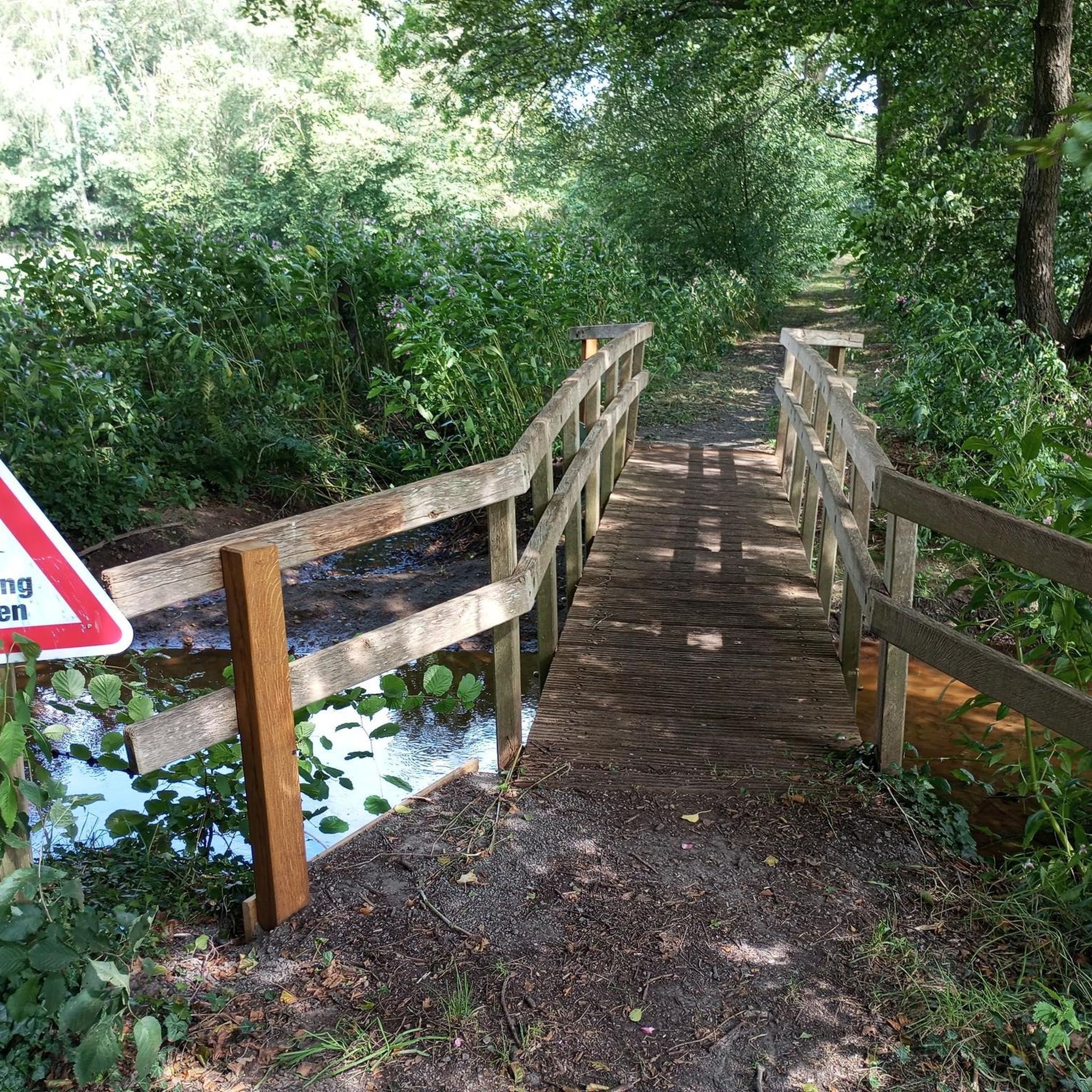
Interesting small buildings on the Tollense
1
0

The weir can be crossed with bicycles (carrying) with a little effort. It is not barrier-free and its use is officially prohibited. But the way is open and is also used as such. The nearest bridges over the Tollense are first, in the north: Alt Tellin/ in the south: Klempenow, each 5km away.
0
0

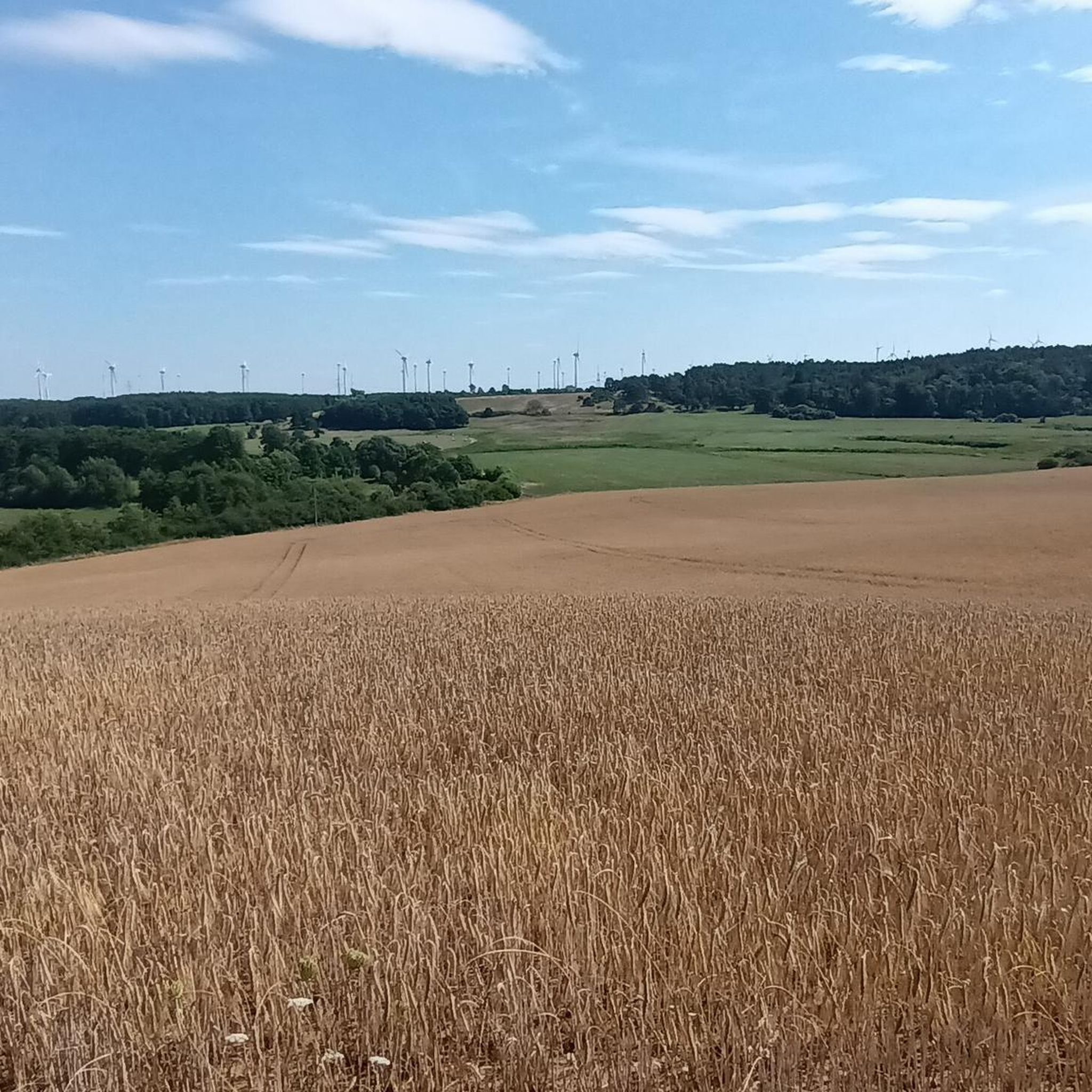
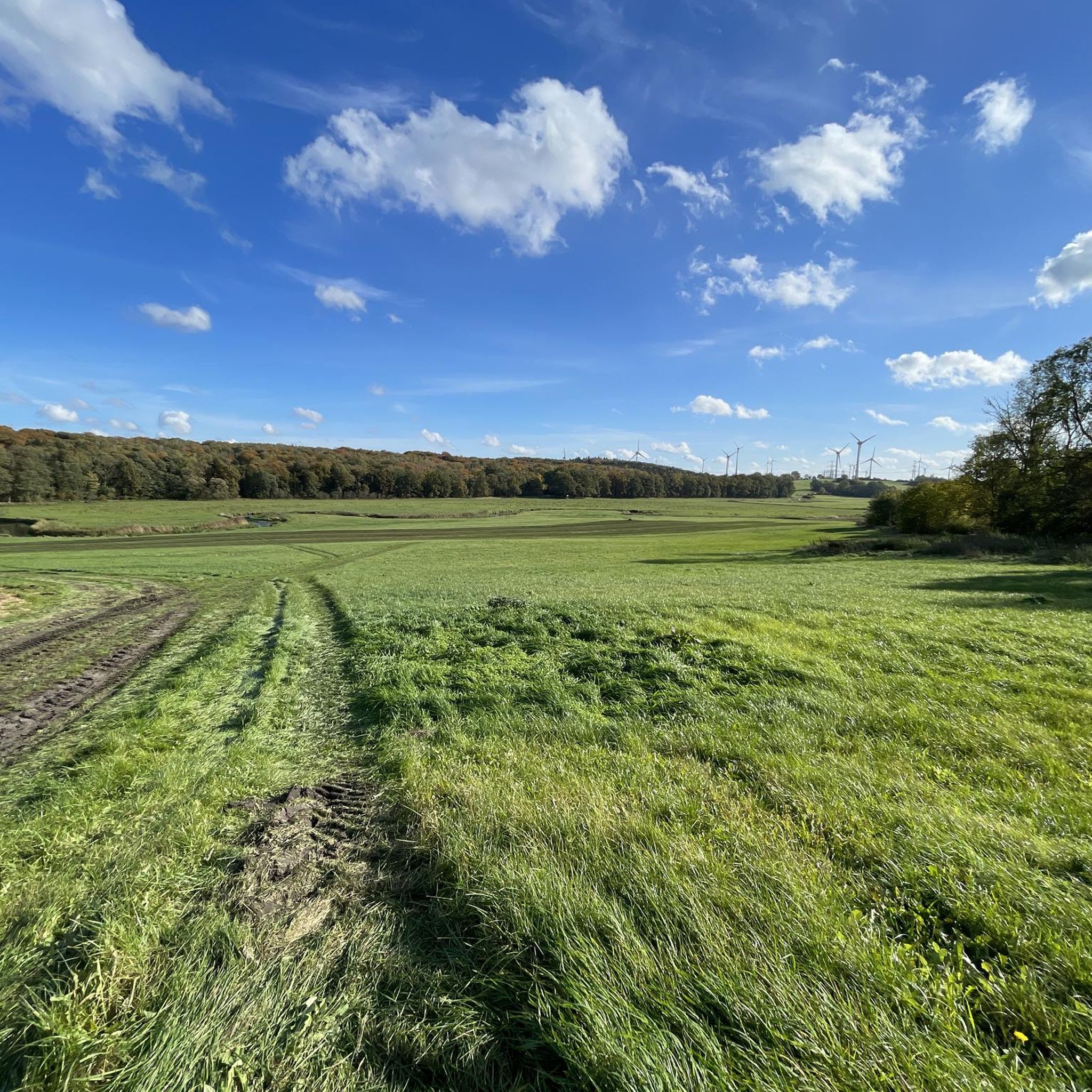
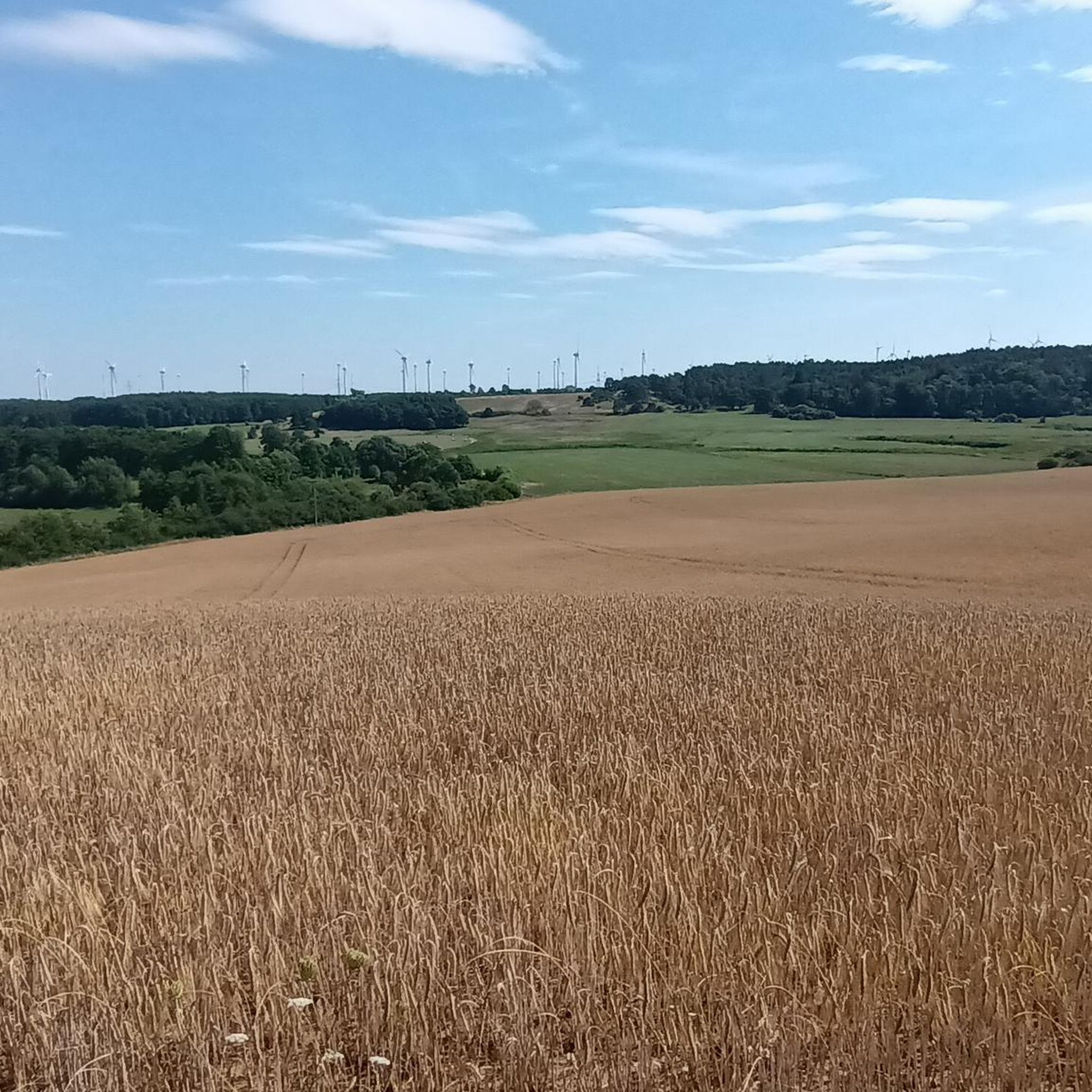
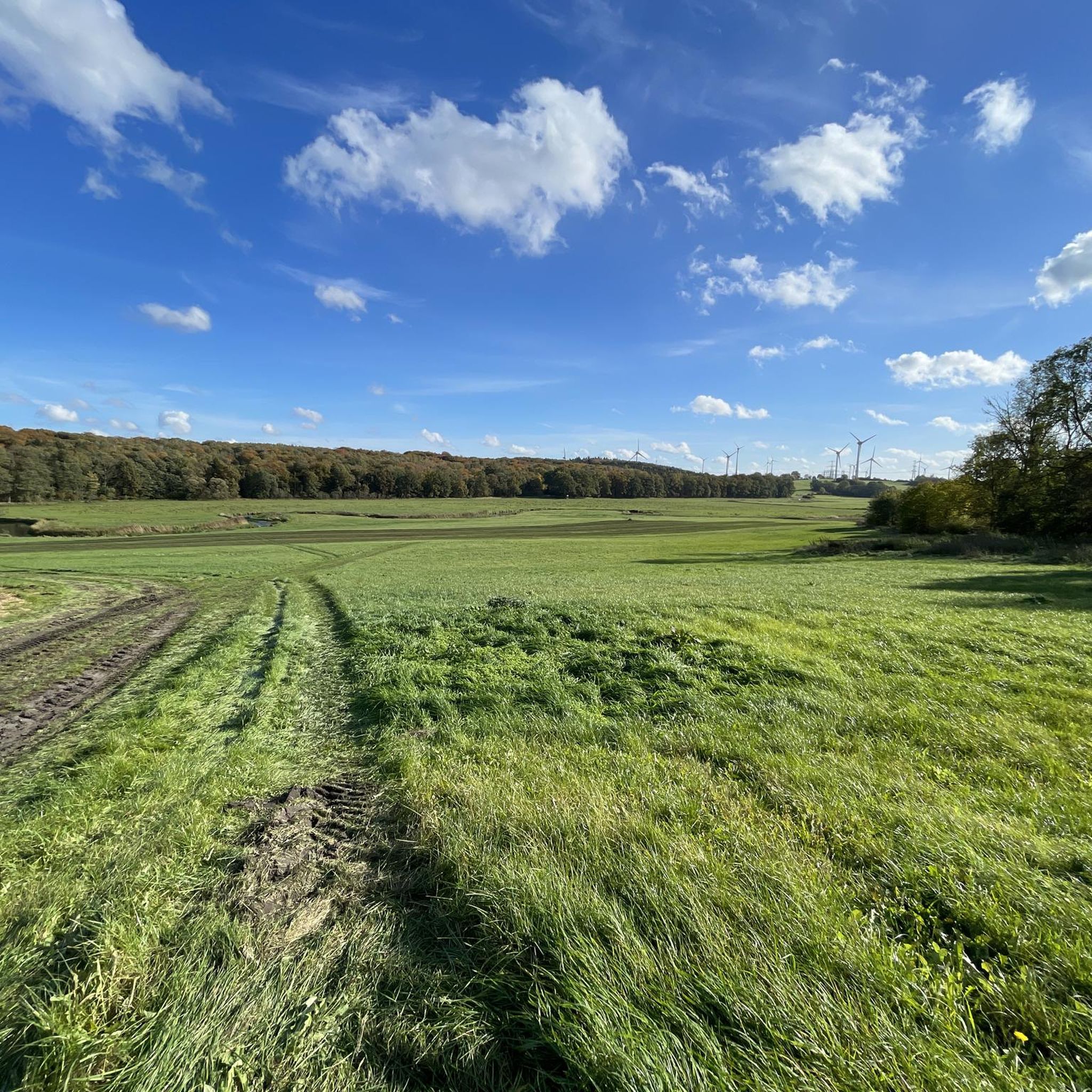
Super gigantic nature! Just beautiful.
0
0

Here you can see a glacial valley from the Ice Age: large valley, small river.
0
0

Frequently Asked Questions
What kind of natural features can I expect to see around Burow?
The Burow area is characterized by a landscape shaped by glacial activity, featuring significant erratic boulders, expansive valleys, and riverine ecosystems. You'll encounter geological formations from the Ice Age and natural areas integrated with water features.
Are there any family-friendly natural monuments in the Burow region?
Yes, several natural monuments are suitable for families. The View of the Tollense Valley offers a scenic overlook of a glacial valley. The Großer Stein (Großquartzow), a massive erratic boulder, is located in a park-like setting with benches, ideal for a leisurely visit. Additionally, the Weir and fish ladder at Tückude provides an interesting spot to observe the river and its structures.
What historical natural monuments can I visit near Burow?
The region offers natural monuments with significant historical context. You can explore the Schwedenschanze Siedenbollentin, a hill that was the site of a battle during the Seven Years' War in 1761. Another compelling historical site is the Tollensetal Bronze Age Battlefield, where archaeologists have uncovered evidence of a large violent conflict from approximately 3,300 years ago along the Tollense river.
Where can I find the largest erratic boulder in the Burow area?
The largest erratic boulder in the Burow area, and one of the largest in northern Germany, is the Großer Stein (Großquartzow). It's located on the Stone Age route and was lifted in 2021, making it fully visible and quite imposing. The surrounding park offers benches and green areas.
Are there hiking opportunities near the natural monuments around Burow?
Yes, there are several easy hiking routes available. For example, you can find routes like 'Landskron Castle Ruins – Großer Landgraben River loop from Wodarg' or 'Burg an der Tollense loop from Tückhude'. You can explore more options in the Easy hikes around Burow guide.
Can I go mountain biking or road cycling near these natural monuments?
Absolutely. The Burow region offers various cycling opportunities. For mountain biking, you can find routes such as 'Schmarsow Castle – Peene Bridge Jarmen loop from Alt Tellin'. Road cyclists can enjoy routes like 'Old Railway Embankment Path – Lapitz Village Church loop from Altentreptow'. Detailed routes are available in the MTB Trails around Burow and Road Cycling Routes around Burow guides.
What is special about the Tollense Valley in Burow?
The Tollense Valley is a significant natural monument, offering a glimpse into a glacial valley formed during the Ice Age. From the View of the Tollense Valley, you can appreciate the expansive landscape with the small Tollense river winding through it. It's a place of 'super gigantic nature' as described by visitors.
What do visitors enjoy most about the natural monuments in Burow?
Visitors particularly appreciate the stunning natural beauty and the historical significance of the sites. The 'super gigantic nature' of the Tollense Valley and the imposing presence of the Großer Stein (Großquartzow) are frequently highlighted. The integration of man-made structures with nature, such as the Weir and fish ladder at Tückude, also captures interest.
Is the Weir and fish ladder at Tückude accessible for everyone?
The Weir and fish ladder at Tückude features interesting small buildings on the Tollense river. While it can be crossed with bicycles (requiring some effort to carry them), it is not barrier-free. Its use is officially prohibited, though the path is often used by locals. The nearest barrier-free bridges over the Tollense are about 5km away, both north (Alt Tellin) and south (Klempenow).
What is the best time of year to visit the natural monuments around Burow?
While many natural monuments can be enjoyed year-round, spring is often recommended for places like the View of the Tollense Valley, when the landscape is particularly vibrant. The glacial features and riverine ecosystems offer different appeals across seasons, from lush greenery to stark winter beauty.
Are there any hidden natural gems or less-known spots in the Burow area?
While the guide focuses on prominent natural monuments, the region's overall landscape, shaped by glacial activity, holds many smaller, less-trafficked natural spots. Exploring the various hiking and cycling routes can lead you to serene riverbanks, quiet forest paths, and other picturesque corners that offer a sense of discovery beyond the main highlights.
Most popular attractions around Burow

Get inspired with the komoot mobile app


Explore more
Extend your search for the best caves by checking out these guides of the top ones around Burow:
