Top 19 Natural Monuments around Breesen
Natural monuments around Breesen are found within the Mecklenburgische Seenplatte district of Mecklenburg-Vorpommern, Germany. The region features diverse natural landscapes, including forests, moors, and lakes. These areas offer insights into local geology, hydrology, and ancient history. Visitors can explore protected natural areas around Breesen Mecklenburg-Vorpommern, which contribute to the area's ecological value.
Best natural monuments around Breesen
- The most popular natural monuments is Großer Stein (Großquartzow), a natural monument that is a large erratic boulder. It is the largest…
Last updated: July 8, 2026
Slavic hillfort at Kastorfer Lake
Highlight • Historical Site
Translated by Google •
Tip by

Großer Stein (Großquartzow)
Highlight • Natural Monument
Translated by Google •
Tip by

Sign up now to discover places like this
Get recommendations on the best single tracks, peaks, & plenty of other exciting outdoor places.
Sign up for free
Suhl Spring
Highlight • Natural Monument
Translated by Google •
Tip by

Rillenstein (Neolithic Grooved Boulder)
Highlight • Natural Monument
Translated by Google •
Tip by

War Memorial Chemnitz-Pinnow
Highlight • Monument
Translated by Google •
Tip by
Sign up for free to discover even more natural monuments around Breesen.
Sign up for free
Already have an account?
Start today with a free account
Your next adventure awaits.
Login or Signup
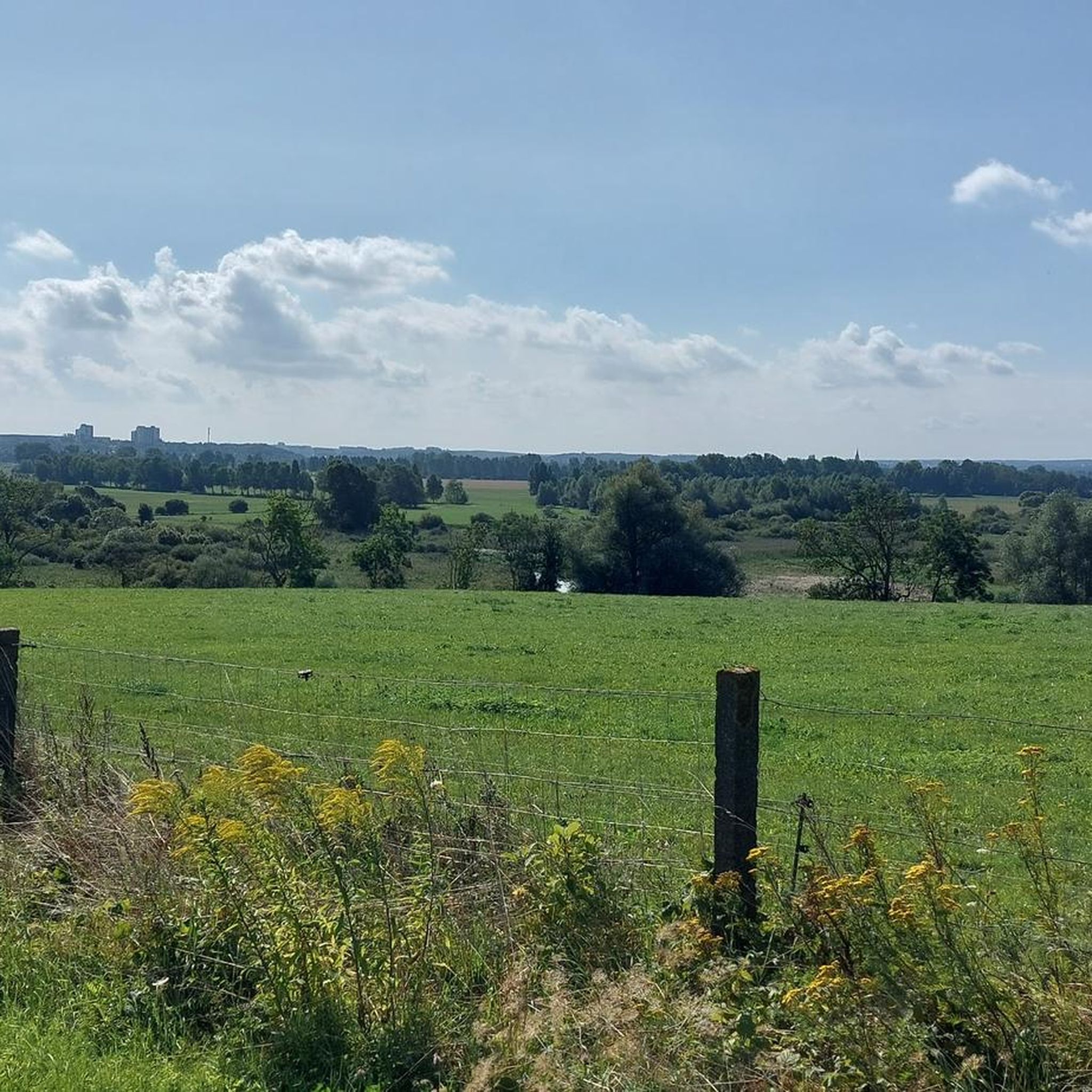
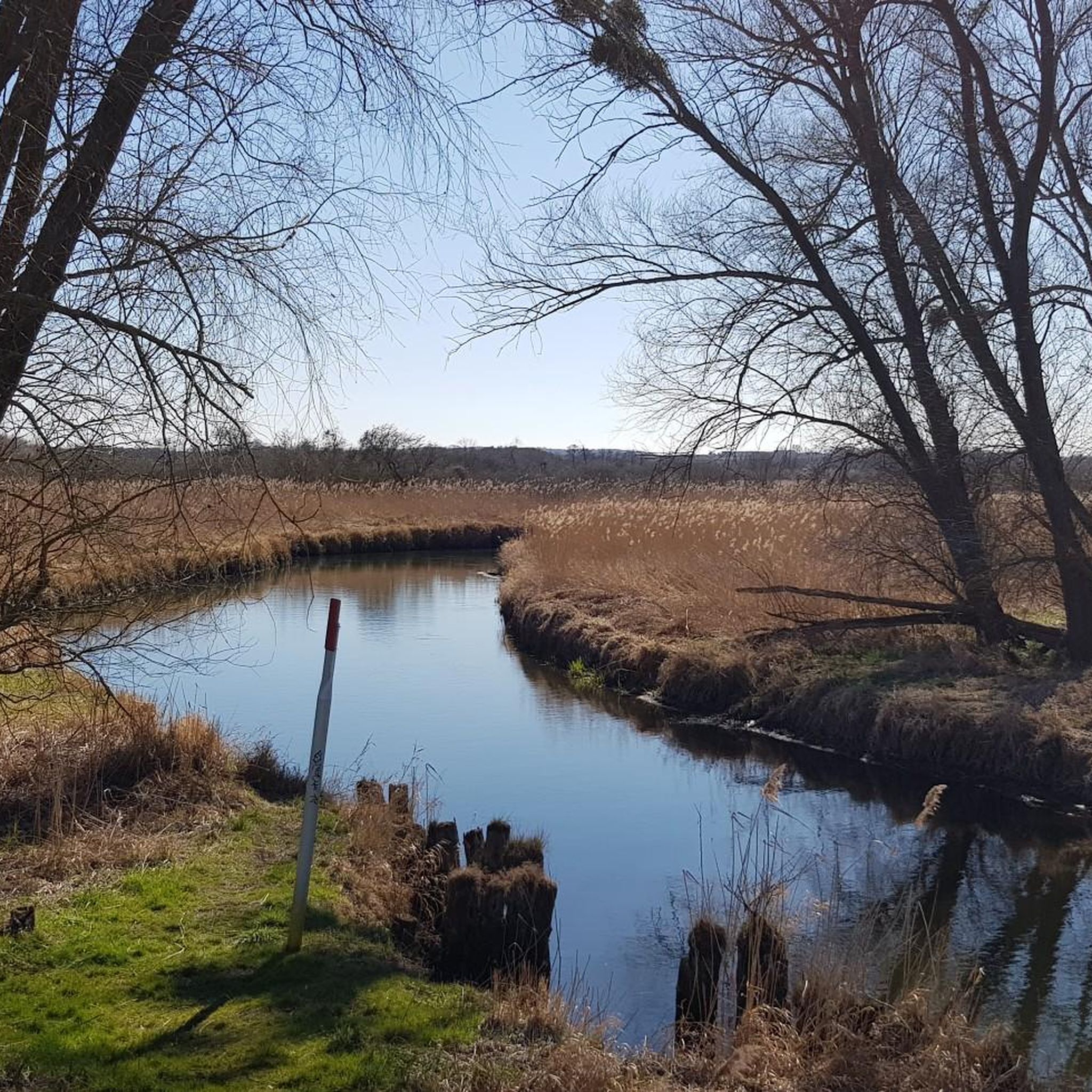
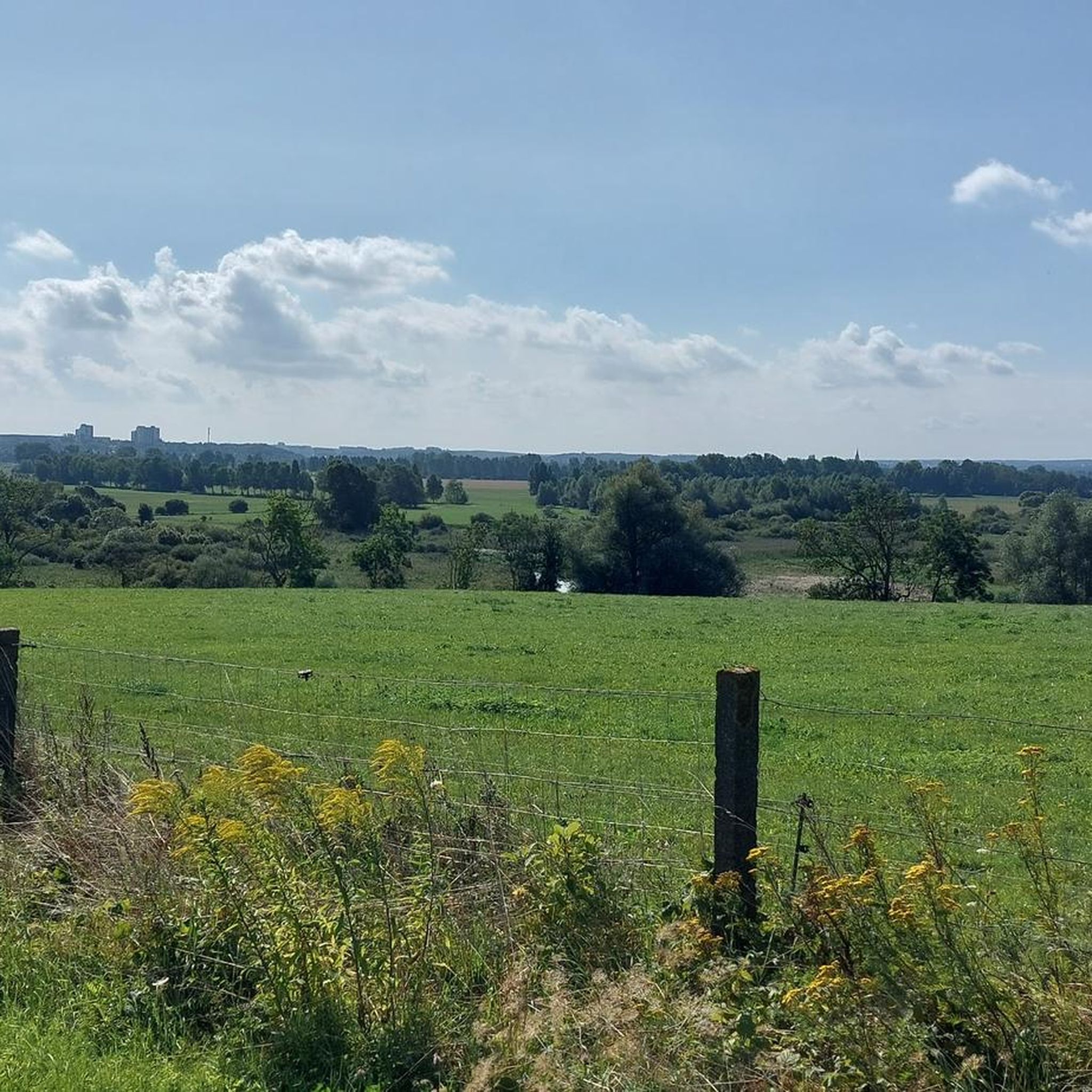
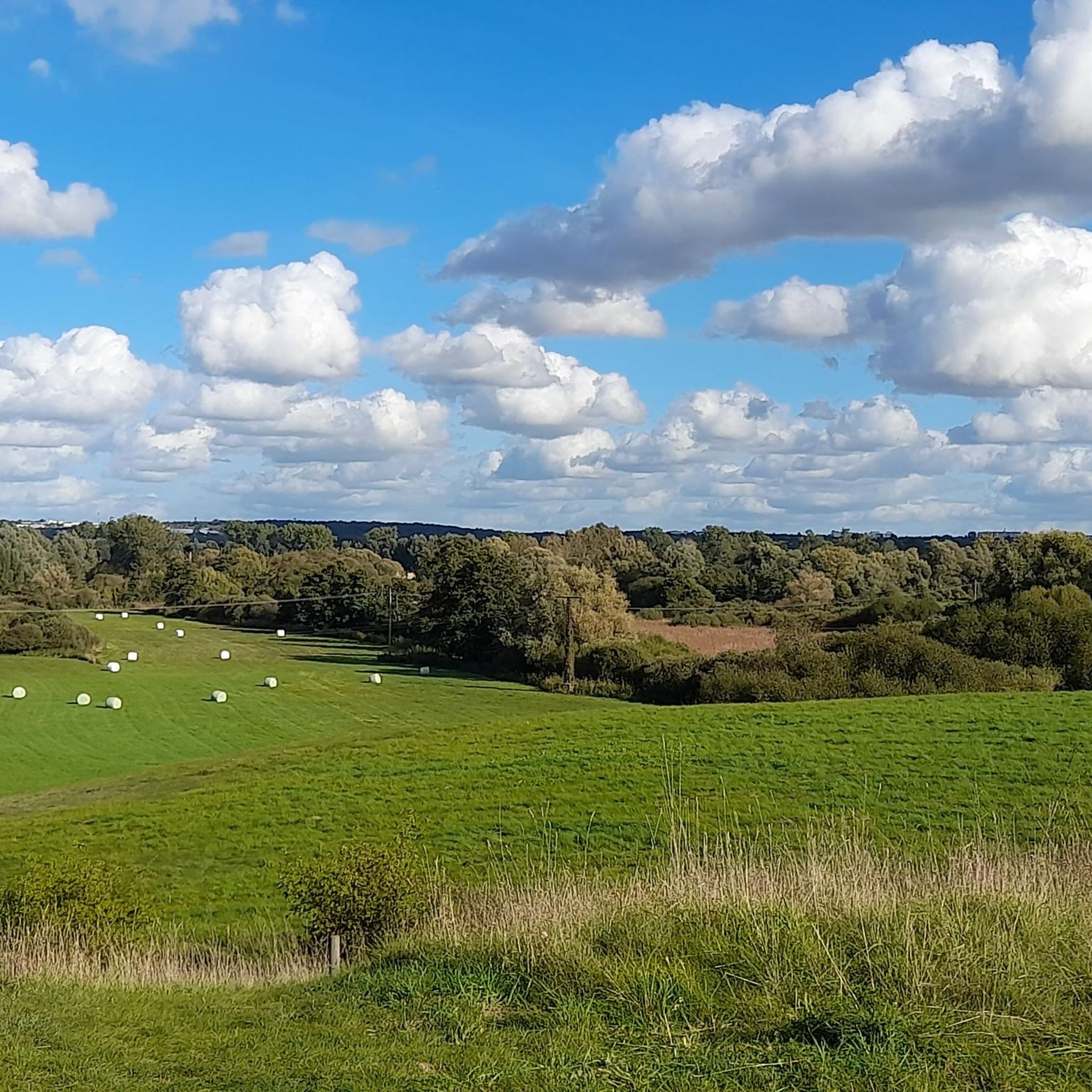
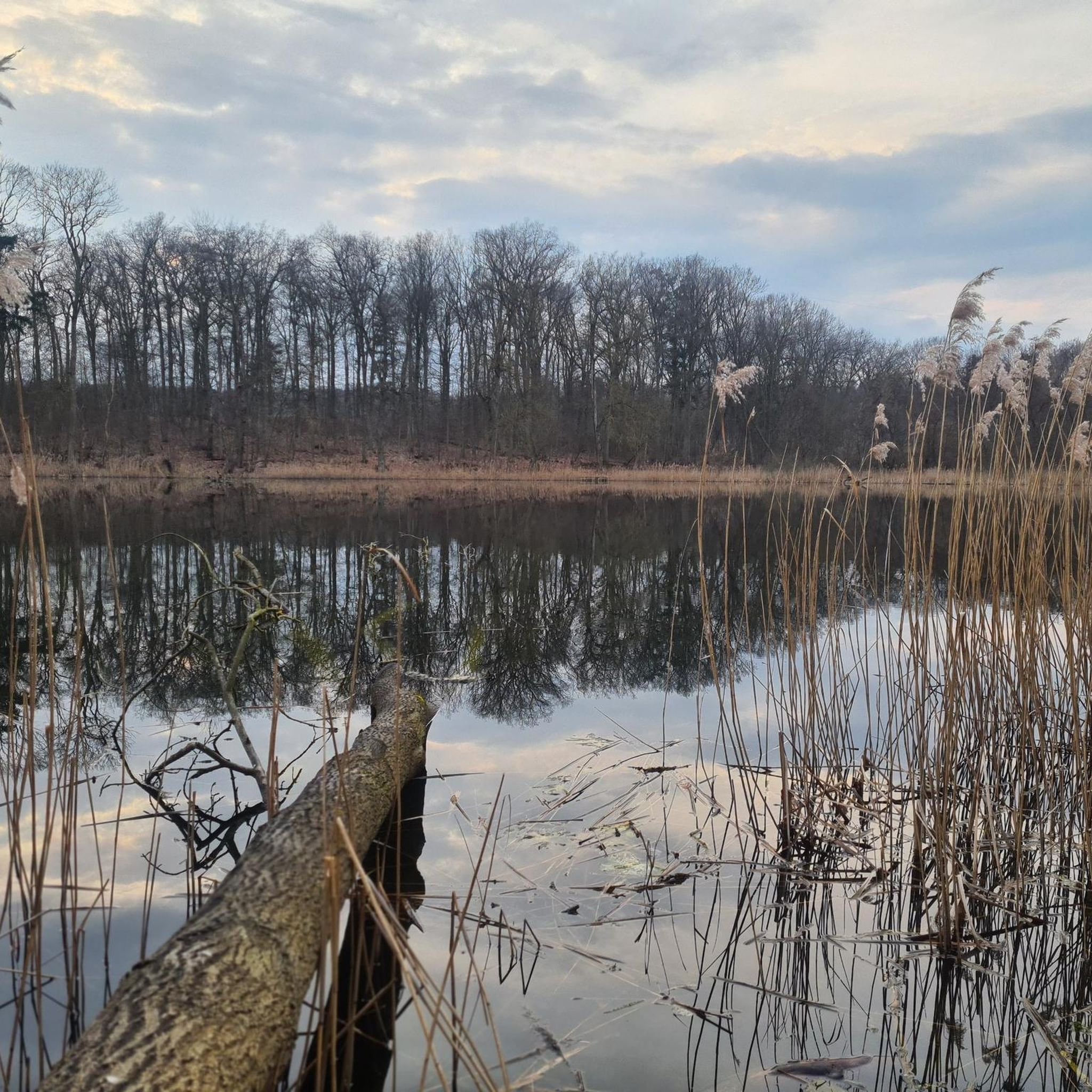

Tips from the Community

It is assumed that the three castles on Lake Kastorf represented the political and cultural center of the Tollenser people.
0
0
The Wildberg Castle Wall is located in the municipality of Wildberg on the eastern shore of Lake Kastorf. It consists of a smaller main castle and two arched outer castles and was built in the 7th or 8th century. The castle complex has been repeatedly renovated and expanded over time. Together with the castle wall island on Lake Kastorf, these castles presumably form the political and cultural center of the Tollenser people.
0
0

Years ago we used to regularly get our Easter water from here. Now it has been dry for a long time. Is this climate change?
0
0
Just a few years ago the Suhlquelle was filled with water, we got Easter water here and tadpoles grew here. Now only the sign reminds us of the old spring. It remains a beautiful place and worth a hike 💕
1
0

In the middle of the forest behind Chemnitz. You can discover the lake and the huge memorial stone.
1
0
A little way out of Chemnitz you will find this really large memorial stone. Unfortunately, the inscription is no longer clearly visible.
0
0

The Great Stone is the largest erratic boulder in northern Germany after the Markgrafensteine and the second largest known boulder in northern Germany after the 550-ton Buskam, which lies in the water of the Baltic Sea. The Great Stone probably came to its current location during the Vistula Ice Age.
2
0

Frequently Asked Questions
What unique natural features can I explore around Breesen?
Breesen offers a variety of distinctive natural features. You can visit the Großer Stein (Großquartzow), which is the largest erratic boulder in northern Germany after the Markgrafensteine. Another notable site is the Suhl Spring, a natural water source rediscovered during the creation of hiking trails. Additionally, the Rillenstein (Neolithic Grooved Boulder) provides a glimpse into ancient times and natural formations.
Are there historical sites with natural significance near Breesen?
Yes, the region combines natural beauty with historical depth. The Slavic hillfort at Kastorfer Lake is a prominent example, featuring a three-part castle complex settled in the Old Slavic period, offering views of Kastorfer See. The Suhl Spring also has historical context, established around 1877 and rediscovered in 1996.
What kind of outdoor activities can I do near these natural monuments?
The area around Breesen is excellent for various outdoor activities. You can find numerous hiking opportunities, including routes like the 'Kastorfer See Circular Trail' or 'Footbridge Over the Tollense – Viewpoint Mörderberg loop'. For cycling enthusiasts, there are road cycling routes such as the 'Smooth asphalt cycle path – Old Railway Embankment Path loop'. Mountain biking is also popular, with trails like the 'Lake Tollens – View of Lake Tollense loop'. You can explore more options for hiking, road cycling, and MTB trails in the region.
Are there family-friendly natural monuments or trails around Breesen?
Yes, several natural monuments are suitable for families. The area around the Großer Stein (Großquartzow) is described as family-friendly, with benches and green areas in the surrounding park ideal for walking. The Farmer's Path, which traverses forests and meadows near Breesen, is also a comfortable round trip suitable for families, offering chances to observe nature.
What is the significance of the Woitendorfer Moor and Woitendorfer Forest?
The Woitendorfer Moor and Woitendorfer Forest are significant natural spaces accessible via the Farmer's Path. The moor provides a habitat for various wildlife, including cranes, especially during spring and autumn. The forest is known for being one of the largest contiguous beech forests in the region, showcasing extensive beech stands and emphasizing the area's ecological value as part of the broader Schaalsee UNESCO biosphere reserve.
What do visitors enjoy most about the natural monuments around Breesen?
Visitors appreciate the diverse natural landscapes, from large erratic boulders to historical springs and ancient sites. The Großer Stein (Großquartzow) is noted for its imposing size and the pleasant park setting. The Slavic hillfort at Kastorfer Lake is valued for its historical context and scenic views. The tranquility and connection to nature, along with the opportunity for hiking and exploring, are also highly regarded.
Are there any natural monuments that are also good viewpoints?
Yes, the Slavic hillfort at Kastorfer Lake offers excellent views of Kastorfer See. There's even a covered resting area on site where you can enjoy the scenery.
What is the best time of year to visit the natural monuments in Breesen?
The natural monuments around Breesen can be enjoyed throughout the year. Spring and autumn are particularly good for wildlife viewing, especially for observing cranes in the Woitendorfer Moor. The extensive beech forests are beautiful in autumn with their changing colors. Summer offers pleasant conditions for hiking and exploring, while winter can provide a serene, snow-covered landscape for those prepared for colder weather.
Are there any specific trails or paths recommended for experiencing the natural monuments?
The Farmer's Path (Bauernweg) near Breesen is highly recommended. It's a comfortable round trip that takes you through diverse natural landscapes, including forests and meadows, bordering the Woitendorfer Moor and Woitendorfer Forest. For specific natural monuments, trails often lead directly to sites like the Großer Stein (Großquartzow) and the Suhl Spring.
What kind of terrain can I expect on trails around Breesen's natural monuments?
The terrain around Breesen's natural monuments varies. Paths like the Farmer's Path traverse natural landscapes including forests and meadows, which can be uneven. Sturdy shoes are recommended due to the natural terrain. Some areas, particularly around historical sites like the Slavic hillfort at Kastorfer Lake, might involve slight elevations or more rugged paths.
Are there any other significant natural areas in Mecklenburg-Vorpommern worth knowing about, even if not directly in Breesen?
While not directly in Breesen, the broader Mecklenburg-Vorpommern region is rich in protected natural areas. The Ivenacker Eichen (Ivenack Oaks) are recognized as the only 'National Natural Monument' within Mecklenburg-Vorpommern, featuring ancient trees and a treetop trail experience. These areas highlight the region's commitment to preserving its natural heritage. For more information on the natural landscapes of the region, you can visit visit-mv.com.
Most popular attractions around Breesen

Get inspired with the komoot mobile app


Explore more
Extend your search for the best caves by checking out these guides of the top ones around Breesen:
