Top 3 Natural Monuments around Grischow
Best natural monuments around Grischow include significant geological formations and historical sites integrated into the landscape. The region features a glacial valley from the Ice Age and large erratic boulders. Grischow's natural environment also encompasses locations of historical conflicts, offering insights into past events within a natural setting. These sites provide opportunities to explore the area's geological and historical context.
Best natural monuments around Grischow
- The most popular natural monuments is View of the Tollense Valley, a viewpoint that…
Last updated: July 8, 2026
Großer Stein (Großquartzow)
Highlight • Natural Monument
Translated by Google •
Tip by

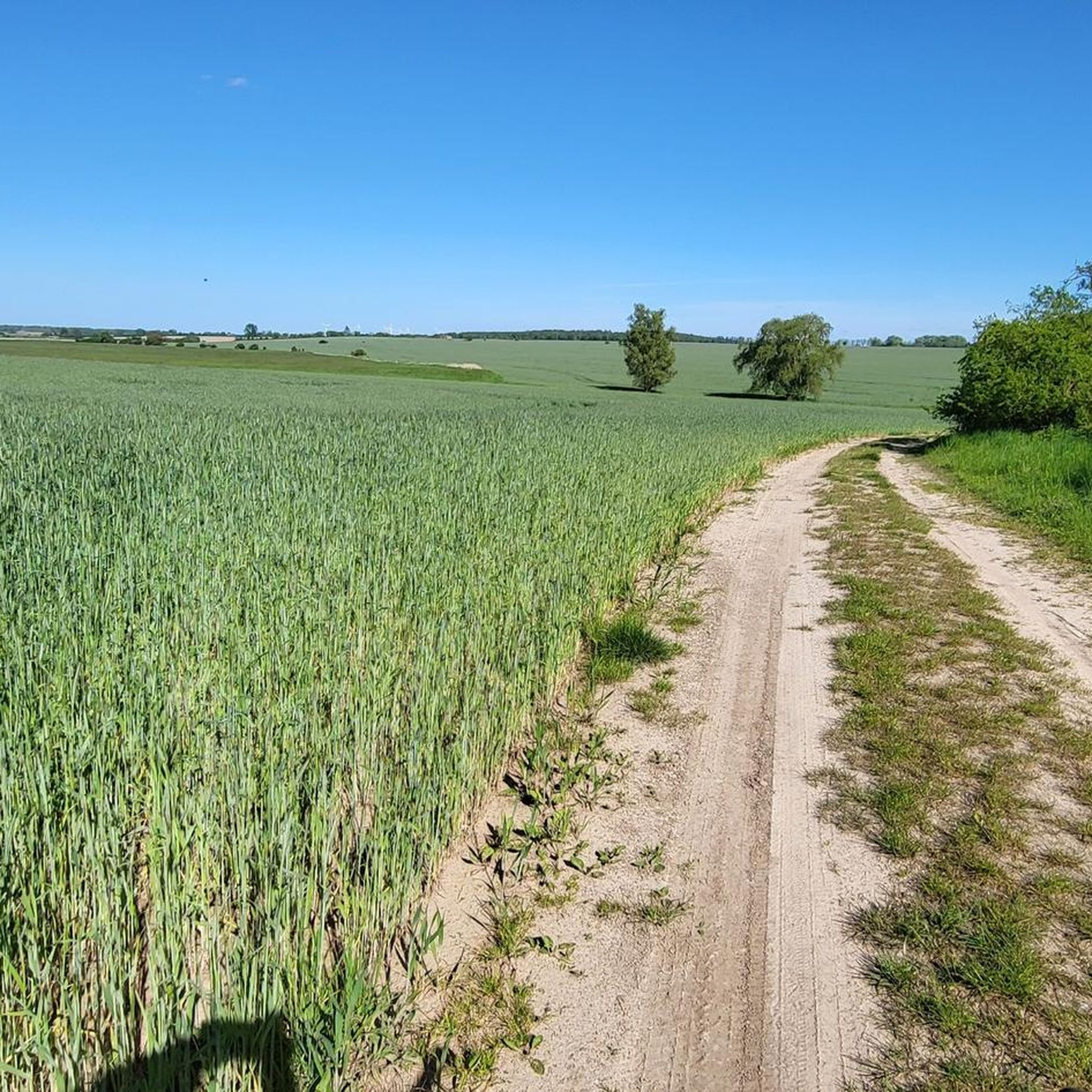
View of the Tollense Valley
Highlight • Viewpoint
Translated by Google •
Tip by

Sign up now to discover places like this
Get recommendations on the best single tracks, peaks, & plenty of other exciting outdoor places.
Sign up for free
Tollensetal Bronze Age Battlefield
Highlight • Historical Site
Translated by Google •
Tip by

Start today with a free account
Your next adventure awaits.
Login or Signup
Tips from the Community

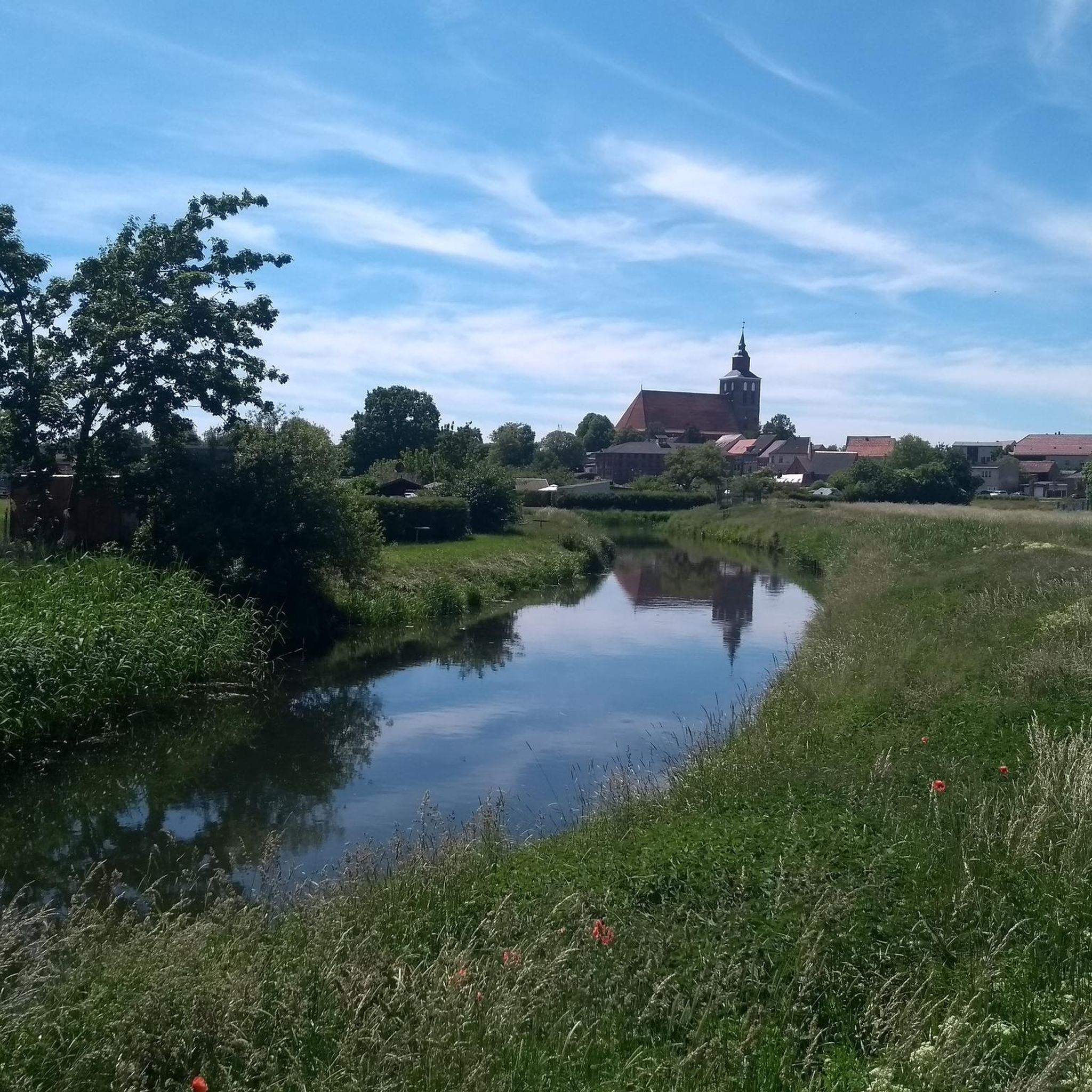
A large violent conflict took place right on the Tollense near Weltzin around 3,300 years ago. Archaeologists were able to find the remains of countless skeletons in the damp ground, which have been excellently preserved. The reconstructed battlefield stretches for about 1.5 kilometers along the west bank of the river.
1
0


The Great Stone is the largest erratic boulder in northern Germany after the Markgrafensteine and the second largest known boulder in northern Germany after the 550-ton Buskam, which lies in the water of the Baltic Sea. The Great Stone probably came to its current location during the Vistula Ice Age.
2
0

Super gigantic nature! Just beautiful.
0
0

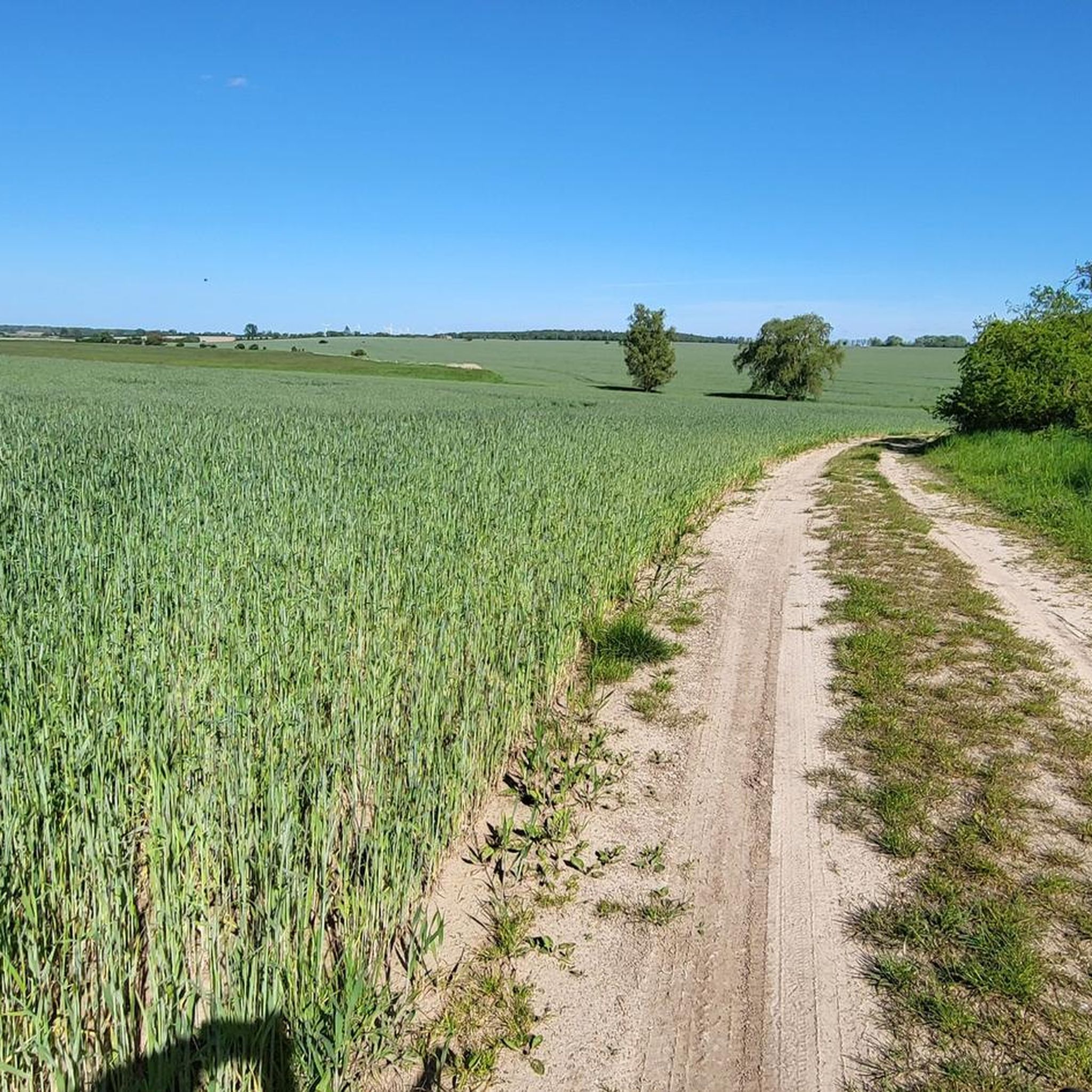
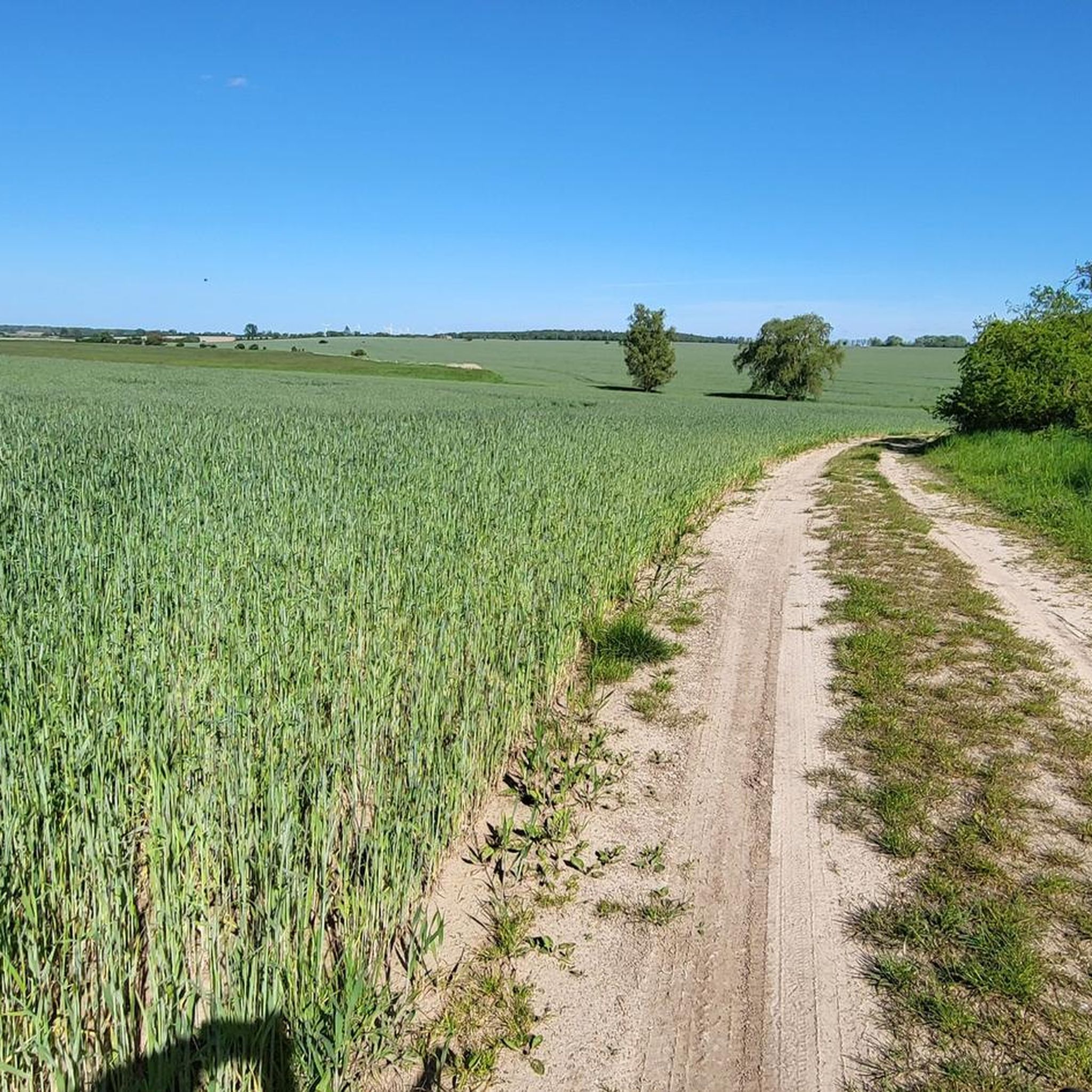
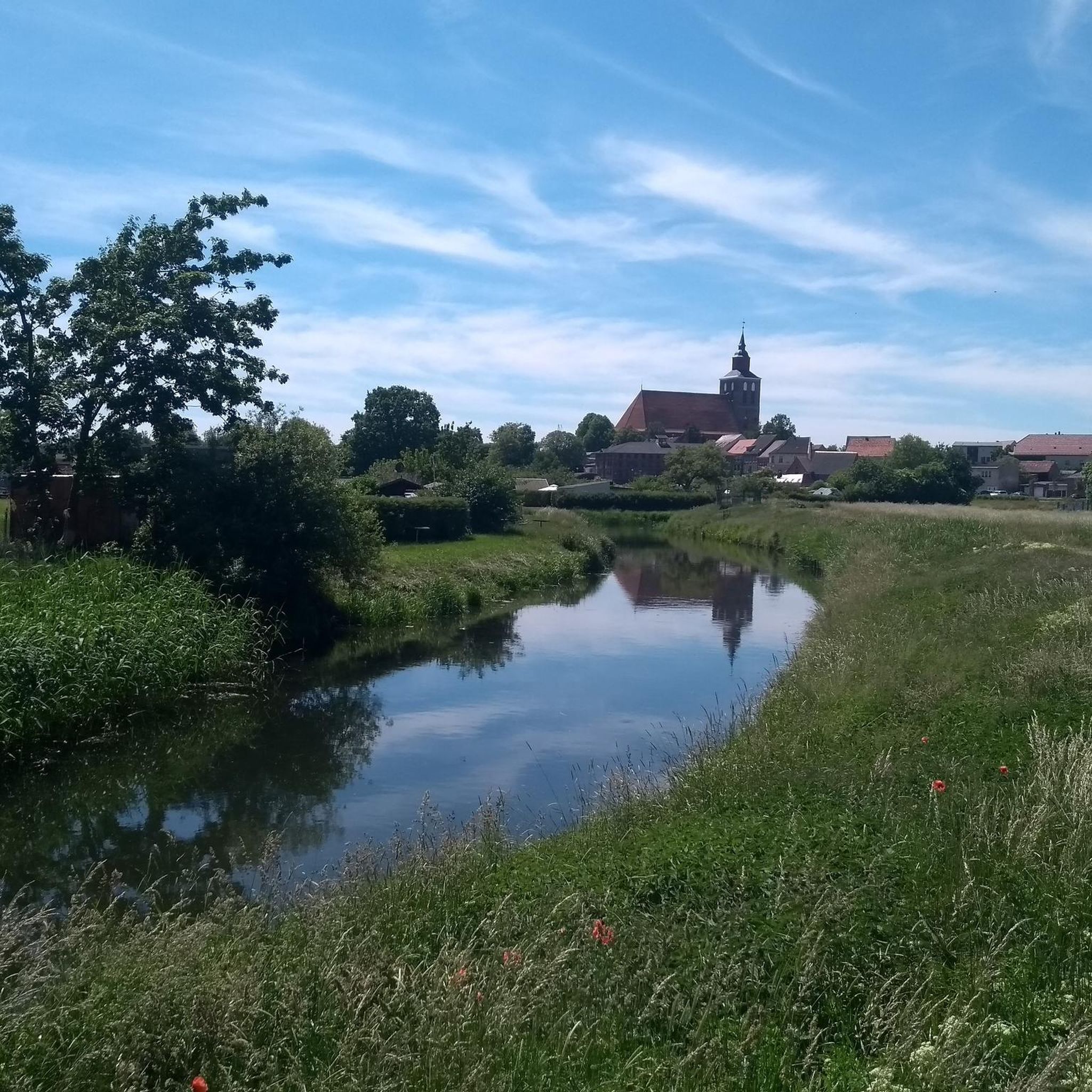
Here you can see a glacial valley from the Ice Age: large valley, small river.
0
0


The big stone was lifted in spring 2021. So completely on the surface. It is very imposing. There are many benches and green areas in the surrounding park. ideal for walking AND cycling.
3
0

large boulder located on the Stone Age route
3
0
Frequently Asked Questions
What are the most notable natural monuments to visit around Grischow?
The region around Grischow features several significant natural monuments. You can explore the impressive Großer Stein (Großquartzow), one of the largest erratic boulders in northern Germany, or enjoy the scenic View of the Tollense Valley, a glacial valley formed during the Ice Age. Additionally, the Tollensetal Bronze Age Battlefield offers a unique blend of natural landscape and historical significance.
Are there family-friendly natural monuments suitable for children around Grischow?
Yes, several natural monuments around Grischow are suitable for families. Both the View of the Tollense Valley and the Großer Stein (Großquartzow) are considered family-friendly. The area around Großer Stein, in particular, has benches and green areas, making it ideal for walks and cycling with children.
What kind of historical natural monuments can I find in the Grischow region?
Grischow is home to natural monuments with deep historical roots. The Tollensetal Bronze Age Battlefield is a significant site where a large violent conflict occurred approximately 3,300 years ago, with archaeological findings preserved in the damp ground. Another historical site is Schwedenschanze Siedenbollentin, a hill named after a battle during the Seven Years' War.
What outdoor activities can I do near the natural monuments in Grischow?
The Grischow region offers various outdoor activities. You can find numerous routes for cycling, road cycling, and running. For example, there are cycling routes like the 'Großer Stein (Großquartzow) – View of the Tollense Valley loop from Altentreptow' and running trails such as the 'Großer See loop from Werder'. You can explore more options on the dedicated komoot guides for Cycling around Grischow, Road Cycling Routes around Grischow, and Running Trails around Grischow.
Are there hiking trails or walking paths around the natural monuments?
Yes, the natural monuments are often integrated into walking and cycling paths. For instance, the Großer Stein (Großquartzow) is located on the Stone Age route and is ideal for walking. While specific hiking trails directly named after the monuments aren't listed, the general cycling and running guides provide routes that pass by or near these natural features, offering opportunities for walks.
What is the best time of year to visit the natural monuments around Grischow?
While the natural monuments can be visited year-round, spring is often highlighted as a particularly beautiful time. Visitors have noted that the View of the Tollense Valley is 'really nice in spring,' suggesting pleasant weather and vibrant natural scenery for exploration.
What geological features are prominent among Grischow's natural monuments?
The Grischow region is characterized by significant geological formations. A prominent feature is the glacial valley visible from the View of the Tollense Valley, a remnant of the Ice Age. Additionally, the area is known for its large erratic boulders, with the Großer Stein (Großquartzow) being a prime example, ranking among the largest in northern Germany.
What do visitors say about the natural beauty of the Grischow region?
Visitors frequently praise the natural beauty of the Grischow region. The View of the Tollense Valley, in particular, receives comments like 'Super gigantic nature! Just beautiful,' highlighting the impressive landscapes and scenic vistas available.
Are there viewpoints offering panoramic views of the Grischow landscape?
Yes, the View of the Tollense Valley is a key viewpoint, offering a perspective on the expansive glacial valley and the small river winding through it. Another spot with a view is Schwedenschanze Siedenbollentin, which also serves as a historical site.
Can I combine a visit to the natural monuments with cycling tours?
Absolutely. The Grischow region is well-suited for cycling. You can find routes like the 'Großer Stein (Großquartzow) – View of the Tollense Valley loop from Altentreptow' which connects two major natural monuments. For more cycling options, refer to the komoot guide for Cycling around Grischow.
What makes the Großer Stein (Großquartzow) unique?
The Großer Stein (Großquartzow) is unique because it is one of the largest erratic boulders in northern Germany, second only to the Buskam in the Baltic Sea. Its sheer size makes it very imposing, and it's part of the historical Stone Age route, offering both natural grandeur and cultural context.
Most popular attractions around Grischow

Get inspired with the komoot mobile app


Explore more
Extend your search for the best caves by checking out these guides of the top ones around Grischow:
