Top 20 Natural Monuments around Nebel
Natural monuments around Nebel, a municipality on the German island of Amrum, showcase the unique beauty and ecological significance of the North Sea region. The area is characterized by dynamic dune landscapes, extensive sandy ridges, and the globally important Wadden Sea. These natural features offer diverse ecosystems and habitats for specialized coastal plants and wildlife. The region provides opportunities to explore varied terrain shaped by wind and sea.
Best natural monuments around Nebel
- The most popular natural monuments is Amrum-Odde…
Last updated: October 11, 2026
Goting Cliff
Highlight • Natural Monument
Translated by Google •
Tip by

Amrumer Odde (northern tip of Amrum)
Highlight • Beach
Translated by Google •
Tip by

Sign up now to discover places like this
Get recommendations on the best single tracks, peaks, & plenty of other exciting outdoor places.
Hörnum Odde (Southern Tip of Sylt)
Highlight • Beach
Translated by Google •
Tip by

Lembecksburg ring wall
Highlight • Historical Site
Translated by Google •
Tip by
Amrum-Odde Nature Reserve
Highlight • Natural Monument
Translated by Google •
Tip by

Sign up for free to discover even more natural monuments around Nebel.
Already have an account?
Start today with a free account
Your next adventure awaits.
Tips from the Community

The area was designated as a nature reserve number 10 in 1936. In the same year, a thatched bird keeper's house was built in a dune valley, which still exists today. The Jordsand Association has been responsible for maintaining the area since 1941. To prevent a sea breach, a short dike was built lengthways at the narrowest point in the south of the Odde in 1955. In 1970 the NSG was expanded.
7
0
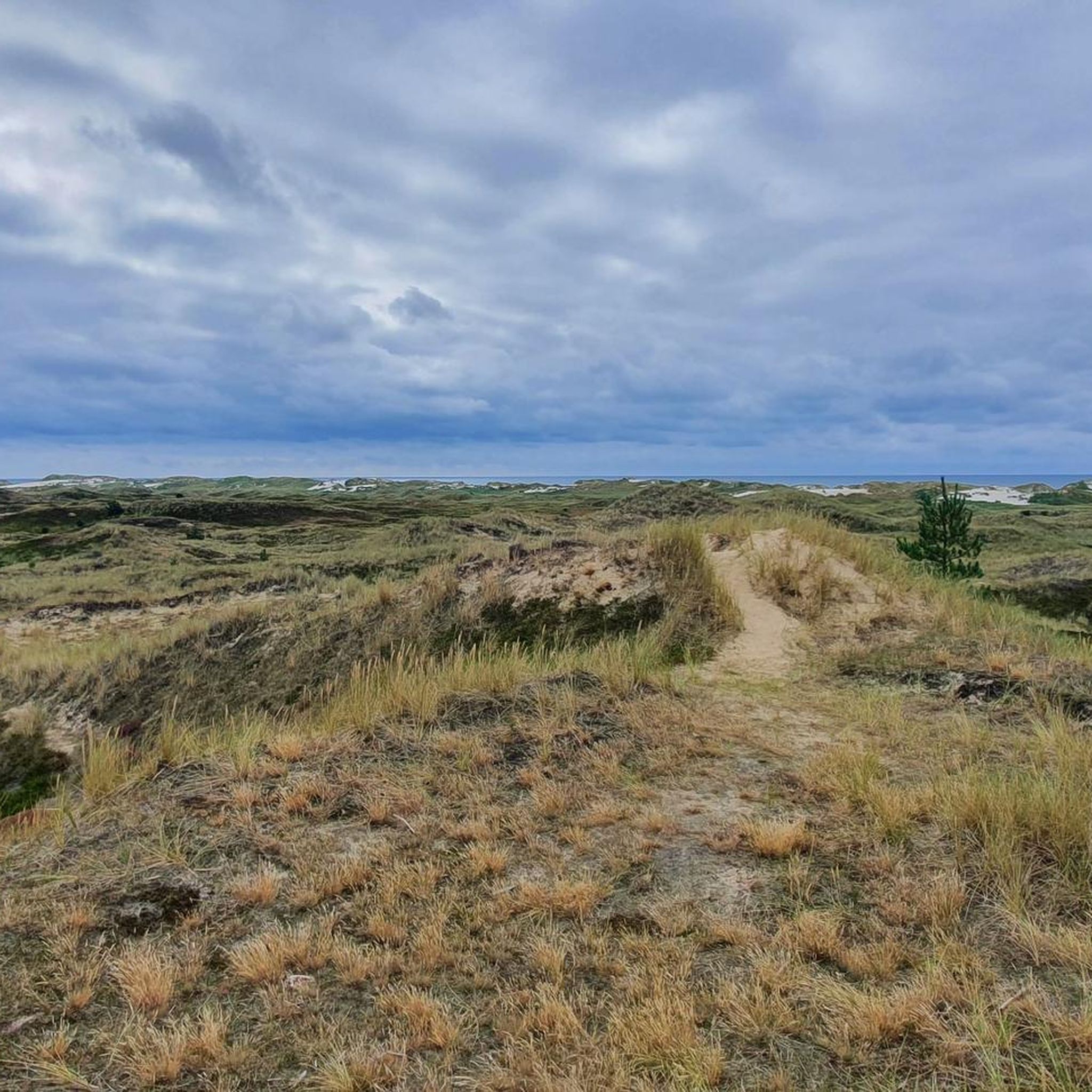
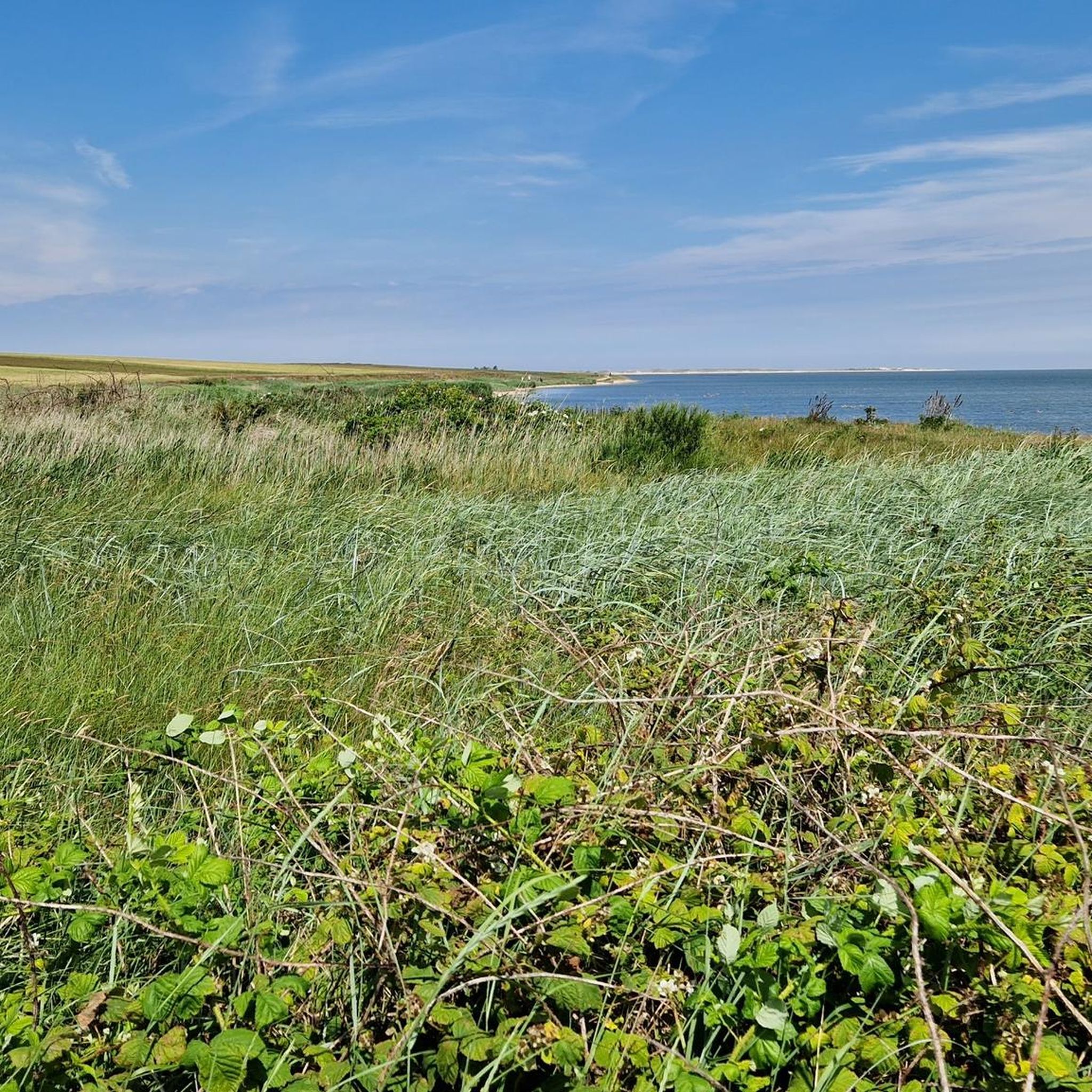
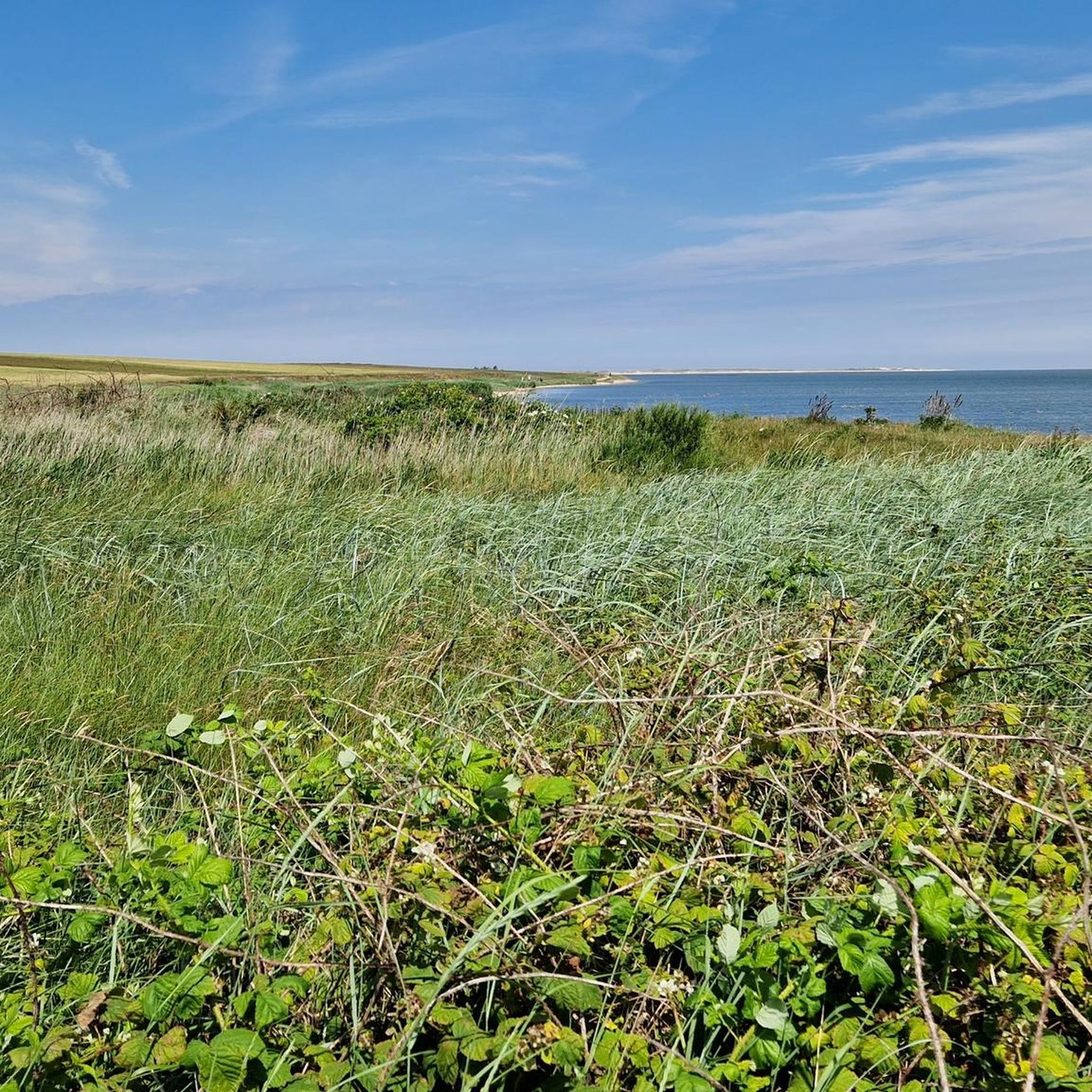
The Amrumer Odde is around two kilometers long and an average of 150 to 200 meters wide. It mainly consists of a dune belt up to 24 meters high. The Odde was created by the Kniepsand, which migrates steadily to the east or northeast. Around 150 hectares of the Odde are designated as a nature reserve, which is looked after by the Jordsand Association. Officially it is referred to as the “Nordspitze Amrum nature reserve on the island of Amrum in the Südtondern district” or as “Amrum-Odde”. The Odde serves as a nesting place for numerous seabirds. Therefore, during breeding season it is only allowed to move around the coastline. The Odde includes a gravel-covered spit, the actual northern tip of Amrum.
8
0

The Lembecksburg is an impressive ring wall from the 9th/10th century. Century and namesake for the island village “Borigsem”, as the “settlement near the castle” is called in Frisian. With a circumference of around 450 meters and a height of up to 13 meters, the ring wall northwest of Borgsum once served as a refuge and protective castle from the Vikings. In the 14th century it came into the possession of the Holstein nobleman Klaus Lembeck. The Danish King Waldemar IV besieged Borgsum Castle in 1374 because Lembeck refused to swear allegiance to him. When the nobleman no longer saw a way out, he sank the treasures into the well and fled in a boat across the tidal creek, which at that time still connected the Borgsum Marsh with the North Sea. The Lembecksburg is now an archaeological monument. On the Lembecksburg grounds you can have a wonderful picnic in the countryside. https://www.foehr.de/ausflugstipps
3
0

During the excavations carried out in the interior of the castle in 1951/52, the ground plans of the house were uncovered and numerous potsherds, loom weights, iron implements and soapstone vessels were recovered.
20
1
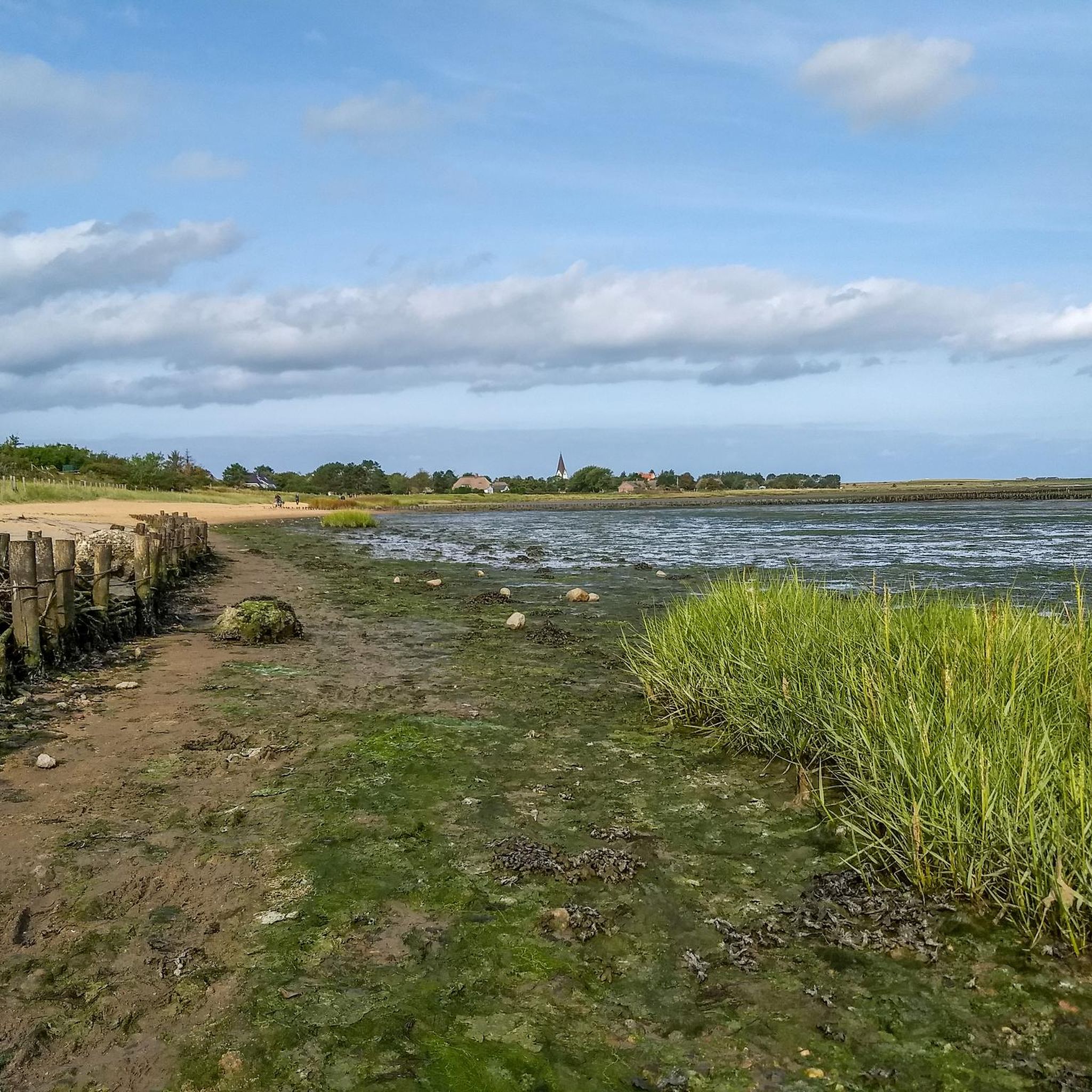
On the beach under the Goting cliff there are many boulders from the Saale Ice Age that are over 200,000 years old.
23
1

Wonderfully quiet in autumn, unfortunately there are no more guided tours
5
0

Magnificent view. A visit to the Cliff Café is also recommended.
4
0

A seemingly endless beach with a touch of the Caribbean.
4
0
Frequently Asked Questions
What unique natural features can I explore around Nebel?
Nebel, on the island of Amrum, offers diverse natural features. You can explore the extensive Amrum-Odde Nature Reserve, which features a high dune belt and serves as a nesting place for seabirds. The globally significant Wadden Sea, a UNESCO World Heritage site, borders Amrum's east coast, offering unique intertidal sand and mud flats. You can also find ancient geological formations like the boulders from the Saale Ice Age at Goting Cliff.
Are there opportunities for wildlife spotting in the natural monuments near Nebel?
Yes, the natural monuments around Nebel are excellent for wildlife spotting. The Amrumer Dünen (Amrum Dunes) are a critical habitat for specialized coastal plants and a significant breeding ground for seagulls and ducks. The Wadden Sea is crucial for migratory birds, with millions passing through annually, and is home to marine mammals like harbor seals, grey seals, and harbor porpoises. The Amrum-Odde Nature Reserve is particularly noted as a nesting place for numerous seabirds, and you might even spot seals near the beach.
What kind of hiking experiences can I find near Nebel's natural monuments?
You can find a variety of hiking experiences. The Amrumer Dünen offer designated hiking paths and wooden boardwalks through delicate dune ecosystems. For a unique experience, consider 'Wadlopen' (mudflat hiking) in the Wadden Sea with expert guides at low tide. The Amrumer Odde (northern tip of Amrum) offers a wonderful, albeit sandy, hike along the beach with beautiful nature and views of Föhr and Sylt. For more structured routes, explore the Easy hikes around Nebel guide.
Are there any historical sites integrated with the natural monuments around Nebel?
Yes, the area around Nebel has historical significance intertwined with its natural features. The Amrumer Dünen preserve ancient burial mounds and evidence of human settlement dating back to the Iron Age. Additionally, the Lembecksburg ring wall, an old fortification from the Viking Age, is situated on a natural Geestkern and is considered a natural monument itself, offering insights into early land use patterns.
Which natural monuments are suitable for families with children?
Several natural monuments around Nebel are family-friendly. The Amrumer Dünen have sections with wooden boardwalks that are suitable for families. Goting Cliff and its beach are great for enjoying the Wadden Sea and sunsets. The Amrumer Odde (northern tip of Amrum) is also a popular spot for families to enjoy nature. The Lembecksburg ring wall is another family-friendly natural monument with historical context.
Can I experience the Wadden Sea directly near Nebel?
Absolutely. The Wadden Sea borders Amrum's east coast, making it highly accessible from Nebel. You can experience this UNESCO World Heritage site through activities like 'Wadlopen' (mudflat hiking) at low tide, which offers an intimate connection with its rich biodiversity. The beach below Goting Cliff is also an excellent spot to enjoy the Wadden Sea.
What are some notable viewpoints to experience the landscape around Nebel?
For expansive views, the highest point on the island, Setzerdüne, within the Amrumer Dünen, offers panoramic vistas. While man-made, the Amrum Lighthouse, situated on a high dune, provides the highest vantage point in the Schleswig-Holstein Wadden Sea National Park, with unparalleled views after climbing its 197 steps. The Amrumer Odde (northern tip of Amrum) also offers great views of Föhr and Sylt.
What is the best time of year to visit the natural monuments around Nebel?
The natural monuments around Nebel offer beauty year-round, but the best time often depends on your interests. Spring and autumn are ideal for birdwatching, as millions of migratory birds pass through the Wadden Sea. Summer provides warmer weather for beach activities and longer days for exploring the dunes. However, the dynamic landscape and unique experiences like mudflat hiking can be enjoyed in various seasons, with appropriate clothing.
Are there other outdoor activities besides hiking near these natural monuments?
Yes, beyond hiking, the area around Nebel offers various outdoor activities. You can enjoy road cycling on routes like those found in the Road Cycling Routes around Nebel guide, or go jogging on trails such as those listed in the Running Trails around Nebel guide. Birdwatching is a popular activity, especially in the Wadden Sea and the Amrum-Odde Nature Reserve.
What do visitors particularly enjoy about the natural monuments in Nebel?
Visitors particularly enjoy the unique natural beauty and tranquility. Many appreciate the opportunity to experience the Wadden Sea up close, especially the sunsets from places like the beach under Goting Cliff. The Amrumer Odde (northern tip of Amrum) is loved for its uniquely beautiful nature and views, offering a great way to clear one's head. Bird and nature lovers find the protected areas, like the Amrum-Odde Nature Reserve, to be a highlight for observing seabirds and seals.
Can I bring my dog to the natural monuments around Nebel?
While many natural areas are dog-friendly, specific regulations apply in protected zones, especially during breeding seasons for birds. For instance, the Amrum-Odde Nature Reserve is a protected bird breeding and nesting site, so movement might be restricted to coastlines during certain times. It's always best to check local signage or official visitor information for specific rules regarding dogs in nature reserves to ensure compliance and protect wildlife.
Where can I find information about the unique dune landscapes of Amrum?
The Amrumer Dünen (Amrum Dunes) are a prominent feature of the island, spanning approximately 8 kilometers. You can find information about their diverse ecosystem, varied dune patterns, and vegetation types by exploring the designated hiking paths and wooden boardwalks within the dune system. The Amrum-Odde Nature Reserve, for example, consists of a high dune belt formed by the migrating Kniepsand, offering a prime example of these dynamic landscapes.
Most popular routes around Nebel
Most popular attractions around Nebel

Get inspired with the komoot mobile app


Explore more
Extend your search for the best caves by checking out these guides of the top ones around Nebel:
