Top 20 Natural Monuments around Zemitz
Best natural monuments around Zemitz are found in a region characterized by its tranquil and unspoiled natural environment, particularly on the nearby Gnitz Peninsula. This area features a diverse landscape with wild steep banks, wooded ridges, open dunes, and salt marshes. The natural features provide opportunities for outdoor activities like hiking and cycling.
Best natural monuments around Zemitz
- The most popular natural monument is White Cliffs of Weißer Berg, a viewpoint that offers panoramic views over the Achterwasser, Krumminer…
Last updated: July 8, 2026
White Cliffs of Weißer Berg
Highlight (Segment) • Viewpoint
Translated by Google •
Tip by

Lütow-Netzelkow Megalithic Passage Grave
Highlight • Historical Site
Translated by Google •
Tip by

Sign up now to discover places like this
Get recommendations on the best single tracks, peaks, & plenty of other exciting outdoor places.
Sign up for free
Wrangelsburg Castle
Highlight • Castle
Translated by Google •
Tip by

White mountain
Highlight • Viewpoint
Translated by Google •
Tip by

Linden Avenue on Usedom
Highlight • Natural Monument
Translated by Google •
Tip by

Sign up for free to discover even more natural monuments around Zemitz.
Sign up for free
Already have an account?
Start today with a free account
Your next adventure awaits.
Login or Signup
Tips from the Community


Wrangelsburg Castle is a manor house in Wrangelsburg in the Vorpommern-Greifswald district. It was built in 1880 and has been privately owned since 2017.
0
0

The current castle was built in 1878. The previous building was converted into a baroque castle in 1652 by Carl Gustav Wrangel, the Swedish general governor of Pomerania. In 1945 it was expropriated and occupied by the Soviet military administration. Today it is in private hands.
5
0

Well maintained and restored, only the capstone is missing
0
0

At this spot there is a megalithic passage grave, created around 5000 years ago. A small plaque provides further information and a seating area invites you to rest.
0
0

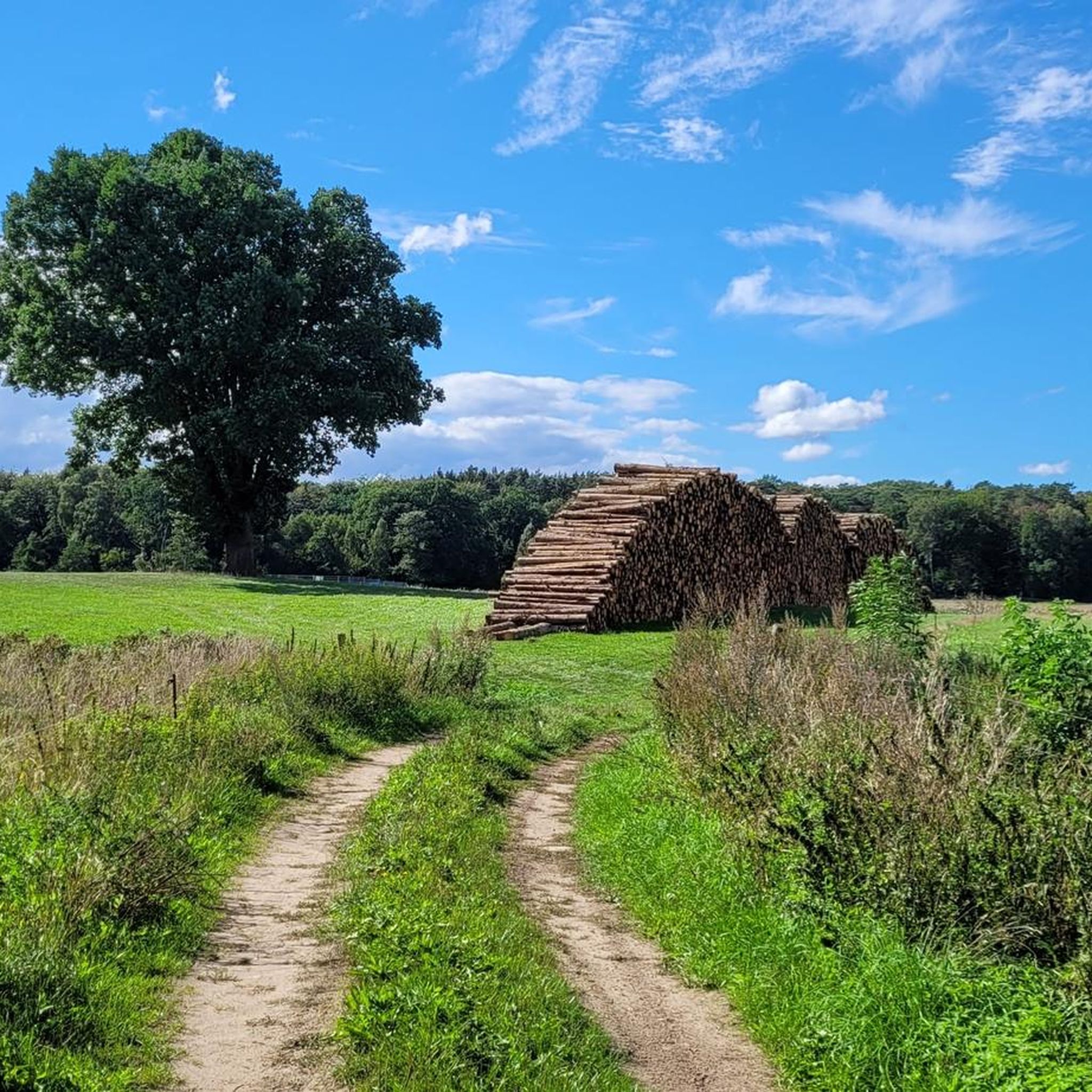
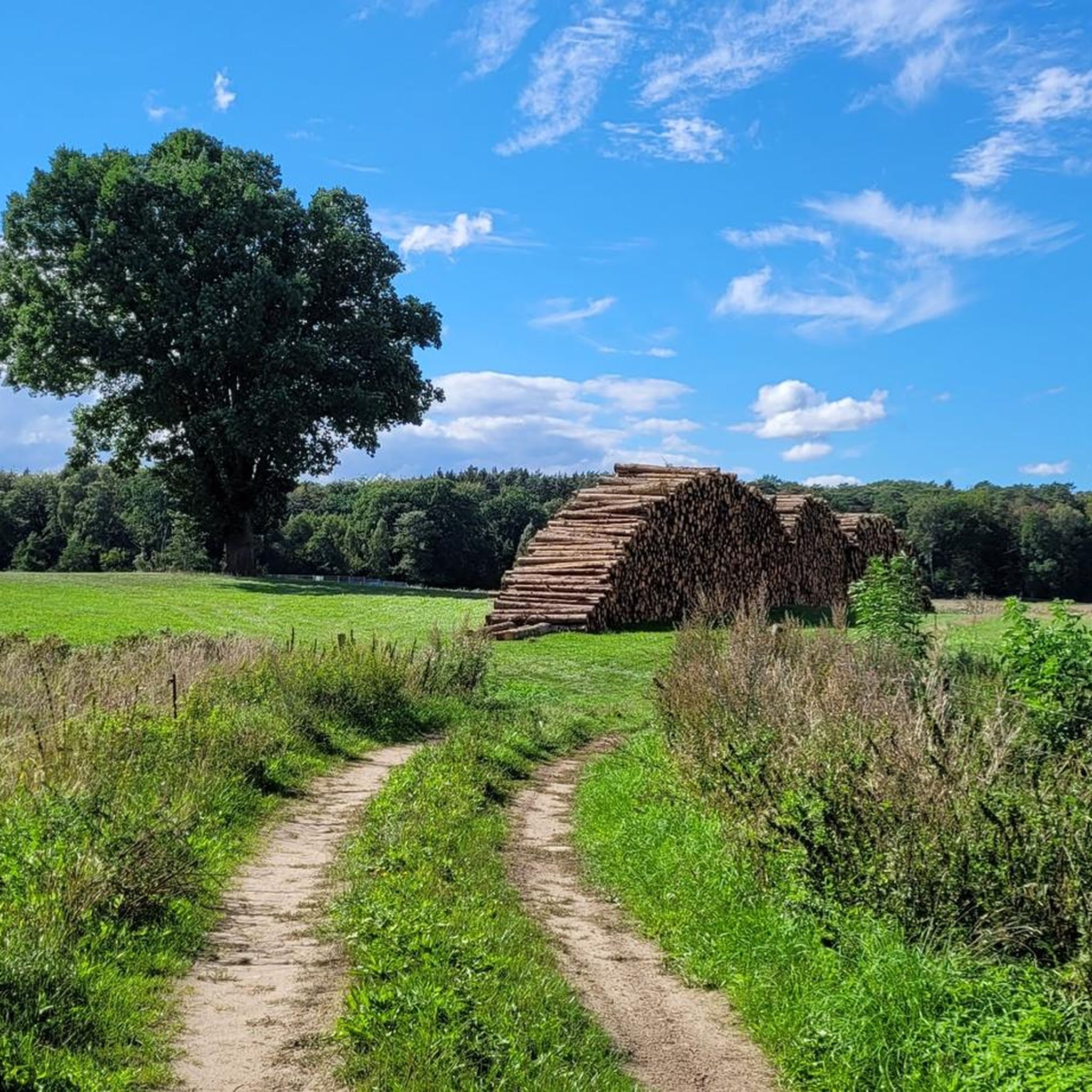
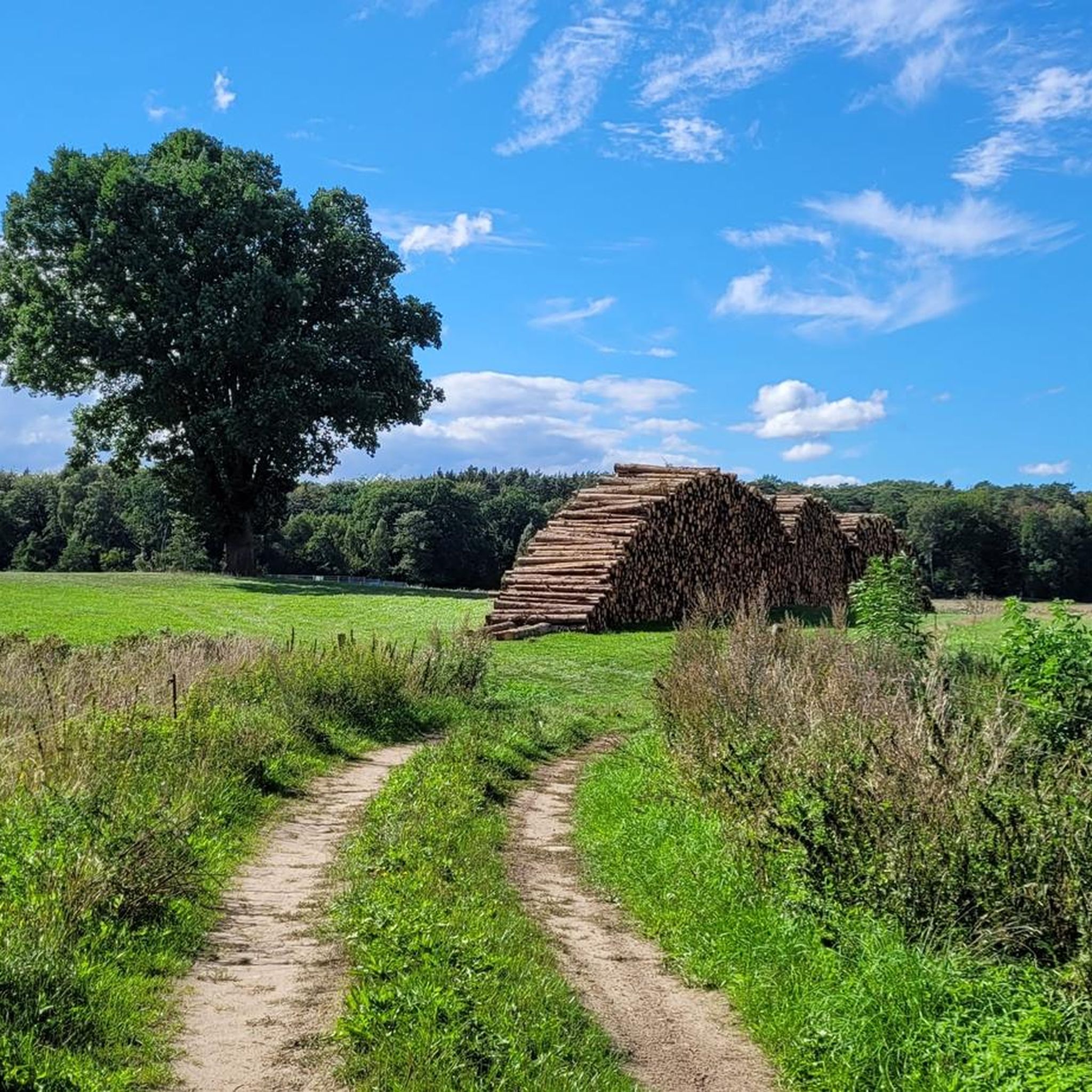
Great up and down path with fantastic views. Pure nature away from the hustle and bustle of seaside resorts.
5
2

The avenue, with its many very old trees, is really impressive and also beautiful to look at. The trees line a historic path, and many people have probably passed by them on this route. Due to the lack of a separate cycle path, the route runs along the K 27, so cyclists have to share the road with vehicles.
5
2
Frequently Asked Questions
What are the most prominent natural features to explore around Zemitz?
The region around Zemitz is characterized by the tranquil and unspoiled natural environment of the nearby Gnitz Peninsula. Here, you'll find a diverse landscape featuring wild steep banks, wooded ridges, open dunes, and blooming salt marshes. Key natural monuments include the White Cliffs of Weißer Berg, the impressive Linden Avenue on Usedom, and the ancient Lütow-Netzelkow Megalithic Passage Grave.
Are there good viewpoints to enjoy the scenery near Zemitz?
Yes, the White Cliffs of Weißer Berg on the Gnitz Peninsula offer stunning panoramic views over the Achterwasser, the Krumminer Wiek, and the Peene River. These views are particularly enchanting during the evening hours. Möwenort, the southern tip of Gnitz, also provides expansive, breathtaking views over the backwaters.
What kind of historical natural monuments can I find in the area?
The Lütow-Netzelkow Megalithic Passage Grave is a significant historical natural monument. This ancient burial site from the Neolithic period, built around 3,000 BC, is surrounded by a mighty beech tree, creating a mystical atmosphere. Another unique historical feature is the Rieke Stone, a glacial erratic boulder with a weathered inscription and a local legend.
What outdoor activities can I do near the natural monuments around Zemitz?
The Gnitz Peninsula, home to many natural monuments, is ideal for outdoor activities. You can enjoy extensive hiking and cycling. For specific routes, explore the hiking trails around Zemitz or the MTB trails around Zemitz. There are also options for gravel biking, with routes like the 'View of the Peenestrom' loop.
Are there family-friendly natural monuments or trails in the Zemitz area?
Yes, the Lütow-Netzelkow Megalithic Passage Grave is categorized as family-friendly, offering an interesting historical and natural experience. The tranquil environment of the Gnitz Peninsula generally provides pleasant settings for family walks, though specific trails should be checked for difficulty.
What is special about the White Cliffs of Weißer Berg?
The White Cliffs of Weißer Berg are notable for their 32-meter height and the stunning panoramic views they offer. The cliff gets its name from the light-colored sand along its edge and is characterized by ancient pine trees. It's also a significant ecological site, hosting Usedom's largest sand martin colony and providing a vital habitat for many endangered animal and plant species, making it a paradise for birdwatchers.
What do visitors say about the natural monuments around Zemitz?
Visitors frequently praise the tranquility and unspoiled nature of the Gnitz Peninsula. The White Cliffs of Weißer Berg are highlighted for their beautiful wild paths along the cliffs and the views over the backwater. The Lütow-Netzelkow Megalithic Passage Grave is described as a 'historical and mystical place'.
Can I observe wildlife near the natural monuments?
Absolutely. The Gnitz Peninsula is a true nature reserve paradise. The White Cliffs of Weißer Berg are home to Usedom's largest sand martin colony and are a vital habitat for many endangered animal and plant species. At Möwenort, the southern tip of Gnitz, visitors often have the chance to observe white-tailed eagles.
Are there any unique geological features in the area?
Yes, the Rieke Stone is a notable geological feature. It's a large glacial erratic boulder, measuring 2 meters high, 2 meters wide, and 3.5 meters long, with a volume of approximately 8.4 cubic meters. It's also associated with a local legend involving giants.
What is the best time of year to visit the natural monuments around Zemitz?
The Gnitz Peninsula offers beauty throughout the year. Spring and summer are excellent for enjoying blooming salt marshes and observing birdlife. The panoramic views from the White Cliffs of Weißer Berg are particularly enchanting during evening hours in warmer months. Autumn brings vibrant colors to the wooded ridges.
Are there any natural monuments that are particularly good for cycling?
The Gnitz Peninsula, where many natural monuments are located, offers numerous opportunities for cycling. While the Linden Avenue on Usedom runs along a road shared with vehicles, the broader region has many cycling routes. You can find various options, including easy to moderate routes, in the MTB trails around Zemitz and gravel biking guides.
Most popular attractions around Zemitz

Get inspired with the komoot mobile app


Explore more
Extend your search for the best caves by checking out these guides of the top ones around Zemitz:
