Top 13 Natural Monuments around Behrenhoff
Best natural monuments around Behrenhoff offer a blend of natural beauty and historical significance within the Mecklenburg-Vorpommern region. The area is characterized by its diverse landscapes, including historic parks and unique natural formations. Behrenhoff itself is home to the notable Behrenhoff Landscape Park, a listed building designed by Peter Joseph Lenné. These natural monuments provide opportunities for outdoor activities such as cycling and hiking.
Best natural monuments around Behrenhoff
- The most popular natural monuments is Behrenhoff Landscape Park, a…
Last updated: June 25, 2026
Credner Park
Highlight • Rest Area
Translated by Google •
Tip by

Söllkensee near Potthagen
Highlight • Lake
Translated by Google •
Tip by

Sign up now to discover places like this
Get recommendations on the best single tracks, peaks, & plenty of other exciting outdoor places.
Sign up for free
Behrenhoff Landscape Park
Highlight • Natural Monument
Translated by Google •
Tip by

Friedrich-Ludwig-Jahn-Gymnasium and Russian Cemetery
Highlight • Historical Site
Translated by Google •
Tip by

Hill for wild bees
Highlight • Natural Monument
The hill was pushed up …
Translated by Google •
Tip by
Sign up for free to discover even more natural monuments around Behrenhoff.
Sign up for free
Already have an account?
Start today with a free account
Your next adventure awaits.
Login or Signup

Tips from the Community

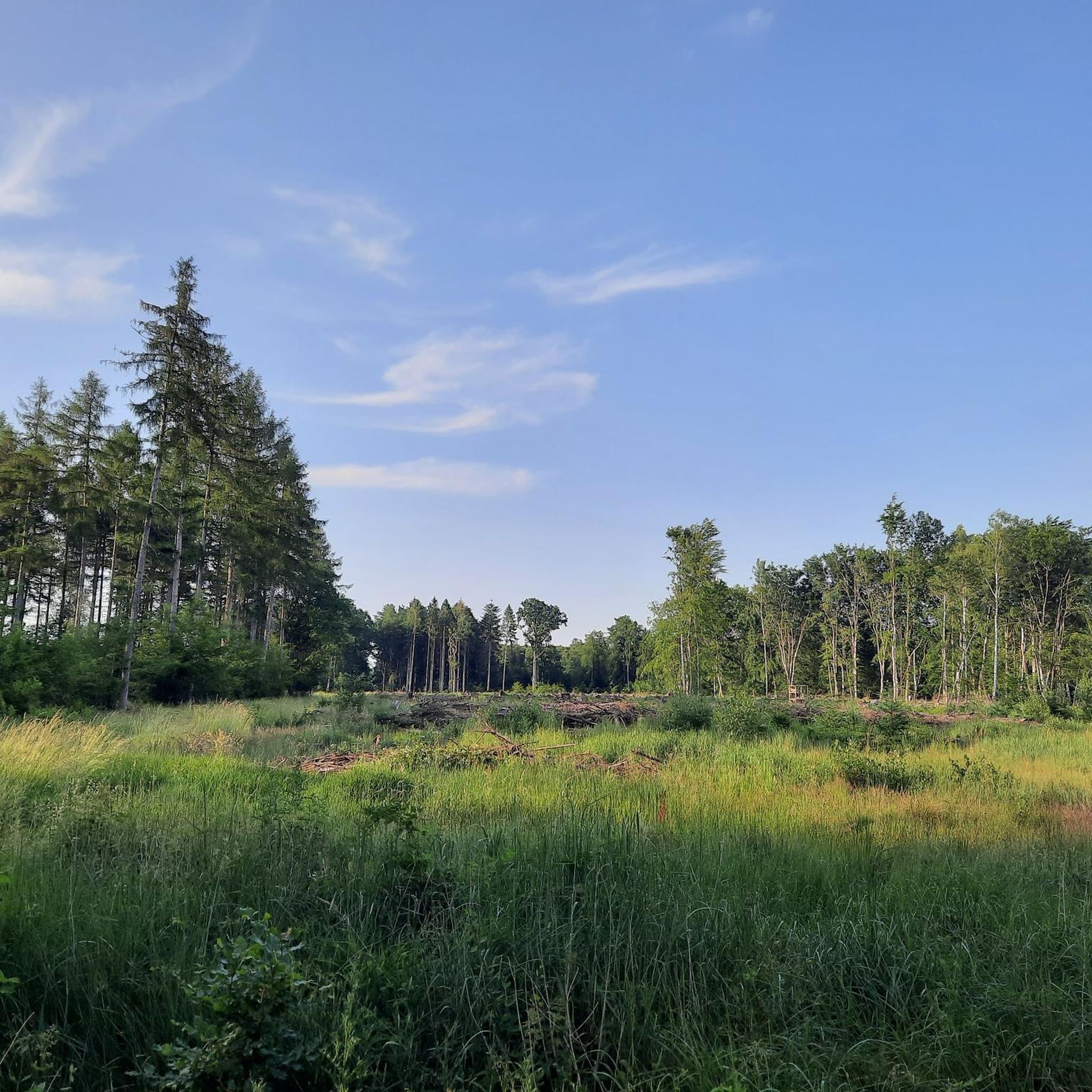
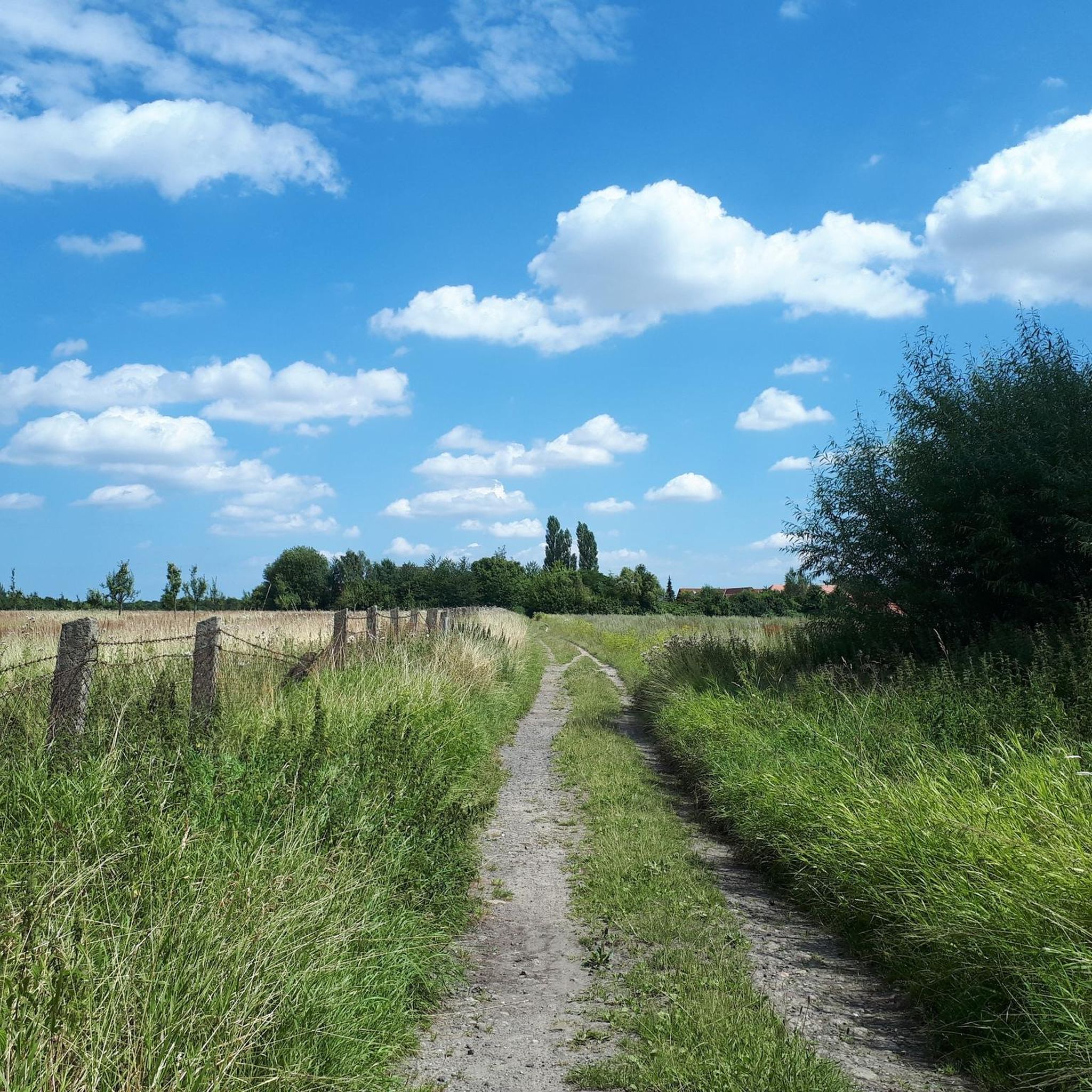
For several years now, there has been a refuge here for the important little helpers in the landscape of fields and meadows: the wild bees. The hill was pushed up by the agricultural company and is kept clear by the kindergarten group in Guest, because these bees and bumblebees don't like vegetation. They prefer full sun and sand so that they can build breeding tubes and their eggs can develop well. They are therefore typical open land species and live in lean grassland, ruderal areas and fallow land with a corresponding supply of wild flowers. Until 2023, they were able to visit plenty of flowers on the lean meadow or fallow land here. In spring and early summer, on sunny days, you're sure to find a few sand bees to observe. On the other side of the path you can find wild flowers. More information on the board at the other end of the path just before the edge of town. More information about wild bees, including in gardens and parks: https://de.wikipedia.org/wiki/Sandbienen https://www.deutschland-summt.de/wildbienenarten.html
0
0

The Credner facilities are located in the immediate vicinity of the Greifswald Zoo. The park was donated by the German geologist and geographer Rudolf Credner, who went down in history as an associate professor at the University of Greifswald. He was also the founder of the Geographical Society of Greifswald, which erected a monument to him in the Credner complex in 1912. You can take beautiful walks in the spacious park. There is also a small pond here, which gives the place an idyllic ambience. https://www.online-destination.de/deutschland/greifswald/credner-anlagen.html#google_vignette
4
1
Today's Friedrich-Ludwig-Jahn-Gymnasium is one of the oldest in Germany and was founded in 1561 as Schola Senatoria (council school) by combining the three local trivial schools and housed in a wing of the “Gray Monastery” - this was the name of the Franciscan monastery that was abandoned after the Reformation Greifswald. With the new curriculum introduced in 1816 after the transfer of Swedish Pomerania to Prussia, the institution took on the character of a learned school. Around 1820 the school was converted into a grammar school. In 1848 a real department was opened. Because of the increasing number of students, the current building on Wall was moved into in 1870. In 1913, the high school was transferred from municipal to Prussian administration and was later included in the group of 17 educational institutions of particular importance to the state. Since 1937 the high school was called “Friedrich-Ludwig-Jahn-Schule”. (Source https://de.wikipedia.org/wiki/Friedrich-Ludwig-Jahn-Gymnasium_Greifswald) In front of the building on Dietrich-Bonhoeffer-Platz there is an oak tree as a (natural) monument. Across the street is the Russian Cemetery. Honorary cemetery for at least 24 fallen members of the Red Army.
0
0

Landscape park with old trees and an eventful history. https://de.wikipedia.org/wiki/Landschaftspark_Behrenhoff#Schloss_Behrenhoff The landscape park is around ten hectares in size, the swan pond (former peat pond) in the southern part is three hectares. It extends from the northern edge of the village, where the old farm buildings of the former estate are still located, in a southwesterly direction. It is divided in two by the village street. The area is separated from the street and the historic estate village by a wall, which also includes the cemetery with the Behrenhoffer Church. The entrance to the northern part is dominated by the striking Bärentor, built around 1900. The two plastered pillars have coupled double half-columns at the front and back. They are crowned by bears with heraldic shields. The bear on the left holds the coat of arms of the von Heyden family, the one on the right that of the von Behr family. The park's rich dendrological stock includes a leatherbush tree, two copper beeches, a tulip tree, a red oak with a witch's broom, a multi-stemmed sweet chestnut and a multi-stemmed silver linden tree. There are also several lily magnolias and rhododendrons in the complex. In spring, larger populations of Märzenbecher characterize the park.
0
0

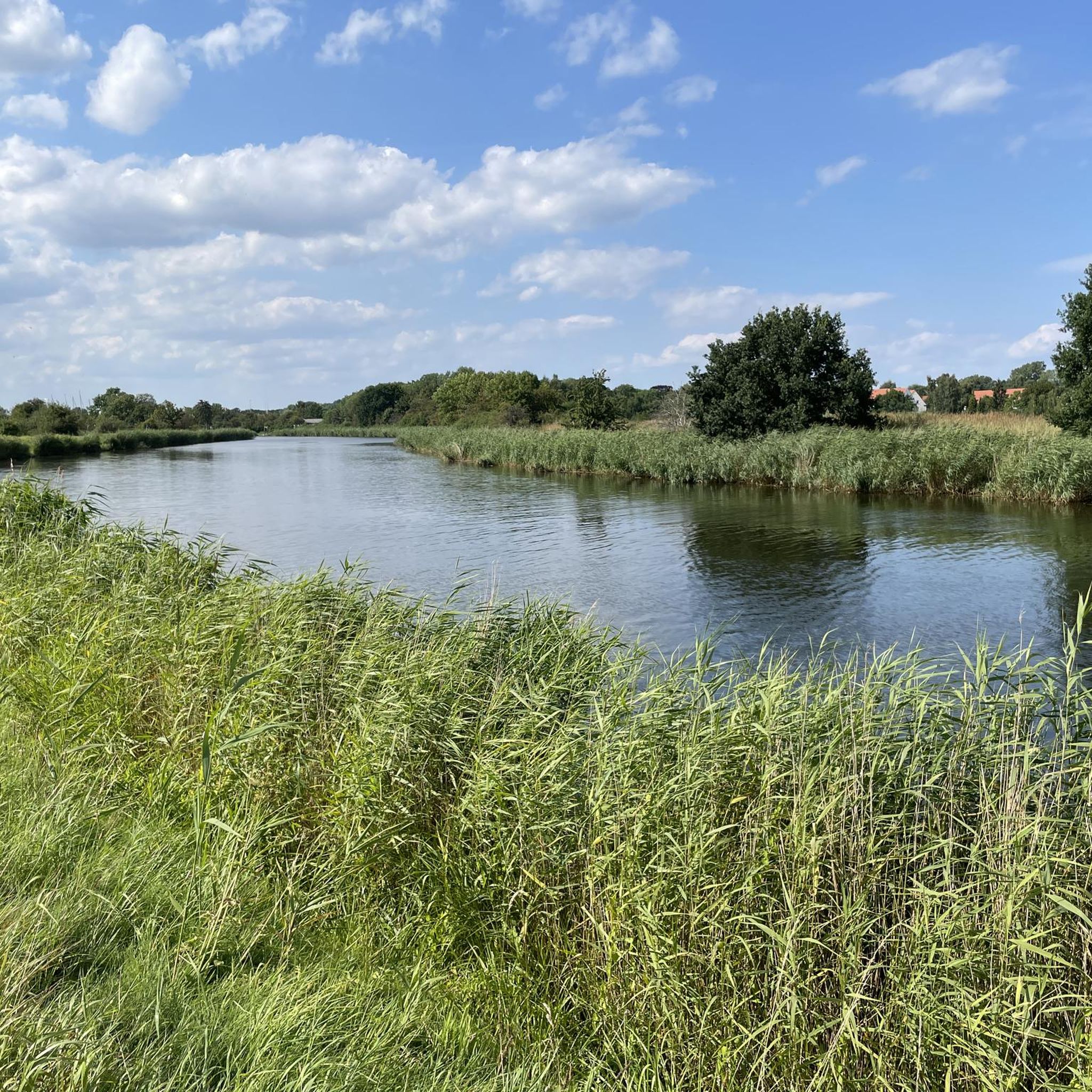
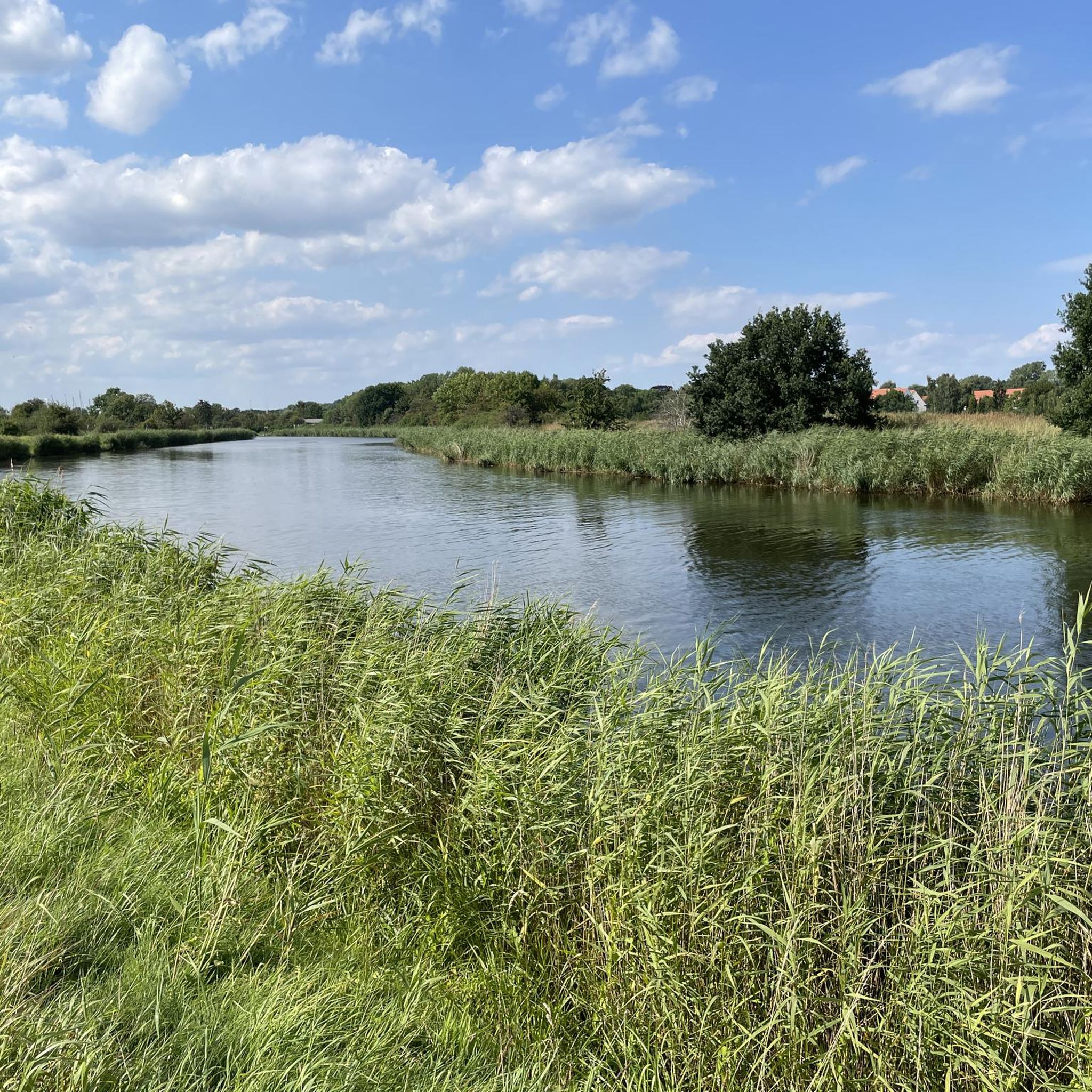
The Söllkensee was created in the 19th century by peat extraction in "Küsterbäcks Moor", a meltwater channel of the Greifswald terminal moraine. Today it is a natural monument and spawning ground for common toads and moor frogs. In the north-eastern part, the new siltation process is clearly visible. A cotton grass peat bog has formed here, which is partly forested with downy birches.
4
0

A lovely little park that also has a playground at the west end.
1
0

Very well maintained and crowded... busy and still beautiful. Illuminated in the dark
3
0
Very nice, well-kept facility. Well lit even in the dark.
1
0
Frequently Asked Questions
What are some unique natural monuments to explore around Behrenhoff?
Beyond the well-known Behrenhoff Landscape Park, you can discover the tranquil Söllkensee near Potthagen, a lake formed by peat extraction that serves as a spawning ground for frogs. Another interesting spot is Hill for wild bees, a dedicated refuge for these important pollinators.
What historical significance do the natural monuments in Behrenhoff hold?
The Behrenhoff Landscape Park is a prime example, laid out between 1840 and 1860 by renowned landscape architect Peter Joseph Lenné. It features remnants of the original estate, such as the striking Bärentor, and is a listed building. Even the Söllkensee near Potthagen has historical roots, created in the 19th century through peat extraction.
Are there any natural monuments suitable for families with children?
Yes, several natural monuments are family-friendly. Credner Park offers a pleasant environment with a pond and playground, perfect for walks and children's activities. The Behrenhoff Landscape Park is also suitable for families, with its open spaces and diverse flora. The Hill for wild bees provides an educational opportunity to observe nature.
What kind of flora and fauna can I expect to see?
The Behrenhoff Landscape Park boasts a rich dendrological stock, including rare trees like copper beeches, a tulip tree, and multi-stemmed sweet chestnuts. In spring, you might see larger populations of Märzenbecher. At Söllkensee near Potthagen, it's a spawning ground for common toads and moor frogs, and you can observe cotton grass peat bog and floating pondweed. The Hill for wild bees is, as its name suggests, a haven for various wild bee species.
What is the best time of year to visit the natural monuments around Behrenhoff?
Spring and early summer are particularly rewarding. In spring, the Behrenhoff Landscape Park comes alive with Märzenbecher, and you can observe blue moor frogs at Söllkensee near Potthagen. Sunny days in spring and early summer are also ideal for observing wild bees at the Hill for wild bees. The diverse flora of the parks makes them beautiful throughout the warmer months.
Are there opportunities for hiking or cycling near these natural monuments?
Yes, the region around Behrenhoff is excellent for outdoor activities. You can find numerous routes for hiking and cycling. For example, there are easy hikes like the "Bench at Söllkensee – Söllkensee near Potthagen loop from Weitenhagen" which takes you close to the natural monument. For more options, explore the Easy hikes around Behrenhoff or MTB Trails around Behrenhoff guides.
Is parking available at the natural monuments?
Yes, parking is available at some locations. The Behrenhoff Landscape Park has designated parking facilities. For other sites, it's advisable to check local signage or consider parking in nearby villages and walking to the monument.
Are dogs allowed at the natural monuments?
While specific rules can vary, generally, dogs are welcome in many natural areas around Behrenhoff, especially on trails and in parks, provided they are kept on a leash and owners clean up after them. Always look for local signage at each specific natural monument for any particular restrictions.
How long should I plan for a visit to the natural monuments?
For a thorough exploration of the Behrenhoff Landscape Park, including its historical elements and diverse trees, you might want to allocate 1-2 hours. Shorter visits of 30-60 minutes are sufficient for places like Credner Park or the Hill for wild bees. If you plan to combine multiple sites or include a hike, a half-day or full-day trip would be ideal.
What unique natural features should I look out for in the Behrenhoff Landscape Park?
In the Behrenhoff Landscape Park, be sure to look for the swan pond, which was originally a peat pond. The park is also known for its exceptional dendrological stock, including two impressive copper beeches, a tulip tree, a red oak with a witch's broom, and a multi-stemmed sweet chestnut. The striking Bärentor (Bear Gate) at the entrance is also a notable feature.
What do visitors enjoy most about the natural monuments around Behrenhoff?
Visitors appreciate the blend of natural beauty and historical context, especially in the Behrenhoff Landscape Park. The serene atmosphere of places like Credner Park and the unique ecological significance of Söllkensee near Potthagen are also highly valued. The opportunity for peaceful walks and observing nature is a common highlight.
Are there any running trails near the natural monuments?
Yes, the area offers several running trails. You can find moderate running loops starting from Weitenhagen, with distances ranging from 6 km to over 14 km. These trails often pass through scenic natural areas. For detailed routes, refer to the Running Trails around Behrenhoff guide.
Most popular routes around Behrenhoff
Most popular attractions around Behrenhoff

Get inspired with the komoot mobile app


Explore more
Extend your search for the best caves by checking out these guides of the top ones around Behrenhoff:
