Top 6 Natural Monuments around Gribow
Best natural monuments around Gribow offer diverse landscapes for exploration. The region features a mix of historical sites, expansive parks, and natural waterways. Visitors can discover areas shaped by both human history and geological processes. Gribow's natural monuments provide opportunities to experience its unique environment.
Best natural monuments around Gribow
- The most popular natural monuments is Wrangelsburg Castle, a castle and natural monument that features a beautiful lake and castle park. The current castle was built in 1878, with a previous baroque conversion in 1652.
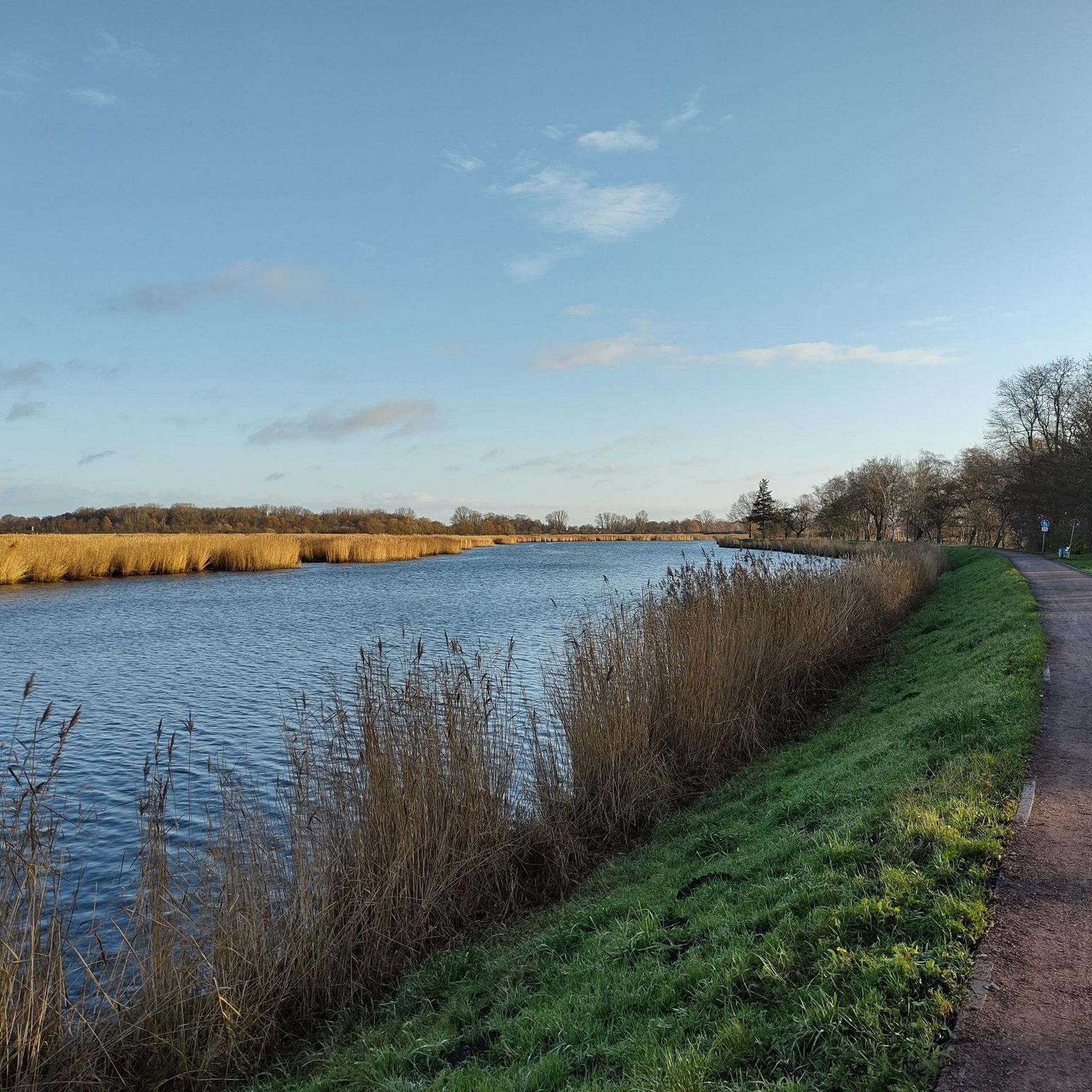
- Another must-see spot is Peene River, a river and natural monument with historical significance. This river was once a border between Prussian old Vorpommern and Swedish Pomerania from 1720 to 1815.
- Visitors also love Behrenhoff Landscape Park, a natural monument with old trees and a rich history. This listed landscape park was laid out between 1840 and 1860 according to plans by Peter Joseph Lenné.
- Gribow is known for its rivers, lakes, and landscape parks. The area offers a variety of natural monuments to see and explore, including historical sites integrated into the natural environment.
- The natural monuments around Gribow are appreciated by the komoot community, with more than 130 upvotes and over 130 photos shared by visitors.
Last updated: July 8, 2026
Wrangelsburg Castle
Highlight • Castle
Translated by Google •
Tip by

Behrenhoff Landscape Park
Highlight • Natural Monument
Translated by Google •
Tip by

Sign up now to discover places like this
Get recommendations on the best single tracks, peaks, & plenty of other exciting outdoor places.
Sign up for free
Behrenhoff Manor Ruins
Highlight • Historical Site
Translated by Google •
Tip by
Peene River
Highlight • River
Translated by Google •
Tip by
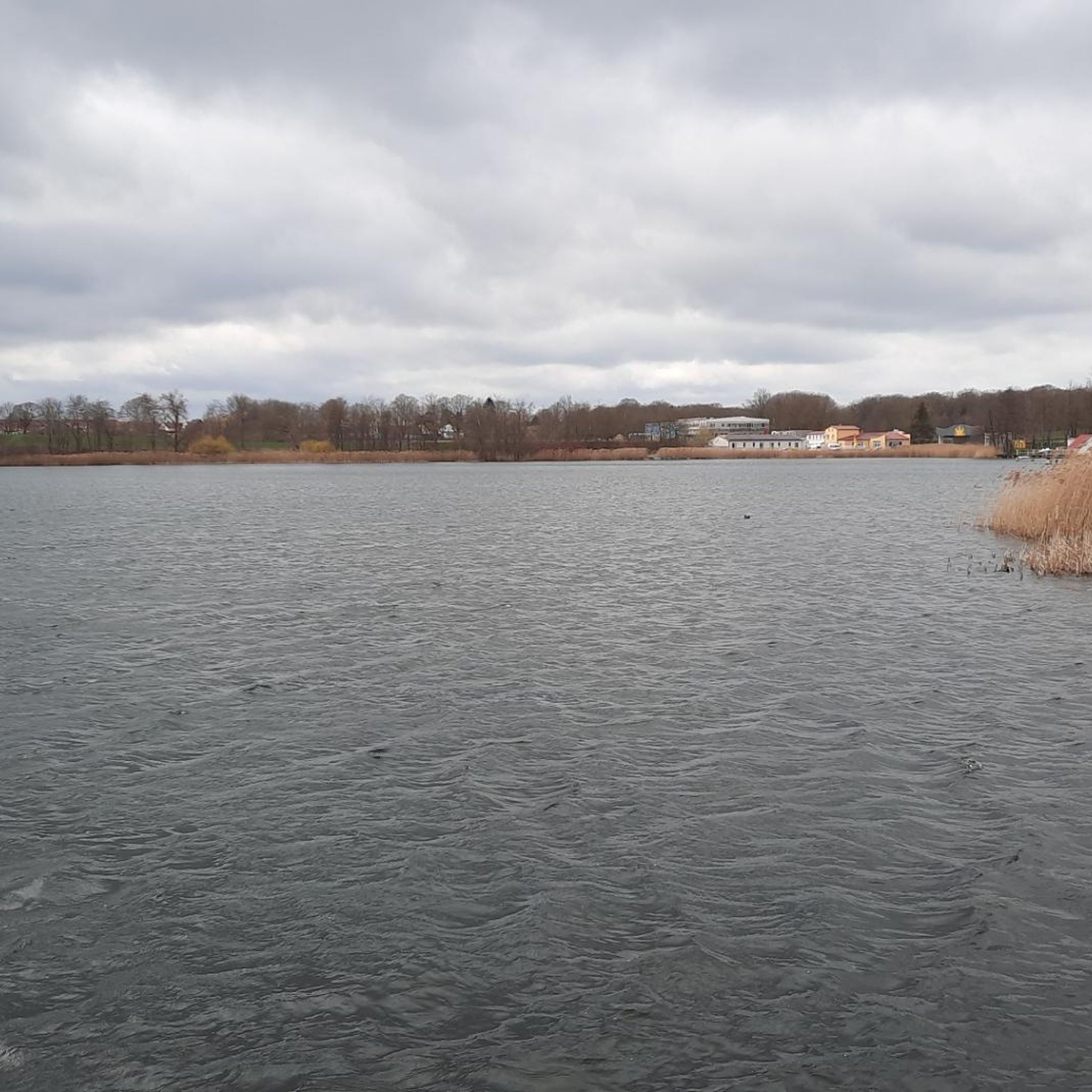
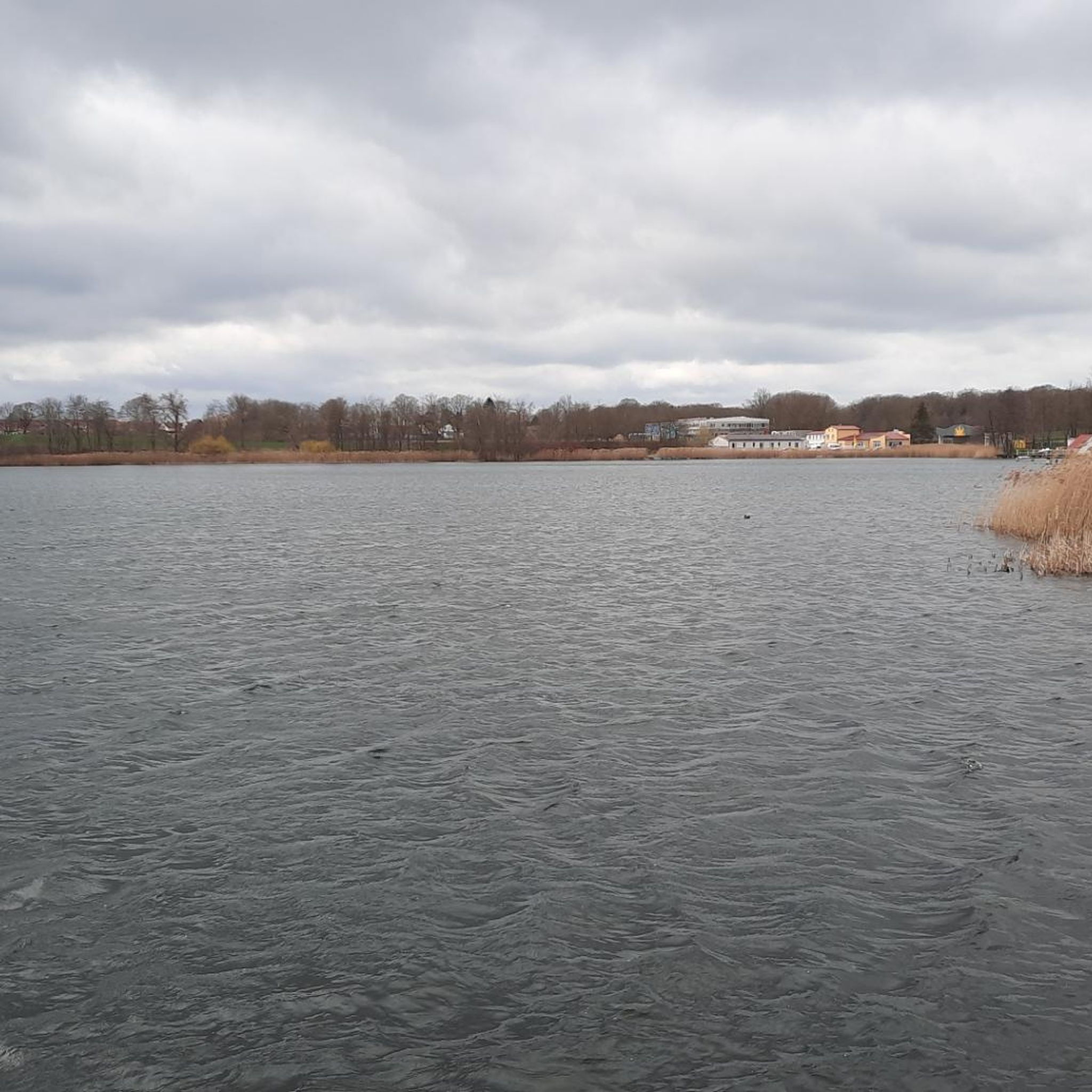
View of Schlosssee
Highlight • Lake
Together with the Great and the Little Black Lake, the Schlosssee lies in a 27 to 35 meter high level within a Randmoränenzuges. The lakes are remnants of a glacial reservoir.
On the southern shore is a landscaped park.
Directly opposite is an old war cemetery.
Translated by Google •
Tip by

Sign up for free to discover even more natural monuments around Gribow.
Sign up for free
Already have an account?
Start today with a free account
Your next adventure awaits.
Login or Signup

Tips from the Community


Wrangelsburg Castle is a manor house in Wrangelsburg in the Vorpommern-Greifswald district. It was built in 1880 and has been privately owned since 2017.
0
0

The current castle was built in 1878. The previous building was converted into a baroque castle in 1652 by Carl Gustav Wrangel, the Swedish general governor of Pomerania. In 1945 it was expropriated and occupied by the Soviet military administration. Today it is in private hands.
5
0

Great view on the Peene during the ferry ride
1
0

Behrenhoff was called Busdorf until 1804 and had belonged to the von Behr family since the 14th century. On behalf of Carl Felix Georg von Behr, a two-story, late classicist manor house was built in the 1830s to replace the previous baroque manor house. The architect was possibly Friedrich Hitzig. His widow Louise Wilhelmine Gustava von Heyden had a landscape park created in the 1840s based on the plan of Peter Joseph Lenné.[2] Mechthild Countess von Behr, the last noble owner, was granted lifelong usufruct after her husband's death. She was against the National Socialists. Approached by Albrecht Schönherr, from 1936/1937 it offered accommodation on the estate for Confessing Church events. Bible studies and lectures took place during the so-called free periods. In addition to Schönherr, Eberhard Bethge, Günter Jacob, Volkmar Herntrich and Ernst Lohmeyer, among others, gave lectures. It is unclear whether Dietrich Bonhoeffer actually took part in events in Behrenhoff, as stated several times. On May 8, 1945, the mansion burned down. The ruins were later dismantled to produce building materials for new farms. https://de.wikipedia.org/wiki/Landschaftspark_Behrenhoff#Schloss_Behrenhoff
0
0
Landscape park with old trees and an eventful history. https://de.wikipedia.org/wiki/Landschaftspark_Behrenhoff#Schloss_Behrenhoff The landscape park is around ten hectares in size, the swan pond (former peat pond) in the southern part is three hectares. It extends from the northern edge of the village, where the old farm buildings of the former estate are still located, in a southwesterly direction. It is divided in two by the village street. The area is separated from the street and the historic estate village by a wall, which also includes the cemetery with the Behrenhoffer Church. The entrance to the northern part is dominated by the striking Bärentor, built around 1900. The two plastered pillars have coupled double half-columns at the front and back. They are crowned by bears with heraldic shields. The bear on the left holds the coat of arms of the von Heyden family, the one on the right that of the von Behr family. The park's rich dendrological stock includes a leatherbush tree, two copper beeches, a tulip tree, a red oak with a witch's broom, a multi-stemmed sweet chestnut and a multi-stemmed silver linden tree. There are also several lily magnolias and rhododendrons in the complex. In spring, larger populations of Märzenbecher characterize the park.
0
0

The castle is private and not accessible, but walking (not cycling) is allowed on the park paths - it's worth it. A very well-kept facility.
0
0
Frequently Asked Questions
What are some of the most notable natural monuments around Gribow?
The region around Gribow offers several interesting natural monuments. Among them are Wrangelsburg Castle, which features a beautiful lake and castle park, and the Peene River, known for its historical significance as a former border. Another highlight is Behrenhoff Landscape Park, recognized for its old trees and rich history.
What kind of natural features can I expect to see among Gribow's natural monuments?
You can expect to find a diverse range of natural features, including rivers like the Peene River, lakes such as the Schlosssee, and expansive landscape parks like Behrenhoff Landscape Park with its ancient trees. The area's geology also features remnants of glacial reservoirs.
Are there historical sites integrated with the natural monuments in the Gribow area?
Yes, many natural monuments around Gribow have significant historical connections. For example, Wrangelsburg Castle is a castle and natural monument with a history dating back to 1652. The Peene River served as a border between Prussian and Swedish Pomerania. Additionally, Behrenhoff Landscape Park was designed by Peter Joseph Lenné and is home to the ruins of Behrenhoff Manor, which has a fascinating past.
Are there family-friendly natural monuments in the Gribow area?
Yes, several natural monuments around Gribow are suitable for families. Wrangelsburg Castle with its lake and park, the Peene River, and Behrenhoff Landscape Park are all categorized as family-friendly, offering space for exploration and relaxation.
What outdoor activities can I do near these natural monuments?
The Gribow region offers various outdoor activities. You can find numerous routes for cycling, hiking, and mountain biking. For example, there are easy cycling tours like the "St. Nicolai Church, Gützkow – Peene Bridge Jarmen loop" and easy hikes such as the "Path Along the Lake – Kosenowsee Loop Trail." You can explore more options in the Cycling around Gribow, Easy hikes around Gribow, and MTB Trails around Gribow guides.
Are there hiking trails near the natural monuments around Gribow?
Yes, there are several hiking trails available. For easy walks, you can explore routes like the "Path Along the Lake – Kosenowsee Loop Trail" or the "Liepen Church loop." These trails offer a chance to experience the natural beauty of the area. Find more details in the Easy hikes around Gribow guide.
What do visitors enjoy most about the natural monuments in Gribow?
Visitors particularly appreciate the blend of nature and history. The beautiful lake and castle park at Wrangelsburg Castle invite lingering, while the Peene River offers insights into the region's past. The old trees and historical context of Behrenhoff Landscape Park are also highly valued.
Is there parking available at the natural monuments?
Yes, parking is available at several locations. For instance, both Wrangelsburg Castle and Behrenhoff Landscape Park offer parking facilities, making them convenient to visit by car.
Can I visit the Schlosssee and what are its features?
Yes, you can visit the Schlosssee. This lake extends about 595 meters and is surrounded by wooded banks to the north and east. It is a remnant of a glacial reservoir and features a landscaped park on its southern shore. While popular with anglers, locals sometimes refer to it as the White Lake.
What is the history behind the Peene River as a natural monument?
The Peene River holds significant historical importance. From 1720 to 1815, it served as the border river between Prussian old Vorpommern and the remaining Swedish Pomerania, later known as New Pomerania. This historical role adds a unique layer to its natural beauty.
What makes Behrenhoff Landscape Park a significant natural monument?
Behrenhoff Landscape Park is significant due to its design by the renowned landscape architect Peter Joseph Lenné between 1840 and 1860. It features a rich dendrological stock, including rare trees like leatherbush, copper beeches, and a tulip tree. The park also contains the historic Behrenhoff Manor Ruins and a striking Bärentor (Bear Gate) built around 1900.
Are there any hidden gems or less-known natural monuments worth exploring?
While not explicitly 'hidden,' the Schlosssee, though having relatively little touristic value, is appreciated by anglers and locals who call it the White Lake. Its quiet, wooded banks offer a peaceful natural experience away from more popular spots.
Most popular attractions around Gribow

Get inspired with the komoot mobile app


Explore more
Extend your search for the best caves by checking out these guides of the top ones around Gribow:
