Top 20 Natural Monuments around Gustow
Best natural monuments around Gustow are found within the municipality and its location on the island of Rügen. Gustow features a natural beach and harbor on the Strelasund, offering shallow coastal areas. The Drigge Peninsula, part of Gustow, provides a natural area with a steep coast and coastal forest, offering views across the Strelasund. The region provides access to diverse natural features, including nature reserves, rewilded areas, and significant geological formations.
Best natural monuments around Gustow
- The most popular natural…
Last updated: July 8, 2026
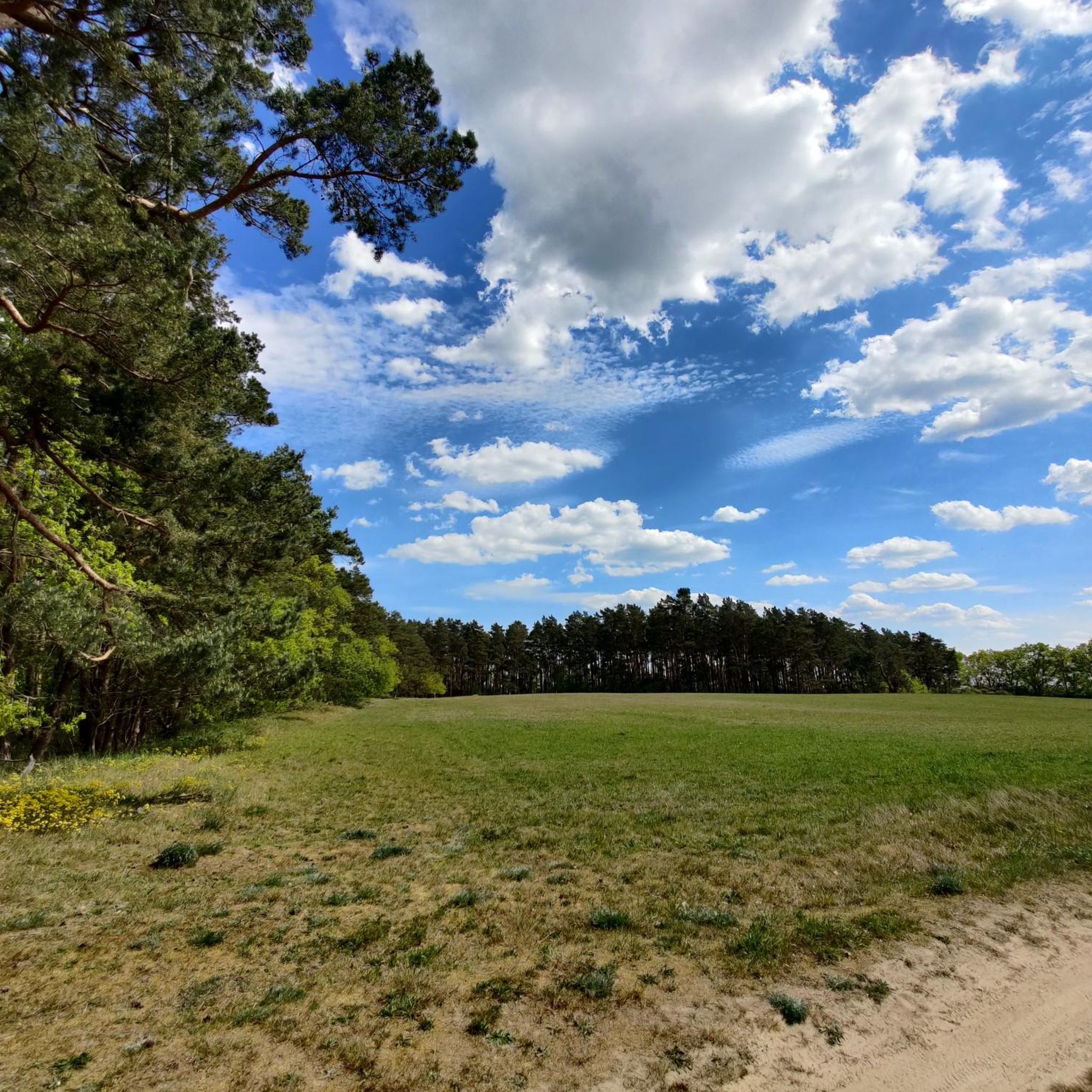
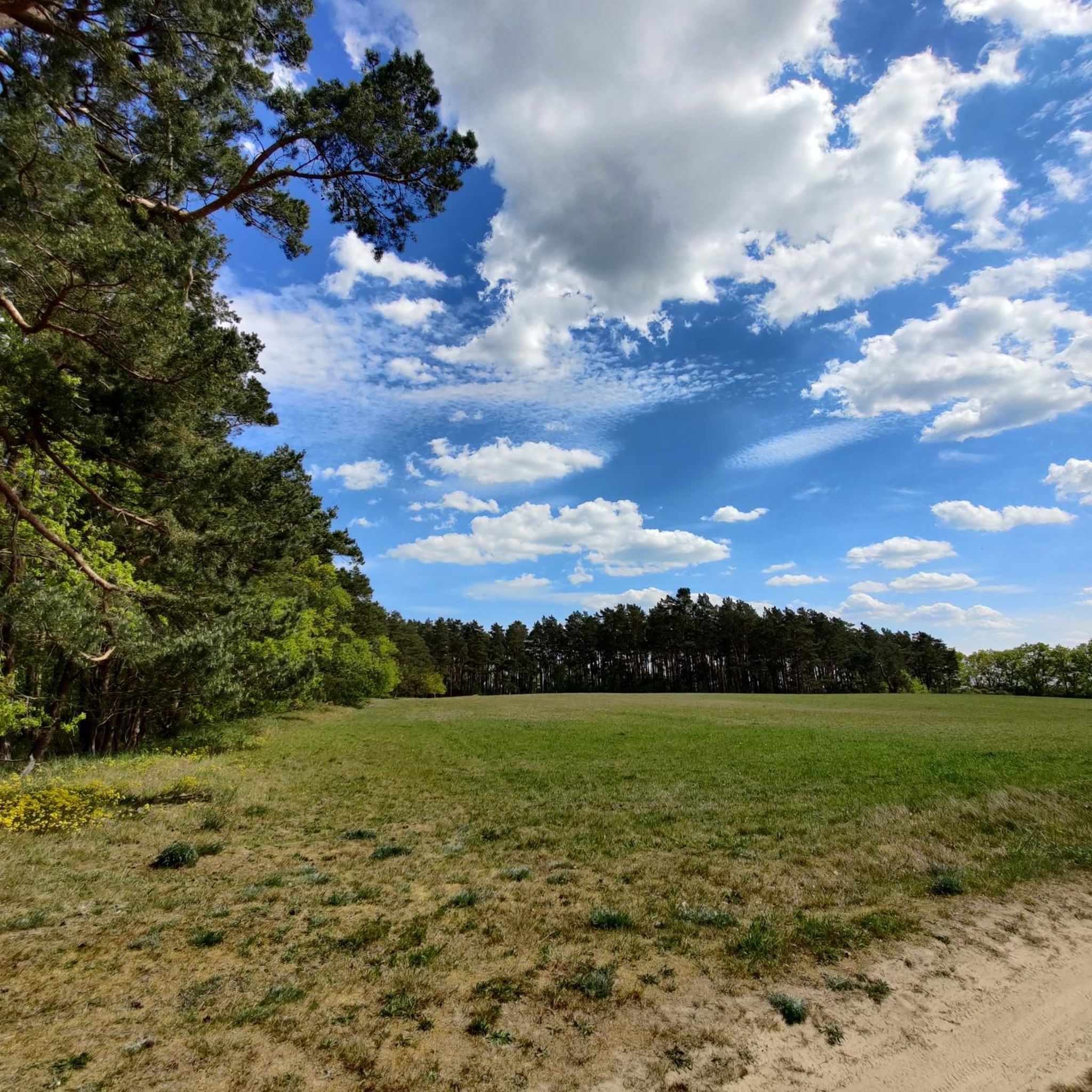
Devin Peninsula Nature Reserve
Highlight (Segment) • Natural Monument
In the past, the area was used for military purposes …
Translated by Google •
Tip by

St. John's Church Reinberg
Highlight • Religious Site
The Reinberger linden tree stands in front …
Translated by Google •
Tip by

Sign up now to discover places like this
Get recommendations on the best single tracks, peaks, & plenty of other exciting outdoor places.
Sign up for free
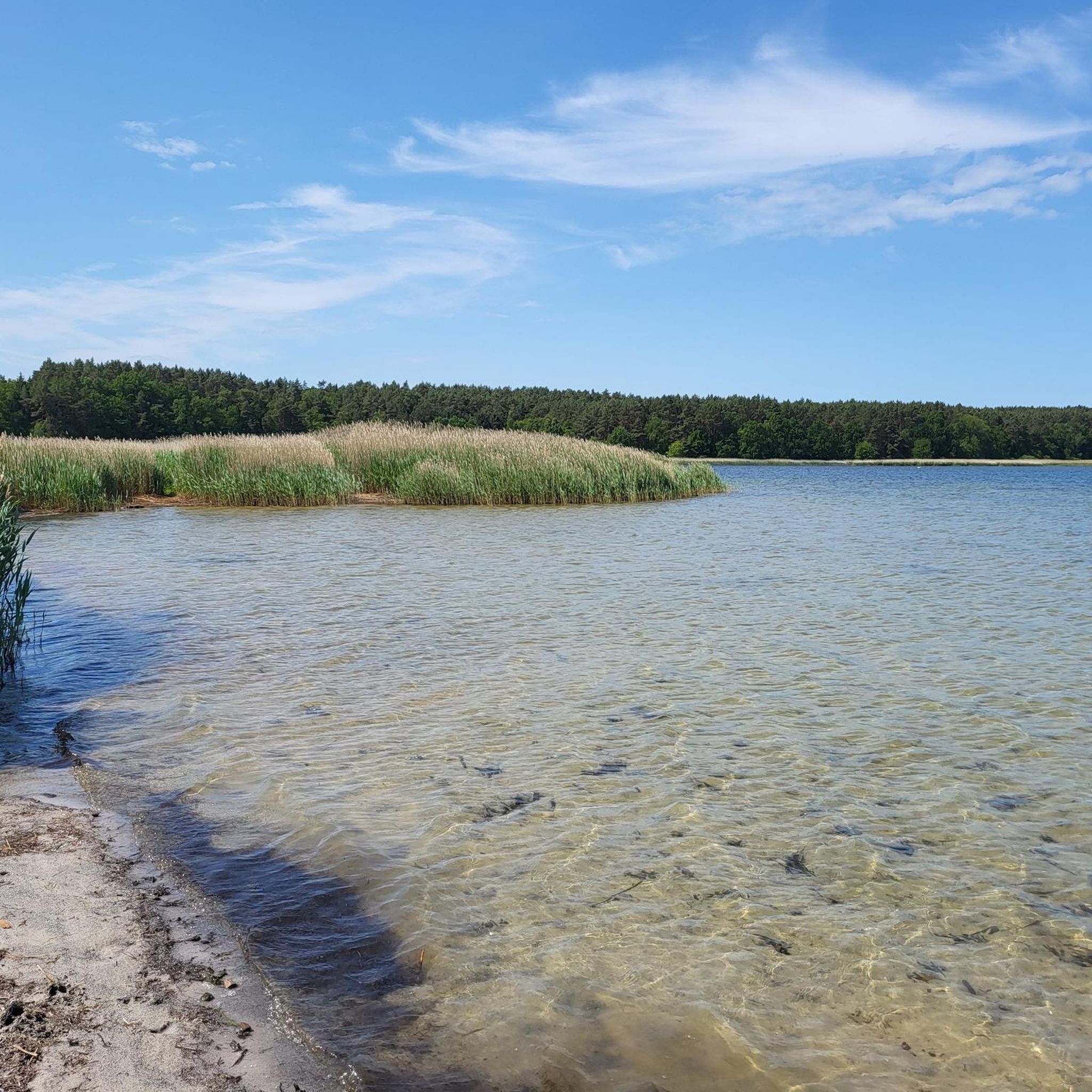
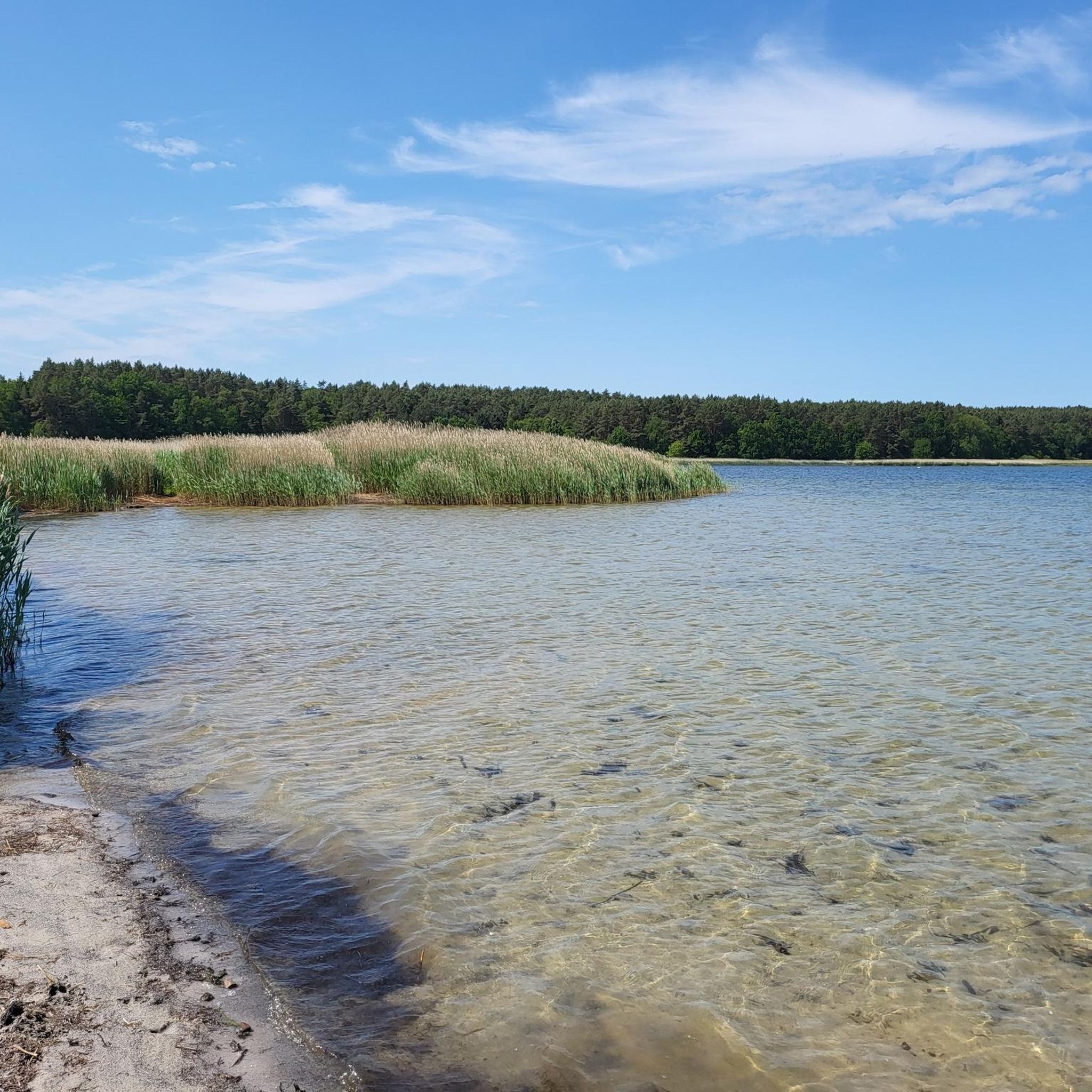
Mellnitz-Üselitzer Wiek Nature Restoration Area
Highlight • Lake
de.wikipedia.org/wiki/Mellnitz-%C3%9Cselitzer_Wiek
Translated by Google •
Tip by

Cormorant Colony Near Niederhof
Highlight • Natural Monument
Translated by Google •
Tip by

Slavic Hillfort Garz
Highlight • Historical Site
The hilltop castle, built in the mid-12th century, underwent several test excavations and soundings as early as 1725, …
Translated by Google •
Tip by

Sign up for free to discover even more natural monuments around Gustow.
Sign up for free
Already have an account?
Start today with a free account
Your next adventure awaits.
Login or Signup

Tips from the Community

Here, environmental protection becomes "tangible", great that DEGES made this possible as compensation for the "new" Rügen Bridge. Definitely take binoculars with you...
0
0

Beautiful small village church that has something mystical about it from one side due to the greenery, I find.
1
0

Wonderful nature to relax and enjoy.
1
0

At the cemetery entrance, a sign encouraging visitors to visit said "Church open." However, someone had locked the building. A woman from the village confirmed that it was very beautiful. So we filled up on plenty of drinking water, enjoyed the 800-year-old linden tree, as well as a height measuring point on the church tower, which has survived the times unscathed (it has something written on it saying "German Empire"). We enjoyed the peace, the bench and the blackberries.
0
0

It was really nice to walk through
1
0

The Mellnitz-Üselitzer Wiek is a landscaped area in the south of the island of Rügen near Poseritz. After the construction of the new Rügen Bridge over the Strelasund between Stralsund and Altefähr, the German Unity Highway Planning and Construction Company (Deges) undertook to re-wet the Wiek as a compensatory measure to make amends for environmental damage. Before it was drained, the Wiek was last recorded as a body of water on a Prussian survey map from 1830. It had open access to the Puddeminer Wiek and covered an area of 32 hectares. With the construction of a dike around the middle of the 20th century, the breach was closed and the area was drained using a pumping station. Since then, the reclaimed area, which was about two meters below the water level of the Greifswald Bodden, was used for agriculture until 1990. Deges planned to re-wet the lake in 2012. In 2010, a flood structure was built on the neighboring Puddeminer Wiek. Two automatically controlled flood gates with a total width of 12 meters were installed to regulate the water exchange, as well as two scooping and pumping stations. The area was flooded from August 19, 2011. The Mellnitz-Üselitzer Wiek is two meters deep at its deepest point after flooding and covers an area of 124 hectares; the entire renaturation area measures 240 hectares. The area has now developed into a nationally important migration and resting area for water and wading birds as well as cranes. Thousands of ducks such as wigeons, mallards and tufted ducks as well as grey geese rest here. At low water, wading bird species such as lapwings and golden plovers rest in the Wiek. A large cormorant colony has established itself in the southwestern part of the Wiek. https://de.wikipedia.org/wiki/Mellnitz-%C3%9Cselitzer_Wiek
4
0
The Garz castle wall is a reminder of the former settlement by Slavs. The hilltop castle, built in the middle of the 12th century, was subjected to several test excavations and soundings from 1725 onwards, which revealed Slavic ceramics and a large number of iron finds, among other things. The excavation results, as well as written records, prove that the West Slavic Ranen had a princely seat here. However, this castle, built as a wood-earth construction, disappears far behind the importance of the Karenz temple castle near Venz. With the renewed construction of a castle on the site of the former Slavic ring wall, Garz, as a princely seat and young town, only gained more power and influence on Rügen around 1300. https://www.auf-nach-mv.de/reiseziele/a-slawischer-burgwall-garz
3
0

It is very interesting to see and read on an information board that this cormorant colony consists of over 3,000 breeding pairs.
0
0
Frequently Asked Questions
What kind of natural features can I expect to see near Gustow?
Around Gustow, you can experience a diverse range of natural features. These include the shallow coastal areas of Gustow's natural beach on the Strelasund, the steep coast and coastal forest of the Drigge Peninsula, and the unique moraine landscape of the Devin Peninsula Nature Reserve. You'll also find rewilded lake areas like the Mellnitz-Üselitzer Wiek Nature Restoration Area, which are important for birdlife.
Are there any significant geological formations or historical natural sites near Gustow?
Yes, the region is home to significant geological formations. The island of Rügen, including areas accessible from Gustow, features numerous glacial erratics, which are large rocks transported by glaciers during the ice age. These are legally protected geotopes. Additionally, you can find the Himmel Burial Mound near Silmenitz, which is a historical site with natural monument status, featuring an impressive tumulus.
Where can I observe wildlife, especially birds, near Gustow?
For birdwatching, the Mellnitz-Üselitzer Wiek Nature Restoration Area is an excellent spot. This rewilded lake area serves as a crucial resting and feeding ground for thousands of migratory and resting birds, including ducks and grey geese. Another notable location is the Cormorant Colony Near Niederhof, where hundreds of cormorants nest, offering a unique opportunity to observe these birds hunting by the water.
Are there family-friendly natural monuments around Gustow?
Many natural monuments around Gustow are suitable for families. The natural beach in Gustow, with its shallow waters, is particularly ideal for children. The Devin Peninsula Nature Reserve offers a beautiful circular hiking trail that is enjoyable for families. The Mellnitz-Üselitzer Wiek Nature Restoration Area and the Cormorant Colony Near Niederhof also provide engaging experiences for all ages to observe nature and wildlife.
What outdoor activities can I do near these natural monuments?
The area around Gustow and its natural monuments offers a variety of outdoor activities. You can enjoy hiking and cycling through forests and along the coast, particularly on the Drigge Peninsula and in the Devin Peninsula Nature Reserve. Water sports are popular at Gustow's natural beach and harbor, where you can also rent motorboats. For more structured routes, consider exploring the MTB Trails around Gustow, Gravel biking around Gustow, or Road Cycling Routes around Gustow.
Are there hiking trails near the natural monuments around Gustow?
Yes, there are several hiking opportunities. The Drigge Peninsula is a paradise for hikers, with trails through fields and coastal forests offering views of Stralsund. The Devin Peninsula Nature Reserve features a beautiful circular hiking trail where you can walk among grazing sheep. While not directly in Gustow, the Jasmund National Park on Rügen, famous for its chalk cliffs and ancient beech forests, also offers an extensive network of hiking trails for a day trip.
What is the best time to visit the natural monuments around Gustow?
The natural monuments around Gustow are enjoyable throughout the warmer months, from spring to autumn. During these seasons, the weather is generally pleasant for hiking, cycling, and water activities. Spring and early summer are ideal for birdwatching at sites like the Mellnitz-Üselitzer Wiek Nature Restoration Area and the Cormorant Colony Near Niederhof. For a quieter experience, visiting during slightly overcast or cooler days, especially outside of peak weekends, can be beneficial.
Are there any natural monuments with historical significance in the area?
Beyond the geological significance of glacial erratics, the Himmel Burial Mound near Silmenitz is a notable natural monument with historical importance. This impressive tumulus provides a tangible connection to ancient history in the region. Additionally, the St. John's Church Reinberg, a Gothic brick church, stands alongside the Reinberger linden tree, which is designated as a natural monument and estimated to be around 1,000 years old.
What makes the Devin Peninsula Nature Reserve special?
The Devin Peninsula Nature Reserve is special due to its unique forest-free moraine landscape, which features small bodies of water, moors, and grasslands. This landscape is maintained by grazing sheep. It offers remarkable views and a beautiful circular hiking trail, making it a popular spot for locals and tourists alike. It's located southeast of Stralsund and provides a tranquil experience.
Can I find opportunities for water sports or beach relaxation near Gustow's natural monuments?
Absolutely. Gustow boasts a fine, sandy natural beach directly on the Strelasund. Its shallow coastal area is perfect for swimming and various water sports. The natural harbor nearby also provides opportunities to rent motorboats, allowing you to explore the surrounding waters and nearby areas like Altefähr or Stralsund.
What is the Mellnitz-Üselitzer Wiek Nature Restoration Area and why is it important?
The Mellnitz-Üselitzer Wiek Nature Restoration Area is a rewilded lake area in the south of Rügen. It was created as a compensatory measure for the construction of the new Rügen Bridge. This shallow sea bay has become a nationally important migration and resting area for water and wading birds, including thousands of ducks and grey geese. It's a significant example of ecological restoration and a haven for birdlife.
Are there any natural monuments that offer panoramic views?
Yes, the Drigge Peninsula, part of the Gustow municipality, features a steep coast that offers magnificent views of Stralsund across the Strelasund. Additionally, the Devin Peninsula Nature Reserve provides great views of the surrounding landscape and water. While further afield, the Jasmund National Park on Rügen is renowned for its dramatic chalk cliffs, including the Königsstuhl, which offer spectacular panoramic views of the Baltic Sea.
Most popular routes around Gustow
Most popular attractions around Gustow

Get inspired with the komoot mobile app


Explore more
Extend your search for the best caves by checking out these guides of the top ones around Gustow:
