Top 20 Natural Monuments around Dranske
Best natural monuments around Dranske offer a diverse range of landscapes, from dramatic coastal cliffs to serene reef ecosystems and ancient forests. Dranske, a coastal municipality on Rügen, is surrounded by protected areas and notable natural features. These sites provide opportunities for exploring unique ecosystems and enjoying the Baltic Sea environment. The region is characterized by its varied natural beauty, making it a destination for outdoor activities and nature observation.
Best natural monuments around Dranske
- The most popular natural monuments is View of Cape Arkona, a viewpoint that offers expansive vistas over the sea towards the Cape Arkona lighthouse. This spot is ideal for observing the dramatic coastline.
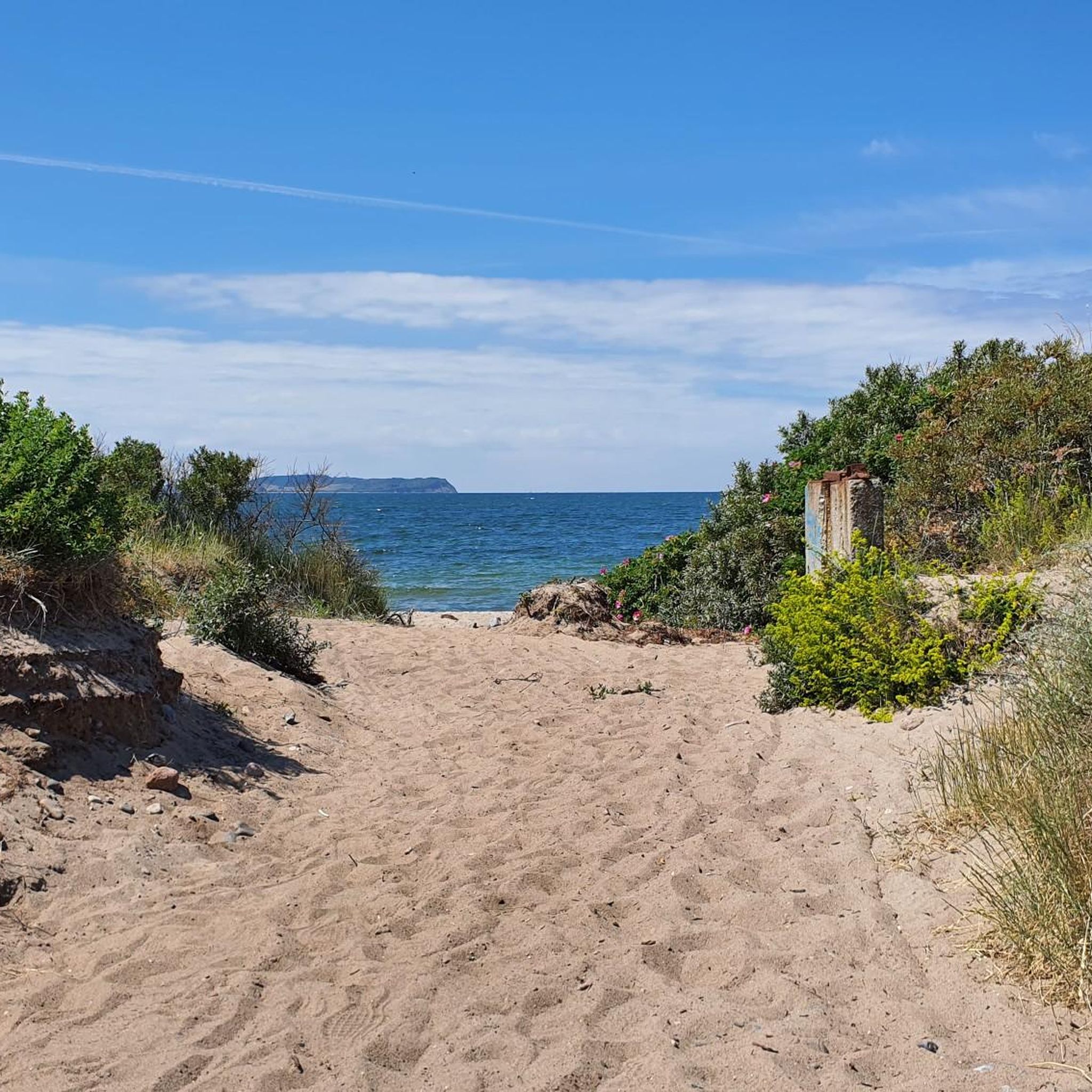
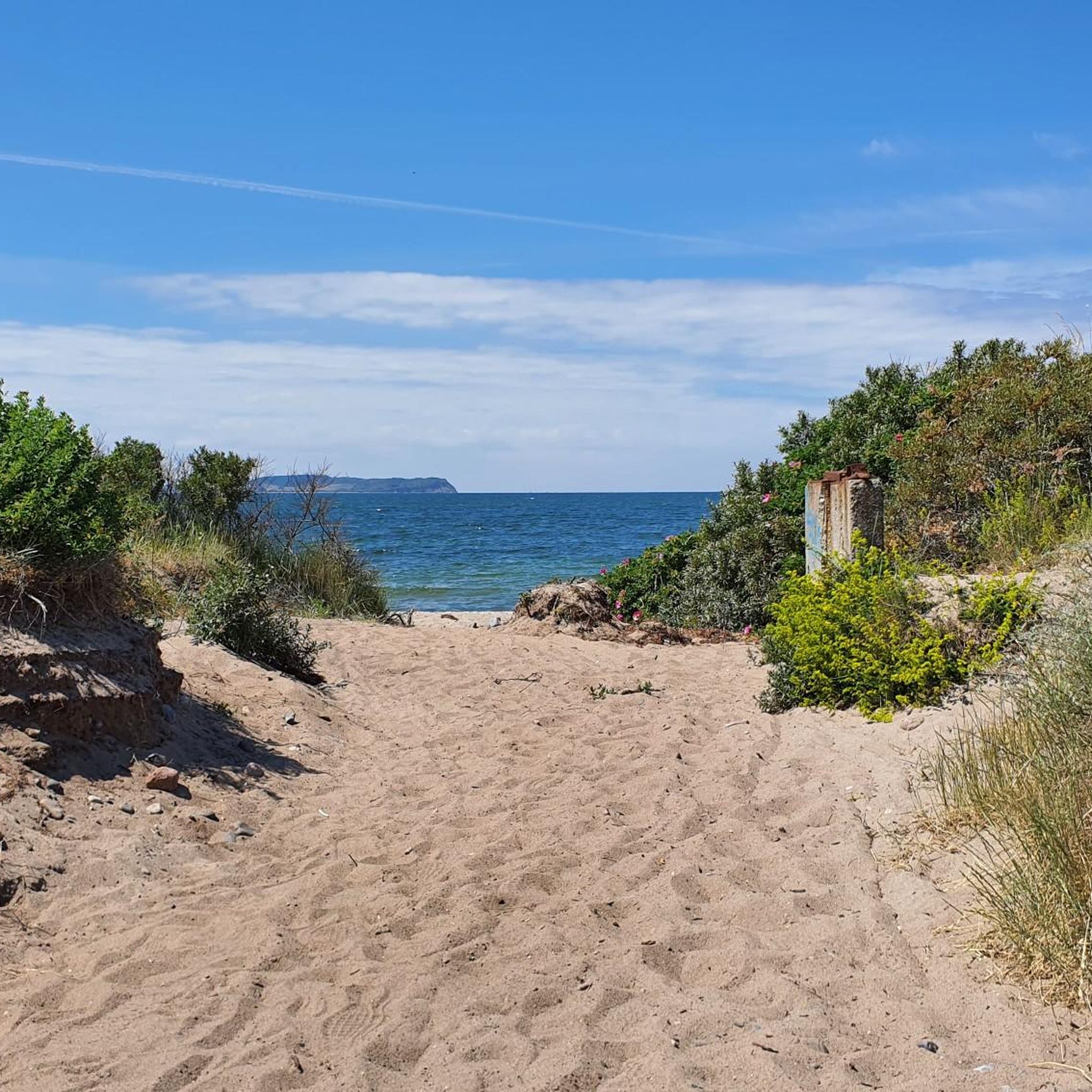
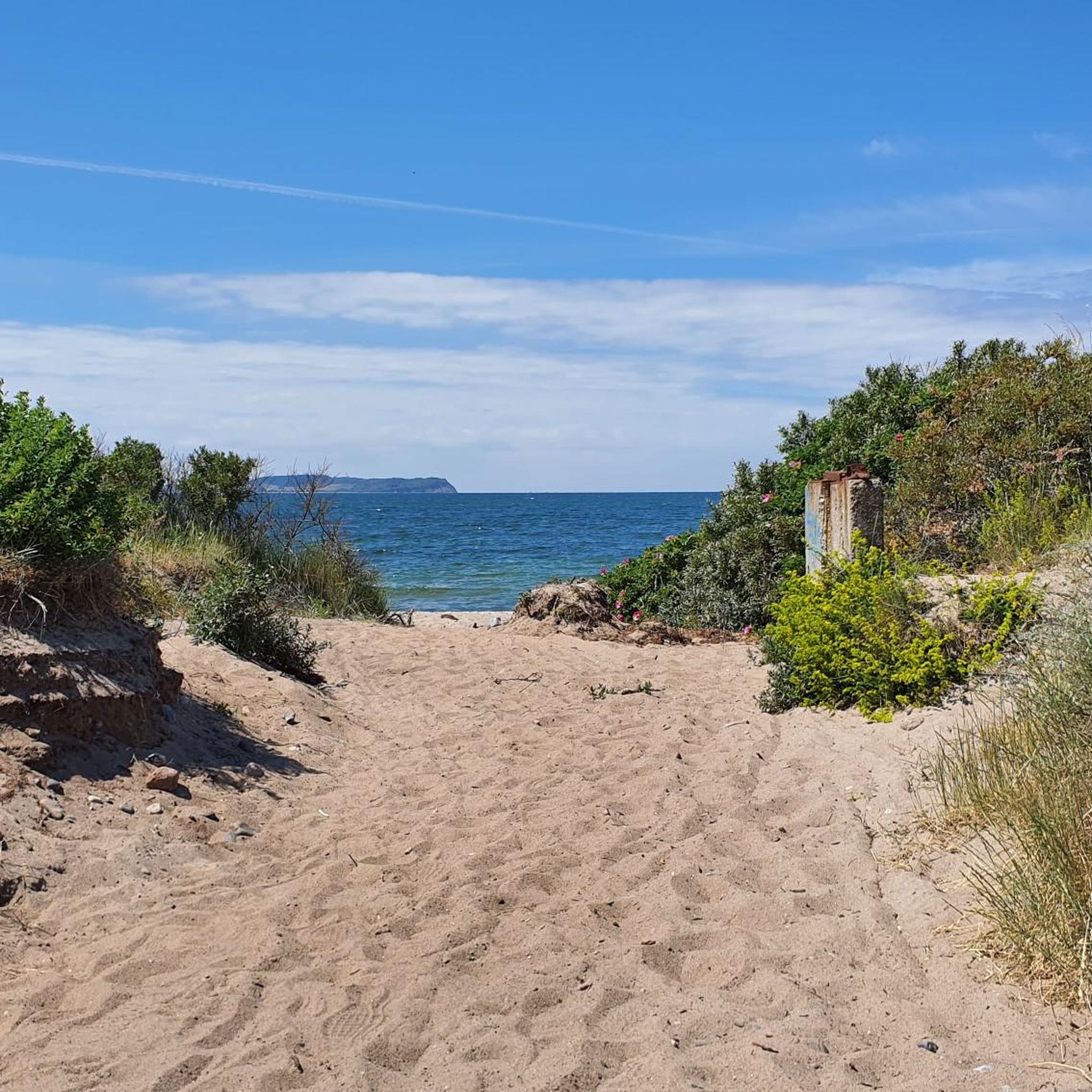
- Another must-see spot is Gellort – Northernmost Point of Rügen, a beach and viewpoint. From here, visitors can see the chalk cliffs of the Danish island of Møn on clear days, and experience the strong Baltic Sea winds.
- Visitors also love Dornbusch Lighthouse, a man-made monument within a natural setting. Located on the hilly Dornbusch area, it provides panoramic views of the surrounding glacial landscape and is a landmark of Hiddensee island.
- Dranske is known for its beaches, viewpoints, and historical sites. The area offers a variety of natural monuments to see and explore, from coastal formations to ancient burial sites.
- The natural monuments around Dranske are appreciated by the komoot community, with more than 3300 upvotes and over 1700 photos shared across 8 highlights.
Last updated: September 1, 2026
Gellort – Northernmost Point of Rügen
Highlight • Beach
Translated by Google •
Tip by

View of Kap Arkona Cliffs
Highlight • Viewpoint
Translated by Google •
Tip by

Sign up now to discover places like this
Get recommendations on the best single tracks, peaks, & plenty of other exciting outdoor places.
Sign up for free
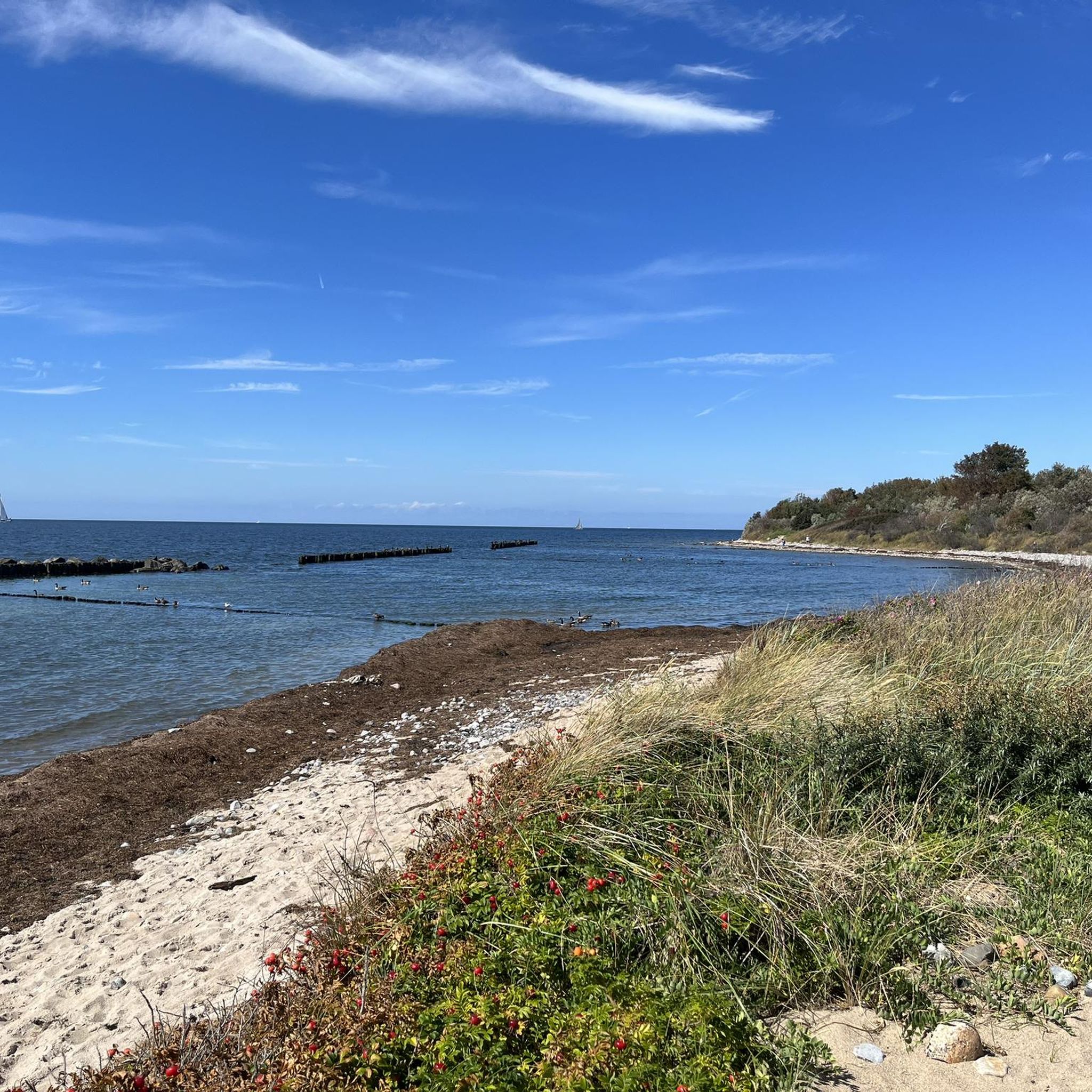
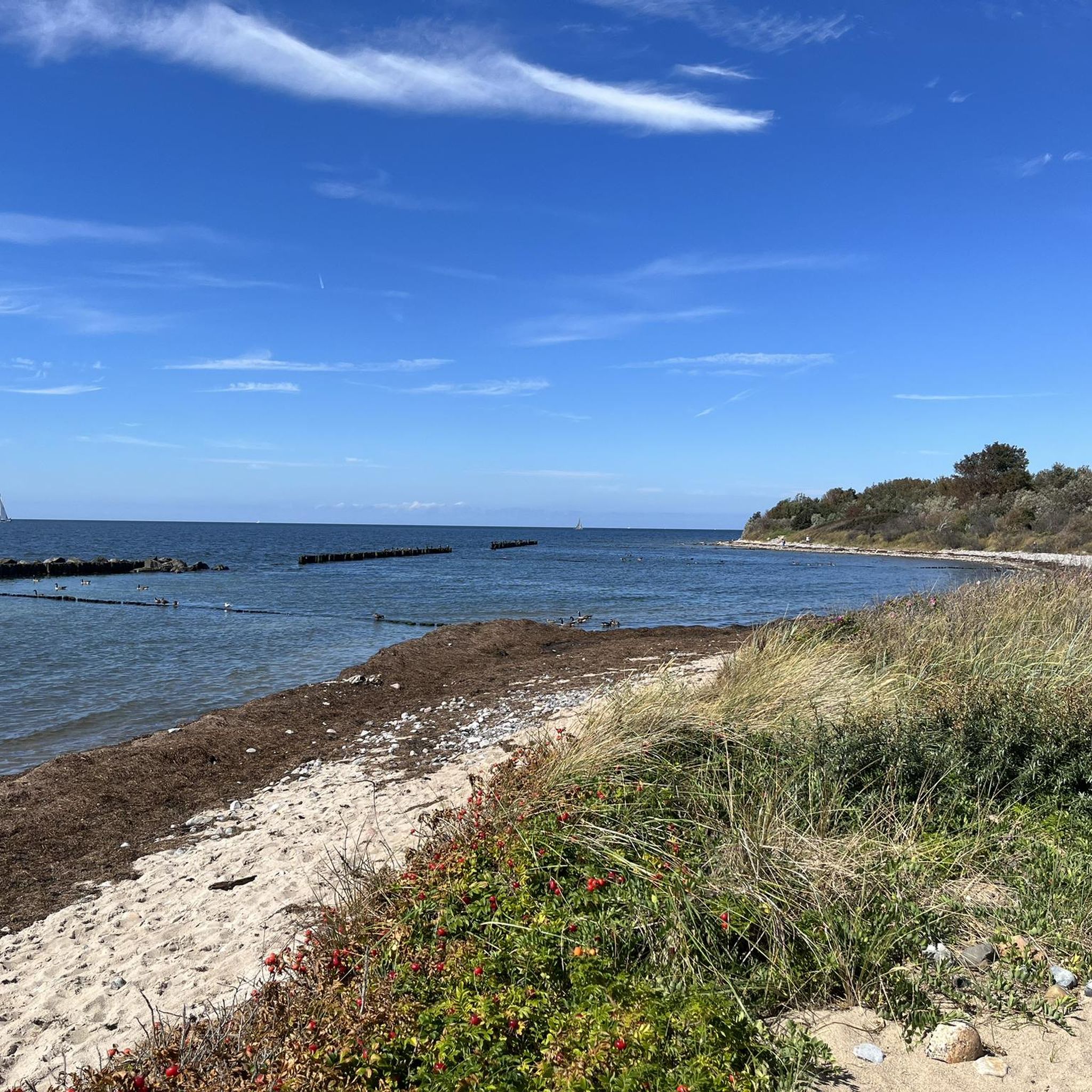
Chalk Cliffs and Rocky Beach Between Kap Arkona and Vitt
Highlight • Beach
Translated by Google •
Tip by

Bakenberg
Highlight • Monument
The lighthouse is easily accessible on foot - if you want to go up the lighthouse, you should check the opening times beforehand. As of 2022, admission costs €3.
Translated by Google •
Tip by

Nobbin Megalithic Tomb
Highlight • Historical Site
Tip by

Sign up for free to discover even more natural monuments around Dranske.
Sign up for free
Already have an account?
Start today with a free account
Your next adventure awaits.
Login or Signup
Tips from the Community


An old lighthouse that was renovated last year. It shines in new colors. Great view from up there.
5
0


History The formation of the highlands goes back to the last glaciation phase in northern Germany, the Weichselian Ice Age. A small offshoot of the glacier tongue pointing towards today's Little and Great Belt created the Dornbusch around 12,500 years ago. When the glaciers retreated, it remained as a push moraine and was part of a large mainland area in the south of today's Baltic Sea for around 4,000 years. During the first flooding phase of the Baltic Sea, the water did not yet reach the area around Hiddensee; it was not until around 3,900 years ago that the Littorina Sea washed around the three island cores of Dornbusch, Fährinsel and Gellen. It was only 2,900 years ago that coastal erosion (land erosion, drifting and deposition) began and the formation of the elongated shape of Hiddensee through sand alluvial deposits. Under Wallenstein's orders, the oak and beech forest covering the entire Dornbusch was burned down between 1628 and 1630 in order to protect the Danes, with whom there were military conflicts in the area.
7
0
The Dornbusch is the name given to the hilly area in the northern part of the German Baltic Sea island of Hiddensee. It consists mainly of glacial deposits that were left behind after the glaciers melted. It is one of three island cores of Hiddensee that are responsible for the formation of the flatland. The Dornbusch extends from north to south for approximately 2.45 kilometers and from east to west for approximately 2.85 kilometers. The highest elevation is the Bakenberg at 72.7 m above sea level. The Schluckswiekberg, on which Hiddensee's landmark, the Dornbusch lighthouse, stands, is around 70 m above sea level. With its largely still active cliff coast, it represents a valuable landscape in the Vorpommern Boddenlandschaft National Park and is incorporated into protection zone II there. Many hiking trails lead through the varied landscape.
9
0


We went there by bike and enjoyed the view. The wind really blows around your nose. Definitely make the detour there from Cape Arkona, it's well worth it!
8
0
Frequently Asked Questions
What are some of the most popular natural monuments to visit near Dranske?
Visitors frequently enjoy the dramatic coastal views from View of Cape Arkona, which offers expansive vistas towards the lighthouse. Another highly rated spot is Gellort – Northernmost Point of Rügen, where you can experience strong Baltic Sea winds and, on clear days, even see the chalk cliffs of the Danish island of Møn. The Dornbusch Lighthouse on Hiddensee island is also a popular landmark, offering panoramic views of the surrounding glacial landscape.
Are there family-friendly natural monuments around Dranske?
Yes, several natural monuments are suitable for families. The pathways and viewing platforms at Cape Arkona, including the View of Cape Arkona and Gellort – Northernmost Point of Rügen, are well-maintained and offer dramatic sea views. The Dornbusch Lighthouse is also considered family-friendly. Additionally, the Kreptitzer Heide offers family-friendly hiking trails through heather fields and pine forests, perfect for nature photography and picnics.
Can I bring my dog to the natural monuments in Dranske?
Many natural areas around Dranske are dog-friendly, allowing you to explore with your canine companion. For instance, Gellort – Northernmost Point of Rügen is a great spot to visit with your dog, where you can enjoy the views and fresh air together.
What kind of natural features can I expect to see around Dranske?
The region around Dranske boasts a diverse range of natural features. You'll find dramatic coastal cliffs, expansive heathlands like Kreptitzer Heide, serene reef ecosystems such as the Bugsering Reef Nature Reserve, and ancient beech forests, particularly within Jasmund National Park. The area also features unique geological formations from glacial deposits, especially evident around the Dornbusch area on Hiddensee, and picturesque beaches like Dranske's Buhnenstrand with its distinctive groynes.
Are there any historical or cultural sites among the natural monuments?
Yes, the area combines natural beauty with historical significance. The Nobbin Megalithic Tomb is an impressive historical site, representing ancient burial grounds from the Neolithic period. The Dornbusch Lighthouse, while a man-made structure, is set within a significant natural landscape shaped by glacial deposits and has its own rich history. Cape Arkona also features historic lighthouses alongside its natural cliffs.
What outdoor activities can I do near the natural monuments in Dranske?
The natural monuments around Dranske are perfect for various outdoor activities. You can enjoy running on trails like the 'Kreptitzer Heide Cliffs – Coastal Trail Dranske–Kreptitz loop' or 'Räuchereck Rügen loop'. For hiking, explore easy routes such as the 'Lancken Natural Beach – View from the Rügen Cliffs loop'. Cycling enthusiasts can find road cycling routes like the 'Breege–Parchow Country Road – Nobbin Megalithic Tomb loop'. You can find more details on these activities and routes in the running trails, easy hikes, and road cycling routes guides for Dranske.
What is the best time to visit the natural monuments around Dranske?
The natural monuments around Dranske offer beauty throughout the year, but the best time often depends on your preferred activities. Spring and summer are ideal for hiking, cycling, and enjoying the vibrant heather fields of Kreptitzer Heide. The autumn months bring stunning colors to the ancient beech forests of Jasmund National Park. Even in winter, the coastal areas offer dramatic, windswept landscapes for invigorating walks, though some facilities might have reduced opening hours.
Are there any hidden natural gems near Dranske worth exploring?
Beyond the well-known spots, the Bugsering Reef Nature Reserve is a tranquil haven for bird watchers and nature lovers, offering peaceful walks along marshlands and opportunities to observe local ecosystems. Dranske's Buhnenstrand (Groynes Beach) is also a serene spot, particularly recommended in the evenings when the sun sets behind the island of Hiddensee, creating a stunning display of colors and featuring the rare 'Kreuzbuhne' (cross groyne).
How accessible are the natural monuments around Dranske by public transport or car?
Access varies by location. For popular sites like Cape Arkona, there is a large car park available, though public transport might not reach the immediate vicinity directly. From the car park, areas like Gellort – Northernmost Point of Rügen are easily reachable on foot or by bike. Jasmund National Park is a short drive from Dranske and offers guided tours. It's advisable to check local bus schedules for specific routes to more remote natural areas.
What makes the chalk cliffs between Kap Arkona and Vitt a unique natural monument?
The Chalk Cliffs and Rocky Beach Between Kap Arkona and Vitt offer a challenging yet rewarding experience. This stretch features dramatic chalk cliffs and a rocky beach where visitors can find beautiful stones while strolling towards the fishing village of Vitt. Access to the beach involves a very steep and sometimes difficult staircase near Cape Arkona, making it an adventure for those seeking a more rugged coastal exploration.
What do visitors enjoy most about the natural monuments around Dranske?
Visitors particularly appreciate the diverse landscapes, from the dramatic coastal views at Cape Arkona to the peaceful heathlands and forests. The opportunity for outdoor activities like hiking and cycling, combined with the chance to observe unique ecosystems and wildlife, is highly valued. Many also enjoy the historical context provided by sites like the Nobbin Megalithic Tomb and the picturesque charm of the lighthouses.
Are there any specific geological features to look out for in the Dranske area?
Yes, the geology of the region is quite fascinating, largely shaped by the last glaciation phase. The Dornbusch area on Hiddensee, where the Dornbusch Lighthouse stands, consists mainly of glacial deposits that formed a push moraine. This area, with its active cliff coast, is a valuable landscape within the Vorpommersche Boddenlandschaft National Park. The chalk cliffs, such as those between Kap Arkona and Vitt, are also prominent geological formations, offering insights into the region's ancient past.
Most popular routes around Dranske
Most popular attractions around Dranske

Get inspired with the komoot mobile app


Explore more
Extend your search for the best caves by checking out these guides of the top ones around Dranske:
