Top 20 Natural Monuments around Rögnitz
Natural monuments around Rögnitz are characterized by the region's diverse natural landscapes, situated within Mecklenburg-Vorpommern. The area is known for its proximity to the Schaalsee Biosphere Reserve, offering a variety of natural features including lakes, moors, and forests. Visitors can explore unique geological formations and protected ecosystems. The region provides opportunities to experience the natural heritage of this part of Germany.
Best natural monuments around Rögnitz
- The most popular natural monuments is Zarrentin Moor Experience Trail, a trail that…
Last updated: May 12, 2026
Schaalseehof Observation Tower
Highlight • Viewpoint
Translated by Google •
Tip by

Zarrentin Moor Experience Trail
Highlight (Segment) • Trail
deinostseeurlaub.de/erholung-im-biosphaerenreservat-schaalsee/?cn-reloaded=1
Translated by Google •
Tip by

Sign up now to discover places like this
Get recommendations on the best single tracks, peaks, & plenty of other exciting outdoor places.
Sign up for free
Strangendamm Bridge
Highlight • Bridge
Translated by Google •
Tip by

Observation deck at Schaalelauf Moor
Highlight • Viewpoint
Translated by Google •
Tip by
Zarrentin Moor Discovery Trail
Highlight • Trail
Translated by Google •
Tip by

Sign up for free to discover even more natural monuments around Rögnitz.
Sign up for free
Already have an account?
Start today with a free account
Your next adventure awaits.
Login or Signup
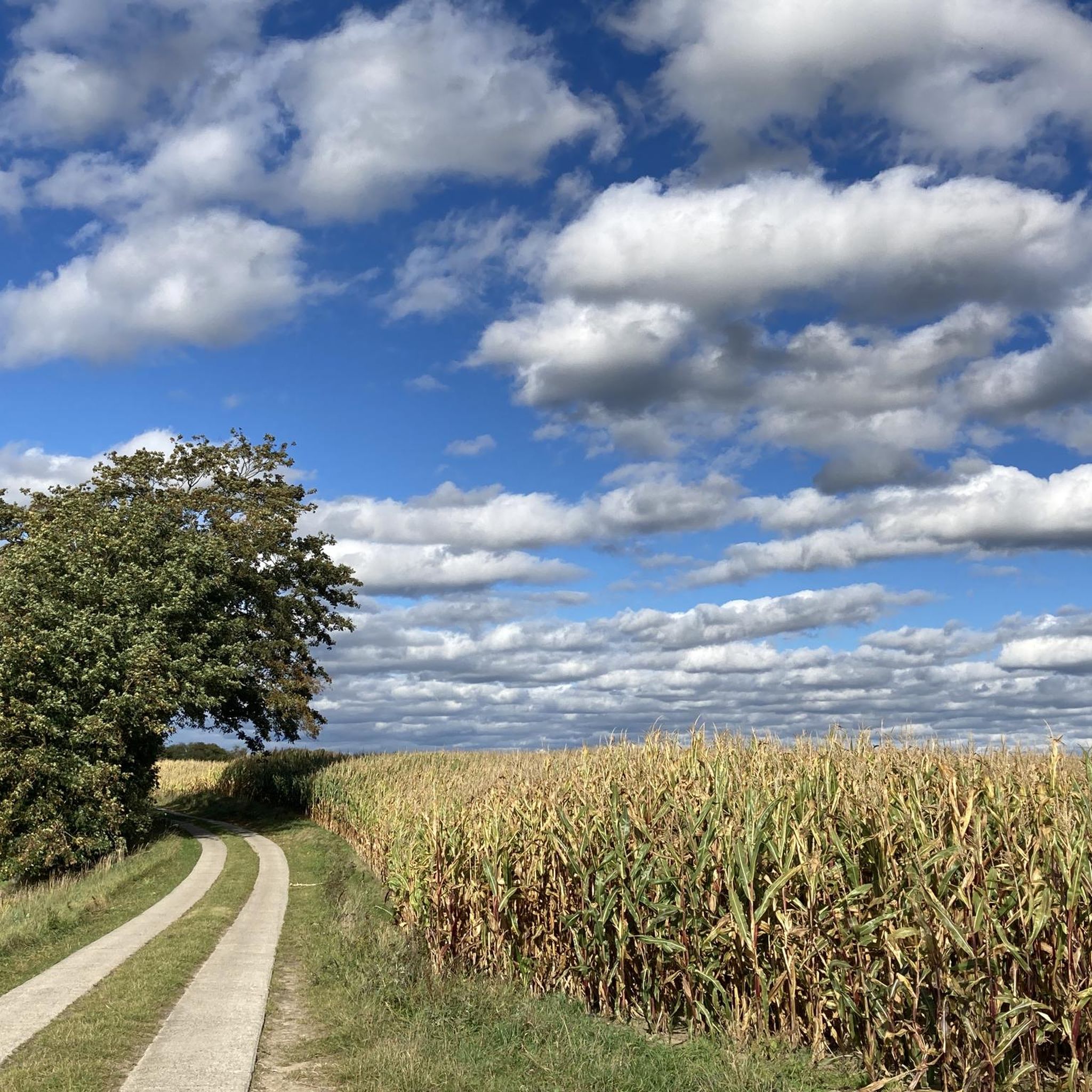
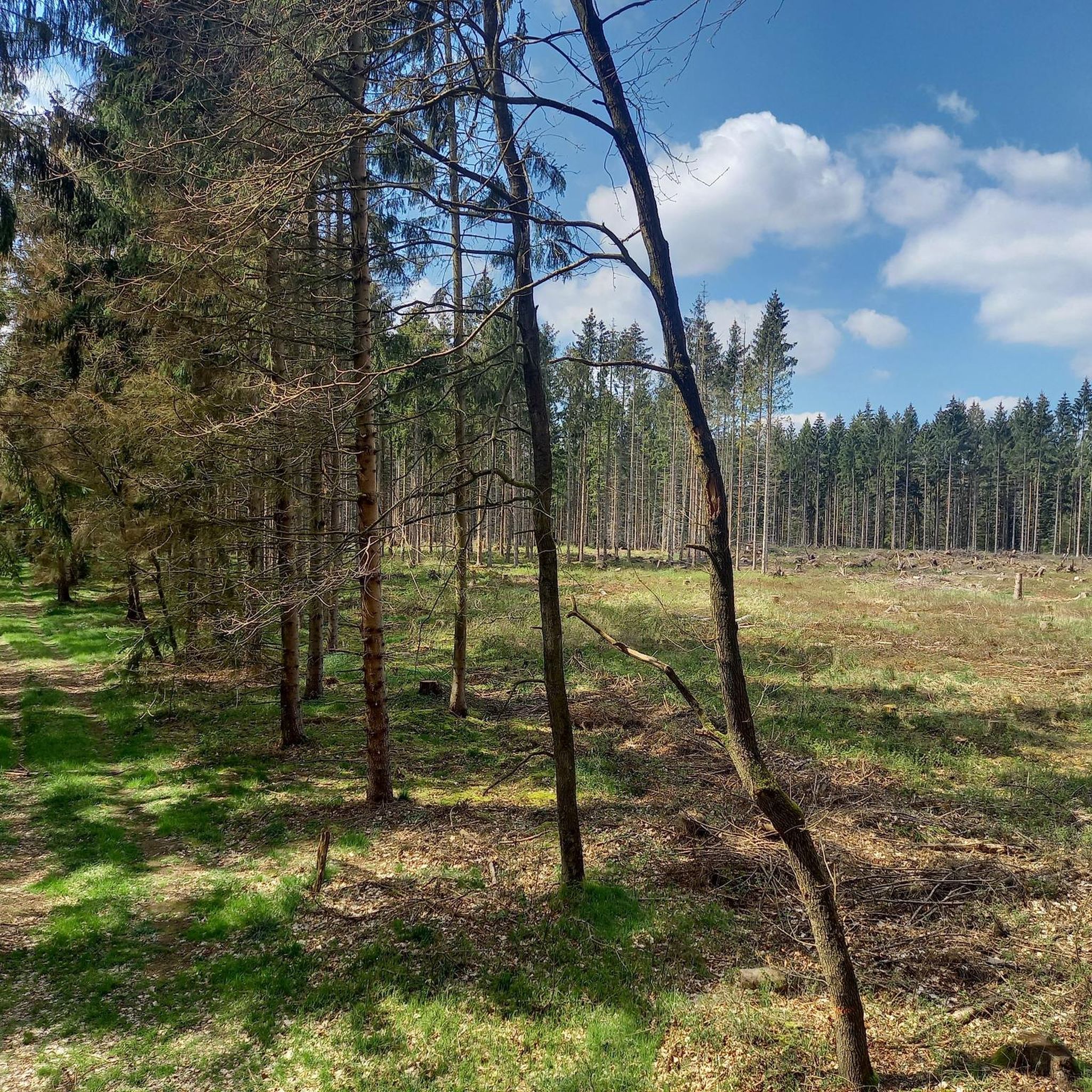
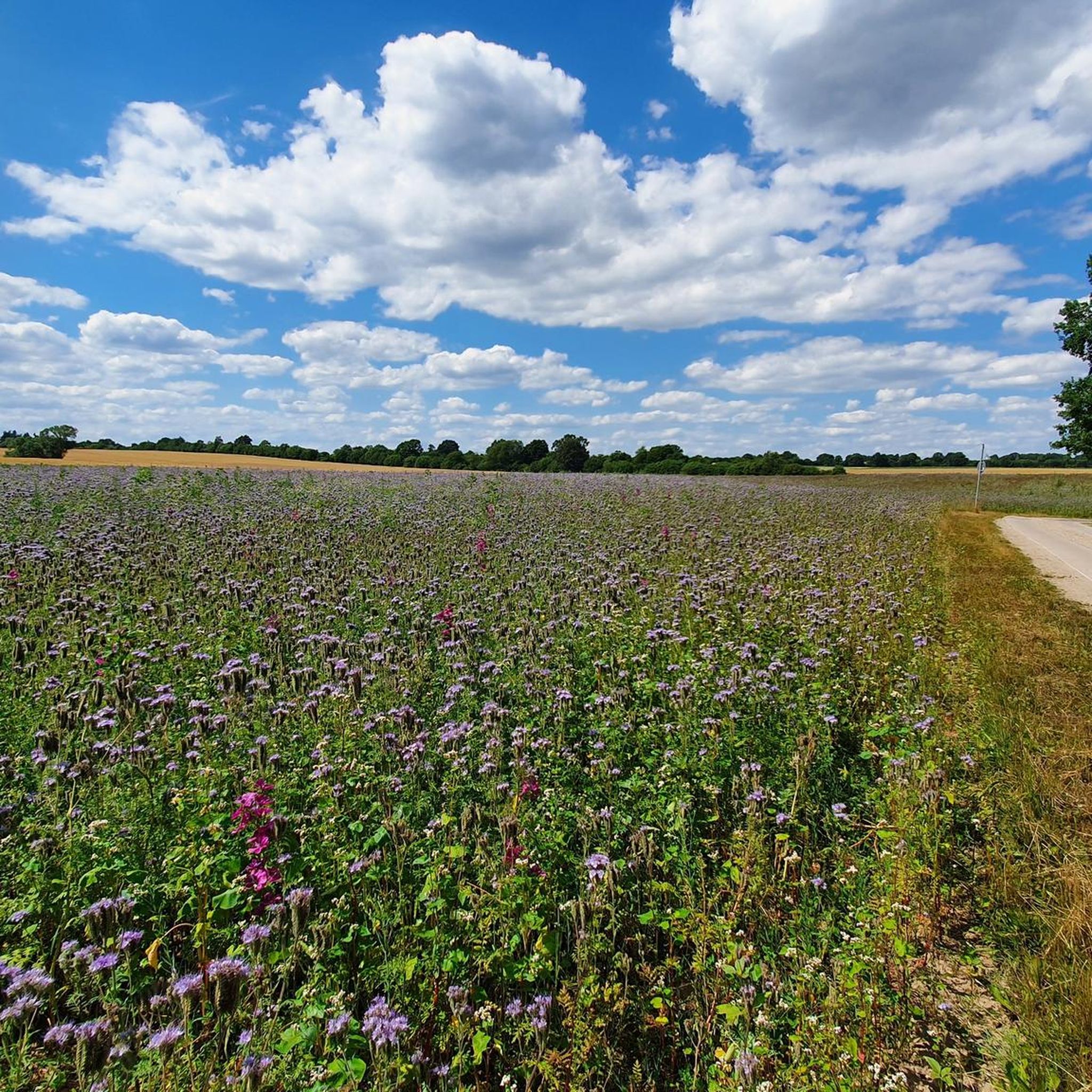
Tips from the Community

The approximately 670 m long boardwalk offers various viewing platforms that invite you to linger. The moorland experience trail can generally be accessed from both sides. However, it is recommended to start below the Pahlhuus (Pahl House) and then return to the starting point at the end of the nature trail, around the old sports field. The entire circular trail is approximately 1.4 km long and, in my opinion, is wheelchair accessible. The moor provides a habitat for many specially adapted animals and plants. For example, the lime-loving bulrush covers a large area in the Zarrentin Moor; it is rarely seen in such large populations. The long, narrow leaves are slightly serrated at the edges and very hard due to the lime they absorb. This means that if you touch them too firmly, you can injure your fingers. The moorland was a cultivated landscape used by humans for a long time. From 1900 to 1961, lime was mined in the Zarrentin Moor and used as fertilizer or slaked lime. Until 1934, the extracted lime was burned in a lime kiln located on the southern edge of the moor. Peat, which was mined alongside the lime, was used as fuel, among other things. The rush cuttings were mown for the winter until the end of World War II and used as bedding for livestock. The waters created by lime mining are very low in nutrients and thus provide an ideal habitat for stoneworts, rare water beetles, and various dragonflies. Various amphibians, ducks, and birds such as the reed bunting, the reed warbler, and the kingfisher can be found in the reed beds along the shore. Source: https://www.schaalseestadt.de/moorlehrpfad
2
0
This bridge offers a beautiful view of two lakes: the Schaalsee on one side and the Kirchensee on the other. It is part of the approximately 4 km circular trail around the Kirchensee.
3
0

Here you can take a short break on the way through the moor and enjoy the peace and quiet
0
0

A nice place, unfortunately the cafe was closed
0
0

A very nice picnic spot.
1
0

Best all-round view over Kirchensee and Schaalsee
5
0

It's good that places like this keep being created. You can easily waste time here for a while
0
0

The bridge construction is finished and the new bridge turned out really nice.
4
0
Frequently Asked Questions
What are some popular natural monuments to visit near Rögnitz?
Near Rögnitz, you can explore several well-regarded natural monuments. The Zarrentin Moor Experience Trail is a popular choice, offering an almost 800-meter path through the moor. Another highlight is the Strangendamm Bridge, which provides scenic views between the Kirchensee and Schaalsee lakes. For panoramic vistas, the Schaalseehof Observation Tower offers excellent views of the Schaalsee lake and its natural surroundings.
Are there family-friendly natural monuments around Rögnitz?
Yes, several natural monuments in the area are suitable for families. The Schaalseehof Observation Tower and the Strangendamm Bridge are both categorized as family-friendly. Additionally, the Observation deck at Schaalelauf Moor is also a great spot for families to enjoy the natural surroundings.
Can I find accessible trails among the natural monuments near Rögnitz?
Absolutely. The Zarrentin Moor Experience Trail is designed to be wheelchair accessible, allowing visitors to explore the unique moor landscape. Similarly, the Zarrentin Moor Discovery Trail is a barrier-free wooden plank path, providing insights into the local ecosystem.
What kind of natural features can I expect to see in the Rögnitz area?
The Rögnitz area, situated within the Schaalsee Biosphere Reserve, is rich in diverse natural features. You can expect to see extensive lakes like the Schaalsee and Kirchensee, unique moor landscapes, and dense forests. Geological formations shaped during the ice ages, such as those visible from the Strangendamm Bridge, are also prominent.
Are there opportunities for hiking near the natural monuments around Rögnitz?
Yes, the region offers various hiking opportunities. Many natural monuments, like the Zarrentin Moor Experience Trail and Strangendamm Bridge, are part of or connected to trails. For more extensive hiking, you can explore routes in the wider Schaalsee Biosphere Reserve. You can find numerous running trails around Rögnitz, including a moderate 8.8 km loop around Neuenkirchener See, by checking the Running Trails around Rögnitz guide.
What makes the Schaalsee Biosphere Reserve special?
The Schaalsee Biosphere Reserve is a significant natural area characterized by its diverse landscapes, including lakes, moors, and forests. It's recognized for its unique geological formations and protected ecosystems, offering a refuge for various flora and fauna. The reserve plays a crucial role in preserving the natural heritage of Mecklenburg-Vorpommern.
What are the Ivenack Oaks, and are they worth visiting from Rögnitz?
The Ivenack Oaks (Ivenacker Eichen) are a remarkable natural monument in Mecklenburg-Vorpommern, recognized as the state's only National Natural Monument. These ancient trees, some over 1,000 years old, are a significant natural attraction. The site includes a treetop trail and a 40-meter-high observation tower. While not directly in Rögnitz, they are a highly recommended destination for those willing to travel further within the state to experience truly ancient natural heritage.
What other significant natural areas are there in Mecklenburg-Vorpommern?
Mecklenburg-Vorpommern is home to a wealth of protected natural areas. Beyond the Schaalsee Biosphere Reserve, you can find three national parks: Jasmund National Park (famous for its chalk cliffs), Müritz National Park (known for its lakes and rare bird species), and Vorpommersche Boddenlandschaft National Park (unique coastal landscapes). The state also features three biosphere reserves and seven nature parks, covering over 30% of its total area.
What do visitors enjoy most about the natural monuments near Rögnitz?
Visitors frequently praise the stunning views, particularly from observation points like the Schaalseehof Observation Tower. The tranquility and immersive experience of walking through nature, such as on the moor trails, are also highly valued. Many appreciate the well-equipped information points along trails, offering insights into the local environment. The region's natural monuments have collectively received over 400 upvotes and more than 160 photos from the komoot community.
When is the best time to visit the natural monuments in this region?
The natural monuments in Mecklenburg-Vorpommern, including those near Rögnitz, can be enjoyed throughout the year. Spring brings blooming flora and active wildlife, while summer offers pleasant weather for outdoor activities. Autumn showcases vibrant fall colors, and even winter provides a serene, often snowy, landscape. The best time depends on your preferred activities and scenery.
Are there any observation towers for scenic views in the Rögnitz area?
Yes, the area is known for its observation towers that provide excellent views. The Schaalseehof Observation Tower offers magnificent views over the Schaalsee lake and its surroundings. Another great spot is the Observation deck at Schaalelauf Moor, which allows you to linger and take in the unique moor landscape.
What outdoor activities can I do near these natural monuments?
Beyond exploring the natural monuments themselves, the region around Rögnitz offers various outdoor activities. You can find numerous routes for gravel biking, such as the 36.9 km 'Schaalsee bathing area in Seedorf – View of Schaalsee loop'. For mountain biking, there are trails like the 27.2 km 'Bridge House Stintenburg Island – Bridge over the Schaale loop'. You can explore these and more in the Gravel biking around Rögnitz and MTB Trails around Rögnitz guides.
Are there any geological features of interest near Rögnitz?
Yes, the landscape around Rögnitz bears the marks of glacial activity. For instance, the Schaalsee basin was formed as a subglacial tunnel valley system during the Frankfurt ice advance. The Strangendamm Bridge offers a vantage point to observe this landscape, with the Strangen peninsula and the Kirchensee being remnants of these geological processes.
Most popular attractions around Rögnitz

Get inspired with the komoot mobile app


Explore more
Extend your search for the best caves by checking out these guides of the top ones around Rögnitz:
