Top 20 Natural Monuments around Drebber
Natural monuments around Drebber are characterized by their unique bog landscapes and the nearby Dümmer Lake region. This area in Lower Saxony, Germany, offers insights into distinctive ecosystems and opportunities for nature observation. Visitors can explore high moor environments, observation towers, and boardwalks that showcase the region's natural features. The landscape provides a setting for walks and educational experiences.
Best natural monuments around Drebber
- The most popular natural monuments is Rehdener Geestmoor Observation Tower, a viewpoint that offers a…
Last updated: October 11, 2026
Haus im Moor – Goldenstedter Moor Nature and Information Center
Highlight • Natural Monument
Translated by Google •
Tip by

Rehdener Geestmoor Observation Tower
Highlight • Viewpoint
Translated by Google •
Tip by

Sign up now to discover places like this
Get recommendations on the best single tracks, peaks, & plenty of other exciting outdoor places.
Aschener Moor Boardwalk
Highlight • Trail
Translated by Google •
Tip by

Arkeburg Ring Fort
Highlight • Historical Site
Translated by Google •
Tip by

Alter Schwede Glacial Erratic (Kroge-Ehrendorf)
Highlight • Natural Monument
Translated by Google •
Tip by

Sign up for free to discover even more natural monuments around Drebber.
Already have an account?
Start today with a free account
Your next adventure awaits.
Tips from the Community

great moorland landscape, a must-see
0
0

🪨 The Old Swede erratic boulder in Kroge-Ehrendorf (Lohne, Vechta district) is an impressive geological monument with a fascinating history. It originated in Scandinavia and was transported to the region by glaciers during the Saale Ice Age (around 150,000 to 200,000 years ago). It is a massive boulder weighing approximately 30 tons.
2
0

Alter Schwede (Kroge) Alter Schwede is the name of a boulder in the Kroge-Ehrendorf village, which belongs to the Lower Saxony town of Lohne (Oldenburg). The stone is one of the largest boulders in northwestern Lower Saxony and is therefore classified as a natural monument worthy of protection. It could have arrived in the Vechta district from Scandinavia during the Ice Age around 150,000 to 200,000 years ago.[3]
2
0

The “Alter Schwede” boulder is an impressive natural monument and a geological sight near the city of Hamburg. This large granite block, which was transported from Scandinavia to northern Germany during the last ice age, is one of the most famous boulders in Germany and a fascinating testimony to the history of the earth. The “Alter Schwede” was found in 1999 during construction work to deepen the Elbe and, with a weight of around 217 tons and a circumference of around 19.7 meters, is the largest known boulder in northern Germany. It is made of Rapakiwi granite, which is typical of the region around the Gulf of Bothnia in Sweden, which also explains its name. The boulder is now located in the Hamburg-Wilhelmsburg district and is a popular tourist destination there. It is located in a small park on the Elbe that was created especially for it. The “Alter Schwede” is not only a geological attraction, but also a place of peace and relaxation where you can enjoy nature. The discovery and recovery of the “Old Swede” was a technical and logistical masterpiece. After it was discovered during dredging work, it was lifted out of the Elbe at great expense and transported to its current location. The whole operation aroused great public interest and was followed by many people. In addition to its impressive size and geological value, the “Old Swede” is also a symbol of the forces of nature and the history of the earth. Erratics like this were transported over long distances by glaciers during the ice ages and are evidence of the enormous forces at work in nature.
2
1

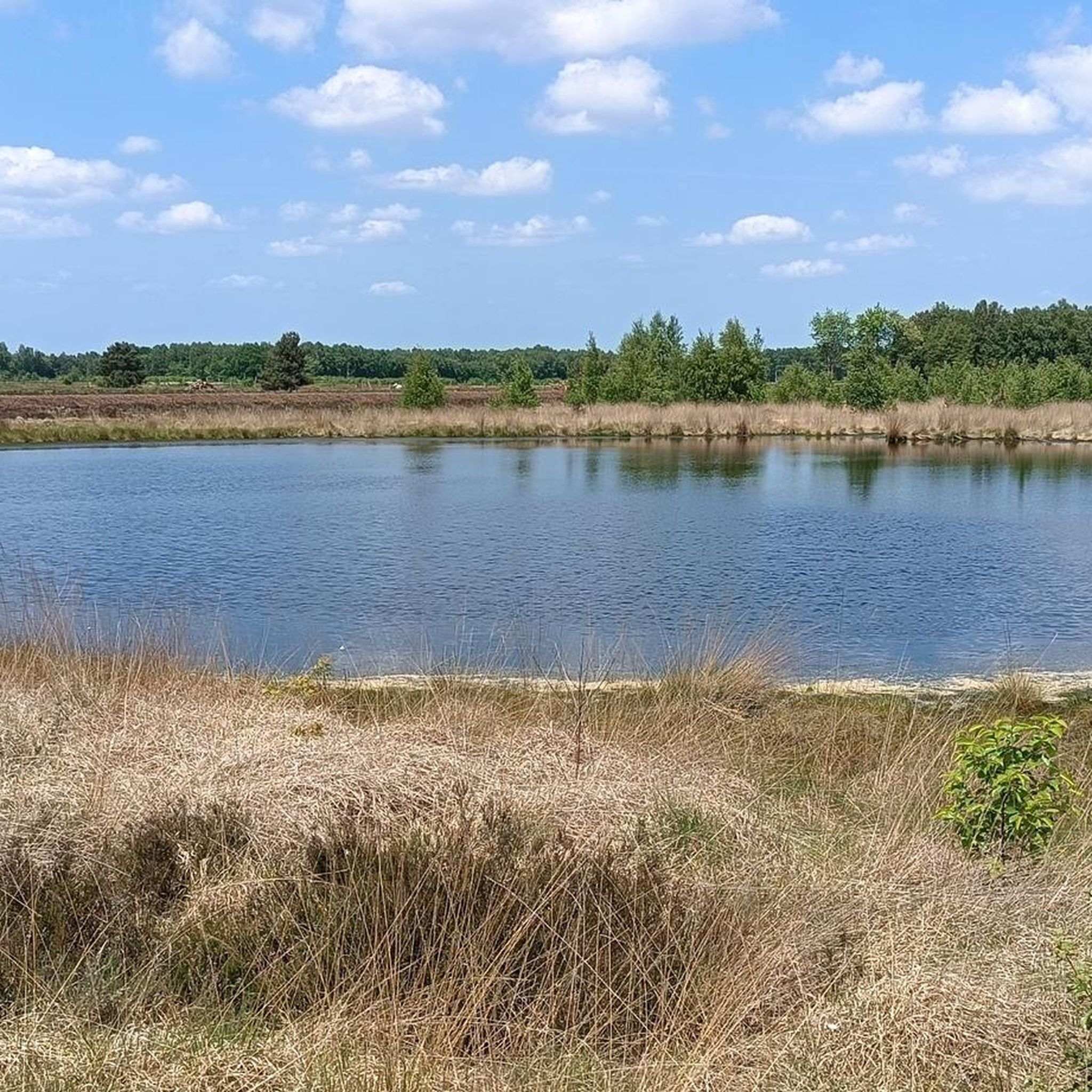
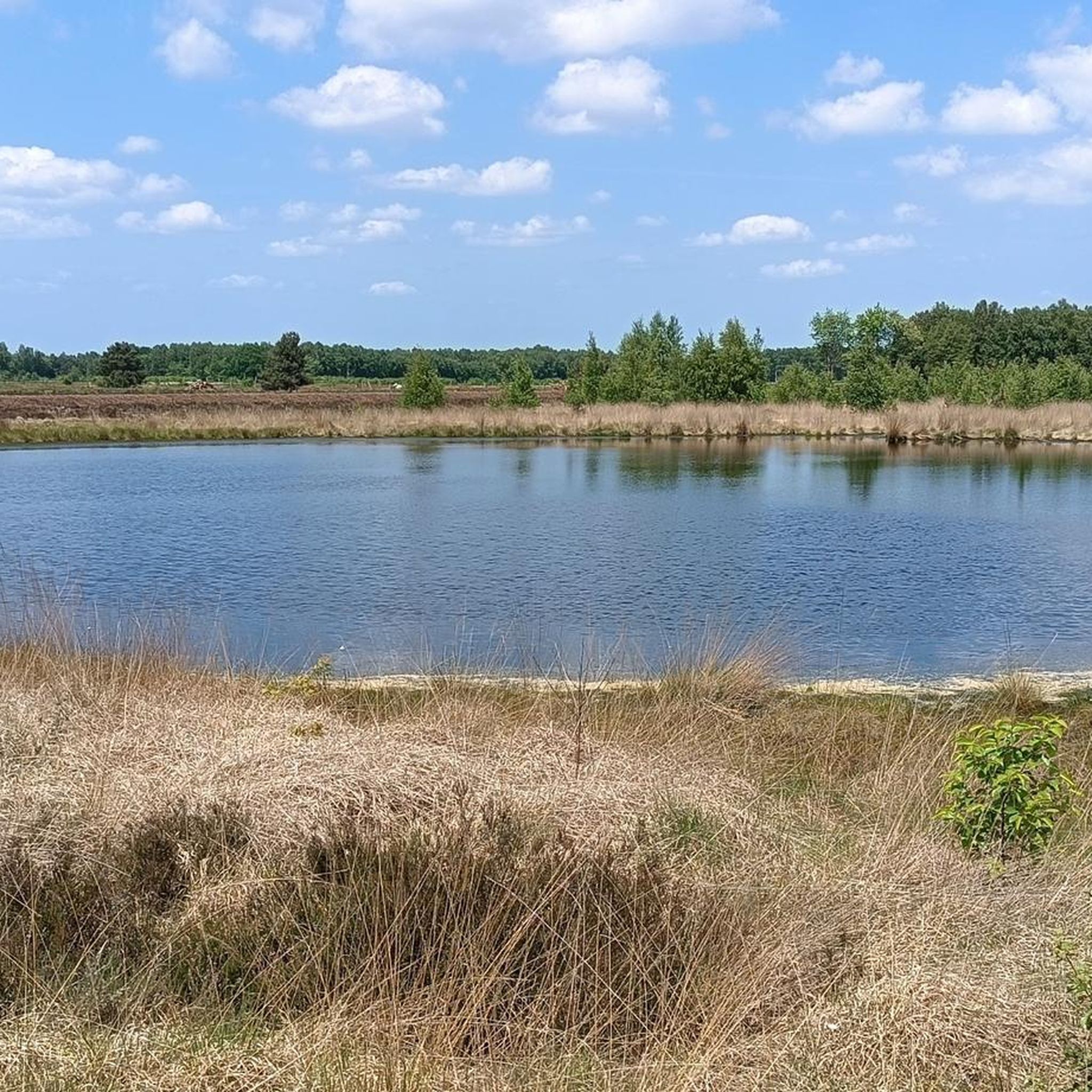
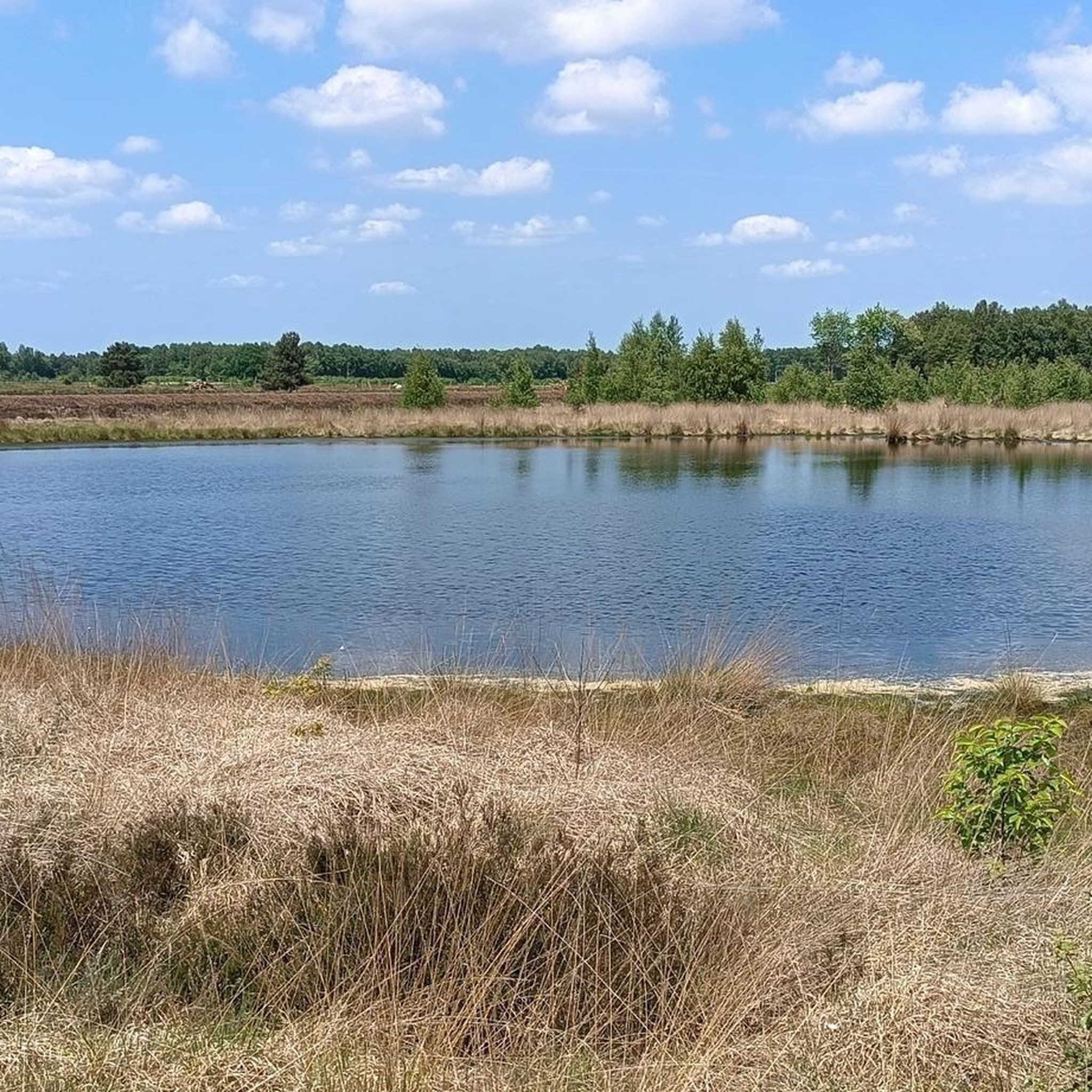
An ideal place to observe flora and fauna in peace and quiet, with a nearby circular hiking trail through the moor that provides information about the flora and fauna. A unique experience: the arrival of the cranes, which rest here in the autumn on their way south.
3
0

The Moorweg im Aschener Moor, abbreviated Pr VI in technical language, is a prehistoric moor path originally 4.2 km long, which runs in the Aschener Moor west of Aschen in the Diepholz district of Lower Saxony. It was created in the pre-Roman Iron Age, probably around 46 BC. BC and is one of the longest boardwalks in northwest Germany.[1] The path construction has been preserved to this day due to the favorable conditions for preserving organic material in the moor. Large parts of the path have been destroyed due to mechanical peat mining up to the present day. In the center of the moor, an approximately 350 meter long remaining piece of untouched moorland remains permanently preserved. At its edge, a 950 m long barrier-free footbridge with a viewing platform, built between 2019 and 2021, runs along the course of the former moor path. It is intended to make the prehistoric moor path and the moor tangible for tourists.
3
0
From the tower you have a beautiful view of the moor
3
0
Nice place to rest
3
1
Frequently Asked Questions
What are some of the most popular natural monuments to visit around Drebber?
Visitors frequently enjoy the Rehdener Geestmoor Observation Tower for its wide views of the moor, and the Haus im Moor – Goldenstedter Moor Nature and Information Center, which offers educational insights into the high moor. The Boardwalk in the Aschener Moor is also highly rated for its accessible trail and historical context.
What kind of natural features can I expect to see in the Drebber area?
The Drebber area is primarily known for its unique bog and moor landscapes, including high moors and wetlands. You'll find observation towers offering panoramic views, educational trails, and boardwalks that allow you to explore these distinctive ecosystems up close. The nearby Dümmer Lake region also contributes to the area's natural appeal with diverse birdlife and picturesque scenery.
Are there any historical sites within the natural monuments around Drebber?
Yes, the Aschener Moor Boardwalk is built along the course of a prehistoric moor path, offering insights into its 2,000-year-old history and archaeological excavations. Additionally, the Arkeburg Ring Fort, while a historical site, is set within a natural forest environment and is the largest double ring wall system in Lower Saxony, providing a glimpse into Saxon life.
Are there family-friendly natural monuments around Drebber?
Absolutely. The Haus im Moor – Goldenstedter Moor Nature and Information Center is very family-friendly, offering a bog tunnel, an educational trail, and even a moor train ride. The Rehdener Geestmoor Observation Tower and the Boardwalk in the Aschener Moor are also suitable for families, providing engaging experiences in nature.
Are there accessible routes for visitors with mobility needs?
Yes, the Boardwalk in the Aschener Moor is specifically designed to be barrier-free, offering a 950-meter-long footbridge with a viewing platform that allows visitors to experience the moor landscape and its history comfortably.
What is the best season to visit the natural monuments around Drebber?
The Dümmer region, near Drebber, is particularly vibrant in summer and autumn, with colorful forests and lakes. The Aschener Moor is described as worthwhile at any time of year, as its flora constantly changes. For observing migratory birds, autumn is ideal, especially at the Rehdener Geestmoor Observation Tower when cranes rest there.
Can I bring my dog to the natural monuments in Drebber?
While specific dog rules for each natural monument are not detailed, many natural areas in Germany, especially nature parks like the Wildeshauser Geest (which Drebber is part of), generally allow dogs on trails if kept on a leash. It's always best to check local signage or specific websites for each location to confirm their pet policies.
What outdoor activities can I do near the natural monuments?
The Drebber area offers various outdoor activities. You can find numerous road cycling routes, such as those around Drebber, or explore gravel biking trails, including those around Drebber. For mountain biking enthusiasts, there are also dedicated MTB Trails around Drebber. Many natural monuments, like the Rehdener Geestmoor, also feature circular hiking trails.
Are there cafes or restaurants near the natural monuments?
Yes, the Haus im Moor – Goldenstedter Moor Nature and Information Center includes a gastronomy option where you can enjoy local delicacies like buckwheat pancakes. The center is known for its 'class restaurant'. For other locations, it's advisable to check for nearby village centers like Drebber itself for additional dining options.
What makes the Haus im Moor – Goldenstedter Moor Nature and Information Center unique?
This center offers a unique and immersive experience into the Goldenstedt high moor. It features a bog tunnel that allows visitors to see beneath the earth's surface and learn about the history of a bog corpse. There's also an educational trail, the option to ride a moor train, and a restaurant serving local specialties, combining education with recreation.
What can I learn at the Aschener Moor Boardwalk?
The Aschener Moor Boardwalk provides extensive information about the three-year excavations of a nearby prehistoric boardwalk (PR 6), which is around 2,000 years old. You'll also learn about the formation of the moor, its role in climate protection, and can observe both active peat extraction and original, untouched moorland areas from the viewing platform.
Most popular routes around Drebber
Most popular attractions around Drebber

Get inspired with the komoot mobile app


Explore more
Extend your search for the best caves by checking out these guides of the top ones around Drebber:
