Top 20 Natural Monuments around Havekost
Natural monuments around Havekost are found within a rural landscape, characterized by agricultural areas and proximity to the Lüneburger Heide region. This area in northern Germany is known for its heathlands, forests, and river valleys. While specific natural monuments within Havekost itself are not widely designated, the broader region offers diverse natural features. Exploring these sites provides insight into the local geography and natural environment.
Best natural monuments around Havekost
- The most popular natural monument is Langer Otto Observation Tower…
Last updated: July 8, 2026
Langer Otto Observation Tower (Hahnheide Conservation Area)
Highlight • Viewpoint
Translated by Google •
Tip by

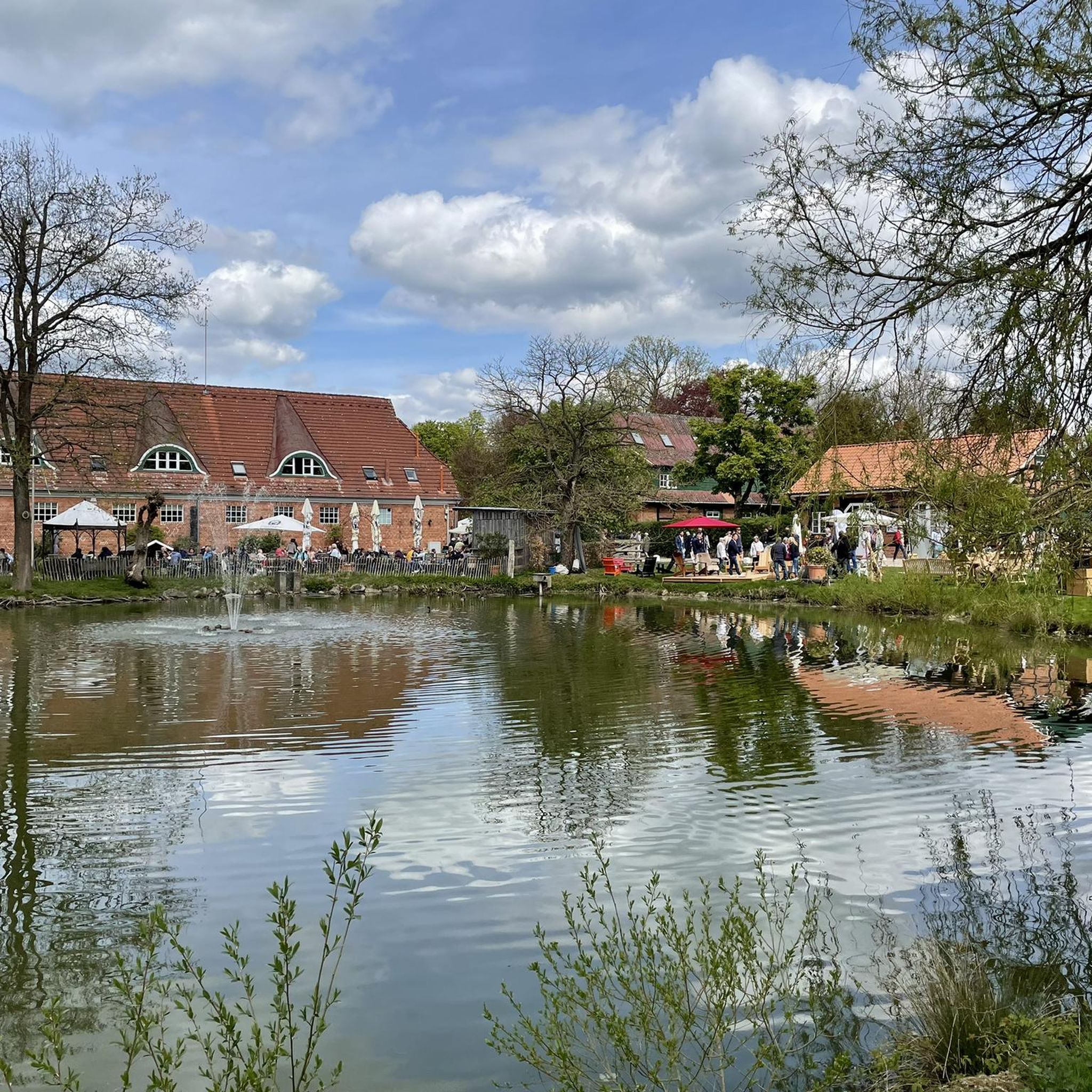
Aumühle Mill Pond
Highlight • Lake
Translated by Google •
Tip by

Sign up now to discover places like this
Get recommendations on the best single tracks, peaks, & plenty of other exciting outdoor places.
Sign up for free
Billetal Nature Reserve
Highlight • Forest
Translated by Google •
Tip by

Billetal Nature Trail along the Bille
Highlight (Segment) • Trail
Translated by Google •
Tip by

Schneckenberg Burial Mound, Friedrichsruh
Highlight • Historical Site
Translated by Google •
Tip by

Sign up for free to discover even more natural monuments around Havekost.
Sign up for free
Already have an account?
Start today with a free account
Your next adventure awaits.
Login or Signup

Tips from the Community

The exposed tree roots are a beautiful motif
4
0

An information board with extensive explanations is available
4
0

The Billetal nature reserve is located on the western edge of the Sachsenwald forest. Numerous, truly idyllic hiking trails meander along the river, which is cool even in summer. The Bille provides a habitat for brown trout and grayling. Surrounded by alluvial forests, wet meadows and tall herbaceous meadows, the area is home to numerous plant and animal species. The old beech forests along the valley slopes are particularly beautiful.
1
1

Beautiful area with great paths...
9
0

Here you can hike wonderfully. Good natural paths are soft but also many roots make the path interesting. A lot of nature a feast for the eyes
3
0

The most beautiful section in one of the most beautiful forests in the Hamburg area. The forest floor is nice and soft, the path varied when the sun is shining, there is a damn nice light here.
3
0

On the way from the former Friedrichsruh railway crossing up to the Sachsenwald climbing park, you walk around a striking hill, the so-called snail mountain. What's it all about? In a site plan from 1877 showing the Friedrichsruh train station and its surroundings, "Der Spiral Mountain" is drawn south of the level crossing as a circular facility with a narrow access path to the top. The snail mountain was probably created around 1846 with the construction of the Hamburg - Berlin railway line. No evidence of a hill in this area can be found on maps prior to this time. But during the construction of the railway, masses of earth accumulated, with which the snail mountain could have been built as a vantage point. According to the information board at the snail mountain, it could also be a prehistoric burial mound that was converted into a viewing hill. Source: www.discovererrouten.org/snailsberg-friedrichsruh
3
0
Frequently Asked Questions
What types of natural features can I explore around Havekost?
The area around Havekost, situated within the broader Lüneburger Heide region, offers diverse natural features. You can explore extensive heathlands, dense forests, and picturesque river valleys. Specific natural monuments include the Langer Otto Observation Tower (Hahnheide Conservation Area), which provides panoramic views, the Billetal Nature Reserve with its meandering river, and the tranquil Aumühle Mill Pond.
Are there any viewpoints among the natural monuments near Havekost?
Yes, the Langer Otto Observation Tower (Hahnheide Conservation Area) is a prominent viewpoint. This 27-meter-high tower stands atop the 99-meter-high Großer Hahnheider Berg, offering impressive panoramic views over the Stormarn Switzerland region. On clear days, you can even spot the port of Hamburg in the distance.
What historical sites are considered natural monuments in this region?
Beyond purely natural formations, the region also features historical sites integrated into the landscape. An example is the Aumühle Mill Pond, which is the water reservoir of the former Fürstenmühle. Additionally, the Schneckenberg Burial Mound, Friedrichsruh, is a prehistoric burial mound that stands as a natural monument with historical significance.
Are there family-friendly natural monuments around Havekost?
Several natural monuments are suitable for families. The Aumühle Mill Pond is a great spot to observe various water birds. The Garden of Butterflies Friedrichsruh offers a magical experience with free-flying tropical butterflies, koi carp, and even dwarf rabbits, making it particularly engaging for children.
What kind of wildlife can I expect to see at these natural monuments?
The natural monuments around Havekost are home to diverse wildlife. At the Aumühle Mill Pond, you can observe a variety of water birds. The Billetal Nature Reserve is known for its Bille river, which provides a habitat for brown trout and grayling, and its alluvial forests support numerous plant and animal species. The Garden of Butterflies Friedrichsruh showcases tropical and native butterflies, along with koi carp and dwarf rabbits.
What outdoor activities can I do near these natural monuments?
The region offers a variety of outdoor activities. You can find numerous routes for cycling, mountain biking, and running. For instance, there are easy cycling routes like the "Rural Road to Hamfelde" or the "Schorle Village Frog Sculpture" loop. Mountain bikers can explore moderate trails such as the "Doktor Bridge over the Bille" or the "Bismarck Museum, Friedrichsruh" loop. Runners have options like the "Mühlenkamp running route" loops. You can find more details on these activities in the Cycling around Havekost, MTB Trails around Havekost, and Running Trails around Havekost guides.
Are there hiking trails near the natural monuments?
Yes, the Billetal Nature Reserve, located on the western edge of the Sachsenwald forest, features numerous idyllic hiking trails that meander along the Bille river. The Europawanderweg also passes through this area. The Hahnheide Conservation Area, home to the Langer Otto Observation Tower, also offers beautiful stands of old-growth pines, beeches, and spruces for walking.
What is the best time to visit the natural monuments around Havekost?
The Lüneburger Heide region, which encompasses Havekost, is particularly beautiful during late summer (August and September) when the heathlands are in full bloom. However, the forests and river valleys, such as those in the Billetal Nature Reserve, offer pleasant experiences year-round, with lush greenery in spring and summer, and vibrant colors in autumn. The Garden of Butterflies Friedrichsruh is closed in winter, so plan visits for other seasons.
Are there any cafes or facilities near these natural monuments?
Yes, some natural monuments offer nearby facilities. The Aumühle Mill Pond has a restaurant nearby. The Garden of Butterflies Friedrichsruh features a cafeteria by the castle pond and Café Vanessa, providing pleasant spots to linger in idyllic surroundings.
What do visitors enjoy most about the natural monuments around Havekost?
Visitors frequently appreciate the diverse natural beauty and tranquility of the area. The panoramic views from the Langer Otto Observation Tower are highly praised, especially on clear days. The idyllic hiking trails along the Bille river in the Billetal Nature Reserve are also a favorite. Many enjoy the peaceful atmosphere and the opportunity to observe wildlife, such as the water birds at Aumühle Mill Pond or the vibrant butterflies at the Garden of Butterflies Friedrichsruh.
Are the trails around the natural monuments suitable for dogs?
While specific dog-friendly designations for each natural monument are not detailed, many natural areas and hiking trails in the Lüneburger Heide region are generally welcoming to dogs, provided they are kept on a leash. The extensive forests and trails in areas like the Billetal Nature Reserve offer good opportunities for walks with your dog. Always check local signage for specific rules regarding pets.
How long does it take to explore these natural monuments?
The time required varies depending on the monument and your activity. A visit to the Langer Otto Observation Tower might take an hour or two, including the climb and enjoying the view. Exploring the Billetal Nature Reserve can range from a short stroll to a half-day hike, depending on the trail length you choose. The Garden of Butterflies Friedrichsruh typically takes 1-2 hours to fully experience. Many visitors combine visits to several sites or integrate them into longer cycling or hiking tours.
Most popular attractions around Havekost

Get inspired with the komoot mobile app


Explore more
Extend your search for the best caves by checking out these guides of the top ones around Havekost:
