Top 20 Natural Monuments around Lindwedel
Natural monuments around Lindwedel showcase a landscape influenced by geological history and efforts to preserve natural features. The area features unique geological formations and sites dedicated to understanding earth sciences. These locations provide insights into the region's natural history and offer opportunities for outdoor exploration. Visitors can discover a variety of natural and man-made monuments that highlight the local environment.
Best natural monuments around Lindwedel
- The most popular natural monuments is Sound Stones on the Geological Adventure Trail, a natural monument where visitors can explore the acoustic properties of different rocks. This site explains why some stones produce bright sounds while others remain dull when struck.
- Another must-see spot is Stone Sorting Machine on the Bewegte Steine Geo-Adventure Trail, a man-made installation designed for interactive learning. This machine allows visitors to sort and match stones, providing an engaging experience for all ages.
- Visitors also love Erratic Boulder Stack on the Geological Nature Trail, a collection of boulders representing different rock classes. This monument offers a tactile and visual explanation of plutonic, effusion, metamorphosed, and sedimentary rocks.
- Lindwedel is known for its geological adventure trails and sites that explain earth science concepts. The area features a variety of natural monuments, including unique rock formations and educational installations.
- The natural monuments around Lindwedel are appreciated by the komoot community, with over 640 upvotes and more than 300 photos shared.
Last updated: July 8, 2026
Stone Sorting Machine on the Bewegte Steine Geo-Adventure Trail
Highlight • Structure
Translated by Google •
Tip by

Sound Stones on the Geological Adventure Trail
Highlight • Structure
Translated by Google •
Tip by

Sign up now to discover places like this
Get recommendations on the best single tracks, peaks, & plenty of other exciting outdoor places.
Sign up for free
Moving Stones Geo Adventure Trail
Highlight (Segment) • Trail
There aren't that many rubbish bins and when they are, they are usually already full. You can only write it again and again, please take your rubbish with you. You took him with you up to the point when he was thrown into the forest.
Translated by Google •
Tip by

Erratic Boulder Stack on the Geological Nature Trail
Highlight • Natural Monument
Translated by Google •
Tip by
NABU Bat and Bird Tower, Brelinger Berge
Highlight • Monument
Translated by Google •
Tip by

Sign up for free to discover even more natural monuments around Lindwedel.
Sign up for free
Already have an account?
Start today with a free account
Your next adventure awaits.
Login or Signup

Tips from the Community


Since 2007, NABU has maintained a 5-hectare site in the Brelinger Berge landscape conservation area in Wedemark. Bats also live here.
0
0

former transformer station with information board
1
0
moving stones, telescope stones, it is worth looking through, as various distant cities are mentioned in the viewfinder
0
0

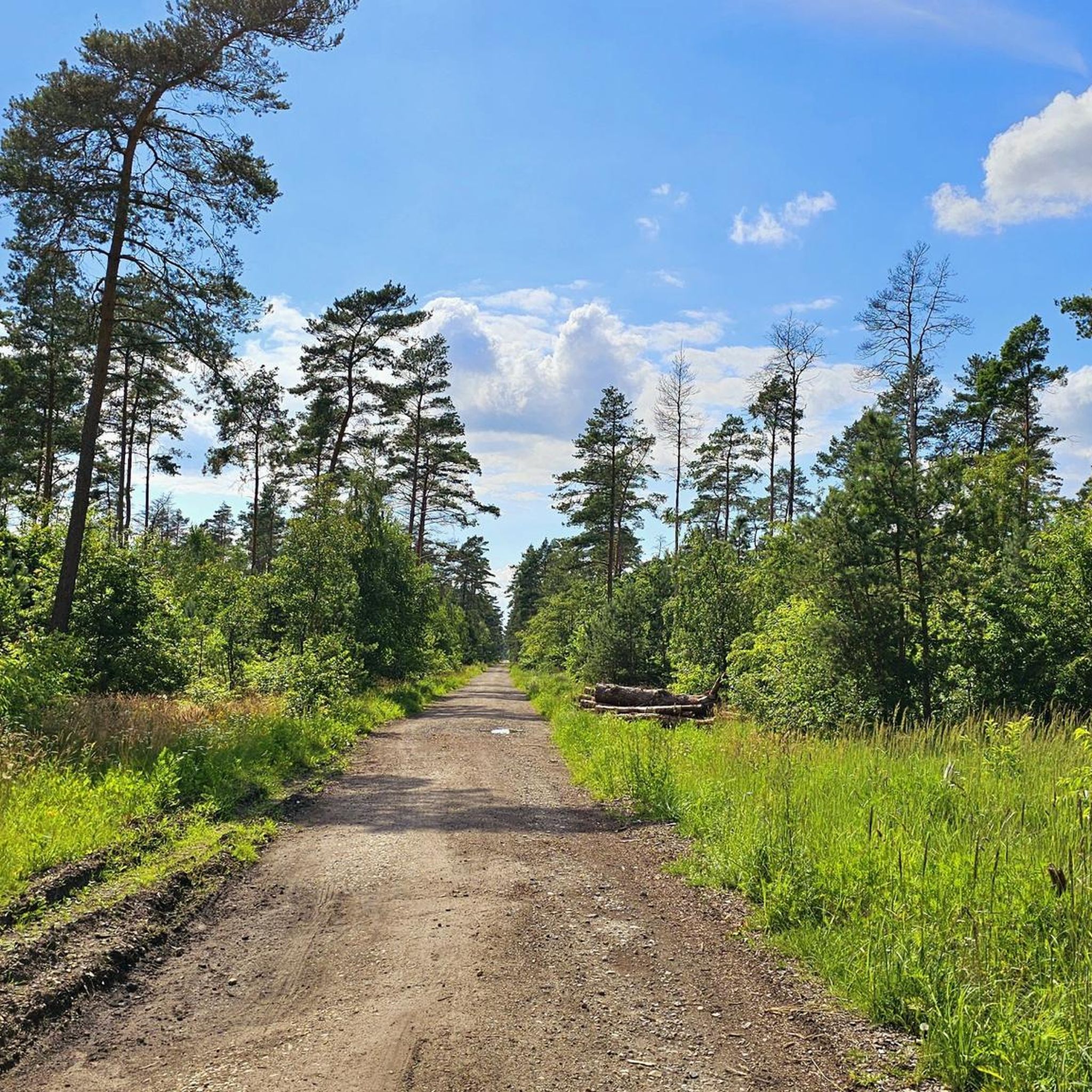
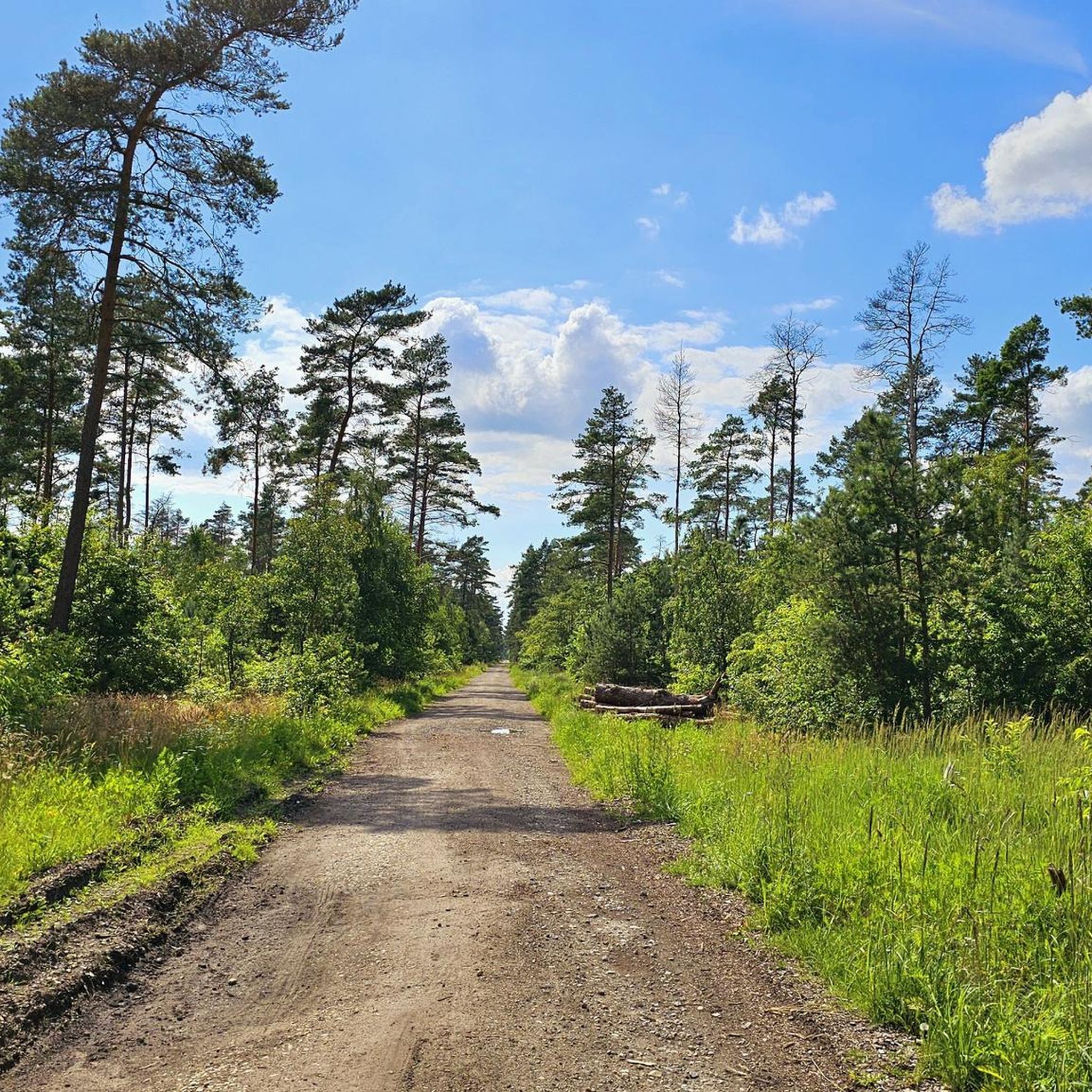
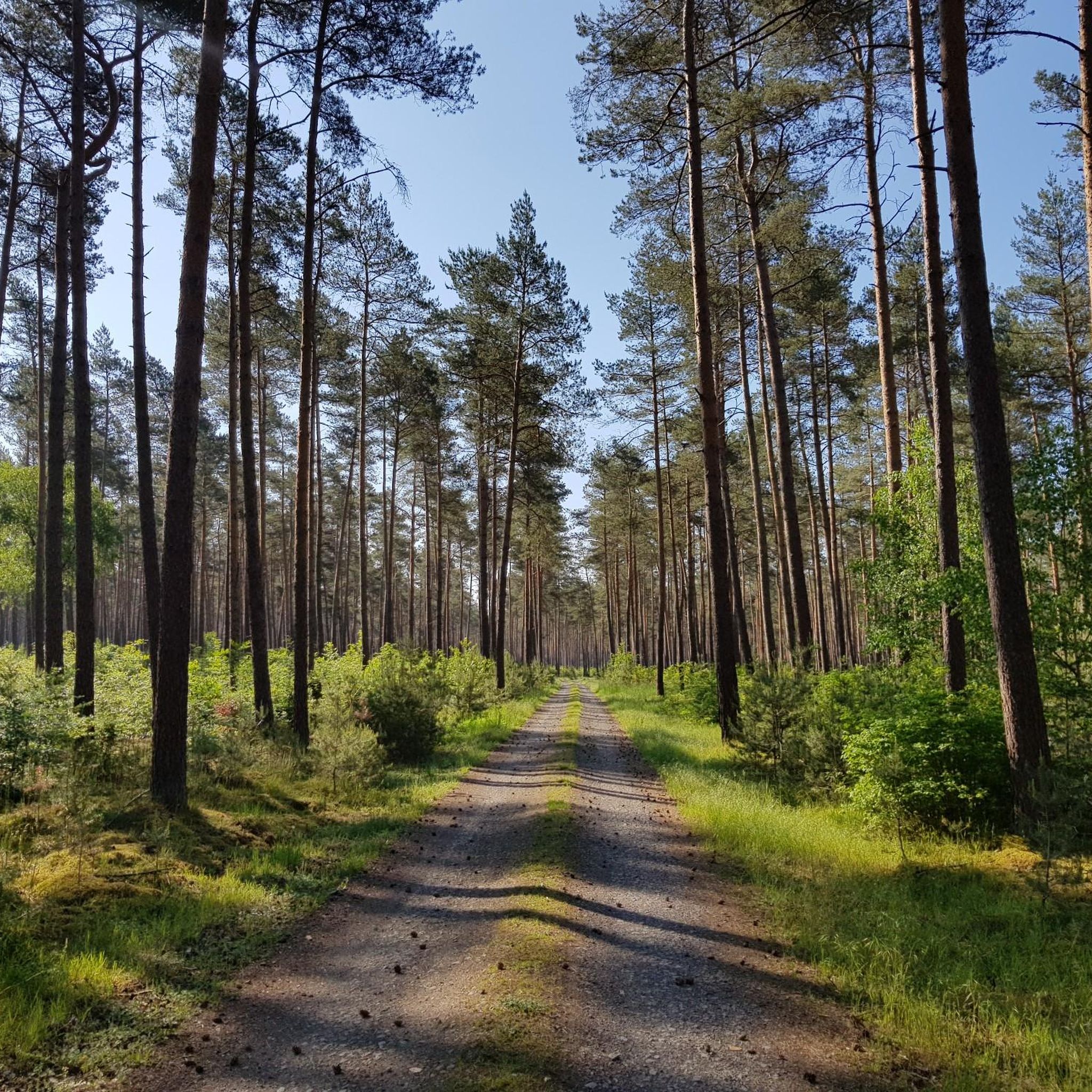
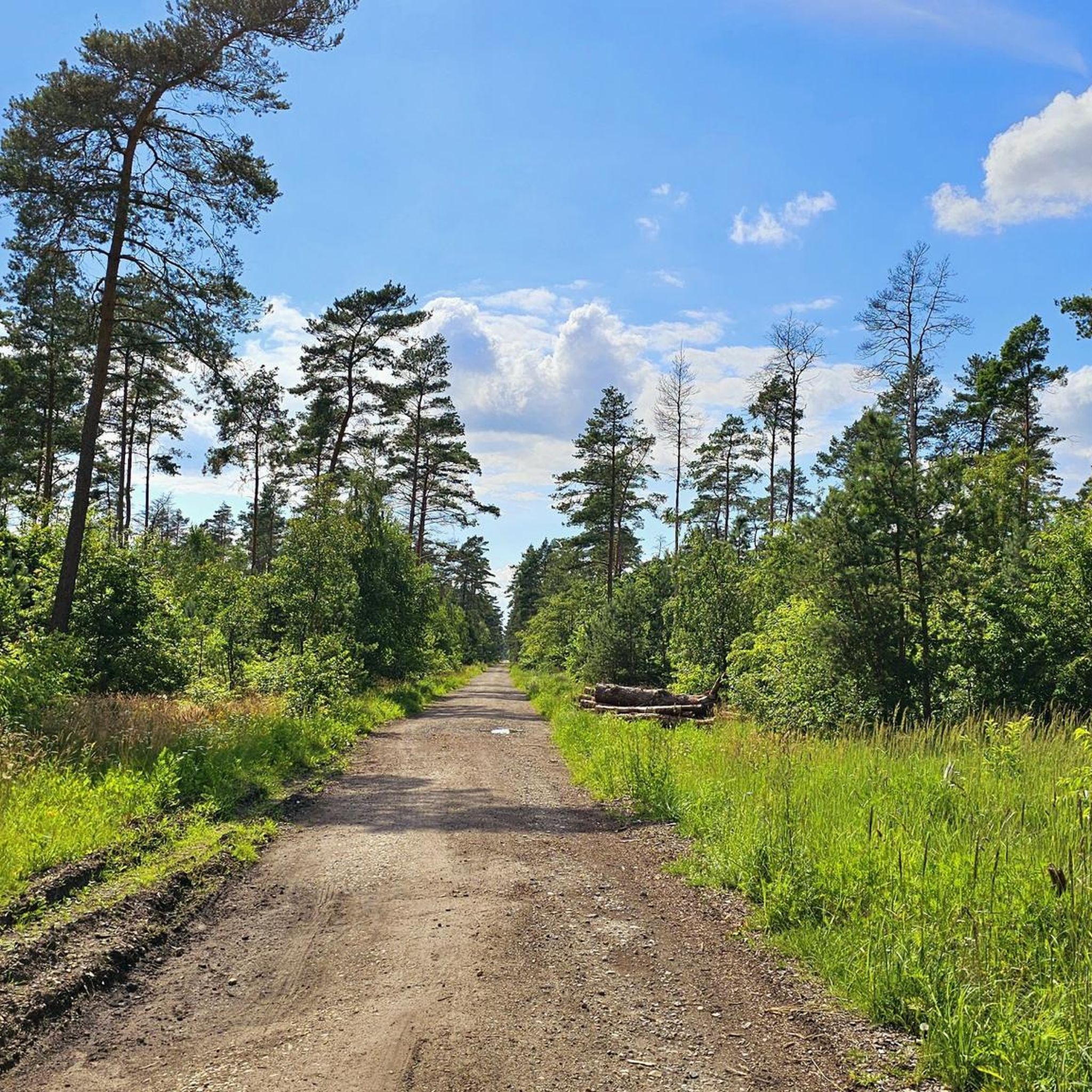
The path leads along the geological educational trail past several sand pits. The paths are partly sandy, but still easy to walk. Particularly recommended in spring
0
0

Geology you can touch - varied and explained in an exciting way.
0
0

Why do some stones sound bright and some dull? You will find out the answer at the Klangsteine station. When you throw a rock into the water, you'll see ripples spreading around where the rock meets the surface. It is similar with sound. When you hit a rock with a hammer, a sound wave propagates inside the rock. If it is finely crystalline or homogeneous, you will hear a bright sound. If there are crystal boundaries or microcracks that impede the propagation of the sound wave, a muffled tone is heard. Try it now!
3
1
At the boulder stack you will get to know the four rock classes as they can be found at different depths of the earth or on the earth's surface: plutonic rock such as granite, effusion rock such as porphyry, metamorphosed rock such as gneiss or sedimentary rock such as sandstone. You can also touch the stones, which are polished smooth in places, and feel how different the rock types are.
2
0
Frequently Asked Questions
What are the most popular natural monuments around Lindwedel?
Visitors frequently enjoy the interactive and educational sites. Among the most popular are the Sound Stones on the Geological Adventure Trail, where you can discover why different rocks produce distinct sounds. Another favorite is the Stone Sorting Machine on the Bewegte Steine Geo-Adventure Trail, an engaging installation for all ages. The Erratic Boulder Stack on the Geological Nature Trail is also highly rated for its tactile explanation of various rock classes.
Are there family-friendly natural monuments in the area?
Yes, several natural monuments around Lindwedel are very family-friendly. The Stone Sorting Machine on the Bewegte Steine Geo-Adventure Trail and the Sound Stones on the Geological Adventure Trail offer interactive learning experiences that children and adults can enjoy together. The Erratic Boulder Stack on the Geological Nature Trail also provides a hands-on way to learn about geology.
What kind of geological features can I explore near Lindwedel?
The area around Lindwedel is rich in geological features, often presented in an educational context. You can explore sites like the Sound Stones on the Geological Adventure Trail, which demonstrate acoustic properties of rocks, or the Erratic Boulder Stack on the Geological Nature Trail, showcasing different rock classes. Additionally, the Wietze Oil Hill, a unique man-made elevation from former oil extraction, offers insights into the region's industrial and geological past.
Can I find nature reserves or protected areas near Lindwedel?
Yes, while Lindwedel itself may not have specific individual natural monuments listed, the neighboring town of Burgwedel, within the same Hanover Region, features significant protected natural areas. These include the Naturschutzgebiet Trunnenmoor, known for its wet meadows and alder carrs, and the Naturschutzgebiet Kienmoor, an uneven-aged forest with diverse tree species and abundant deadwood. Large parts of Burgwedel are also designated as Landschaftsschutzgebiete (Landscape Protection Areas), preserving ecological diversity and recreational value.
What opportunities are there for wildlife spotting?
The nature reserves near Lindwedel offer excellent opportunities for wildlife spotting. The Naturschutzgebiet Trunnenmoor is a valuable wetland ecosystem crucial for diverse flora and fauna, including various bird species and amphibians. The Naturschutzgebiet Kienmoor provides a rich forest environment for observing forest-dwelling species. Additionally, the NABU Bat and Bird Tower, Brelinger Berge serves as a sanctuary for bats and falcons, with information boards about local wildlife.
Are there hiking trails near these natural monuments?
Absolutely. The region around Lindwedel offers various hiking opportunities. You can find easy trails like the 6.2 km "Hemmehof Cows loop from Lindwedel" or the 5.2 km "Great Oak (Natural Monument) loop from Hope." For more options, explore the hiking guide for Lindwedel, which features several routes passing by natural attractions.
What other outdoor activities can I do around Lindwedel's natural monuments?
Beyond hiking, the area is great for cycling and gravel biking. You can explore routes such as the 42 km "Scenic Cycle Path – St. Matthäi Chapel Bothmer loop from Lindwedel" or the 12 km "Fast Gravel Track – Adolfsglück Mining Cart loop from Lindwedel." For more detailed routes, check out the cycling guide and the gravel biking guide for Lindwedel.
What makes the Wietze Oil Hill a significant natural monument?
The Wietze Oil Hill is a unique natural monument that is actually a man-made elevation. It was formed between 1930 and 1963 from approximately one million cubic meters of spoil from the Wietzer oil shaft. Nature has since reclaimed the 54-meter-high hill, which now offers a fantastic panoramic view of the surrounding area, blending industrial history with natural regeneration.
What is the NABU Bat and Bird Tower, Brelinger Berge?
The NABU Bat and Bird Tower, Brelinger Berge is a renatured former gravel pit, managed by NABU Wedemark. This site includes a transformer tower that has been repurposed to provide shelter for bats and falcons. It serves as an important conservation project, highlighting local efforts to protect and support wildlife, and features information boards about the project and local species.
Are the natural monuments around Lindwedel suitable for dog owners?
Yes, many of the natural monuments and trails in the Lindwedel area are dog-friendly. For instance, the Stone Sorting Machine on the Bewegte Steine Geo-Adventure Trail is listed as dog-friendly. When visiting nature reserves, it's generally recommended to keep dogs on a leash to protect local wildlife and ensure a pleasant experience for all visitors.
What types of landscapes can I expect to see in the protected areas near Lindwedel?
The protected areas near Lindwedel offer a diverse range of landscapes. You can expect to see valuable wetland ecosystems with wet meadows and alder carrs in areas like Naturschutzgebiet Trunnenmoor. The Naturschutzgebiet Kienmoor features mature, uneven-aged forests with pine, spruce, alder, birch, and oak trees. Broader Landscape Protection Areas like Wietzetal and Oldhorster Moor encompass a mix of forests, meadows, and river valleys, preserving the region's unique character.
When is the best time to visit the natural monuments around Lindwedel?
The natural monuments around Lindwedel can be enjoyed throughout the year, depending on your interests. Spring and summer are ideal for experiencing the vibrant flora and fauna in the nature reserves and for outdoor activities like hiking and cycling. Autumn offers beautiful foliage, especially in forested areas like Kienmoor. Even in winter, the geological sites and trails offer a peaceful experience, though some paths might be less accessible depending on snow or ice.
Most popular routes around Lindwedel
Most popular attractions around Lindwedel

Get inspired with the komoot mobile app


Explore more
Extend your search for the best caves by checking out these guides of the top ones around Lindwedel:
