Top 20 Natural Monuments around Gölenkamp
Best natural monuments around Gölenkamp showcase the diverse natural landscape of the Grafschaft Bentheim district in Lower Saxony. The area features a mix of heathlands, forests, and river systems, providing various natural attractions. These locations offer opportunities to explore unique geological formations and historical sites, contributing to the region's natural heritage.
Best natural monuments around Gölenkamp
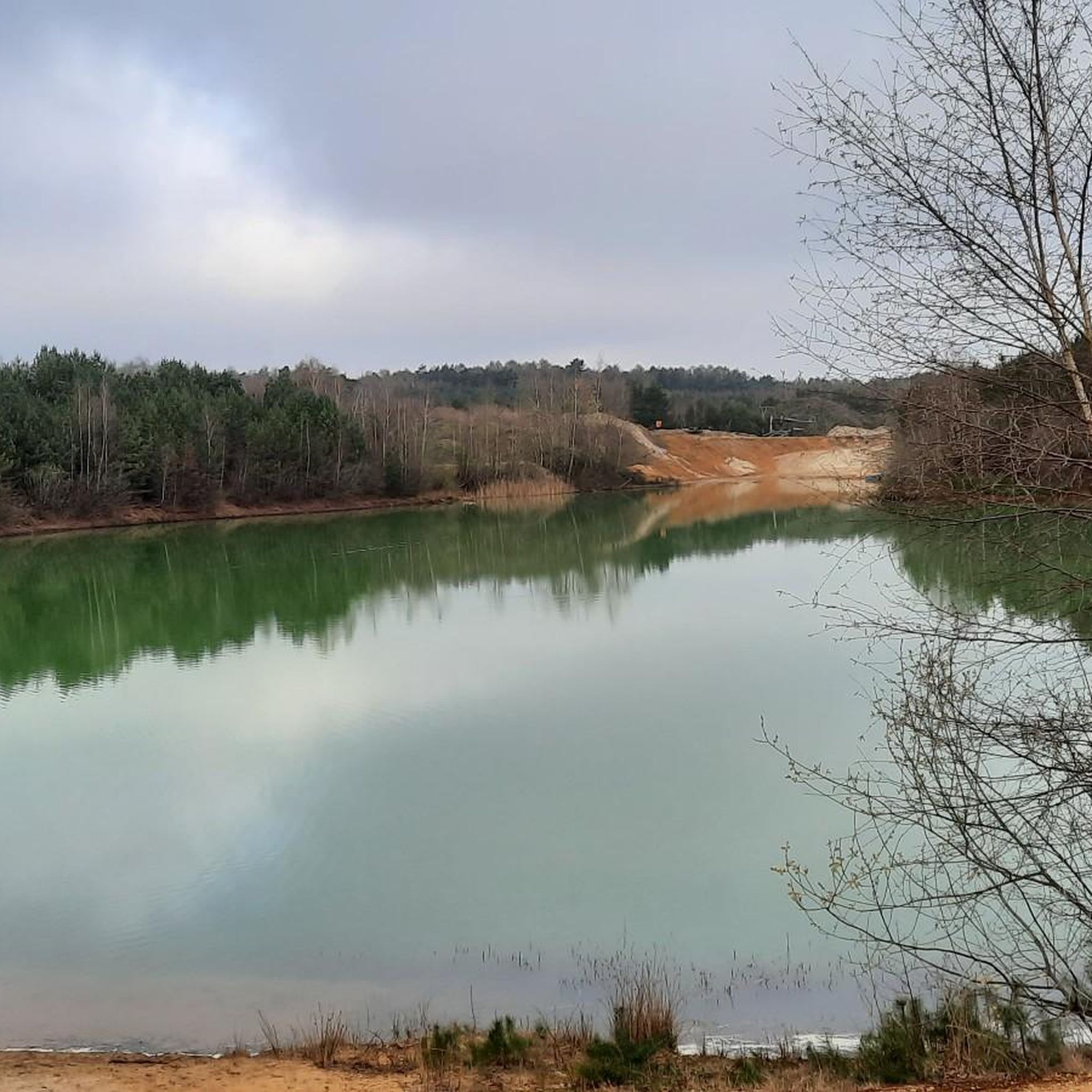
- The most popular natural monuments is The Springs, Springendal, a lake that offers a great place to take a break and relax. It…
Last updated: July 8, 2026
Springs and Boardwalk Trail, Springendal & Mosbeek Valley
Highlight • Trail
Translated by Google •
Tip by

The Springs, Springendal
Highlight • Lake
The adjacent café serves typical Dutch snacks and cakes.
Translated by Google •
Tip by

Sign up now to discover places like this
Get recommendations on the best single tracks, peaks, & plenty of other exciting outdoor places.
Sign up for free
Dinkel Weir
Highlight • Bridge
Translated by Google •
Tip by

Itter Spring
Highlight • Natural Monument
Translated by Google •
Tip by

Mander Hunebed and Burial Mound
Highlight • Historical Site
Translated by Google •
Tip by

Sign up for free to discover even more natural monuments around Gölenkamp.
Sign up for free
Already have an account?
Start today with a free account
Your next adventure awaits.
Login or Signup
Tips from the Community


Beautiful route, highly recommended!
0
0

PLEASE NOTE: The Vlonderpad has been removed!
3
1

A bottom slide for the Dinkel The "War" weir must make way for a more ecological structure The "War" Dinkel weir in Lage was more than 80 years old when extensive renovation work began here in May 2019. The dilapidated weir in the county of Bentheim was replaced by a bottom slide that compensates for the difference in height between the upper and lower water over a longer distance. Now fish and other aquatic animals can migrate up and down again. This "ecological continuity" is made possible by the multi-level bottom slide with 20 crossbars that transform the riverbed into a kind of long staircase or "basin cascade". The rest areas in the basins allow even weak-swimming fish to ascend the water and are also a breeding ground for young fish. In addition, the turbulent flow ensures that the water absorbs more oxygen than before.
6
0

A great highlight on the tour in the Lower County on the border with the Netherlands, also with a rest hut -:)
6
0

Actually a reconstruction of the dolmen, which had completely disappeared. In 1957, the remains of the disappeared dolmen 02 were excavated near Mander under the direction of C.C.W.J. Hijszeler, the then director of the Rijksmuseum Twente. During excavations in 1958, the 'Mander Man' was found in one of the burial mounds of Mander, in the form of a corpse silhouette. This means that almost all bone remains had disappeared and only a 'shadow' of the body was visible. The 'Mander Man' lived about 4000 years ago, in the Bronze Age. This man was missing his feet. It is believed that the feet of a dead person were cut off to prevent him from rising again and taking the living with him to the realm of the dead.
1
1

Not really special and on Sundays you only hear shouting people from the klootshooting association
0
0

In Lage, the bottom slide and bridge at the Dinkel weir have been completed. This was announced by the district of Grafschaft Bentheim. The construction of the bottom slide restored the river's continuity in accordance with the European Water Framework Directive. Over the years, obstacles to migration for fish, among other things, have also arisen in the Dinkel area, which have now been removed by the measures. This included the demolition of the old bridge and weir system and the construction of a new two-span bridge with a flood channel opening. The reconstruction work on the weir system began in 2019. According to the head of the Lower Saxony State Office for Water Management, Coastal and Nature Conservation, Dorothea Altenhofen, the planned measures at the Dinkel weir in Neuenhaus and the bottom slide will achieve complete continuity on the Lower Saxony side of the Dinkel. The construction project was funded by EU and state funds with 1.5 million euros.
6
0
Frequently Asked Questions
What unique natural monuments can I explore in Gölenkamp?
Beyond the well-known spots, Gölenkamp is home to the Spöllberg, a significant heath landscape featuring ancient Bronze Age burial mounds. This site offers panoramic views across the county and holds historical importance due to the discovery of the 'Golden Cup'. It also integrates art with Luciano Fabro's 'Tumulus' installation, blending natural beauty, history, and contemporary art. You can learn more about Spöllberg on the Grafschaft Bentheim Tourism website.
Are there natural monuments around Gölenkamp suitable for families?
Yes, several natural monuments are family-friendly. For instance, The Springs, Springendal is a lovely lake within a forest, perfect for a relaxing break. Another great option is the Mander Hunebed and Burial Mound, an archaeological site that offers an interesting historical perspective for all ages.
What kind of natural features can I expect to see at these monuments?
The natural monuments around Gölenkamp showcase diverse features. You can find serene lakes like The Springs, Springendal, dense forests, and scenic viewpoints. The Springs and Boardwalk Trail, Springendal & Mosbeek Valley, for example, combines a lake, forest, and a viewpoint for an immersive natural experience. You'll also encounter rivers and weirs, such as the ecologically restored Dinkel Weir.
Are there historical or archaeological sites among the natural monuments?
Absolutely. The Spöllberg is notable for its Bronze Age burial mounds and the historical discovery of the 'Golden Cup'. Additionally, the Mander Hunebed and Burial Mound is an archaeological site where significant finds, including the 'Mander Man' silhouette, have been made, offering a glimpse into prehistoric times.
What outdoor activities can I do near the natural monuments in Gölenkamp?
The region around Gölenkamp is excellent for various outdoor activities. You can enjoy hiking on easy trails, cycling, and even gravel biking. For detailed routes and inspiration, check out the guides for easy hikes around Gölenkamp, cycling around Gölenkamp, and gravel biking around Gölenkamp.
Are there hiking trails available at the natural monuments?
Yes, many natural monuments are integrated into hiking networks. For example, the Springs and Boardwalk Trail, Springendal & Mosbeek Valley is an intermediate trail offering a scenic walk. The Spöllberg also has surrounding picturesque landscapes with numerous cycling and hiking trails. You can find more hiking options in the easy hikes around Gölenkamp guide.
What do visitors enjoy most about the natural monuments in this region?
Visitors particularly appreciate the tranquil and scenic beauty of the area. Many find places like The Springs, Springendal to be perfect for relaxation. The ecological restoration efforts at sites like the Dinkel Weir are also highly valued, showcasing a commitment to nature. The blend of natural landscapes with historical significance, as seen at Spöllberg, also draws considerable interest.
Can I find viewpoints offering panoramic scenery?
Yes, the Spöllberg is renowned for its magnificent panoramic views, extending across the county as far as Lingen in Emsland from its 53.2-meter elevation. The Springs and Boardwalk Trail, Springendal & Mosbeek Valley also features a viewpoint, allowing you to take in the natural surroundings.
Is there a natural spring or river monument to visit?
Yes, the Itter Spring is a beautiful natural monument where the Itter stream rises. It's located in a forested area of the Itterbecker Heide nature reserve and is considered a lovely piece of nature to explore.
Are there any art installations integrated with the natural monuments?
Yes, the Spöllberg features a unique art integration. In 1999, artist Luciano Fabro incorporated the site into the 'kunstwegen' art project with his 'Tumulus' installation, which involves a 240-meter-long steel anchor chain laid around one of the ancient burial mounds. This creates an interesting cultural dimension to the natural landscape.
What is the best time of year to visit the natural monuments around Gölenkamp?
The natural monuments around Gölenkamp, with their heathlands, forests, and trails, are beautiful to visit throughout the warmer months, from spring to early autumn. Spring offers blooming flora, while autumn provides vibrant foliage. The panoramic views from Spöllberg are enjoyable on clear days year-round.
Most popular routes around Gölenkamp
Most popular attractions around Gölenkamp

Get inspired with the komoot mobile app


Explore more
Extend your search for the best caves by checking out these guides of the top ones around Gölenkamp:
