Top 20 Natural Monuments around Chiemsee
Best natural monuments around Chiemsee showcase a landscape shaped by glacial history, featuring Bavaria's largest lake and diverse ecosystems. The region is characterized by its vast freshwater bodies, extensive deltas, and ancient moorlands. These sites offer insights into geological processes and support rich biodiversity. The area provides a range of natural features for exploration.
Best natural monuments around Chiemsee
- The most popular natural monuments is Rottauer Waterfall, a waterfall that offers a pleasant, cool spot, especially on warm days.…
Last updated: August 18, 2026
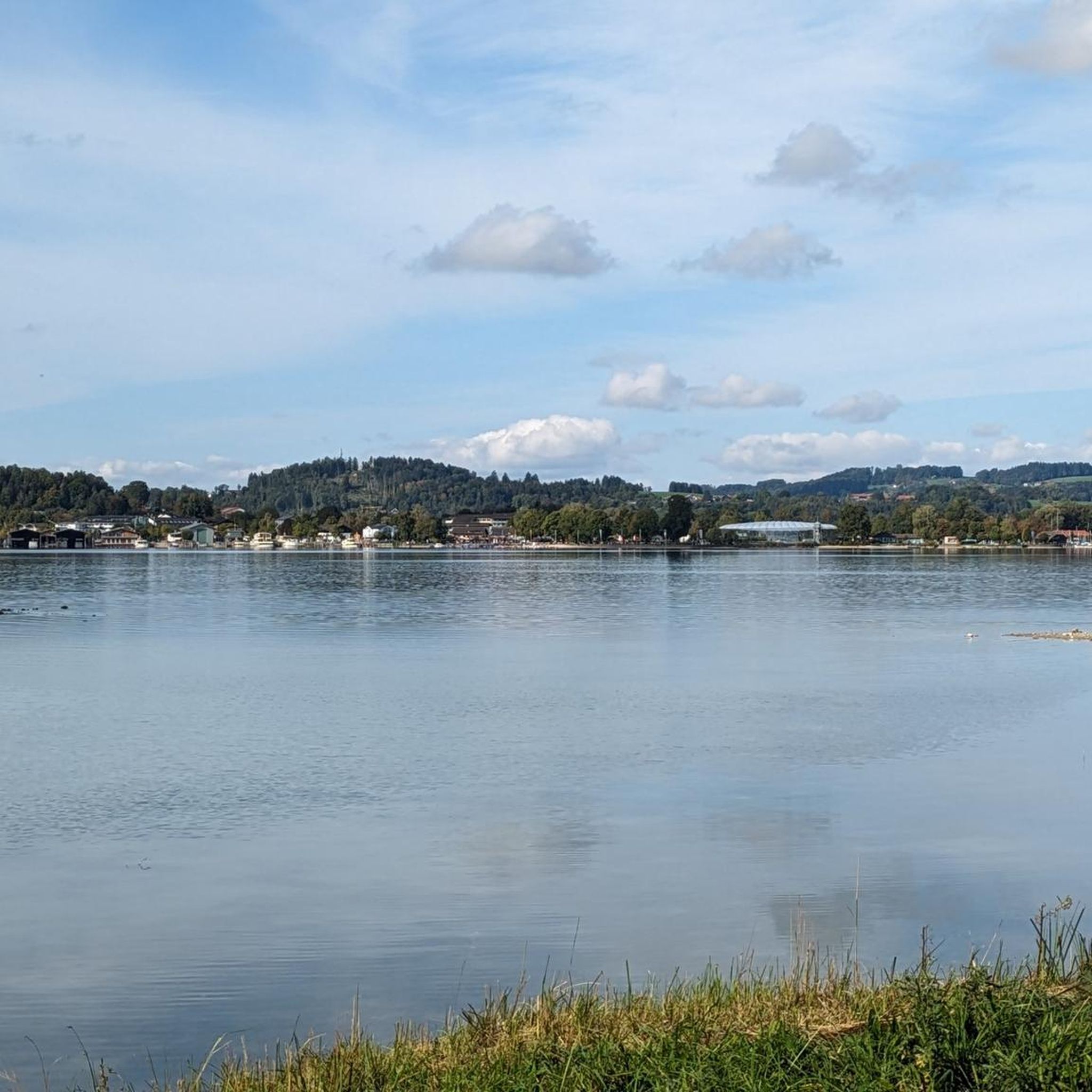
View of Fraueninsel
Highlight • Viewpoint
Translated by Google •
Tip by

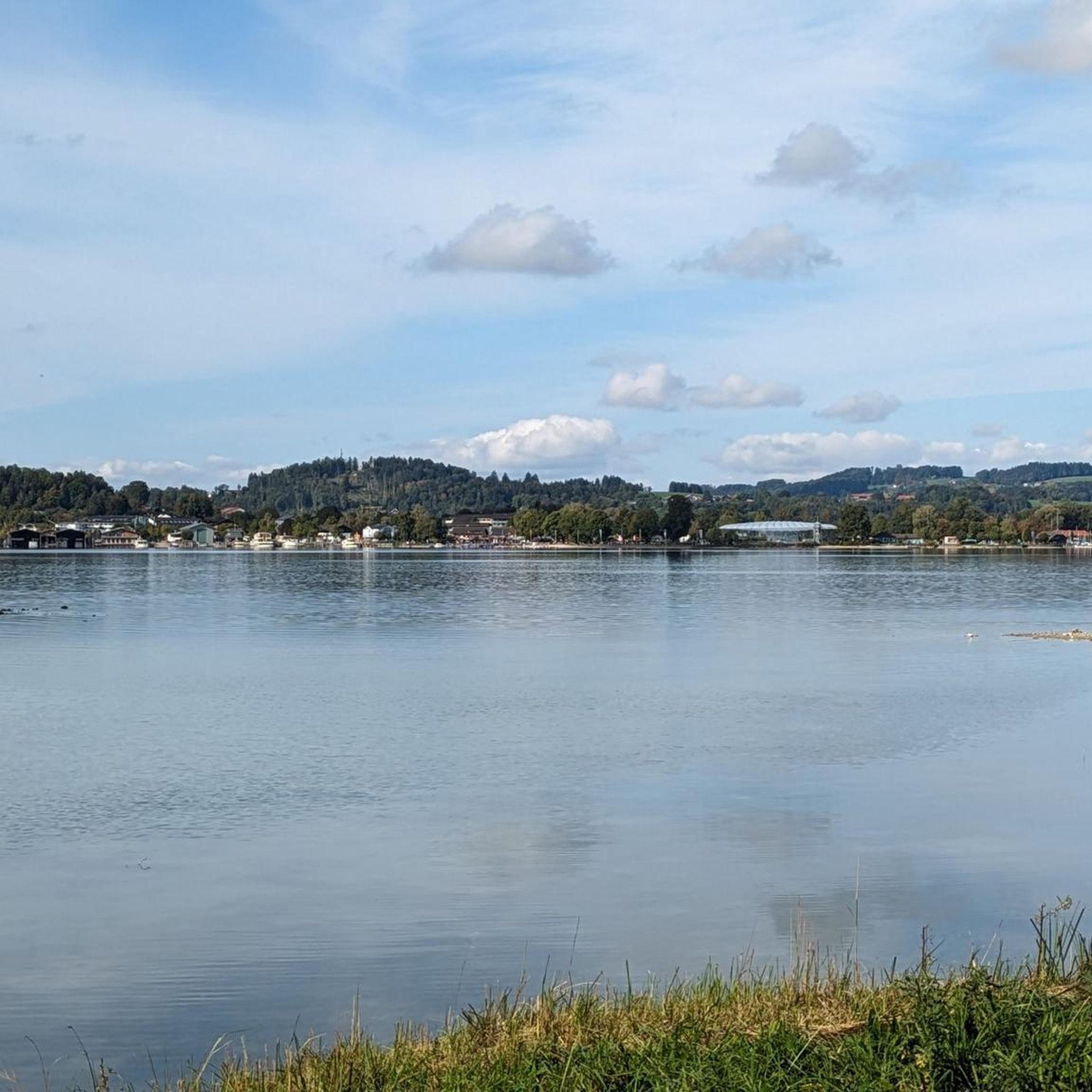
View of the Chiemsee and the Chiemgau Alps
Highlight • Viewpoint
Translated by Google •
Tip by

Sign up now to discover places like this
Get recommendations on the best single tracks, peaks, & plenty of other exciting outdoor places.
Sign up for free
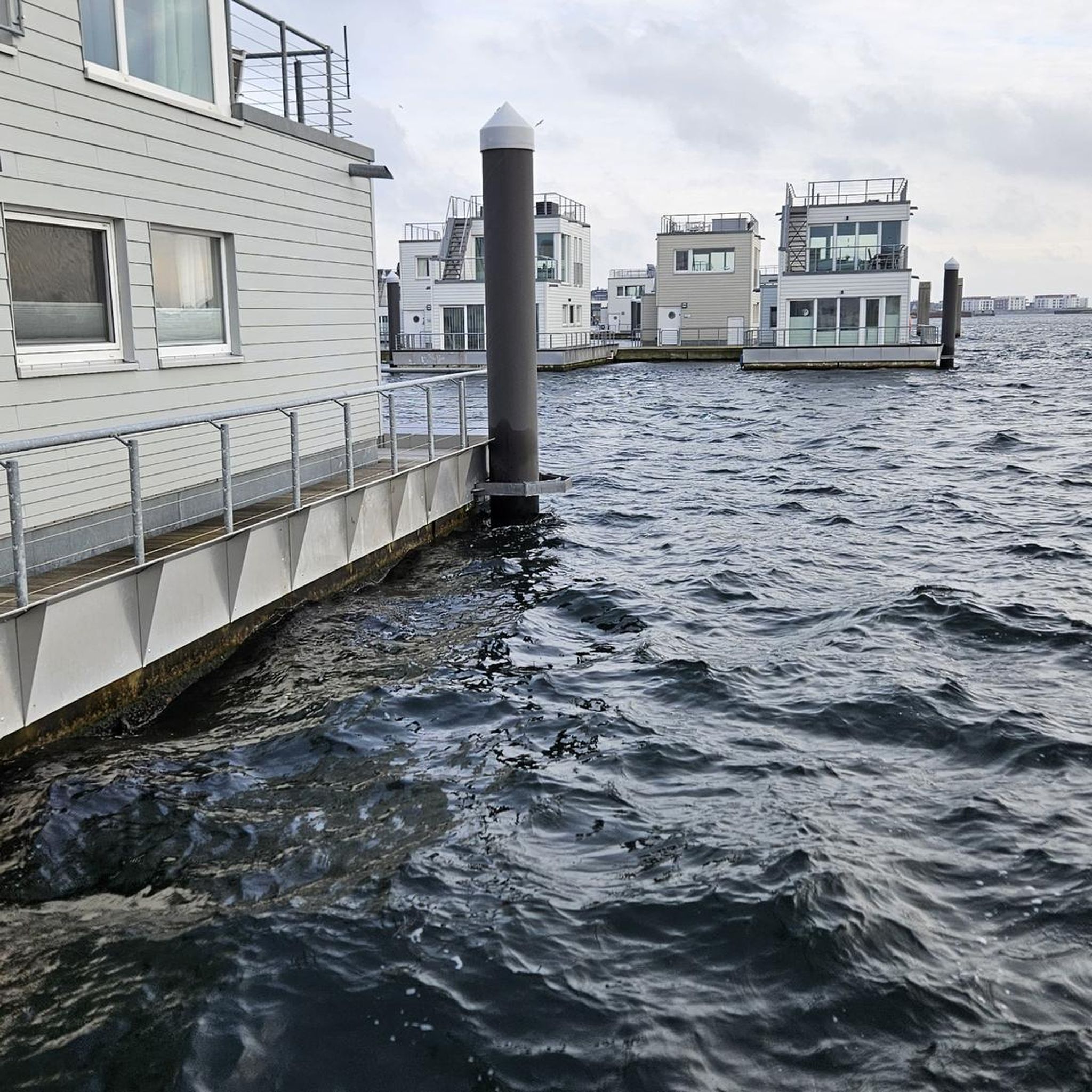
Prien Bridge at the mouth of the Prien into Lake Chiemsee
Highlight • Bridge
Translated by Google •
Tip by

Ganszipfel Observation Tower with a view of Fraueninsel, Krautinsel, and Herreninsel
Highlight • Viewpoint
Translated by Google •
Tip by

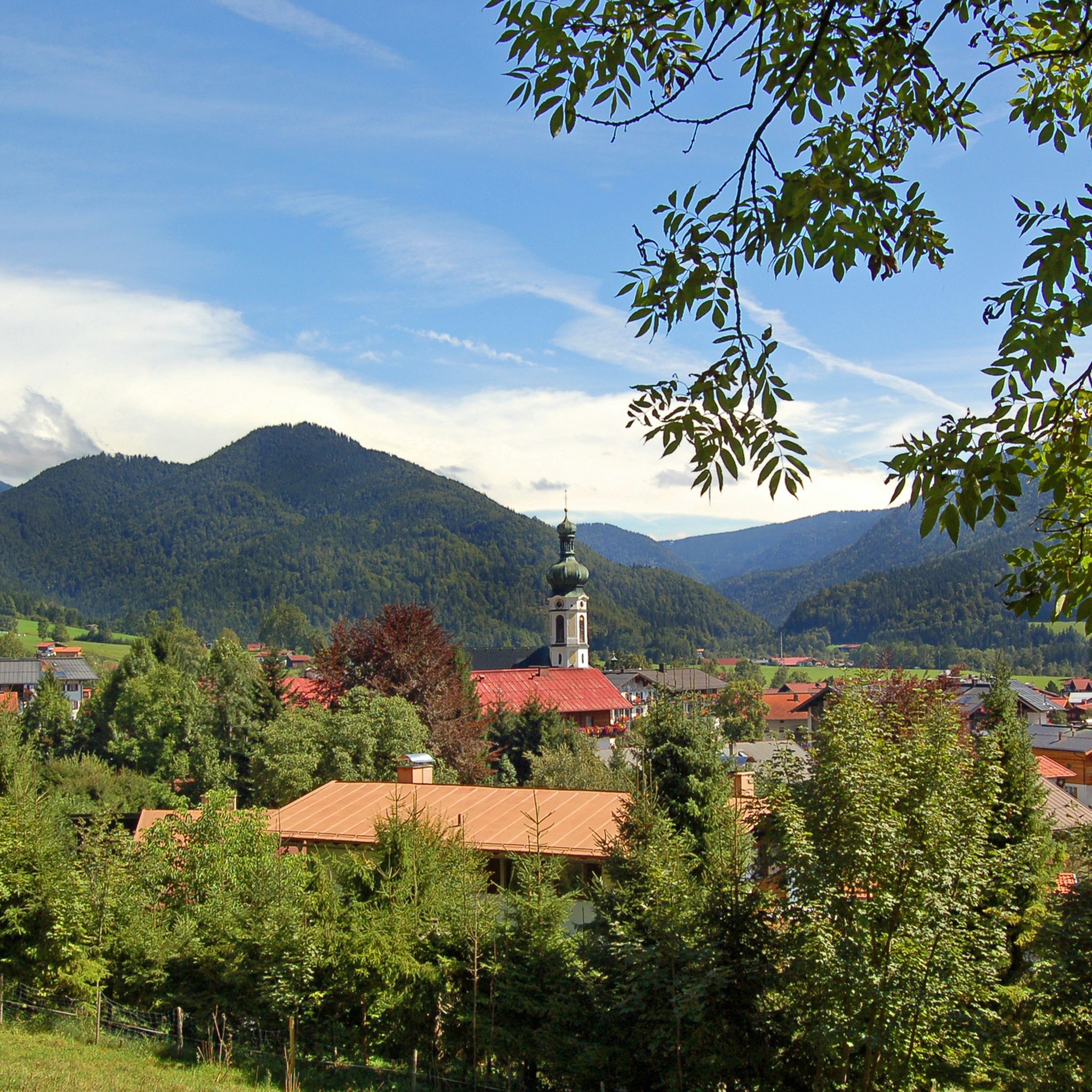
Rottauer Waterfall
Highlight • Waterfall
Translated by Google •
Tip by

Sign up for free to discover even more natural monuments around Chiemsee.
Sign up for free
Already have an account?
Start today with a free account
Your next adventure awaits.
Login or Signup
Tips from the Community

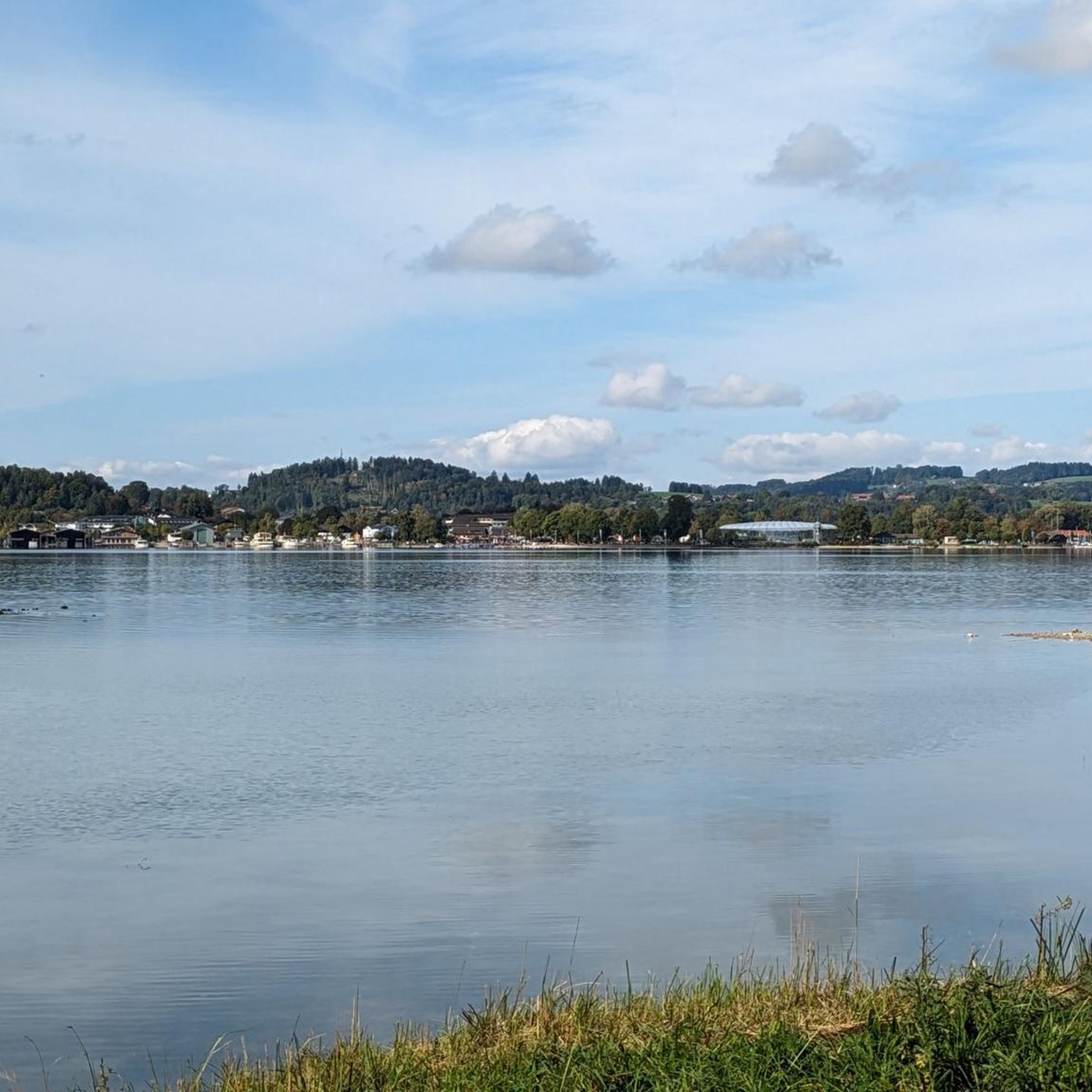
The cycle path leads straight through many beautiful floodplains, meadows, moors, and forests. The cycle path is well signposted and rideable
0
0


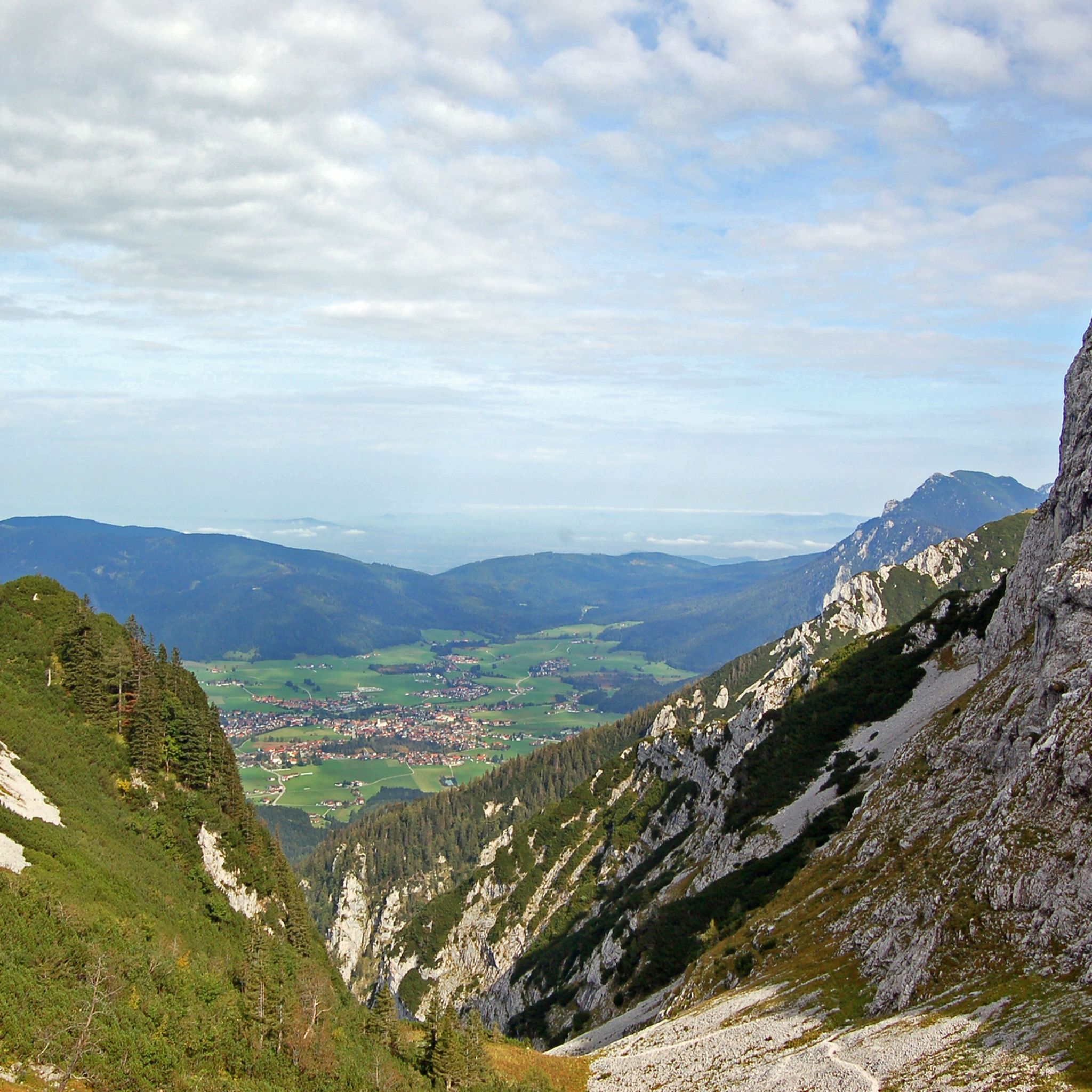
From 694 m above sea level the water roars down, the path does not continue, you have to go back a bit about 90 m, then the path continues to the Hefter Alm
0
0

The SalzAlpenSteig also runs nearby. All information about the hiking trail can be found under the following link: https://www.salzalpensteig.com/wanderetappen/etappenuebersicht.html (as of July 2, 2024).
0
0
The SalzAlpenSteig also runs nearby. All information about the hiking trail can be found under the following link: https://www.salzalpensteig.com/wanderetappen/etappenuebersicht.html (as of July 2, 2024).
1
0

Great view of Lake Chiemsee and the mountains in the background
5
0
Very nice tour almost always with a view of Lake Chiemsee
7
1

Simply stunningly beautiful.
7
0
Frequently Asked Questions
What unique geological features can be found among the natural monuments around Chiemsee?
The Chiemsee region is rich in geological history, primarily shaped by the Ice Age. You can explore the vast Chiemsee lake itself, a glacial remnant, and the Tiroler Achen Delta, Central Europe's largest freshwater delta, which continuously reshapes the landscape. The Eggstätt-Hemhofer Seenplatte is an 'ice-decay landscape' with 17 groundwater-fed lakes, while the Kendlmühlfilze is Bavaria's largest contiguous raised bog, formed from the ancient Chiemsee. You can also find exposed limestone sandstones from the Upper Marine Molasse period on Herreninsel, showcasing ancient marine sediments.
Are there family-friendly natural monuments to visit near Chiemsee?
Yes, several natural monuments around Chiemsee are suitable for families. The View of Fraueninsel offers scenic perspectives that are easy to access. The Mouth of the Tiroler Ache and the Tiroler Achen Estuary Nature Reserve are great for observing nature. The Prien Bridge at the mouth of the Prien into Lake Chiemsee is also noted as family-friendly, with a small inn and playground nearby. The Eggstätt-Hemhofer Seenplatte offers tranquil settings for walks and swimming in its numerous lakes.
What kind of outdoor activities can I do near the natural monuments?
The Chiemsee region offers a variety of outdoor activities. You can find numerous routes for hiking, including easy walks around the lakes of the Eggstätt-Hemhofer Seenplatte or more moderate trails on Herreninsel. For cyclists, there are options for gravel biking and running trails along the lake shore and through nature reserves like the Tiroler Achen Estuary. Many lakes also offer opportunities for swimming.
Where can I experience the rich biodiversity of the Chiemsee region?
The Tiroler Achen Estuary Nature Reserve is an internationally important resting and wintering ground for waterbirds, making it excellent for birdwatching. The Eggstätt-Hemhofer Seenplatte is exceptionally rich in biodiversity, particularly known for a wide variety of dragonfly species. The Kendlmühlfilze, Bavaria's largest raised bog, hosts unique plants like sundew, cranberry, and sphagnum moss, with educational trails and an observation tower to explore its unique flora and fauna.
What is the best time of year to visit the natural monuments around Chiemsee?
The Chiemsee region is beautiful year-round, but the best time to visit depends on your preferred activities. Spring and summer (May to September) are ideal for hiking, cycling, swimming, and enjoying the lush greenery and birdlife. Autumn offers stunning foliage, especially in areas like the Eichental Valley. While some areas might be less accessible, winter can provide a serene, picturesque experience, particularly around the frozen lake or snow-dusted landscapes.
Are there any natural monuments that offer insights into the region's industrial past?
Yes, the Kendlmühlfilze moorland, situated south of Chiemsee, offers a unique glimpse into the region's industrial past. This area was historically used for peat extraction, and today, visitors can find remnants of this industry, including a peat railway known as the 'Bockerlbahn' and an associated museum, providing insights into both the ecology of moorlands and human interaction with this natural resource.
What do visitors enjoy most about the natural monuments around Chiemsee?
Visitors frequently praise the scenic beauty and tranquility of the Chiemsee region's natural monuments. They particularly enjoy the pleasant, cool atmosphere at the Rottauer Waterfall, especially on warm days. The View of Fraueninsel is cherished for its perspectives of the island with the Chiemgau Alps. Many appreciate the pure nature and rich birdlife found at the Mouth of the Tiroler Ache and the Tiroler Achen Estuary Nature Reserve, often describing it as 'like from another world'.
Can I find easy hiking trails suitable for beginners around the natural monuments?
Yes, there are several easy hiking options. The trails around the Eggstätt-Hemhofer Seenplatte are generally flat and offer pleasant walks around the lakes. On Herreninsel, you can find easy routes like the 'North Pier, Fraueninsel – Fraueninsel (Lake Chiemsee) loop' or the 'Apollo Basin – Ancient Giant Trees loop' which are suitable for beginners. The Eichental Valley also provides pleasant, gentle walks close to Prien am Chiemsee.
Are there any natural monuments that showcase ancient marine life?
For those interested in ancient marine life, the 'Obere Meeresmolasse der Herreninsel' (Upper Marine Molasse of Herreninsel) is a significant site. This geotope showcases exposed limestone sandstones from the Upper Marine Molasse period, where you can observe fossilized shells (Muschelschill). It provides rare evidence of the region's geological past before the formation of the Alps, when it was covered by a sea.
What is the significance of the Chiemsee lake itself as a natural monument?
Chiemsee, Bavaria's largest lake and Germany's third-largest, is a monumental natural feature formed approximately 10,000 years ago by a glacier at the end of the Ice Age. Its formation is a direct result of ice-age geological processes, making it a living testament to this ancient past. The lake's origins also led to the creation of numerous smaller lakes, rivers, and moors in the surrounding area, and its water quality is consistently rated 'excellent'.
Where can I observe glacial landscapes and their impact on the Chiemsee region?
The entire Chiemsee region is a testament to glacial activity. The Chiemsee lake itself is a large glacial remnant. The Eggstätt-Hemhofer Seenplatte is a prime example of an 'ice-decay landscape' with its numerous lakes and moors. The Eichental Valley near Prien am Chiemsee was sculpted by the Prien glacier. Additionally, the 'Quartärprofil in der ehemaligen Kiesgrube SW von Hörmating' reveals significant Quaternary geological profiles with layers of glacial moraine and gravel from the Würm Ice Age, offering deep insights into the region's glacial history.
Most popular attractions around Chiemsee

Get inspired with the komoot mobile app


Explore more
Extend your search for the best caves by checking out these guides of the top ones around Chiemsee:
