Top 19 Natural Monuments around Annaburg
Best natural monuments around Annaburg are found within a landscape characterized by ecological significance and scenic beauty. The region, located in the district of Wittenberg, Saxony-Anhalt, features diverse natural areas. Key natural attractions include the Annaburger Heide, known for its open sand areas, heaths, and dune complexes, and the Tiergarten Annaburg, an extensive forest area. These protected landscapes offer opportunities for nature observation and exploration.
Best natural monuments around Annaburg
- The most popular natural monument is Vitriol Pond, a…
Last updated: May 12, 2026
Black Elster River
Highlight • River
Translated by Google •
Tip by

Kurhaus Bad Schmiedeberg
Highlight • Monument
Showing Translation
Tip by
Sign up now to discover places like this
Get recommendations on the best single tracks, peaks, & plenty of other exciting outdoor places.
Sign up for free
Moritz Hauswald Spring
Highlight • Natural Monument
Translated by Google •
Tip by

Vitriol Pond
Highlight • Lake
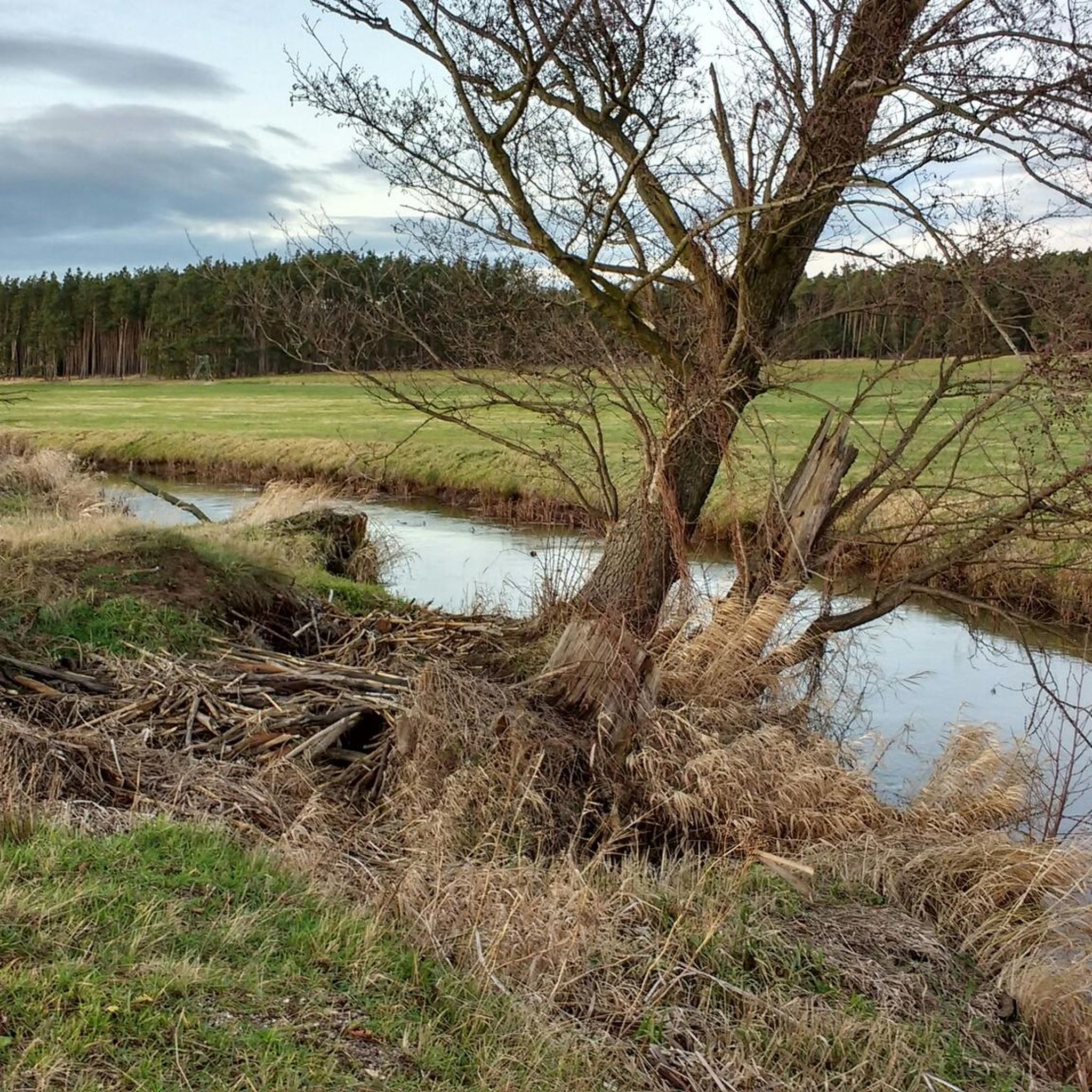
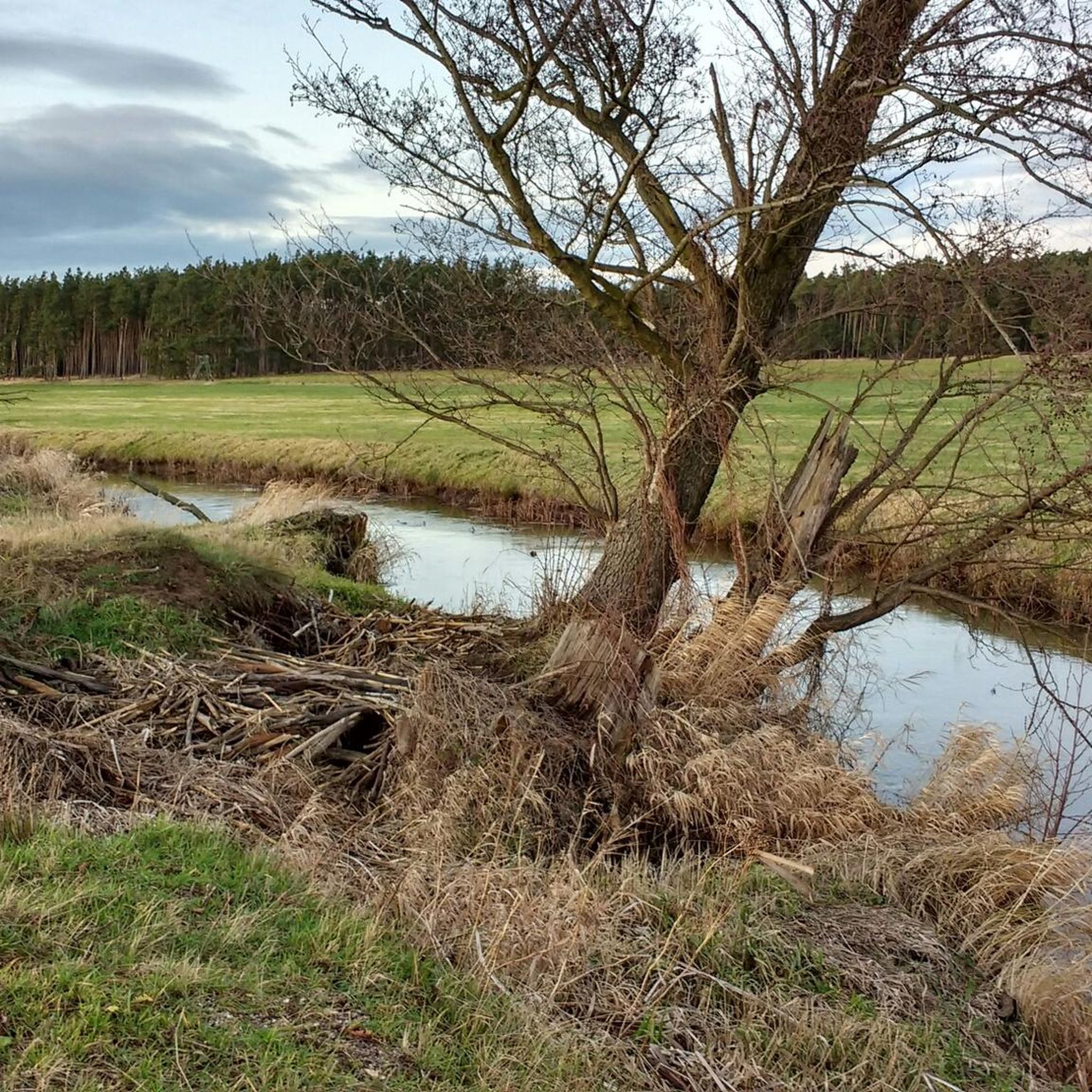
is actually a post-mining landscape. From 1669 onwards, sulphates containing copper, iron and zinc were mined here.
Source flickr.com/photos/93898066@N07/45207898241
Translated by Google •
Tip by
Margarethenbrunnen and Kurfürstenbrunnen
Highlight • Monument
The water of the Margarethenbrunnen in Bad Schmiedeberg comes from a depth of 136 meters. Drinking mineral water regularly can prevent mineral deficiencies or compensate for an existing …
Translated by Google •
Tip by

Sign up for free to discover even more natural monuments around Annaburg.
Sign up for free
Already have an account?
Start today with a free account
Your next adventure awaits.
Login or Signup
Other adventures around Annaburg

Tips from the Community

One of the Gesundbrunnen in Bad Schmiedeberg
1
0
Margarethenbrunnen The lightly mineralized water of the Margarethenbrunnen spring in Bad Schmiedeberg comes from a depth of 136 meters. Drinking mineral water regularly can prevent mineral deficiencies or compensate for existing ones. This mineral water is also used in the moor baths. Source: https://www.eisenmoorbad-bad-schmiedeberg.de/heilwasser.html
4
0

A great way to have a cool drink.
0
0

Beautiful Art Nouveau architecture with a Mediterranean flair.
0
0

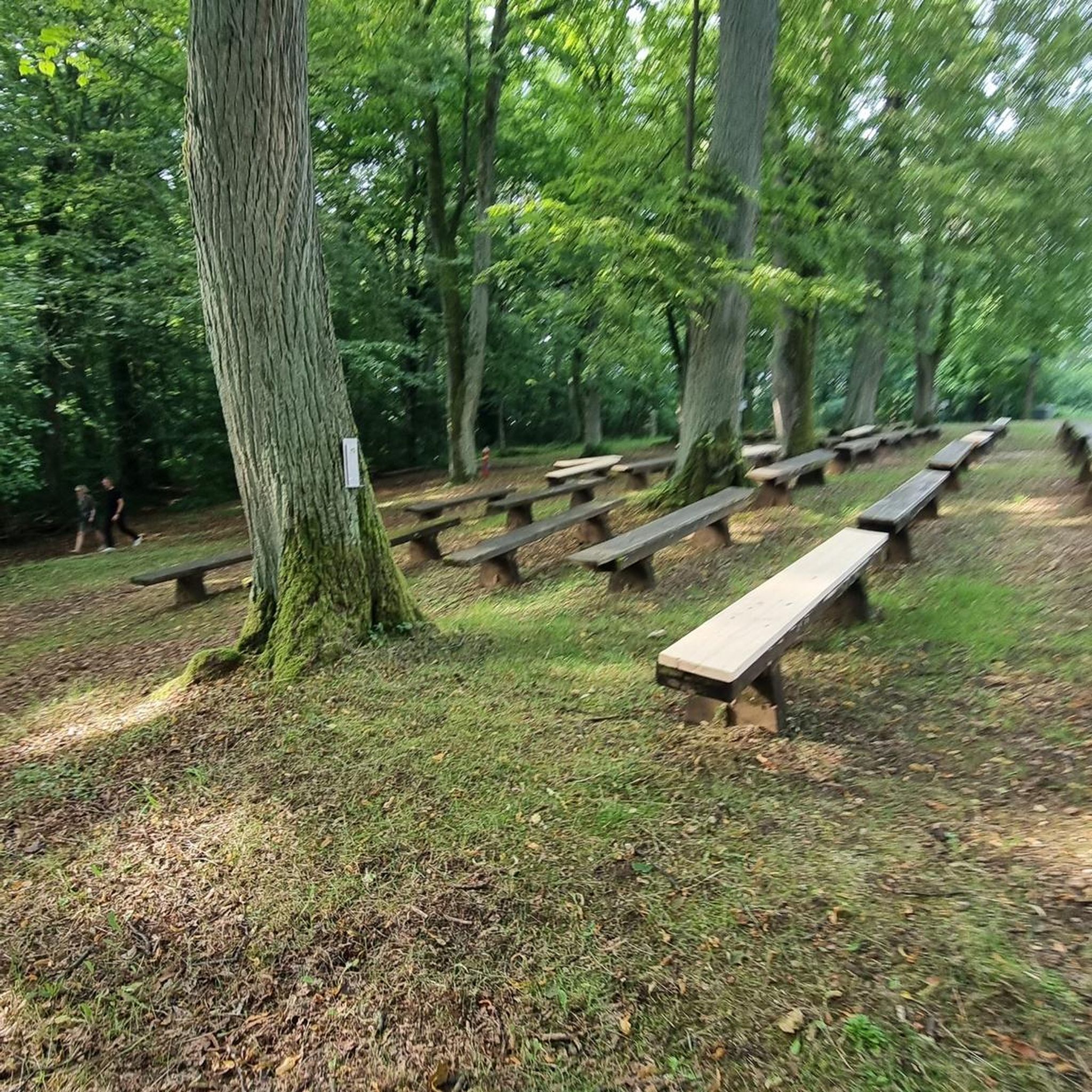
The Vitriolteich pond south of Bad Schmiedeberg is a gem, inviting you to rest on its plentiful benches and shelter. Information panels provide information about the pond's origins and history.
0
0

Because the water from this spring has a slightly salty taste.
1
0
The Vitriolteich near Moschwig is actually a post-mining landscape. From 1669 onwards, sulphates containing copper, iron and zinc were mined here. Source https://www.flickr.com/photos/93898066@N07/45207898241
5
0

Frequently Asked Questions
What unique natural features can I explore around Annaburg?
The region around Annaburg offers diverse natural features. You can visit the Vitriol Pond, a fascinating post-mining landscape where sulphates were once extracted. Additionally, the Annaburger Heide features open sand areas, dwarf shrub heaths, and dune complexes, while the Tiergarten Annaburg boasts extensive forest ecosystems.
Are there any natural monuments with healing properties in the area?
Yes, Annaburg is known for its mineral-rich springs. The Moritz Hauswald Spring offers mineralized healing water used for drinking cures to aid digestion, metabolism, and kidney issues. Similarly, the Margarethenbrunnen and Kurfürstenbrunnen provide water for spa treatments and to prevent mineral deficiencies.
What kind of outdoor activities can I do near Annaburg's natural monuments?
The area around Annaburg is excellent for various outdoor activities. You can find numerous routes for hiking, cycling, and mountain biking. For example, there are easy hiking trails like the Pretziner Gravel Lakes loop, or moderate cycling routes such as the Elbe ferry — Dommitzsch to Prettin loop. Explore more options on the Hiking around Annaburg, Cycling around Annaburg, and MTB Trails around Annaburg guide pages.
Are there family-friendly natural monuments or attractions around Annaburg?
Many natural sites around Annaburg are suitable for families. The Moritz Hauswald Spring and Vitriol Pond are accessible and offer interesting natural experiences. Additionally, the Villa Marx and Botanical Garden Herzberg provide a pleasant environment for a family outing, especially during the growing season.
What historical or cultural sites are integrated with the natural landscape?
Beyond natural beauty, the region offers historical insights. The Kurhaus Bad Schmiedeberg is an Art Nouveau spa building with a rich history of municipal iron mud baths. The Tiergarten Annaburg also contains ancient burial mounds within its old deciduous forest, hinting at a long human interaction with the landscape. The Villa Marx and Botanical Garden Herzberg, established in 1906, combine historical architecture with a diverse plant collection.
What is the Annaburger Heide and why is it significant?
The Annaburger Heide is a large, ecologically valuable natural landscape near Annaburg. It's designated as a Natura 2000 site, an FFH (Fauna-Flora-Habitat) area, and a bird protection area. Its significance lies in its diverse landscape of open sand areas, dwarf shrub heaths, and dune complexes, which support a rich variety of habitats and species, making it crucial for biodiversity.
Can I bring my dog to the natural monuments and trails?
While specific regulations for each natural monument may vary, the extensive natural areas like the Annaburger Heide and Tiergarten Annaburg generally welcome dogs. It's always recommended to keep dogs on a leash, especially in protected areas, to protect wildlife and ensure a pleasant experience for all visitors.
What is the best time of year to visit the natural monuments around Annaburg?
The best time to visit depends on your interests. Spring and autumn offer pleasant temperatures for hiking and cycling, with vibrant flora in spring and colorful foliage in autumn. The botanical garden at Villa Marx is particularly beautiful from spring to autumn. Summer is ideal for enjoying the lakes and open heathlands, while winter can offer tranquil, frosty landscapes for those seeking solitude.
Are there any accessible natural monuments for visitors with mobility challenges?
Yes, some natural monuments around Annaburg offer good accessibility. Both the Moritz Hauswald Spring and the Margarethenbrunnen and Kurfürstenbrunnen are noted as wheelchair-accessible. The Kurhaus Bad Schmiedeberg, a historical spa building, is also wheelchair-friendly.
Where can I find places to eat or stay near the natural monuments?
Annaburg and nearby towns offer various options for dining and accommodation. While specific cafes or pubs directly at every natural monument might be limited, you'll find choices in the main settlements. The Kurhaus Bad Schmiedeberg, for instance, is a notable facility that also includes a restaurant.
What kind of wildlife can I expect to see in the Annaburger Heide?
As a designated bird protection area and a site of ecological significance, the Annaburger Heide is home to diverse wildlife. You can expect to observe various bird species, and due to its varied habitats including open sand areas and heathlands, it supports a range of insects, reptiles, and small mammals adapted to these unique environments.
What is the 'Tiergarten Annaburg' and what does it offer?
The Tiergarten Annaburg is a designated Landscape Protection Area located south of the town. It primarily consists of extensive forest areas, including mixed deciduous and pine forests. It offers serene environments for walks, relaxation, and observing local woodland ecosystems. Within this area, the 'Kleiner Tiergarten' features old deciduous forest stands and ancient burial mounds, adding a historical dimension to the natural experience.
Most popular routes around Annaburg
Most popular attractions around Annaburg

Get inspired with the komoot mobile app


Explore more
Extend your search for the best caves by checking out these guides of the top ones around Annaburg:
